" "
Products
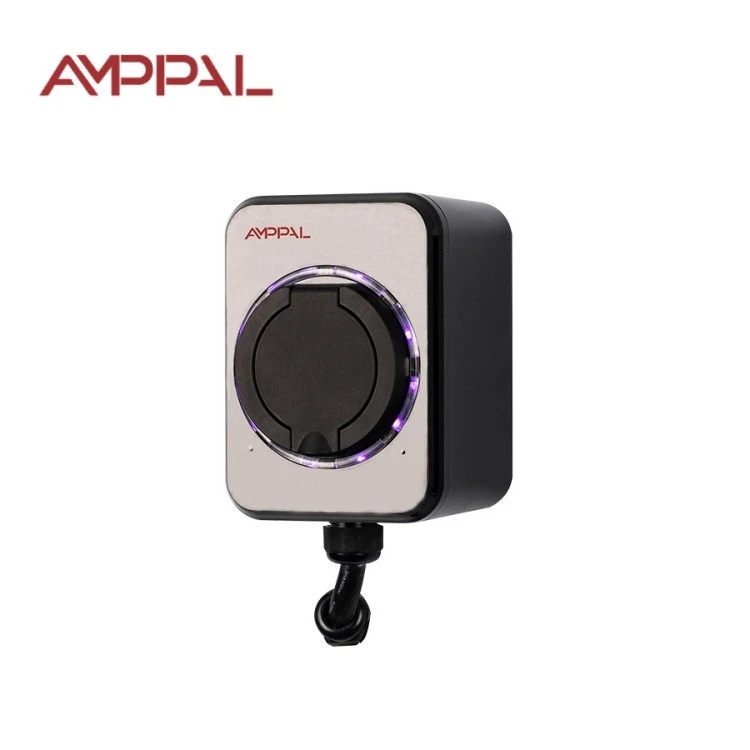
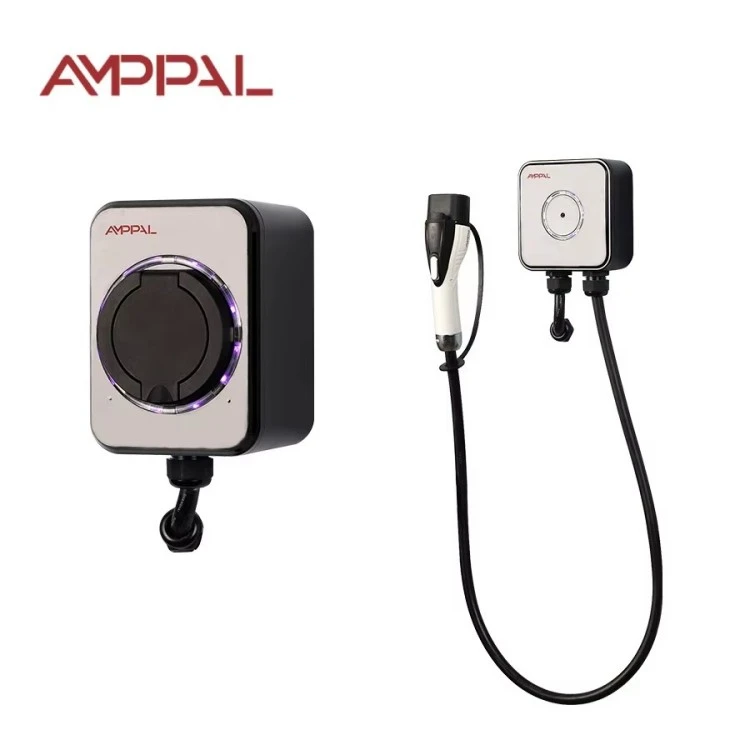
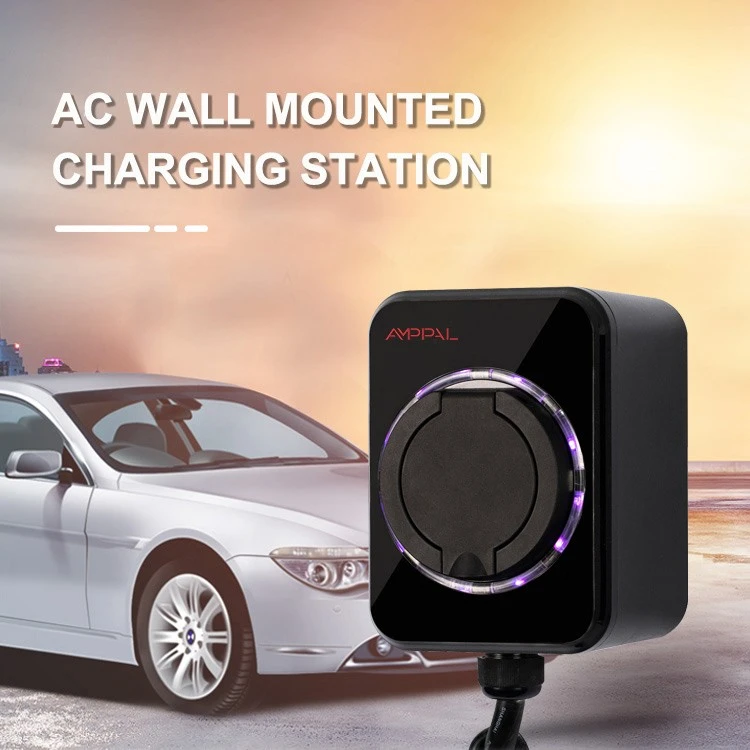
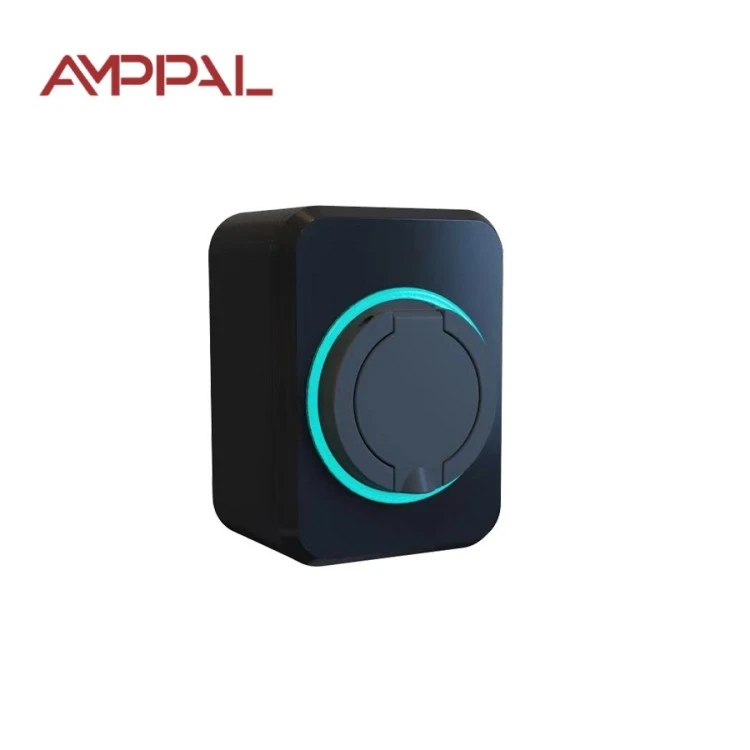
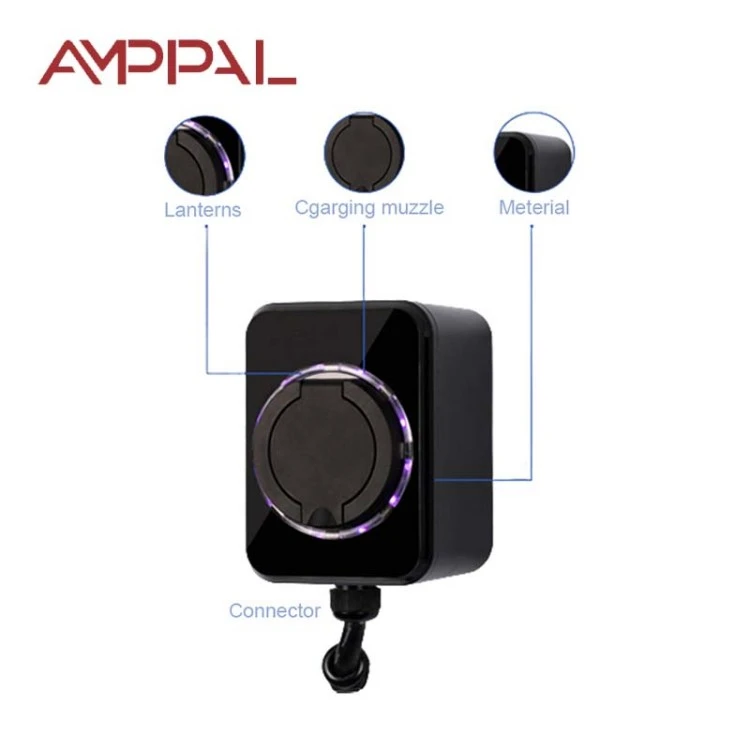
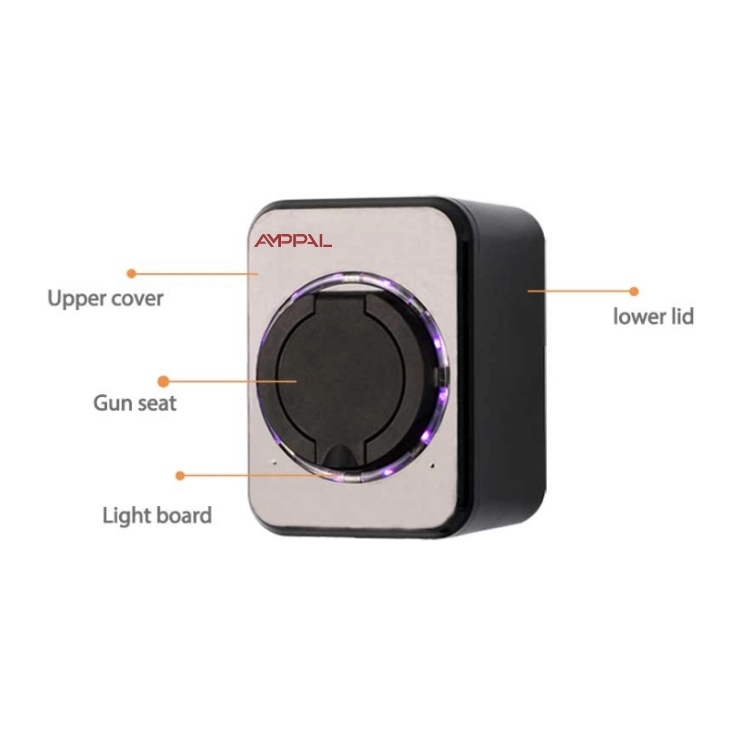
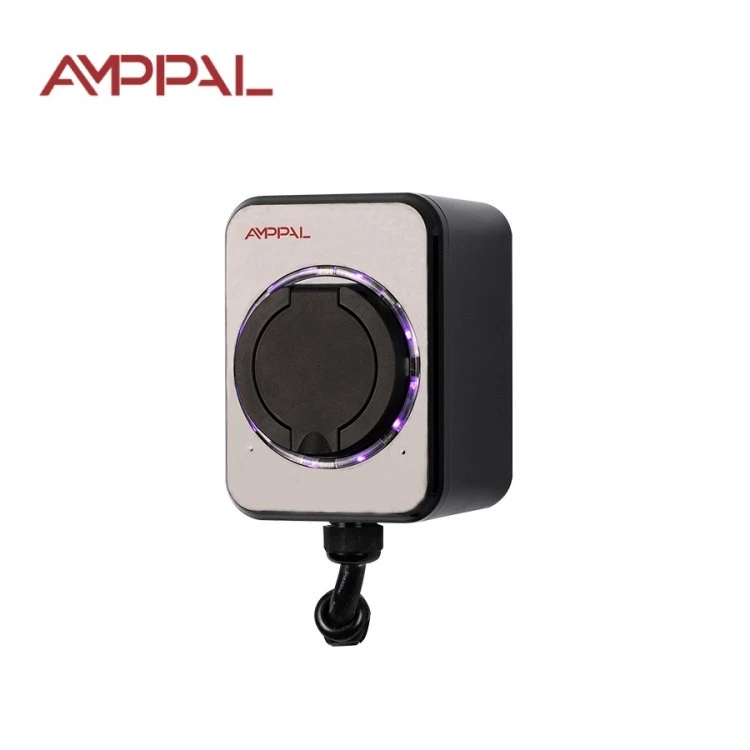
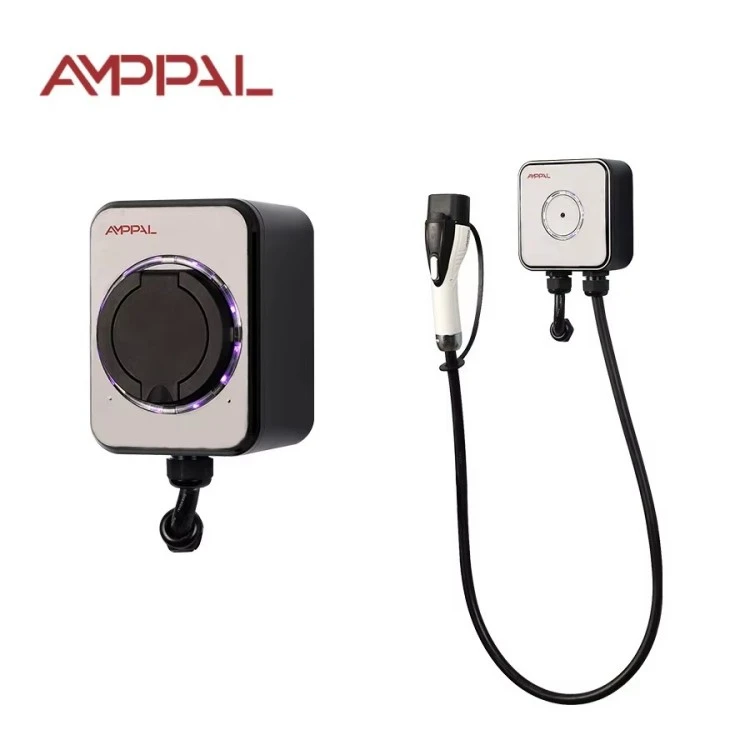
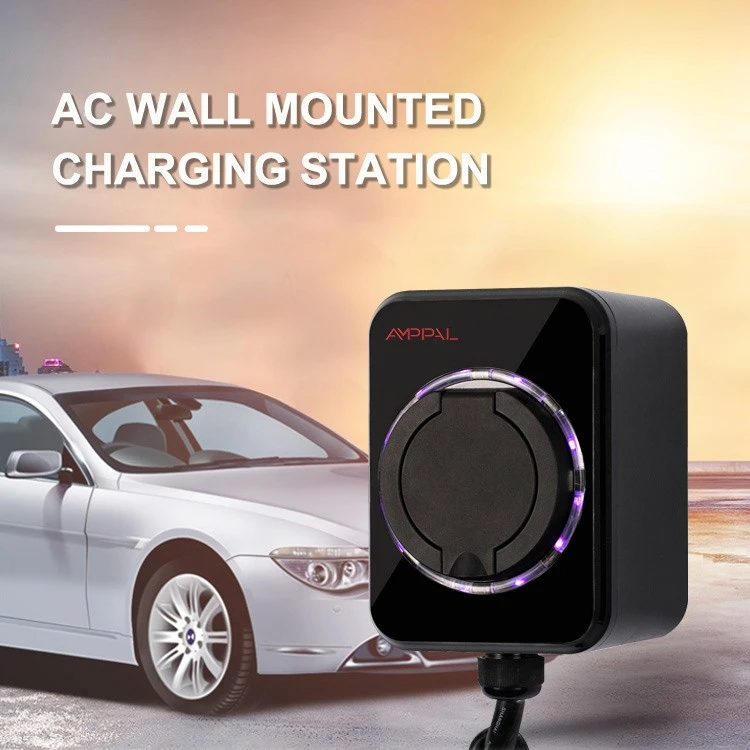
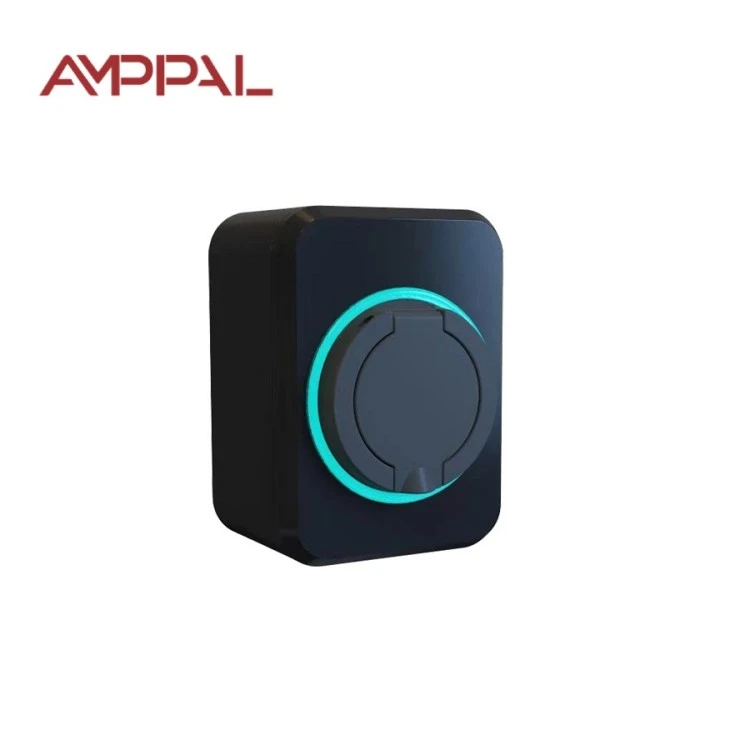
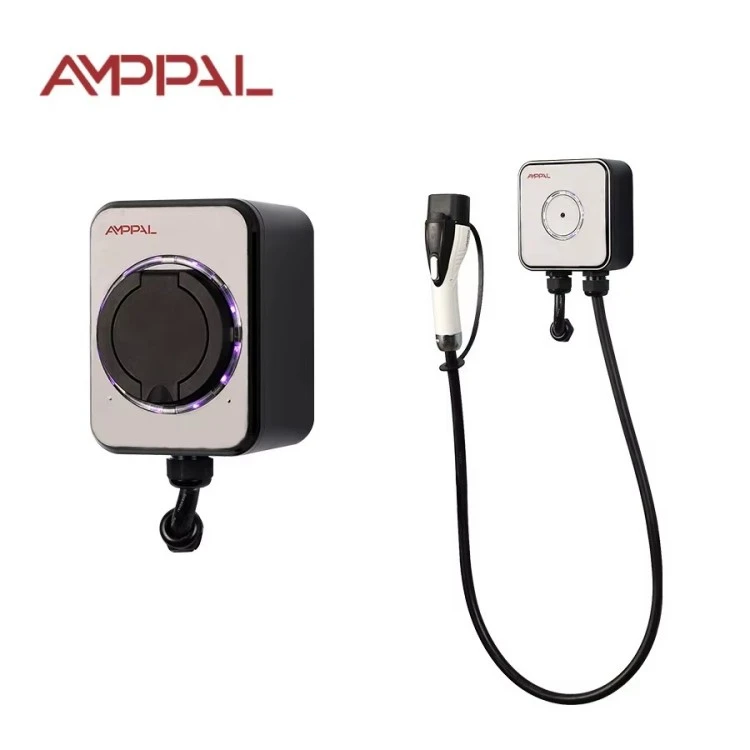
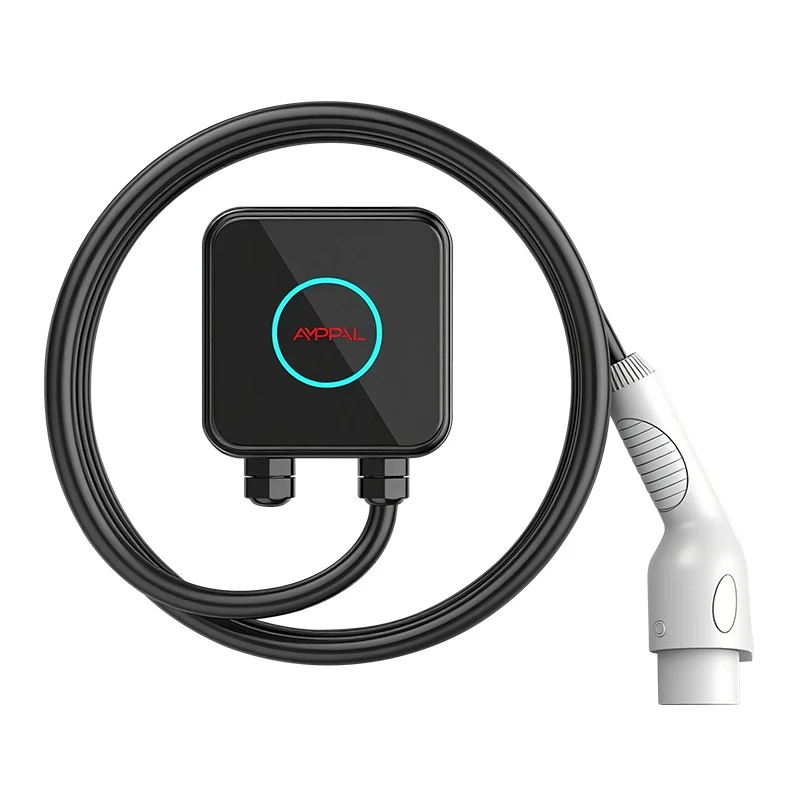
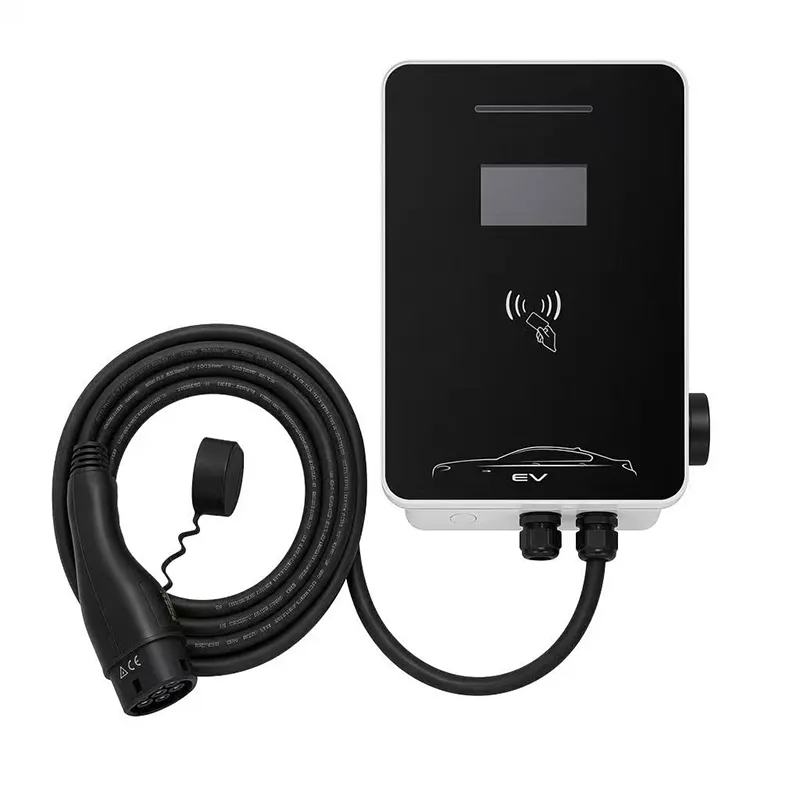
7kW Standard Wall-Mounted AC EV Charger for Home and Workplace
  • 7kW Standard Wall-Mounted AC EV Charger for Home and Workplace7kW Standard Wall-Mounted AC EV Charger for Home and Workplace
  • 7kW Standard Wall-Mounted AC EV Charger for Home and Workplace7kW Standard Wall-Mounted AC EV Charger for Home and Workplace
  • 7kW Standard Wall-Mounted AC EV Charger for Home and Workplace7kW Standard Wall-Mounted AC EV Charger for Home and Workplace
  • 7kW Standard Wall-Mounted AC EV Charger for Home and Workplace7kW Standard Wall-Mounted AC EV Charger for Home and Workplace
  • 7kW Standard Wall-Mounted AC EV Charger for Home and Workplace7kW Standard Wall-Mounted AC EV Charger for Home and Workplace
  • 7kW Standard Wall-Mounted AC EV Charger for Home and Workplace7kW Standard Wall-Mounted AC EV Charger for Home and Workplace

7kW Standard Wall-Mounted AC EV Charger for Home and Workplace

A 7kW Standard Wall-Mounted AC EV Charger for Home and Workplace only pays off when your car can actually use it. AMPPAL's Standard wallbox (Model AF-AC-07-B-A-O-1-SE) delivers the full 32A a 6.6-7.2kW onboard charger wants on a dedicated circuit, and runs about 180 USD a year for 15,000 km at off-peak rates. CE certified, IEC 61851-1:2017 tested, IP54, 2-year warranty, 15-20 working days lead time. Ask AMPPAL for the price list.

What a 7kW Wallbox Actually Does for Your Electricity Bill

The single biggest mistake home EV buyers make is paying for charging power their car cannot use. A 7kW Standard Wall-Mounted AC EV Charger for Home and Workplace is worth its price only if your car's onboard charger accepts 32A — most modern EVs with 6.6kW or 7.2kW onboard units do. The AMPPAL Standard (Model AF-AC-07-B-A-O-1-SE) is built for that exact match.

Speed matters less than habit. At 7kW, a 40 kWh battery refills in about six hours, which fits neatly into a night of off-peak electricity. Charge every night, and the car starts every day full; the charging curve becomes as unremarkable as a phone on the bedside table.

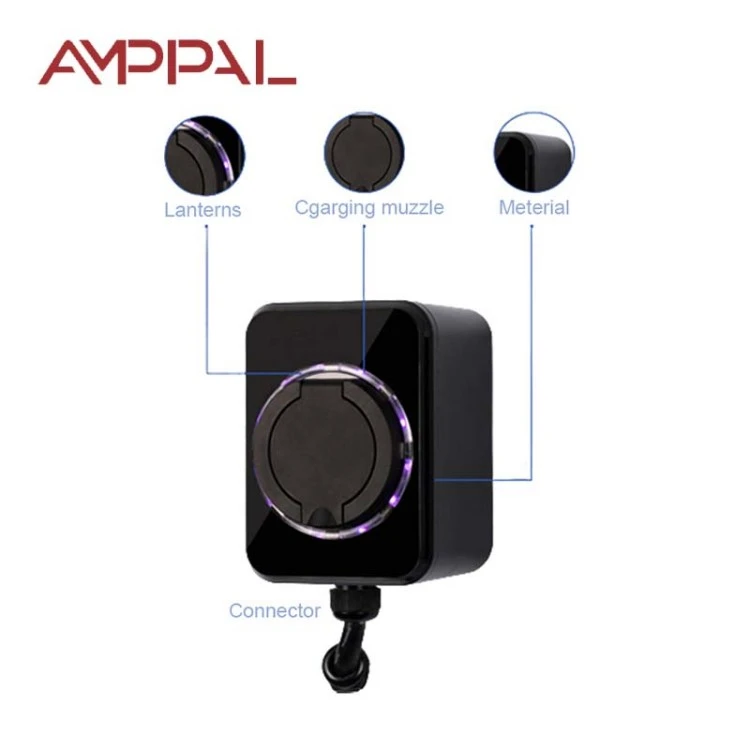
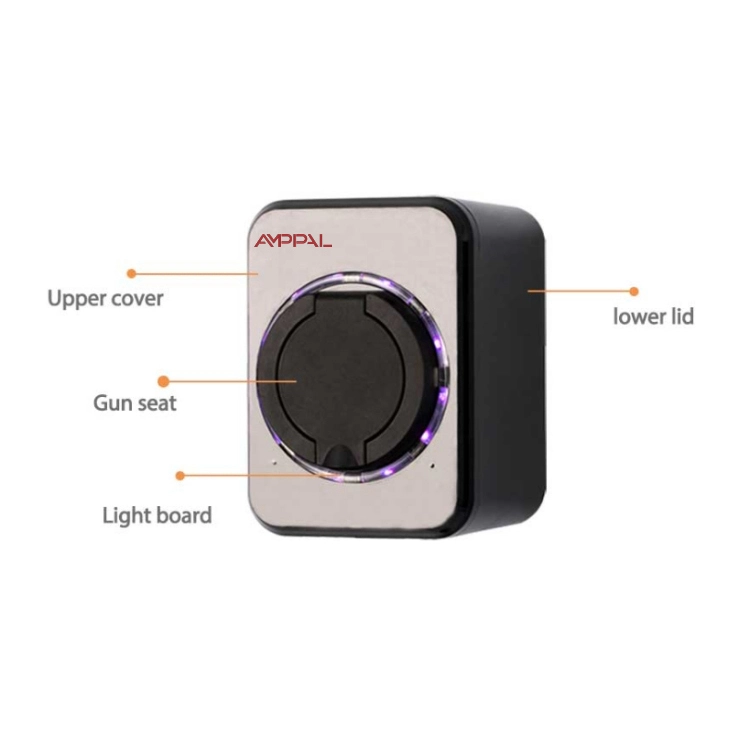
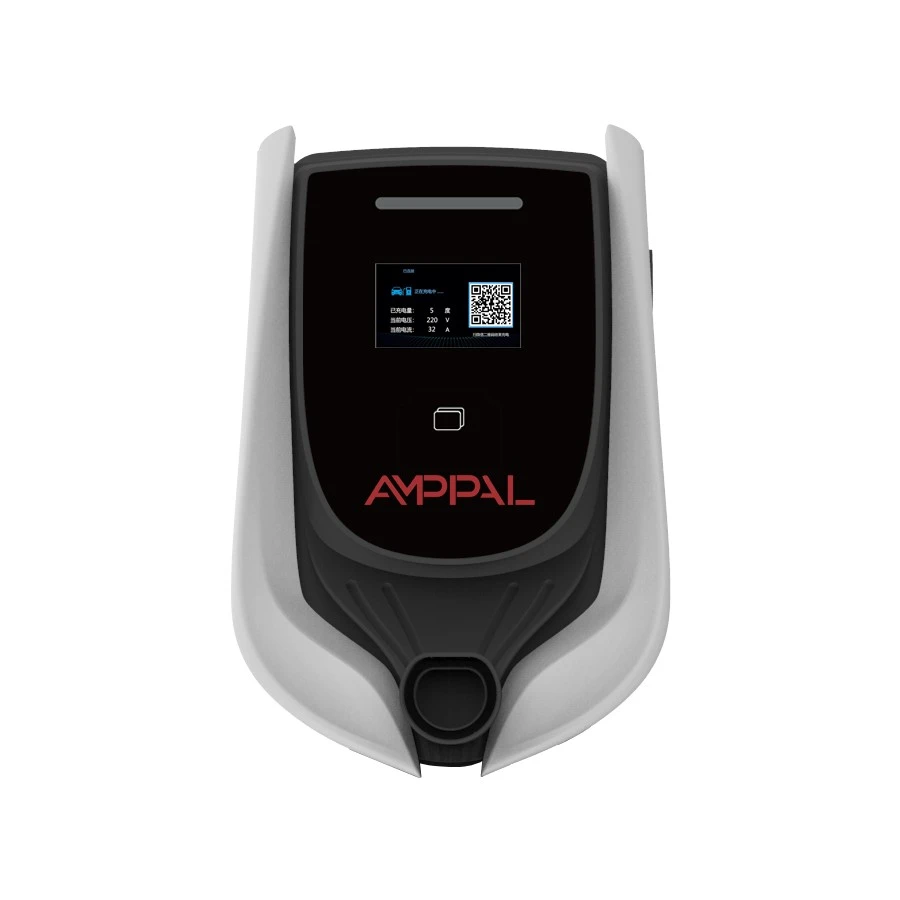
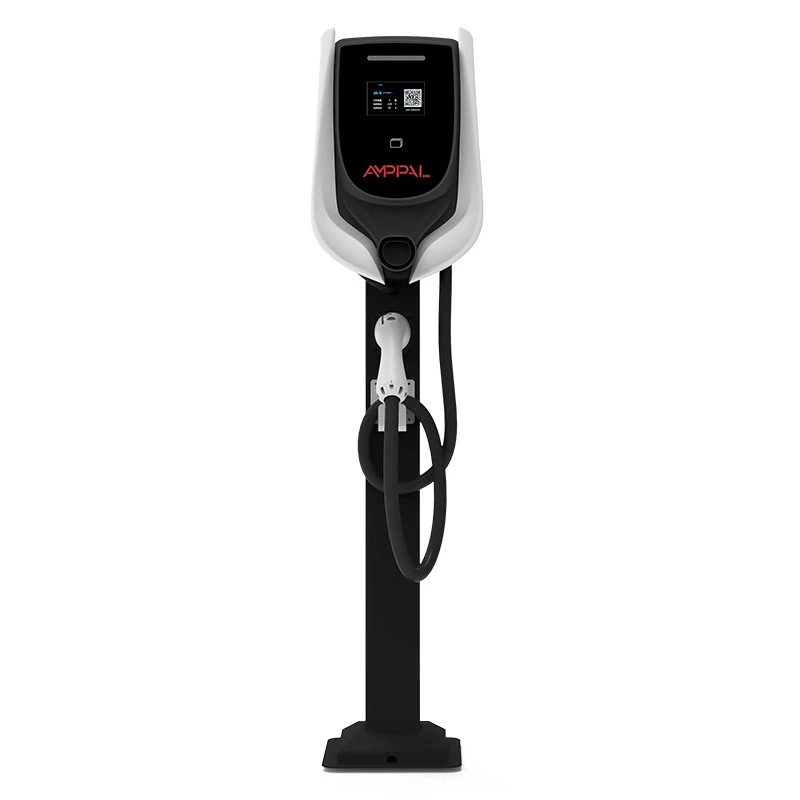
This is a no-screen, no-app wallbox by design. The car dashboard shows the charging state; the box's job is simply to deliver 32A safely, repeatedly, for years, on a dedicated residential circuit.

7kW Standard Wall-Mounted AC EV Charger for Home & Workplace7kW Standard Wall-Mounted AC EV Charger for Home & Workplace

Five Advantages That Show Up on Your Monthly Statement

Roughly six hours from empty to full on a 40 kWh battery, comfortably inside an 8-hour off-peak window in most regions.

At an off-peak rate of 8 cents per kWh, 15,000 km of driving costs about 180 USD in electricity — versus roughly 1,260 USD for petrol in a 7 L/100 km car.

A 32A dedicated circuit keeps the load predictable, so the wallbox never shares current with appliances and never trips the house breaker at night.

IEC 61851-1:2017 pilot control protects the connector and the car's inlet from arcing during plug-in and pull-out.

Nothing to subscribe to: no SIM, no cloud fee, no app account. The charger works after the network disappears, because it was never on it.

Technical Specifications

Parameter

Specification

Model

AF-AC-07-B-A-O-1-SE

Rated Power

7kW

Input Voltage

220VAC ±20%

Rated Current

32A

Frequency

50/60Hz

Dimensions

180 × 130 × 120 mm

Housing Material

Thermoplastic, UL94 V-0

Protection Grade

IP54

Operating Temp

-20°C to +50°C

Certification

CE, IEC 61851-1:2017

Warranty

2 Years Standard

Typical Installations for a 7kW Home Unit

Detached houses and villas with a garage or carport and room in the distribution board for a 32A breaker.

Daily-commuter households where the car covers 60-120 km a day and must be full again by 6 a.m.

Two-car families charging sequentially overnight on a shared circuit, alternating nights by habit.

Small businesses: owners of a single EV or delivery van who park on their own premises.

EV-ready new builds where a 32A circuit is installed at construction stage for almost nothing.

7kW Standard Wall-Mounted AC EV Charger for Home & Workplace7kW Standard Wall-Mounted AC EV Charger for Home & Workplace

From Wall Socket to Battery: The Charging Chain Explained

The chain has four links: the grid, your panel, this wallbox, and the car's onboard charger. The wallbox is the least interesting link, and that is a compliment. It takes 220VAC single phase, applies IEC 61851-1 mode-3 signalling through the control pilot wire, and lets the car's own systems decide the exact charging curve.

At 32A, heat is the real enemy, so the contactor, wiring, and connector are sized for continuous current around the clock; the thermoplastic housing sheds the heat. The car tapers the current itself as the battery fills, usually after 80%.

With no metering brain inside, your utility meter does the accounting. If your tariff drops after 10 p.m., plug in when you get home and let the box wait in standby — it costs nothing to sit idle.

Certification and Factory Quality Checks

CE marking backed by a technical file that includes the IEC 61851-1:2017 test report, kept at our Zhejiang factory for customer audit.

The 32A current path is verified with thermal endurance testing: hours of continuous load while thermocouples watch terminal temperatures.

IP54 verified by calibrated water spray and dust chamber tests on production samples, not by catalogue optimism.

Every unit passes a hipot test at 1.5x rated voltage before it is allowed to leave the line.

Residual current coordination is validated with a Type A RCD, the type most national codes recommend for EV circuits.

Batch sampling re-runs the pilot-signal handshake against a reference car simulator before each shipment is sealed.

Eight Steps in the AMPPAL Production Line

The line runs on the campus that delivered over one million charging units in 2024; FANUC robots handle repetitive assembly, TRUMPF lasers cut the mounting plate.

1. Incoming inspection: every relay, contactor, and PCB batch is checked against the approved supplier list.

2. The main board is populated by SMT machines and reflow soldered under nitrogen.

3. Firmware is flashed and the pilot-signal waveform is measured on a car simulator rig.

4. The 32A relay and contactor are assembled and their contact resistance recorded.

5. Housing halves are fitted with the IP54 gasket and closed with calibrated torque drivers.

6. Hipot and insulation resistance tests run on every single unit.

7. Units spend several hours in a 45°C burn-in chamber, powered and switching.

8. Visual inspection, label placement, and carton packing end the line with a QC stamp.

Sizing Guide: When 7kW Fits, When It's Overkill

Read the car's onboard charger rating first. If it says 6.6kW or 7.2kW, this wallbox is the right partner: the car finishes a 40 kWh charge in about six hours. If your car only accepts 3.3kW, the 3.5kW Standard unit is the honest purchase — the 7kW box would sit idle half the session.

This is the wrong product if your home cannot host a 32A circuit without a panel upgrade, if you drive less than 50 km a day and can get by on a 16A line, or if you need billing, RFID access control, or remote monitoring. Those jobs belong to the OCPP networked family, not to this box.

And consider the panel first, not the charger. A 32A breaker with 6 mm² copper cable sized to your local code matters more than the brand on the wallbox. If the electrician hesitates, get a second opinion before you buy anything.

Why Buyers Choose AMPPAL Over Local Brands

Order-to-dispatch is 15-20 working days, and we hold production slots for repeat distributors.

MOQ is negotiated per order; many new partners start with a 10-20 unit trial to test the market.

OEM service covers logo, housing colour, label artwork, and manual translation into your language.

The factory holds CE, TÜV, UL, and CB certificates and invites customers to audit the line — several of our European partners have.

Track record: 260+ employees, 40+ export countries, and 500 liquid-cooled units for the NEOM green hydrogen project in Saudi Arabia.

How We Pack and Ship Your Order

Each wallbox travels in a foam-insert carton near 31 × 21 × 19 cm, gross weight about 2.8 kg, with mounting template, screws, and manual. The carton survives a 1.2 m corner drop, covering most air-freight handling.

For sea freight, cartons are palletized and stretch-wrapped; roughly 1,000 units fit a 20-foot container and about 2,100 a 40HQ. Mixed orders of Standard and OCPP products share a container without extra cost.

We work EXW, FOB Ningbo, or CIF, shipping with commercial invoice, packing list, certificate of origin, and the CE folder. Samples go by courier within 3 working days of payment.

Two-Year Warranty and After-Sales Support

Two years of coverage on the charging function and internal components, honoured from the factory in China.

Spare parts for warranty claims ship within 3-5 working days; most repairs are a board swap or a relay replacement.

RMA flow: send photos or a short video of the fault, our engineers diagnose within one working day, and we agree on repair or replacement.

Maintenance is light: wipe the housing, check the cable sheath twice a year, re-tighten the bracket after the first month.

We also operate 200+ charging stations ourselves, so our support team answers from field experience, not a script.

Common Mistakes to Avoid With a 32A Circuit

Wrong: running the charger on a shared 16A socket because 'it will probably be fine'. Right: a dedicated 32A circuit with a Type A RCD, verified by an electrician.

Wrong: assuming a 3.3kW car charges faster on this box. Right: check the onboard charger; the car is the speed limit, the wallbox is the road.

Wrong: coiling the cable on the unit while charging. Right: lay it out straight so it stays cool.

Wrong: charging in a garage used for storing petrol or paint thinner. Right: keep flammables metres away and the area ventilated — the V-0 housing is a last resort, not a licence.

Wrong: ignoring a warm wall socket behind the charger. Right: stop, call an electrician; heat at the termination point means a loose connection.

Cost-Focused Owner Feedback

A homeowner in Baden-Württemberg, Germany, charges a 58 kWh family EV on night tariff. He calculated 4.1 euros per full charge versus roughly 70 euros for the equivalent petrol tank, and his only gripe is that the manual covers both 3.5kW and 7kW variants, so he once looked up the wrong fuse spec.

A villa owner in Riyadh started with a 3.5kW unit and upgraded after a year as his driving grew. The 7kW box finishes his 45 kWh car in about 6.5 hours even in summer, with the garage near the unit's 50°C limit — as we warned him.

An importer in Istanbul orders the 7kW Standard in container lots and sells them to apartment owners with reserved parking. His feedback: zero warranty returns in 14 months, and he asks every quarter for a twin-unit discount code for customers with two EVs.

7kW Standard Wall-Mounted AC EV Charger for Home & Workplace7kW Standard Wall-Mounted AC EV Charger for Home & Workplace

Questions Buyers Ask About 7kW Charging

Q: Why does my car only draw 6.6kW on a 7kW charger?

A: The car's onboard charger is the speed limit; 6.6-7.2kW is exactly the range this wallbox supports.

Q: What electrical work is required?

A: A dedicated 32A circuit with a Type A RCD and cable sized per local code, typically 6 mm² copper.

Q: Can it charge during the day?

A: Yes, but daytime tariffs cost more; add a timer or follow the utility's schedule.

Q: Will 7kW harm a small battery?

A: No. The car's battery management system sets the charge curve; the wallbox only supplies what the car requests.

Q: What is the difference from the 3.5kW Standard?

A: Twice the power, a 32A circuit instead of 16A, and roughly half the overnight charge time for the same battery.

Q: Can I combine it with rooftop solar?

A: Not directly; this unit is grid-fed. For solar-matched charging you need the networked family with CT monitoring.

Q: Can two cars share one 7kW circuit?

A: Not safely on one breaker. Give each car its own circuit, or switch to a load-managed OCPP station.

Q: Why is there no screen?

A: Deliberately. The car already shows charging status; a screen adds a failure point and a cost with no benefit at home.


Send Inquiry
Contact Info

Talk Directly to Our EV Charger Factory

Get factory-direct pricing, custom solutions, and expert support.

- Fast Response – Reply within 24 hours.

- OEM/ODM – Flexible customization and sample orders.

- Certified Quality – CE, TÜV, CB, and CCC options.

- Custom Quotes – Tailored to your specifications.

- Technical Support – Expert help with OCPP, DLB, and system integration.

X
We use cookies to offer you a better browsing experience, analyze site traffic and personalize content. By using this site, you agree to our use of cookies. Privacy Policy
RejectAccept