Whatsapp
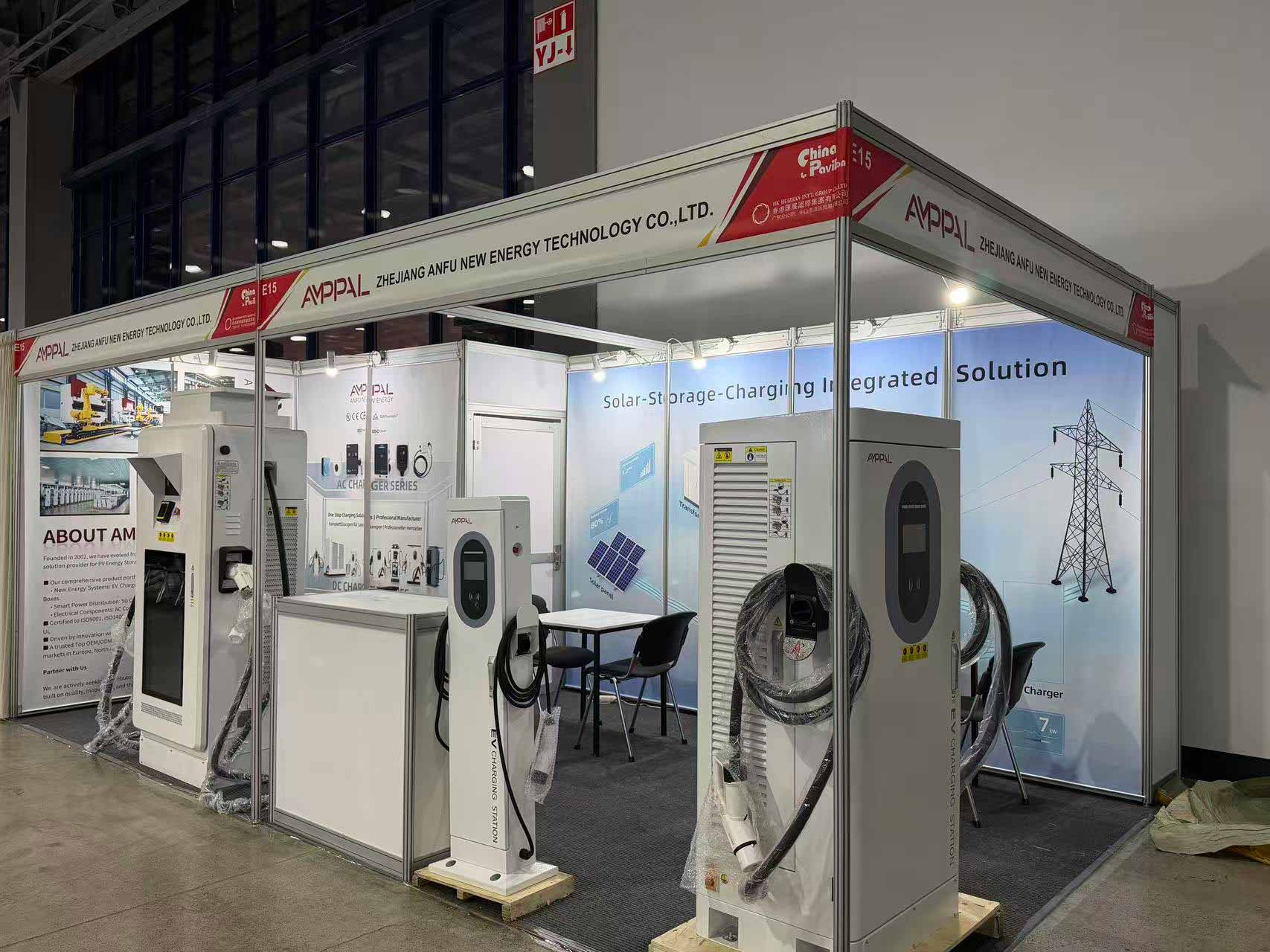
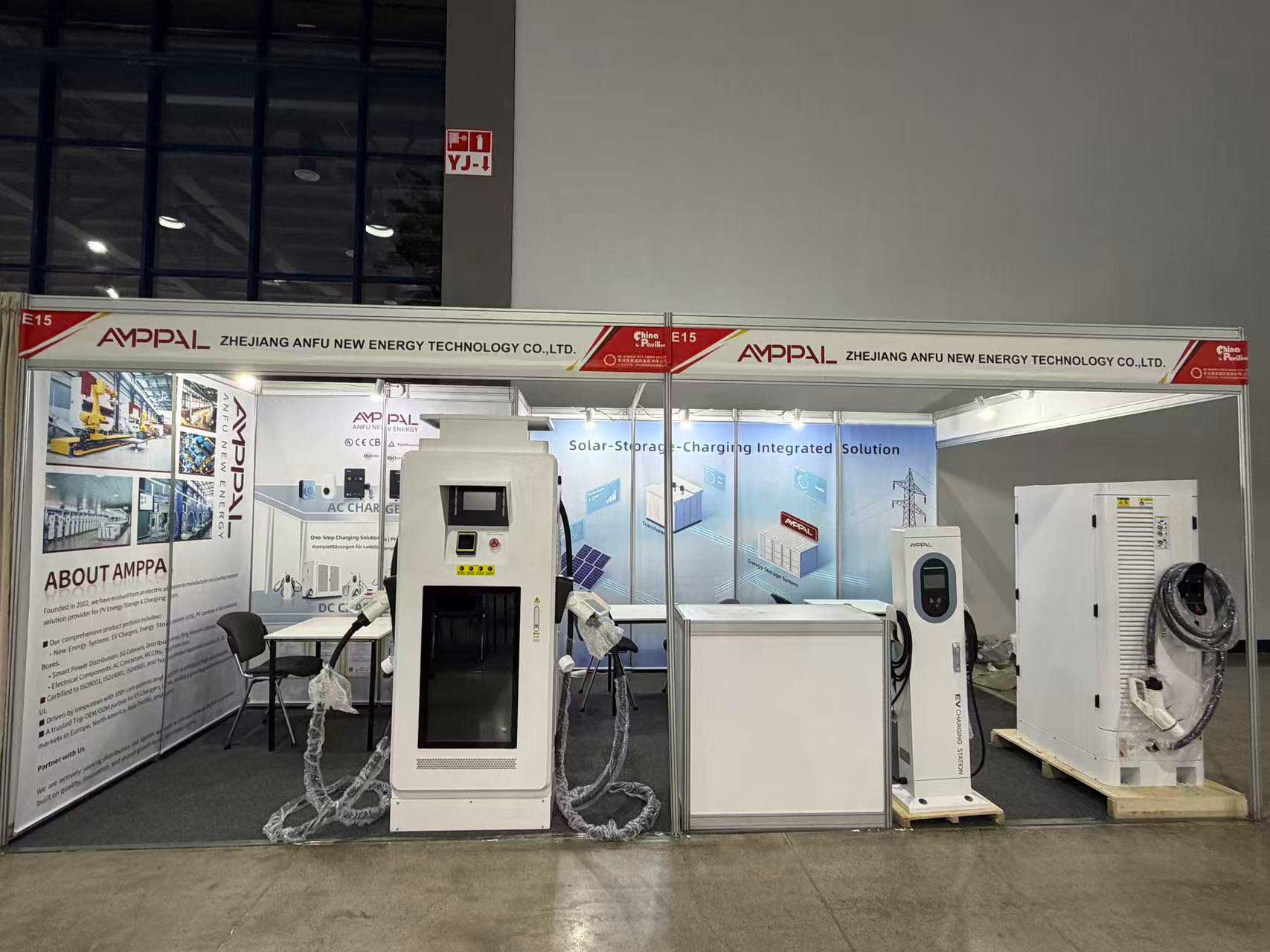
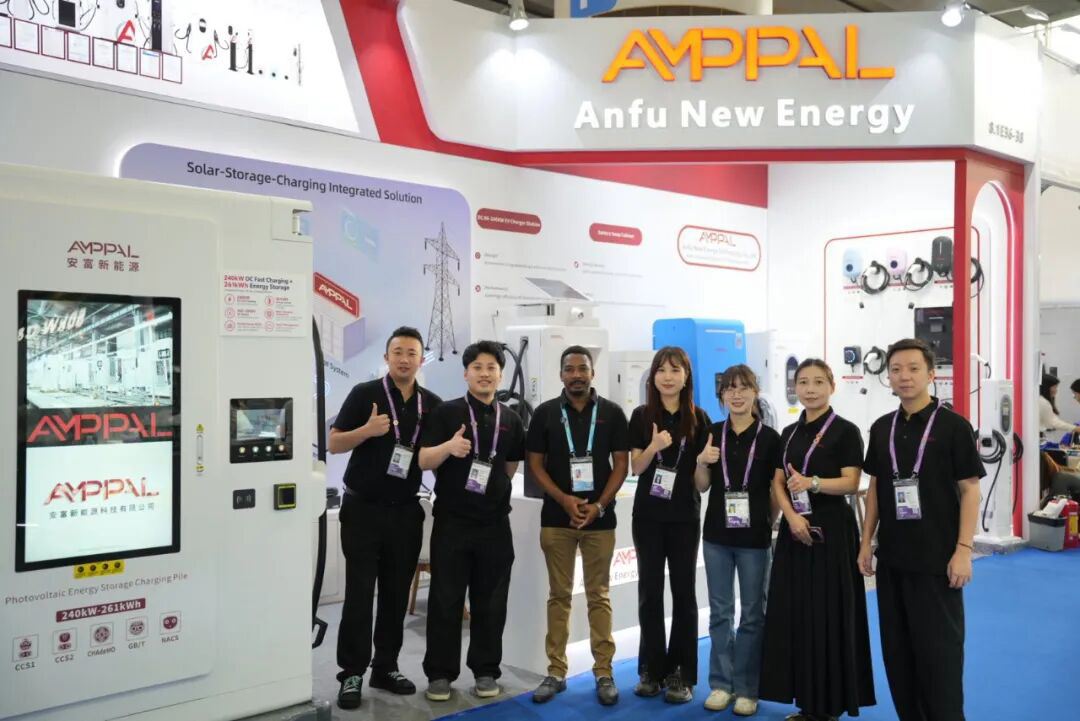
From October 20 to 22, 2026, Zhejiang Anfu New Energy Technology Co., Ltd. (AMPPAL) exhibited at UzEnergyExpo 2026 at the Uzexpocentre in Tashkent, Uzbekistan. At our booth, we presented floor-standing DC fast chargers, AC charging posts, and the design framework for an integrated solar-storage-charging system. The exhibition allowed us to demonstrate our EV charging stations in person, listen to customers’ project requirements, and explore practical cooperation with buyers, EPC contractors, distributors, and charging network operators from Uzbekistan and other Central Asian markets.
We are a charging equipment manufacturer specializing in the development and production of AC and DC charging products and customized energy solutions. Under our AMPPAL brand, we support customers from initial site assessment and product configuration to manufacturing, testing, delivery, commissioning coordination, and after-sales planning.
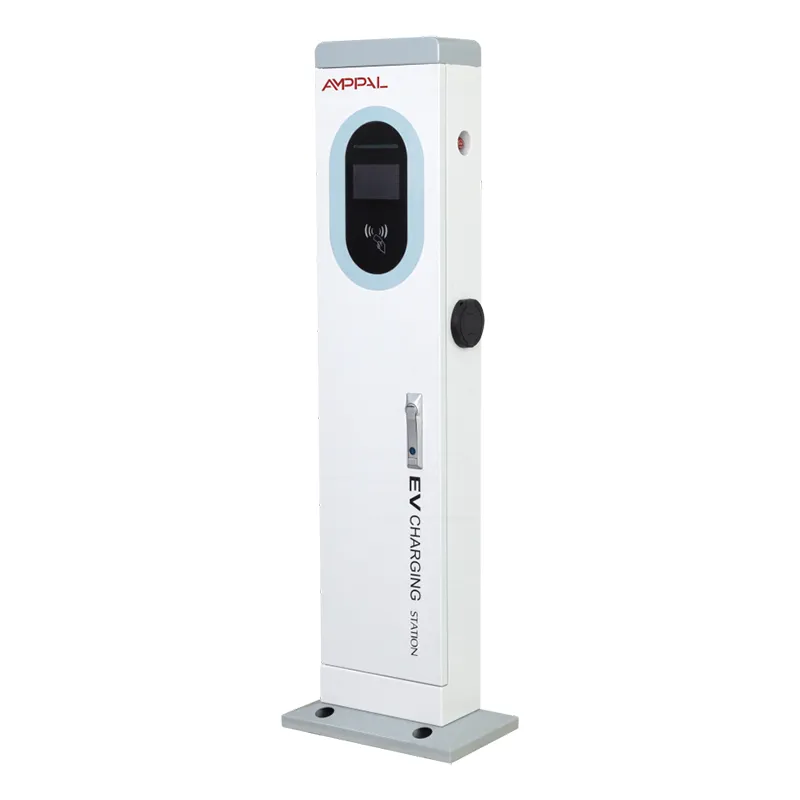
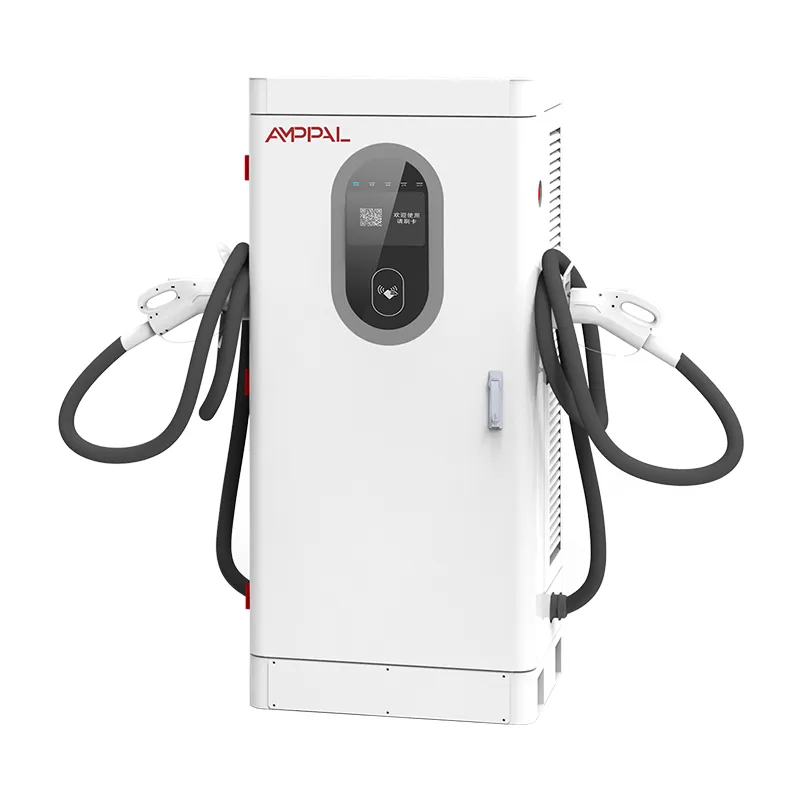
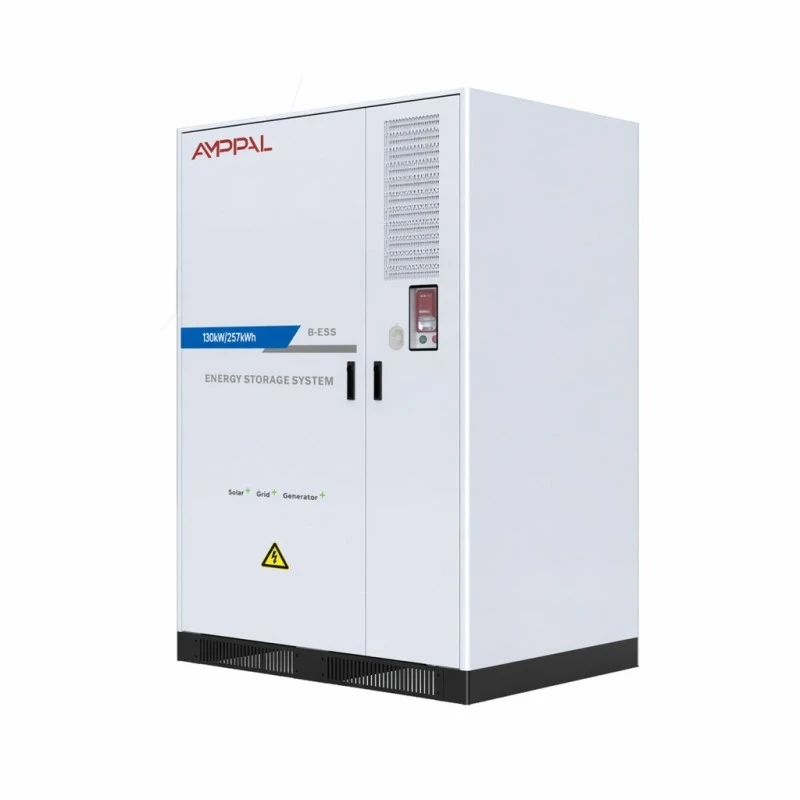
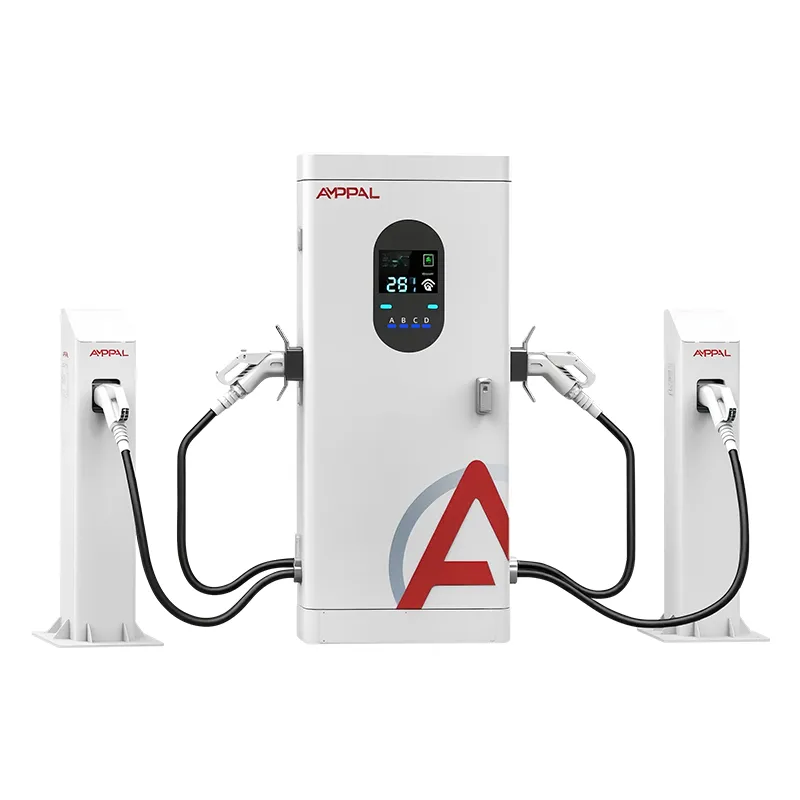
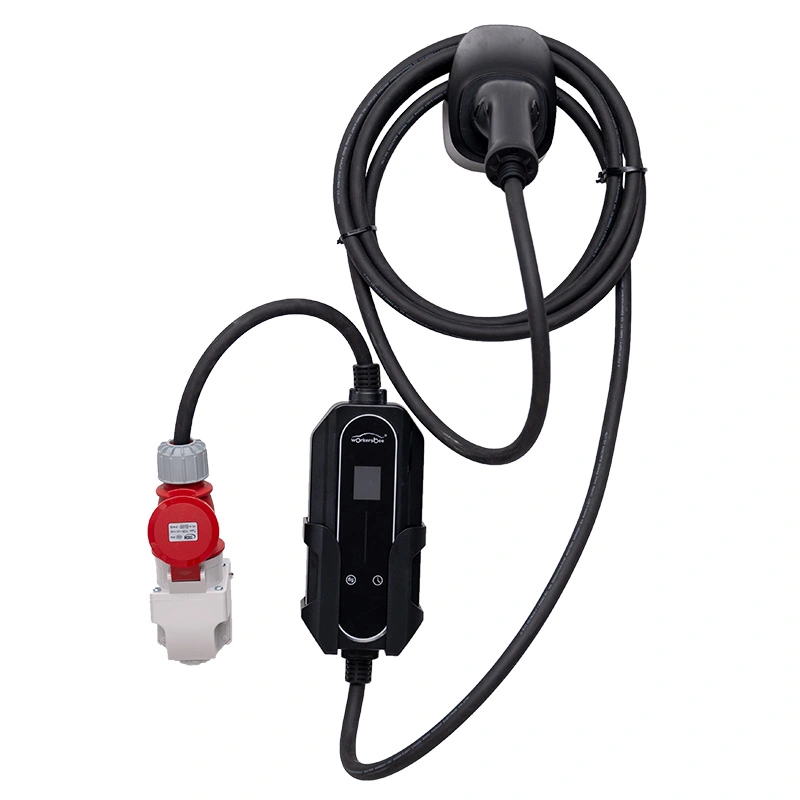
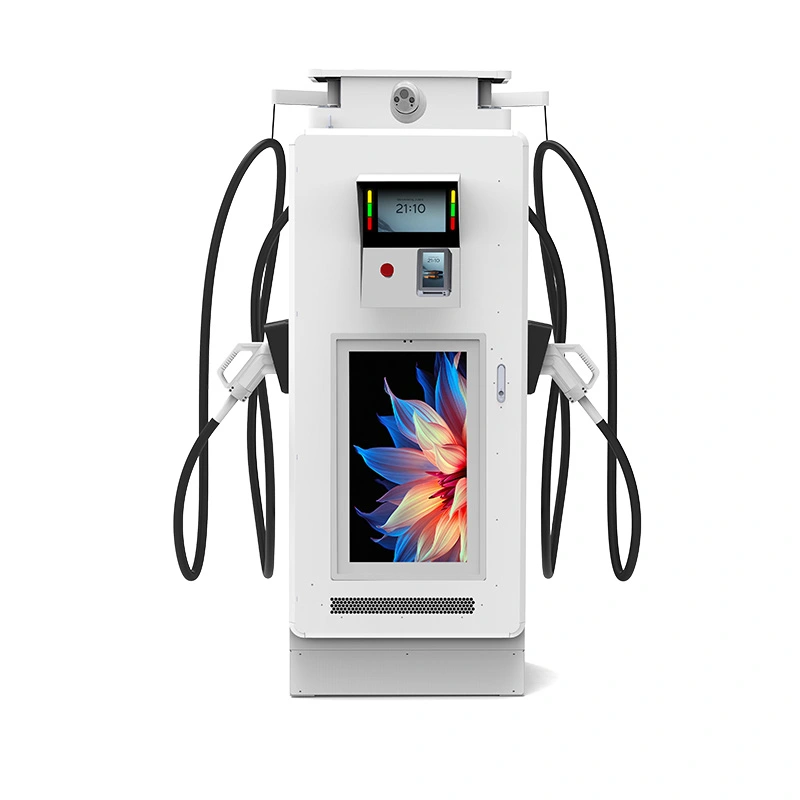
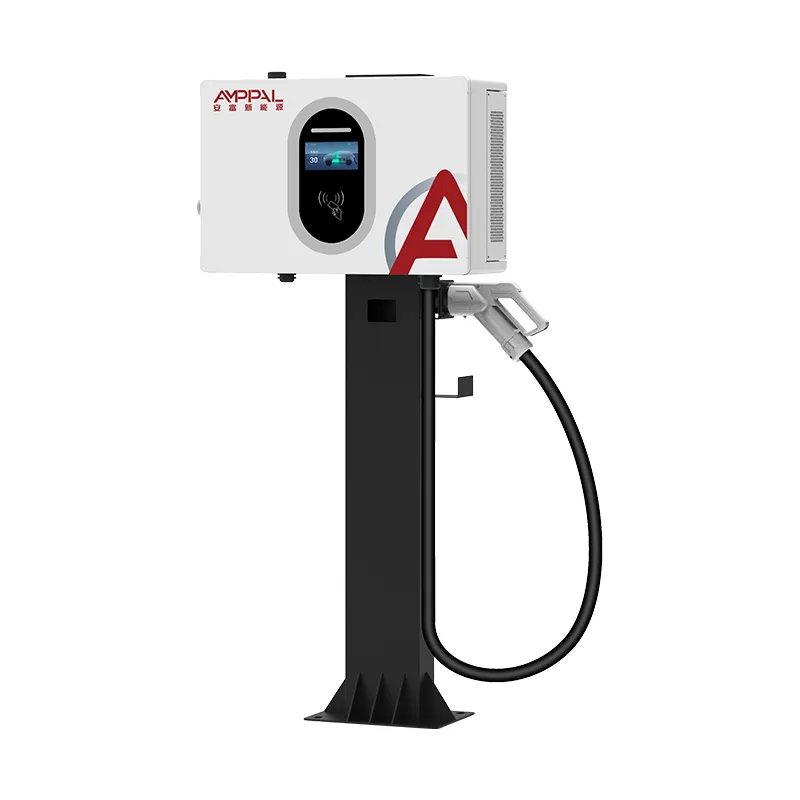
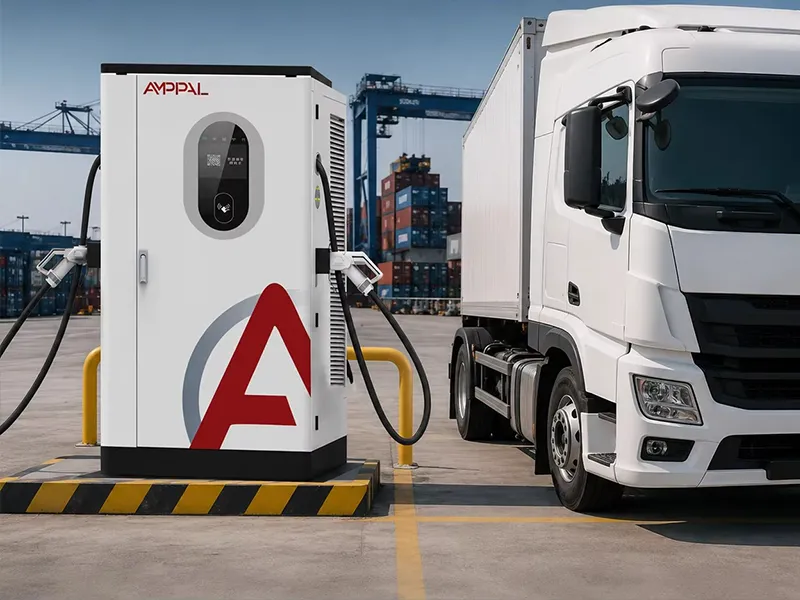
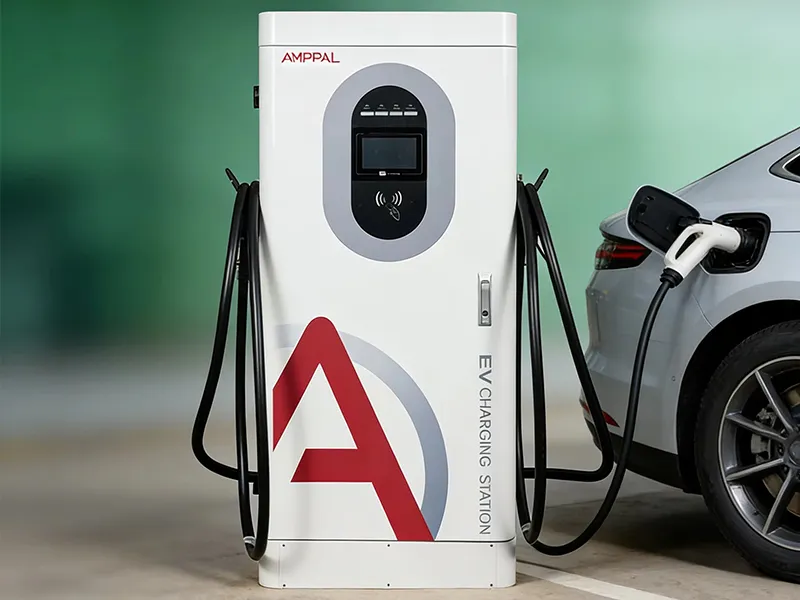
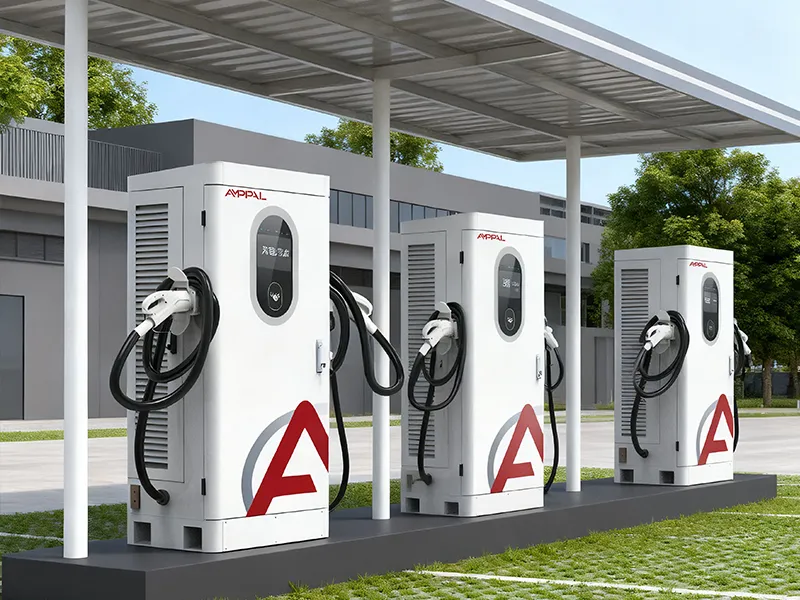
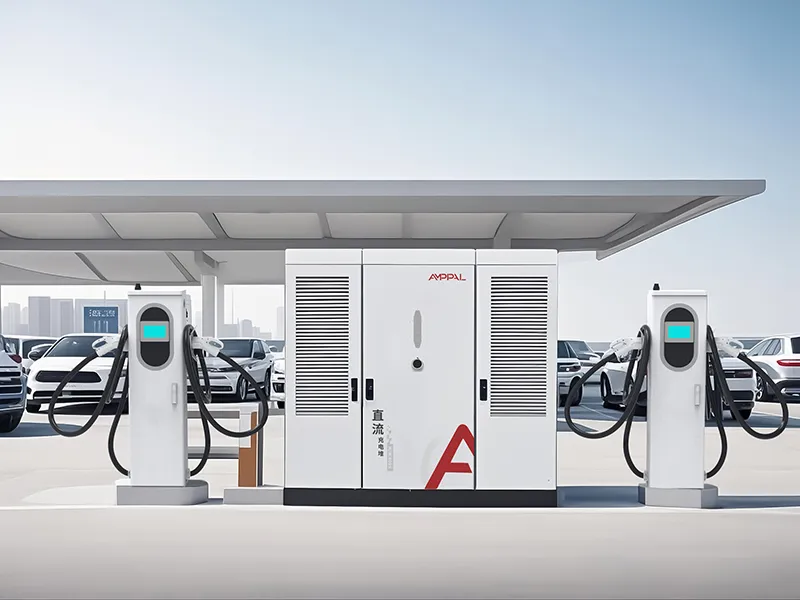
Our UzEnergyExpo display introduced three core solution areas. Our floor-standing DC fast chargers are designed for locations that require shorter charging times and higher daily vehicle throughput. Our AC charging posts serve destinations where vehicles remain parked for longer periods. We also presented the design documentation for our integrated solar-storage-charging system, which combines photovoltaic generation, energy storage, and vehicle charging for sites facing limited grid capacity or high electricity costs.
Throughout the exhibition, our team explained how our charging module technology supports flexible power configuration, stable output, and easier maintenance. We also introduced our manufacturing process, quality-control procedures, supply-chain coordination, and delivery planning. These capabilities enable us to adapt products to different voltage conditions, connector standards, communication requirements, installation environments, and project schedules.
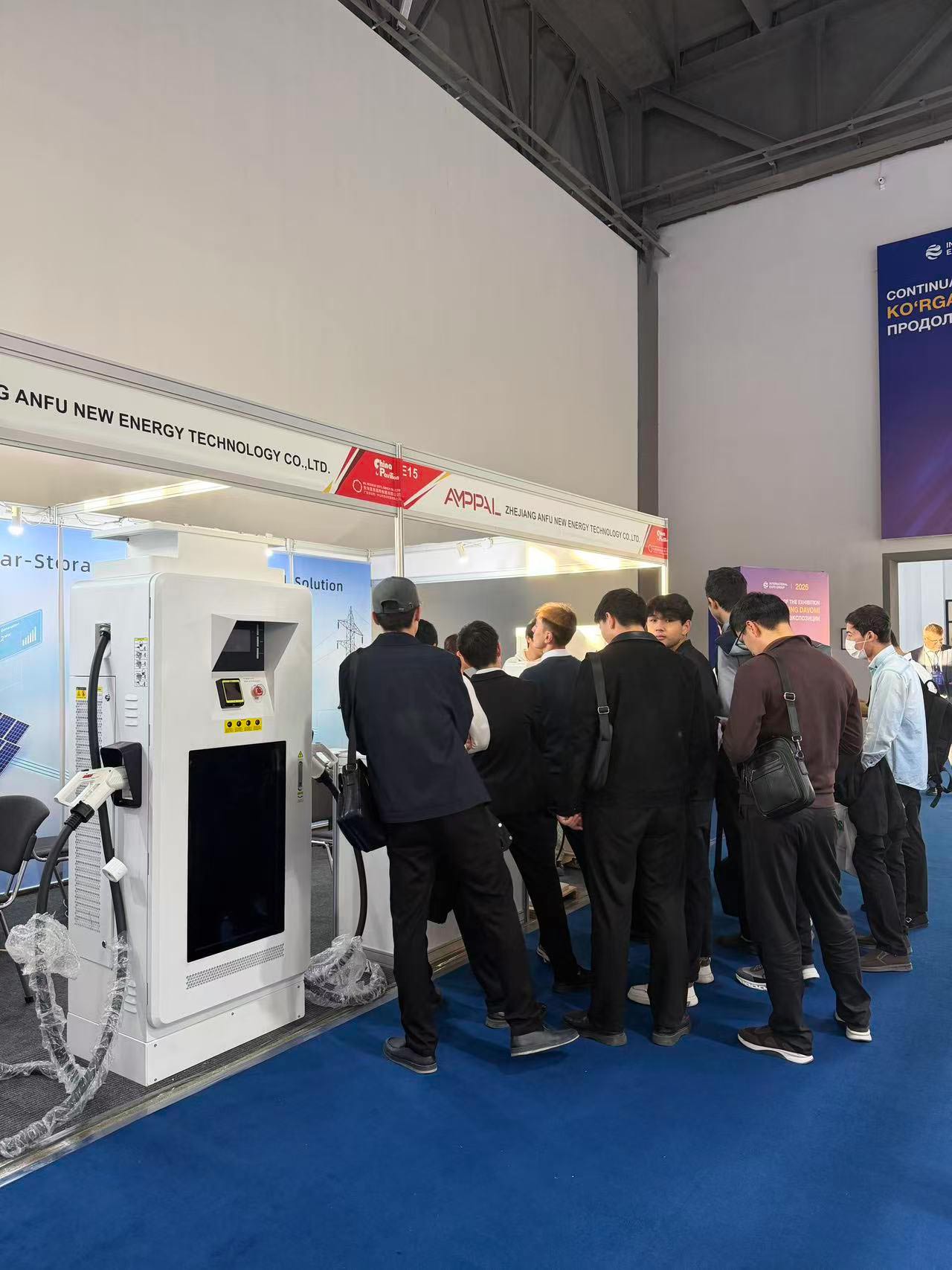
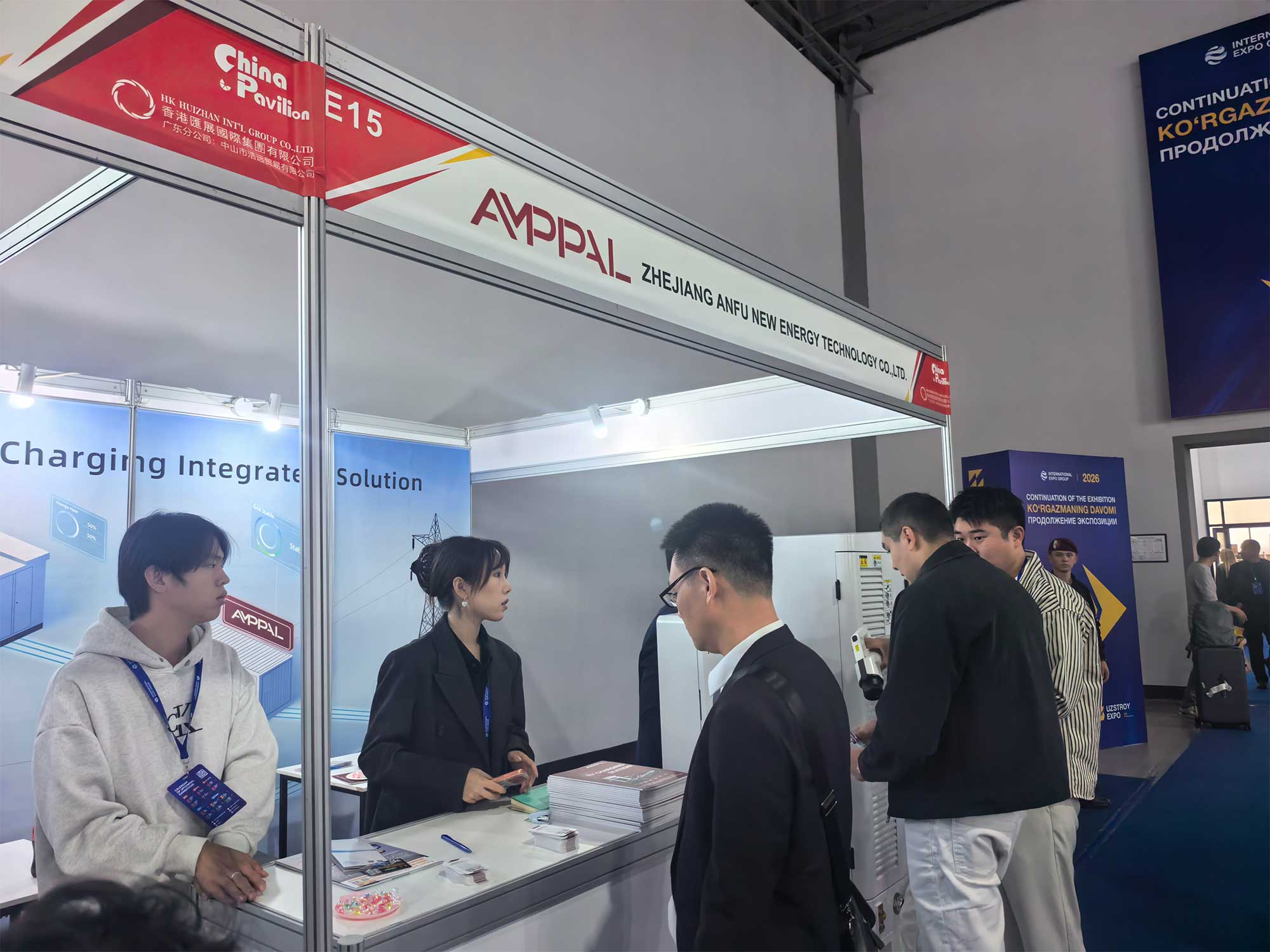
The booth remained active as professional visitors examined our equipment and discussed potential applications. Buyers inspected the cabinet structure, user interface, charging connectors, internal component layout, and maintenance access. During product tests and live demonstrations, our engineers explained operating procedures, protection functions, power distribution, thermal management, and equipment monitoring.
To make the technical design more transparent, we opened the charger cabinets and showed the power module arrangement, airflow path, removable dust-filter structure, surge protection, and earthing terminal positions. These details are especially relevant in Tashkent and similar markets, where summer heat, dust, and voltage fluctuation can affect equipment performance. Visitors were able to see how our designs support heat dissipation, routine servicing, and sustained output under demanding operating conditions.
We also demonstrated our staged derating strategy. If module temperature reaches a defined threshold, output is reduced progressively rather than stopped abruptly and is restored automatically when the temperature falls. This approach helps protect core components while allowing operators to estimate charging time, daily service capacity, and bay turnover more accurately.
Our conversations at UzEnergyExpo went beyond product specifications. Customers shared information about transformer capacity, incoming voltage, vehicle mix, target charging time, expected daily traffic, installation conditions, and local service resources. Based on these inputs, we discussed product selection, charging module configuration, civil and electrical coordination, project schedules, and order delivery.
Grid constraints were a recurring concern. We explained that installing a charger with a high nameplate rating does not create additional usable power when the site connection is limited. If a site has only 60 kW of available capacity and installs a 120 kW dual-connector unit, two vehicles charging simultaneously must share that 60 kW. Our modular power-allocation approach distributes available power according to real-time vehicle demand, helping a site use its existing capacity more efficiently without exceeding the grid limit.
For locations where the grid cannot be upgraded quickly, our integrated solar-storage-charging solution offers another deployment option. We calculate the configuration around the peak load to be reduced, installable photovoltaic capacity, and required backup duration. This project-based method helps customers avoid purchasing mismatched equipment and reduces the risk of redesign or secondary construction.
These on-site discussions helped both sides reduce information gaps and assess project feasibility more directly. During the exhibition, we established several prospective customer connections and received interest in product distribution and charging-site cooperation. After the event, our team began organizing technical requirements and following up with tailored proposals, configuration recommendations, quotations, and delivery plans.
Uzbekistan’s growing electric vehicle population provides important context for the discussions we held at the exhibition. Customs Committee data cited by Daryo reported 54,826 electric vehicle imports from January through August 2026, up 89.63% year on year. State Statistics Committee data cited by the same publication showed 109,169 registered electric vehicles nationwide as of April 1, 2026, with growth extending beyond Tashkent into regions such as Samarkand and Khorezm.
For us, these figures are background to a more immediate customer need: new charging infrastructure must be deployed efficiently and matched to local operating conditions. Our EV charging stations address this need through flexible power allocation, climate-adapted cabinet design, maintainable module architecture, and configurations for different vehicle dwell times. Our project team can also align equipment production and delivery with construction progress, helping partners reduce deployment delays and prepare sites for operation more systematically.
The integrated solar-storage-charging system attracted particular attention because it can support commercial sites, logistics facilities, service areas, and locations where grid expansion is difficult. By coordinating solar generation, stored energy, and charging demand, the solution can reduce peak-load pressure and improve energy flexibility while maintaining practical charging service.
UzEnergyExpo 2026 gave us a valuable platform to present AMPPAL products, demonstrate our engineering details, and understand the priorities of customers in Uzbekistan and Central Asia. More importantly, it enabled direct technical and commercial exchanges around projects with defined site conditions and operating goals.
Following the exhibition, we are continuing discussions with prospective customers on technical confirmation, customized configurations, agency cooperation, project implementation, and order delivery. Our teams will support each opportunity with a clear process covering requirement review, solution design, sample or product confirmation, manufacturing, quality inspection, shipment, and after-sales coordination.
We welcome buyers, EPC contractors, distributors, and charging network operators to share their site voltage, transformer capacity, vehicle mix, daily traffic, and target charging time with us. As Zhejiang Anfu New Energy Technology Co., Ltd. (AMPPAL), we are ready to turn these inputs into reliable and scalable EV charging stations backed by our technology, manufacturing capacity, customized service, and delivery support. We also invite global partners to visit our factory and discuss distribution and charging infrastructure projects with our team.