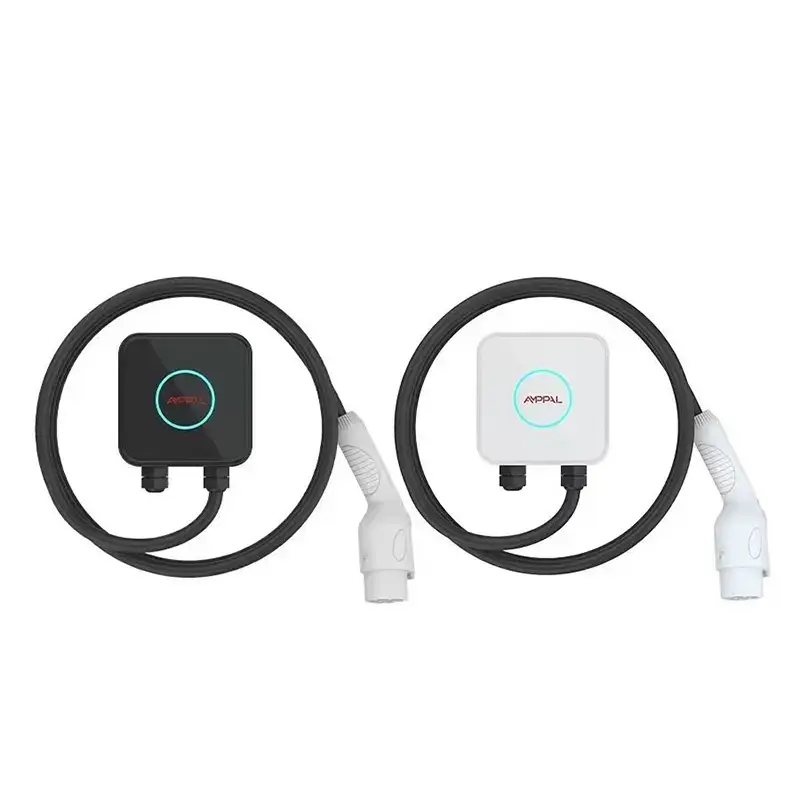
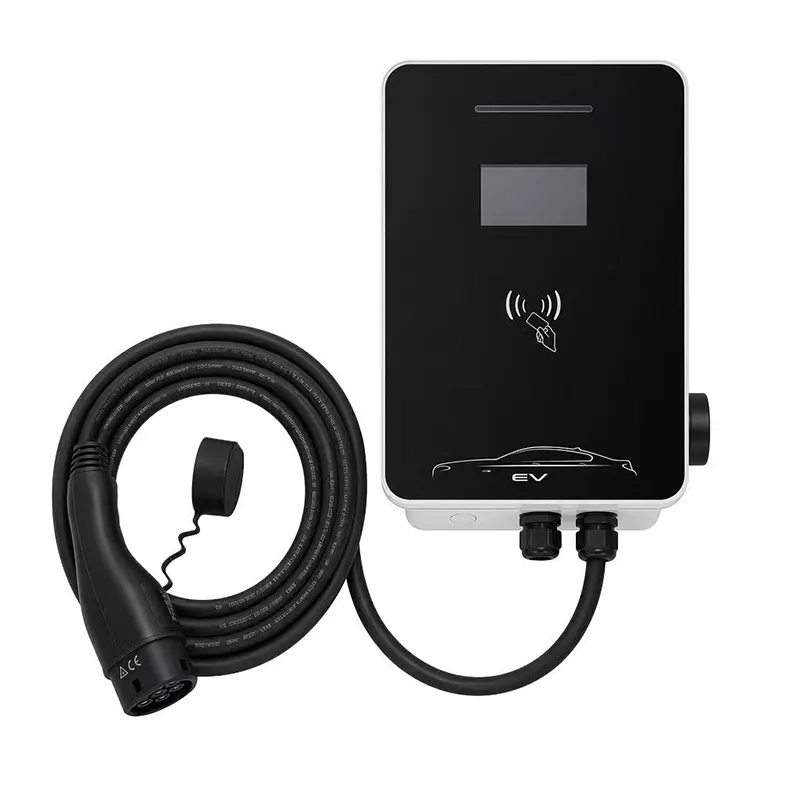
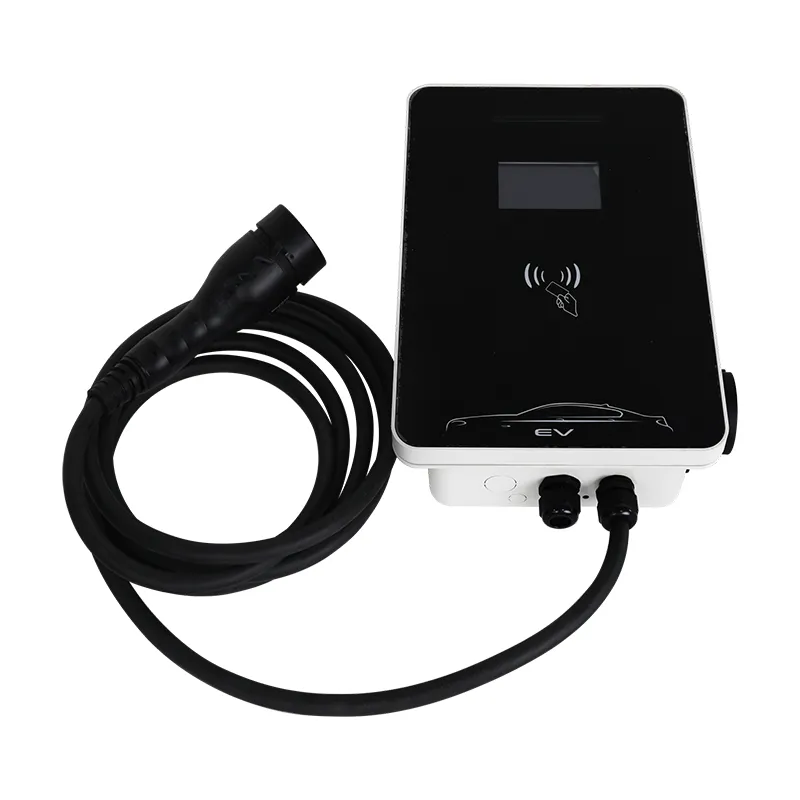
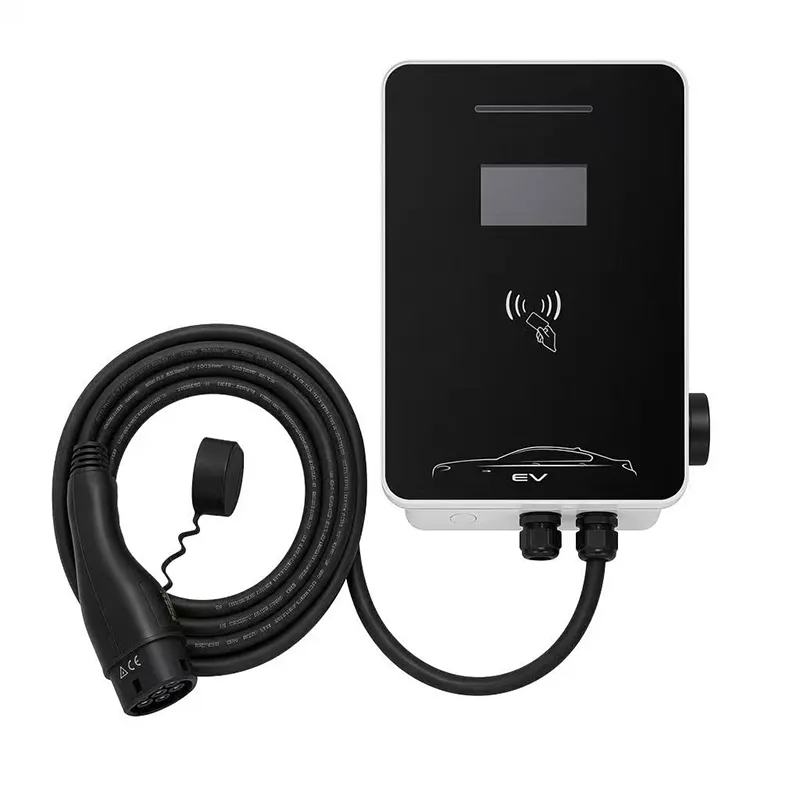
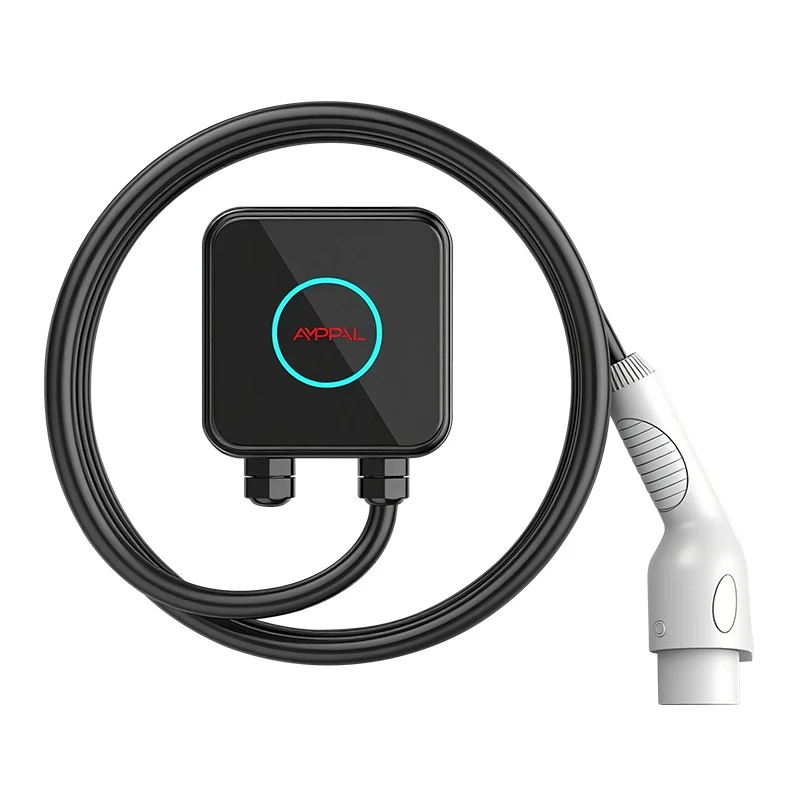
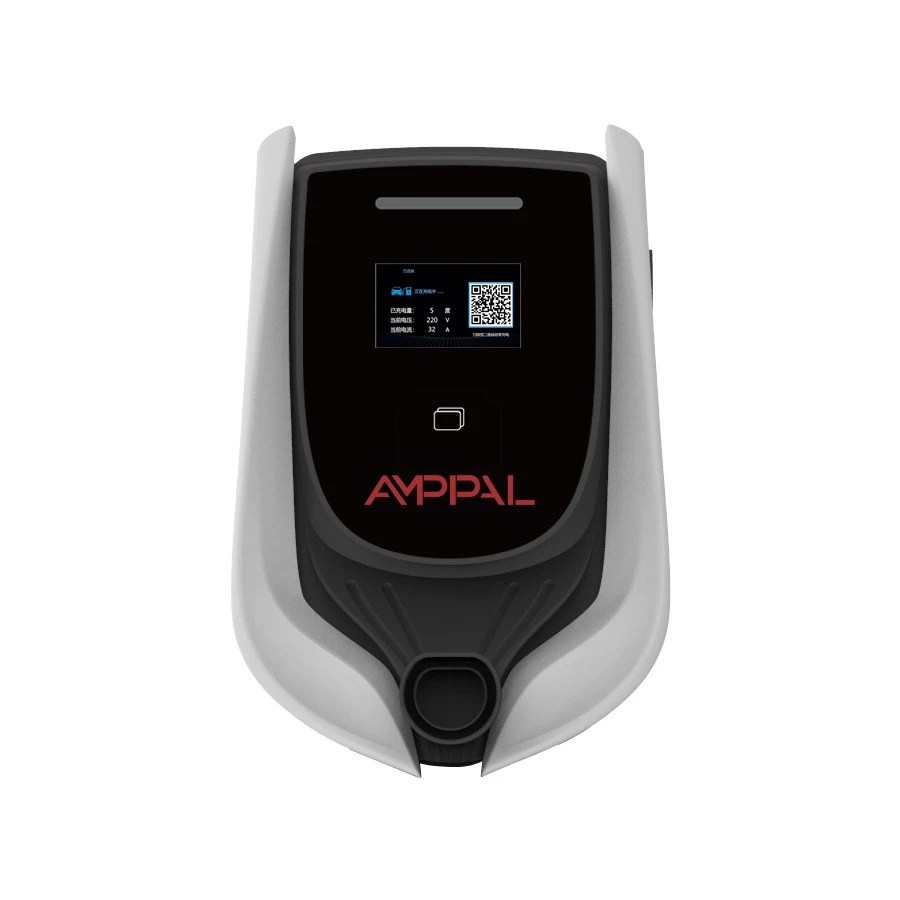
Electric vehicle adoption has moved well beyond the early-adopter stage, and with it, the demand for dependable daily charging has increased sharply. Among the most practical and widely used options are Wall-Mounted AC Chargers. These devices are fixed to a wall or a purpose-built pedestal, delivering alternating current to the vehicle’s onboard charger in a safe, controlled, and smart way. For homeowners, workplaces, apartment buildings, and fleet depots, a wall-mounted AC charger represents a significant upgrade from a portable charging cable because it offers faster charging, better protection, and convenient cable management.
Why Choose a Wall-Mounted AC Charger
A wall-mounted AC charger is not just a convenience. It is a permanent electrical installation that can be optimized for your specific vehicle, your driving patterns, and your available electrical capacity. Portable EVSE units are limited by the plug they use and often charge at lower currents, while a properly installed wall unit can deliver up to 22 kW, depending on the model. In addition, wall-mounted units are always ready, mounted in a fixed location, and often include smart functions such as scheduled charging, energy monitoring, and load balancing. AMPPAL has invested heavily in this category to bring users a balance of performance, durability, and ease of use.
Because these chargers are mounted, they eliminate the clutter of cables on the floor and reduce trip hazards. They also protect the charging plug and electronics from accidental damage, weather, and unauthorized use. For households with more than one EV or for small commercial parking areas, a wall-mounted AC charger is the foundation of an efficient charging routine.
AMPPAL Wall-Mounted AC Charger Product Range
AMPPAL currently offers three main wall-mounted AC charger models to cover different power requirements and installation scenarios. The AMPPAL HomeCharge 7 is designed for residential use on a single-phase supply. The AMPPAL ProCharge 11 supports both single-phase and three-phase installations, making it a flexible option for homes and light commercial sites. The AMPPAL CommercialCharge 22 is a three-phase unit intended for locations where faster AC charging is required, such as workplaces, fleets, and public parking areas. All models share the same core safety platform, enclosure design language, and smart connectivity features.
Detailed Technical Specifications
|
Parameter
|
HomeCharge 7
|
ProCharge 11
|
CommercialCharge 22
|
|
Maximum output power
|
7.2 kW
|
11 kW
|
22 kW
|
|
Input voltage
|
230 V AC single-phase
|
230 V AC single-phase / 400 V AC three-phase
|
400 V AC three-phase
|
|
Rated current
|
32 A
|
16 A / 32 A
|
32 A
|
|
Connector type
|
Type 2 (IEC 62196-2) / Type 1 (SAE J1772)
|
Type 2 / Type 1
|
Type 2 / Type 1
|
|
Cable length
|
5 m / 7.5 m
|
5 m / 7.5 m
|
5 m / 7.5 m
|
|
Enclosure rating
|
IP65
|
IP65
|
IP65
|
|
Impact rating
|
IK10
|
IK10
|
IK10
|
|
Operating temperature
|
-30°C to +50°C
|
-30°C to +50°C
|
-30°C to +50°C
|
|
Communication
|
Wi-Fi, Ethernet, optional 4G
|
Wi-Fi, Ethernet, optional 4G
|
Wi-Fi, Ethernet, 4G, OCPP 1.6J
|
|
User authentication
|
App, RFID card
|
App, RFID card
|
App, RFID card, OCPP platform
|
|
Protection features
|
OCP, OVP, UVP, ground fault, surge, PEN fault
|
OCP, OVP, UVP, ground fault, surge, PEN fault
|
OCP, OVP, UVP, ground fault, surge, PEN fault, residual current detection
|
|
Energy metering
|
Built-in ±1% accuracy
|
Built-in ±1% accuracy
|
Built-in ±1% accuracy
|
|
Dimensions (H x W x D)
|
345 x 220 x 110 mm
|
345 x 220 x 110 mm
|
380 x 240 x 120 mm
|
|
Weight
|
5.2 kg
|
5.4 kg
|
6.8 kg
|
|
Certification
|
CE, UKCA, RoHS
|
CE, UKCA, RoHS, REACH
|
CE, UKCA, RoHS, REACH, FCC
|
All AMPPAL wall-mounted AC chargers are engineered to meet IEC 61851-1 and relevant national wiring regulations. The exact connector type and cable length can be selected at the time of ordering to match the vehicle and installation site.
Key Features of AMPPAL Wall-Mounted AC Chargers
-
Dynamic load balancing: The charger monitors the total household or facility load and automatically reduces charging current to prevent the main breaker from tripping.
-
Smart scheduling: Users can set charging to begin during off-peak electricity hours through the AMPPAL app, reducing energy costs without interrupting daily routines.
-
RFID and app authentication: Access can be restricted to authorized users, making the unit suitable for shared parking areas and commercial fleets.
-
Integrated cable management: The enclosure includes a docking holster and cable hanger, keeping the connector clean and off the ground.
-
Advanced protection suite: Overcurrent, overvoltage, undervoltage, ground fault, surge, and PEN fault detection are standard on all models.
-
High-accuracy metering: Built-in energy meters enable precise tracking of electricity consumption for home budgeting or billing in commercial settings.
-
OCPP compliance: Commercial models support Open Charge Point Protocol 1.6J, allowing integration with third-party charging management platforms.
-
Future-ready design: Firmware over-the-air updates keep the charger compatible with new vehicles and evolving smart grid standards.
Understanding Charging Power and Speed
Charging speed for a wall-mounted AC charger is determined by three variables: the output power of the charger, the maximum AC charging capacity of the vehicle’s onboard charger, and the available supply from the electrical panel. A 7.2 kW charger on a 230V single-phase circuit draws 32A and typically adds between 30 and 40 kilometers of range per hour. An 11 kW charger on a three-phase 16A supply adds roughly 50 to 60 kilometers per hour. A 22 kW charger using three-phase 32A can add up to 120 kilometers per hour, provided the vehicle’s onboard charger supports that level. Many electric vehicles cap AC charging at 7.2 kW or 11 kW, so the actual rate may be lower even if the charger is rated higher. AMPPAL recommends matching the charger to both the vehicle and the electrical installation to avoid paying for unused capacity.
For most overnight charging, a 7.2 kW or 11 kW wall-mounted AC charger is sufficient. A 22 kW unit makes more sense in commercial settings where vehicles may be parked for only two to four hours and need a meaningful top-up during that window. Because AC charging relies on the vehicle’s onboard charger, it is gentler on the battery than frequent DC fast charging, making it the preferred choice for daily use.
Installation and Mounting Considerations
A wall-mounted AC charger should be installed by a qualified electrician according to local codes and the manufacturer’s instructions. The standard installation process includes mounting the backplate on a solid wall, connecting the supply cable to a dedicated circuit breaker, and configuring the current limit and protection settings. The charger should be positioned close to where the vehicle is parked, but the current rating of the cable and the distance from the distribution board must be considered to reduce voltage drop. For circuits longer than 20 meters, a larger conductor size may be required.
AMPPAL wall-mounted AC chargers ship with a mounting template, a wall bracket, and all necessary hardware. The enclosure opens from the front for wiring, which simplifies installation and maintenance. For outdoor installations, the electrician should use appropriate weatherproof cable glands and ensure the unit is mounted at a height that keeps the connector and cable clear of standing water. All models include a rotary switch or app-based current setting to match the charger to the available circuit capacity.
Safety and Compliance
Safety is the foundation of every AMPPAL wall-mounted AC charger. The IP65 enclosure protects against dust and water jets from any direction, while the IK10 impact rating means the unit can withstand a significant mechanical impact without compromising internal safety. The charging electronics are isolated from the enclosure, and all live parts are covered by a flame-retardant insulating shield. The chargers continuously monitor the connection between the vehicle and the wall unit. If the control pilot signal is interrupted, charging stops immediately. The built-in residual current detection adds a layer of protection beyond the external RCD, reducing the risk of electric shock in wet conditions.
For installations where the earthing system is TN-C-S, AMPPAL units include PEN fault detection. This safety feature disconnects charging if the protective earth and neutral conductor are compromised, preventing the vehicle body from becoming live. Overvoltage and undervoltage protection guard against grid fluctuations, and surge protection helps protect the charger from lightning-induced transients. These features combine to make AMPPAL wall-mounted AC chargers suitable for both indoor and outdoor use in residential, commercial, and public settings.
Smart Charging and Connectivity
Modern wall-mounted AC chargers are expected to do more than simply deliver power. AMPPAL has integrated a full smart charging platform into its hardware. Each unit can connect to a local Wi-Fi network or wired Ethernet, and optional 4G connectivity is available for locations without reliable internet access. Through the AMPPAL mobile app, users can start and stop a charging session, view real-time power draw, set a charging schedule, and monitor cumulative energy use. The app also supports multiple chargers under one account, making it practical for households with two EVs or for small business owners managing several parking spaces.
For commercial applications, the charger’s OCPP 1.6J compatibility allows it to communicate with a central management system. This enables remote monitoring, tariff integration, user billing, and load management across multiple charging points. Because the firmware is upgradable over the air, AMPPAL can add new features and security patches without requiring an on-site visit.
Ideal Applications for Wall-Mounted AC Chargers
Wall-mounted AC chargers fit a wide range of locations. In a private garage, a 7.2 kW or 11 kW unit covers overnight charging needs and keeps the charging cable neatly stored. In a carport or driveway, an outdoor-rated unit with RFID access prevents unauthorized use. In an apartment building, multiple AMPPAL units can be linked with dynamic load management to serve residents without overloading the building’s main supply. At a workplace, employees can plug in during the day, and the smart scheduling feature can align charging with solar generation or off-peak tariffs. For fleet depots, wall-mounted AC chargers provide cost-effective overnight charging for delivery vans and service vehicles, reducing reliance on public DC fast charging infrastructure.
Frequently Asked Questions About Wall-Mounted AC Chargers
Q: What is a wall-mounted AC charger and how does it work?
A: A wall-mounted AC charger is a fixed electric vehicle charging station that is mounted on a wall or pedestal. It draws alternating current from the building’s electrical supply, communicates with the vehicle through the charging cable, and safely delivers AC power to the vehicle’s onboard charger. The onboard charger then converts that AC power to direct current to charge the high-voltage battery. AMPPAL wall-mounted AC chargers follow the IEC 61851 control pilot standard, which constantly monitors the connection and adjusts charging current according to the vehicle’s request and the charger’s capacity. This design makes fixed wall units safer and more powerful than portable charging cables.
Q: How long does it take to charge an electric vehicle with a wall-mounted AC charger?
A: Charging time depends on the charger’s power output, the vehicle’s onboard charger, the battery size, and the current state of charge. As a general guide, a 7.2 kW charger can deliver about 7.2 kWh per hour. If a vehicle has a 60 kWh usable battery, a full charge from empty would take approximately 8 to 9 hours. An 11 kW charger reduces that to roughly 5.5 to 6 hours, and a 22 kW charger can cut it to under 3 hours if the vehicle supports 22 kW AC charging. Most drivers do not charge from empty, so real-world sessions with a wall-mounted AC charger are often shorter. AMPPAL recommends sizing the charger based on the vehicle’s maximum AC charging rate and the available electrical capacity.
Q: Can a wall-mounted AC charger be installed outside?
A: Yes, all AMPPAL wall-mounted AC chargers have an IP65 enclosure rating, meaning they are dust-tight and protected against water jets from any direction. They also have an IK10 impact rating and can operate in temperatures from -30°C to +50°C. Outdoor installation requires a dedicated weatherproof electrical supply, proper cable glands, and a suitable mounting surface. The charger should be positioned so the connector is protected from direct standing water and the cable does not create a tripping hazard. A qualified electrician should inspect the site and install the unit according to local regulations.
Q: What electrical supply do I need for an AMPPAL wall-mounted AC charger?
A: A 7.2 kW charger generally needs a 230V single-phase supply rated at 32A. An 11 kW charger typically uses a 400V three-phase supply at 16A, though some single-phase installations can be configured for lower current. A 22 kW charger requires a 400V three-phase supply at 32A. The electrical panel must have a dedicated circuit breaker of the correct rating, and the wiring must be sized to handle the continuous load. AMPPAL units have adjustable current settings, so if the existing supply is limited, the charger can be set to a lower power level to avoid overloading the panel. Dynamic load balancing can also be used to automatically reduce charging current when other household loads are high.
Q: Are AMPPAL wall-mounted AC chargers compatible with all electric vehicles?
A: AMPPAL wall-mounted AC chargers are compatible with all electric vehicles that support AC charging through a Type 2 connector, which is the standard in Europe and for most CCS-equipped vehicles globally. Type 1 connector versions are available for vehicles that use the SAE J1772 standard, such as some older or imported models. The charging process is governed by international standards, so as long as the physical connector matches, the charger and vehicle will negotiate the appropriate current and voltage automatically. If a vehicle has a maximum AC charging rate lower than the charger’s output, the charger will simply deliver the lower rate.
Q: What smart features do AMPPAL wall-mounted AC chargers include?
A: AMPPAL wall-mounted AC chargers come with built-in Wi-Fi and Ethernet, with optional 4G cellular connectivity. Through the AMPPAL app, users can schedule charging sessions to take advantage of lower electricity tariffs, monitor real-time power, track energy consumption over time, and control access using RFID cards. Commercial models support OCPP 1.6J, allowing them to be integrated into a third-party charging management platform for billing, remote diagnostics, and load management. The charger firmware can be updated over the air, and all communications are encrypted to protect user data.
Q: What safety protections are built into an AMPPAL wall-mounted AC charger?
A: AMPPAL wall-mounted AC chargers include multiple layers of protection. Overcurrent protection prevents the charger from drawing more current than the circuit can handle. Overvoltage and undervoltage protection guard against grid anomalies. Ground fault detection and residual current detection protect against electric shock. Surge protection shields the electronics from voltage spikes. Temperature sensors reduce output if the charger overheats. For TN-C-S earthing systems, PEN fault detection disconnects charging if the protective earth and neutral conductor are lost. The IP65 enclosure adds protection against dust and water, and the IK10 rating protects against impact. These features work together to make the charger safe for indoor and outdoor use.
Q: Can I manage multiple wall-mounted AC chargers in one location?
A: Yes, multiple AMPPAL wall-mounted AC chargers can be grouped and managed as a network. In a home with two EVs, both chargers can be controlled from one AMPPAL app account. In commercial or multi-unit residential settings, OCPP 1.6J enables a central management system to monitor each unit, set different access levels, and perform remote resets. Load management across multiple chargers prevents the total current from exceeding the site’s available supply. This is especially valuable in apartment buildings, workplaces, and fleet depots where several vehicles may need to charge at the same time.
Q: How does a wall-mounted AC charger differ from a DC fast charger?
A: A wall-mounted AC charger supplies alternating current to the vehicle’s onboard charger, which converts it to direct current for the battery. AC chargers typically operate at power levels from 3.7 kW to 22 kW, making them suitable for charging over several hours. A DC fast charger bypasses the vehicle’s onboard charger and delivers direct current at much higher power, often 50 kW to 350 kW, enabling an 80% charge in 20 to 40 minutes for compatible vehicles. AC wall-mounted units are significantly less expensive to purchase, install, and operate, and they place less stress on the battery during frequent charging. For daily use at home or work, a wall-mounted AC charger is almost always the more practical and economical choice.
Q: What maintenance does an AMPPAL wall-mounted AC charger require?
A: Maintenance requirements are minimal. The charger should be inspected periodically for visible damage to the cable, connector, and enclosure. The connector pins should be kept clean and dry, and the cable should be stored on the integrated hook when not in use. The external RCD or RCBO in the electrical panel should be tested according to local regulations, usually every six months. AMPPAL recommends a professional inspection once a year for commercial installations or units operated in harsh environments. Firmware updates are delivered remotely through the app or OCPP platform, so no physical servicing is normally needed.



 Whatsapp