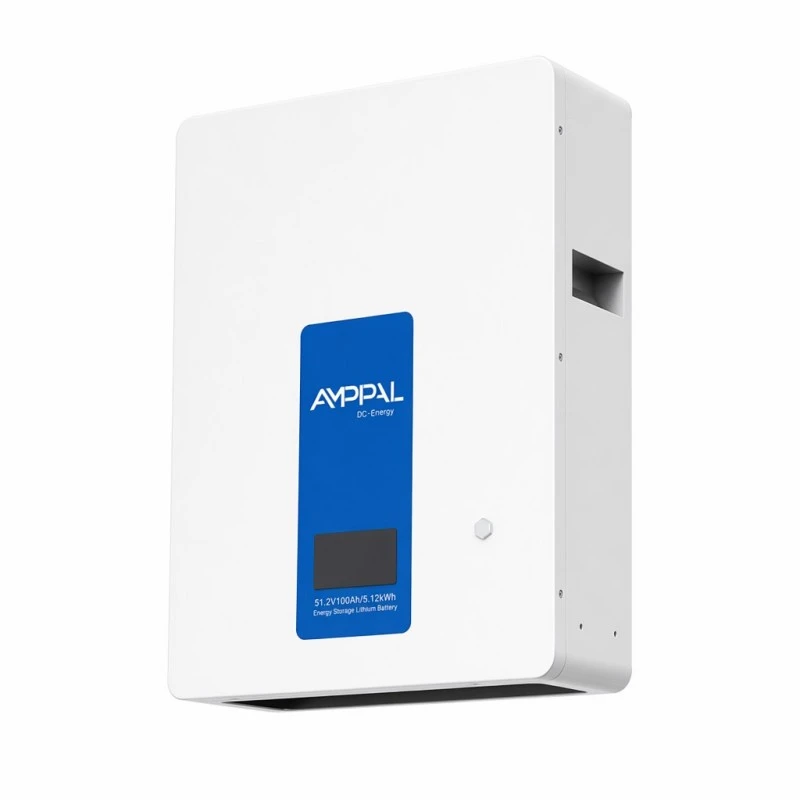
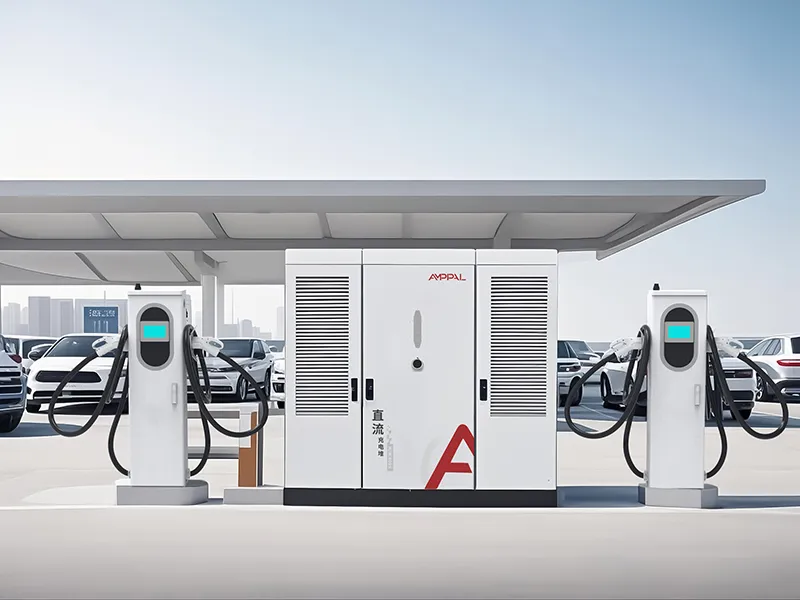
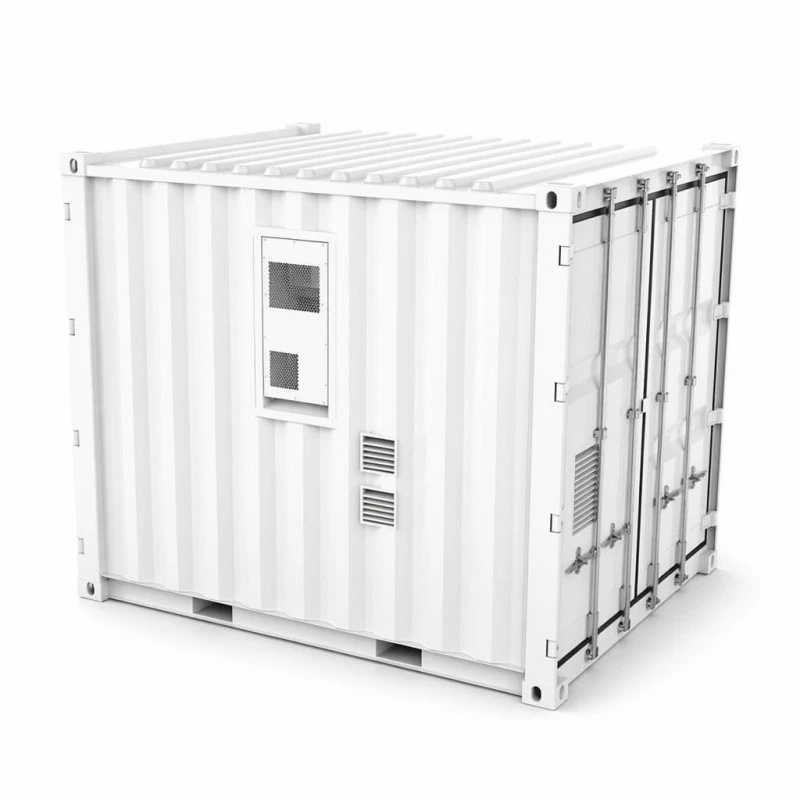
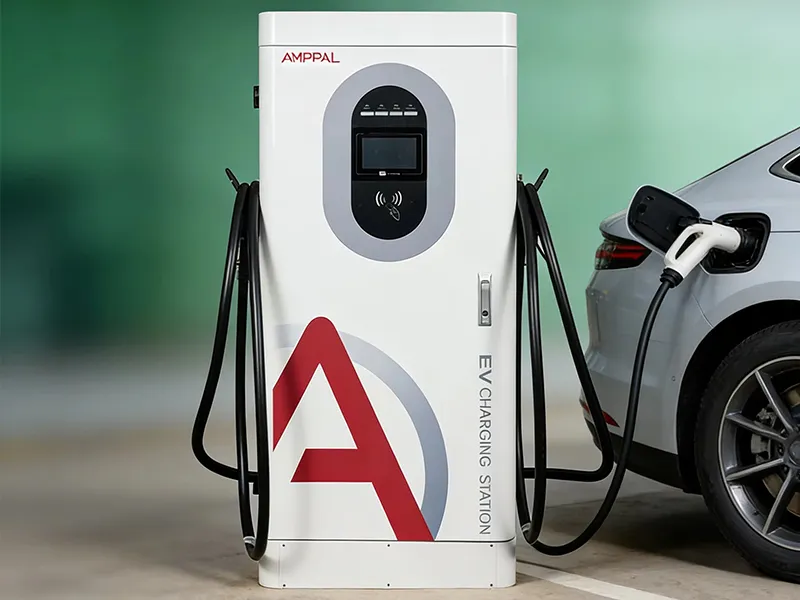
For households seeking reliable backup power, lower utility costs, and a smaller carbon footprint, a Residential ESS is the foundation of modern energy management. AMPPAL designs and manufactures residential energy storage systems that integrate seamlessly with solar PV, grid connections, and smart home platforms. With a focus on lithium iron phosphate safety, modular capacity, and installer-friendly hardware, AMPPAL has helped thousands of homeowners across North America, Europe, and Australia take control of their daily energy use.
Why AMPPAL Residential ESS Stands Out
AMPPAL residential energy storage systems are built for real-world households, not just laboratory conditions. The product line combines robust battery chemistry with intelligent software, giving homeowners predictable performance during blackouts, peak-rate hours, and solar charging cycles. Unlike lead-acid or older lithium-ion alternatives, AMPPAL uses LiFePO4 cells that resist thermal runaway and deliver consistent capacity over many years.
Several engineering choices set AMPPAL apart in the residential storage market:
-
Lithium iron phosphate chemistry — inherently stable, non-toxic, and rated for over 6,000 cycles at 90% depth of discharge.
-
Modular capacity from 5 kWh to 80 kWh — stack up to 16 modules per system for whole-home backup or phased expansion.
-
High round-trip efficiency up to 96% — more stored energy reaches your appliances when you need it.
-
IP65 outdoor-rated enclosure option — wall-mounted or floor-standing installation in garages, utility rooms, or exterior walls.
-
Hybrid inverter compatibility — works with leading solar inverters and supports AC/DC coupling, off-grid switching, and generator integration.
-
10-year warranty — covering at least 10,000 cycles, with a guaranteed end-of-warranty capacity above 70%.
Technical Specifications of AMPPAL Residential ESS
Every AMPPAL residential energy storage system is designed around a 51.2 V low-voltage architecture. This reduces installation complexity and improves safety for electricians and homeowners. The battery management system monitors cell voltage, current, and temperature at the module level, while the integrated energy management unit handles charging, discharging, and communication with inverters.
Key performance parameters for a single AMPPAL H10 module are listed below. The same electrical architecture applies to all capacity variants.
-
Usable energy capacity: 10.24 kWh
-
Nominal voltage: 51.2 V
-
Operating voltage range: 44.8 V to 57.6 V
-
Max continuous charge power: 7.0 kW
-
Max continuous discharge power: 7.0 kW
-
Peak discharge power for 10 seconds: 10.0 kW
-
Round-trip efficiency at 0.5C: 95.5%
-
Battery chemistry: LiFePO4
-
Cycle life at 90% DoD, 25°C: ≥6,000 cycles
-
Noise level under normal operation: <25 dB
-
Communication interfaces: CAN 2.0B, RS485, Wi-Fi, Ethernet
-
Protection features: over-voltage, under-voltage, over-current, short-circuit, over-temperature, under-temperature, reverse polarity
AMPPAL Product Line at a Glance
The AMPPAL residential energy storage family includes four primary modules. Each model can be used alone or combined with additional modules to create a larger bank. The table below summarizes the core specifications that installers and homeowners need for system design.
|
Parameter
|
H5
|
H10
|
H15
|
H20
|
|
Usable Energy Capacity
|
5.12 kWh
|
10.24 kWh
|
15.36 kWh
|
20.48 kWh
|
|
Nominal Voltage
|
51.2 V
|
51.2 V
|
51.2 V
|
51.2 V
|
|
Max Continuous Discharge Power
|
3.5 kW
|
7.0 kW
|
10.5 kW
|
14.0 kW
|
|
Peak Discharge Power (10 s)
|
5.0 kW
|
10.0 kW
|
15.0 kW
|
20.0 kW
|
|
Round-Trip Efficiency
|
95.0%
|
95.5%
|
96.0%
|
96.0%
|
|
Battery Chemistry
|
LiFePO4
|
LiFePO4
|
LiFePO4
|
LiFePO4
|
|
Cycle Life (90% DoD, 25°C)
|
≥6,000
|
≥6,000
|
≥8,000
|
≥8,000
|
|
Dimensions (H×W×D, mm)
|
510×600×220
|
1020×600×220
|
1530×600×220
|
2040×600×220
|
|
Weight
|
48 kg
|
92 kg
|
136 kg
|
180 kg
|
|
Operating Temperature Range
|
-10°C to +50°C
|
-10°C to +50°C
|
-10°C to +50°C
|
-10°C to +50°C
|
|
Enclosure Rating
|
IP54 indoor / IP65 outdoor
|
IP54 indoor / IP65 outdoor
|
IP54 indoor / IP65 outdoor
|
IP54 indoor / IP65 outdoor
|
|
Communication
|
CAN, RS485, Wi-Fi, Ethernet
|
CAN, RS485, Wi-Fi, Ethernet
|
CAN, RS485, Wi-Fi, Ethernet
|
CAN, RS485, Wi-Fi, Ethernet
|
|
Warranty
|
10 years or 10,000 cycles
|
10 years or 10,000 cycles
|
10 years or 10,000 cycles
|
10 years or 10,000 cycles
|
All AMPPAL modules use identical mounting brackets and cable harnesses. This standardization means an installer can start with one H5 unit and later add a second H5 or upgrade to an H10 without replacing the entire enclosure. The module-to-module communication is automatic, and the system rebalances capacity within 24 hours of expansion.
Installation, Integration, and Smart Features
AMPPAL residential energy storage systems are designed for both new solar installations and retrofits. The 51.2 V battery modules work with most hybrid inverters rated for 48 V battery banks, including brands such as Victron, Deye, Growatt, GoodWe, and Sol-Ark. For homes with existing grid-tied solar systems, AC coupling allows the AMPPAL battery to charge from excess solar production without replacing the existing inverter.
The built-in energy management software provides real-time monitoring through the AMPPAL Home app. Homeowners can view state of charge, solar input, household consumption, and grid export on a single dashboard. The app also supports time-of-use settings, backup reserve thresholds, and forced charge schedules. In areas with dynamic electricity rates, the system can automatically discharge during peak price windows and recharge when rates are low.
For off-grid or backup scenarios, an external automatic transfer switch enables seamless switching in under 20 milliseconds. This is fast enough to keep computers, refrigerators, and medical equipment running without interruption. A generator input port is also available for extended outages when solar production is insufficient.
Safety, Certifications, and Reliability
Safety is a core requirement for any Residential ESS installed inside a living space. AMPPAL battery modules use LiFePO4 cells, which have a much lower risk of thermal runaway than nickel-manganese-cobalt chemistries. The cells are housed in a powder-coated steel enclosure with a compression-mounted cell stack to reduce mechanical stress. Each module includes a dedicated battery management system, a DC breaker, and a self-test function that runs at startup and every 30 days during operation.
Certifications held by AMPPAL residential energy storage products include:
-
IEC 62619 — safety requirements for secondary lithium cells and batteries
-
UL 9540A — test method for evaluating thermal runaway fire propagation
-
UN38.3 — transport safety for lithium batteries
-
CE EMC Directive 2014/30/EU
-
RoHS Directive 2011/65/EU
-
REACH compliance for materials used in the European market
Each module is also rated for operation in high-humidity environments. The outdoor version with IP65 protection can be installed on an exterior wall without additional weather shielding, provided the ambient temperature stays within -10°C to +50°C. Built-in heating pads are available as an option for regions with cold winters, allowing charging at temperatures as low as -20°C.
Frequently Asked Questions About Residential ESS
Q: What is a Residential ESS and how does it work?
A: A Residential ESS is a battery-based system that stores electricity for later use in a home. It typically connects to a hybrid inverter, solar panels, and the main electrical panel. During the day, excess solar energy charges the battery instead of being exported to the grid. In the evening or during an outage, the stored energy is discharged to power household loads. AMPPAL residential energy storage systems use LiFePO4 cells and a battery management system to control charging and discharging safely and efficiently.
Q: How long can an AMPPAL Residential ESS power my home during an outage?
A: Backup duration depends on the battery capacity and your household load. A single AMPPAL H10 module stores 10.24 kWh of usable energy. If you power only essential circuits such as a refrigerator, lights, Wi-Fi router, and a gas furnace blower, the average consumption is around 0.5 to 0.8 kW. In that scenario, the H10 can provide backup for approximately 12 to 20 hours. For whole-home backup with air conditioning or electric heating, we recommend at least two H15 or H20 modules to cover a typical evening and overnight period.
Q: Can I install a Residential ESS without solar panels?
A: Yes. An AMPPAL Residential ESS can be installed in grid-only applications. The system charges from the grid during off-peak hours and discharges during peak-rate hours to reduce electricity costs. It also provides backup power during blackouts even when no solar array is present. This configuration is popular in regions with time-of-use tariffs or unreliable grid infrastructure. You can add solar panels later without replacing the battery or inverter.
Q: Is AMPPAL Residential ESS safe for indoor installation?
A: Yes. AMPPAL modules use LiFePO4 chemistry, which is widely considered the safest lithium battery technology for residential use. The enclosure is rated IP54 for indoor installation, meaning it is protected against dust and water splashes. The battery management system continuously monitors voltage, current, and temperature at the cell and module level. If a fault is detected, the module disconnects automatically. Certifications such as UL 9540A and IEC 62619 confirm that the battery does not propagate thermal runaway under standard test conditions.
Q: How many battery modules can I connect to one inverter?
A: The exact limit depends on the inverter model and firmware. AMPPAL battery modules support up to 16 units in parallel on a single CAN bus network. This allows a maximum usable capacity of approximately 80 kWh using H5 modules or 320 kWh using H20 modules, although most residential installations use between one and four high-capacity modules. Each module communicates its state of charge and state of health to the master unit, which ensures balanced charging and discharging across the entire bank.
Q: What maintenance does a Residential ESS require?
A: AMPPAL residential energy storage systems are designed for zero routine maintenance. There are no liquid electrolytes to top up, no venting requirements, and no moving parts. The battery management system performs automatic cell balancing and self-diagnostics. We recommend a visual inspection every 12 months to check cable connections and ensure the ventilation openings are free of dust. Firmware updates are delivered over the internet and install automatically through the AMPPAL Home app.
Q: What is the expected lifespan of AMPPAL Residential ESS?
A: Under normal operating conditions at 25°C and one full charge-discharge cycle per day, AMPPAL LiFePO4 modules are rated for at least 6,000 cycles at 90% depth of discharge. This equates to more than 16 years of daily cycling. The warranty guarantees at least 70% remaining capacity after 10 years or 10,000 cycles, whichever comes first. In practice, many systems retain above 80% capacity after 10 years because residential loads rarely run at full depth of discharge every day.
Q: Does AMPPAL Residential ESS support time-of-use optimization?
A: Yes. The AMPPAL Home app includes a time-of-use scheduler that allows you to define peak, off-peak, and shoulder periods based on your utility tariff. The system can be configured to charge the battery from the grid during the cheapest hours and discharge during the most expensive hours. It can also reserve a minimum state of charge for backup protection. For households with solar, the software prioritizes solar self-consumption before using grid charging, which maximizes both bill savings and carbon reduction.
Q: Can I monitor my Residential ESS remotely?
A: Yes. Every AMPPAL residential energy storage system includes Wi-Fi and Ethernet connectivity as standard. Once connected to the internet, the system reports real-time data to the AMPPAL cloud platform. Homeowners can view live power flows, battery state of charge, historical charts, and alert notifications from a smartphone app or web portal. Installers also have access to a separate monitoring interface for remote diagnostics and firmware management.
Q: What certifications does AMPPAL Residential ESS hold?
A: AMPPAL residential energy storage products are certified to IEC 62619, UL 9540A, UN38.3, CE, and RoHS standards. These certifications cover electrical safety, fire propagation resistance, transportation safety, electromagnetic compatibility, and hazardous substance restrictions. For grid-connected installations, the paired inverter must also comply with local utility standards such as IEEE 1547 in North America or VDE-AR-N 4105 in Germany. AMPPAL works with inverter partners to ensure that the complete system meets local interconnection requirements.



 Whatsapp