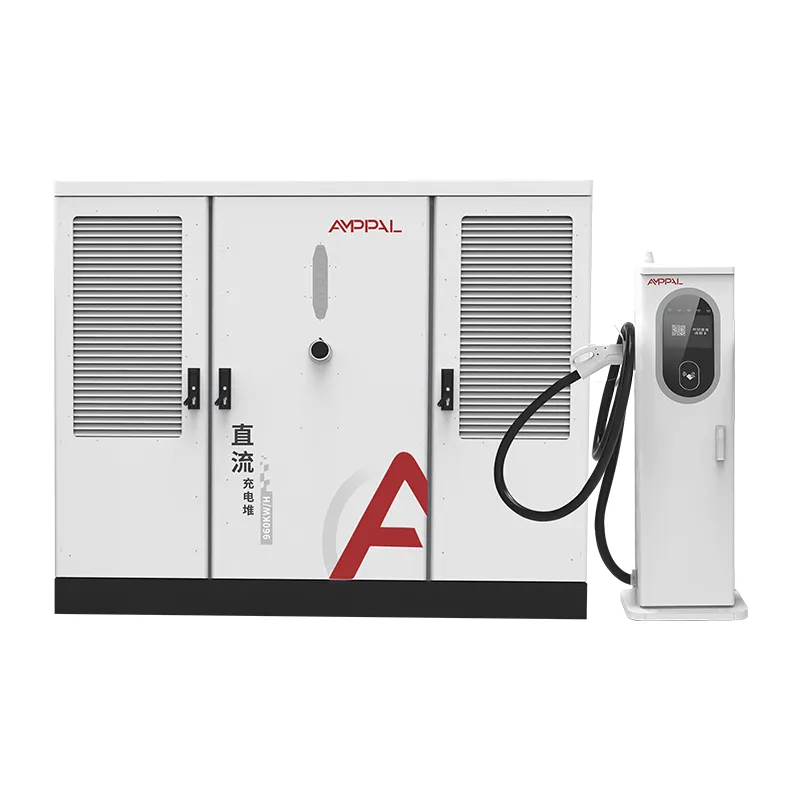
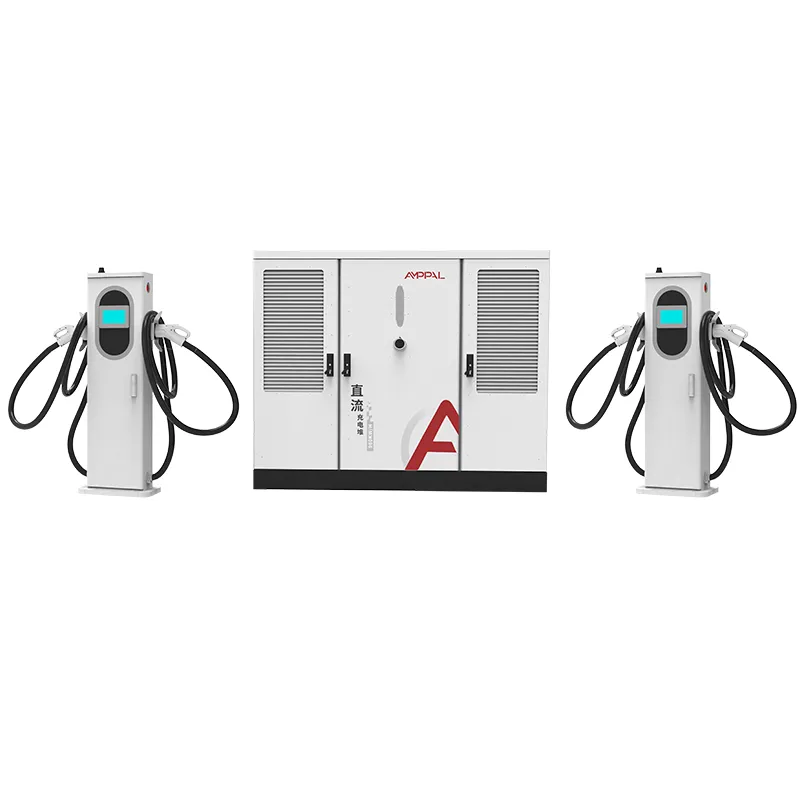
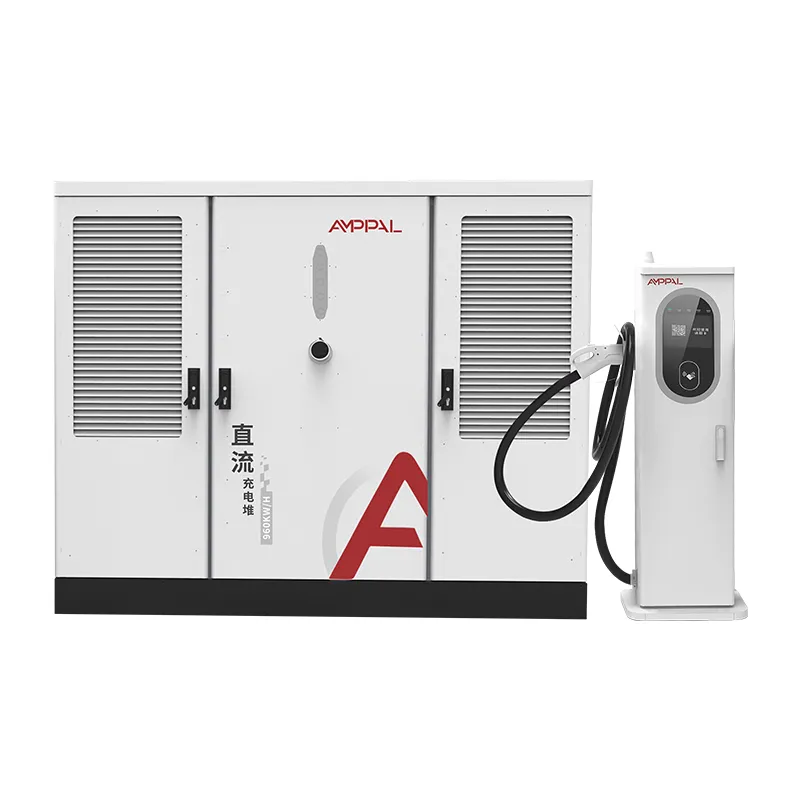
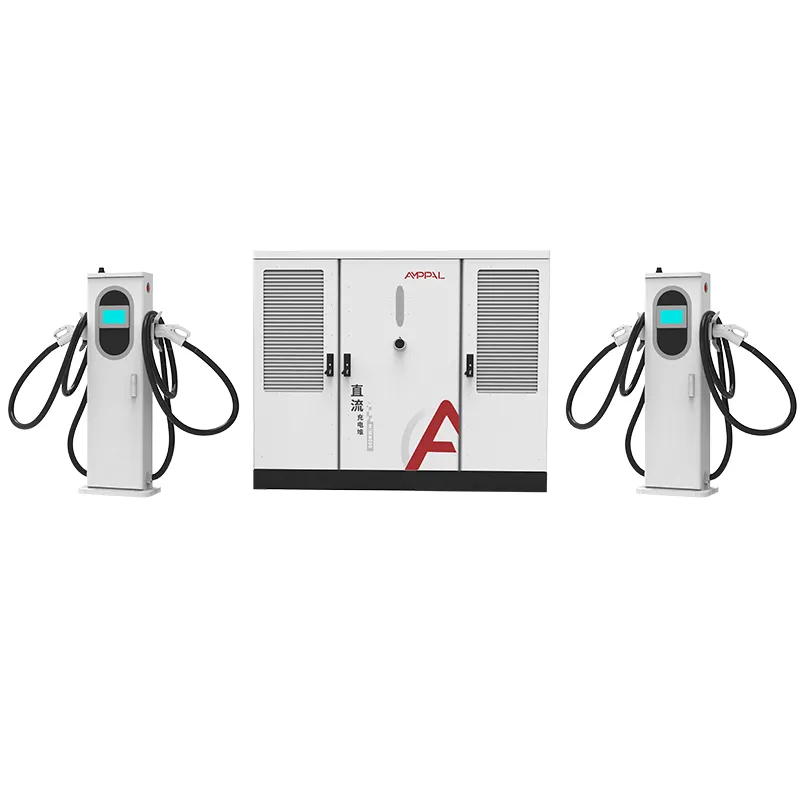
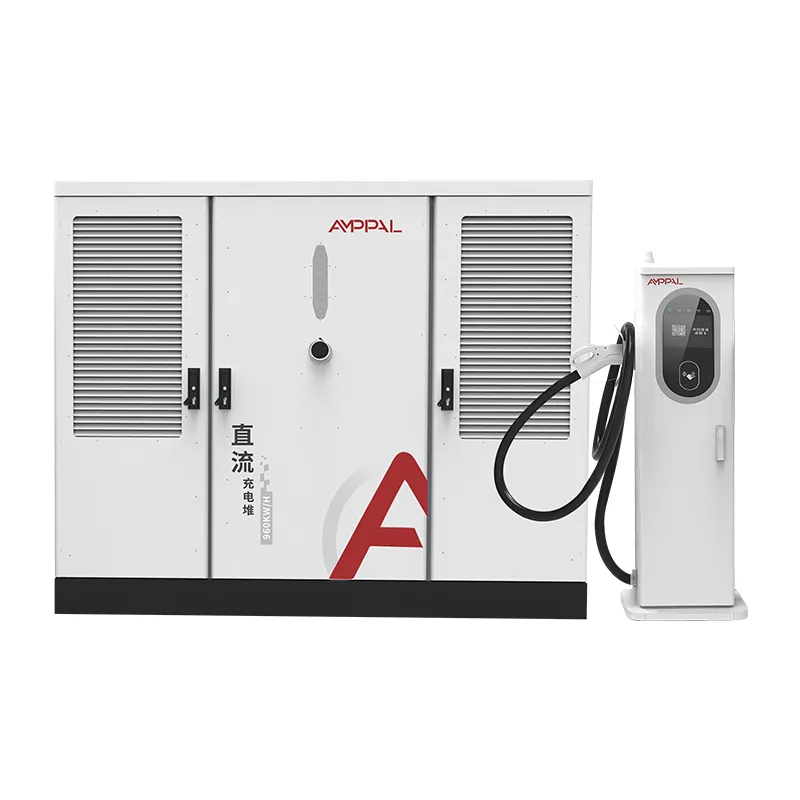
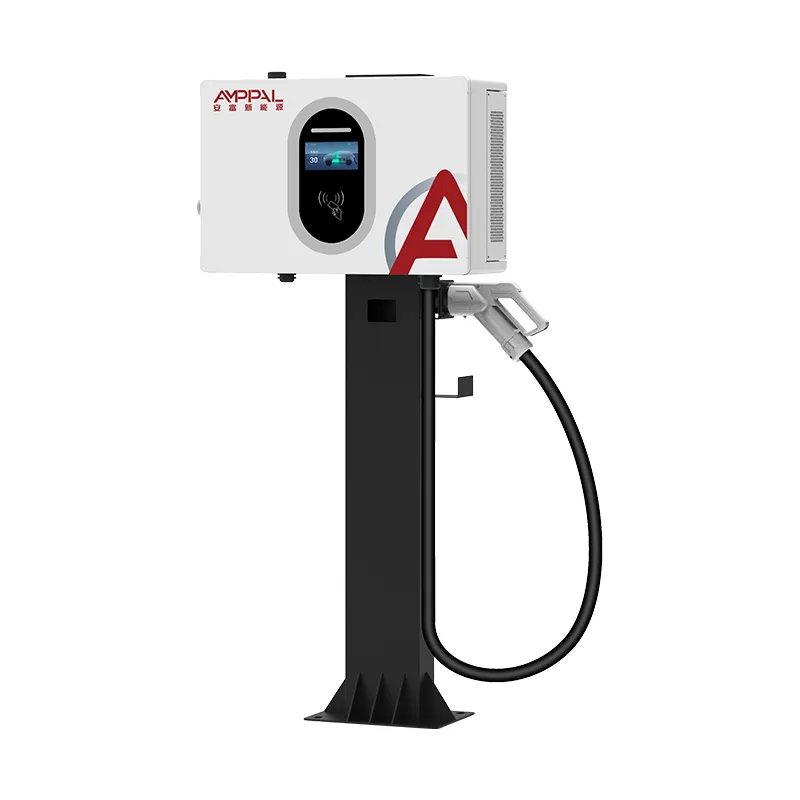
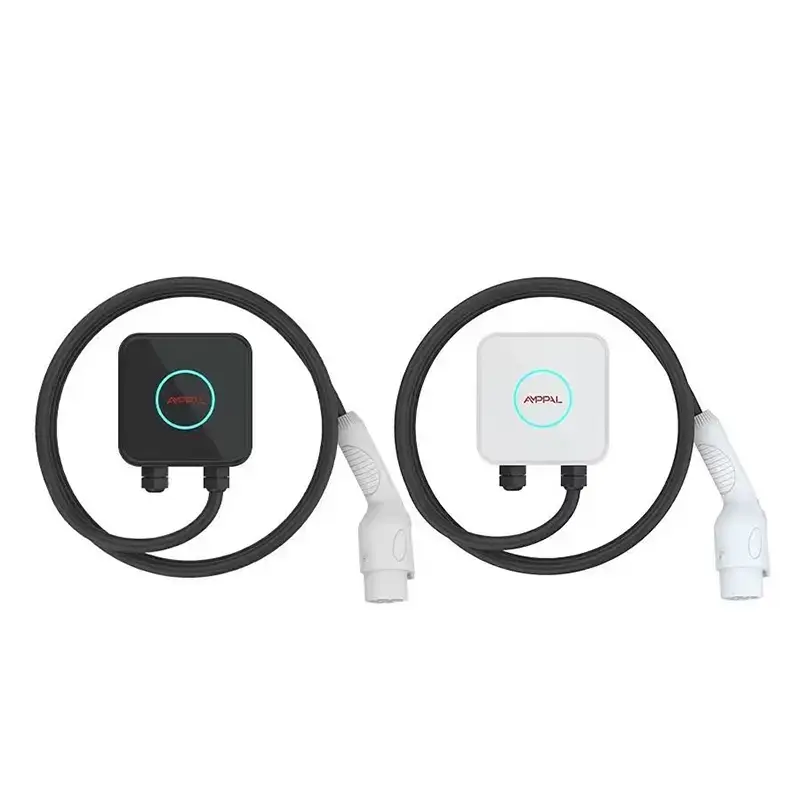
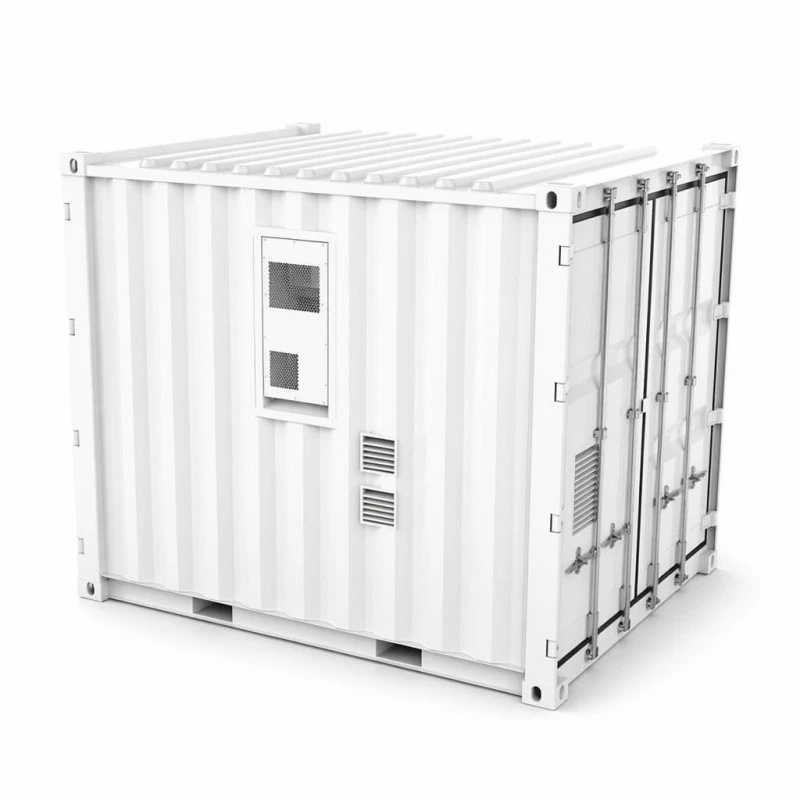
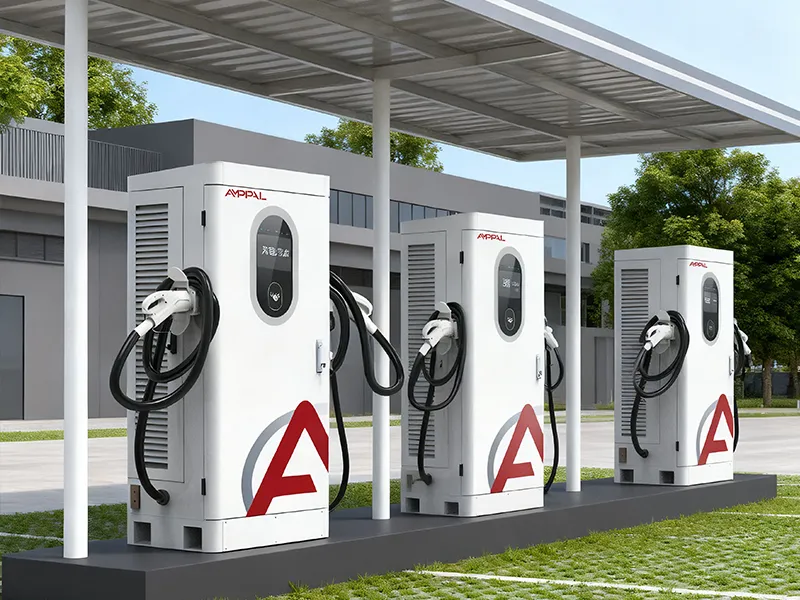
As electric vehicle adoption accelerates across public networks, fleet depots, and commercial properties, the physical constraints of charging infrastructure receive more scrutiny than ever before. Split-Type DC Chargers represent a distinct engineering approach that separates the power conversion cabinet from the dispenser unit. This configuration enables installers to place heavy, heat-generating electronics away from public-facing areas while keeping the charging point compact, quiet, and easy to service. AMPPAL has refined this architecture into a product family that balances high power output, flexible deployment, and robust communication for demanding commercial environments.
The electric vehicle charging market has moved well beyond simple AC wall boxes. High-power DC charging now demands equipment that can deliver 120 kW to 360 kW continuously while surviving harsh weather, frequent cable handling, and round-the-clock operation. The split-type design achieves this by isolating two functional blocks: the power cabinet and the dispenser. The power cabinet contains AC input protection, rectifier modules, DC bus distribution, and the main controller. The dispenser houses the charging cable, connector, user screen, RFID reader, and emergency stop. Between them runs a shielded DC bus that keeps power and control signals separate. AMPPAL builds all these elements in-house, ensuring compatibility across the full product range.
AMPPAL Split-Type DC Chargers: Technical Deep Dive and Application Parameters
AMPPAL split-type DC systems are engineered for high utilization environments such as highway service plazas, fleet depots, airport parking structures, and retail charging hubs. The product line spans four primary power ratings, each designed to serve different site power availability and vehicle throughput requirements. The following sections detail the electrical, mechanical, and communication characteristics that define the series.
Core Electrical Specifications
-
Input voltage range: 380–480 V AC ±15%, three-phase, 50/60 Hz
-
Input power factor: ≥0.99 at full load
-
Total harmonic distortion (THD): ≤5% at nominal input voltage
-
Output voltage range: 200–1000 V DC, suitable for 400 V and 800 V battery platforms
-
Output current: 0–250 A continuous per dispenser, with optional 500 A liquid-cooled outputs on 240 kW and 360 kW configurations
-
Voltage accuracy: ±0.5% over full output range
-
Current accuracy: ±1% for output currents above 30 A
-
Standby power consumption: ≤25 W for dispenser, ≤50 W for power cabinet
-
Peak efficiency: ≥95.5%, depending on module configuration and ambient temperature
-
Power module efficiency: ≥96% at half load, ≥95% at full load
-
Power sharing granularity: 12.5 kW steps between dispensers connected to the same cabinet
-
DC bus voltage drop compensation: automatic based on cable length and current
Split-Type DC Charger Series Parameter Table
|
Parameter
|
ASDC120
|
ASDC180
|
ASDC240
|
ASDC360
|
|
Maximum output power
|
120 kW
|
180 kW
|
240 kW
|
360 kW
|
|
Output voltage range
|
200–1000 V DC
|
|
Maximum current per dispenser
|
250 A
|
250 A
|
250 A standard / 500 A liquid-cooled
|
500 A liquid-cooled
|
|
Number of DC outputs
|
1 or 2
|
2
|
2 or 3
|
2 or 3
|
|
Input voltage
|
380–480 V AC ±15%, 3P+N+PE, 50/60 Hz
|
|
Power factor
|
≥0.99 at nominal load
|
|
Efficiency
|
≥95%
|
≥95.5%
|
≥96%
|
≥96%
|
|
Cooling method
|
Forced air cooling
|
Forced air + optional liquid cooling for cables
|
Forced air + liquid cooling for cables
|
Liquid cooling for power modules and cables
|
|
Operating temperature
|
-30°C to +55°C, with automatic derating above 45°C
|
|
Storage temperature
|
-40°C to +70°C
|
|
Relative humidity
|
5% to 95% non-condensing
|
|
Altitude
|
≤2000 m without derating; higher altitudes require consultation
|
|
Communication protocols
|
OCPP 1.6J
|
OCPP 1.6J / 2.0.1, Modbus TCP
|
OCPP 1.6J / 2.0.1, ISO 15118
|
OCPP 2.0.1, ISO 15118 Plug & Charge
|
|
Connector types
|
CCS1, CCS2, CHAdeMO, GB/T optional
|
CCS1, CCS2, optional CHAdeMO
|
|
Enclosure rating
|
Power cabinet IP55, dispenser IP54, impact rating IK10
|
|
Certifications
|
CE, IEC 61851-1, IEC 61851-23, UL 2202 optional, ISO 9001 manufacturing
|
Mechanical and Installation Parameters
-
Power cabinet dimensions (H×W×D): 1,800 mm × 800 mm × 600 mm for ASDC120; 2,000 mm × 900 mm × 800 mm for ASDC180, ASDC240, and ASDC360
-
Dispenser dimensions (H×W×D): 1,650 mm × 500 mm × 260 mm
-
Power cabinet weight: 350 kg to 680 kg depending on power rating and module count
-
Dispenser weight: 65 kg to 120 kg depending on cable length and cooling option
-
Mounting: floor-standing with anchor bolts for both cabinet and dispenser; wall-mount dispenser option available
-
Cable length from power cabinet to dispenser: 5 m to 100 m using AMPPAL shielded DC bus cables
-
Dispenser charging cable length: 3.5 m, 5 m, or 7.5 m; longer cables available with liquid cooling
-
Noise level: ≤65 dB(A) at 1 m for power cabinet; ≤55 dB(A) for dispenser
-
Vandal resistance: IK10 on dispenser front panel and emergency stop button
-
Foundation requirement: flat concrete pad with minimum compressive strength of 25 N/mm²
Protection, Safety, and Communication Features
-
Input protection: overvoltage, undervoltage, phase loss, overcurrent, surge protection Type 2 rated at 40 kA
-
Output protection: overcurrent, short-circuit, overvoltage, reverse polarity detection, insulation monitoring
-
Ground fault protection: 30 mA AC and 6 mA DC residual current monitoring in line with IEC 61851-1
-
Temperature monitoring: independent sensors on power modules, power cabinet, dispenser, connector contacts, and liquid cooling loop
-
Emergency stop: physical button on each dispenser and remote stop via management system
-
User authentication: RFID, NFC, mobile app QR code, optional credit card reader
-
Display: 10.1-inch industrial-grade color touchscreen with anti-glare coating and glove-friendly responsiveness
-
Network connectivity: Ethernet, 4G LTE, Wi-Fi, optional dual SIM for redundant mobile connections
-
Backend integration: OCPP 1.6J/2.0.1, OpenADR, Modbus TCP, optional ISO 15118 Plug & Charge
-
Firmware update: over-the-air via AMPPAL cloud platform or local USB
-
Diagnostics: remote fault reporting, self-test on startup, event log storage up to 100,000 entries with time stamping
-
Cybersecurity: TLS 1.3 encryption, configurable firewall rules, secure boot, and signed firmware packages
Common Deployment Scenarios for Split-Type Architecture
-
Highway service areas with limited space at fueling islands and strict visual branding requirements
-
Underground parking garages where heat rejection from all-in-one units is restricted by ventilation capacity
-
Fleet depots with multiple dispensers fed from a central power cabinet located near the main electrical room
-
Shopping malls and hospitality venues where public-facing hardware must remain compact and quiet
-
Existing sites undergoing power upgrades, where power cabinets can be installed in mechanical rooms and dispensers added incrementally
-
Coastal or industrial environments where sensitive electronics benefit from moving further away from corrosive or dusty air
Frequently Asked Questions About Split-Type DC Chargers
What is a split-type DC charger and how does it differ from an all-in-one unit?
A split-type DC charger separates the power conversion electronics from the dispenser interface. In an all-in-one unit, rectifiers, power modules, cooling equipment, and user interface share one enclosure, which can be large, heavy, and thermally demanding. In a split-type system, the power cabinet houses the AC-to-DC conversion modules and main protection devices, while the dispenser contains the charging cable, connector, screen, and payment reader. A shielded DC bus connects the two. This design allows the bulky power cabinet to be installed in a mechanical room, behind a wall, or in a less visible area, leaving a slim dispenser at the parking space. The separation also simplifies cooling, reduces noise near users, and enables one power cabinet to serve multiple dispensers.
What site conditions favor AMPPAL split-type DC chargers over all-in-one chargers?
AMPPAL split-type DC chargers are preferred when the installation area has limited ventilation, strict noise limits, or aesthetic constraints. Underground parking garages often lack sufficient airflow to dissipate heat from high-power all-in-one equipment, so placing the power cabinet in a ventilated utility room solves the problem. Locations where the charging point is exposed to weather, salt spray, or vandalism benefit from a smaller dispenser with fewer sensitive components. Sites that require multiple charge points along a row of parking spaces can reduce total cost by connecting several dispensers to one central power cabinet. In addition, any location with long cable runs from an electrical room to the parking area can use the split architecture to route power efficiently without moving the utility interconnection.
How is the power cabinet connected to the dispenser, and what cable lengths are supported?
AMPPAL split-type DC chargers use a dedicated DC bus connection between the power cabinet and each dispenser. The connection consists of two DC power conductors, a protective earth conductor, and a communication cable for control and status signals. The standard configuration supports distances up to 100 meters, allowing the power cabinet to be placed far from the actual charging point. For longer runs, AMPPAL engineering can evaluate cable sizing based on voltage drop and thermal limits. The DC bus cables are shielded to reduce electromagnetic interference and are rated for outdoor or indoor installation. Connectors on both ends are keyed industrial plugs that allow quick installation and maintenance without special tools. All cables are available in 5 m, 10 m, 20 m, 50 m, and 100 m pre-assembled lengths, with custom lengths available on request.
Can one power cabinet serve multiple dispensers at the same time?
Yes. The split-type architecture is designed for dynamic power sharing. A single AMPPAL power cabinet can support two, three, or in some configurations up to four dispensers depending on the model. The system allocates available power intelligently based on the number of vehicles connected and their battery states. For example, a 240 kW power cabinet with two dispensers can deliver 240 kW to a single vehicle if only one dispenser is active. When two vehicles are charging, the system can split power evenly, or it can give priority to one vehicle based on a configurable policy such as first-come-first-served, highest state of charge, or VIP user status. This power sharing reduces infrastructure cost and improves utilization of the upstream electrical service.
What maintenance advantages does the split architecture provide?
The split architecture directly improves serviceability. Power modules, contactors, and cooling fans are located in the central power cabinet, so technicians can perform most repairs without entering customer-facing areas or blocking parking spaces. The dispenser has fewer active components, which lowers the probability of field failures at the charge point. If a dispenser is damaged by a vehicle impact or vandalism, the replacement can be completed without disconnecting the entire power cabinet. AMPPAL also designs the power cabinet with hot-swappable power modules, allowing a failed module to be replaced while the rest of the system continues operating at reduced capacity. Remote diagnostics identify fault codes before a technician arrives, reducing the mean time to repair. Spare parts inventories can be consolidated at the power cabinet location rather than at every parking space.
Are AMPPAL split-type DC chargers compatible with CCS1, CCS2, CHAdeMO, and GB/T connectors?
AMPPAL split-type DC chargers are available with CCS1, CCS2, CHAdeMO, and GB/T connector configurations. The standard offering for North America includes CCS1, while Europe, the Middle East, and Asia Pacific regions typically use CCS2. CHAdeMO remains available for legacy vehicles, especially in Japan and parts of Europe. GB/T is offered for the Chinese market and export projects that require it. The dispenser can be factory-configured with one or two connectors. A dual-connector dispenser may combine CCS and CHAdeMO or CCS1 and CCS2 depending on regional requirements. Connector type does not affect the power cabinet design, so an AMPPAL split-type system can be redeployed in a different region by replacing the dispenser or changing the cable assembly. All connectors comply with IEC 62196, ISO 15118, and CHAdeMO 2.0 specifications.
How is thermal management handled in high ambient temperatures and with liquid-cooled cables?
AMPPAL split-type DC chargers use a three-tier thermal management approach. First, the power cabinet uses high-volume forced air cooling with temperature-controlled fan speeds. Air intake filters prevent dust and debris from entering, and internal air baffles separate the cooling path for power modules from the control electronics. Second, power modules are individually monitored, and the system derates gracefully if intake air temperature exceeds 45°C, maintaining safe operation up to 55°C. Third, for configurations with 500 A output, the dispenser charging cable and connector use a closed-loop liquid cooling system. The coolant circulates from a cooling unit inside the dispenser through the cable and connector, removing heat directly at the contact interface. This allows continuous high-current charging without exceeding the maximum safe temperature limits defined by IEC 61851-23. The liquid cooling unit is sealed and requires no field filling under normal operation; coolant level and temperature are monitored remotely.
What communication protocols and backend integration are supported?
AMPPAL split-type DC chargers support OCPP 1.6J and OCPP 2.0.1 as standard, enabling integration with all major charging network management systems. Modbus TCP is available for building energy management and industrial automation integration. Models with 240 kW and 360 kW outputs also support ISO 15118 hardware-ready functionality, including Plug & Charge on CCS connectors. For grid integration, the chargers can respond to demand response signals through OpenADR and can implement local load management based on building power availability. Network connectivity options include Ethernet, 4G LTE, and Wi-Fi, with dual SIM support for redundant mobile connections. The AMPPAL cloud platform provides remote monitoring, firmware updates, energy reporting, and user management. All communication interfaces are located in the power cabinet and protected against unauthorized access through encrypted protocols and configurable firewall rules.



 Whatsapp