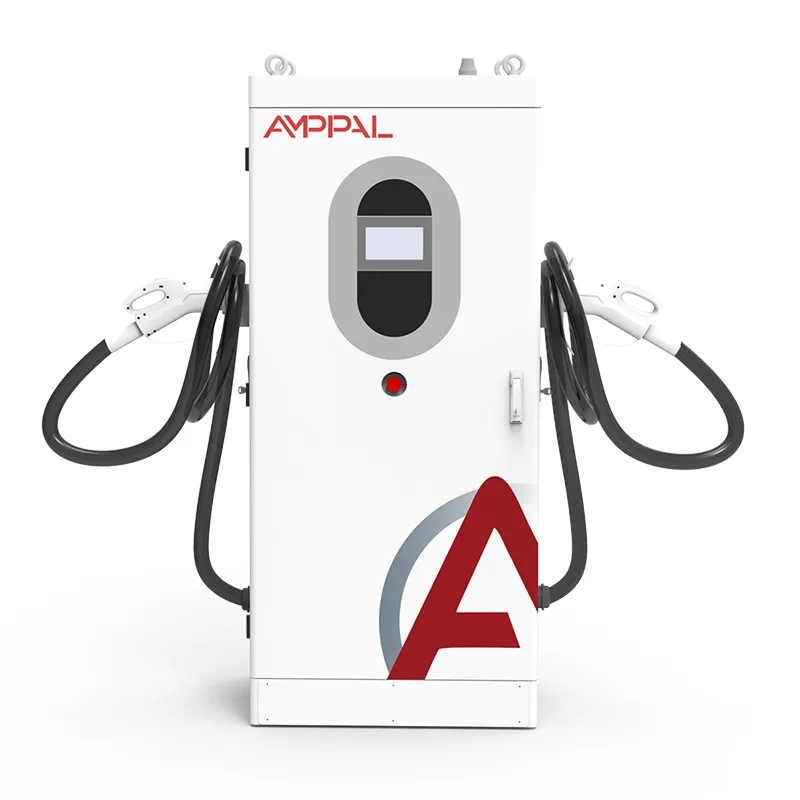
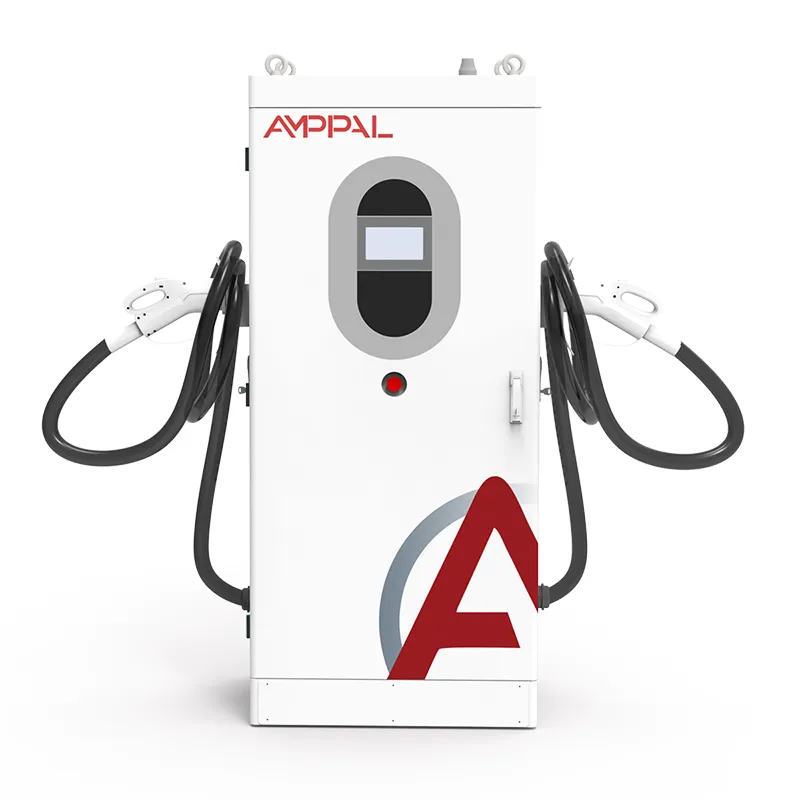
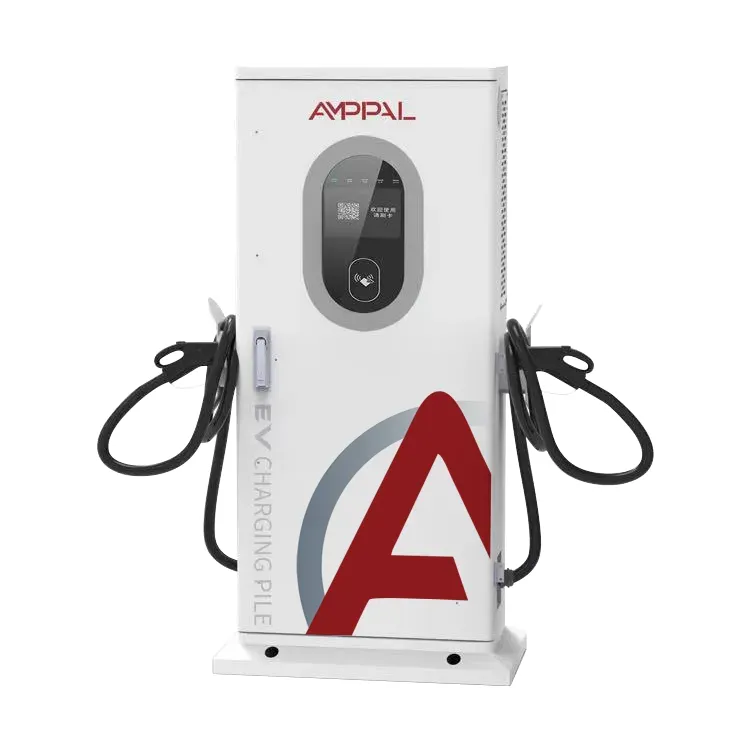
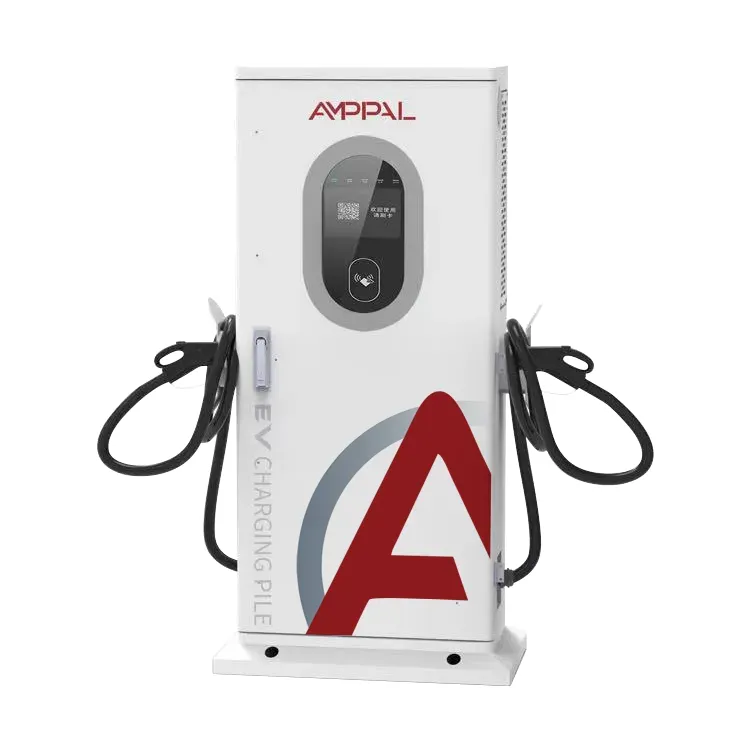
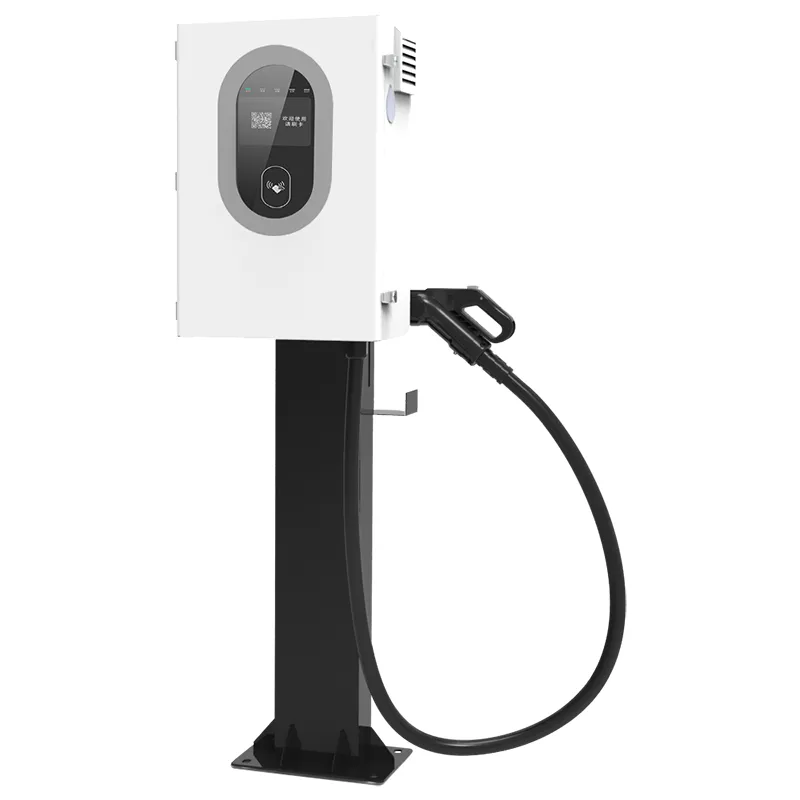
AMPPAL is a V2G bidirectional charger manufacturer, supplying factory-direct units from 7kW to 180kW for vehicle-to-grid, fleet and energy-management applications.
What Does a V2G Bidirectional Charger Do?
A conventional EV charger transfers energy from the grid to the vehicle. A V2G bidirectional charger can also transfer energy from the vehicle battery to a building or the grid when the vehicle, charger and grid connection support bidirectional operation.
Potential applications include peak-demand management, solar self-consumption, energy shifting and selected grid services. The value of a V2G bidirectional charger depends on vehicle availability, battery capacity, tariffs and the project operating strategy.
Does Bidirectional Charging Affect the Battery?
Additional charging and discharging cycles can contribute to battery degradation. The effect depends on depth of discharge, frequency, power level, temperature, battery chemistry and the vehicle manufacturer’s control strategy.
Vehicle warranty conditions should be confirmed before a V2G project is ordered. Bidirectional operation is not supported by every EV, even when the physical connector is compatible.
Which Power Rating Fits the Application?
|
Power
|
Typical Use
|
|
7kW
|
Residential and solar self-consumption
|
|
30kW / 60kW
|
Commercial and fleet applications
|
|
120kW / 180kW
|
Large fleet and energy-management projects
|
A 7kW V2G bidirectional charger is suited to lower-power residential or solar applications. 30kW and 60kW models are more relevant to commercial and fleet sites. 120kW and 180kW models target larger fleet and grid-interactive projects.
What Has to Be Confirmed on the Grid Side?
V2G projects normally require additional grid-side review compared with conventional charging. Buyers should confirm export approval, anti-islanding requirements, local grid-code requirements and the metering arrangement for imported and exported energy.
The approval process varies by country, utility and project type. These requirements should be addressed during project design rather than after equipment delivery.
Does Connector Type Guarantee V2G Compatibility?
No. V2G capability depends on the vehicle model, model year, market, software and charger configuration. CHAdeMO has established bidirectional charging implementations, while CCS-based V2G availability varies by vehicle.
AMPPAL can configure CCS1, CCS2, GB/T, CHAdeMO and NACS options depending on the product and market. Connector compatibility alone does not guarantee V2G operation; confirm the target vehicle list before ordering.
V2G vs Stationary Energy Storage
For fixed-site peak shaving, a commercial and industrial energy storage system can provide predictable onsite storage without depending on vehicle availability. A V2G bidirectional charger is more suitable when compatible vehicles are already present and can remain connected for controlled charging and discharging.
Core Specifications
|
Parameter
|
Specification
|
|
Power ratings
|
7kW / 30kW / 60kW / 120kW / 180kW
|
|
Output voltage
|
200–1000VDC
|
|
Power flow
|
Bidirectional (V2G / V2H / V2L depending on configuration)
|
|
Connectors
|
CCS1, CCS2, GB/T, CHAdeMO, NACS
|
|
Protocol
|
OCPP 1.6J for platform integration
|
|
Grid protection
|
Anti-islanding, over/under voltage and frequency
|
|
Ingress rating
|
IP54
|
|
Operating range
|
-30°C to +55°C
|
|
Certification
|
CE, TUV, CB, CCC
|
|
Warranty
|
2 years standard
|
Project Enquiry and Supply
For a V2G bidirectional charger quotation, provide vehicle models and model years, fleet or site schedule, grid connection capacity and the intended business objective. Sample MOQ is 1 and production is 15–20 working days.
AMPPAL manufactures charging equipment in Yueqing and can support OEM and project-based cooperation. Verify current company figures, certifications and project references before publication.



 Whatsapp