Whatsapp
As electric vehicle adoption accelerates, businesses and charging infrastructure operators are looking for charging equipment that delivers reliable performance without occupying excessive installation space. Wall-mounted DC chargers provide a practical solution by combining compact installation, direct current charging technology, and flexible power configurations. However, selecting the right equipment requires more than comparing charging power or product prices. Installation conditions, vehicle compatibility, electrical capacity, safety protection, maintenance requirements, and long-term operating costs all influence the final decision. This guide explains how wall-mounted DC chargers work, where they are most useful, and what buyers should evaluate before investing in a charging solution.
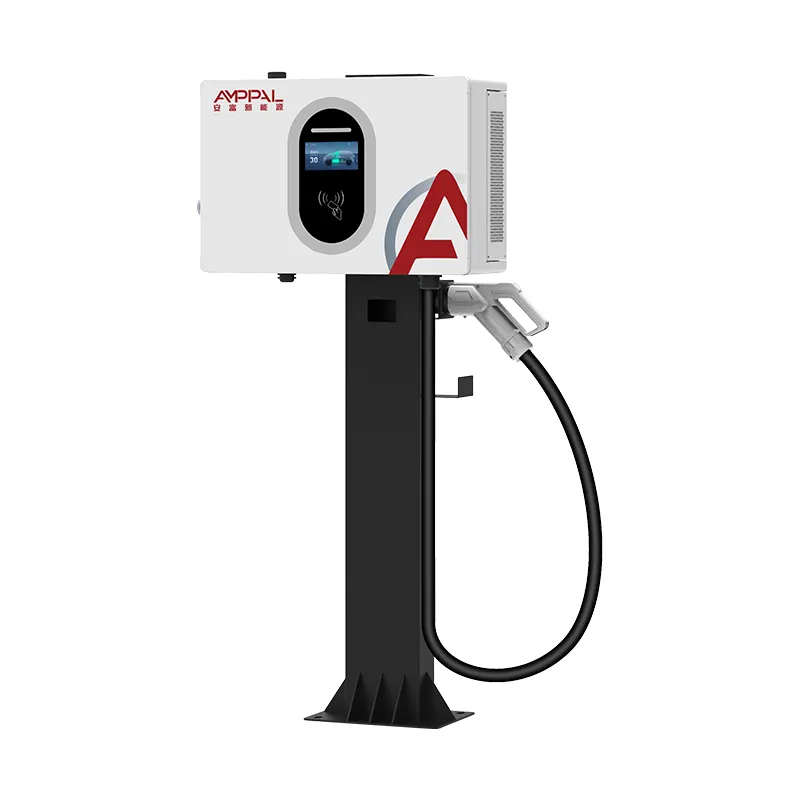
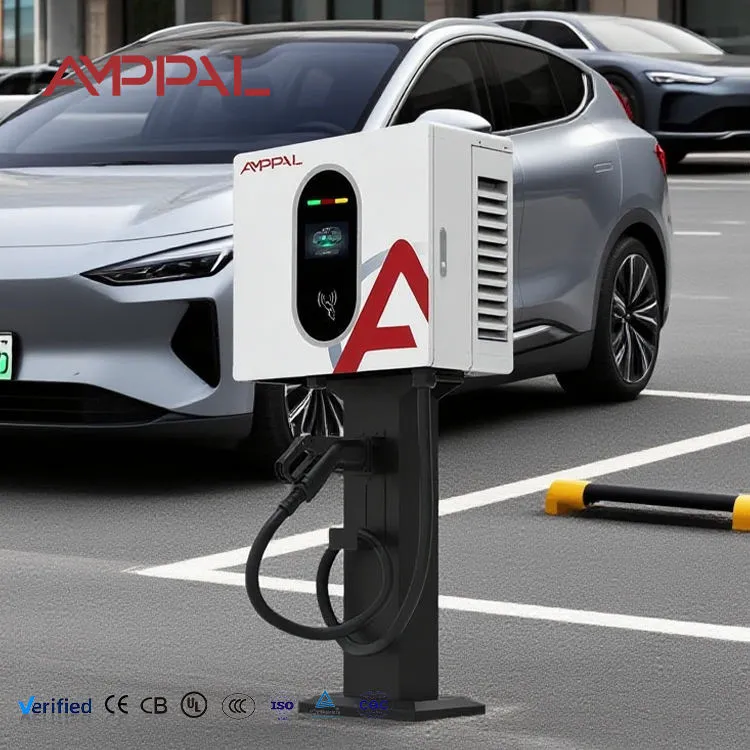
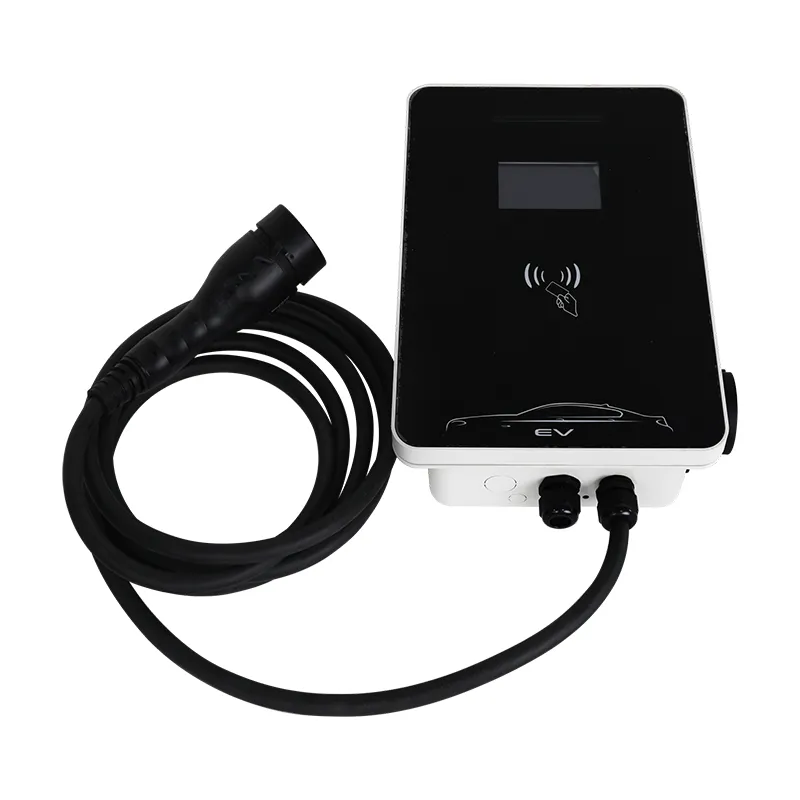
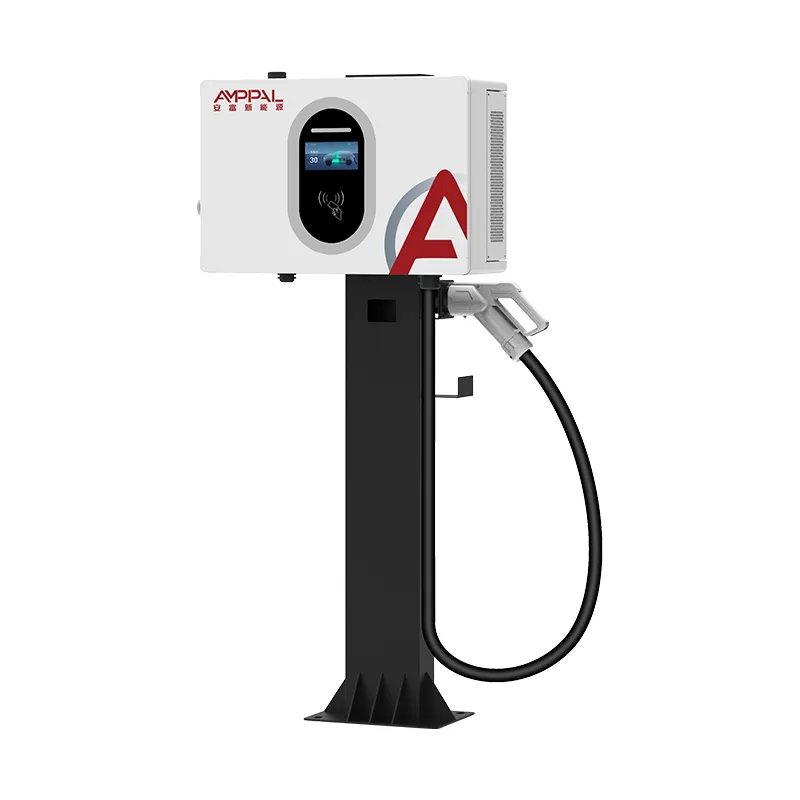
Wall-mounted DC chargers are electric vehicle charging devices designed to be installed directly on a suitable wall or structural mounting surface. Unlike conventional floor-standing charging stations, these units use vertical installation to reduce the amount of floor space required while providing direct current (DC) electricity to compatible electric vehicles.
One of their defining characteristics is the integration of power conversion components within the charging equipment. Electricity supplied from the AC grid is converted into DC power before being delivered to the vehicle's battery. This allows the charging process to bypass the vehicle's relatively limited onboard AC charger, potentially supporting higher charging speeds.
For businesses with limited parking space, property developers, fleet operators, and commercial facility managers, wall-mounted DC chargers can provide a useful balance between charging performance and installation flexibility.
The primary distinction is the installation structure rather than the fundamental charging principle. Both wall-mounted and floor-standing DC chargers can deliver DC power to electric vehicles, but their physical configurations serve different site requirements.
Understanding the charging process helps buyers evaluate whether a wall-mounted DC charger meets their operational requirements.
In a typical DC charging system, electricity passes through several stages before reaching the vehicle battery:
Unlike AC charging, where the vehicle performs the main AC-to-DC conversion, DC charging equipment handles this conversion externally. This arrangement makes higher charging power possible, subject to vehicle compatibility and battery limitations.
Charging power is commonly expressed in kilowatts (kW). A higher power rating can reduce charging time under suitable conditions, but the actual charging speed depends on several factors:
For example, a vehicle with a maximum DC charging acceptance rate of 60 kW will not charge at 120 kW simply because it is connected to a 120 kW charger. The vehicle's battery management system determines the power it can safely accept.
Charging infrastructure must work within real-world building layouts, parking arrangements, and electrical limitations. This is one reason wall-mounted DC chargers are attracting attention from commercial buyers.
Traditional charging cabinets can occupy valuable parking or pedestrian areas. Wall-mounted equipment makes use of existing vertical space, helping facilities maintain more organized parking layouts.
This can be particularly useful in underground garages, small commercial parking areas, service facilities, and buildings where expanding the charging area is difficult.
Wall-mounted chargers can be positioned near designated parking spaces, reducing unnecessary cable routing when the installation is properly planned. Cable length, connector placement, and parking orientation should all be considered to ensure a convenient user experience.
Depending on the site, wall-mounted equipment may eliminate the need for a separate floor foundation or charging pedestal. This can reduce certain construction activities and simplify installation planning.
However, actual installation costs depend on electrical upgrades, cable routing, wall reinforcement, protective devices, and local building regulations.
Compact DC charging equipment can serve businesses that need faster vehicle charging but cannot accommodate large charging cabinets. Its suitability depends on the required power level, operating schedule, and available electrical infrastructure.
For facilities expanding their EV charging capacity gradually, modular planning and suitable wall-mounted equipment can help accommodate changing requirements. Buyers should confirm whether the selected system supports the desired communication, load management, and expansion functions.
One of the most common purchasing questions is whether a facility actually needs DC charging or whether AC charging would be sufficient. The answer depends primarily on charging speed requirements, vehicle usage patterns, installation costs, and available electrical capacity.
| Comparison Factor | Wall-Mounted DC Chargers | AC EV Chargers |
|---|---|---|
| Power Conversion | Converts AC to DC inside the charging equipment | Primarily relies on the vehicle's onboard charger for conversion |
| Charging Speed | Generally supports faster charging | Generally provides slower charging |
| Installation Space | Uses a wall-mounted structure | Available in wall-mounted and pedestal configurations |
| Equipment Complexity | More sophisticated power electronics and thermal management | Generally simpler internal power architecture |
| Initial Equipment Cost | Generally higher | Generally lower |
| Typical Applications | Commercial sites, fleet operations, and locations requiring shorter charging periods | Residential properties, workplaces, and long-duration parking |
| Vehicle Compatibility | Requires a compatible DC charging interface and protocol | Requires a compatible AC charging connection |
For workplaces where vehicles remain parked throughout the day, AC charging may provide sufficient energy at a lower investment cost. In contrast, commercial facilities with frequent vehicle turnover may benefit from the faster charging capabilities of DC equipment.
Comparing wall-mounted DC chargers requires more than checking the advertised power rating. Several technical specifications directly affect performance, compatibility, safety, and long-term reliability.
Output power determines how much energy a charger can deliver per unit of time under specified operating conditions. Available configurations vary by product range and manufacturer.
When evaluating power ratings, buyers should consider:
Connector compatibility is essential because charging interfaces differ across markets and vehicle manufacturers. Common standards include:
Buyers should verify both the connector configuration and the communication protocol supported by the charger. A connector that physically fits does not necessarily guarantee full charging compatibility.
Conversion efficiency describes how effectively the charger converts incoming electricity into usable DC output. Higher efficiency can reduce conversion losses and contribute to lower operating expenses over time.
When comparing products, request efficiency data under clearly defined operating conditions rather than relying on an isolated maximum figure.
The input voltage, phase configuration, frequency, and rated current must match the site's electrical supply. An incorrect configuration can require additional electrical work or make the equipment unsuitable for the intended installation.
Modern charging infrastructure may require communication functions for remote monitoring, charging authorization, energy management, and operational reporting.
Depending on the product, buyers may evaluate:
Commercial charging equipment may operate in environments exposed to dust, humidity, temperature fluctuations, and accidental impacts. Buyers should review the manufacturer's specified operating temperature, ingress protection rating, impact protection rating where applicable, and installation requirements.
Wall-mounted DC chargers can support a range of charging scenarios when the building structure, electrical supply, and vehicle access conditions are suitable.
Shopping centers, office buildings, hotels, and commercial properties may use DC chargers to provide faster charging services to customers, employees, and visitors. Compact installation can be valuable in parking facilities where every parking space matters.
Delivery companies, service fleets, and commercial vehicle operators often need charging solutions that fit their operating schedules. DC charging can help reduce vehicle downtime when vehicles must return to service within a limited period.
Dealerships may require DC charging for vehicle demonstrations, customer services, vehicle preparation, and diagnostic activities. Wall-mounted units can be considered where installation space is restricted.
Apartment buildings and residential communities may consider wall-mounted DC charging for shared charging services. However, these projects require careful evaluation of electrical capacity, resident demand, building approval, and charging fee arrangements.
Companies introducing electric vehicles into employee transportation or business fleets may use charging infrastructure to support daily operations. The appropriate solution depends on vehicle dwell time and the site's electrical distribution capacity.
| Application | Primary Requirement | Important Evaluation Factor |
|---|---|---|
| Shopping Centers | Convenient customer charging | Parking layout and charging access |
| Fleet Depots | Reduced vehicle downtime | Power capacity and charging schedules |
| Hotels | Guest charging services | Vehicle turnover and user convenience |
| Dealerships | Vehicle preparation and demonstration | Connector compatibility |
| Residential Buildings | Shared charging access | Electrical infrastructure and approvals |
| Industrial Facilities | Business fleet charging | Operating schedules and load management |
Even a technically advanced charger may fail to deliver the expected performance if the installation environment is unsuitable. A professional site assessment should take place before purchasing and installing the equipment.
DC charging equipment can be heavier than conventional AC charging units because of its internal power conversion components. The wall, mounting brackets, and fixing points must be designed to support the equipment safely.
For walls with insufficient load-bearing capacity, additional reinforcement or an alternative mounting structure may be necessary.
DC chargers can require substantial electrical input. Existing building infrastructure may not have sufficient spare capacity, especially when several charging units operate simultaneously.
Before installation, qualified electrical professionals should evaluate:
Power conversion generates heat. Adequate ventilation and the manufacturer's specified installation clearances are important for maintaining operating stability and avoiding unnecessary thermal stress.
Charging cables should reach the vehicle conveniently without obstructing pedestrian walkways or creating tripping hazards. Installation height and connector storage arrangements should also allow users to connect and disconnect charging cables comfortably.
Electrical installation and charging equipment requirements differ between countries and regions. Buyers should verify applicable electrical codes, grid connection requirements, equipment certification, and local permitting obligations before purchasing.
Choosing the right wall-mounted DC charger starts with identifying the actual charging needs of the project. A suitable purchasing process should consider operational requirements, site conditions, technical specifications, and future expansion plans.
Determine how many vehicles need charging, how frequently they arrive, how long they remain parked, and how much energy they require during each visit.
For example, a fleet depot with frequent vehicle turnover may prioritize higher charging power, while a workplace with long parking periods may need a different configuration.
Collect information about the electric vehicle models used at the site, including their DC charging interfaces, supported voltage range, maximum charging power, and communication requirements.
Measure available wall space and inspect the mounting surface. Consider electrical access, cable routing, ventilation, environmental conditions, and maintenance access.
Compare products using consistent criteria rather than focusing only on rated power or initial purchase price.
A reliable supplier should provide clear product documentation, technical support, quality control information, and practical assistance during the project implementation process.
Charging demand may increase as more electric vehicles enter the fleet or customer base. Consider whether the system can support additional charging points, energy management functions, or integration with other infrastructure.
Safety and operational reliability are essential considerations for commercial DC charging infrastructure. Since chargers handle high electrical power, their protection systems and maintenance arrangements should be evaluated before deployment.
Depending on the product design and applicable regulations, protection functions may include overvoltage protection, undervoltage protection, overcurrent protection, short-circuit protection, overtemperature protection, and residual current monitoring.
Buyers should verify which functions are integrated into the equipment and which protective devices must be installed separately at the site.
Stable thermal management helps maintain equipment performance under different operating conditions. Depending on the design, cooling may use forced-air systems or other thermal management arrangements.
Installation clearances, ventilation paths, and ambient temperature limits should follow the manufacturer's documentation.
Preventive maintenance can help identify developing problems before they interrupt charging operations. A practical maintenance program may include:
Maintenance intervals should follow the equipment manufacturer's recommendations and applicable local requirements. Electrical servicing must be performed by qualified technicians using appropriate isolation procedures.
The purchase price of a wall-mounted DC charger is only one part of the total investment. Businesses should consider installation, electricity consumption, maintenance, and equipment lifecycle costs before making a purchasing decision.
Equipment costs depend on rated power, internal components, connector configuration, communication capabilities, protection functions, and manufacturing quality.
Installation costs may include electrical upgrades, distribution equipment, cable routing, wall reinforcement, protective devices, permitting, and commissioning. Sites with existing suitable electrical infrastructure may require less additional work.
Energy expenses depend on electricity tariffs, charging volume, operating hours, and conversion efficiency. Businesses should also consider demand charges and peak-load management where these apply.
Maintenance expenses include inspections, replacement components, service labor, and software or communication support where applicable. Equipment reliability also influences the financial impact of unexpected downtime.
A charger with a higher initial price may provide better long-term value if it offers suitable performance, dependable components, accessible technical support, and manageable maintenance requirements.
For a meaningful comparison, buyers should evaluate the expected operating period and the total cost of ownership rather than making decisions based on the initial quotation alone.
Selecting the right equipment manufacturer is an important part of building dependable EV charging infrastructure. A capable manufacturing partner should understand the relationship between electrical performance, installation conditions, product safety, and the practical needs of different charging projects.
When evaluating potential suppliers, commercial buyers should look beyond product catalogs and consider several areas of manufacturing and technical capability.
Professional manufacturers should be able to provide detailed product specifications, installation instructions, electrical diagrams, and information about supported charging standards. Clear documentation helps buyers and installation contractors evaluate product suitability before deployment.
Quality control processes are important for maintaining consistent product performance across different production batches. Buyers may request information about component selection, manufacturing inspections, functional testing, and final product verification.
Different projects have different charging requirements. A suitable manufacturer should help buyers understand available configurations and identify equipment that aligns with their vehicle types, installation environments, and operating expectations.
Technical assistance is particularly important during installation, commissioning, and troubleshooting. Buyers should clarify warranty coverage, spare parts availability, response procedures, and the scope of after-sales support before signing a purchase agreement.
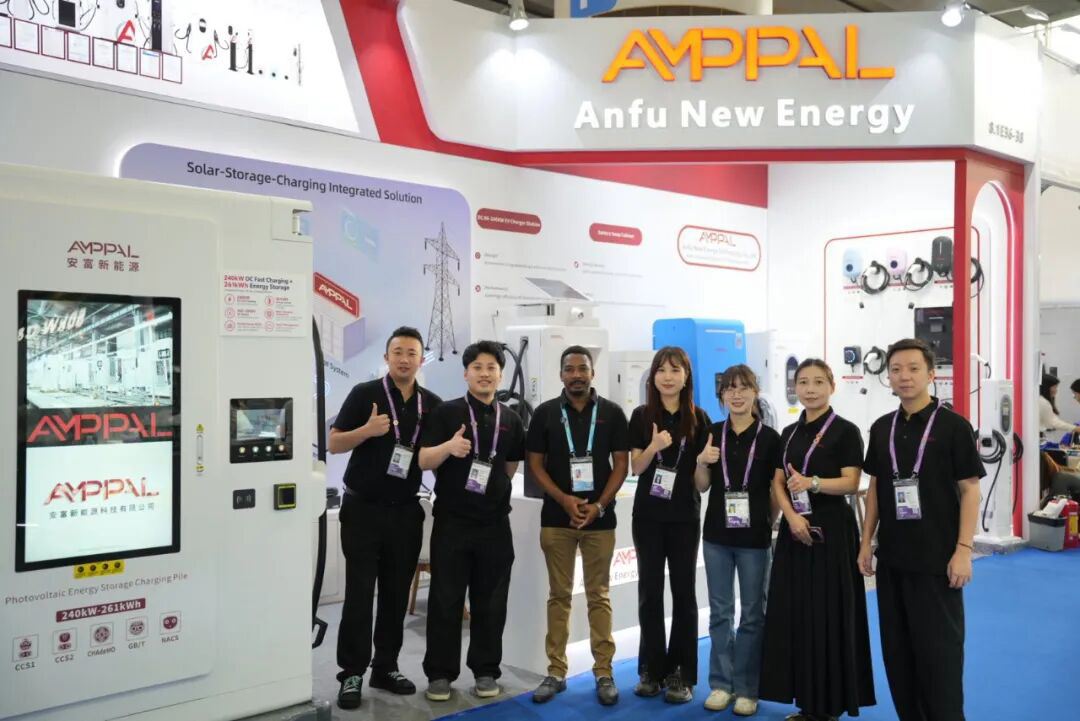
Zhejiang Anfu New Energy Technology Co., Ltd. is a company name buyers can consider when exploring EV charging equipment solutions. For project-specific purchasing decisions, buyers should request the latest product catalog, technical specifications, certification documents, and service information to verify that the available products meet their requirements.
Wall-mounted DC chargers provide direct current charging for compatible electric vehicles. They are commonly considered for commercial parking facilities, fleet depots, workplaces, dealerships, and other locations that need faster charging while making efficient use of available installation space.
Generally, yes. DC chargers perform AC-to-DC conversion inside the charging equipment and can support higher charging power than many AC chargers. However, actual charging speed depends on the vehicle's battery, charging acceptance rate, temperature, and the charger's output capability.
It may be possible if the garage has sufficient electrical capacity, an appropriate mounting surface, suitable ventilation, and the required safety arrangements. Building regulations and approval requirements should also be checked before installation.
The required input power depends on the charger's rated DC output, conversion efficiency, power factor, and electrical design. Buyers should obtain the manufacturer's rated input specifications and have a qualified electrical professional assess the available site capacity.
No. Compatibility depends on the charging connector, communication protocol, voltage range, current limits, and vehicle charging system. Buyers should verify compatibility with the actual vehicle models before purchasing equipment.
Yes. Installation typically requires an appropriate mounting structure, electrical connections, protective devices, grounding arrangements, and compliance with applicable regulations. Installation and commissioning should be handled by qualified professionals.
Yes, provided their output power, connector configuration, electrical capacity, and charging management functions match the fleet's operating requirements. Fleet operators should evaluate vehicle schedules and charging demand before choosing a configuration.
OCPP is one commonly considered protocol for communication between charging stations and charging management systems. Buyers should confirm the supported protocol version and compatibility with their intended software platform.
Routine maintenance may include checking connectors and cables, inspecting the enclosure and mounting structure, cleaning ventilation openings, reviewing operating logs, and verifying electrical protection. The maintenance schedule should follow manufacturer guidance.
Ask about rated output power, input requirements, connector standards, charging protocols, environmental ratings, protection functions, certifications, installation instructions, warranty terms, lead times, and after-sales support. Requesting a detailed technical datasheet helps ensure that the selected equipment meets your project requirements.
Wall-mounted DC chargers offer an effective way to combine direct current charging capabilities with space-conscious installation. They can be valuable for commercial properties, fleet facilities, workplaces, and other locations where charging speed and efficient space utilization are important.
However, the right purchasing decision requires a complete understanding of vehicle compatibility, rated power, electrical infrastructure, mounting conditions, safety protection, and long-term operating expenses. A charger should be selected according to the actual demands of the project rather than simply choosing the highest available power rating.
Working with an experienced charging equipment manufacturer also helps buyers obtain the technical information and product support needed to make informed decisions. By evaluating both equipment performance and site requirements, businesses can develop charging infrastructure that supports reliable daily operation and future electric mobility growth.
Every EV charging project has different technical and operational requirements. Whether you are planning a commercial charging station, expanding a fleet charging network, or sourcing equipment for a new infrastructure project, choosing the right manufacturer is an important first step.
Contact Zhejiang Anfu New Energy Technology Co., Ltd. to discuss your project requirements, explore available charging equipment solutions, and obtain more product information.