Whatsapp
Choosing between AC slow charging and DC fast charging depends on charging speed, installation conditions and application requirements. AC EV Charger solutions are widely used for homes, workplaces and long parking scenarios because of their lower cost and stable charging performance, while DC Fast Charger systems are designed for public charging stations, commercial fleets and applications that require rapid energy replenishment.
As electric vehicles continue to grow globally, different charging environments require different solutions. Residential users, commercial operators and public charging providers all have different requirements for charging speed, cost and installation conditions.
Understanding the advantages and limitations of AC and DC charging helps users select the most suitable charging solution for their specific application. AMPPAL provides charging products for residential, commercial and public charging scenarios.
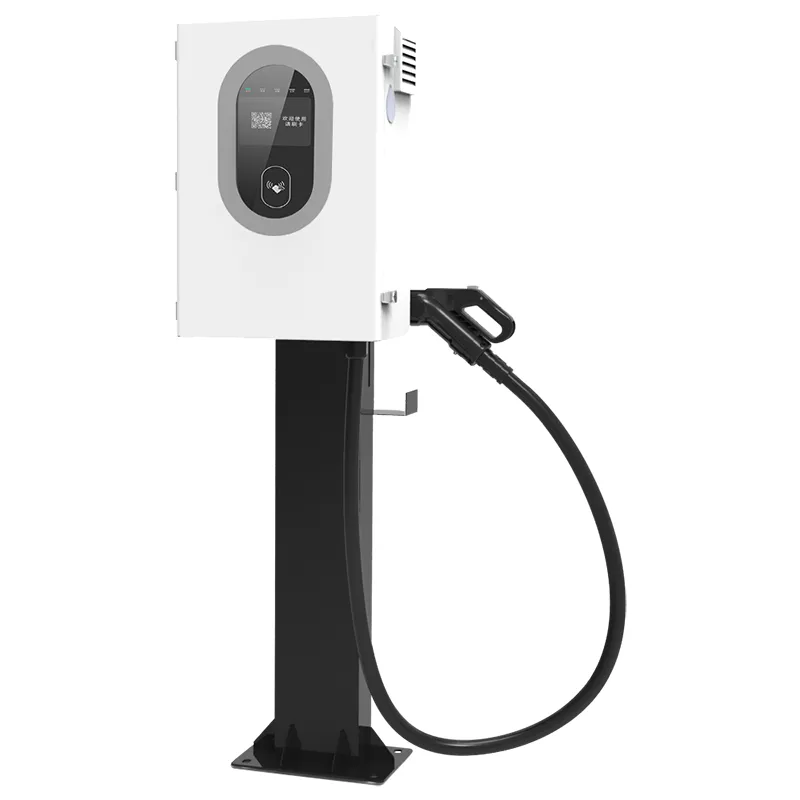
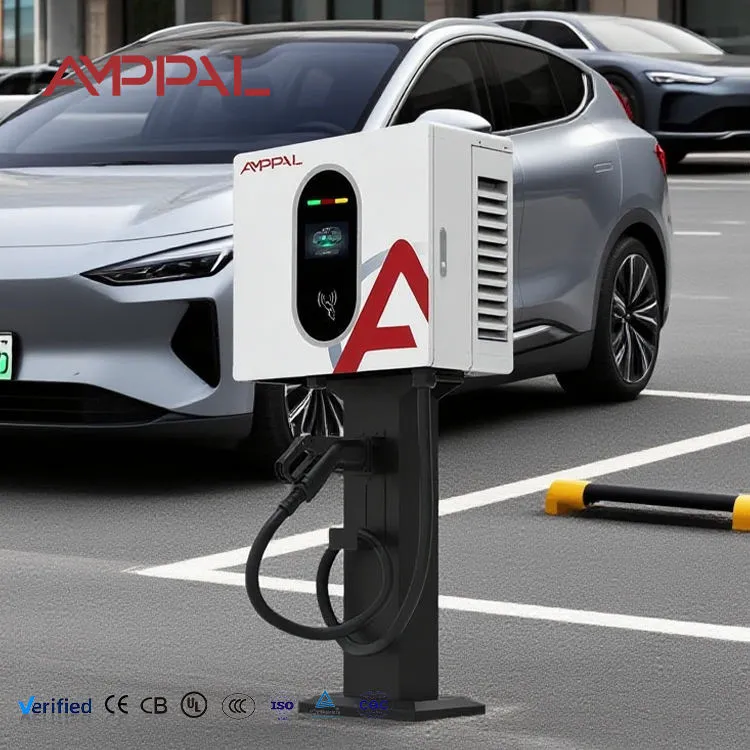
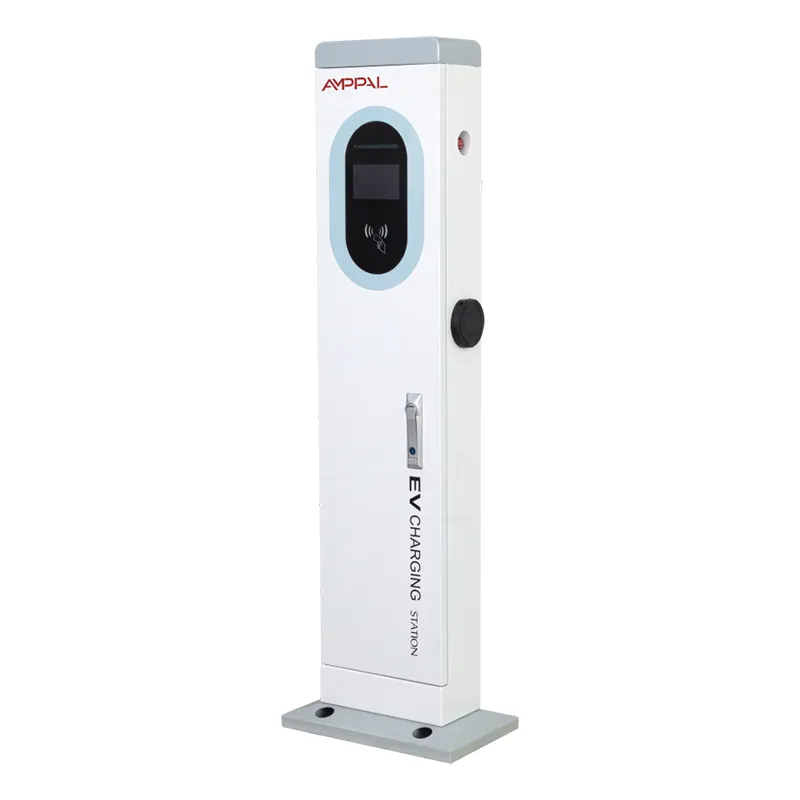
AC Slow Charging is mainly used for home charging, residential parking spaces and workplaces. It provides stable power output through the vehicle's onboard charger and is suitable for users who have sufficient parking time.
AC chargers have a relatively simple structure and lower equipment cost. For residential applications, a 7kW AC charger can usually work with standard household power supply without major electrical infrastructure upgrades.
Without complex high-power conversion modules, AC chargers have a compact structure. They can be installed as wall-mounted units or pedestal chargers, making them suitable for different parking environments.
AC charging uses lower current output, which generates less heat during charging. For daily charging routines, it helps reduce thermal stress on battery cells.
Common AC charging power levels such as 3.3kW and 7kW create relatively low demand on residential electrical systems.
The simpler internal structure reduces the number of high-power components, helping improve reliability and reduce maintenance requirements.
Most electric vehicles and plug-in hybrid vehicles support AC charging, making it suitable for everyday charging needs.
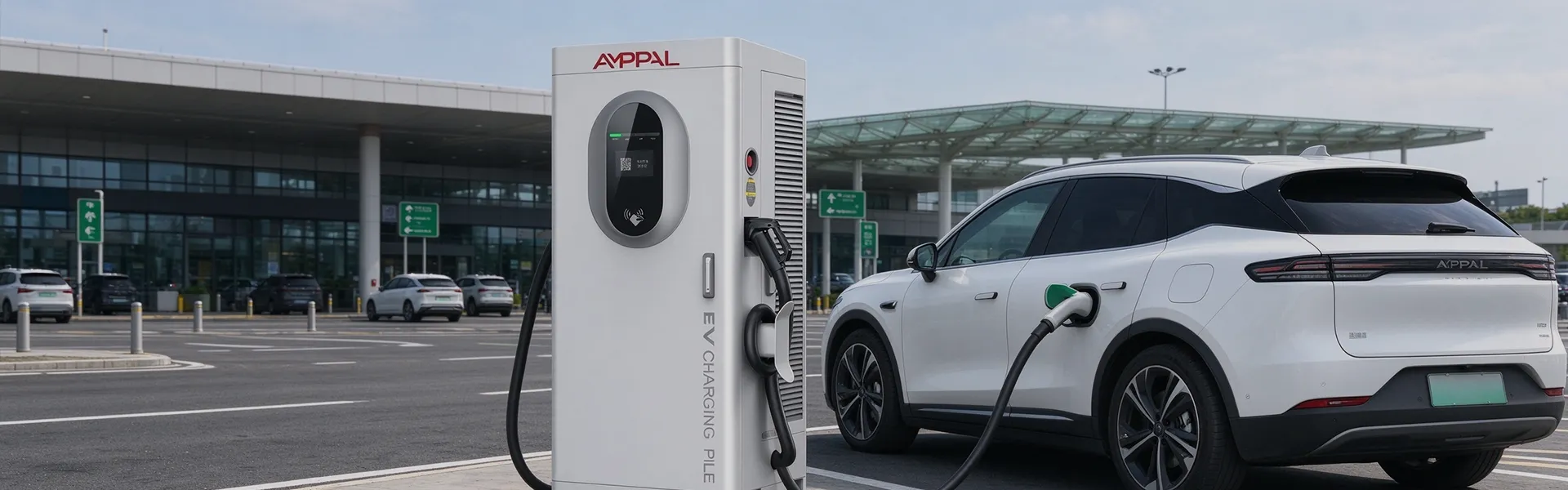
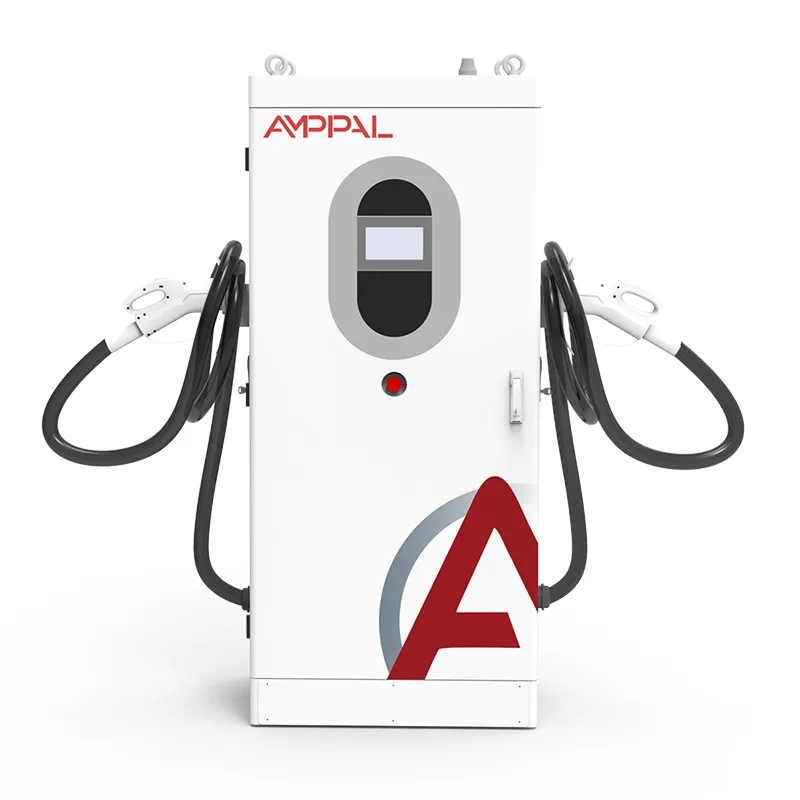
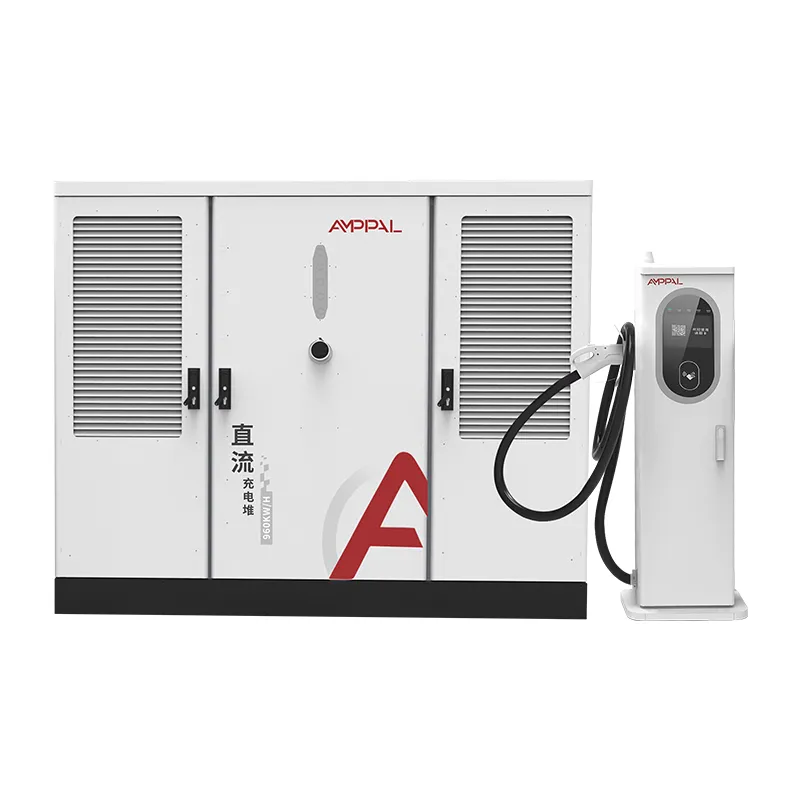
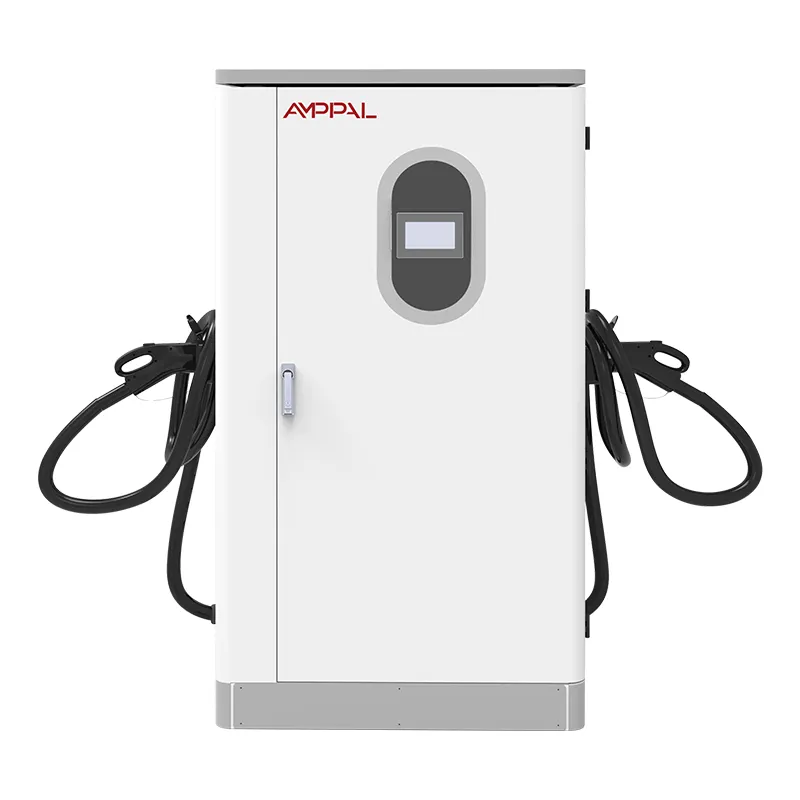
DC Fast Charging provides high-power charging by delivering DC electricity directly to the vehicle battery. It is commonly used in highway charging stations, public charging networks and commercial fleet applications.
DC chargers provide higher power output and significantly reduce charging time compared with AC charging. They are suitable for long-distance travel and situations requiring quick energy replenishment.
DC charging reduces dependence on the vehicle onboard charger by supplying power directly to the battery system.
Shorter charging time improves parking space turnover and makes DC charging suitable for commercial charging operations.
Modern DC charging systems can distribute power dynamically between multiple charging outputs according to charging requirements.
| Comparison | AC Slow Charging | DC Fast Charging |
|---|---|---|
| Charging Speed | Slower charging for long parking periods | Rapid charging for short stops |
| Main Applications | Homes, offices, residential areas | Highways, public stations, commercial fleets |
| Installation Cost | Lower investment requirement | Higher equipment and infrastructure cost |
| Power Requirement | Suitable for normal electrical systems | Requires higher power capacity |
| Main Advantage | Convenience and cost efficiency | Charging speed and operational efficiency |
Selecting the right charging method depends on application requirements, electrical conditions and vehicle usage patterns. AMPPAL provides reliable charging solutions for residential, commercial and public applications.
For more information about our products and technical capabilities, visit our About Us page or contact our team for professional charging solutions.
Need a Suitable EV Charging Solution?
Send Inquiry
Contact AMPPAL for product details, technical support and customized charging requirements.