
Whatsapp
Charging stations work by connecting the power grid with the electric vehicle battery system through a series of safety checks, communication processes and power conversion steps. The main difference between AC slow charging and DC fast charging is where the power conversion takes place. EV Charger solutions use different charging technologies to meet residential, commercial and public charging requirements.
The charging station receives electricity from the grid through the connected power supply system.
The system checks voltage, current, insulation and communication status before charging begins.
The charger communicates with the vehicle Battery Management System (BMS) to confirm charging requirements.
Power is converted and delivered to the traction battery with real-time monitoring and protection.
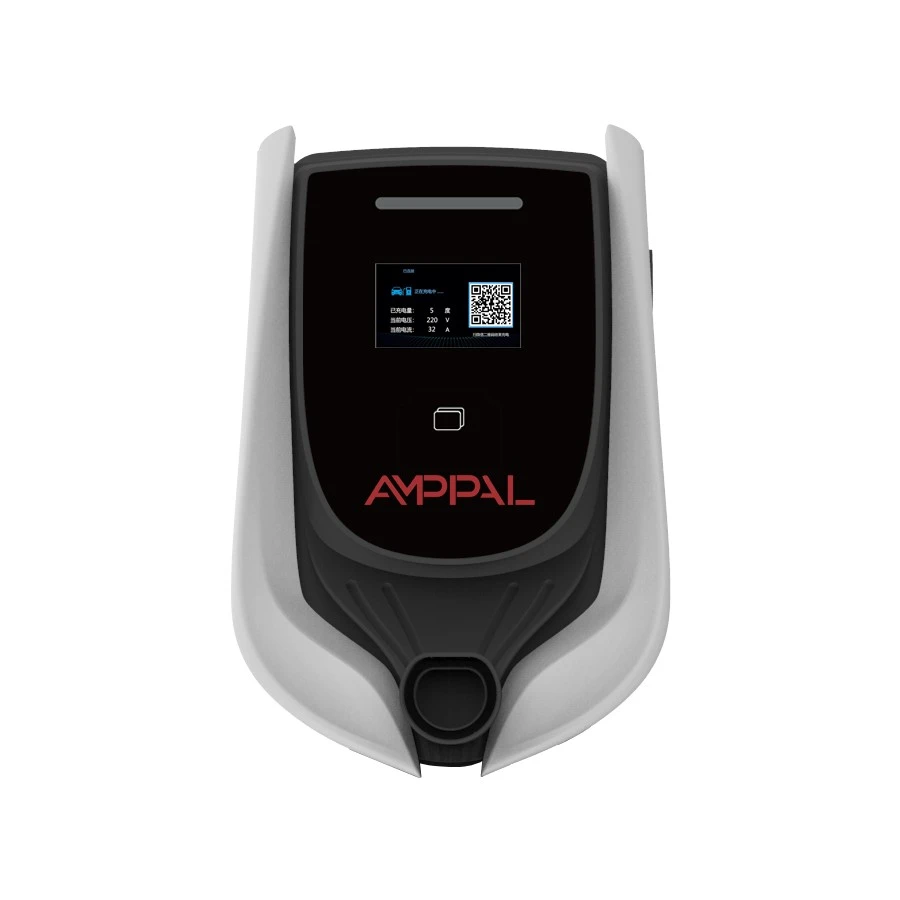
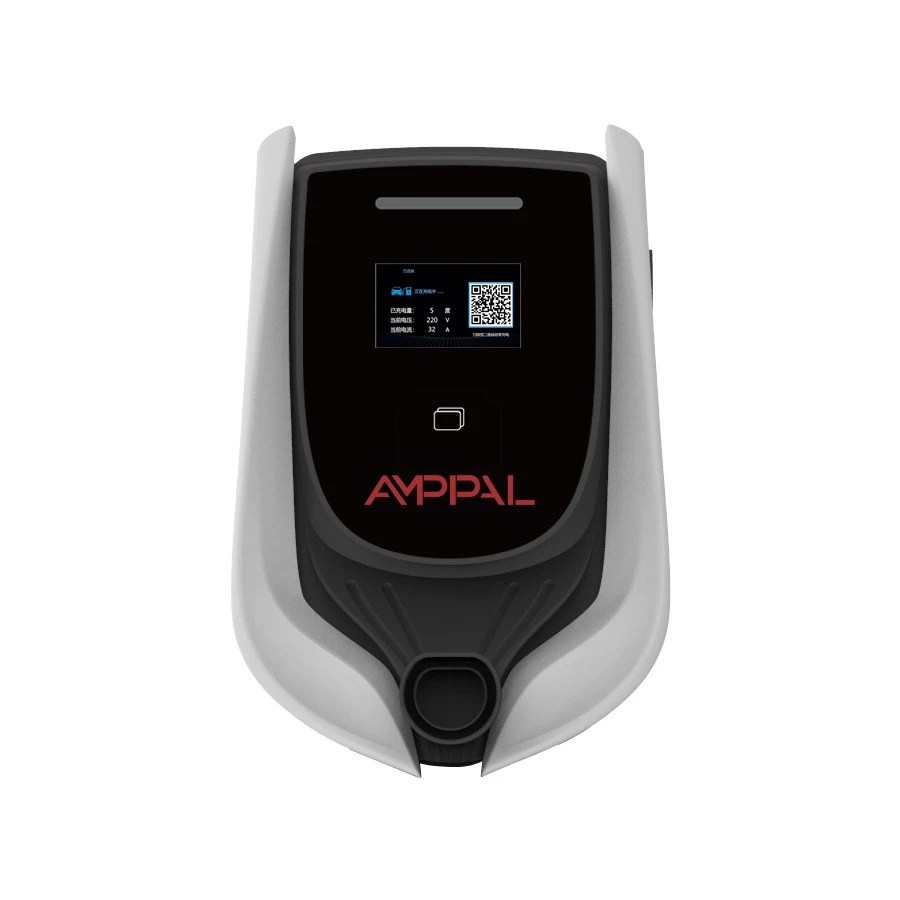
An AC charging station works as a controlled power outlet with safety protection. It does not contain high-power conversion modules. Instead, the vehicle onboard charger (OBC) converts AC power into DC power required by the battery.
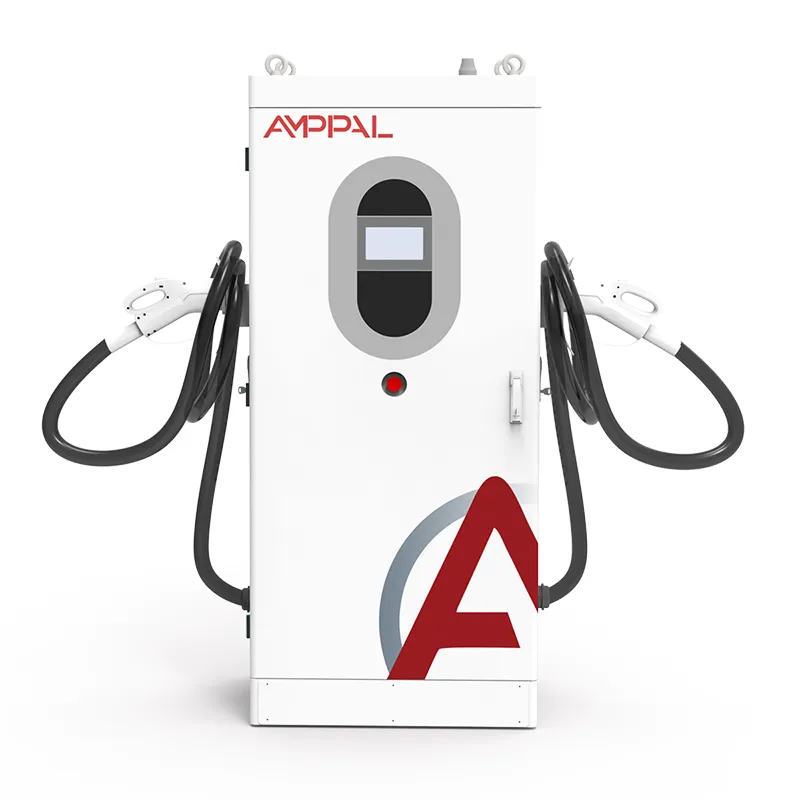
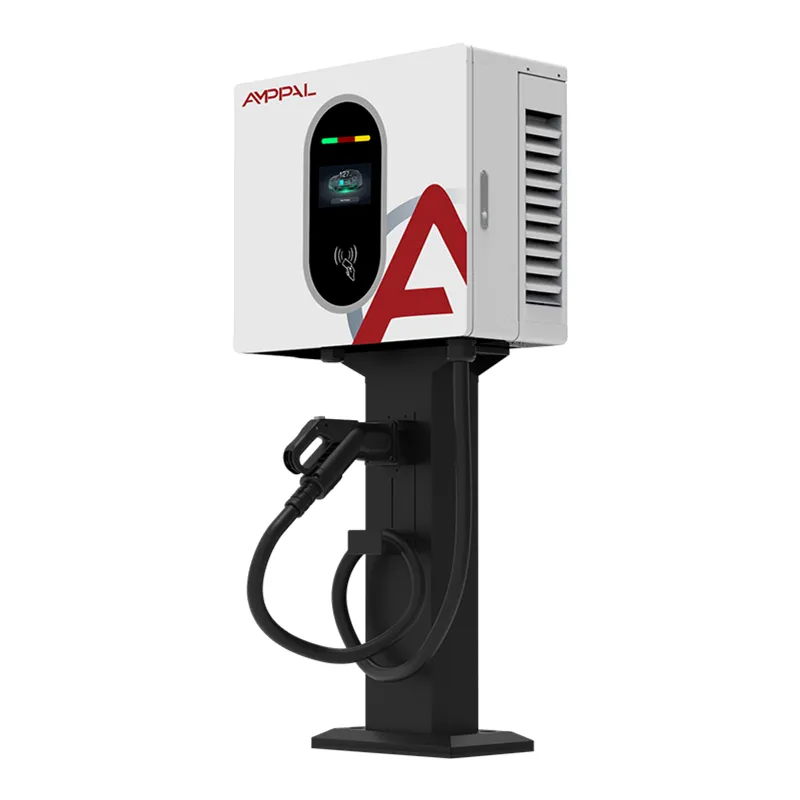
A DC charging station integrates high-power conversion modules inside the equipment. It converts grid AC power into adjustable DC output and supplies electricity directly to the vehicle battery.
| Item | AC Charging | DC Charging |
|---|---|---|
| Conversion Location | Vehicle OBC | Charging station |
| Charging Speed | Longer charging time | Rapid charging |
| Main Use | Home and workplace | Public and commercial charging |
| Power Level | 3.3kW 7kW 22kW | 50kW 120kW 250kW 480kW |
Contact AMPPAL for product information and customized charging requirements.
Send Inquiry