" "
Products
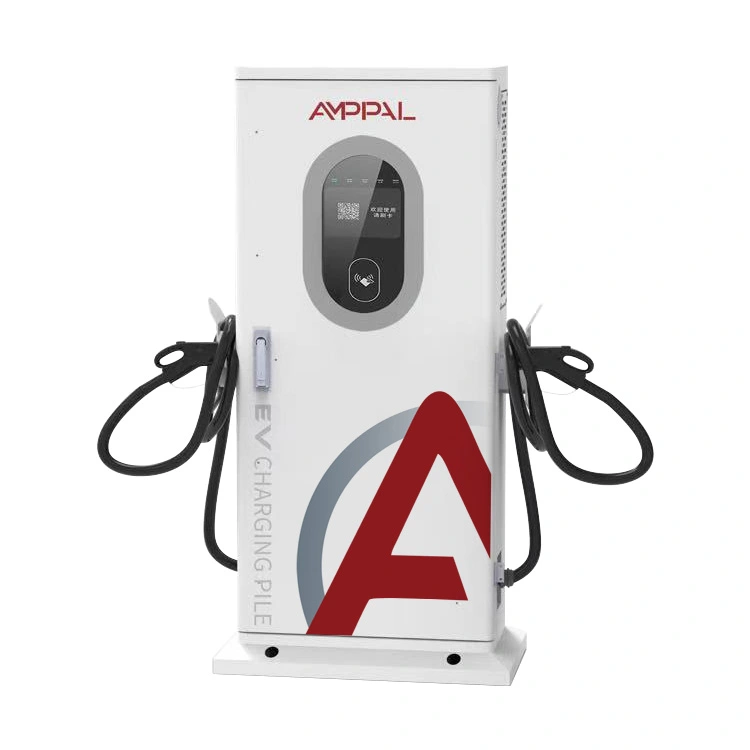
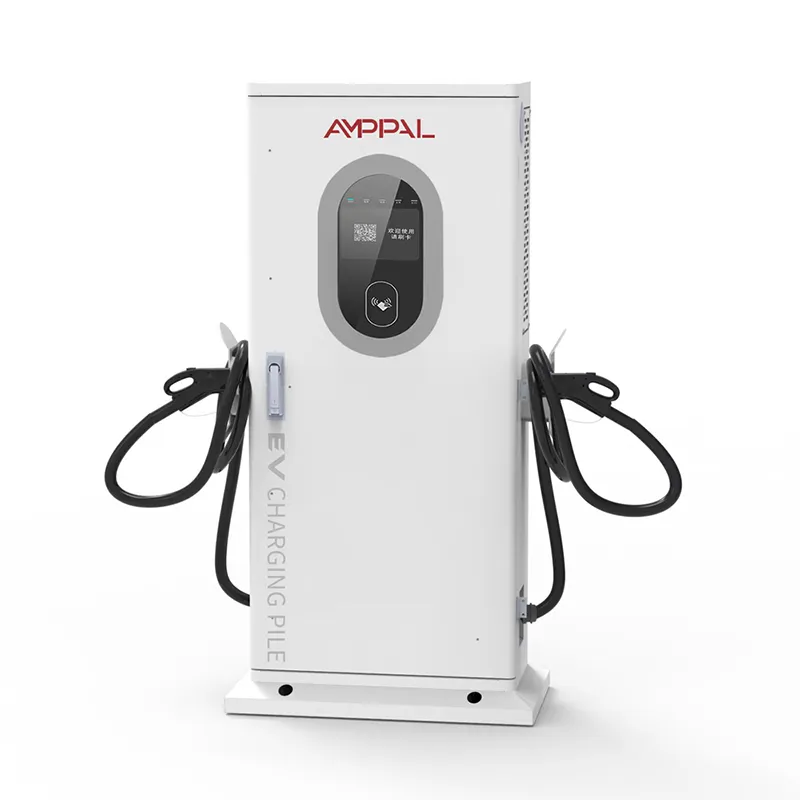
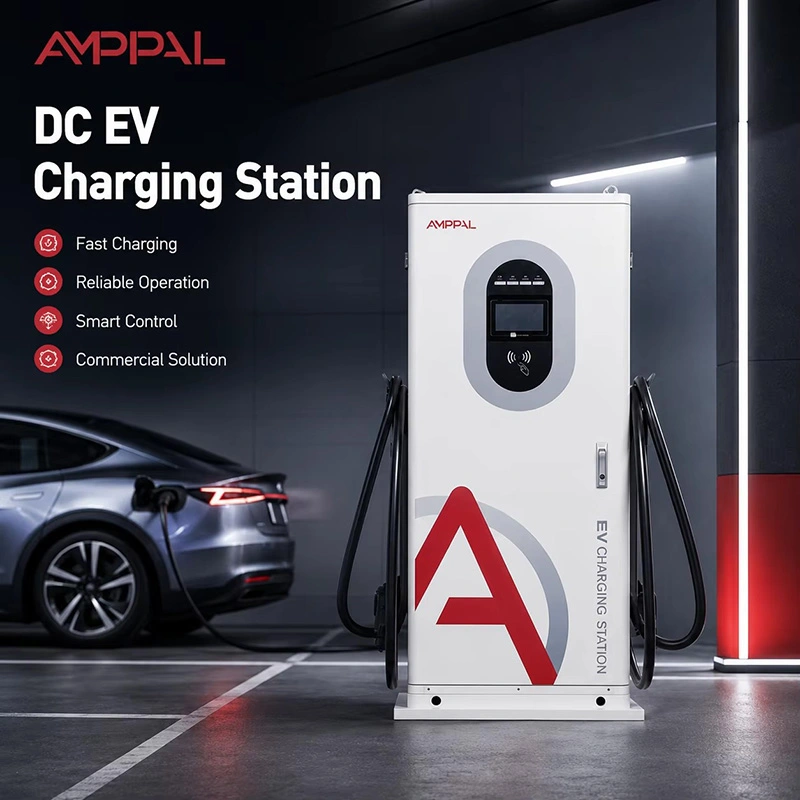
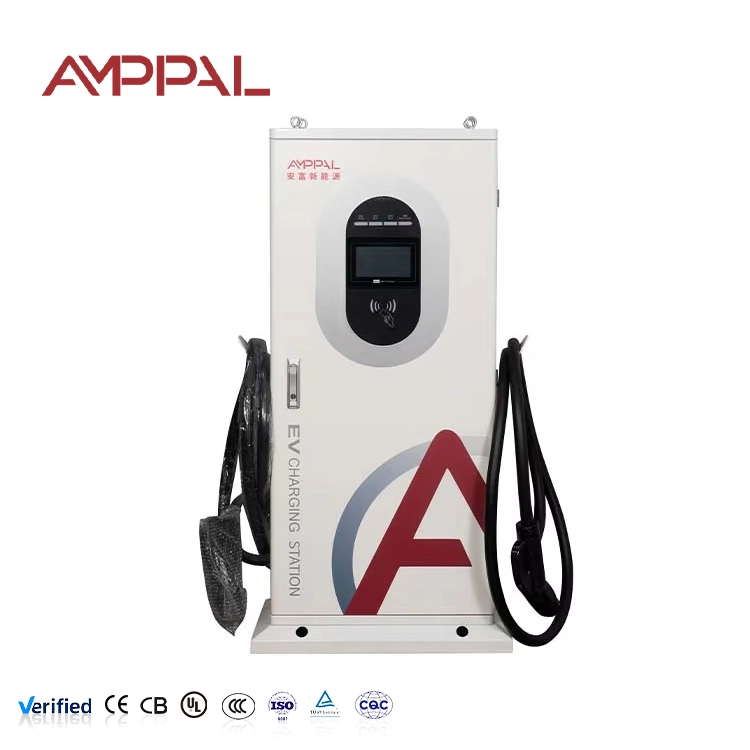
240kW High-Capacity DC Fast EV Charging Station for Fleet Depots
  • 240kW High-Capacity DC Fast EV Charging Station for Fleet Depots240kW High-Capacity DC Fast EV Charging Station for Fleet Depots
  • 240kW High-Capacity DC Fast EV Charging Station for Fleet Depots240kW High-Capacity DC Fast EV Charging Station for Fleet Depots
  • 240kW High-Capacity DC Fast EV Charging Station for Fleet Depots240kW High-Capacity DC Fast EV Charging Station for Fleet Depots
  • 240kW High-Capacity DC Fast EV Charging Station for Fleet Depots240kW High-Capacity DC Fast EV Charging Station for Fleet Depots
  • 240kW High-Capacity DC Fast EV Charging Station for Fleet Depots240kW High-Capacity DC Fast EV Charging Station for Fleet Depots
  • 240kW High-Capacity DC Fast EV Charging Station for Fleet Depots240kW High-Capacity DC Fast EV Charging Station for Fleet Depots
  • 240kW High-Capacity DC Fast EV Charging Station for Fleet Depots240kW High-Capacity DC Fast EV Charging Station for Fleet Depots
  • 240kW High-Capacity DC Fast EV Charging Station for Fleet Depots240kW High-Capacity DC Fast EV Charging Station for Fleet Depots

240kW High-Capacity DC Fast EV Charging Station for Fleet Depots

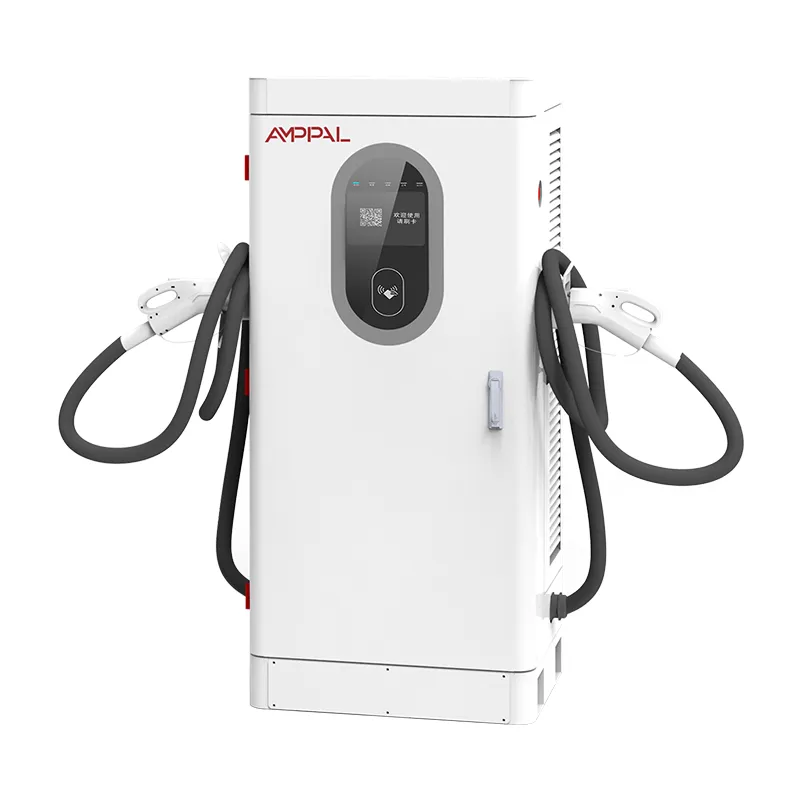
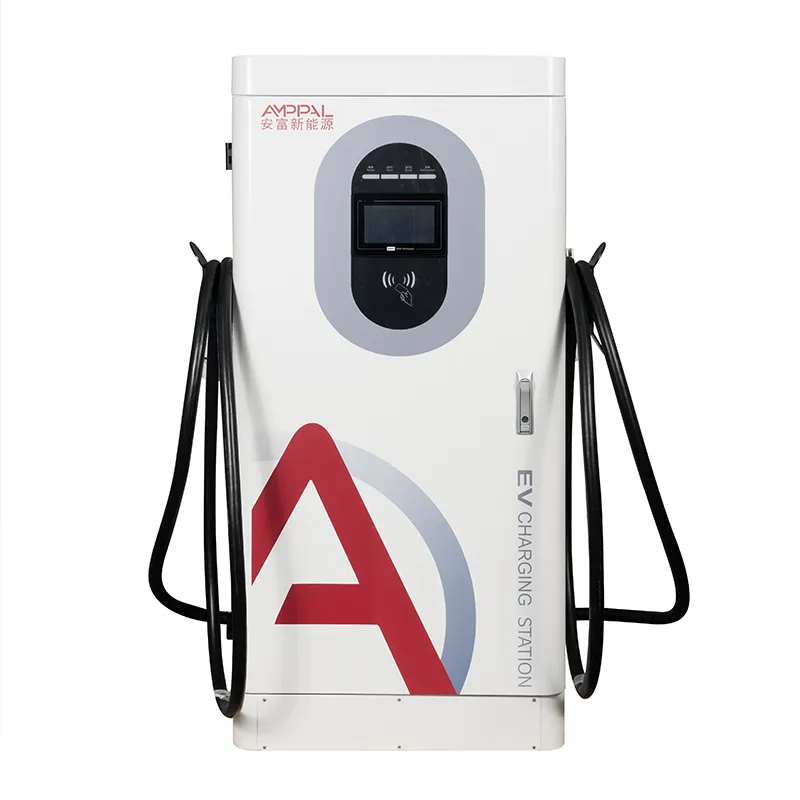
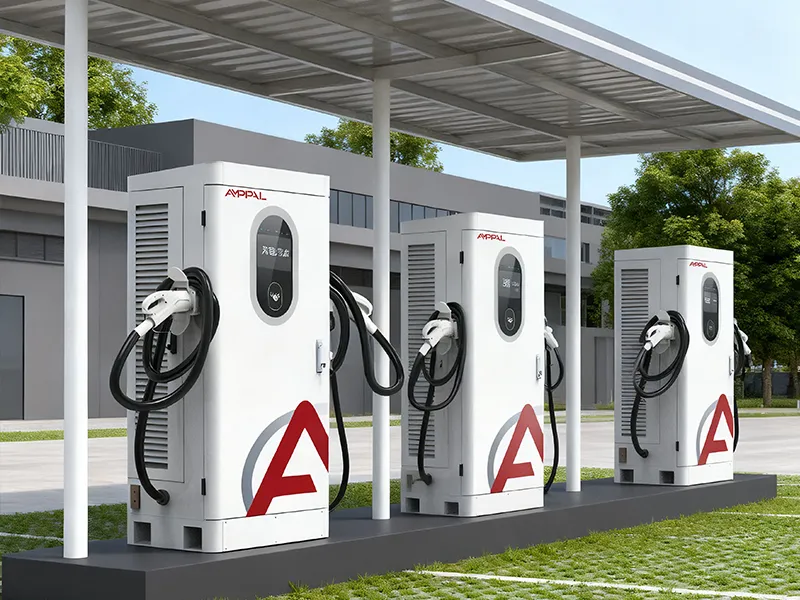
AMPPAL 240kW High-Capacity DC Fast EV Charging Station for Fleet Depots (AF-DC-240-Y-B-O-4-H) is a 240kW integrated DC fast charger positioned for phased station build-out: start with two units, grow to four or eight as traffic demands, and reuse the trench, conduit, pads and platform work done in phase one. This page covers transformer sizing, civil prep that avoids re-digging, mixing new and old cabinets, and why the 240kW class is the right building block for a growth horizon.

Why 240kW Is a Building Block, Not Just a Charger

The cheapest expansion is the one planned for, and the second phase is where most charging sites fail. The first two cabinets are easy; the problem comes when traffic grows and the site needs four more - and the transformer, trench and conduit were sized for exactly two.

The AF-DC-240-Y-B-O-4-H is a floor-standing integrated cabinet (1620 × 750 × 560 mm) whose real job is to fit a growth curve. Two units deliver 480kW of output today; the same pad layout, cable route and OCPP setup accept a third and a fourth with no re-digging. Documentation for phase one includes the exact pad, trench and feeder spec, so the phase-two contractor quotes from drawings rather than guesses.

Plan for the site you will have in three years, buy the cabinets the traffic justifies now, and let the pads, conduits and platform stay one phase ahead.

240kW High-Capacity DC Fast EV Charging Station for Fleet Depots240kW High-Capacity DC Fast EV Charging Station for Fleet Depots

The Expansion Path: From Two Units to Eight

Phase one: two 240kW units on a 630 kVA transformer, the smallest size that feeds both at full load with headroom for site loads.

Phase two: add two more cabinets and step the transformer to 1250 kVA; the phase-one trench and conduits were laid for four bays, so nothing is reopened.

Phase three: eight units on 2 × 1250 kVA or a single 2500 kVA transformer, split across two feeders.

The coincidence factor helps: not every unit runs at full power at the same moment, so many operators run four cabinets on a 1000 kVA transformer and manage peaks in the platform.

Every phase reuses the same OCPP 1.6j configuration, the same spare module kit and the same remote dashboard - growth changes the count, not the tooling.

Installation can be staged too: cabinets arrive in the 15-20 working day window you choose, so phase-two hardware lands when the transformer does.

240kW High-Capacity DC Fast EV Charging Station for Fleet Depots240kW High-Capacity DC Fast EV Charging Station for Fleet Depots

Technical Specifications

Parameter

Specification

Model

AF-DC-240-Y-B-O-4-H

Rated Output Power

240kW

Overall Dimensions (mm)

1620 × 750 × 560

Input Voltage

AC380V±15%

Output Voltage Range

200-1000VDC (Constant power 300-1000V)

HMI

7" touch screen

User Authentication

RFID/APP/Plug & Charge

Payment Methods

Credit card/QR/Payment terminal

Connectivity

OCPP 1.6j, Ethernet/4G/WiFi

Compatible Connectors

CCS1/CHAdeMO/CCS2/GB/T/NACS

Power Factor

≥0.99

THD

≤5%

Peak Efficiency

95%

Protection Grade

IP54

Noise Level

≤65dB

Safety Functions

13 functions including insulation monitoring, polarity reverse, lightning protection

Operating Temperature

-25°C ~ +50°C

Warranty

2 Years Standard

Site Types Where the 240kW Fits the Growth Curve

Fleet depots whose vehicle count grows with the business, not with a single tender.

Highway service areas that expect traffic to double before the next contract review.

Shopping and retail centres signing five-year leases where early infrastructure wins the renewal.

Taxi and ride-hub locations where peak demand arrives in waves, not steadily.

Sites where a grid upgrade takes a year, so installing more capacity now beats waiting later.

Civils That Pay for Themselves Twice: Trenching, Conduit and Pads

The classic expansion mistake is trenching once for today's count. Laying a second and third empty conduit beside the live one costs little at build time and saves a digger hire, a tarmac patch and a permit in every later phase.

Concrete pads are cheaper in bulk than in ones: casting all planned pads in phase one - or at least laying the rebar and conduit stubs - locks in the geometry, since every cabinet in this family shares the same 1620 × 750 × 560 mm footprint.

When new cabinets arrive, they run beside older ones on the same stack: same OCPP 1.6j, same payment terminal, same remote tools. Metering, tariffs and diagnostics stay uniform across mixed batches. As-built drawings of phase one - conduit runs, pad coordinates, feeder paths - are worth keeping in the platform folder, because phase-two quotes then take days, not weeks.

The Certificate Dossier and Batch Test Evidence

CE, CB, TÜV, UL and CCC certificates are on file for this model and provided on request.

The 13 safety functions sit within EN IEC 61851-1:2019 and 61851-23:2014 conformance.

Each unit burns in for 48 hours at 40°C with output and efficiency logged per serial number.

A batch sample goes through the 96-hour salt spray chamber.

Every protection trip is function-tested before the crate is closed.

Serial-matched test reports are kept, which matters for multi-phase projects claiming incentives.

How Each Cabinet Is Built: Eight Stations, One Serial Number

Sheet metal: CNC punching, laser cutting, bending, welding and powder coating.

A batch sample enters salt spray testing while the line continues.

AC input and DC power modules are assembled on separate lines.

Incoming inspection on SiC modules, connectors, RFID and payment hardware.

Torque-controlled wiring with visual QC on every joint.

48-hour burn-in at 40°C with power and comms logged.

Protection function test on all 13 trips.

Final packing, palletizing and the pre-shipment photo report tied to the serial number.

240kW High-Capacity DC Fast EV Charging Station for Fleet Depots240kW High-Capacity DC Fast EV Charging Station for Fleet Depots

Sizing Guide: When 240kW Is the Wrong First Purchase

If your grid connection is more than a year away, or the site will run under 20 sessions a day, 240kW is the wrong first purchase - smaller cabinets will earn earlier, and the expansion plan can start smaller. If you need sub-30-minute sessions for 800V trucks, that workload wants liquid-cooled units; the AF-DC-240 is an air-cooled integrated cabinet.

The 240kW class makes sense when the growth forecast is real and the site can absorb the transformer step now or within one phase. If the plan is 'maybe add later', buy the conduit and pads for the bigger site anyway - that part is cheap. Review the utilization report monthly; when average peak utilization passes roughly 60%, that is the moment to trigger phase two.

And do not buy eight cabinets before you have the traffic. A factory price lock matters less than the interest on capital sitting idle in crates.

Why the Factory Contract Matters for a Multi-Phase Build

Same model, same firmware baseline, same spare kit across every phase - ordering direct keeps batches consistent.

Trial orders from 1 unit for new markets; container pricing from 10 units for later phases.

Stock builds ship in 15-20 working days, so phase two can be timed to the civils schedule.

Price and lead-time terms for future phases can be agreed at the first order.

OEM branding, language packs and connector mixes can change per phase without redesigning the site.

Crates, Containers and Export Paperwork

Each 240kW cabinet ships upright in a plywood crate of about 1720 × 850 × 660 mm with foam corner blocks and a humidity bag; lifting eyes keep the unit level during crane or forklift moves.

Loading plans are worked out from the crate dimensions per order - typically four cabinets per 40-foot container - with blocking and bracing at the tie-down points.

Commercial invoice, packing list and certificates ship with the goods; original certificate copies are couriered separately.

After-Sales: Keeping a Growing Fleet Consistent

Two-year standard warranty on power modules, controller, HMI and connectors for every unit in every phase.

One spare strategy covers the whole site: a module and a control board per four cabinets, regardless of which batch shipped.

Firmware is unified across batches, so an update pushed to phase-one units applies identically to phase-three ones.

Serial-level records let us trace any part across phases for warranty and incentive audits.

Scheduled preventive visits align with your phase timeline, not sold as add-ons.

Installation and Expansion: Wrong vs Right

Wrong: sizing the trench for today's cable count. Right: laying one spare empty conduit per feeder for the next phase.

Wrong: casting pads one at a time as cabinets arrive. Right: casting all planned pads in phase one, or at least the rebar and stubs.

Wrong: placing pads where a replacement cabinet cannot be craned in later. Right: keeping a crane and forklift access lane on the site plan.

Wrong: buying a transformer with zero headroom. Right: sizing for the phase you expect, with the coincidence factor on your side.

Wrong: assuming old and new cabinets must be configured twice. Right: onboarding every phase to the same OCPP platform with the same tariff group.

Wrong: leaving conduits unlabeled. Right: tagging each spare duct with its destination bay, so a future contractor knows which pull goes where.

Three Operators Who Built in Phases

A Thai fleet depot started with two 240kW units for ten electric trucks and a 630 kVA transformer. Eighteen months later they added two more cabinets and stepped the transformer to 1250 kVA; the phase-one trench carried spare conduits, so the upgrade took a weekend, not a month. Their complaint: the first batch's firmware lagged one release behind, solved by a network update.

A roadside operator in Saudi Arabia built two units at a service area with pads cast for four. When traffic doubled, the second pair went in with no new concrete and no road closure; the only annoyance was coordinating the transformer outage with the utility.

A shopping centre in Brazil signed for eight bays but bought two. The empty conduits and pad stubs sat for a year, then phase two came online in ten days. The facilities manager notes the spare-parts pool was the real win - one module kit now serves all four live units.

240kW High-Capacity DC Fast EV Charging Station for Fleet Depots240kW High-Capacity DC Fast EV Charging Station for Fleet Depots

FAQ: Expansion and Phasing Questions

Q: What transformer do I need for two 240kW units?

A: A 630 kVA transformer feeds both at full load with headroom for site loads.

Q: Can I add units later without re-digging?

A: Yes, if the phase-one trench carried spare conduits and the pads were cast for the final layout.

Q: Will new 240kW cabinets work beside older AMPPAL units?

A: Yes; the family shares OCPP 1.6j, the same footprint and the same platform stack.

Q: My site only has 400 kVA now - can I still start?

A: Start with two units under a demand-managed tariff, or two smaller cabinets, and upgrade with the transformer.

Q: How long should I wait between phases?

A: Until queue time or utilization says so; the civils are done, so lead time is just the 15-20 working days of manufacturing plus transformer delivery.

Q: What should phase one spend on civils?

A: Spare conduits, all the pads (or rebar stubs) and a feeder reserve; that is the cheapest insurance in the project, a few percent of a later phase's budget.

Q: Do added units need new OCPP configuration?

A: No. They join the same server and tariff group; only the connector and site names change.

Q: Do I need a bigger spare kit for eight units?

A: The ratio holds - one power module and one control board per four cabinets covers the whole site.


Send Inquiry
Contact Info

Talk Directly to Our EV Charger Factory

Get factory-direct pricing, custom solutions, and expert support.

- Fast Response – Reply within 24 hours.

- OEM/ODM – Flexible customization and sample orders.

- Certified Quality – CE, TÜV, CB, and CCC options.

- Custom Quotes – Tailored to your specifications.

- Technical Support – Expert help with OCPP, DLB, and system integration.

X
We use cookies to offer you a better browsing experience, analyze site traffic and personalize content. By using this site, you agree to our use of cookies. Privacy Policy
RejectAccept