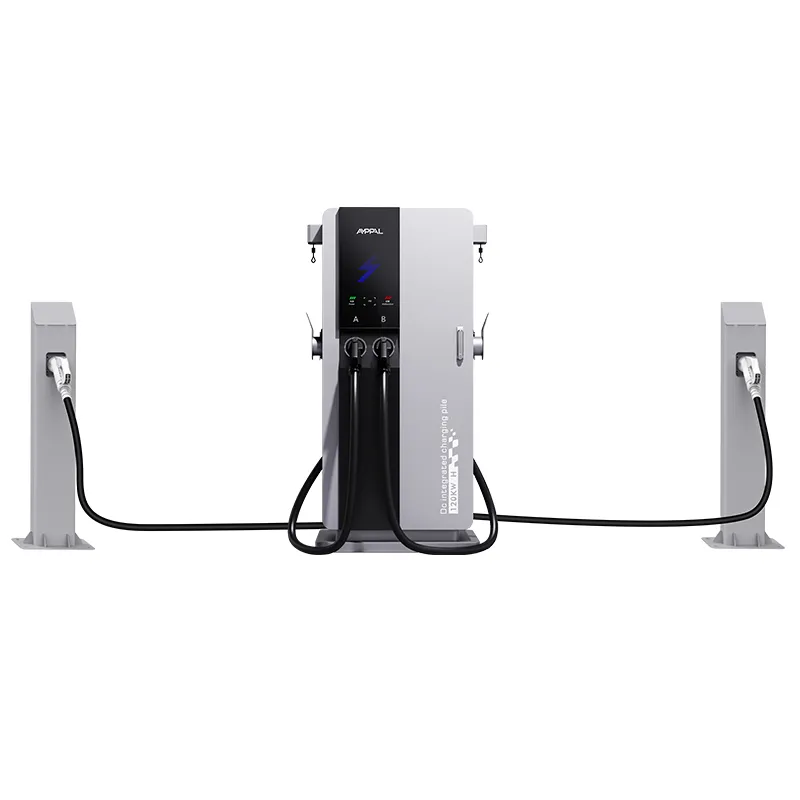
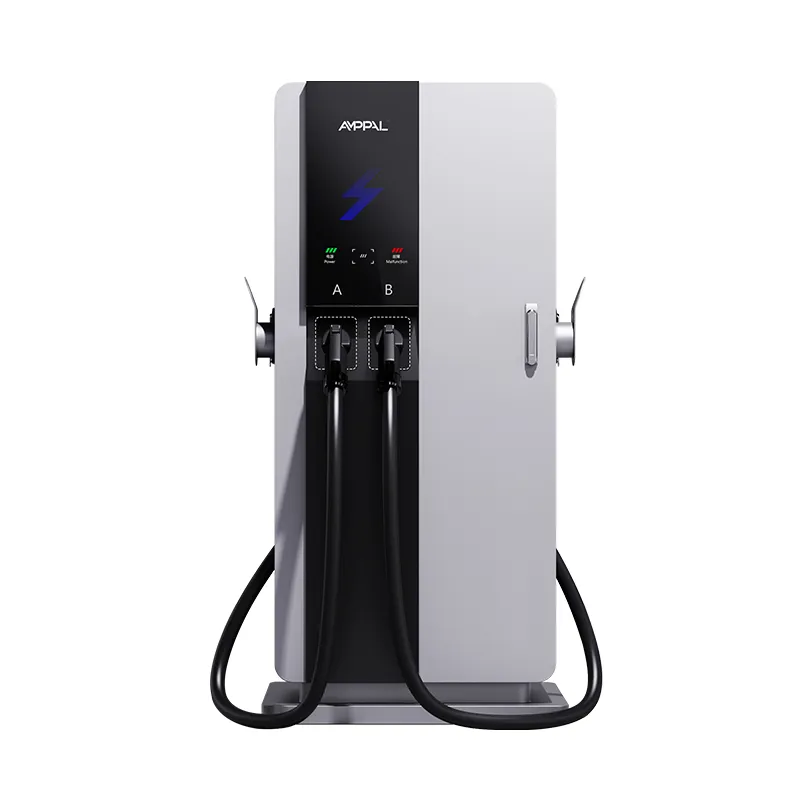
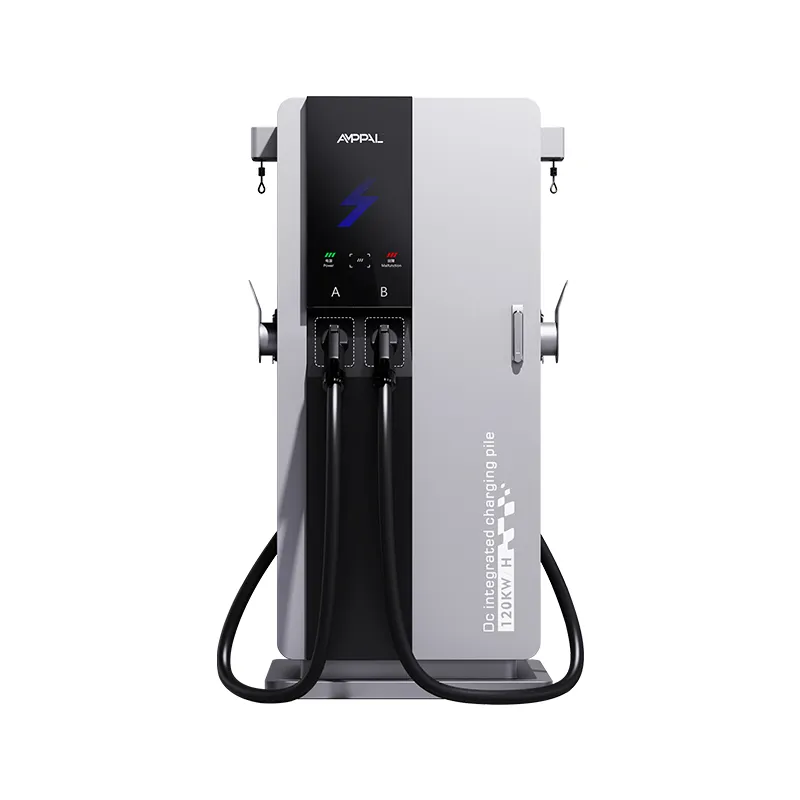
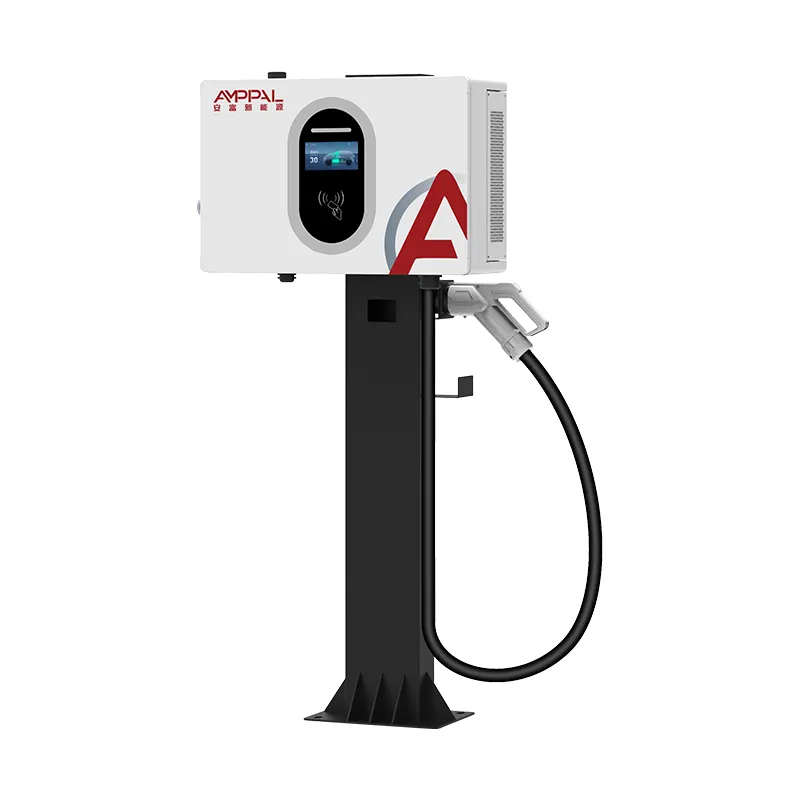
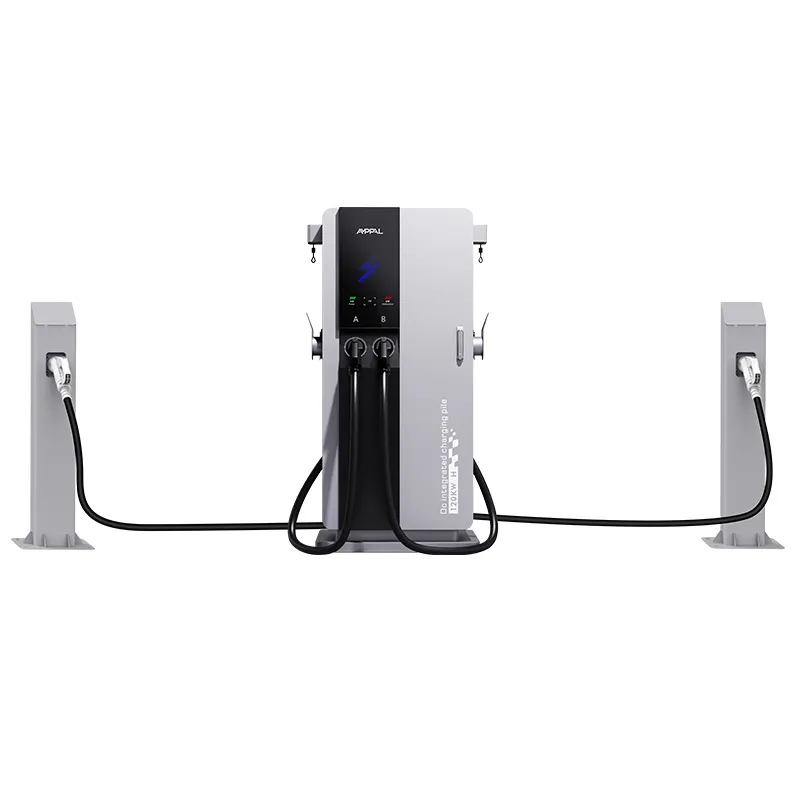
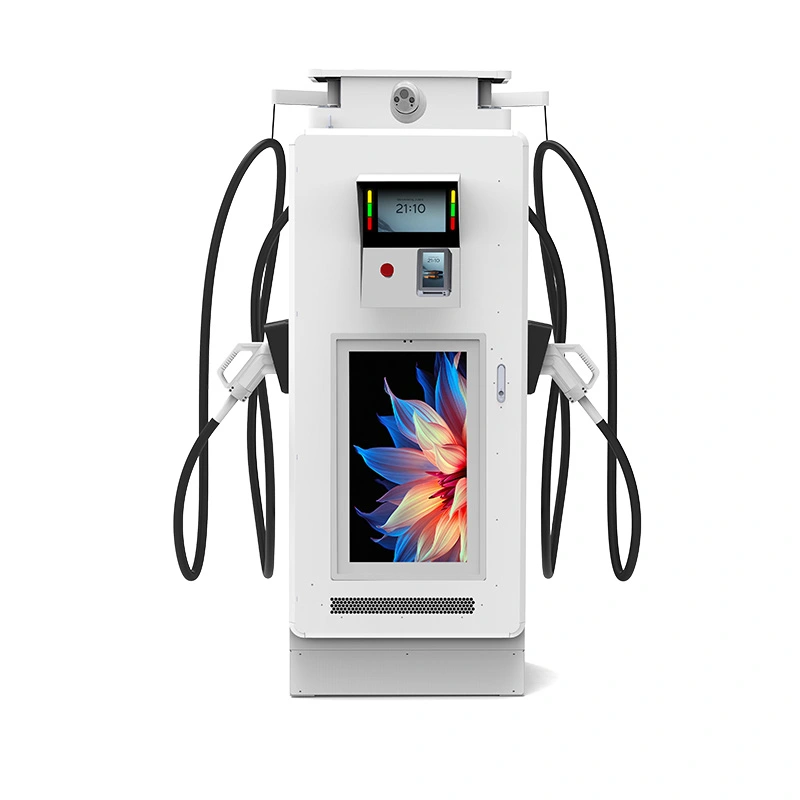
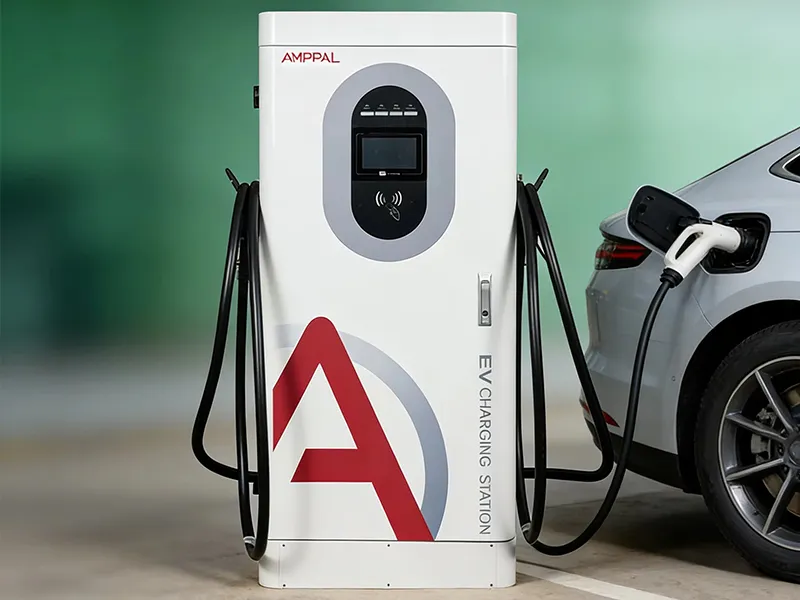
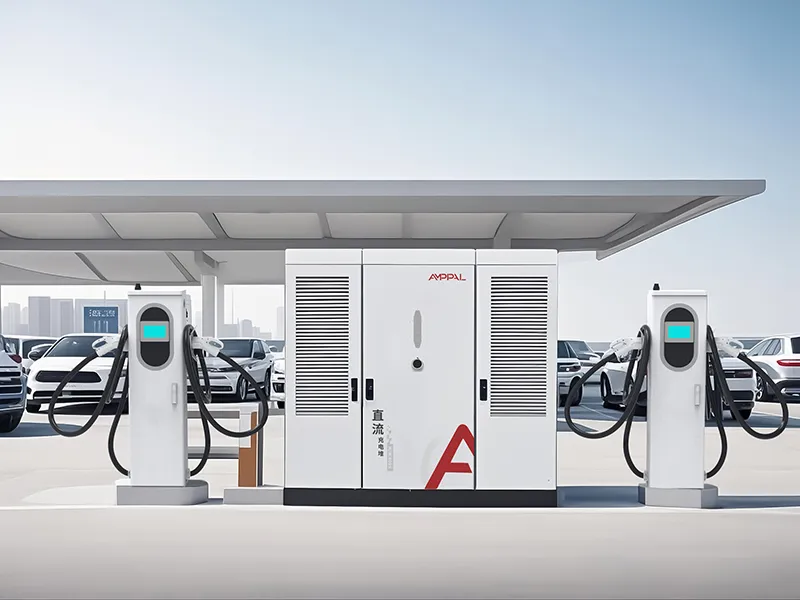
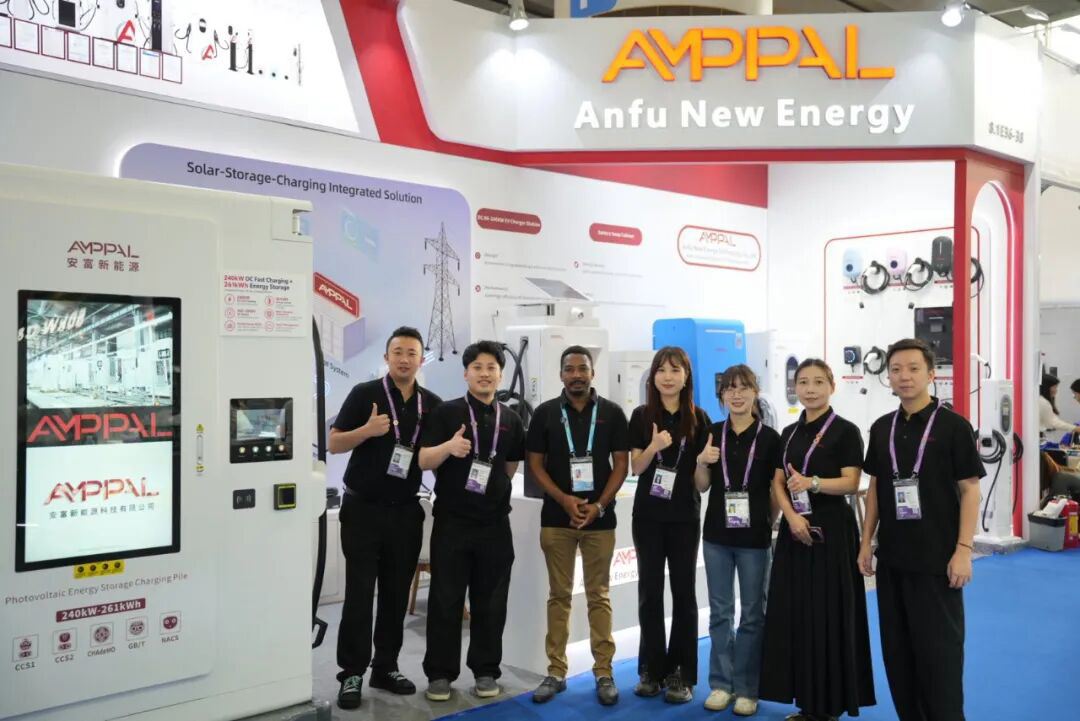
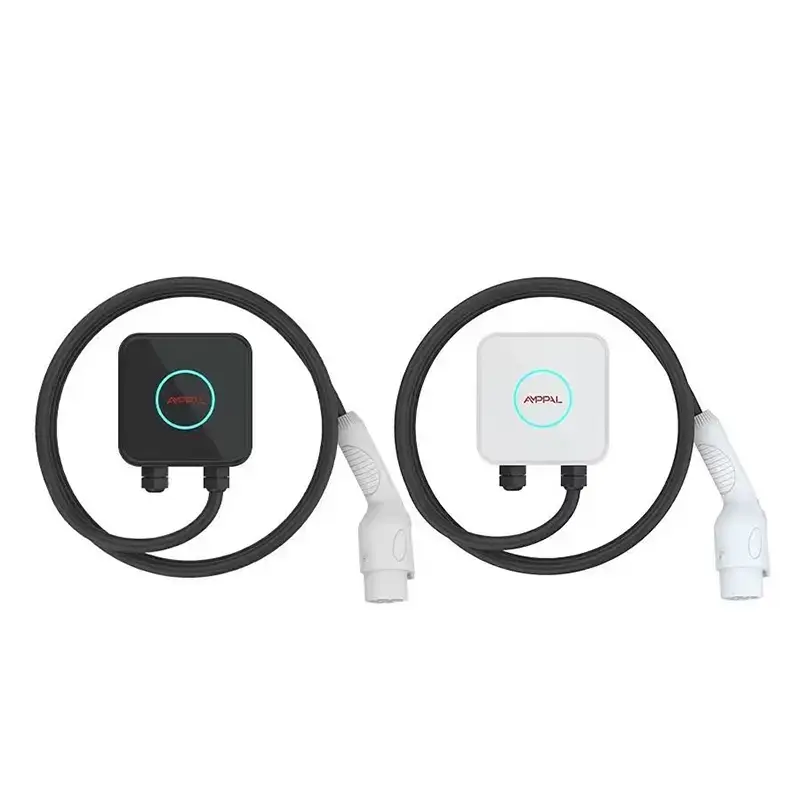
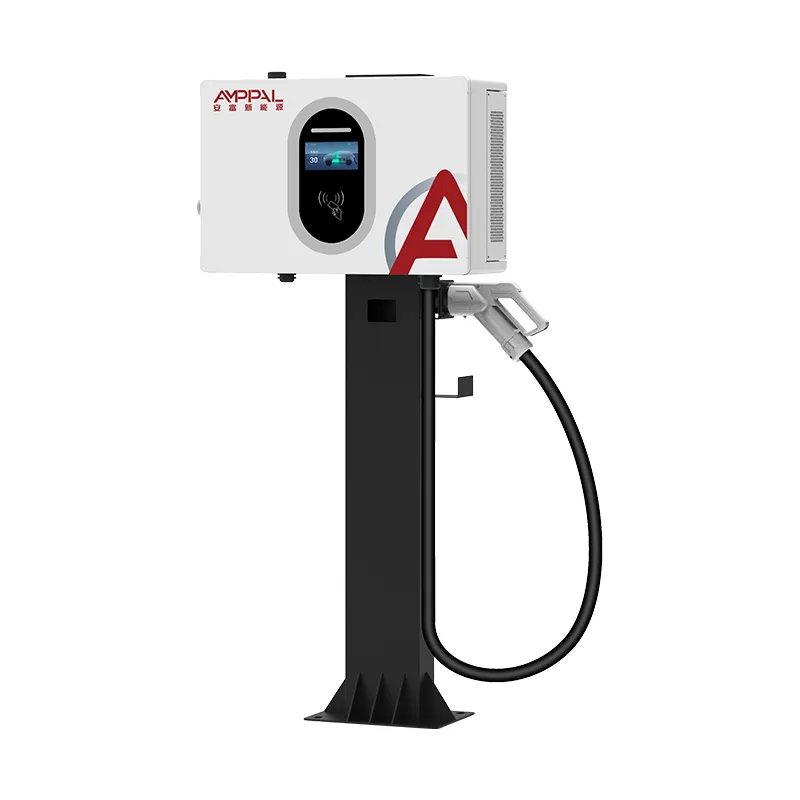
AMPPAL is a professional DC fast charger manufacturer and supplier, offering 40 models from 7kW to 960kW for public charging stations, fleet depots, commercial parking and high-power charging projects.
What Is a DC Fast Charger?
A DC fast charger converts AC power to DC inside the charging equipment and delivers DC power to the vehicle battery. With an AC EV charger, the vehicle onboard charger performs this conversion. A DC fast charger moves the conversion into the charging cabinet.
A DC fast charger can provide higher output than a typical AC wallbox when the vehicle, cable and site electrical system support the required power. Actual charging speed also depends on the vehicle battery, state of charge and vehicle charging limits.
What Do kW, A and V Tell You?
When selecting a DC fast charger, check voltage, current and power together. These specifications affect vehicle compatibility, cable selection and charging performance.
Voltage defines the operating range of the charger. AMPPAL models cover 200–1000VDC depending on configuration. Current affects cable size and thermal management. High-current DC fast charger models use liquid-cooled cables where required.
Power is the product of voltage and current, but the rated power alone does not define charging performance. Vehicle voltage, battery limits and available site power must also be considered.
What Power Ratings Does AMPPAL Build?
|
Range
|
Power Band
|
Typical Site
|
|
Wall-mounted
|
7–40kW
|
Underground parking, workshops, low-ceiling sites
|
|
Integrated / floor-standing
|
20–240kW
|
Retail, hotels, fleet depots, urban hubs
|
|
Multi-gun
|
120–360kW
|
Multi-bay car parks
|
|
High-power
|
320–480kW
|
Highway corridors, heavy vehicles
|
|
Split-type
|
600–960kW
|
Forecourts, multi-dispenser layouts
|
|
Liquid-cooled stacks
|
240–960kW
|
Ultra-fast charging, hot climates, trucks
|
The right DC fast charger power rating depends mainly on vehicle dwell time, daily charging demand, vehicle compatibility and available grid capacity.
Which DC Fast Charger Sub-Range Fits Your Project?
AC vs DC: When Is a DC Fast Charger Worthwhile?
AC charging is often suitable for long parking periods. A DC fast charger becomes more useful when vehicles need higher charging power or faster turnaround. Project economics should consider dwell time, daily utilization, electricity tariffs, grid upgrade costs and vehicle requirements rather than charger price alone.
Installation and Commissioning
DC fast charger installation normally includes wall or foundation support, cable routing, electrical connection and site protection. Grid capacity should be confirmed before ordering, especially for high-power systems. Commissioning may include insulation checks, meter verification and backend communication testing.
OCPP and Platform Integration
Selected AMPPAL DC fast charger models support OCPP 1.6J over JSON, with optional 4G connectivity. For third-party CPMS integration, confirm the required OCPP functions and platform compatibility at the design stage.
Core Specifications
|
Parameter
|
Specification
|
|
Output voltage
|
200–1000VDC; constant-power range varies by model
|
|
Peak efficiency
|
95%
|
|
Power factor
|
≥0.99; THD <5%
|
|
HMI
|
7-inch touchscreen
|
|
Charging modes
|
Full charge / set amount / set energy / set time
|
|
Access control
|
RFID, plug-and-charge, QR code, PIN
|
|
Protocol
|
OCPP 1.6J; optional 4G
|
|
Protection
|
IP54; 13 protection functions
|
|
Operating range
|
-30°C to +55°C
|
|
Warranty
|
2 years standard
|
Manufacturing, OEM and Ordering
AMPPAL processes charging-equipment enclosures on in-house CNC punching, bending and laser-cutting lines in Yueqing, Zhejiang. OEM and ODM options include enclosure colour, screen interface, logo placement and app branding on applicable DC fast charger models.
Sample MOQ is 1. Production is 15–20 working days for container quantities. For a quotation, provide power rating, connector standard, quantity and destination country. When the required power is not confirmed, provide vehicle dwell time and daily vehicle volume.



 Whatsapp