AMPPAL is a battery energy storage system manufacturer and factory supplier, offering LiFePO4 storage solutions from 2.56kWh residential wall batteries to 1215kWh container systems.
What Problem Does a Battery Energy Storage System Solve?
A battery energy storage system shifts electricity from one time period to another. This can help a site use solar energy later, reduce peak demand, shift consumption to lower-cost periods or buffer EV charging loads.
Storage capacity should be selected from the site load profile, operating hours, tariff structure, required discharge period and available solar generation. Capacity alone does not determine project value.
When Does Storage Make Sense?
A battery energy storage system can be useful where the site has meaningful peak-demand charges, time-of-use price differences, surplus solar generation, a constrained grid connection or a defined backup-power requirement.
Actual payback depends on the site tariff, demand profile, battery utilization, system cost and operating strategy. A load profile provides a more reliable basis for sizing than a generic payback estimate.
What Sizes Does AMPPAL Build?
-
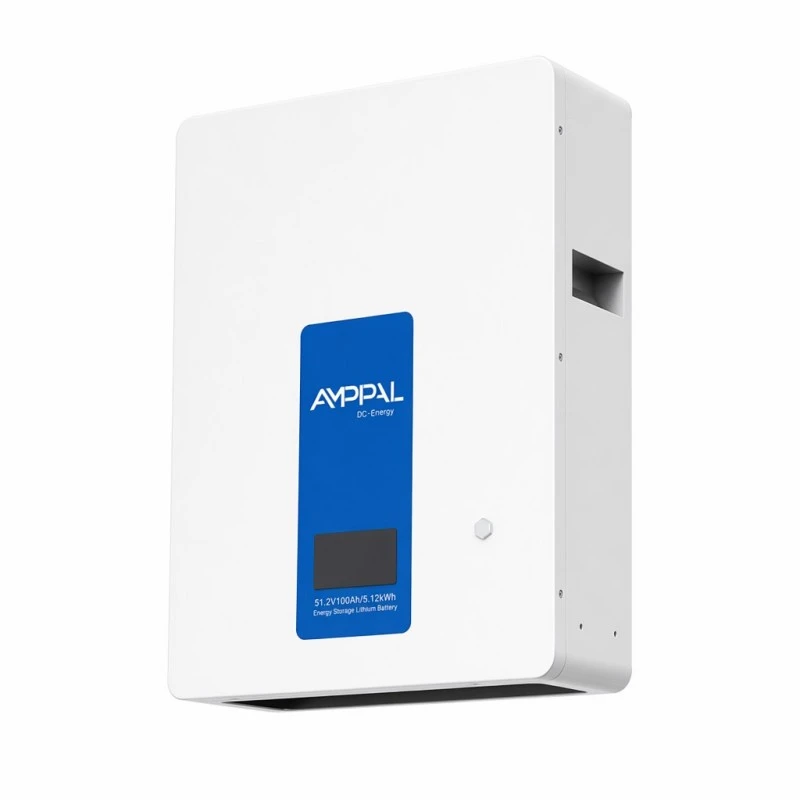
Residential energy storage includes Power Wall units from 2.56kWh to 10.24kWh in 25.6V, 48V and 51.2V configurations.
-
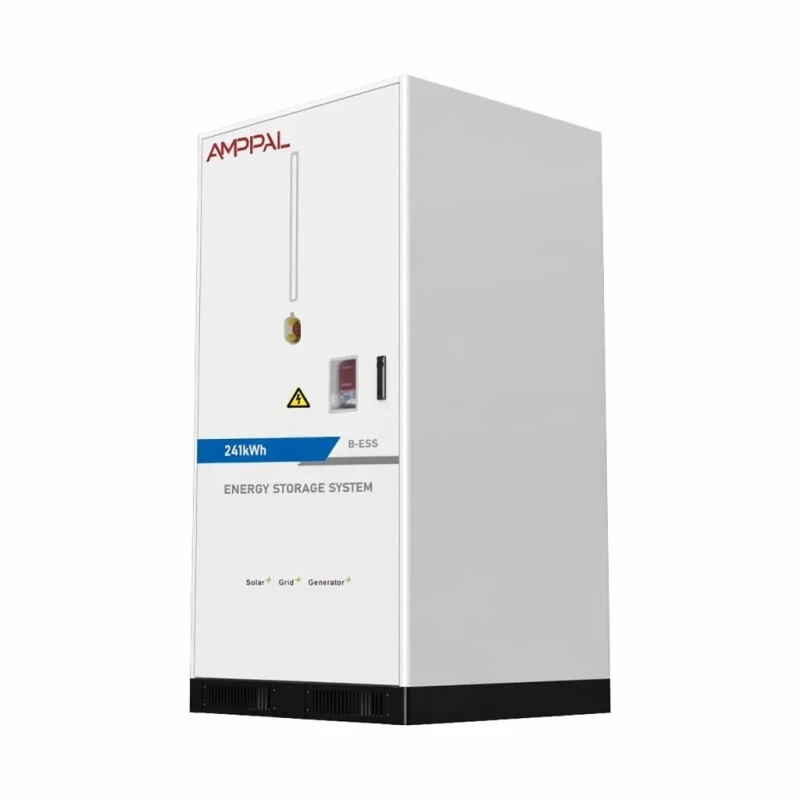
Commercial and industrial energy storage includes 51.2kWh all-in-one systems, 130kW/257kWh air-cooled systems, and 225kWh / 241kWh rack-mounted clusters.
-
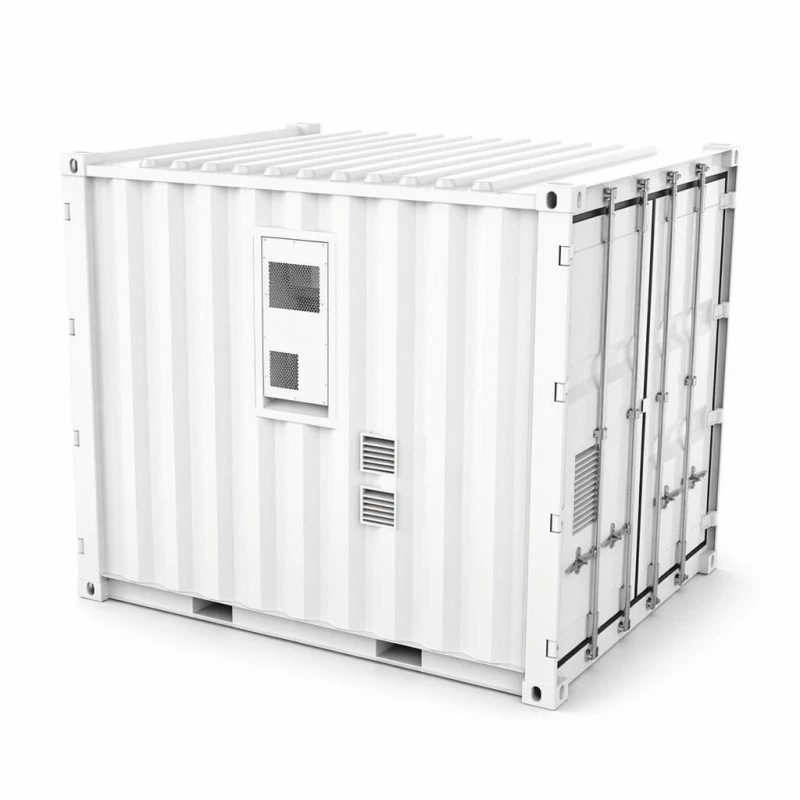
Container energy storage includes 1060kWh and 1215kWh turnkey systems.
Why LiFePO4 for Stationary Storage?
LiFePO4 is widely used in stationary storage because it provides a practical balance of safety, cycle performance and cost. For stationary applications, energy density is generally less critical than in EV batteries, so safety, thermal management and lifecycle cost can receive greater weight.
Cells are graded and matched before assembly, followed by pack-level testing and cycle testing, according to the supplied product information.
Key Safety and Protection Features
-
BMS: cell-level voltage and temperature monitoring.
-
Thermal management: passive cooling for residential products and active thermal management for larger systems, depending on configuration.
-
Fire protection: fire detection and suppression features for applicable commercial and container systems.
Installation and Commissioning
Residential battery energy storage systems may require wall mounting, inverter connection and commissioning. Commercial cabinets require suitable installation space, electrical interconnection and applicable approvals. Container systems require foundation, interconnection and site approvals.
Before ordering a battery energy storage system, confirm inverter compatibility, voltage range and communication interface. The supplied range supports RS485, RS232 and CAN communication. Larger systems can include EMS and remote monitoring depending on configuration.
Energy Storage for EV Charging
High-power EV charging can create short periods of high site demand. A battery energy storage system can act as a power buffer by charging during lower-demand periods and supplying additional power during charging peaks.
This is particularly relevant to projects using high-power DC chargers or liquid-cooled charging stacks. Chargers and storage should be evaluated together when the grid connection is limited.
Shipping and Battery Documentation
Lithium battery shipments require transportation planning and applicable dangerous-goods documentation. The supplied source identifies UN3480 Class 9 handling, UN38.3 test reports and MSDS documentation for applicable shipments. Exact shipping requirements depend on the battery model, transport mode and destination market.
Core Specifications
|
Parameter
|
Specification
|
|
Chemistry
|
LiFePO4
|
|
Capacity range
|
2.56kWh–1215kWh
|
|
Voltage configurations
|
25.6V / 48V / 51.2V residential; system-level for C&I
|
|
Charge / discharge rate
|
≥0.5C
|
|
Communication
|
RS485, RS232, CAN; EMS with remote monitoring on larger systems
|
|
Thermal management
|
Passive residential; active zoned HVAC for C&I and container
|
|
Safety
|
Cell-level BMS; fire detection and suppression on applicable systems
|
|
Certification / documentation
|
CE, RoHS; UN38.3 and MSDS for applicable battery products
|
|
Warranty
|
2 years standard
|
Bulk Supply, OEM and Ordering
For distributors, EPC contractors and project developers, AMPPAL supports project-based supply and applicable OEM/ODM requirements. Sample MOQ is 1 and production is 15–20 working days for container quantities.
For a quotation, provide the load profile where available, tariff structure, solar status, required power or capacity, application and destination country. A monthly bill can be used when interval data is not available; exact system sizing should be confirmed during project engineering.



 Whatsapp