" "
Products
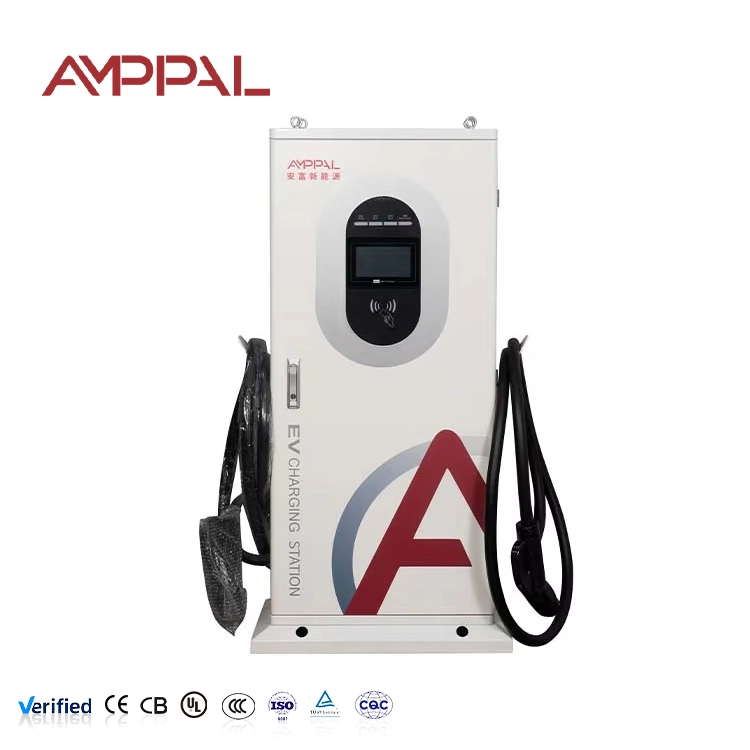
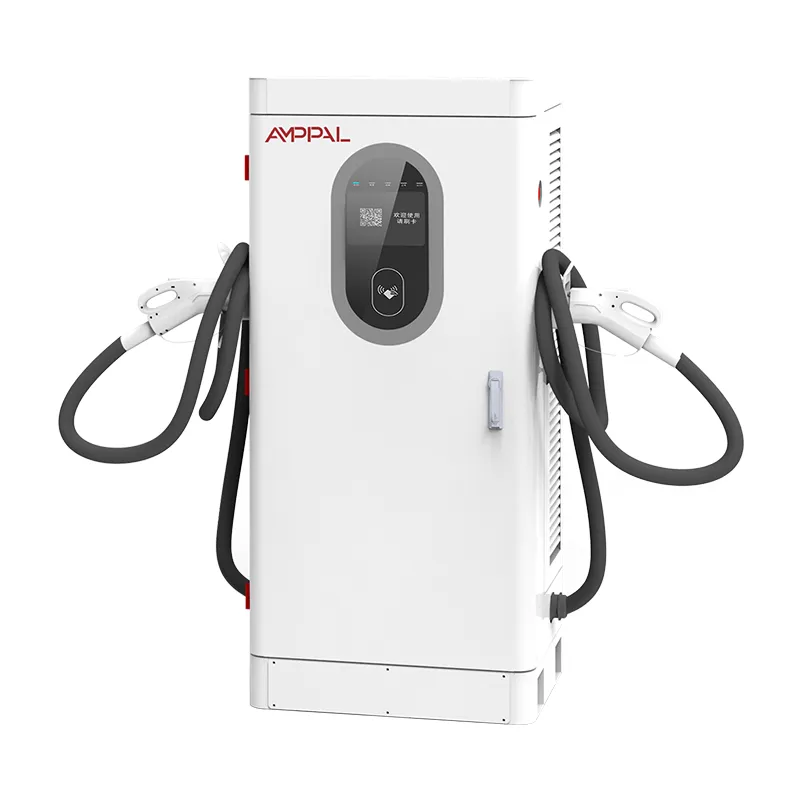
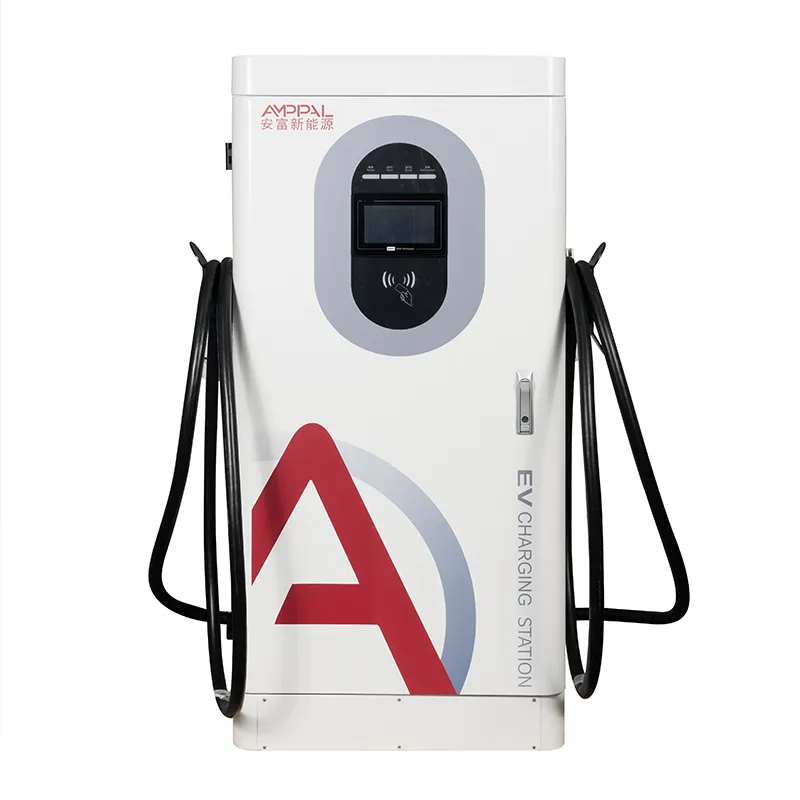
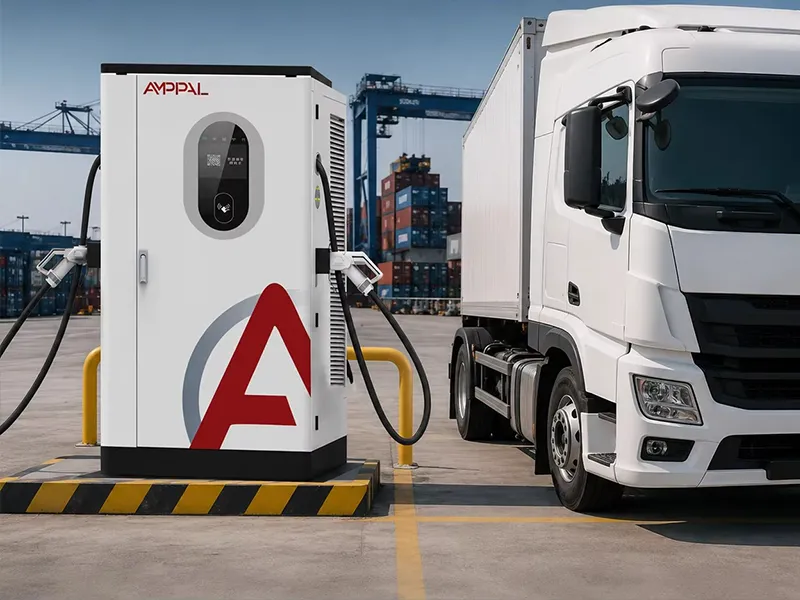
160kW Integrated High-Speed DC EV Charger for Bus and Fleet Charging
  • 160kW Integrated High-Speed DC EV Charger for Bus and Fleet Charging160kW Integrated High-Speed DC EV Charger for Bus and Fleet Charging
  • 160kW Integrated High-Speed DC EV Charger for Bus and Fleet Charging160kW Integrated High-Speed DC EV Charger for Bus and Fleet Charging
  • 160kW Integrated High-Speed DC EV Charger for Bus and Fleet Charging160kW Integrated High-Speed DC EV Charger for Bus and Fleet Charging
  • 160kW Integrated High-Speed DC EV Charger for Bus and Fleet Charging160kW Integrated High-Speed DC EV Charger for Bus and Fleet Charging
  • 160kW Integrated High-Speed DC EV Charger for Bus and Fleet Charging160kW Integrated High-Speed DC EV Charger for Bus and Fleet Charging

160kW Integrated High-Speed DC EV Charger for Bus and Fleet Charging

160kW Integrated High-Speed DC EV Charger for Bus and Fleet Charging is a cooling problem before it is anything else. Here is how the airflow, module layout and derating strategy actually work.

Packing 160kW into a 750 mm-Wide Tower Is a Heat Problem First

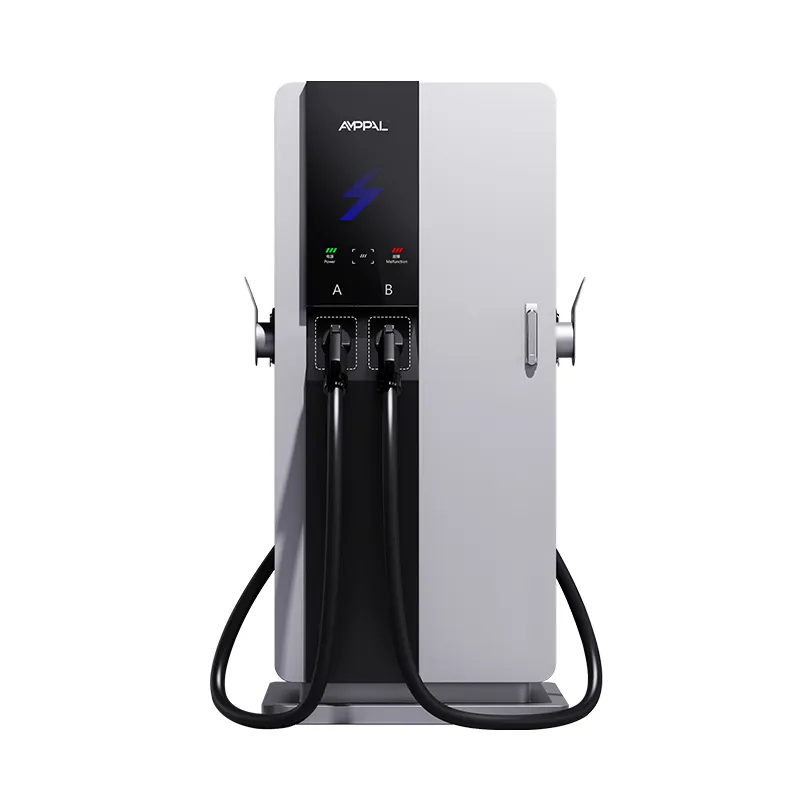
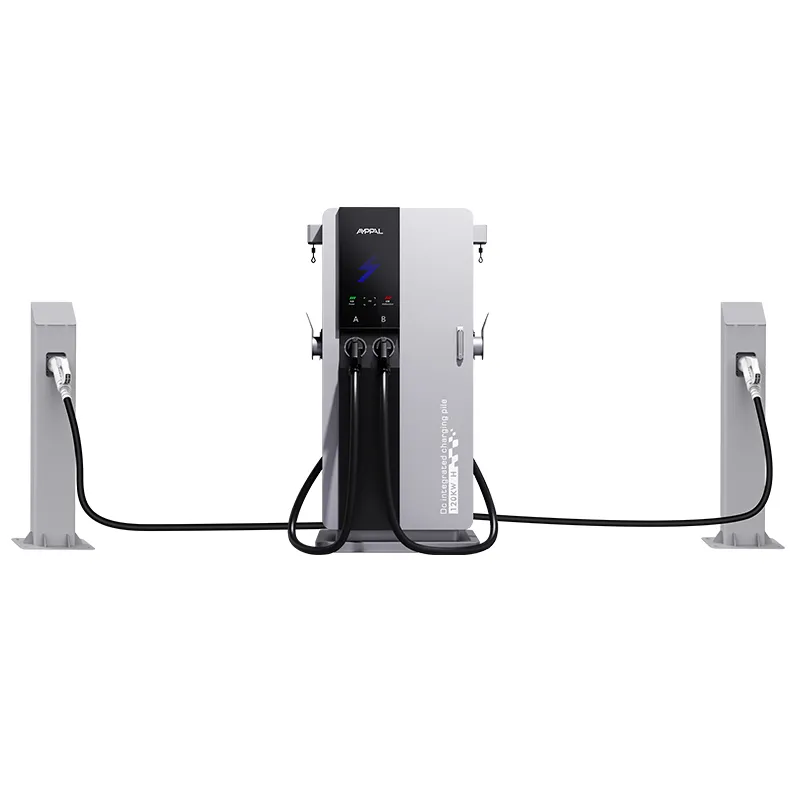
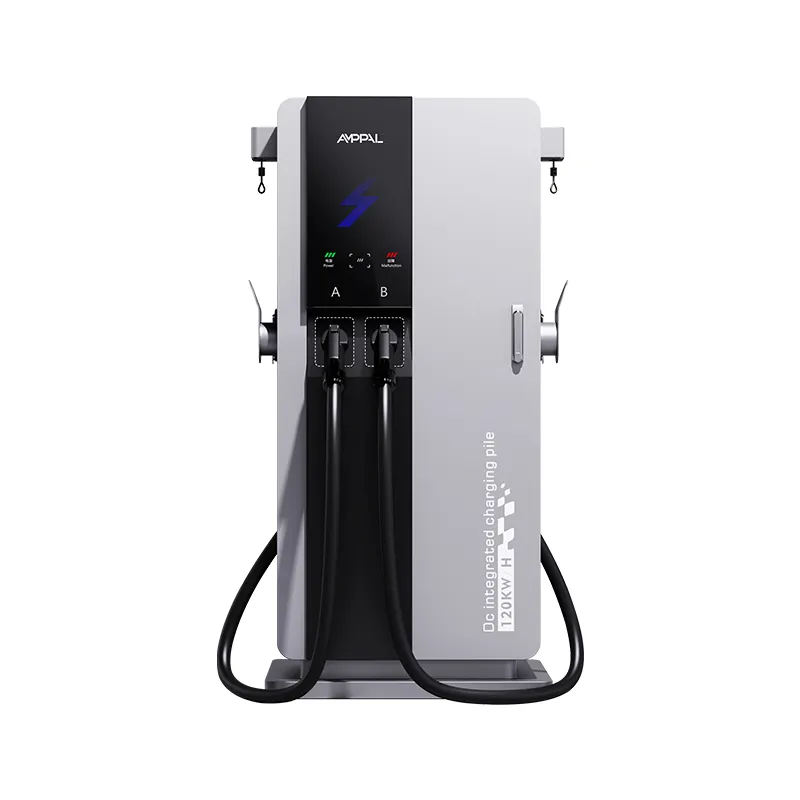
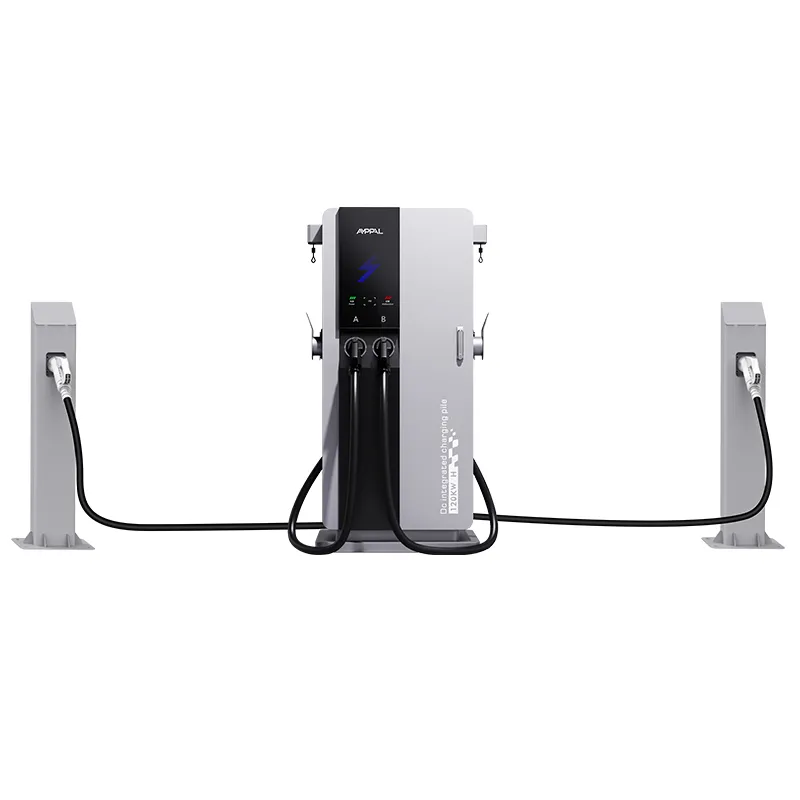
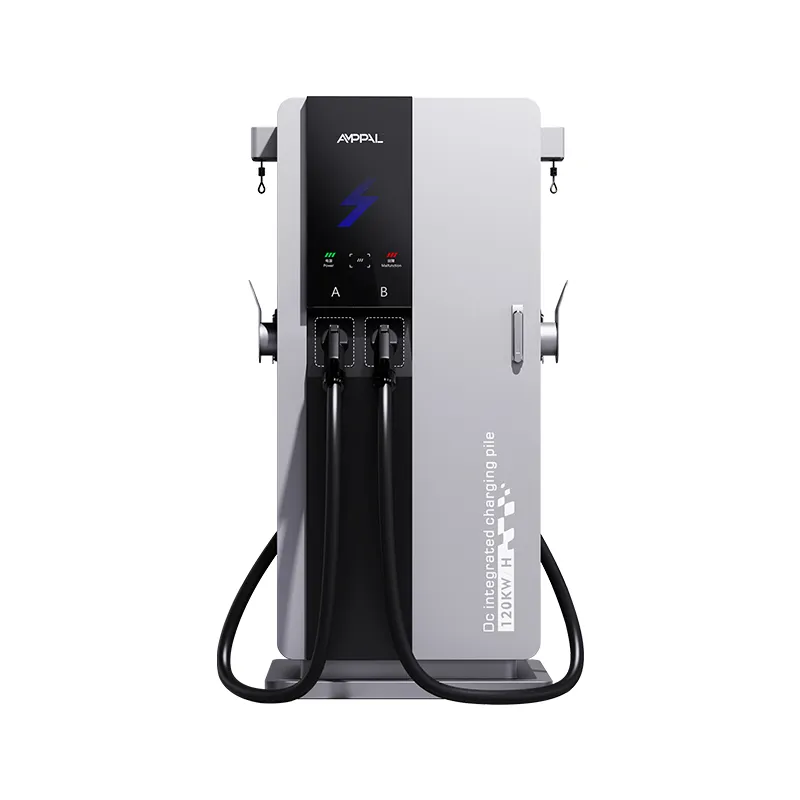
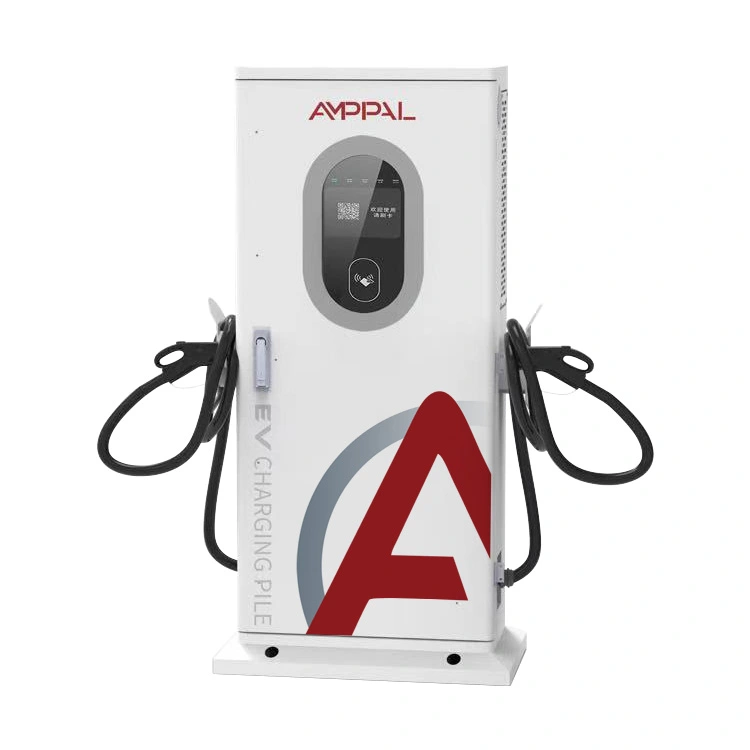
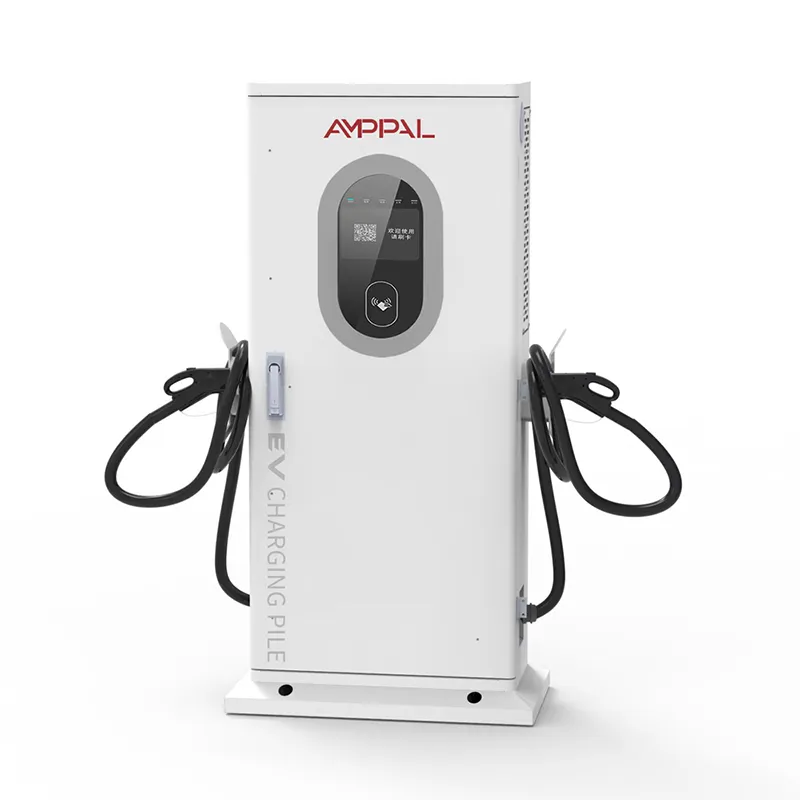
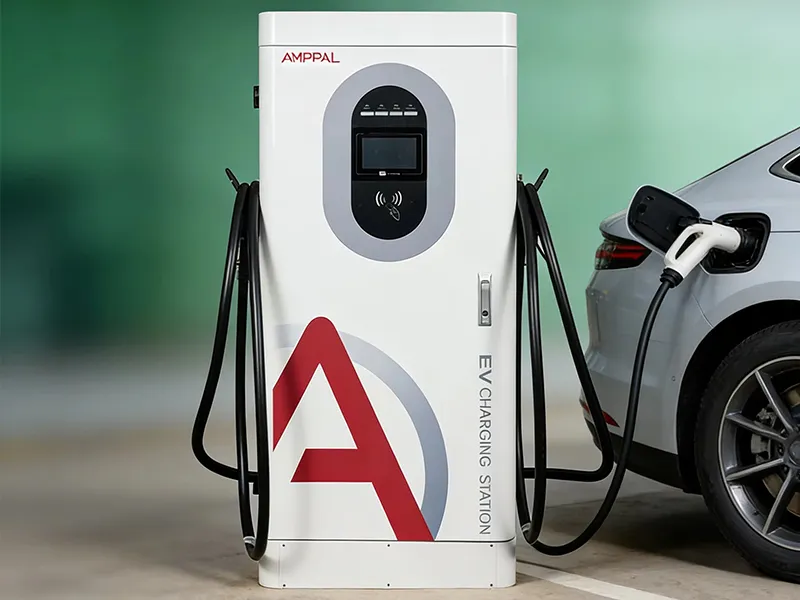
Anyone can bolt 160kW of modules into a big cabinet; the hard part is doing it in a tower the width of a door. The AF-DC-160-Y-B-O-3/4/5-H stands 1700 mm tall on a 750 × 550 mm base and holds a 160kW rectifier stage on forced-air cooling — no liquid loop, no chiller, no coolant inventory.

The engineering question was never whether the modules exist — it is how to move the waste heat out of a body that small without choking the airflow or cooking the electronics. The answer is a vertical air path, staggered module placement, and derating logic that protects the hardware in extreme heat.

In normal conditions the unit delivers its full 160kW rating, and it reports its thermal state over OCPP so operators see problems before they become faults.

160kW Integrated High-Speed DC EV Charger for Bus & Fleet Charging160kW Integrated High-Speed DC EV Charger for Bus & Fleet Charging

The Thermal Choices That Make the Compact 160kW Possible

A vertical cooling path: air enters the side intakes low and exits at the top, so heat rises with the airflow instead of pooling inside.

Staggered module layout creates a chimney effect; each module gets its own intake zone rather than fighting its neighbours for air.

Temperature-driven fan control: fans idle at low load and ramp only when heat demands it, which keeps normal operation quiet.

Derating logic with a published curve: output steps down in extreme ambient heat instead of shutting down, and recovers when temperatures drop.

The full -25°C to +50°C operating range holds the 160kW rating across normal conditions, not just at 20°C in a lab.

No liquid loop to leak: forced air removes the coolant, pump, and hose failure modes entirely.

Technical Specifications

Factory specification of the AF-DC-160-Y-B-O-3/4/5-H exactly as shipped.

Parameter

Specification

Model

AF-DC-160-Y-B-O-3/4/5-H

Rated Output Power

160kW

Overall Dimensions (mm)

750 × 550 × 1700

Input Voltage

AC380V±15%

Output Voltage Range

200-1000VDC

HMI

7" touch screen

Peak Efficiency

95%

Protection Grade

IP54

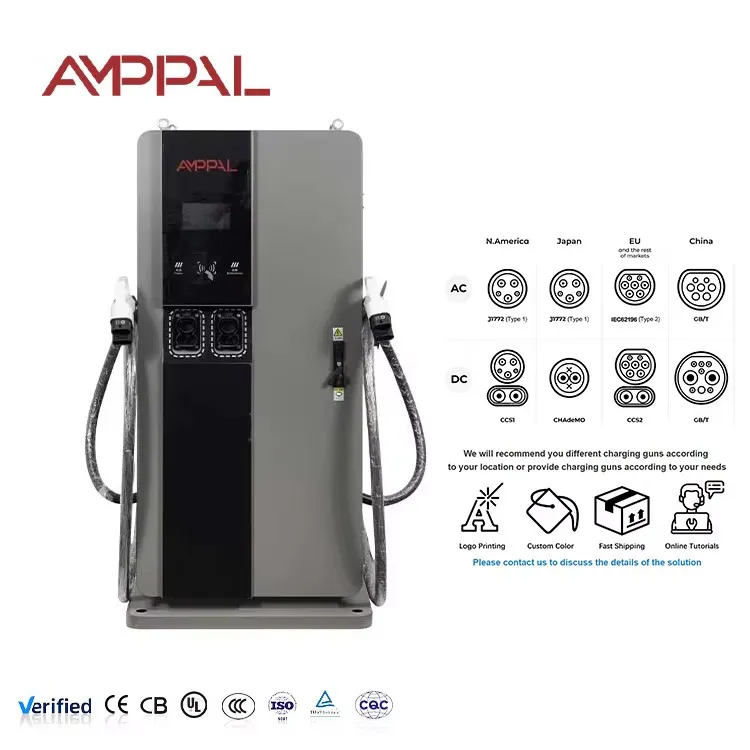
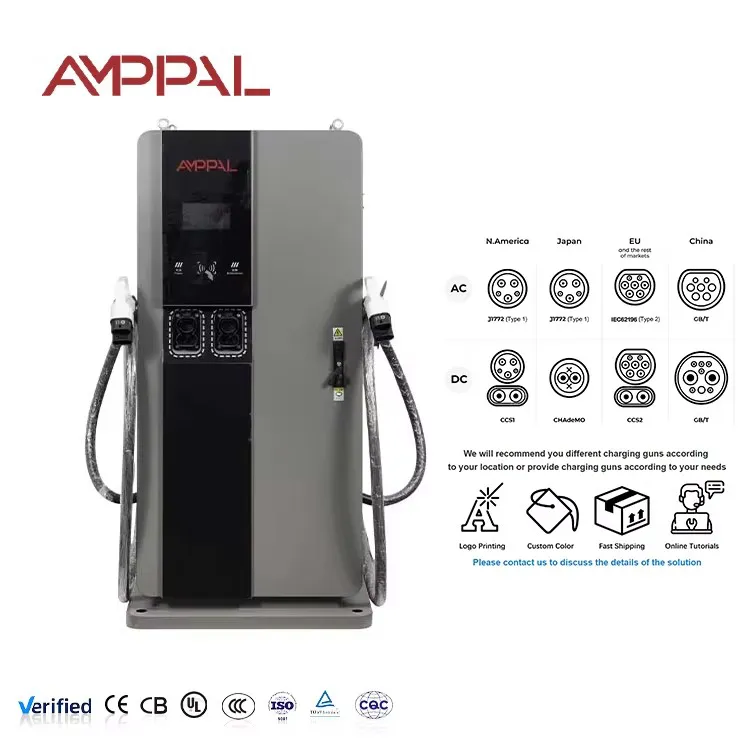
Compatible Connectors

CCS1/CHAdeMO/CCS2/GB/T/NACS

Operating Temperature

-25°C ~ +50°C

Warranty

2 Years Standard

Demanding Sites Where the Compact 160kW Earns Its Keep

Urban fast-charging corners: 160kW sessions in a small footprint, on land where a split system would never fit.

Highway-adjacent retail: short 15–30 minute stops for drivers who do not want a full-hour wait.

Company car parks: rapid turnaround for employee EVs between meetings and shifts.

Airport and station drop-off zones: high turnover in a compact footprint with canopy clearance.

Fleet yards upgrading from 60–80kW: more energy per shift from the same number of parking bays.

Airflow, Derating, and the -25°C to +50°C Output Curve

Cooling starts at the bottom: two side intakes feed a plenum that distributes air across the module fronts, and top-mounted fans pull the warm air out. The internal ducts are sized so every module row sees roughly equal flow — the classic failure of small cabinets is one hot row, and the duct geometry exists to prevent exactly that.

Derating is a curve, not a cliff. Between -25°C and about 40°C ambient the unit delivers its full 160kW; above that, output steps down gradually to protect the electronics, then climbs back as the temperature falls. The curve is printed in the manual, so you can design for your climate instead of guessing.

Thermal telemetry flows over OCPP: intake temperature, module temperatures, and fan speed are all visible remotely, so a blocked filter shows up in the logs before it becomes a fault. That single capability has saved our service engineers more site visits than any other feature on the unit.

Test Regimes That Prove the Thermal Design

Type testing runs the unit at full 160kW inside a 50°C chamber to validate the derating curve end to end.

Thermal imaging during load test checks every module row for hot spots before the unit ships.

96-hour salt-spray on the enclosure, including the intake grilles.

48-hour production burn-in cycles load levels to exercise the fan control across its whole range.

Vibration testing on module mountings and fan assemblies to survive delivery and rough-site handling.

Modules are rated -30°C to +55°C internally; the complete unit is specified -25°C to +50°C.

Building the 3-Series 160kW: Modules, Ducts, and Torque

Step 1. Sheet steel is laser-profiled and the shell is robot-welded, with airflow apertures cut in the same operation.

Step 2. Forming happens on TRUMPF brakes; the shell is then pre-treated, coated and cured.

Step 3. The internal duct assembly is fitted first — before the electronics — because the airflow path defines everything else.

Step 4. Rectifier modules are mounted in staggered rows with thermal compound and torque-controlled screws.

Step 5. The AC input stage and surge protection are wired on the AC line.

Step 6. The HMI, controller, and fan array are installed and wired on the DC line.

Step 7. Load testing at 160kW records temperatures, airflow, and efficiency per unit.

Step 8. A 48-hour burn-in, then final inspection; cumulative shipments passed one million units in 2024.

Before You Spec a Compact 160kW: Check These Three Things

First, the feeder. 160kW at 380V draws roughly 240A per phase before margin, so confirm the service with our site-data checklist. If the site cannot supply that, the unit will derate or trip, and you have paid for power you cannot use.

Second, the climate. The published derating curve tells you what to expect in a 45°C summer; sites above 50°C ambient should talk to us about the liquid-cooled range instead, because forced air has its limits and we will say so plainly.

Third, the intake clearance. The manual specifies free space around the side intakes, and a tower wedged into a corner will run hot and derate exactly when you need it most. And if the plan is sustained 160kW for hours of truck charging, a bigger cabinet or a split system is the honest choice.

Why AMPPAL's Compact 160kW Beats a Bigger Box for Many Sites

The same 750 × 550 mm pad as the rest of the 3-Series, so moving up to 160kW does not mean new civil works.

Air cooling with no coolant inventory, no pump maintenance, and no leak risk — a real advantage in hot, dusty markets where a coolant loop is another thing to break.

15–20 working days delivery after drawing approval; MOQ from one container.

CE, TUV, UL, and CB certificates included with the quotation.

Thermal telemetry visible remotely, backed by a team that runs 200+ stations of its own.

Crating and Transporting a 160kW Tower with Sensitive Electronics

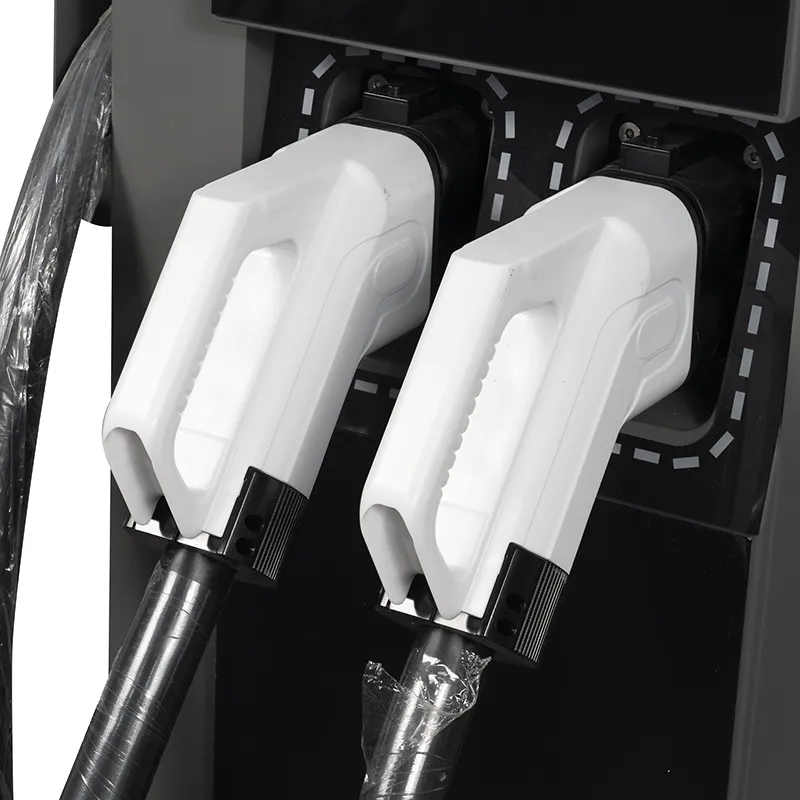
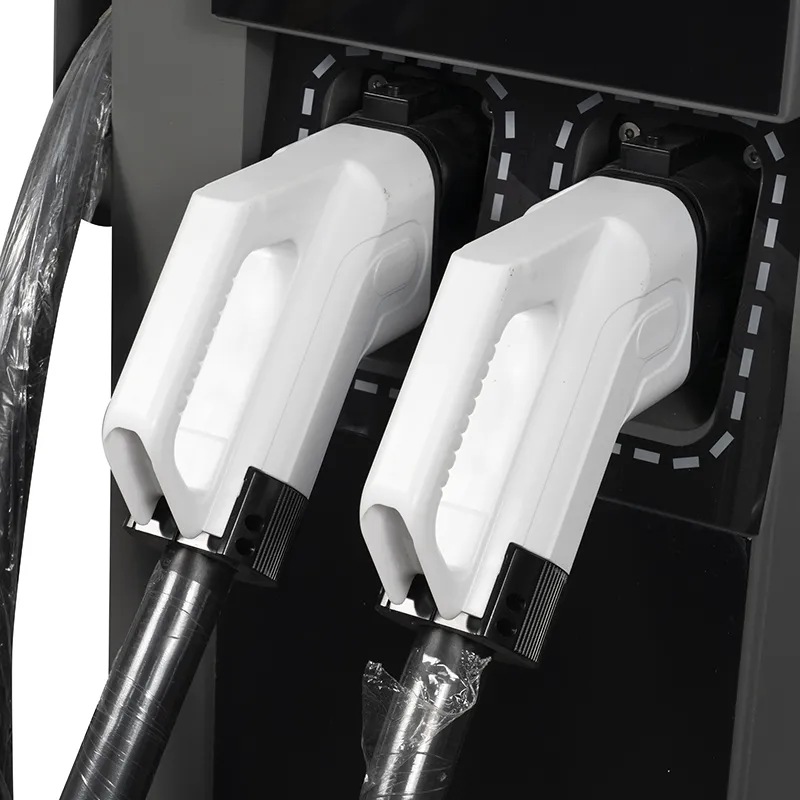
The 160kW Integrated High-Speed DC EV Charger for Bus and Fleet Charging ships upright in a steel-framed crate sized for the 1700 mm body, with internal padding around the fan outlets and the HMI. The connector and cable travel in a separate padded box inside the crate.

Crates carry upright-only handling marks, and the loading plan accompanies the quotation so the container plan matches the order. LCL trial shipments are arranged on request.

Terms are FOB Ningbo or CIF to destination. Invoice, packing list, bill of lading, certificate of origin, and test reports are issued within 3 working days of loading.

Service and Spares for the Thermal-Critical Compact Unit

2-year standard warranty covering modules, fans, and the controller.

Fan kits and module spares cross-shipped within 5 working days.

Remote thermal log review: we can spot a blocked filter or a failing fan before it trips the unit.

A filter replacement schedule is supplied with the manual, tuned for dusty environments.

Firmware updates over the air, including fan-control and derating refinements.

Installation Notes That Protect the Cooling Path

Wrong: blocking the side intakes with planters or signage. Right: keep the clearance zones in the manual clear at all times.

Wrong: ignoring the filter warning in the logs. Right: clean or replace the filter on schedule, because the derating curve depends on it.

Wrong: placing the tower so its hot exhaust blows straight into a neighbour's intake. Right: stagger the towers so one unit's outlet never feeds another unit's inlet.

Wrong: expecting full 160kW during a 48°C heatwave. Right: use the published derating curve to set session expectations for extreme days.

Wrong: assuming the fans are broken because they are quiet. Right: quiet fans at low load are the design working; noise rises only with heat.

Engineers' Feedback on the Compact 160kW in the Field

A depot engineer in Almaty, Kazakhstan runs three towers for a delivery fleet. Winter temperatures drop below the unit's rating, yet the chargers have delivered full sessions through two winters with only scheduled filter changes; the complaint is that the touch screen is slow to respond with thick gloves on.

A gas-station operator in Baku, Azerbaijan installed one tower in 2025. He compares it with a competitor's 160kW cabinet of twice the footprint, and the airflow design holds up in 40°C summers; the gripe is that the top exhaust stirs dust onto a neighbouring pump island, so they added a small deflector.

A shopping-centre engineer in Dubai, UAE runs the unit in a covered, air-conditioned bay. The cool indoor ambient lets the machine hold full output even in summer, and the fan noise inside the building stays low enough for the retail floor above; their only request was a longer retention period for the remote thermal logs.

160kW Integrated High-Speed DC EV Charger for Bus & Fleet Charging160kW Integrated High-Speed DC EV Charger for Bus & Fleet Charging

FAQ: Thermal Performance of the 160kW Compact Charger

Q: Does the unit really hold 160kW in a compact tower?

A: Yes, in normal ambient conditions; the derating curve in the manual shows exactly how output behaves in extreme heat.

Q: Is it liquid-cooled?

A: No, it is forced-air. That removes coolant, pumps, and leak risk, at the price of a derating curve in extreme ambients.

Q: How much clearance does it need?

A: The manual specifies free space around the side intakes and above the top exhaust — typically under a metre on each side.

Q: What happens at 50°C ambient?

A: The unit steps output down per the published curve instead of shutting down, and recovers as the temperature falls.

Q: How often are filters replaced?

A: Every 3–6 months at normal sites, more often in dusty environments; the logs warn when airflow drops, and the replacement is a 15-minute job.

Q: Can it charge trucks?

A: Passenger EVs and light vans mainly; sustained heavy-truck cycles pull heat for hours, and our liquid-cooled range serves those sites better.

Q: What is the feeder requirement?

A: At 380V, roughly 240A per phase before margin; confirm the service with our site-data checklist.

Q: What does the warranty include?

A: Two years across the power modules, cooling fans and control board. Fans are the wear item on a compact 160kW cabinet and they are covered.


Send Inquiry
Contact Info

Talk Directly to Our EV Charger Factory

Get factory-direct pricing, custom solutions, and expert support.

- Fast Response – Reply within 24 hours.

- OEM/ODM – Flexible customization and sample orders.

- Certified Quality – CE, TÜV, CB, and CCC options.

- Custom Quotes – Tailored to your specifications.

- Technical Support – Expert help with OCPP, DLB, and system integration.

X
We use cookies to offer you a better browsing experience, analyze site traffic and personalize content. By using this site, you agree to our use of cookies. Privacy Policy
RejectAccept