Whatsapp
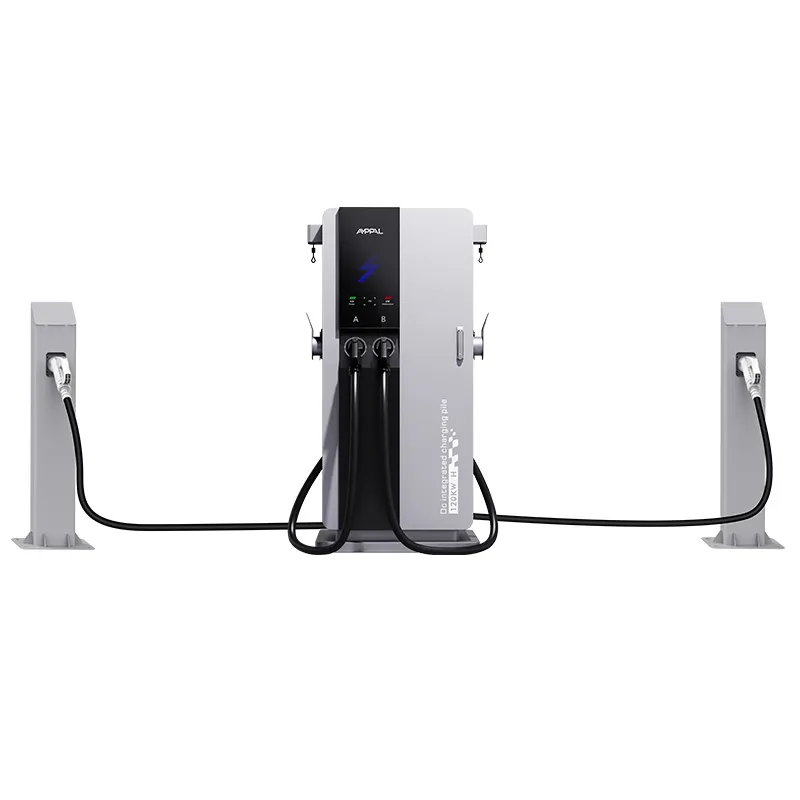
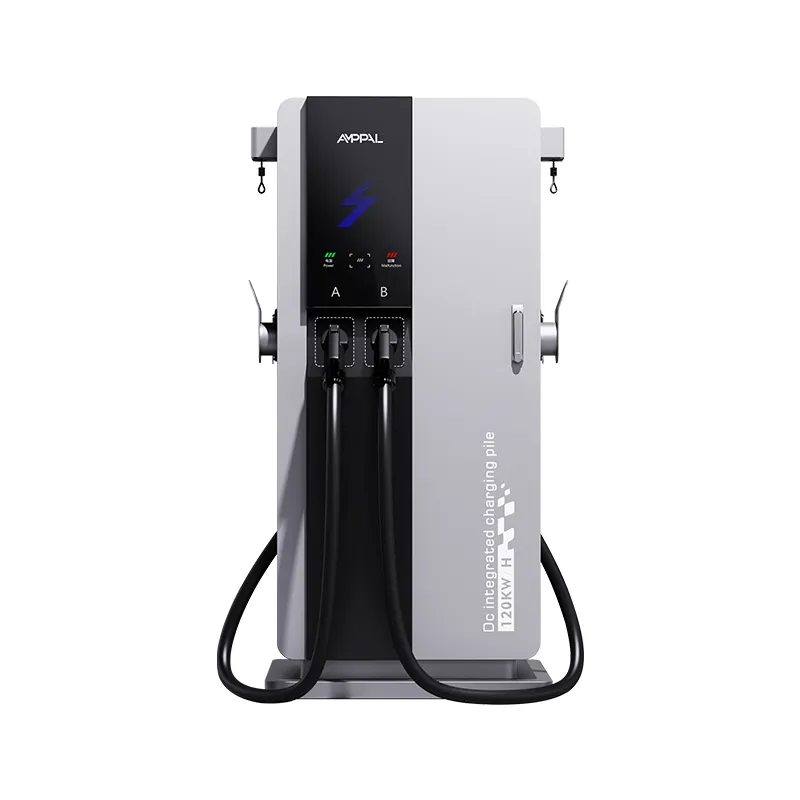
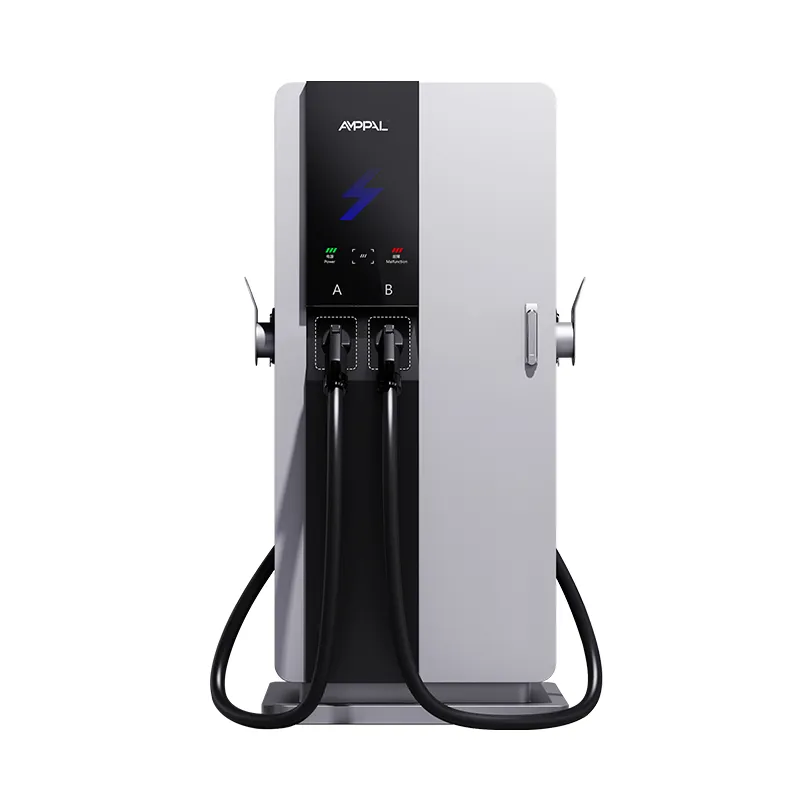
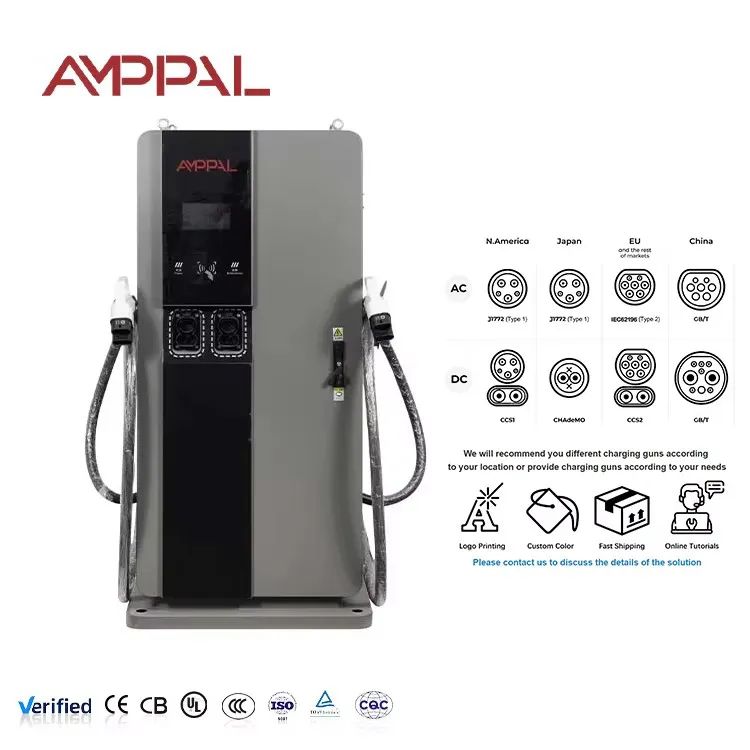
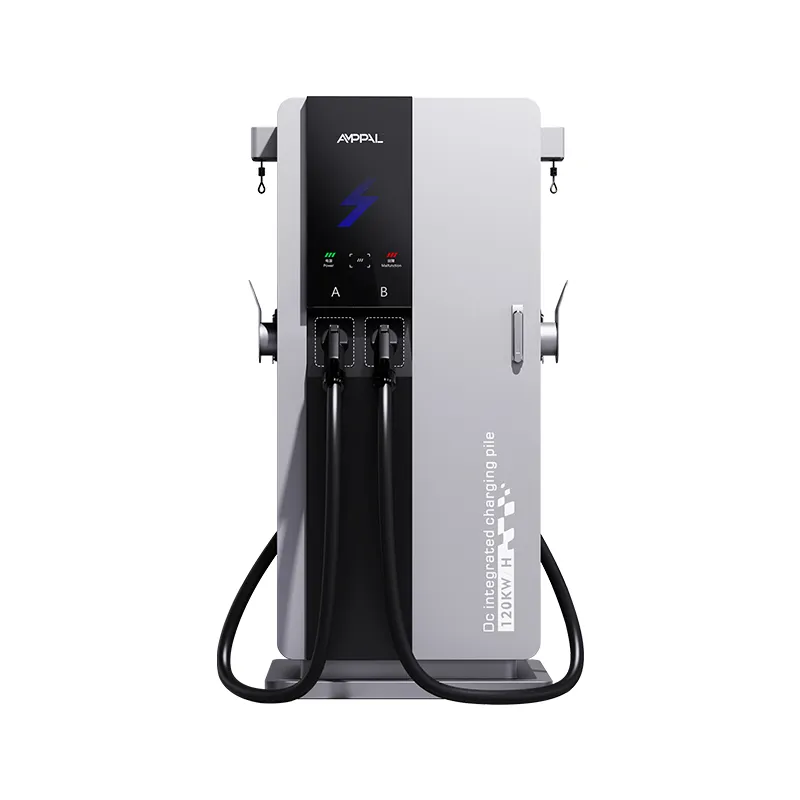
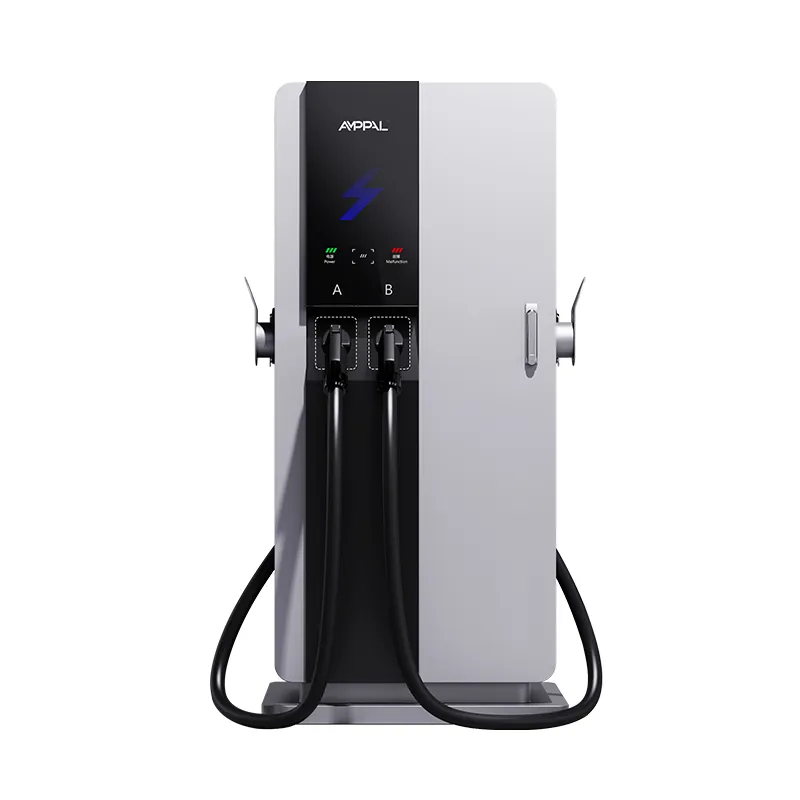
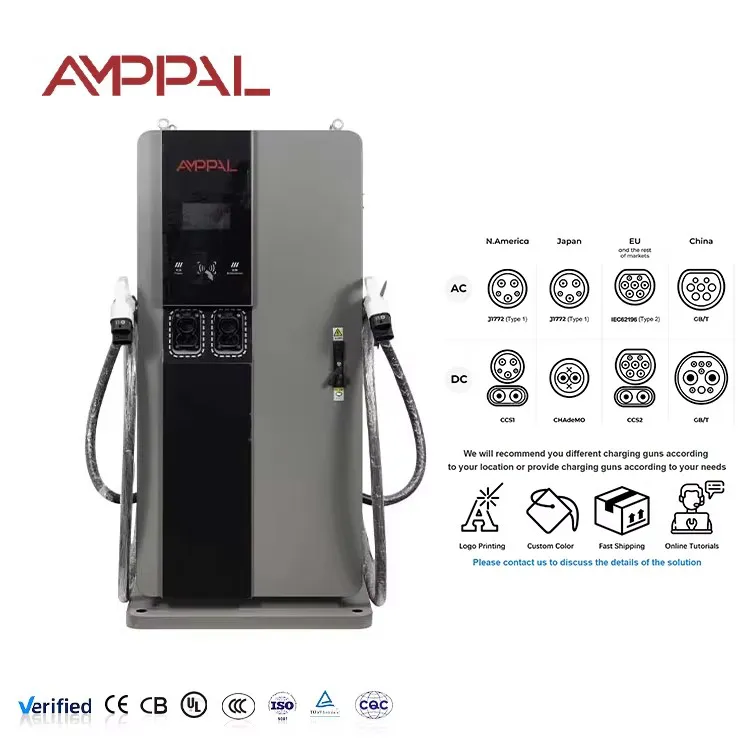
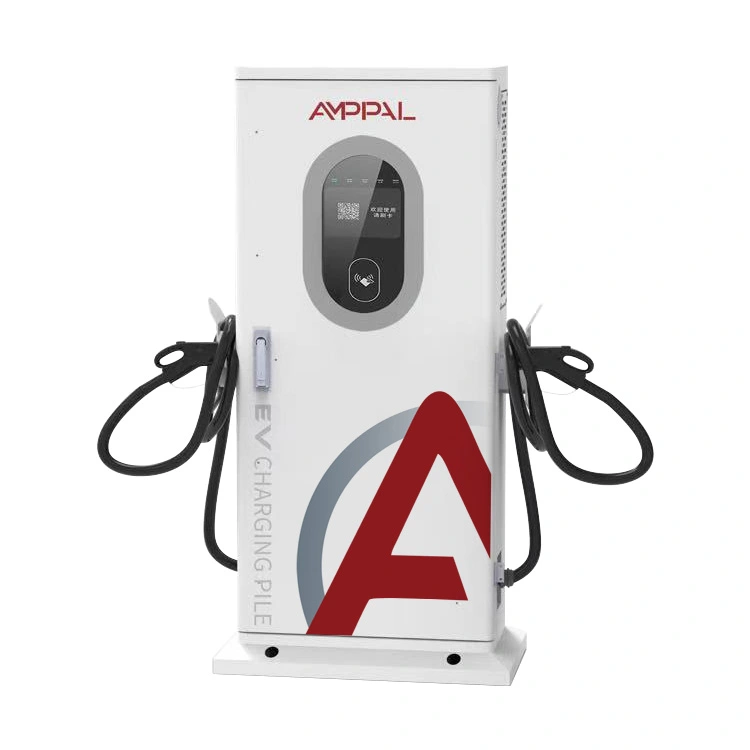
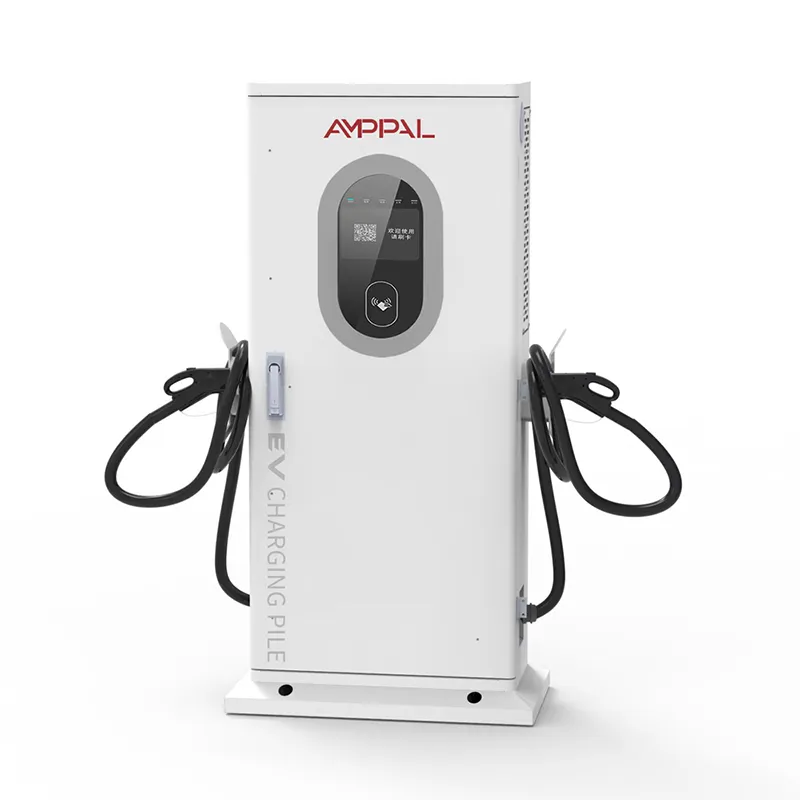
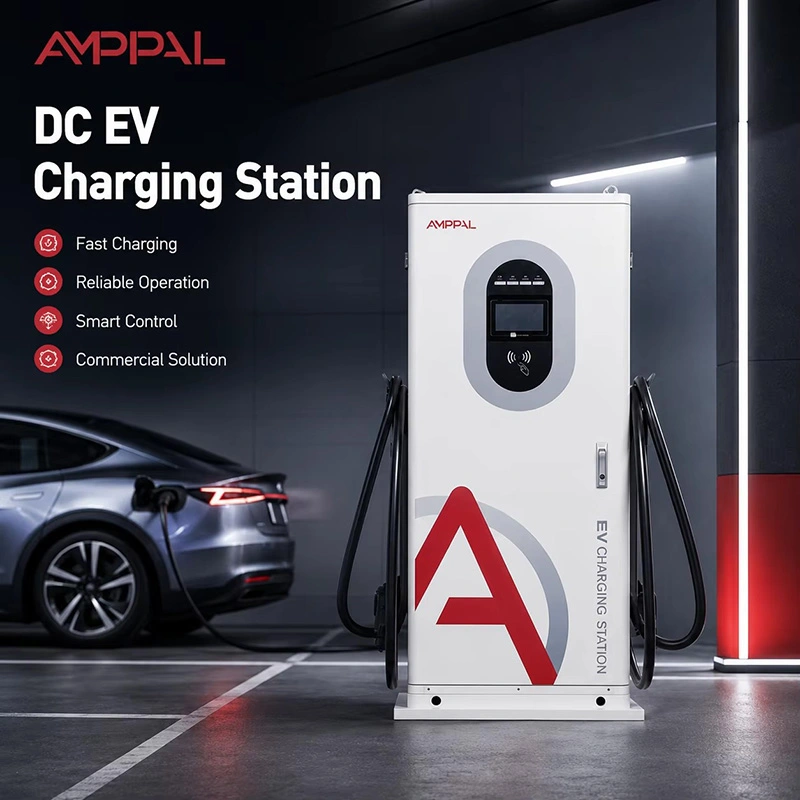
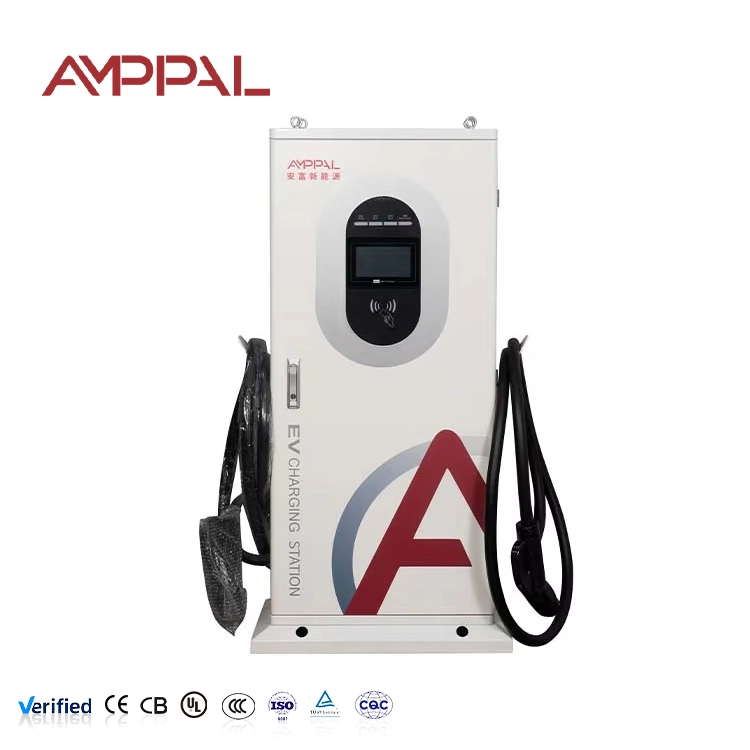
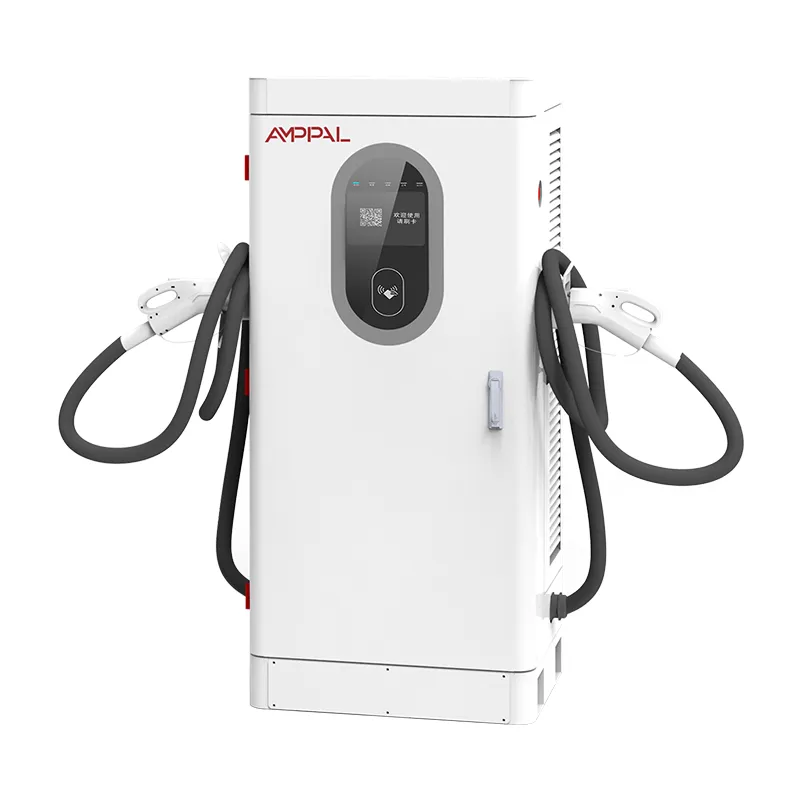
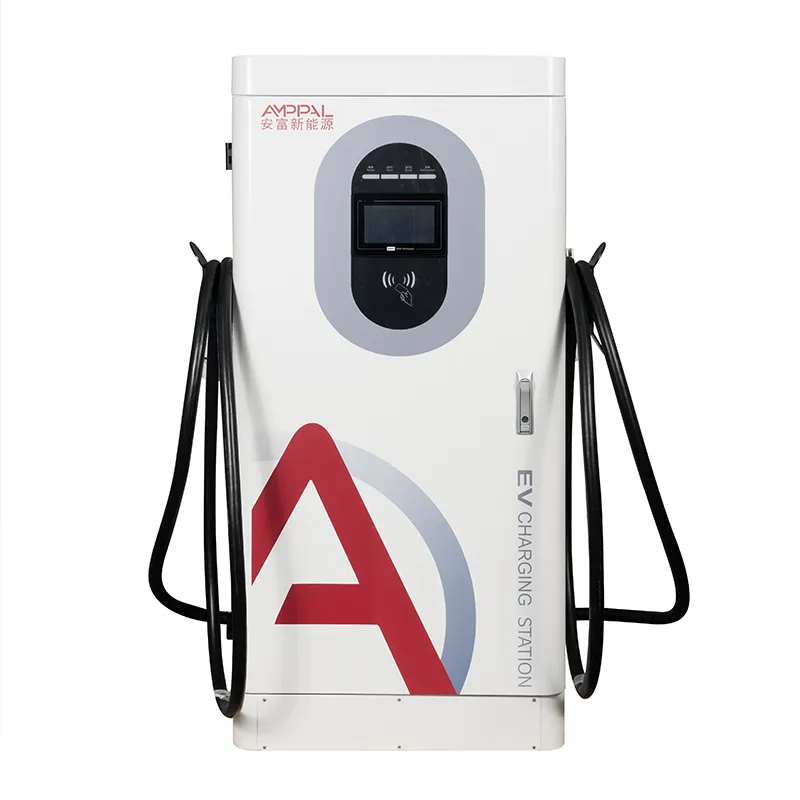
The charging world is not one standard; it is five, and they all show up at the same forecourt. The AF-DC-180-Y-B-O-3/4/5-H answers that reality with a 180kW Intelligent High-Power DC Charging Station for Highway Rest Areas that supports CCS1, CCS2, CHAdeMO, GB/T, and NACS, so importers and mixed-fleet operators no longer need to guess which plug their market will settle on.
The 200-1000VDC output range matters just as much as the plugs: new 800V cars charge at the top of the band while older 400V vehicles sit comfortably at the bottom. All of it lives in a 750 × 550 mm footprint with a 7-inch touch screen, IP54 enclosure, and 95% peak efficiency.
The five-format flexibility is not a gimmick — it is the practical answer for stations that serve a vehicle population no single standard can describe. For an importer, the same tower also simplifies spare-parts planning: one cabinet, one controller, five interchangeable bay kits.

One station serves every car in the lot: CCS1 for North America, CCS2 for Europe, CHAdeMO for Japanese imports, GB/T for China-built EVs, and NACS for the Tesla ecosystem.
Importers hedge their bets: if the market consolidates on one plug, the other bays were never a stranded asset because the unit shipped with them.
200-1000VDC output spans old 400V packs and new 800V architectures without a hardware change.
Connector bays are field-serviceable: a bay can be swapped or re-terminated later instead of replacing the whole tower.
Rental and mixed fleets stop carrying adapter boxes; the right plug is already on the cabinet.
A retrofit path: buy with the connectors your market needs today, and add others when the fleet mix changes.
Factory specification of the AF-DC-180-Y-B-O-3/4/5-H exactly as shipped.
|
Parameter |
Specification |
|
Model |
AF-DC-180-Y-B-O-3/4/5-H |
|
Rated Output Power |
180kW |
|
Overall Dimensions (mm) |
750 × 550 × 1700 |
|
Input Voltage |
AC380V±15% |
|
Output Voltage Range |
200-1000VDC |
|
HMI |
7" touch screen |
|
Peak Efficiency |
95% |
|
Protection Grade |
IP54 |
|
Compatible Connectors |
CCS1/CHAdeMO/CCS2/GB/T/NACS |
|
Operating Temperature |
-25°C ~ +50°C |
|
Warranty |
2 Years Standard |
Border and transit corridors: tourist and transit vehicles arrive with different plugs from neighbouring countries.
Airport rental-car lots: rental fleets mix European, Asian, and North American vehicles in one row.
Ports and freight handlers: imported vehicles need GB/T or CCS2 while local stock runs CHAdeMO or NACS.
Embassies, expat compounds, and duty-free zones: a genuinely international vehicle population.
Fleet operators importing vans and taxis from several manufacturers: one charger, every harness.
The power stage is connector-agnostic: it produces 200-1000VDC, and the controller negotiates the session through whichever protocol the vehicle speaks. Each connector bay carries its own communication board, so adding a standard later is a bay swap, not a new charger.
Protocol negotiation happens automatically at plug-in: the unit identifies the connector, starts the handshake, and sets the voltage and current limits the vehicle requests. There is no menu for the driver to navigate, which matters at a busy station where every extra tap is a queue delay.
Because each bay talks its own protocol, the unit can even serve a CHAdeMO taxi and a CCS2 saloon back to back with zero configuration in between.Session data, diagnostics, and firmware updates run over OCPP 1.6/2.0 through Ethernet, WiFi, or 4G. The wide voltage band also means the unit serves old 400V cars gracefully instead of refusing them.
CE and TUV type approval cover the complete unit across the supported connector standards.
UL and CB electrical reports are available for the export documentation file.
Protocol conformance testing on each connector bay against its standard's handshake requirements.
96-hour salt-spray on the enclosure and the connector housings.
48-hour burn-in cycles sessions across multiple connector bays and voltage levels.
Internally the modules hold -30°C to +55°C. The published cabinet rating of -25°C to +50°C reflects the whole assembly, connectors included.
Step 1. The cabinet shell is cut on the laser and welded by FANUC robots, with cut-outs sized to the connector option ordered.
Step 2. TRUMPF brakes form the panels before pre-treatment, powder coat and cure.
Step 3. The 180kW rectifier set is mounted in the module bay with thermal compound.
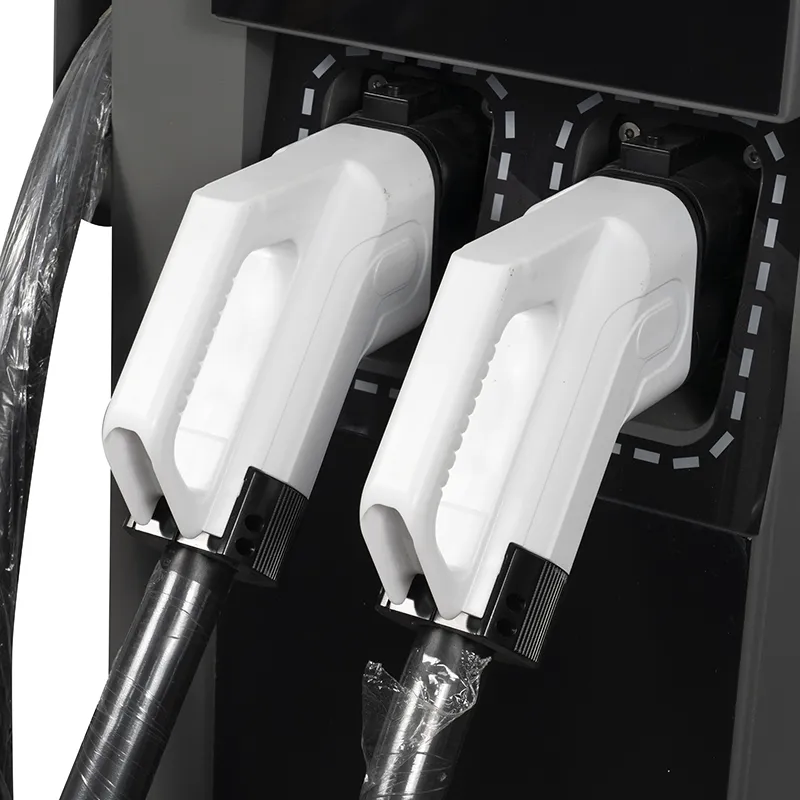
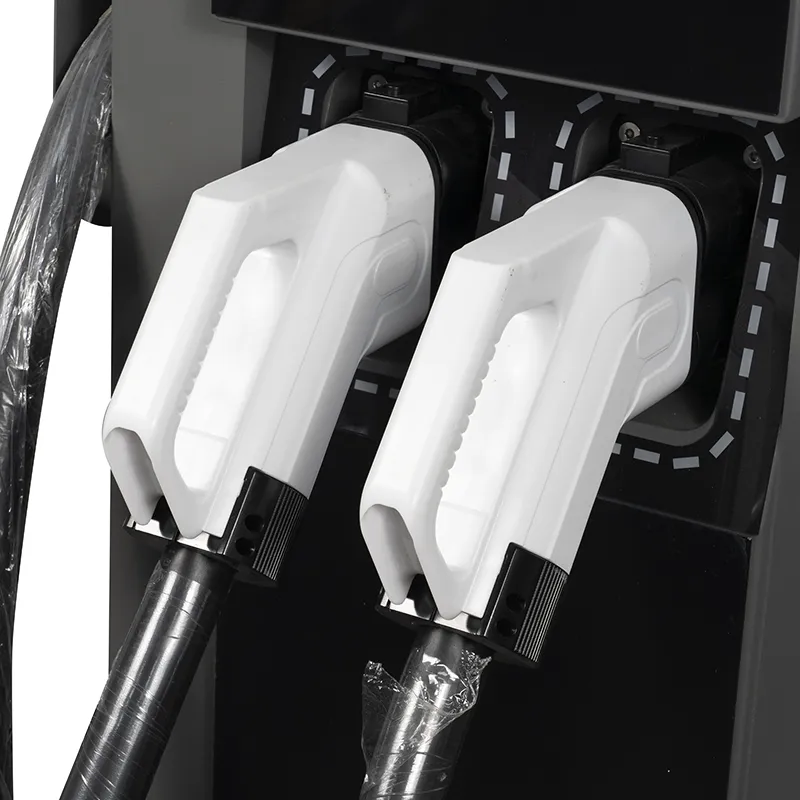
Step 4. Connector bays are assembled as separate sub-assemblies, each with its own cable, communication board, and locking mechanism.
Step 5. AC input wiring and surge protection go in on the AC line.
Step 6. The HMI, controller, and bay harnesses are installed on the DC line.
Step 7. Load testing at 180kW records efficiency and output voltage range per unit.
Step 8. Every bay is handshake-tested against a protocol simulator before crating; one million units shipped through 2024.
Order the bays your market actually drives today, and leave room for the ones it may adopt next. A dealer covering three neighbouring countries usually takes CCS2 plus GB/T, or CCS1 plus NACS, and adds CHAdeMO where Japanese imports are common.
Do not pay for all five bays if your lot is homogeneous — every bay costs money, and a single-standard configuration is cheaper. The flexibility exists for mixed fleets and uncertain markets, not as a mandatory feature.
Also consider the vehicles: if your station serves old 400V taxis, the 200-1000VDC range handles them, but session times will run longer than the 180kW headline suggests. Publish realistic expectations in the station app.
And if your site is a single-brand lot — one make, one plug, no tourists — save the money and order the single-bay configuration; the all-format unit earns its price only where the fleet actually mixes.
Five connector options on one SKU, with bays fitted at the factory to your market mix and labelled per standard.
15–20 working days delivery after drawing approval; MOQ from one container.
Retrofit bay kits stocked, so the unit grows with your fleet instead of being replaced.
CE, TUV, UL, and CB certification with report copies in the quotation package.
OEM/ODM branding, HMI language, and connector decals per order.
A factory operating 200+ stations itself, with exports to 40+ countries since 2014.
The tower ships upright in a steel-framed crate with the connector bays protected by shaped foam cradles. Cables are coiled and padded separately, and every harness is labelled by standard — CCS1 red tags, CCS2 blue, GB/T yellow — so nothing gets mixed up at the site.
Each bay's locking mechanism is wrapped against transit vibration, and the crate plan is sent with the quotation so the container layout matches your order exactly.Spare bay kits and extra cable sets are packed in a second box on request, and the loading plan is sent with the quotation so the container matches the order exactly.
We ship FOB Ningbo as standard, CIF where preferred. Paperwork — invoice, packing list, bill of lading, origin certificate, test reports — issues inside three working days of loading.
2-year standard warranty covering the power stage, controller, and all connector bays.
Bay kits and cables cross-shipped within 5 working days for warranty failures.
Remote diagnostics read each bay's session logs and handshake history.
Retrofit service: we ship additional bay kits later when your fleet mix changes.
Firmware updates over the air, including protocol revisions for each standard.
Wrong: ordering five bays and using two. Right: buy only what the market drives; bays can be added later.
Wrong: letting drivers pull the cable by the connector housing. Right: pull from the grip, per the sticker on each bay, and coil the cable back on the holder.
Wrong: leaving bay doors open when not in use. Right: close them, because the seals keep dust and rain out of the communication pins.
Wrong: assuming NACS and CCS2 cables are interchangeable spares. Right: order spares by standard; the cables are not cross-compatible.
Wrong: ignoring older 400V packs in your station marketing. Right: publish typical session times by vehicle class so drivers arrive with realistic expectations.
An importer in Bangkok, Thailand stocks one SKU for dealers in Thailand, Laos, and Cambodia. The five-bay option means a single container covers all three markets, and the spare-bay kits let each dealer localize later; the complaint is that the full five-bay configuration is heavier to handle at install, so they asked for a hoist point, which the crate now includes.
A rental-fleet operator in Istanbul, Turkey runs the unit at the airport lot, where cars arrive with CCS2, CHAdeMO, and GB/T plugs. Since commissioning, no driver has needed an adapter; the minor gripe is that the NACS bay, added later as a retrofit, arrived with its cable coiled tighter than the others.
A port operator in Durban, South Africa charges imported EVs before they reach dealer lots. The 200-1000VDC range handles the mixed new and older stock, and the bay-swap plan lets them adapt as the import mix changes; their only note is that the touch screen defaults to English, which the local team replaced with a bilingual skin.

A: None are forced. You choose the bays at order time from CCS1, CCS2, CHAdeMO, GB/T, and NACS.
A: Yes. The bays are field-serviceable; we ship a retrofit kit and your technician swaps it in.
A: Yes. The output spans 200-1000VDC, which covers both 400V and 800V architectures.
A: No. The vehicle sets the limit; an older pack may draw 60-90kW, and the unit adapts to it.
A: For light traffic, yes; for busy stations, pair multiple towers or add bays per demand, and split the load across the towers.
A: AC380V±15% three-phase; full output needs roughly 270A per phase before margin, so confirm the feeder with our site-data checklist.
A: The 180kW is the total station ceiling; two vehicles charging together split the available power between their bays.
A: Production takes 15-20 working days from drawing approval; mixed-connector orders ship together in one container.
A: 2 years standard, covering every connector bay as well as the power stage.
Address
No. 237, Weisan Road, Yueqing, Zhejiang, China
Tel
Talk Directly to Our EV Charger Factory
Get factory-direct pricing, custom solutions, and expert support.
- Fast Response – Reply within 24 hours.
- OEM/ODM – Flexible customization and sample orders.
- Certified Quality – CE, TÜV, CB, and CCC options.
- Custom Quotes – Tailored to your specifications.
- Technical Support – Expert help with OCPP, DLB, and system integration.