Products
Utility-Scale Containerized Battery Energy Storage System
  • Utility-Scale Containerized Battery Energy Storage SystemUtility-Scale Containerized Battery Energy Storage System
  • Utility-Scale Containerized Battery Energy Storage SystemUtility-Scale Containerized Battery Energy Storage System
  • Utility-Scale Containerized Battery Energy Storage SystemUtility-Scale Containerized Battery Energy Storage System

Utility-Scale Containerized Battery Energy Storage System

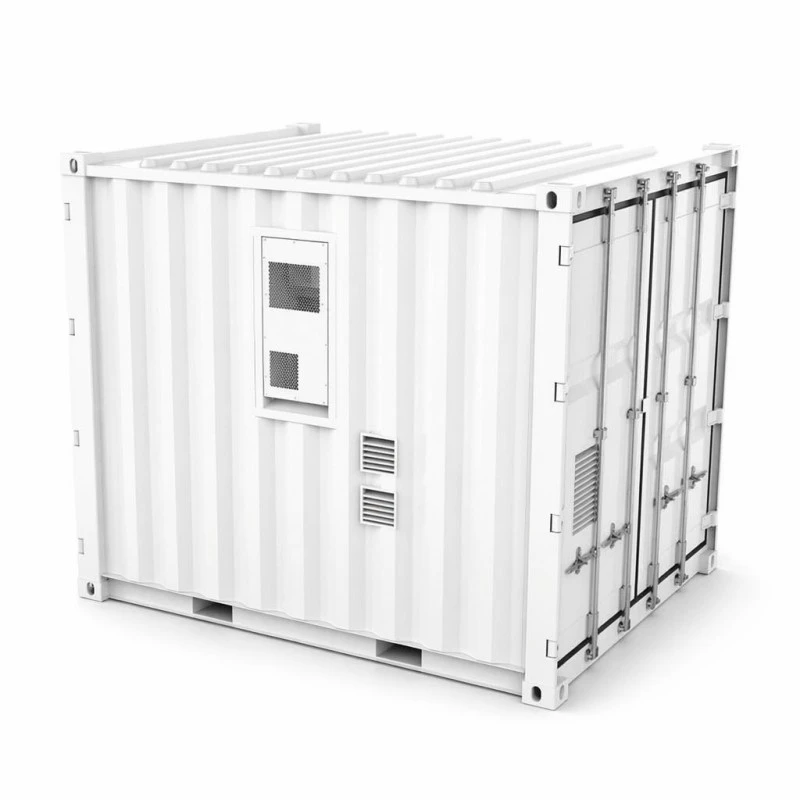
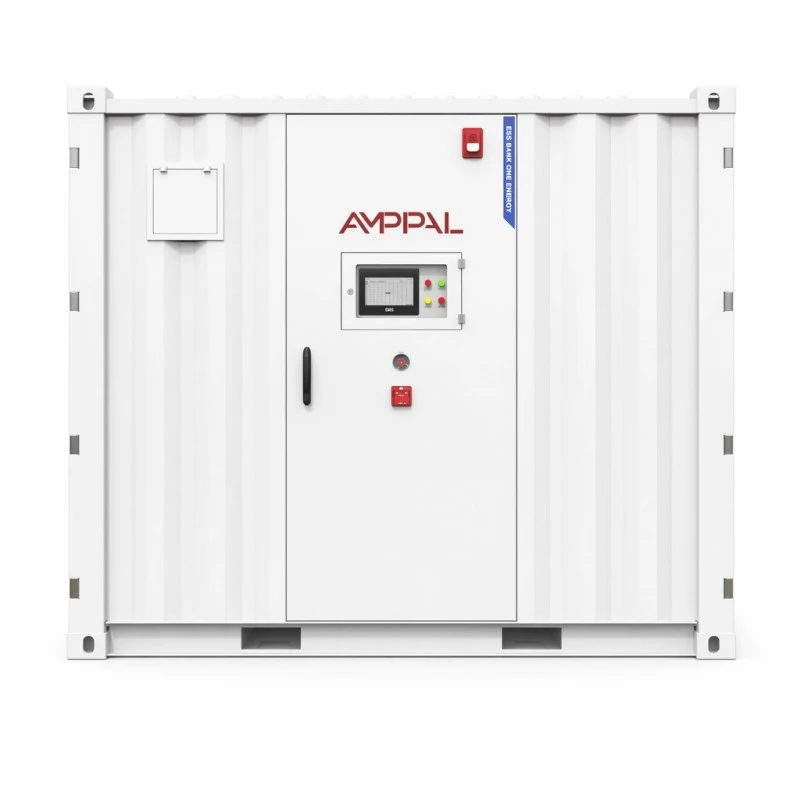
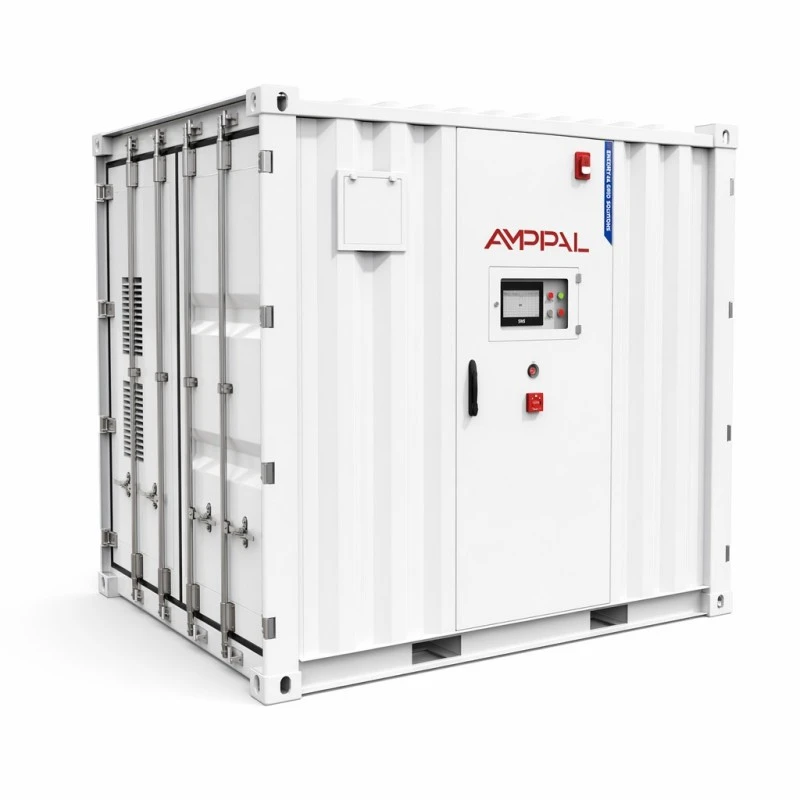
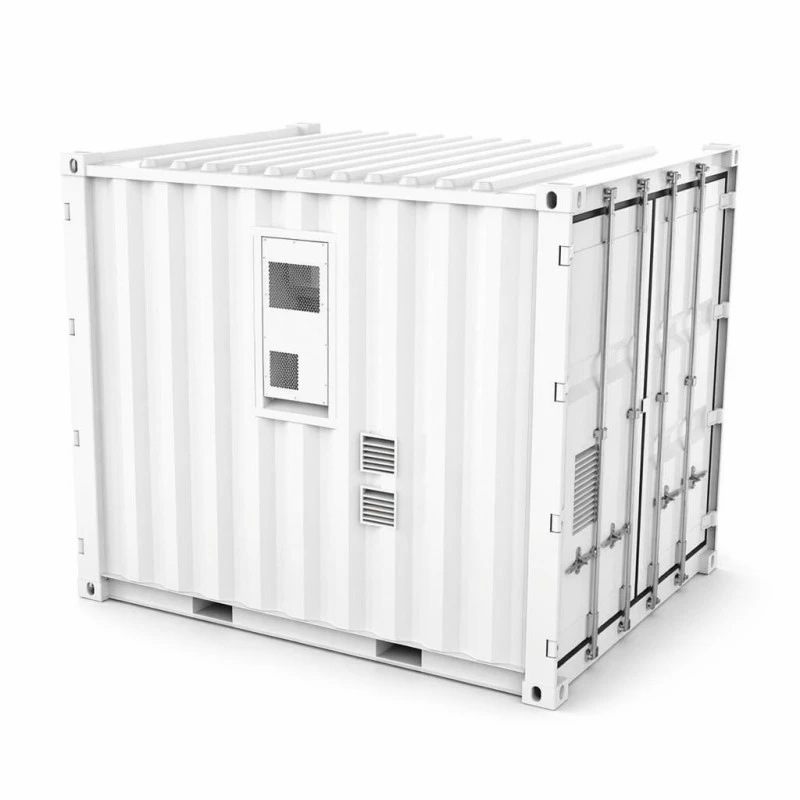
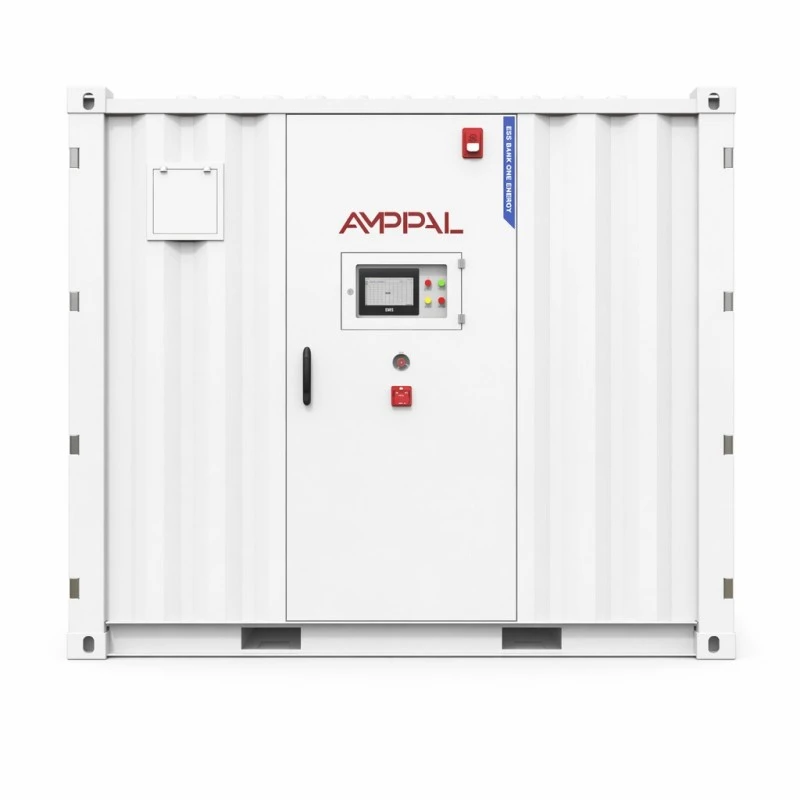
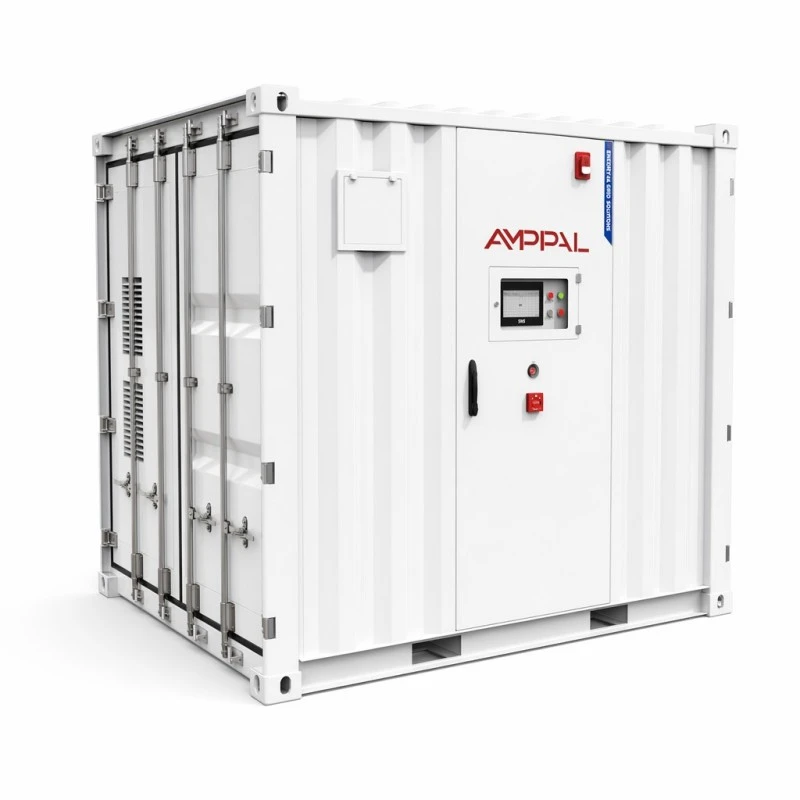
Utility-Scale Containerized Battery Energy Storage System integrates factory-assembled 3048mm containers with 1060kWh and 1215kWh capacity options. Built with LFP 3.2V/314Ah cells, it features intelligent air-cooled temperature management, dual-agent fire protection and an IP54-rated enclosure. Each prefabricated unit is delivered ready for DC wiring and on-site commissioning.

What Arrives on the Truck

Conventional megawatt-hour projects are assembled on site: packs arrive on pallets, racks go up, cables are pulled, and half the commissioning time is spent chasing wiring mistakes made during installation week. The Utility-Scale Containerized Battery Energy Storage System inverts that sequence. The 48 or 55 battery packs, the air-conditioning loop, the aerosol and perfluorohexanone fire systems, and the monitoring wiring are all integrated on our factory floor in Yueqing, tested as one system, and shipped as a single 3048*2438*2591mm unit. On arrival, the site crew places it on the prepared pad, runs the DC bottom entry cable to the project PCS/EMS, and hands over to commissioning. Factory assembly time is moved off your critical path, which is usually the whole point of buying a container rather than a rack system.

Five Numbers That Define the Two Variants

1060kWh and 1215kWh rated capacity from the same enclosure: 48 packs versus 55 packs of LFP 3.2V/314Ah cells, so the footprint, pad and crane plan do not change between variants.

String architecture differs by design — 4P264S for the 1060kWh unit at 844.8VDC nominal, 5P242S for the 1215kWh unit at 774.4VDC — while both stay inside the 680~950VDC window most large PCS platforms accept.

Standard charge and discharge current is 200A on both, at a 0.5CP rate, which keeps the container's DC output compatible with typical project bus designs.

System efficiency is stated at a maximum of 88% at 0.5C, measured over one charge and one discharge — the figure includes auxiliaries, not just the battery string.

Lifespan is quoted as more than 8000 cycles at 0.5C and 25°C with at least 80% energy retention, and the 0°C to +50°C operating band matches the air-conditioned interior.

1.06–1.215MWh Containerized Battery Energy Storage System for Utility-Scale Energy Storage1.06–1.215MWh Containerized Battery Energy Storage System for Utility-Scale Energy Storage1.06–1.215MWh Containerized Battery Energy Storage System for Utility-Scale Energy Storage

Technical Specifications

Category

Parameter

1060kWh Model

1215kWh Model

DC Side

Rated capacity

1060kWh

1215kWh

Cell type

LFP 3.2V/314Ah

LFP 3.2V/314Ah

Battery system string

4P264S

5P242S

PACK specification

70.4V314Ah

70.4V314Ah

NO. of PACKs

48 PCS

55 PCS

Nominal voltage

844.8VDC

774.4VDC

Voltage range

680~950VDC

680~950VDC

Standard charge/discharge current

200A

200A

System parameters

System efficiency

MAX.efficiency 88% @0.5C / 1 Charge 1 Discharge

MAX.efficiency 88% @0.5C / 1 Charge 1 Discharge

System lifespan

>8000Times(0.5C@25°C) Energy retention rate ≥ 80%

>8000Times(0.5C@25°C) Energy retention rate ≥ 80%

Wiring method

DC bottom entry

DC bottom entry

Charge & discharge rate

0.5CP

0.5CP

Thermal management method

Intelligent air-cooled air conditioner

Intelligent air-cooled air conditioner

Communication protocol

CAN/Eth/RS485(4G Optional)

CAN/Eth/RS485(4G Optional)

Fire protection system

Aerosol & Perfluorohexanone

Aerosol & Perfluorohexanone

IP rating

IP54

IP54

Product size

3048*2438*2591mm

3048*2438*2591mm

Product weight

9500kg

10500kg

Environmental Requirements

Operating temperature range

0°C~+50°C

0°C~+50°C

Operating humidity range

0~95%RH(No condensation)

0~95%RH(No condensation)

Operating altitude

2000m (>2000m Derating)

2000m (>2000m Derating)

Certification

PACK: CE ROHS UN38.3 MSDS

PACK: CE ROHS UN38.3 MSDS

Warranty

5 Years

5 Years

Sites That Commission a Megawatt-Hour

Industrial parks with 2-4 hour evening peaks and a tariff structure that rewards shifting that window.

Diesel generator replacement: 1060kWh at 200A discharge covers a modest industrial load through a typical outage window without fuel logistics.

Solar or wind farms needing to firm output and capture generation that would otherwise be curtailed.

Distribution companies deferring a substation upgrade by shaving a feeder's peak for a season or two.

Remote mining and island sites where site-built battery rooms are impractical and factory-tested delivery is the only reliable option.

How a Prefabricated Project Comes Online

The project sequence starts with the civil package: a flat concrete pad rated for the 9500-10500kg point load, cable trench to the container position, and clearance for the air conditioner's heat rejection.

Lifting is a single crane operation. The unit's 3048*2438*2591mm envelope and corner castings are standard container hardware, so the spreader bar and rigging are rented rather than custom-built.

Commissioning then runs in three steps: DC wiring via the bottom entry gland to the site PCS, CAN/Eth/RS485 handshake with the project EMS (4G remote access optional), and the acceptance sequence where the local authority or grid operator witnesses protection relay tests, charge/discharge at 0.5CP and the SOC reporting accuracy check. Allow two to three days of site work after the container is set.

Inside the Safety and Certification File

Two independent fire agents: aerosol acts inside the pack volume while perfluorohexanone floods the container space — the pair covers thermal events at both scales.

IP54 enclosure with DC bottom entry, so the container tolerates rain and dust on site while the electrical penetration stays low and protected.

Packs carry CE and RoHS; the complete equipment ships with UN38.3 and MSDS documentation required for transport, customs and site insurance.

Intelligent air-cooled air conditioning holds the 48-55 pack string in a narrow temperature band; the controller modulates rather than cycling hard.

Operating envelope is 0°C to +50°C ambient with 0-95%RH without condensation, and 2000m altitude with derating above — numbers worth checking against your project site.

Every container completes a full 0.5CP charge and discharge with pack-level logging at the factory before the doors are sealed for shipment.

Eight Steps Inside the Yueqing Plant

1. Cell intake — 314Ah LFP cells are batch-sampled for capacity and internal resistance on arrival.

2. Pack build — 70.4V/314Ah packs are welded, wired, fitted with the pack BMS and insulation-tested.

3. Container fabrication — the enclosure is cut, welded and coated with corrosion protection on the same floor as the company's other energy products.

4. Rack installation — packs are mounted in the 4P264S or 5P242S string layout with the DC bus run.

5. Thermal and fire fit-out — air-conditioning units, ducts, aerosol generators and perfluorohexanone cylinders are installed and function-tested.

6. Wiring and control — monitoring, comms gateways and the DC bottom entry gland are terminated to the project interface.

7. Factory acceptance test — full 0.5CP cycling with pack-level voltage and temperature logged against the serial number.

8. Sealing and packing — doors sealed, shock indicators fitted, unit prepared for the container yard.

Sizing Reality Check at Container Scale

Buy the variant that matches your dispatch window, not the bigger number. The 1060kWh unit delivers 200A standard on a 844.8VDC bus; the 1215kWh unit offers more energy on a lower 774.4VDC nominal. Check which voltage sits inside your PCS operating range before the PO is cut.

Air cooling has real limits. If your site regularly exceeds +50°C, or sits in a humid tropical climate where the air conditioner runs continuously at full load, a liquid-cooled product will hold cell temperature flatter and may be the better fit. We say so in the quote rather than after delivery.

Below about 500kWh of storage need, this container is the wrong shape. A cabinet-scale product costs less to transport, crane and site, and we can point you at one from the same range.

Questions to Put to EPC Quotes

Ask whether the efficiency figure is system-level across one charge-discharge cycle — ours is 88% maximum at 0.5C, auxiliaries included.

Ask whether the cycle-life claim states rate, temperature and retention threshold — '8000 cycles' with no conditions is a marketing sentence, not a spec.

Ask how many fire agents are inside. Aerosol plus perfluorohexanone is the configuration insurers are increasingly writing into their requirements.

Ask what happens to commissioning time if the site PCS uses a different comms protocol — CAN, Ethernet and RS485 are standard here, 4G remote optional.

Commercial terms: production runs 30-40 working days for a standard container, five-year warranty, and the battery packs are replaceable in the field without unshipping the container.

Lifting, Shipping and Customs

At 3048*2438*2591mm and 9500kg (1060kWh) or 10500kg (1215kWh), the unit moves on a flatbed with a crane at both ends. Forklifts are not rated for this weight; plan rigging and a pad crane before the truck arrives.

Because the battery is installed and charged, the container ships as UN3480 dangerous goods. We prepare the UN38.3 report, MSDS and the DG packing declaration; you should budget roughly one extra week of booking lead time at origin versus general cargo.

Standard terms are FOB Ningbo or Shanghai with CIF available; the unit travels as one 40-foot high-cube equivalent load, and overland delivery in your country needs route clearance for a 3-metre-wide, 10.5-tonne load.

Warranty and Capacity Service

Five-year warranty on packs, air conditioning, fire systems and monitoring as one delivered system.

Capacity is warranted to hold at least 80% of rated energy under stated 0.5C cycling; degradation tracking uses the factory acceptance log as baseline.

Packs are field-swappable modules — a weak pack is replaced in a few hours without unshipping the container or interrupting the rest of the string.

Remote monitoring over CAN/Eth/RS485 with optional 4G lets our service team read pack-level data and schedule a visit before capacity drift becomes visible to the operator.

Annual service: air filter cleaning, fire agent pressure check, terminal torque verification and a capacity run; spare packs ship within 5-7 working days.

Site Prep Mistakes That Cost Weeks

Wrong: pouring the pad before checking the container's door-swing and air-conditioner clearance. Right: mark the 3048*2438mm footprint plus 1m service corridor before concrete is ordered.

Wrong: assuming the 9500kg unit can be skidded with a forklift. Right: crane from the corner castings with a spreader — the rigging plan should exist before the truck departs the port.

Wrong: leaving the DC bottom entry gland buried under the cable trench fill. Right: terminate and seal the gland during placement week, before the trench is backfilled.

Wrong: skipping the humidity check because 'it has IP54'. Right: the operating band is 0-95%RH without condensation; a dehumidifier is cheap insurance in monsoon regions.

Wrong: connecting the battery bus to a PCS outside the 680~950VDC window. Right: verify the project PCS accepts the variant's nominal voltage (844.8V or 774.4V) before energising.

Field Notes from Megawatt-Hour Projects

A property developer in Tashkent, Uzbekistan ordered a 1060kWh unit in late 2024 for a commercial complex with a night/day tariff spread. Their project engineer reported the container was generating revenue within nine days of the crane lifting it off the flatbed, and noted the EMS handshake over RS485 took one afternoon of parameter mapping — longer than the physical installation.

A solar developer in Antananarivo, Madagascar paired the 1215kWh variant with an existing PV farm. Their feedback focused on the air conditioner: in the island's heat the cooling load was higher than the datasheet suggested, and they asked us for the derating table at +45°C before ordering the second unit.

A mining contractor in Almaty, Kazakhstan used the container as backup for a processing plant. Their electrical supervisor praised the single-lift installation but complained that the comms cabling needed longer factory tails — the DC bottom entry position meant their trench ran 4m further than planned.

Questions Buyers Ask Before a Container Booking

Q: What is the difference between the two variants?

A: Energy and string layout — 48 packs at 4P264S (844.8VDC) for 1060kWh, 55 packs at 5P242S (774.4VDC) for 1215kWh, same enclosure.

Q: Does the container include the PCS?

A: No — it is the DC-side storage asset. It connects to your project PCS/EMS over CAN, Ethernet or RS485 (4G optional).

Q: How is it shipped?

A: As UN3480 dangerous goods on a flatbed or as a container load, with UN38.3 report and MSDS prepared by us.

Q: What is the standard charge/discharge current?

A: 200A on both variants, at a 0.5CP rate, within the 680~950VDC voltage window.

Q: How long does site commissioning take?

A: Two to three days for DC wiring, comms handshake and the witnessed acceptance tests, assuming the pad is ready.

Q: What is the real efficiency?

A: Maximum 88% at 0.5C measured over one charge and one discharge, auxiliaries included.

Q: How long will the battery last?

A: Over 8000 cycles at 0.5C and 25°C with at least 80% energy retention; hotter ambient conditions shorten that.

Q: What is the lead time?

A: 30-40 working days for a standard container; the DG booking at origin adds roughly a week to the sailing schedule.


Send Inquiry
Contact Info

Talk Directly to Our EV Charger Factory

Get factory-direct pricing, custom solutions, and expert support.

- Fast Response – Reply within 24 hours.

- OEM/ODM – Flexible customization and sample orders.

- Certified Quality – CE, TÜV, CB, and CCC options.

- Custom Quotes – Tailored to your specifications.

- Technical Support – Expert help with OCPP, DLB, and system integration.

X
We use cookies to offer you a better browsing experience, analyze site traffic and personalize content. By using this site, you agree to our use of cookies. Privacy Policy
RejectAccept