Whatsapp
This launch expands the AMPPAL product portfolio with a system built for projects where charging demand, available grid power and site operations must be planned together. We develop and manufacture charging equipment for international customers, supporting each project from technical review and configuration through production, inspection and shipment.
A charger can only deliver the power available at the site. When the grid connection cannot cover peak charging demand, increasing the charger's rated power alone does not solve the problem. The AF-GCZ-200-261 addresses this by integrating battery storage directly into the charging system.
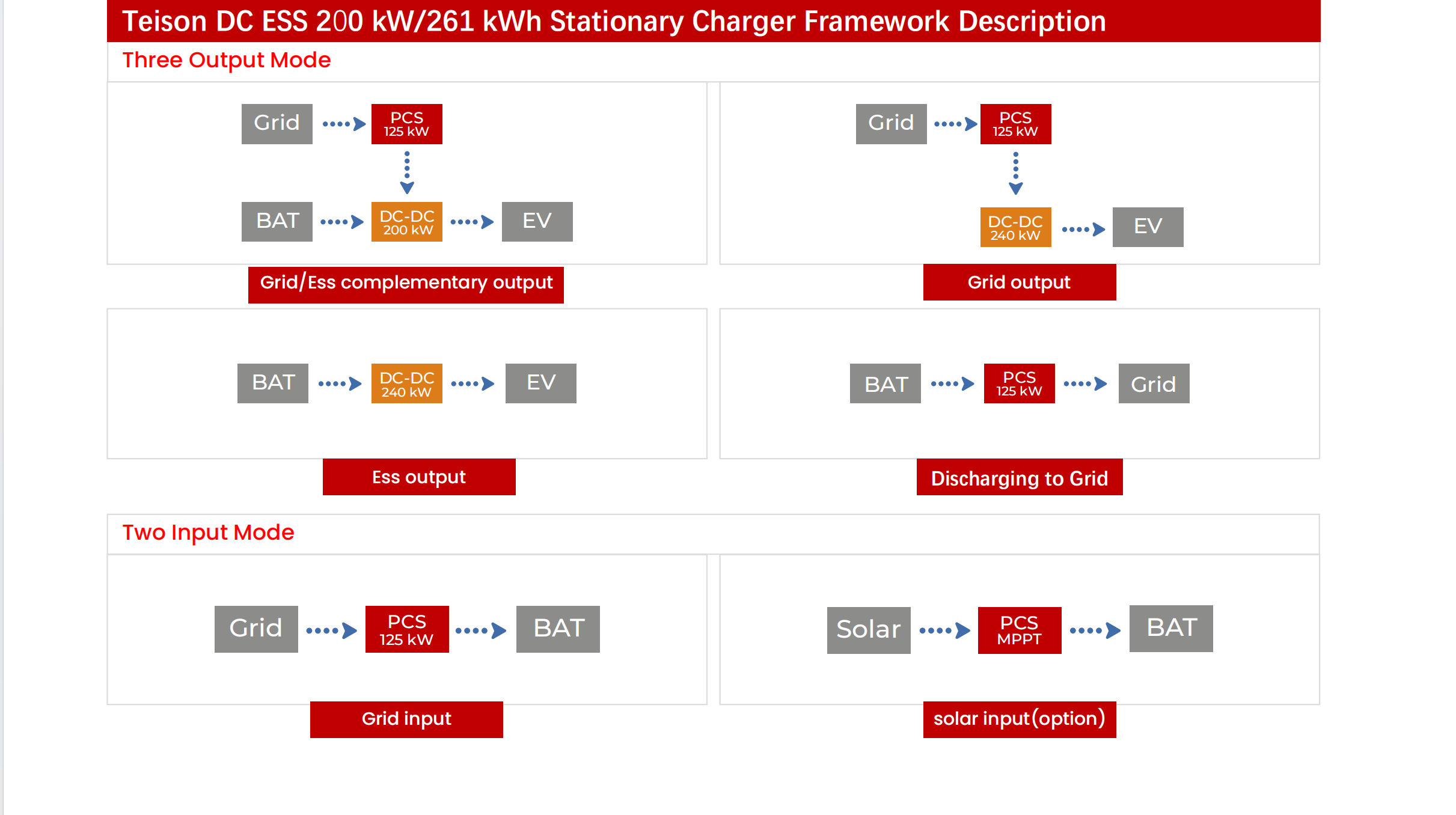
The grid can supply a vehicle directly, recharge the battery, or work together with battery discharge to meet charging demand. An external solar PV array can also be connected through an optional MPPT-equipped power conversion system, giving operators full control over how energy is sourced and used throughout the day.
Traditional solutions require applying for grid capacity expansion, involving transformer replacement, cable upgrades and lengthy approval processes. The AF-GCZ-200-261 supplements peak power demand with battery storage, enabling higher charging output within existing grid capacity and significantly reducing or eliminating grid upgrade investment.
The system charges the battery during off-peak hours when electricity prices are low and discharges it during peak hours to serve vehicles. This arbitrage strategy reduces per-kWh charging costs and improves station profitability.
When multiple vehicles charge simultaneously, instantaneous power demand can exceed grid capacity. The battery acts as a buffer, smoothing power fluctuations, preventing grid stress and reducing demand charges caused by high peak power draw.
With solar PV connected, the system prioritizes solar generation for battery charging or direct vehicle supply, reducing grid electricity purchases. Excess solar energy is stored in the battery and released at night or on cloudy days, maximizing self-consumption and lowering carbon emissions.
During grid outages or power curtailment, the battery serves as a backup power source, maintaining charging service without interruption. This capability is critical for fleet depots and key public charging locations.
The system supports multiple operating modes and switches automatically based on real-time electricity pricing, charging demand, battery state of charge and solar output:
· Grid Direct Charging: Grid supplies vehicles directly; battery on standby
· Battery Discharge: Battery and grid work together to meet peak demand
· Battery Charging: Battery recharges during off-peak hours or when solar generation exceeds demand
· Solar-Storage-Charging Coordination: Solar, battery and grid supply power in a coordinated manner
· Off-Grid Emergency: Battery independently supports charging when the grid is unavailable
Operators can configure mode priorities and trigger conditions based on their operating strategy and local tariff structure.
The system uses lithium iron phosphate (LFP) cells with the following characteristics:
· High thermal stability; resistant to thermal runaway
· Over 6,000 charge cycles at 80% DOD, supporting 10+ years of operation
· Cobalt-free and nickel-free; lower material cost and more stable supply chain
· Integrated Battery Management System (BMS) monitors individual cell voltage, temperature and internal resistance in real time
Although the initial investment of a storage-integrated charging system is higher than a standalone charger, the total cost of ownership is often lower when considering:
· Savings on grid upgrade costs
· Electricity cost reduction through peak-valley arbitrage
· Lower demand charges
· Reduced grid electricity purchases through solar self-consumption
· Avoided revenue loss from grid curtailment
In regions with limited grid capacity or large peak-valley price differentials, the typical payback period is 3–5 years.
The battery provides additional energy during peak periods, preventing charging power limitations caused by insufficient grid capacity and improving station throughput.
Configured around vehicle arrival times, charging windows and available depot power. The battery charges overnight at off-peak rates and discharges during daytime peaks, enabling a "slow-charge storage, fast-charge dispatch" operating rhythm.
Integrates charging, storage and optional on-site solar generation into a single system, providing a one-stop green energy solution for shopping malls, office buildings and hotel parking.
Supports heavy-duty vehicle and machinery charging where grid capacity is limited, avoiding project delays caused by grid upgrade difficulties.
Combines PV generation, battery storage and EV charging in a single installation, enabling local production, storage and consumption of clean energy for zero-carbon or low-carbon charging demonstrations.
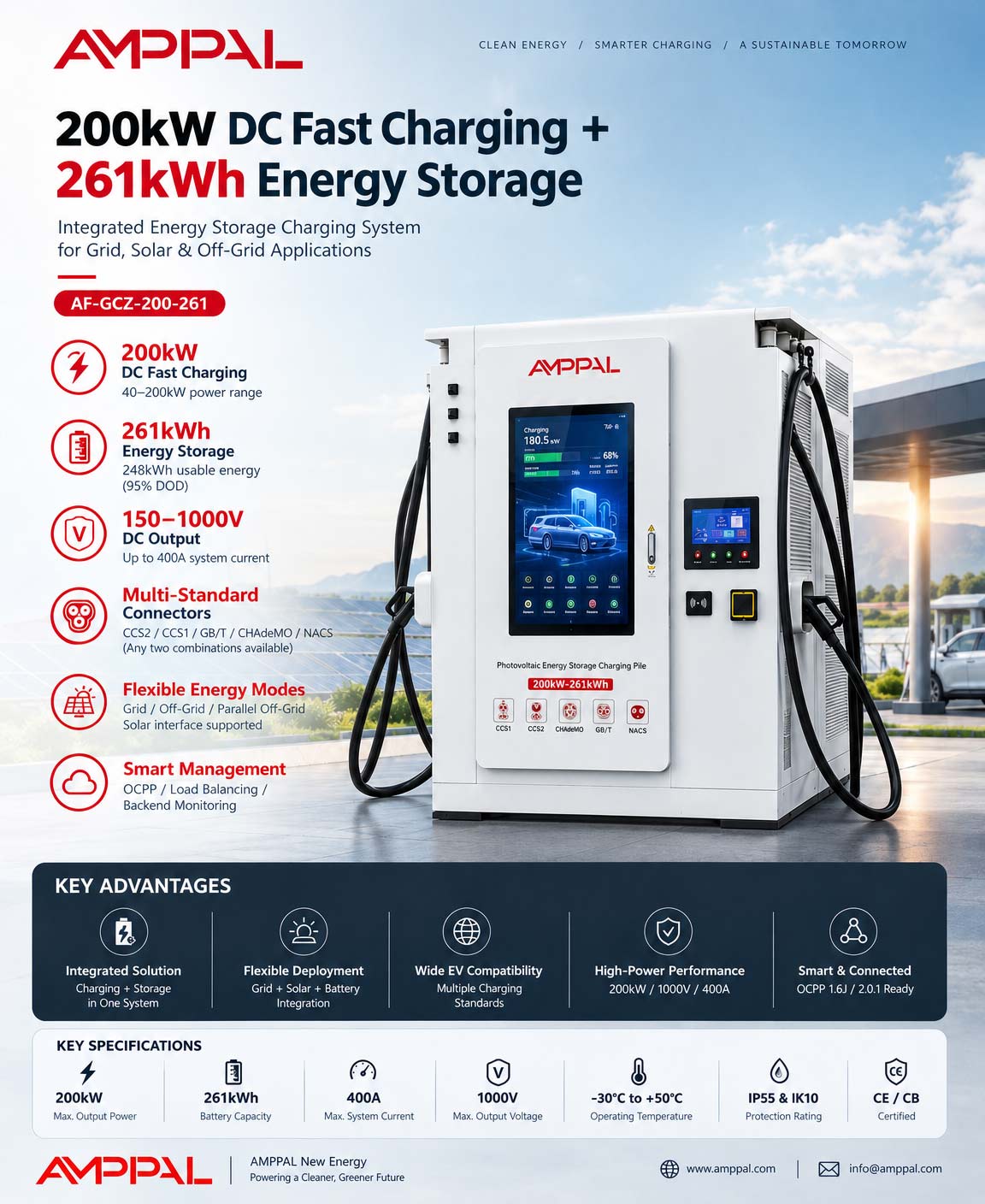
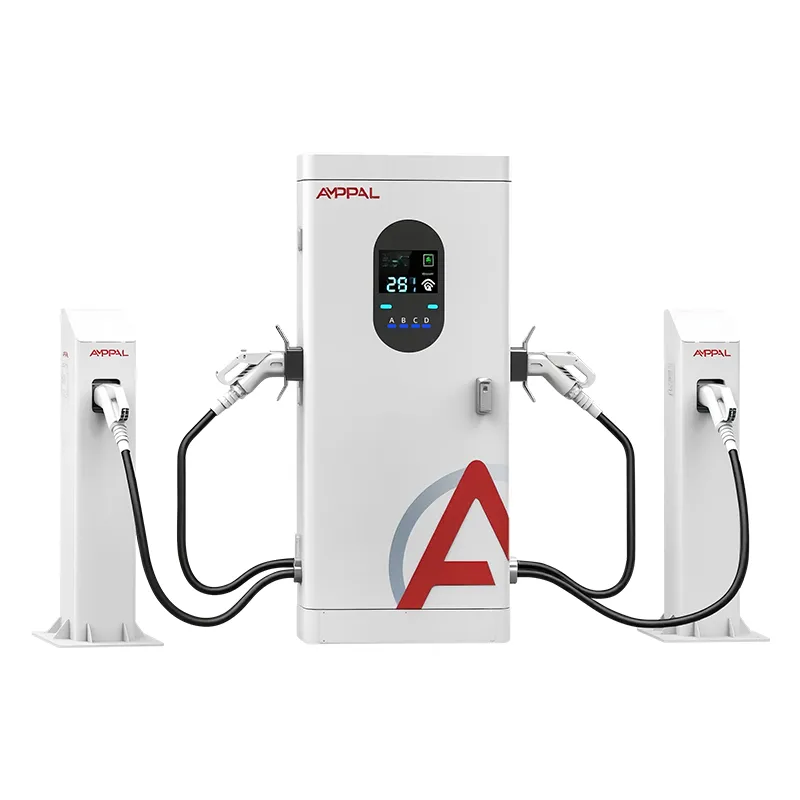
· Total DC output: Up to 200 kW (combined system rating)
· Output when battery is low: Up to 125 kW (grid-only mode)
· DC output voltage range: 150–1000 VDC
· Battery capacity: 261 kWh (LFP)
· Charging outlets: 2 (independently configurable)
· Connector options: CCS2, CCS1, GB/T, CHAdeMO, NACS (any two)
Note: The 200 kW figure is the combined system rating, not the output per outlet. Actual power delivered depends on the vehicle's charging capability, battery state of charge and available system power.
· Protocol: OCPP 1.6J (upgrade path to OCPP 2.0.1)
· Platform: AMPPAL operation platform or compatible third-party OCPP platform
· Authentication: RFID card, QR code, app-based
· Network: Ethernet + Wi-Fi (standard), 4G (optional)
· Remote monitoring: Real-time view of charging status, battery status, energy flow and alarms
· OTA updates: Remote firmware updates without on-site intervention
· Data reporting: Automated reports on charging volume, energy consumption and revenue
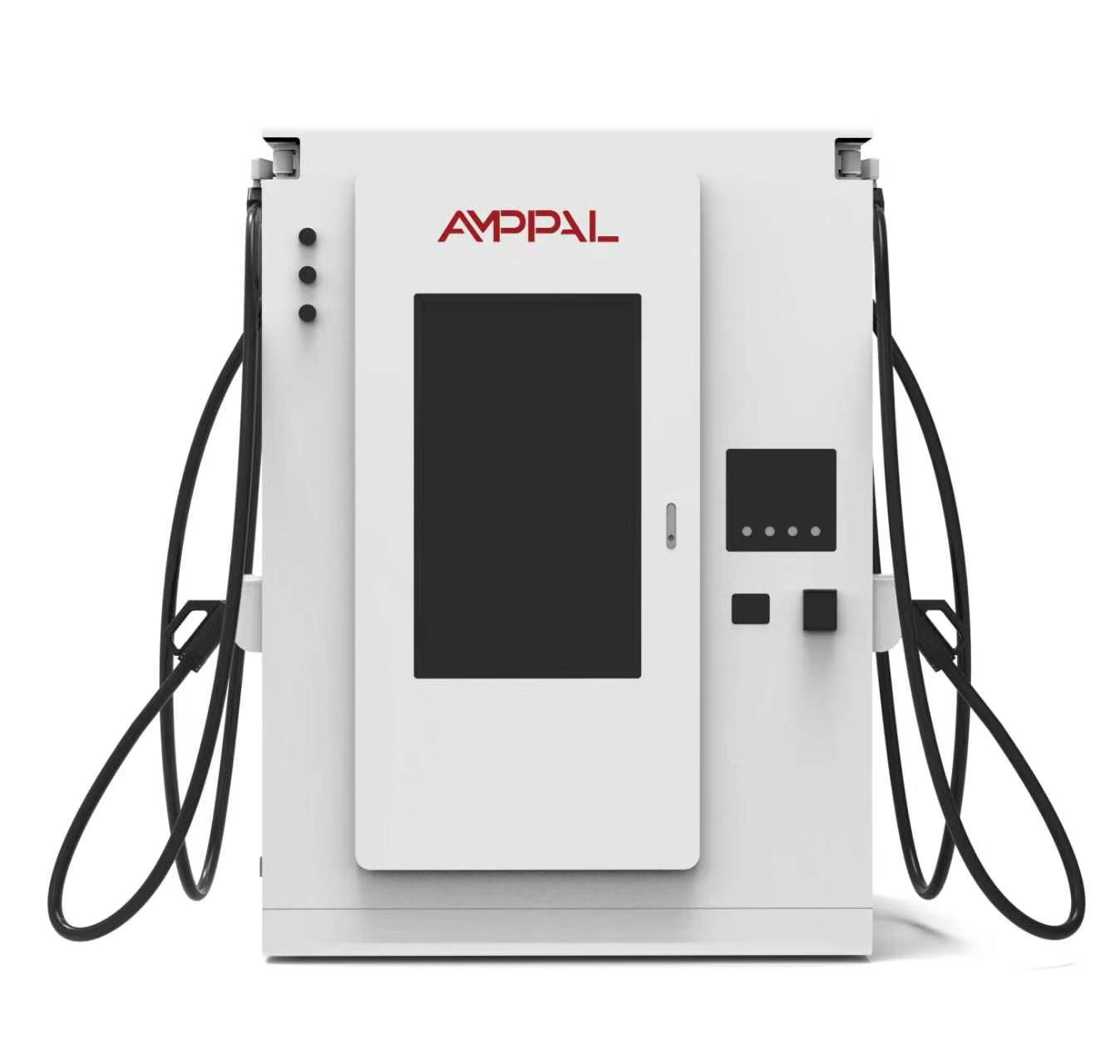
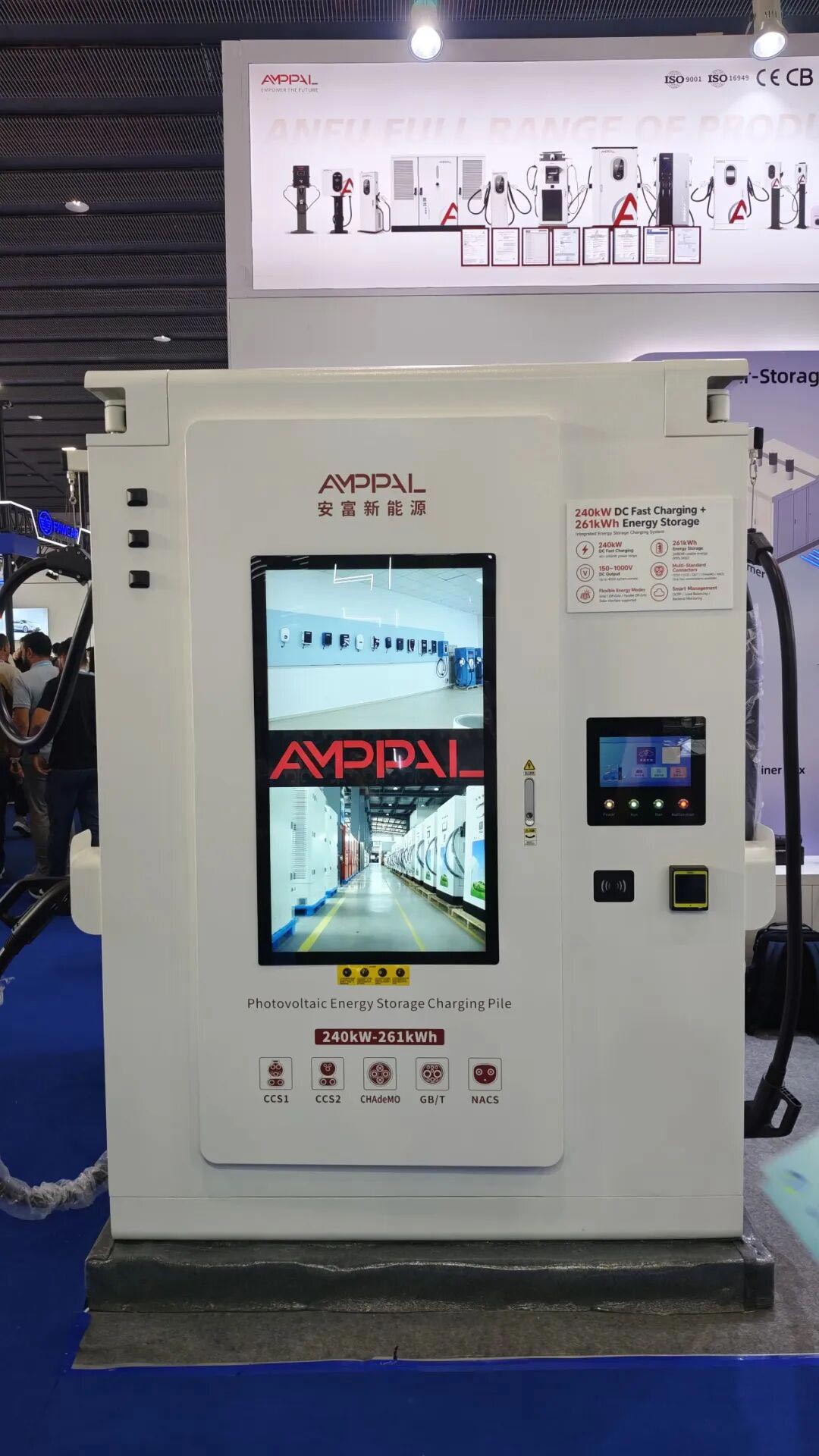
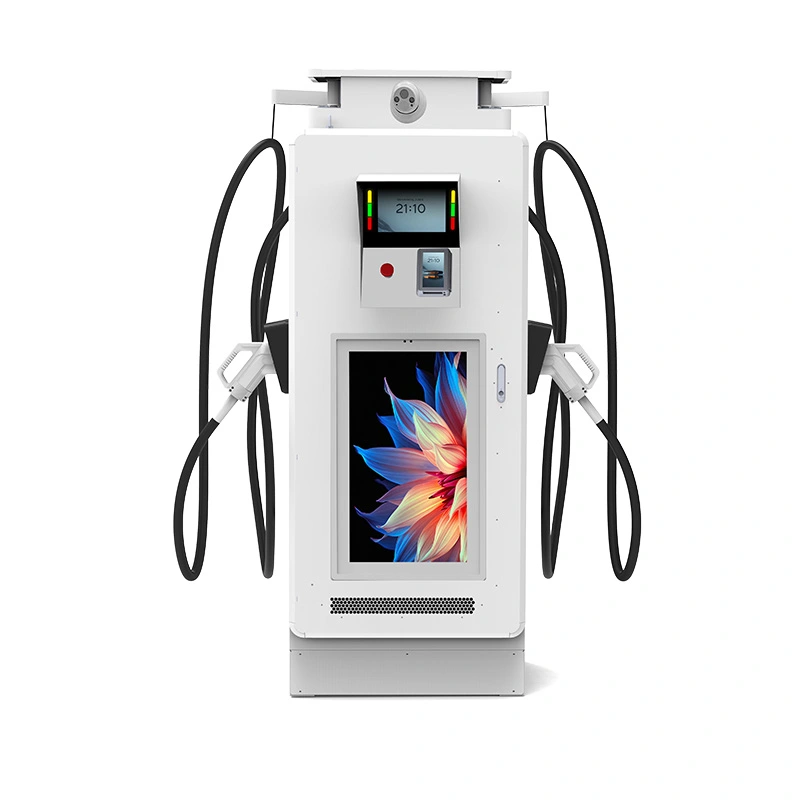
The unit features a large-format display serving both drivers and site operators.
For drivers: Real-time display of charging status, cost, estimated completion time and operating instructions. Multi-language support included.
For operators: Station information, branding and advertising content. Screen content can be updated remotely via the backend without on-site visits.
The display also creates opportunities for value-added services and advertising revenue.
We welcome enquiries from charging network operators, EPC contractors, fleet managers, commercial property owners and distributors.