" "
Whatsapp
A 960kW charger is not a bigger version of a small one. It is a power project with a charger attached, and its success lives in the substation, the transformer, and the cable trays as much as in the rectifier modules.
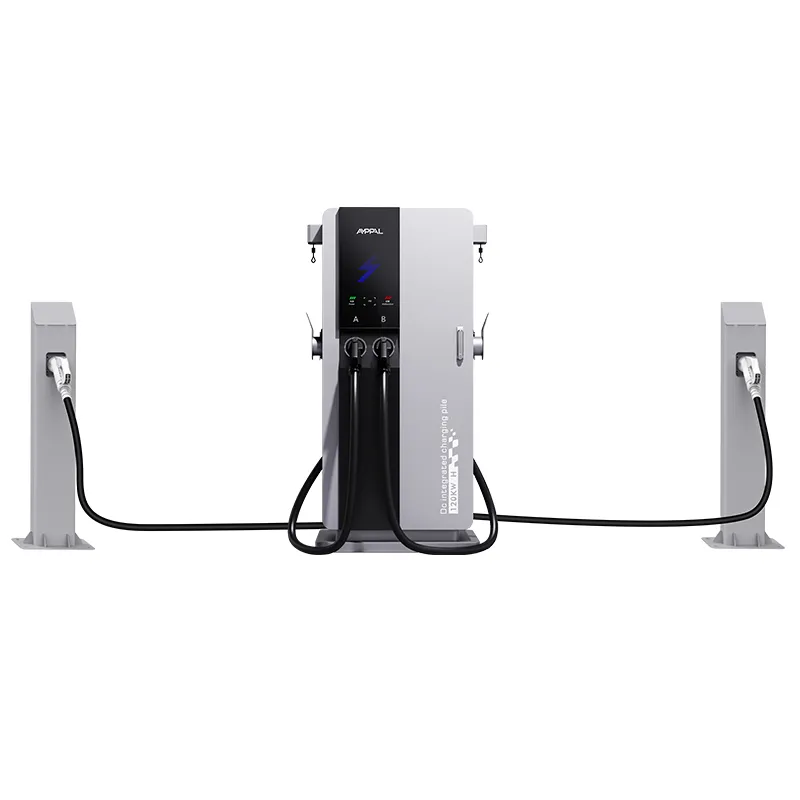
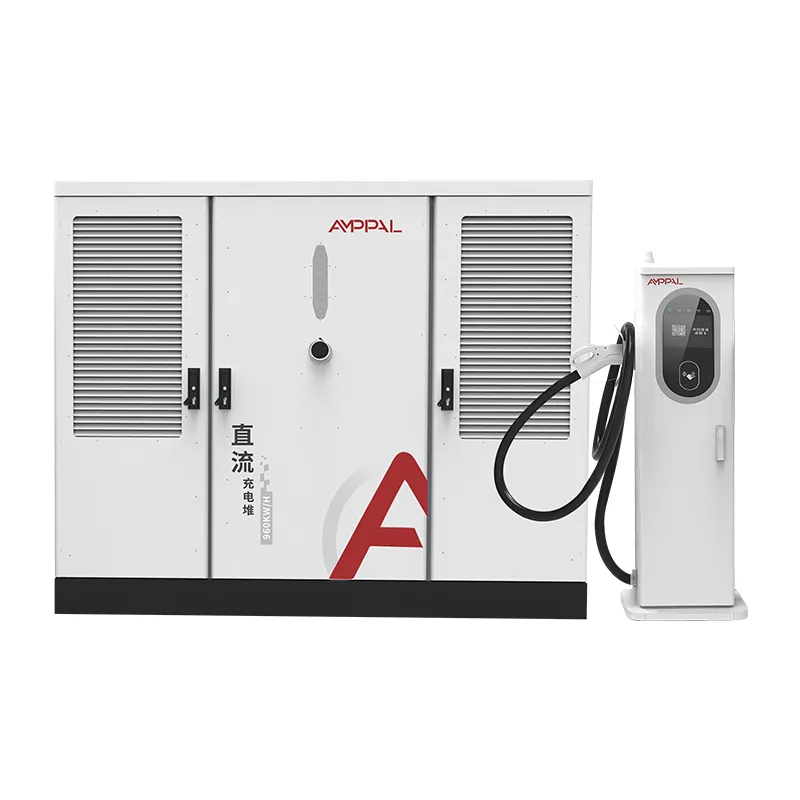
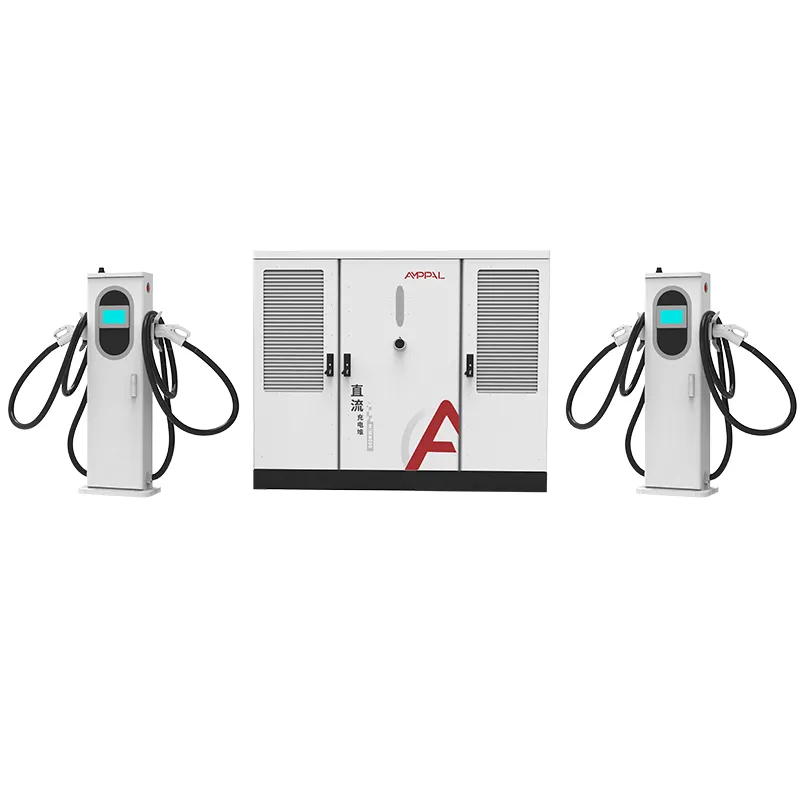
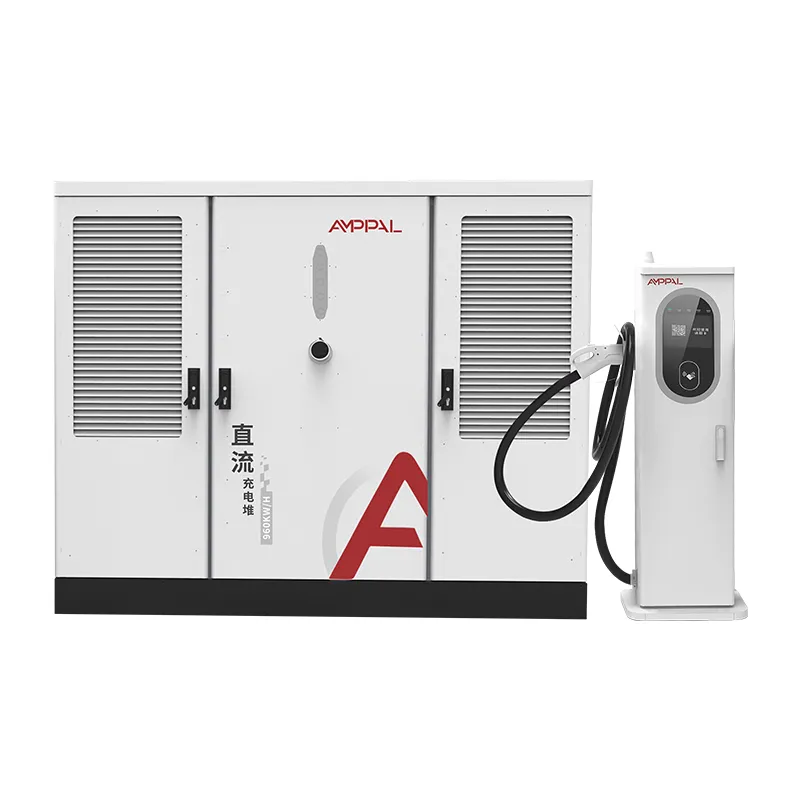
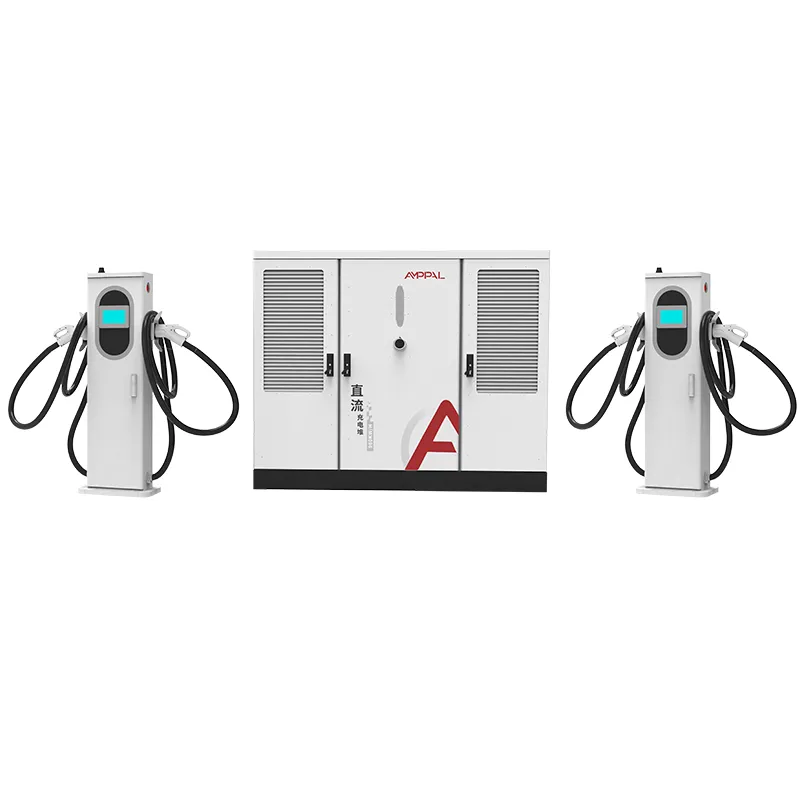
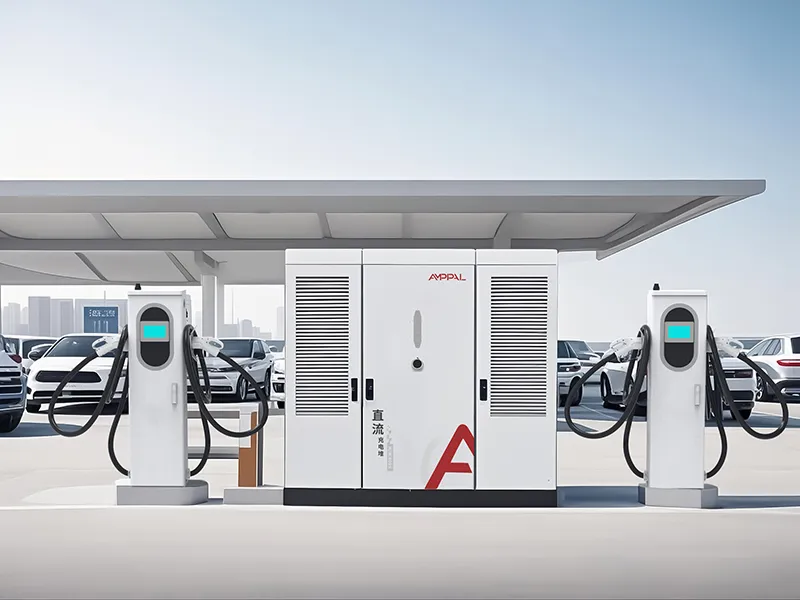
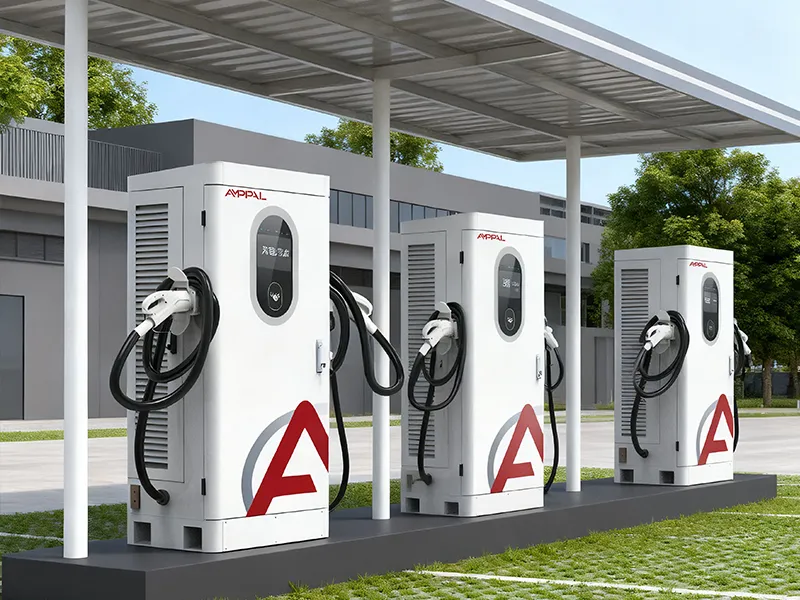
The AF-DC-960-Series concentrates the power conversion in a 2200 x 1800 x 1000 mm cabinet fed by AC480V three-phase, and spreads the output across 2 to 16 terminals. The engineering questions arrive before the container does: feeder size, transformer rating, demand metering, and the construction sequence.
This page covers the numbers a hub developer actually needs, from input capacity to commissioning acceptance, and where we plug in as the manufacturer.
If you are still comparing 120kW units, stop reading here. This system is for operators who have already committed to high-power charging and now need the engineering to back it up.

Before the first drawing, every 960kW project is decided by six figures. Here they are, with the honest reading of each.
960kW at 480V three-phase draws roughly 1,155A at full load, which dictates the feeder and switchgear class from day one.
A 1,250kVA transformer is the typical pairing for 960kW plus station auxiliaries and headroom, depending on utility rules.
Power factor ≥0.99 keeps the reactive component near zero, which matters on tariffs that bill kVA demand rather than kW.
16 guns at 960kW averages 60kW per active session, which clears a queue of about 60 vehicles an hour at full utilisation.
600A liquid-cooled terminals concentrate the highest current on the bays closest to the cabinet, keeping heavy DC runs short.
15-20 working days of factory lead time is the shortest part of the schedule; the transformer and utility approval usually take longer.
And the seventh number, the one nobody prints on a datasheet: the site's distance to the nearest medium-voltage feeder, which decides whether the utility bill includes poles, trenches, or a substation.
|
Parameter |
Specification |
|
Model |
AF-DC-960-Series |
|
Rated Output Power |
960kW |
|
Cabinet Dimensions (mm) |
2200 × 1800 × 1000 |
|
Standard Terminal (mm) |
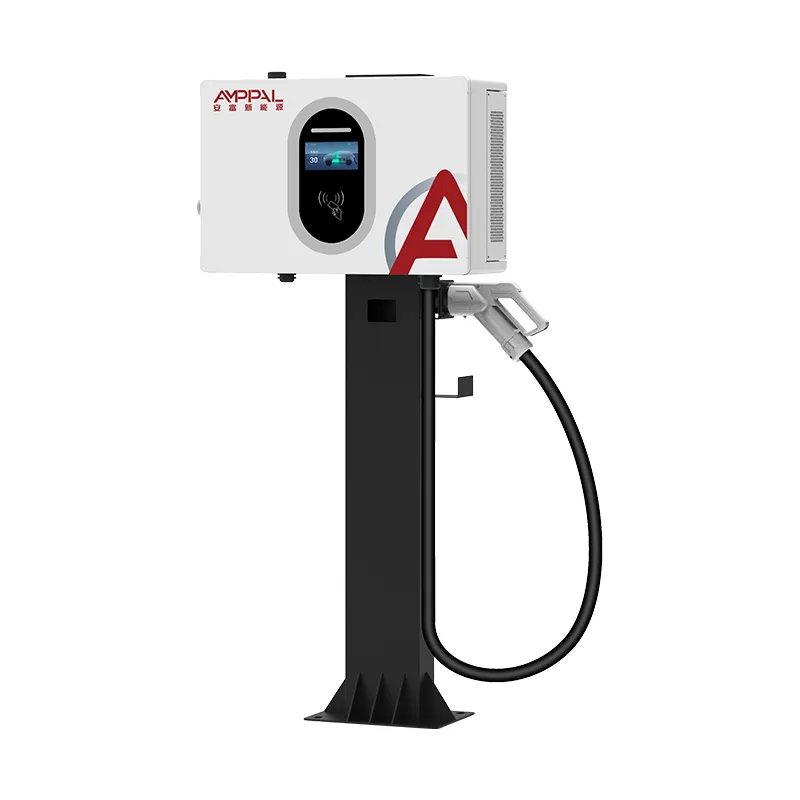
1517 × 650 × 300 (250A) |
|
Liquid-Cooled Terminal (mm) |
1630 × 600 × 500 (600A) |
|
Input Voltage |
AC480V±10%, 50/60Hz |
|
Output Voltage Range |
300-1000VDC constant power |
|
Charging Outlets |
2-16 guns |
|
Standards |
UL 2202-2022, UL 2231-2 |
|
Power Factor |
≥0.99 |
|
Noise Level |
≤65dB |
|
Protection Grade |
IP54 |
|
Operating Temperature |
-25°C ~ +50°C |
|
Warranty |
2 Years Standard |
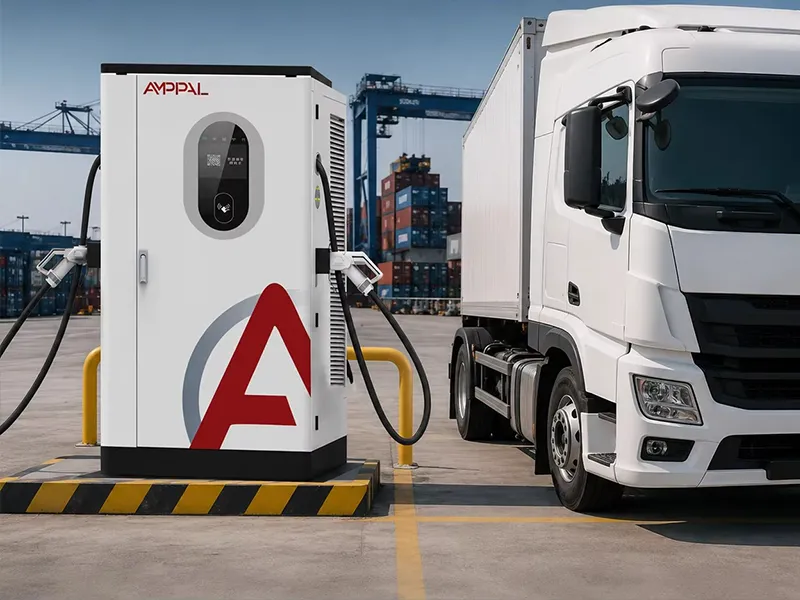
Interstate freight corridors serving electric Class 8 trucks that need 600A sessions back to back.
Utility-adjacent plots where medium-voltage distribution already runs to the property line.
Airport and seaport transfer yards with scheduled vehicle waves rather than continuous trickle traffic.
Depot-hub hybrids where buses, trucks, and passenger cars share one power purchase agreement.
Regional flagship stations that anchor a network's brand and justify a dedicated transformer.
Greenfield industrial parks where the developer can reserve transformer capacity before tenants move in.
The chain starts at the utility medium-voltage connection. A pad-mounted transformer steps down to 480V three-phase, the cabinet's rated input, and the service panel feeds the cabinet through a dedicated feeder sized for roughly 1,155A at full load.
Inside the cabinet, rectifier modules convert the 480V AC to a 300-1000VDC constant-power bus. Power factor correction holds the input at ≥0.99, so the station's reactive draw stays negligible even when modules are idle.
From the DC bus, terminals negotiate their share. A single liquid-cooled terminal can take the entire 960kW pool for a truck session; with 16 cars active, the pool divides into roughly 60kW per session. The output range covers 400V-class cars and 800V-class trucks without reconfiguration.
Station-level control runs over OCPP 1.6 or 2.0, which lets the operator cap the hub during utility peaks and lift it at night.
Grid-scale equipment gets inspected more strictly than retail hardware, so the quality story has to be written in certificates and test logs.
UL 2202-2022 and UL 2231-2 listing covers the cabinet and the full 2-16 terminal range.
IP54 enclosure protection verified by dust and water-jet testing; housings pass a 96-hour salt spray for coastal hubs.
Power factor is measured at full 960kW load on every cabinet and must read ≥0.99 before release.
A 48-hour burn-in cycles the unit through partial and full load, with data logged per serial number.
Follow-up factory audits keep the listing valid for the life of the product, not just the first shipment.
Step 1. Steel coils are punched and laser-cut, then welded into frames by FANUC robot arms.
Step 2. TRUMPF press brakes form the panels; the enclosure is powder-coated and cured.
Step 3. AC distribution, breakers, and metering are wired on the AC line with torque-controlled terminations.
Step 4. Rectifier modules and the allocation controller are installed on the separate DC line.
Step 5. The cabinet is load-tested to 960kW on a resistive bank; efficiency, ripple, and power factor are recorded.
Step 6. A 48-hour burn-in follows, and failed units return to the line for rework and a fresh cycle.
Step 7. Final inspection covers torque, wiring, labels, and serial records.
Step 8. Crating for export; the plant's annual capacity exceeds one million units and 2024 deliveries passed one million.
Confirm the utility agreement first. A 960kW load is a tariff event, not a meter swap; most utilities require an application, a load study, and sometimes a service upgrade, which can take months.
Size the transformer with headroom: 1,250kVA covers the cabinet plus station lighting, HVAC, and future terminals without a second upgrade.
Plan the civil work: a 2200mm-tall cabinet needs a level concrete pad, a cable trench or tray route to the terminals, and an equipment pad within reach of a crane or forklift for the crated unit.
If your project timeline cannot absorb a utility delay, or your site cannot host a dedicated transformer, this is the wrong product for now. A 960kW hub is a permanent piece of infrastructure, and it behaves like one.
Send us the utility's load-study reply when you have it; our engineers will sanity-check the feeder math and the transformer rating against the cabinet's input curve before you order.
One manufacturer for cabinet, terminals, and control software, so the 960kW system is not assembled from three vendors' promises.
UL 2202-2022 and UL 2231-2 listed, plus CE, CB, and TUV for other markets.
OEM/ODM options: branding, connector mixes, cable lengths, and OCPP server configuration.
Delivery in 15-20 working days after drawing approval; MOQ from one container.
Support from a company running 200+ stations itself, including the NEOM green hydrogen project's 500 liquid-cooled units.
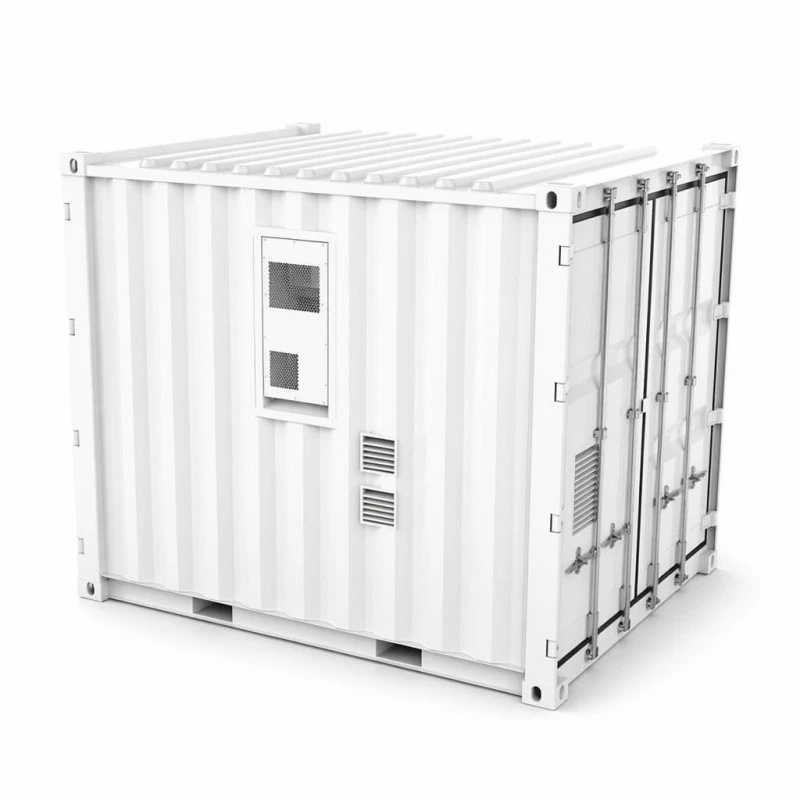
The cabinet is the heaviest item in the shipment: a steel-framed crate near 2300 x 1900 x 1150 mm with four rated lifting points and a rigging diagram inside. Terminals travel on pallets, and liquid-cooled units ship dry with coolant filled on site.
A 40ft high-cube container carries the cabinet plus up to eight terminals; larger terminal counts ship in a second container. We provide FOB Ningbo or CIF quotes, with invoice, packing list, bill of lading, and UL reports issued within 3 working days of loading.
The commissioning guide covers crane and forklift options for the cabinet, pad layout, and the torque schedule for the 480V connection.
Two-year standard warranty on the cabinet, terminals, power modules, and controller.
Cross-ship exchange on warranty failures, with replacement dispatch within 5 working days.
Preventive maintenance kits for hubs: filters, connectors, coolant, and spare control boards.
Remote OCPP diagnostics for load caps, fault logs, and firmware updates across time zones.
Annual service recommendation: torque recheck, filter service, coolant flush every 24 months, and a thermal scan of the DC bus.
Wrong: energizing the cabinet before the utility confirms the service phase and voltage. Right: verify AC480V ±10% on all three phases with a meter, then close in.
Wrong: undersizing the feeder because the hub will 'grow into it'. Right: size the feeder and transformer for the contracted 960kW from day one.
Wrong: placing the cabinet where the crated unit cannot be lifted in. Right: confirm crane or forklift access and pad position before the container arrives.
Wrong: skipping the demand-meter review after commissioning. Right: compare the first month's kVA billing against the ≥0.99 power factor record.
Wrong: treating the 600A terminals as permanent anchors for trucks to pull against. Right: install bollards and guide the cable by hand.
A freight corridor operator in California, United States runs a 960kW hub with six liquid-cooled terminals for Class 8 trucks. Nine months in, the station delivers a 20-80% truck charge in about 90 minutes, and his only complaint is the utility's demand meter showing a monthly standby charge he had not budgeted for.
A bus depot in Warsaw, Poland pairs the 960kW cabinet with ten air-cooled terminals. The depot manager praises the power factor performance on his bill, but notes the commissioning took five days instead of the planned three because the local grid operator required an extra protection study.
A developer in Dubai, UAE built the hub around a 1,250kVA transformer and reports the electrical acceptance passed on the first inspection. His reservation: the cabinet's footprint forced a small redesign of the equipment room door, which he would have avoided by checking the crate dimensions against the opening before civil works.
A: Roughly 1, 155A at 480V three-phase at full load; the feeder, switchgear, and transformer are sized for the contracted capacity.
A: Typically 1, 250kVA for the cabinet plus auxiliaries and headroom, confirmed against your utility's rules.
A: At ≥0.99, reactive demand stays negligible, which avoids kVA-based demand charges on many commercial tariffs.
A: Yes, mixing 600A liquid-cooled terminals for trucks and 250A air-cooled terminals for cars.
A: Typically 3-5 days on site including the utility's protection checks, assuming civil work is complete.
A: We recommend a small auxiliary feed for lighting and controls, but the cabinet itself takes the main 480V service.
A: AC480V ±10% at both 50Hz and 60Hz, covering most markets using the 480V class.
A: 15-20 working days after drawing approval, with the transformer and utility work running in parallel on your side.
Address
No. 237, Weisan Road, Yueqing, Zhejiang, China
Tel
Talk Directly to Our EV Charger Factory
Get factory-direct pricing, custom solutions, and expert support.
- Fast Response – Reply within 24 hours.
- OEM/ODM – Flexible customization and sample orders.
- Certified Quality – CE, TÜV, CB, and CCC options.
- Custom Quotes – Tailored to your specifications.
- Technical Support – Expert help with OCPP, DLB, and system integration.