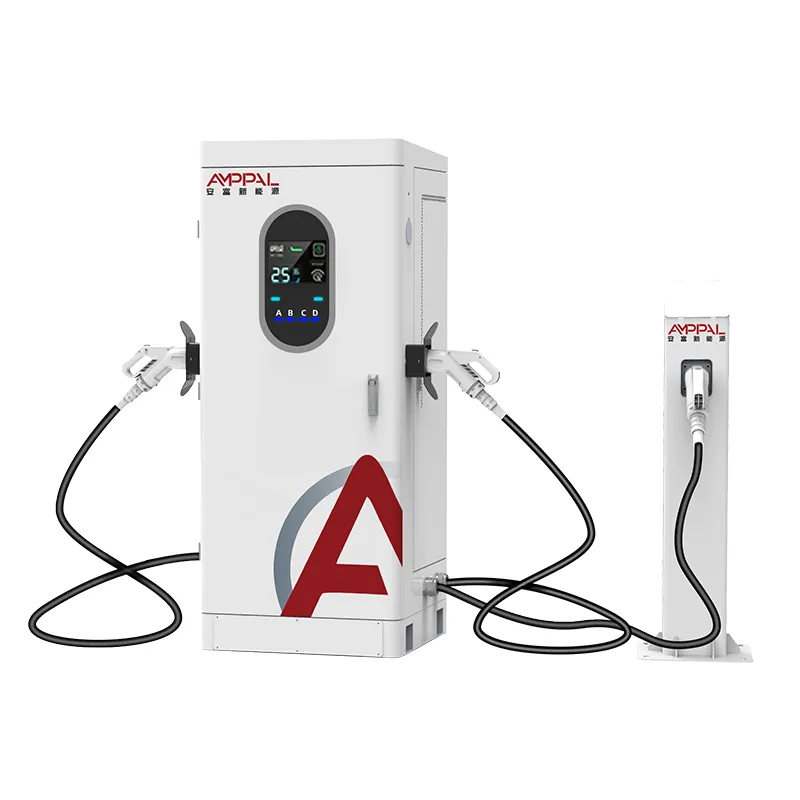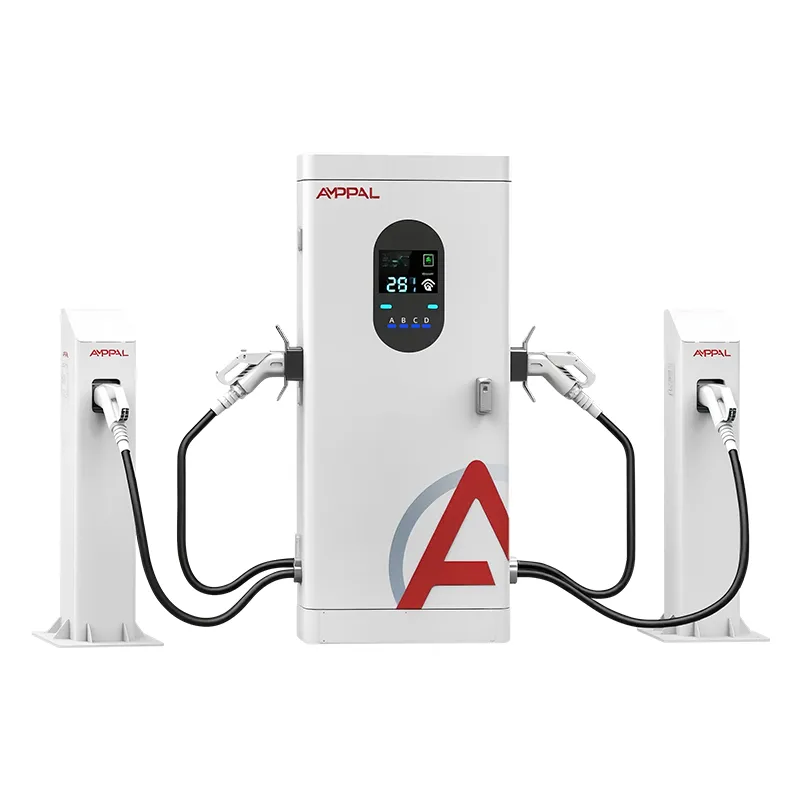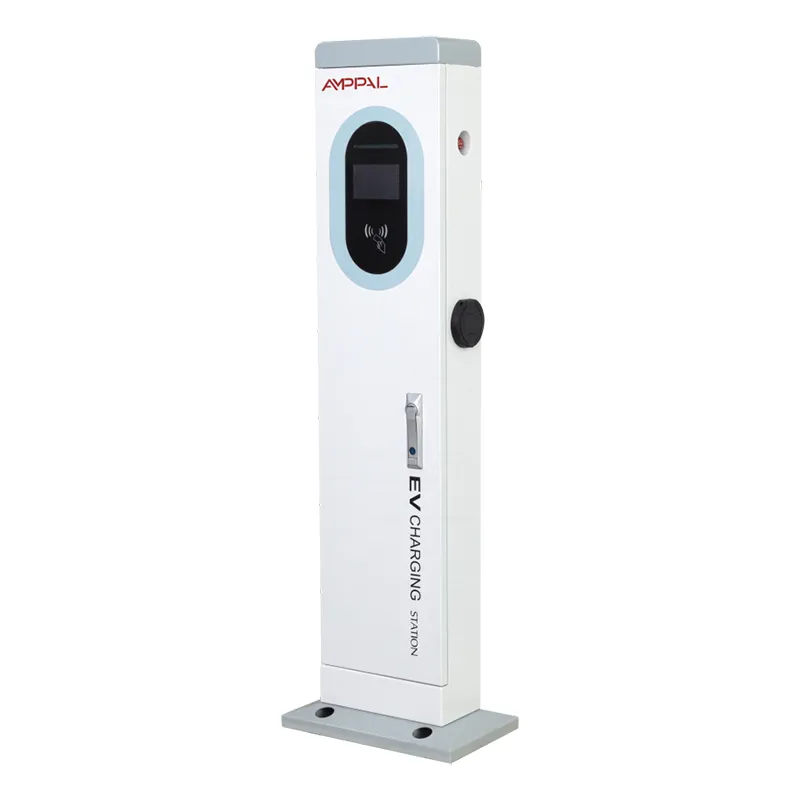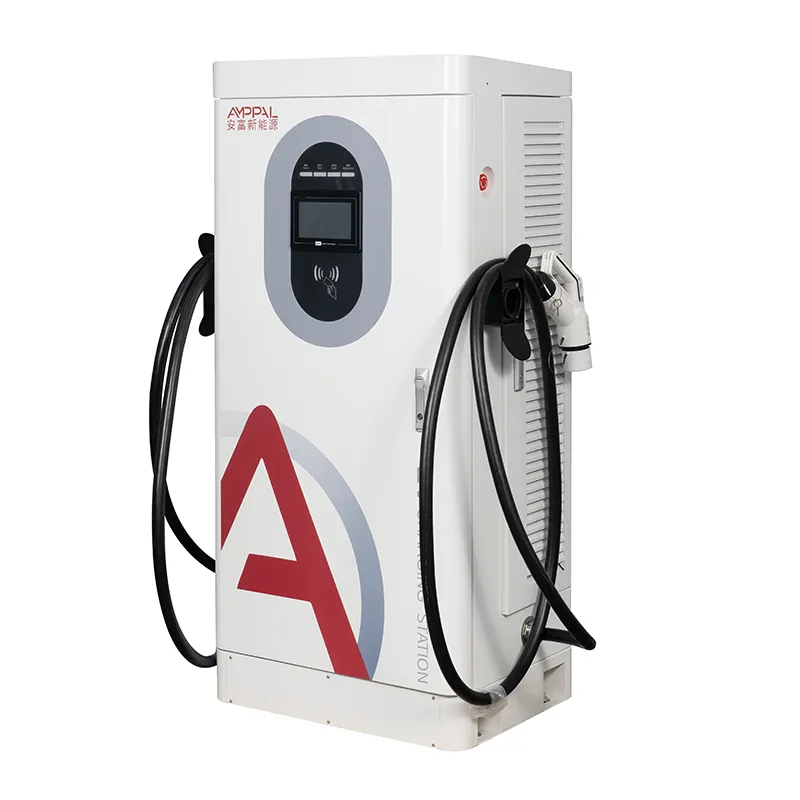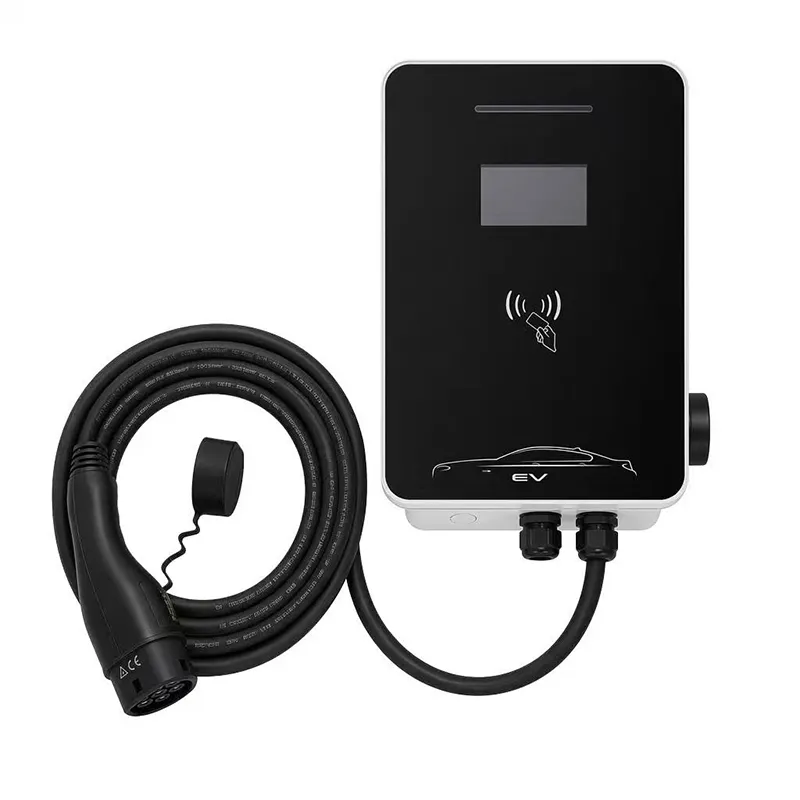
Many residential and small‑scale commercial locations face physical limitations when installing EV charging hardware. Traditional wall‑mounted EV chargers often require generous wall real‑estate, making them impractical for older apartment basements, narrow parking bays and compact office parking spaces. 3.5kW Compact Wallbox AC EV Charger for Home and Office Charging brings a tiny footprint while maintaining full Mode 3 safety compliance, opening charging possibilities for sites ruled out for standard‑size wall‑boxes. This article walks through physical advantages, engineering design, suitable installation environments, quality validation processes and real‑world deployment feedback for compact AC wall‑box hardware.
On This Page — Click links to jump to section
1. Core Physical Benefits Of Ultra‑Compact Wall‑Box Form Factor2. Inside The Compact Unit: Hardware And Thermal Engineering
3. Ideal And Non‑Ideal Installation Sites
4. Testing And Manufacturing Workflow
5. Real‑World Deployment Observations From Global Installations
6. Practical Installation Guidelines To Avoid Common Mistakes
7. Frequently Asked Questions
1. Core Physical Benefits Of Ultra‑Compact Wall‑Box Form Factor
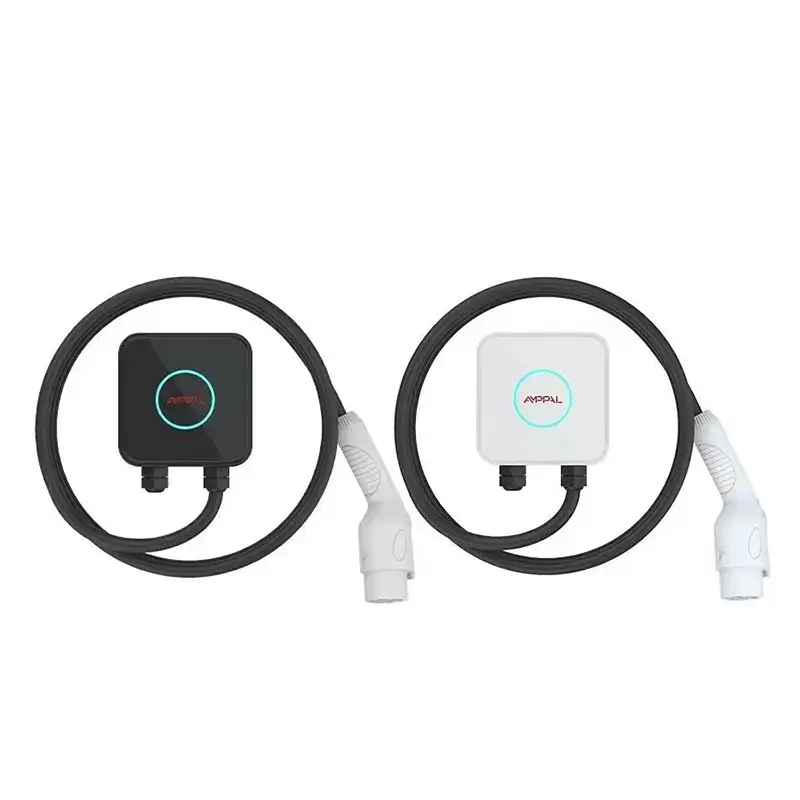
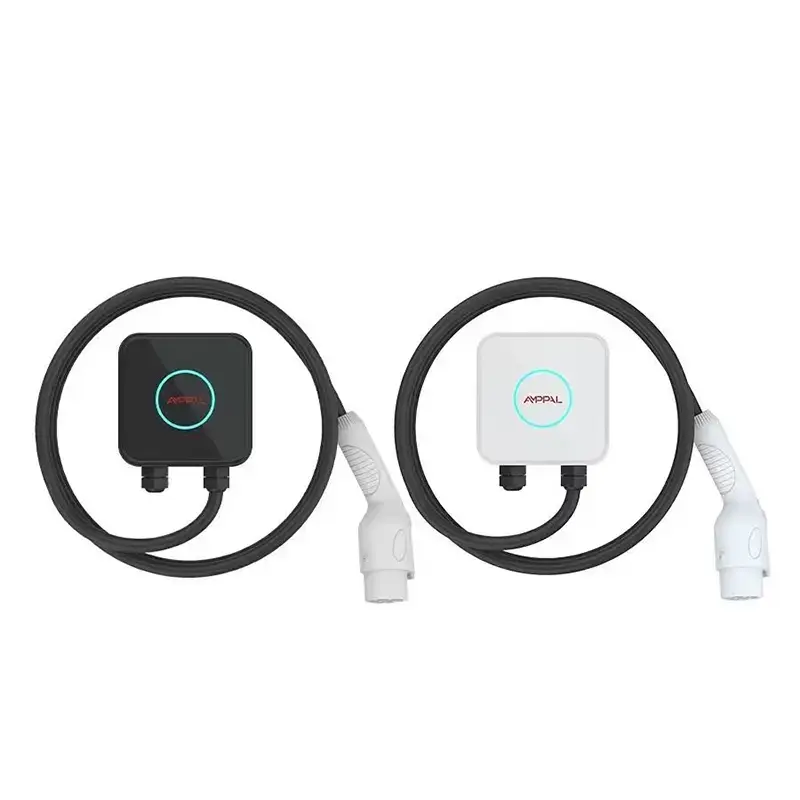
Most standard AC wall‑mount EV chargers occupy substantial wall space and considerable depth from wall surface. For many older multi‑family buildings, basement parking spots, narrow office parking zones and holiday cottage locations, available wall mounting room becomes a hard barrier to adding EV charging capability. A unit with outer dimensions of merely 150 × 150 × 65 mm fundamentally changes installation constraints for these sites.
The shallow depth of the unit creates several practical on‑site advantages. It protrudes very little outwards, so it will not obstruct foot traffic in narrow corridors or basement stairwell landings. Contractors have documented successful installs where this compact hardware fits inside existing metal distribution cabinets, removing the requirement for new masonry work or external weather housings.
Light unit weight around one kilogram simplifies mounting work. Instead of requiring heavy‑duty concrete anchor points, it can fasten securely onto plasterboard or brick surfaces using standard four‑screw fixtures. This characteristic makes relocation straightforward for rental parking positions where property rules prohibit permanent heavy fixtures. Cable conduit routing also becomes cleaner, with cable entry points positioned close against wall plane to minimise exposed wiring runs.
Even with its reduced footprint, 3.5kW Compact Wallbox AC EV Charger for Home and Office Charging retains full‑feature Mode 3 charging functionality, without stripping away critical safety controls found on larger wall‑box models.
2. Inside The Compact Unit: Hardware And Thermal Engineering
This charger follows IEC 61851‑1:2017 Mode 3 architecture. It does not perform AC‑to‑DC power conversion; that conversion task remains handled by the on‑board converter built inside the connected electric vehicle. The wall‑box focuses entirely on safe charging session orchestration: pilot signal communication, relay actuation, earth continuity monitoring, fault detection and automatic session termination on error conditions.
Removing internal DC power conversion hardware allows the dramatic enclosure shrinkage. Thermal management receives careful engineering despite small volume. Full‑load power dissipation stays modest, and internal ribbed casing geometry functions as passive heat dissipation surface, eliminating requirement for noisy cooling fans. The housing material is UL94 V‑0 flame‑retardant thermoplastic, a meaningful safety feature for shared basements and enclosed parking environments where fire risk deserves priority consideration.
Protection grade IP54 delivers resistance against dust ingress and water splashes. It is not built for permanent direct horizontal rain exposure, but copes reliably with splashing, garage condensation and occasional hose‑cleaning events. Circuit boards receive conformal coating as standard factory treatment, improving survivability in humid coastal garage environments where moisture commonly reduces electronic hardware lifespan.
Key built‑in protection characteristics
- Earth continuity continuous monitoring before and throughout charging sessions
- Relay‑based hardware cut‑off on fault conditions
- Conformal coated circuit board for humid ambient operating locations
- UL94 V‑0 flame retardant thermoplastic enclosure
- IP54 dust and splash resistance rating
3. Ideal And Non‑Ideal Installation Sites
Compact form factor does not make this charger universally suitable for every EV charging scenario. Understanding its operating boundaries helps property managers, installers and end‑users set realistic expectations before hardware purchase.
Locations that gain maximum benefit include narrow basement private parking bays inside older European and Southeast‑Asia apartment complexes, secondary homes and holiday cottages running 16‑amp single‑phase supply, rented parking spots requiring easily removable charging hardware, garage walls shared alongside boilers and utility equipment, plus small‑scale fleet pilot deployments where operators want low‑commitment trial installations before rolling‑out larger capacity stations.
Scenarios where this hardware is not appropriate: vehicles expecting high‑speed multi‑phase charging, premises exclusively supplied by three‑phase grid without usable single‑phase 220VAC circuit, drive‑way locations requiring rapid daytime charging turnaround for high‑mileage daily travel. In these use‑cases higher‑power 7kW, 11kW or 22kW wall‑box options represent more suitable choices.
When site electrical infrastructure matches its requirements, 3.5kW Compact Wallbox AC EV Charger for Home and Office Charging fills an often‑overlooked charging niche where physical space is scarcer than raw charging power output.
4. Testing And Manufacturing Workflow
Quality assurance forms a critical component for safety‑focused EV charging hardware. Every unit follows structured production and validation workflow inside Zhejiang‑based manufacturing facilities.
Production stages start with automated SMT PCB assembly, followed by conformal coating application and curing. Relay, sensor and MCU components assemble into rear half of thermoplastic housing. Cable glands and charging cable fit with torque‑controlled fastening procedures to avoid loose connection risks. Every completed hardware unit goes through automated functional testing using simulated vehicle load conditions at 230V supply voltage. One hundred‑percent of manufactured units pass high‑potential dielectric testing plus earth‑continuity safety checks. After visual inspection and laser‑etched serial‑number marking, units receive packing with mounting hardware and quick‑start documentation. Batch samples undergo 24‑hour burn‑in validation before pallet‑shipping.
Beyond unit‑level production testing, representative samples complete independent lab validation: 96‑hour salt‑spray corrosion testing, and 500 000‑cycle relay endurance testing. Facility holds external notified‑body audits supporting CE, TUV and CB certification scope for EV charging product portfolio. These layered test procedures help reduce early‑life field failures for international shipments across diverse climate zones.
Logistics and order flexibility
Individual unit carton dimensions are compact at 210 × 210 × 120 mm, gross weight approximately 1.6 kilograms, making courier air‑shipping economical for sample quantities. Sea‑freight volume efficiency is strong: one 20‑foot container holds roughly 1200 units arranged across shrink‑wrapped pallets. OEM and ODM customisation options exist for logo marking, cable length adjustment and connector variant selection starting from volume order thresholds. Standard lead‑time for stock configurations runs 15‑20 working‑days, while sample orders can dispatch within 3‑5 working‑days via air courier. Trade terms support EXW, FOB Ningbo / Shanghai, CIF for most destination territories, and documentation packages include CE declaration of conformity, test‑reports, factory inspection paperwork for customs clearance needs.
5. Real‑World Deployment Observations From Global Installations
Field feedback gathered from property managers, EV dealers and private owners across multiple countries reveals practical insights that specifications sheets alone cannot communicate.
One Warsaw‑based property management team deployed six units within a nineteen‑seventies apartment building basement. Existing full‑size chargers physically could not fit between fuse‑boards and basement stair‑cases. The compact enclosure solved the spatial challenge. Their only noted feedback was stock 5‑metre cable proved insufficient for the furthest parking bay, so subsequent batches ordered 7‑metre cable variant.
A Penang car dealer uses these compact wall‑boxes as showroom demonstration hardware. Visitors can quickly grasp how small‑scale charging hardware performs by visual comparison against everyday paperback book dimensions. Minor real‑world observation: bright LED status ring creates light pollution inside darkened showrooms; staff simply apply tape over LED ring for night‑time hours as simple workaround.
A Bavaria camper‑vehicle owner installed one unit at garden‑shed location on 16‑amp single‑phase circuit. It endured one full winter cycle including rain and minus‑eight‑degree frost without fault events. Installer reminders emphasise professional electrician commissioning remains strongly advised regardless of hardware robustness.
These real‑world stories illustrate how compact charging hardware solves tangible pain‑points that larger wall‑box designs cannot address, even when raw charging power output stays moderate. At this point it is worth mentioning AMPPAL delivers factory‑origin charging hardware to over forty global markets.
6. Practical Installation Guidelines To Avoid Common Mistakes
Even robust hardware can encounter shortened service‑life or safety risks if installation work ignores fundamental requirements. Several recurring installer mistakes appear across field deployments, worth highlighting for electricians and project planners.
Never cover rear ventilation space: do not mount unit flush tight against solid wooden panel. Maintain minimum 30 mm clearance top and bottom for passive heat dissipation. IP54 rating protects against moisture, it does not compensate for blocked heat exhaust paths.Hard‑wire to dedicated 16‑amp circuit fitted with type‑A or type‑B 30 mA RCD protection. Do not connect via domestic socket plus adapter setup; earth‑continuity monitoring will not operate correctly in that configuration.
Fully uncoil charging cable during charging sessions. Tightly coiled cable under load builds heat and can trigger thermal cut‑off events.
Avoid mounting where unit receives continuous driving horizontal rainfall. IP54 handles splashes; continuous heavy horizontal rain can overwhelm gasket sealing over long‑term exposure. A simple overhead shelter or canopy greatly extends service‑life for semi‑outdoor mounting positions.
Prevent vehicle tyres rolling over charging gun connector. Use gun holder hardware included in kit, to keep contact pins dry, clean and undamaged.
Routine user‑side maintenance stays minimal: inspect cable sheath for cuts occasionally, retighten wall mounting fasteners periodically, blow loose dust from enclosure at twice‑year intervals. Dealer‑focused extended‑warranty and on‑site service contract options exist for markets such as Germany, France and UAE.
7. Frequently Asked Questions
Can this charger connect directly to regular household wall socket?
No. It requires hard‑wiring onto dedicated 16‑amp circuit protected by residual‑current device. Socket‑adapter connection bypasses critical earth‑continuity monitoring functions built into the safety architecture.
How much driving range can this charger add per charging hour?
Approximately 14‑15 km of range per hour under 230V operating conditions. A 30 kWh battery pack will typically reach full charge in roughly 8.5 hours of continuous charging session.
Does the thermoplastic housing meet flame‑retardant requirements?
Yes, material specification is UL94 V‑0 grade flame‑retardant thermoplastic, which is relevant safety characteristic for enclosed shared‑parking basement environments.
Can hardware be installed outdoors?
Only when positioned underneath roof or shelter overhang. IP54 rating resists splashes and dust, it cannot sustain long‑duration horizontal driving‑rain exposure without shelter overhead.
What EV vehicle types can this wall‑box support?
All Mode 3 AC‑compatible electric vehicles, match connector hardware variant (Type 1 / Type 2 / GB/T) to regional market vehicle standards at time of ordering.
Why is rated current limited to 16A, not higher 32A?
The 150×150×65 mm enclosure thermal budget optimised for 16‑amp continuous operation. For higher‑current requirement, matching‑form‑factor 7 kW variant addresses 32‑amp scenarios.
Can the unit get removed and reinstalled onto different rental‑property location?
Yes. Four mounting‑screws secure unit onto wall, plus standard 16‑amp hard‑wired termination. Qualified electrician completes relocation work within approximately 20 minutes.
Small‑form‑factor AC wall‑boxes fill an important, frequently overlooked charging segment. Many building sites are perfectly electrically ready for EV charging, yet physical wall‑space restrictions block deployment of conventional‑size hardware. Compact charging equipment unlocks EV‑charging access for apartments, secondary homes, rental parking and small‑office locations where larger wall‑boxes simply cannot physically fit. Even with moderate power output, when dwell‑time is long (overnight, full work‑day parking), 3.5 kW delivers practical charging results for plug‑in hybrid and moderate‑capacity battery electric vehicles.
When evaluating charging hardware for constrained‑space locations, balancing physical dimensions, safety compliance, real‑world climate survivability and installer‑friendly mechanical design is equally as important as raw power rating. 3.5kW Compact Wallbox AC EV Charger for Home and Office Charging brings together all those elements into one tiny enclosure.