" "
Products
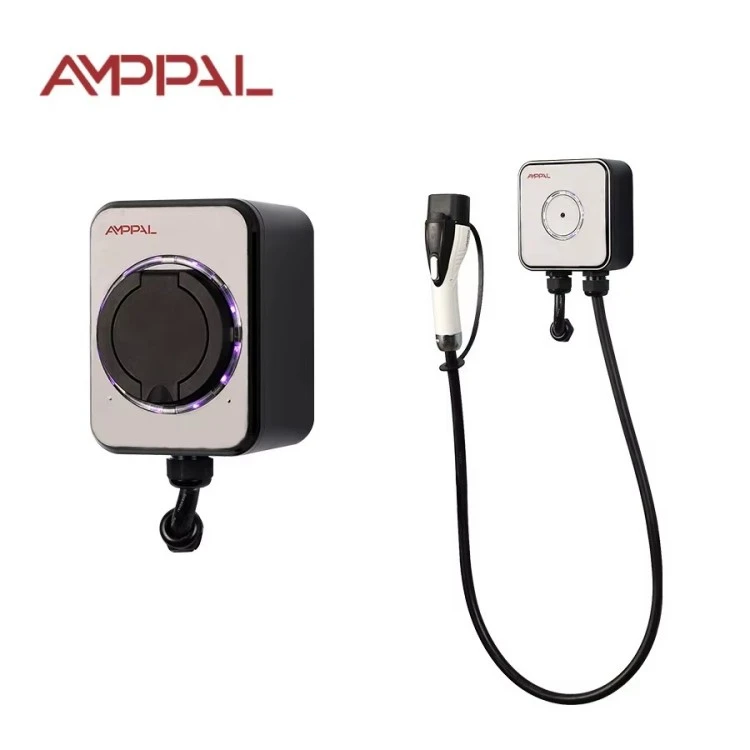
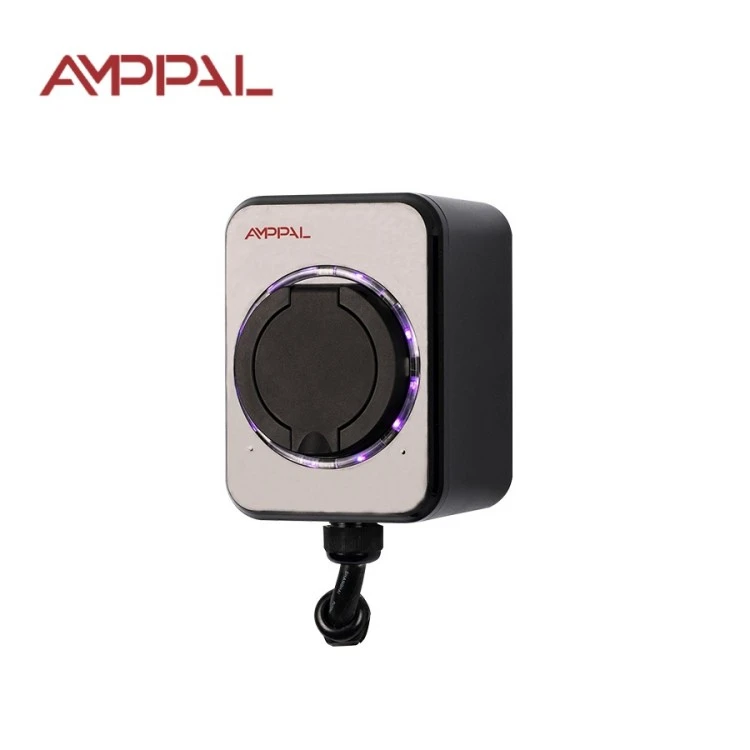
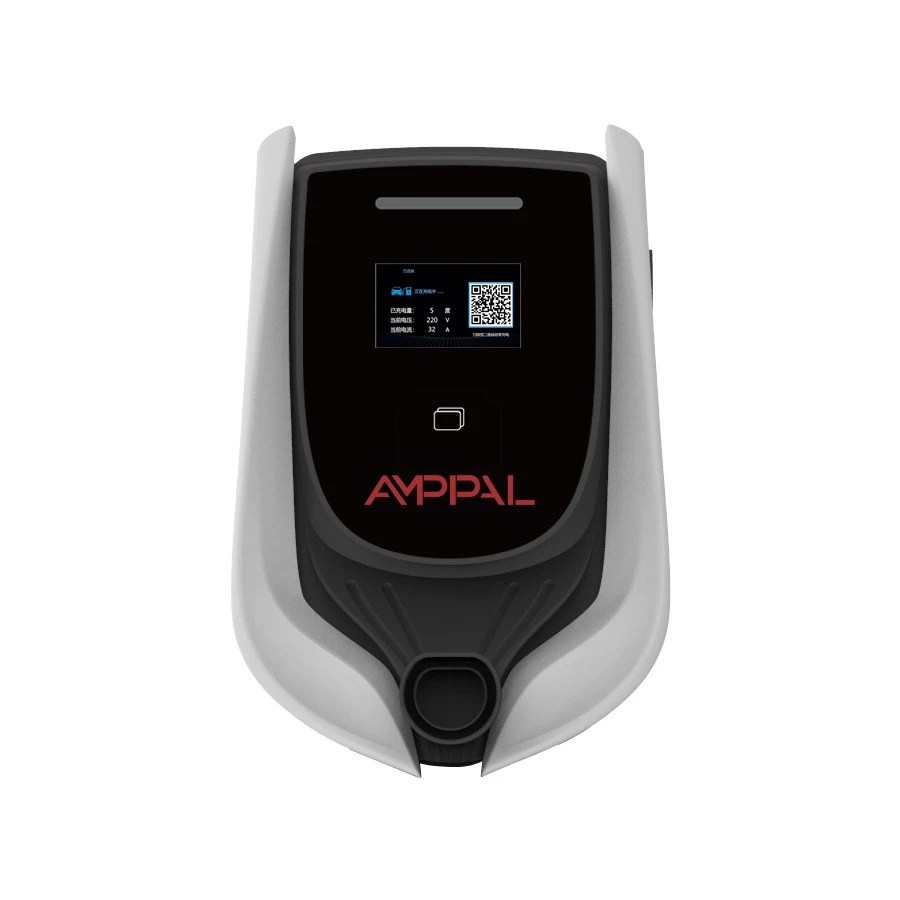
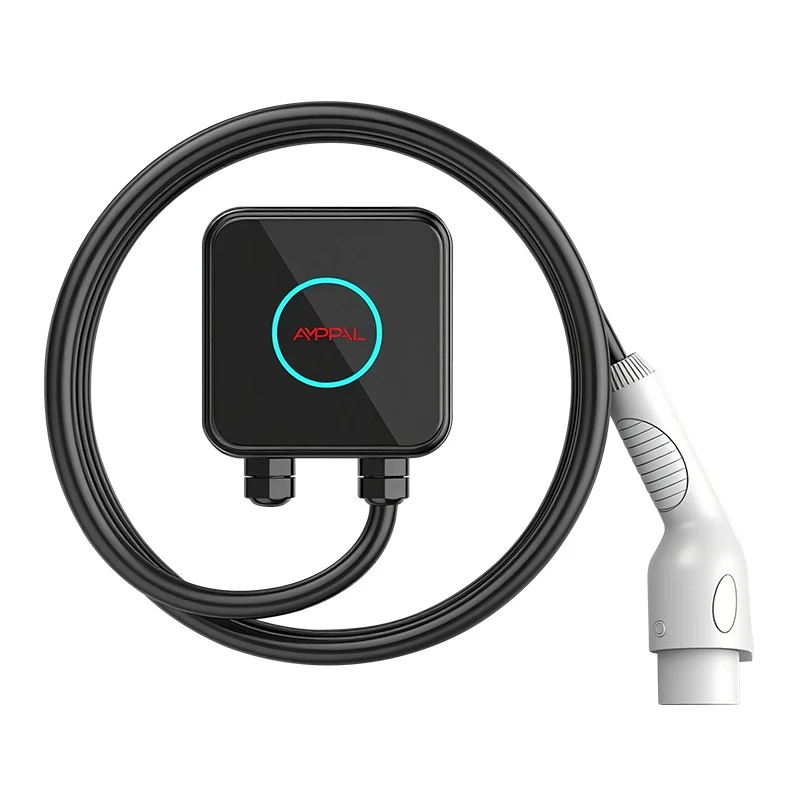
11kW AC Wallbox EV Charger for Residential and Workplace Charging
  • 11kW AC Wallbox EV Charger for Residential and Workplace Charging11kW AC Wallbox EV Charger for Residential and Workplace Charging
  • 11kW AC Wallbox EV Charger for Residential and Workplace Charging11kW AC Wallbox EV Charger for Residential and Workplace Charging

11kW AC Wallbox EV Charger for Residential and Workplace Charging

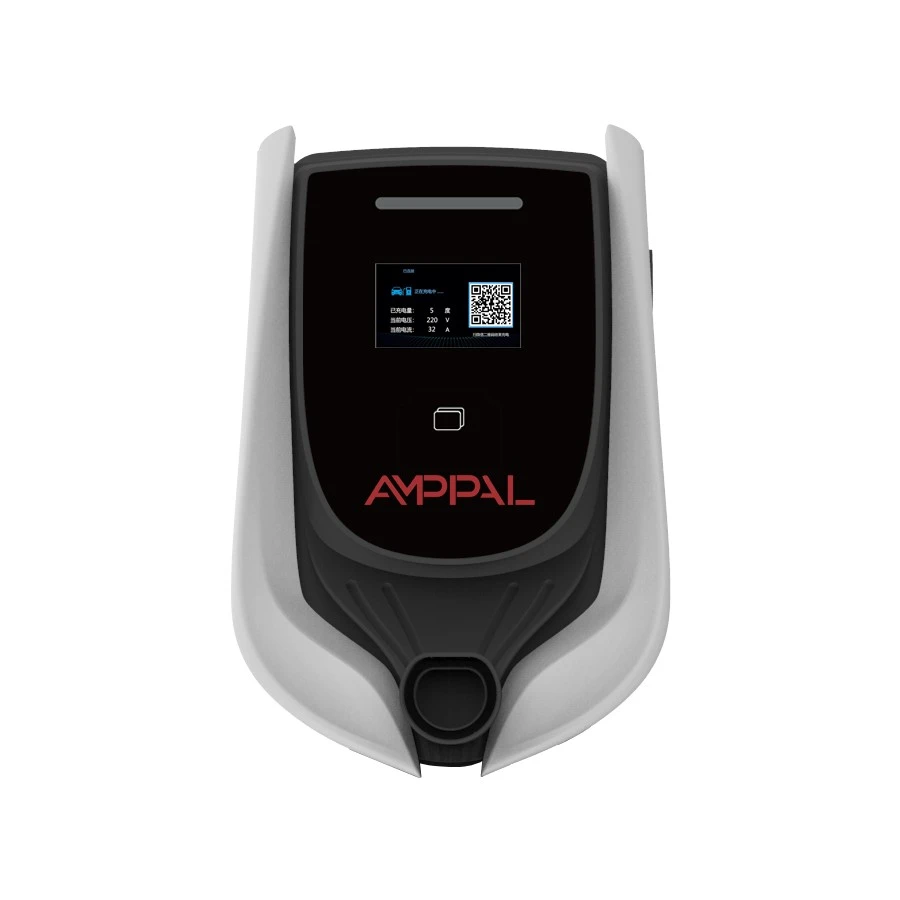
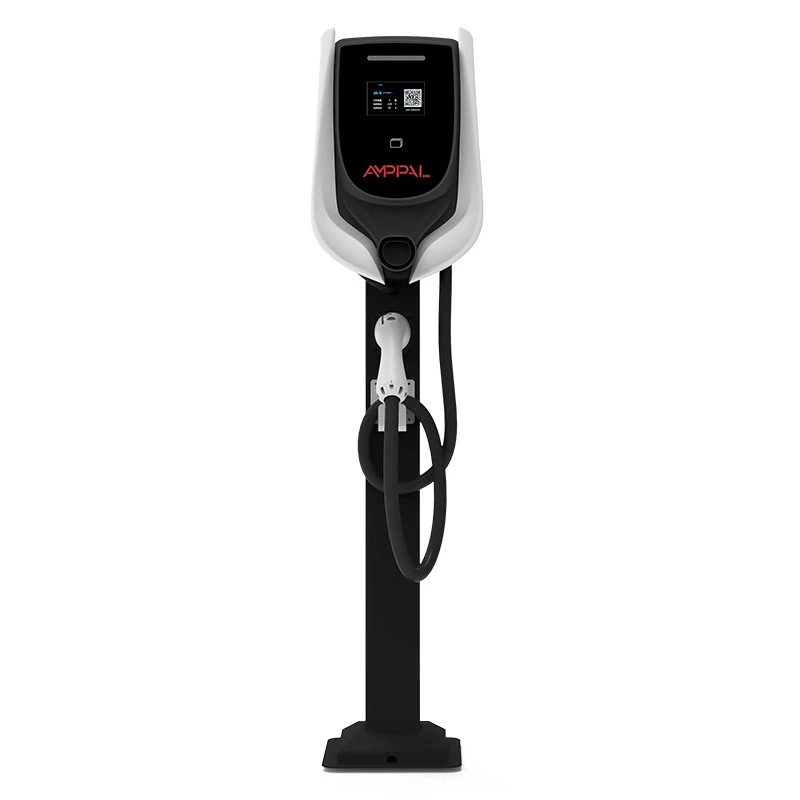
AMPPAL RZ series 11kW AC Wallbox EV Charger for Residential and Workplace Charging runs on three-phase 380VAC at only 16A per phase - the retrofit-friendly way to add real charging speed to older buildings. OCPP 1.6J, optional 5-inch screen, IP54, CE and IEC certified. Factory direct from China, 2-year warranty.

Three-Phase 11kW: The Quiet Upgrade That Fits Old Buildings

An 11kW AC Wallbox EV Charger for Residential and Workplace Charging is the biggest power you can usually add to an old building without touching the street transformer.

Three-phase 380V supply at 16A per phase delivers 11kW while drawing less current than a single-phase 7kW unit. That counterintuitive fact is the whole story of this RZ station.

For a 1970s apartment block, a small workshop or a farm building, adding three-phase capacity is often easier than upgrading a single-phase feed - because the phases are already there, waiting.

This page is about that retrofit path: what the 11kW RZ needs, what your electrician checks, and when three-phase genuinely beats single-phase.

11kW AC Wallbox EV Charger for Residential & Workplace Charging11kW AC Wallbox EV Charger for Residential & Workplace Charging

Why 16A per Phase Is a Gift to the Grid

At 380V three-phase, 11kW equals just 16A per phase. A single-phase 7kW charger pulls 32A on one phase - twice the current on one wire.

Current, not power, is what heats cables, stresses breakers and sags voltages. Spreading 11kW across three phases cuts the per-wire load, which is why many utilities approve three-phase AC charging where they would reject a bigger single-phase draw.

In practice this means: a 16A three-phase circuit is often already present in old buildings (ovens, water heaters, workshop machines), and adding the charger to it may need nothing more than a spare breaker position.

It also leaves headroom. If the building later adds solar or a second charger, the three-phase board absorbs it without a cable re-pull.

What Retrofitting an Older Distribution Board Involves

Your electrician runs a short checklist: confirm the building actually has three-phase (four wires in the incoming supply - three phases plus neutral), measure existing load per phase, and find a spare DIN position for a 16A or 20A breaker with RCD.

In most retrofits the charger needs no new cable to the street - just a 5x2.5 mm2 run from the board to the station, which for a garage wall is a short, cheap pull.

If the building is single-phase only, the honest answer is that the 11kW RZ is the wrong product. A 7kW single-phase station is the right one, unless you are willing to fund a three-phase meter upgrade - a cost that varies wildly by country.

We ship each station with a configuration sticker for the electrician (breaker rating, torque values, RCD type) to keep inspection paperwork simple.

Technical Specifications

Parameter

Specification

Model

AF-AC-11-B-A-O-RZ-P

Rated Power

11kW

Input Voltage

380VAC

Rated Current

16A

Screen

Optional 5" Screen

Network Protocol

OCPP 1.6J

Dimensions

400 × 280 × 120 mm

Protection Grade

IP54

Operating Temp

-20°C to +50°C

Certification

CE, IEC Standard

Warranty

2 Years

Single-Phase vs Three-Phase: The Multi-Bay Math

Compare two buildings, each wanting two charging bays.

Building A uses two single-phase 7kW stations: 64A total on one phase (or split manually), two 32A breakers, and the risk of phase imbalance on a small transformer.

Building B uses two three-phase 11kW stations: 32A per phase total, balanced by design, and each bay charges an 11kW-capable car nearly 60% faster than a 7kW bay.

The tipping point is simple: if you plan two or more bays - or one bay that must serve an 11kW car - three-phase wins on capacity and balance. One bay, single-phase supply: stay single-phase.

For speed context, 11kW charges a 60 kWh battery from 20% to 80% in about 3.5 hours - fast enough for daytime turnover at a workshop or depot.

Sites Where 11kW Three-Phase Is the Right Answer

1) Apartment blocks and HOA garages with three-phase boards - one station serves many residents in sequence. 2) Small workshops and depots with 3-5 EVs - vans and delivery vehicles charge between routes. 3) Farms and rural properties with 380V agricultural supplies. 4) Hotels and B&Bs with three-phase kitchens - the same board feeds the charger overnight. 5) Any site planning solar - three-phase charging pairs naturally with three-phase inverters.

The common thread: three-phase is already present. When it is, 11kW costs barely more to install than 7kW single-phase and doubles the charge speed for compatible cars.

Compliance and Verification Process

Compliance rests on IEC 61851-1:2017 Mode 3 testing, with CE marking issued against it.

IP54 ingress protection verified by test; operation from -20C to +50C.

100% production testing: earth continuity, 500V DC insulation, 1.5kV dielectric withstand.

Sample units from each design run are salt-sprayed for 96 hours, and the contactor is cycled half a million times before the design is signed off.

OCPP 1.6J conformance checked against several major backends before shipment.

Factory certificates CE, TUV, CB and UL, audited by external notified bodies.

Building an RZ Station: The 8-Stage Factory Flow

1) SMT boards with automated optical inspection and conformal coating. 2) Power section - three-phase contactor set, meter interface, OCPP controller - wired and torque-checked. 3) Housing assembly, screen pocket fitted if ordered. 4) 5m Type 2 cable through torque-controlled glands. 5) Live functional test including a real three-phase load and an OCPP handshake. 6) High-pot safety test. 7) Serial marking and firmware configuration. 8) Boxed with mounting kit and the electrician's config sticker; 24-hour burn-in sample per batch.

The Yueqing plant (Zhejiang) runs AC and DC lines separately; sheet metal comes from robot cells built with FANUC (Shanghai) and TRUMPF (Germany) partners. Annual capacity exceeds one million units.

For retrofit orders we can pre-set firmware for your country's grid code before shipment - tell your sales contact where the unit is going.

Before You Order: Check Your Board, Meter and Cable

Three checks decide whether the 11kW RZ is a one-day install or a project: 1) Does the meter or board have three phases? 2) Is there a spare breaker position with room for a type A or B RCD, 30 mA? 3) Is the run from board to parking bay under about 30 m at 2.5 mm2 (longer runs need 4 mm2)?

If all three are yes, you are looking at the easiest high-power AC install available. If the first is no, stop - buy a single-phase unit.

Do not forget the car side. The station is 11kW-ready, but your car must accept three-phase AC at 11kW. Many do; 7kW-only cars simply charge at 7kW on one phase - the station handles that automatically.

We suggest emailing us a photo of the board; our engineers reply within one business day with a yes/no and a breaker recommendation.

Why AMPPAL for Retrofits and Multi-Unit Sites

Zhejiang Anfu New Energy Technology has manufactured low-voltage and charging equipment since 2014, with 260 staff on site in Yueqing.

Production runs 15-20 working days from order confirmation. Need one unit to test against your distribution board first? Samples fly out in 3-5 days.

From 100 units we customise logo, cable, screen and housing colour, and preset the firmware for your country's supply configuration.

Grid-approval paperwork: CE declaration, IEC test report, manual, factory inspection certificate.

Our equipment runs in more than 40 markets, and the group has 200-plus stations of its own in operation.

Trial MOQ of 1 unit; volume tiers from 20 units.

Packing a Three-Phase Station for Export

The 11kW RZ ships in a 460 x 340 x 200 mm carton, gross about 8.5 kg - the extra weight is the three-phase contactor set. Air freight suits 1-10 units; a pallet of 24 moves by courier pallet service in 5-7 days to Europe.

Expect roughly 480 units in a 20-foot container, palletised 20 cartons per pallet and wrapped.

Trade terms run FOB Ningbo or Shanghai, with EXW and CIF available. Paperwork covers the commercial invoice, packing list, CE declaration and certificate of origin; payment by L/C or D/P.

Warranty and Technical Support Terms

2-year warranty on manufacturing defects; commercial sites get priority handling.

Spares (OCPP controller, contactor set, screen, cable) dispatched within 7 working days.

Free remote support: our engineers walk your electrician through the retrofit with photos or video, replying within one business day.

Firmware updates and configuration help included during warranty.

For retrofit projects that need a qualified electrician on site, we work through service partners in Germany, France and the UAE.

Retrofit Do's and Don'ts

Wrong: assuming the building is three-phase because it has three fuses. Right: verify at the meter with a phase test or ask the utility - three fuses can be a single-phase split.

Wrong: balancing phases by trial and error. Right: have the electrician measure per-phase load and assign the charger to the least-loaded set.

Wrong: using a 20A breaker with 1.5 mm2 wiring. Right: match cable cross-section to run length - 2.5 mm2 under 30 m, 4 mm2 beyond.

Wrong: routing the supply cable across a doorway or driveway. Right: run the conduit along the wall to the unit.

Wrong: ignoring RCD type. Right: fit type A or B, 30 mA, per the config sticker - the station's DC leakage sensing assumes it.

Field Reports From Three-Phase Sites

An apartment HOA in Sofia, Bulgaria added one 11kW RZ to a 1970s block's three-phase board. Twenty-one households share the station via the OCPP backend's RFID schedule; the board needed one spare breaker position and nothing else. The treasurer's note: the first electrician quoted a full panel replacement, and a second one found the spare DIN slot - the difference was knowledge, not hardware.

A courier depot manager in Krakow, Poland runs three units for 12 delivery vans. Daytime turnover is the point: vans rotate 3.5-hour charges between routes, and 11kW makes that fit. His complaint: the fixed cable is 5m, and one parking row needed an extension cable he had to source locally because we do not ship them.

A farm co-op in Lower Saxony, Germany powers two stations from an agricultural 380V supply shared with grain dryers. The phases work because drying peaks in autumn and charging peaks in winter - they never coincide. Their small gripe: winter firmware needed a remote update that took a day to schedule, since the co-op's Wi-Fi sits in a separate building.

Three-Phase Questions, Straight Answers

Q: My car only charges at 7kW single-phase. Is 11kW wasted?

A: The station adapts and delivers 7kW; you keep the three-phase path for your next car.

Q: Can I install this without a three-phase supply?

A: No - it needs 380VAC three-phase; for single-phase sites choose the 7kW RZ.

Q: Does 11kW need utility permission?

A: Usually not for 16A per phase, but confirm with your distributor; several countries exempt AC chargers up to 11kW from notification.

Q: How fast does 11kW charge?

A: About 60 km of range per hour; a 60 kWh battery goes 20% to 80% in roughly 3.5 hours.

Q: Can the screen be added later?

A: It is a factory option; order it with the unit, because retrofitting the display pocket is not practical.

Q: What if the building's phases are imbalanced?

A: The backend can schedule sessions, and an electrician can connect the charger to the least-loaded phase set.

Q: Is 16A per phase hard on old wiring?

A: No - 16A is standard building practice; the riskier draw is 32A single-phase, which this unit avoids by design.

Q: Do I need a new meter?

A: Usually not; if your meter lacks a three-phase register, the utility swaps it - free in several EU countries.


Send Inquiry
Contact Info

Talk Directly to Our EV Charger Factory

Get factory-direct pricing, custom solutions, and expert support.

- Fast Response – Reply within 24 hours.

- OEM/ODM – Flexible customization and sample orders.

- Certified Quality – CE, TÜV, CB, and CCC options.

- Custom Quotes – Tailored to your specifications.

- Technical Support – Expert help with OCPP, DLB, and system integration.

X
We use cookies to offer you a better browsing experience, analyze site traffic and personalize content. By using this site, you agree to our use of cookies. Privacy Policy
RejectAccept