" "
Products
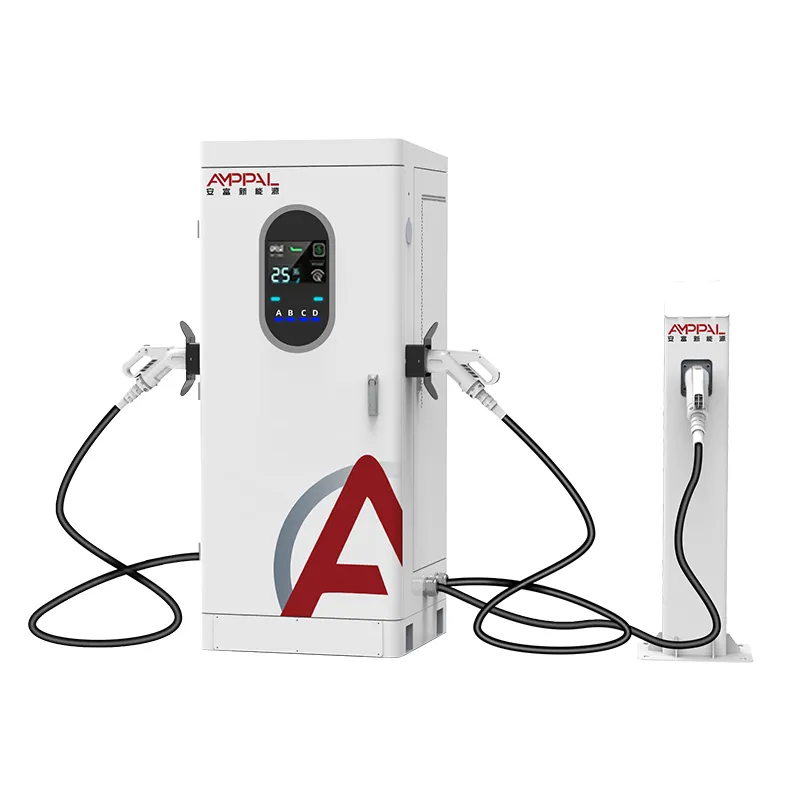
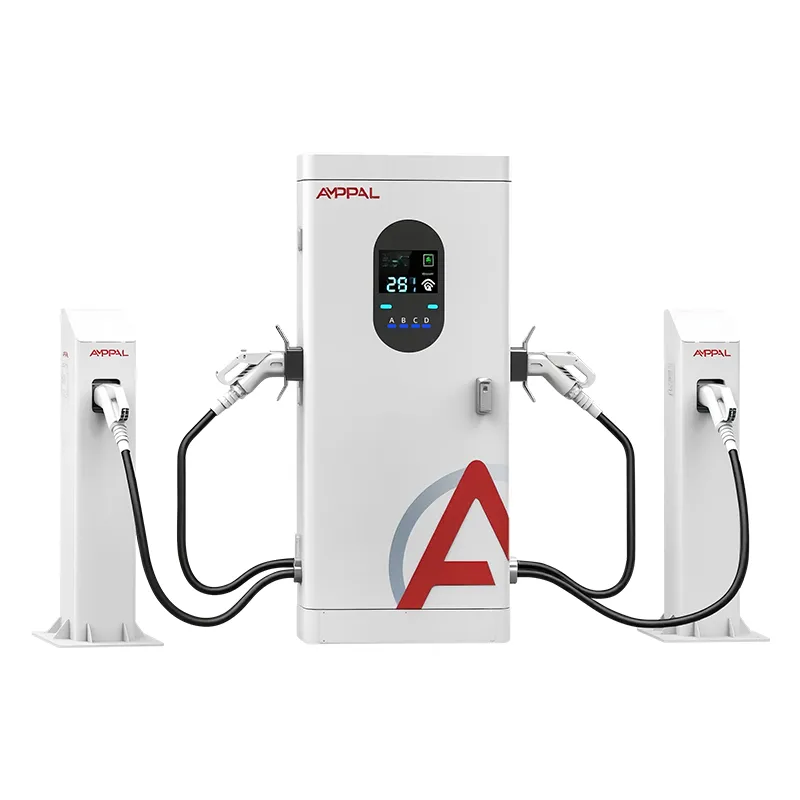
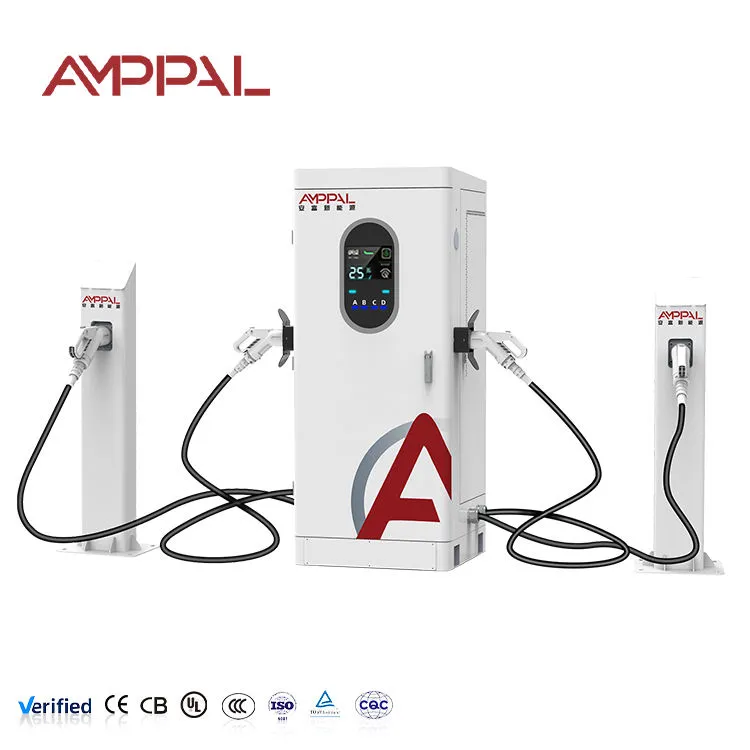
360kW High-Power DC EV Charging Station for Large Fleet Depots
  • 360kW High-Power DC EV Charging Station for Large Fleet Depots360kW High-Power DC EV Charging Station for Large Fleet Depots
  • 360kW High-Power DC EV Charging Station for Large Fleet Depots360kW High-Power DC EV Charging Station for Large Fleet Depots
  • 360kW High-Power DC EV Charging Station for Large Fleet Depots360kW High-Power DC EV Charging Station for Large Fleet Depots
  • 360kW High-Power DC EV Charging Station for Large Fleet Depots360kW High-Power DC EV Charging Station for Large Fleet Depots
  • 360kW High-Power DC EV Charging Station for Large Fleet Depots360kW High-Power DC EV Charging Station for Large Fleet Depots
  • 360kW High-Power DC EV Charging Station for Large Fleet Depots360kW High-Power DC EV Charging Station for Large Fleet Depots
  • 360kW High-Power DC EV Charging Station for Large Fleet Depots360kW High-Power DC EV Charging Station for Large Fleet Depots
  • 360kW High-Power DC EV Charging Station for Large Fleet Depots360kW High-Power DC EV Charging Station for Large Fleet Depots
  • 360kW High-Power DC EV Charging Station for Large Fleet Depots360kW High-Power DC EV Charging Station for Large Fleet Depots
  • 360kW High-Power DC EV Charging Station for Large Fleet Depots360kW High-Power DC EV Charging Station for Large Fleet Depots
  • 360kW High-Power DC EV Charging Station for Large Fleet Depots360kW High-Power DC EV Charging Station for Large Fleet Depots
  • 360kW High-Power DC EV Charging Station for Large Fleet Depots360kW High-Power DC EV Charging Station for Large Fleet Depots

360kW High-Power DC EV Charging Station for Large Fleet Depots

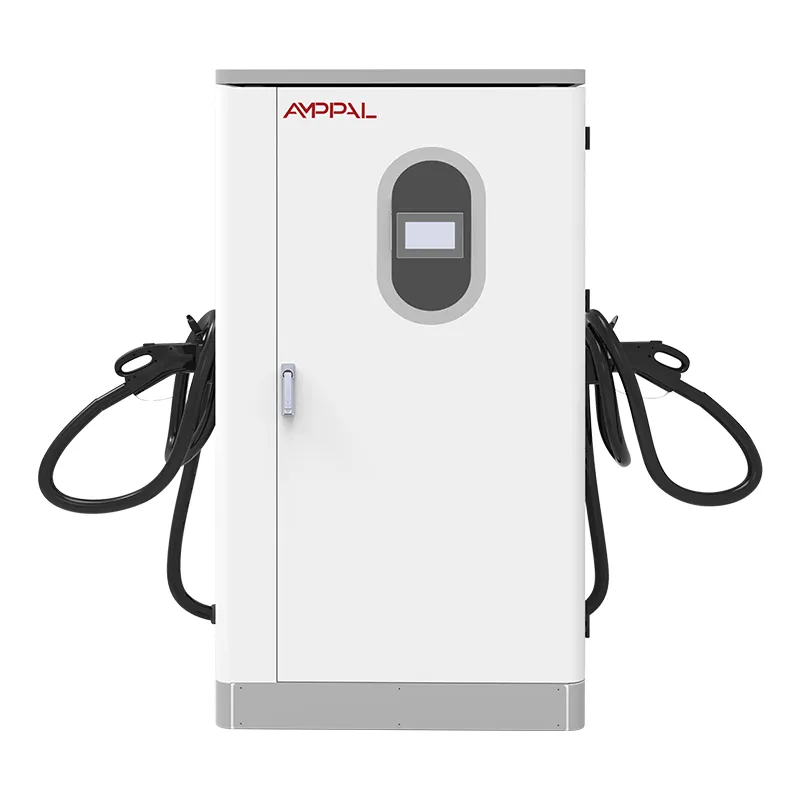
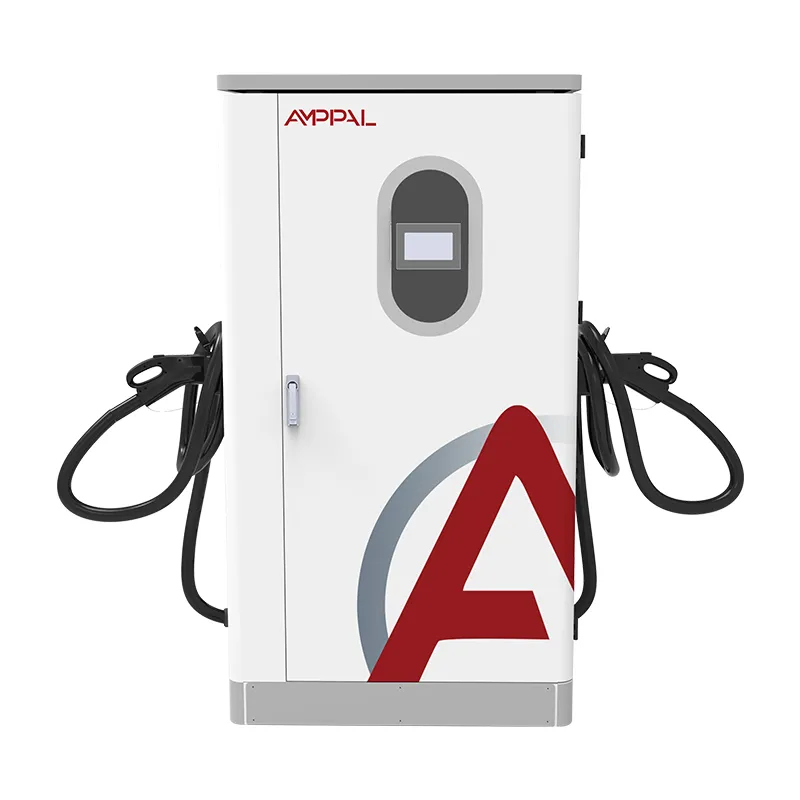
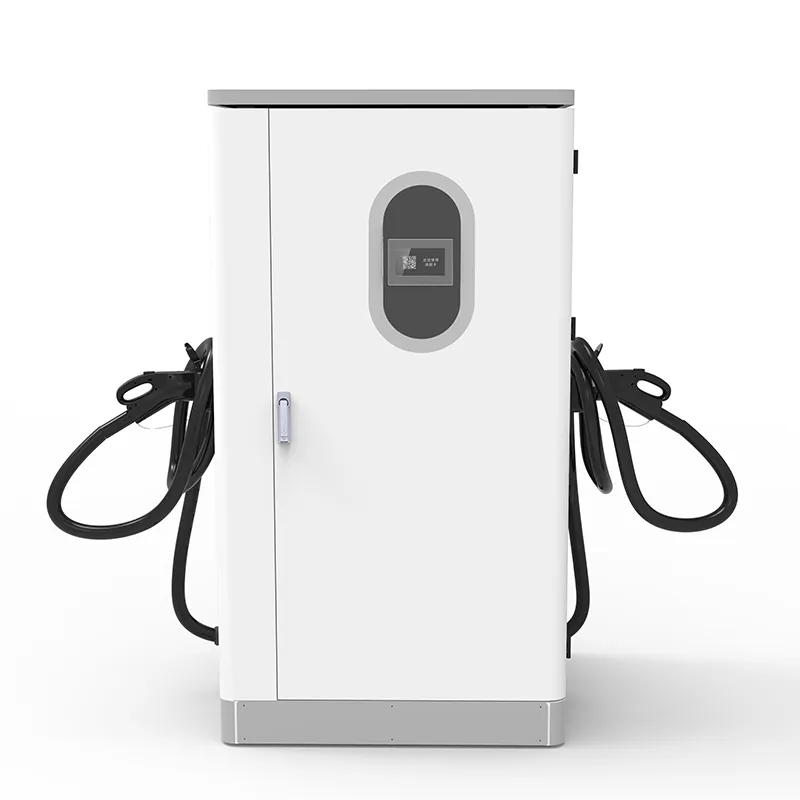
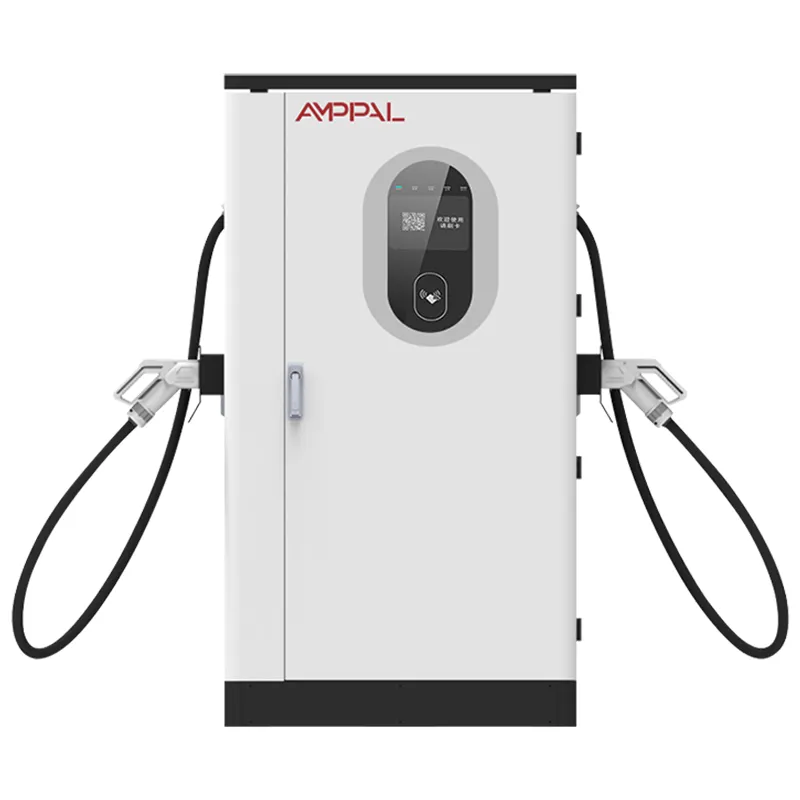
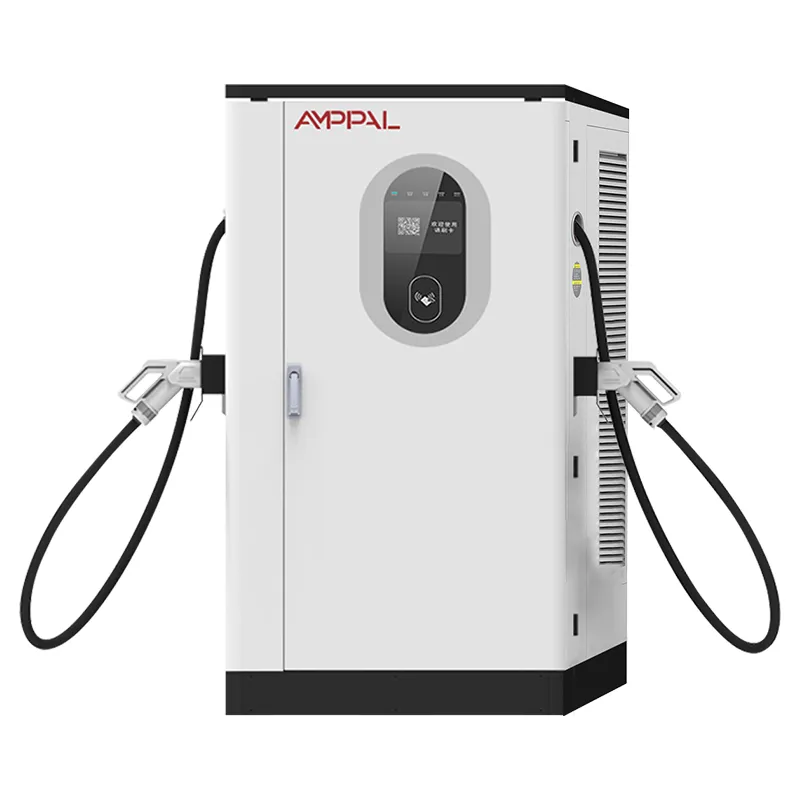
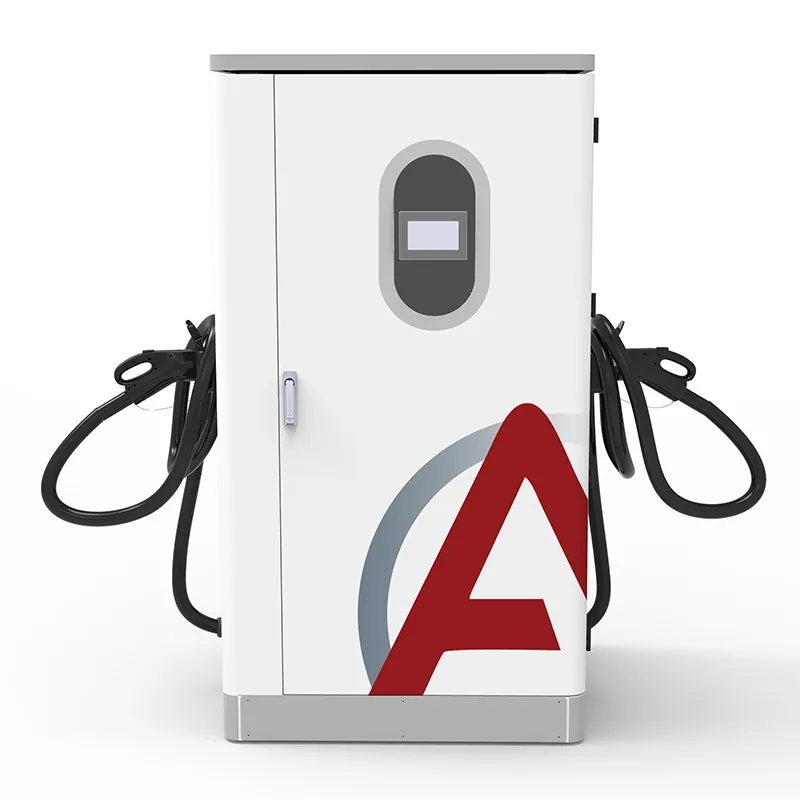
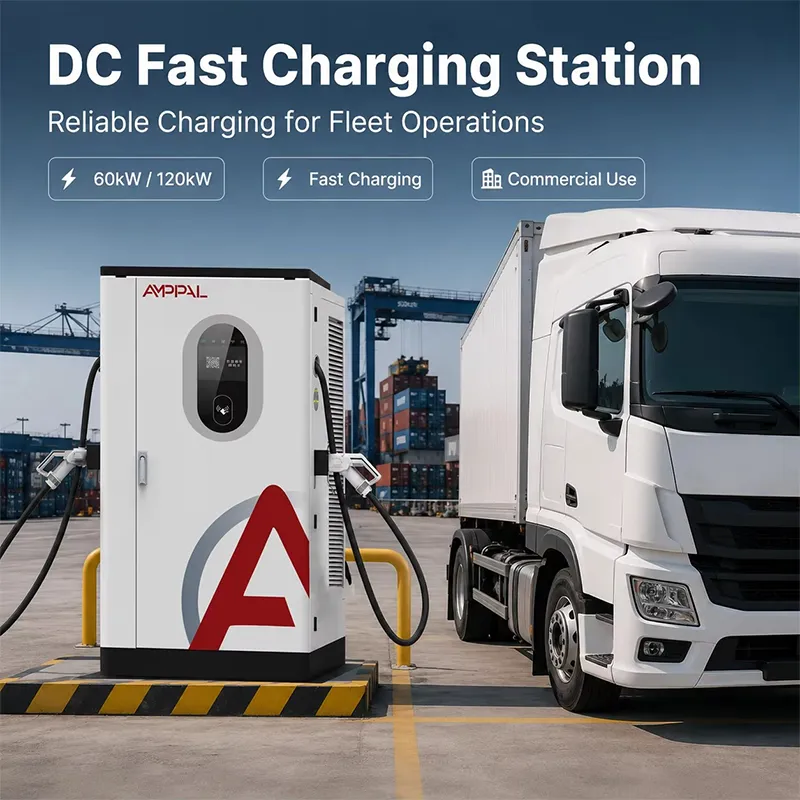
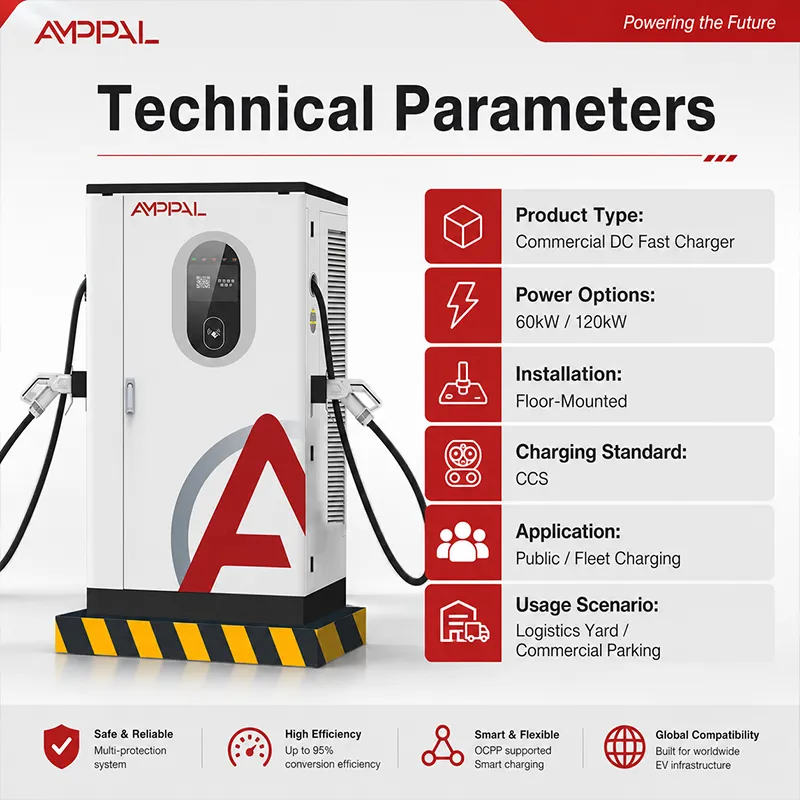
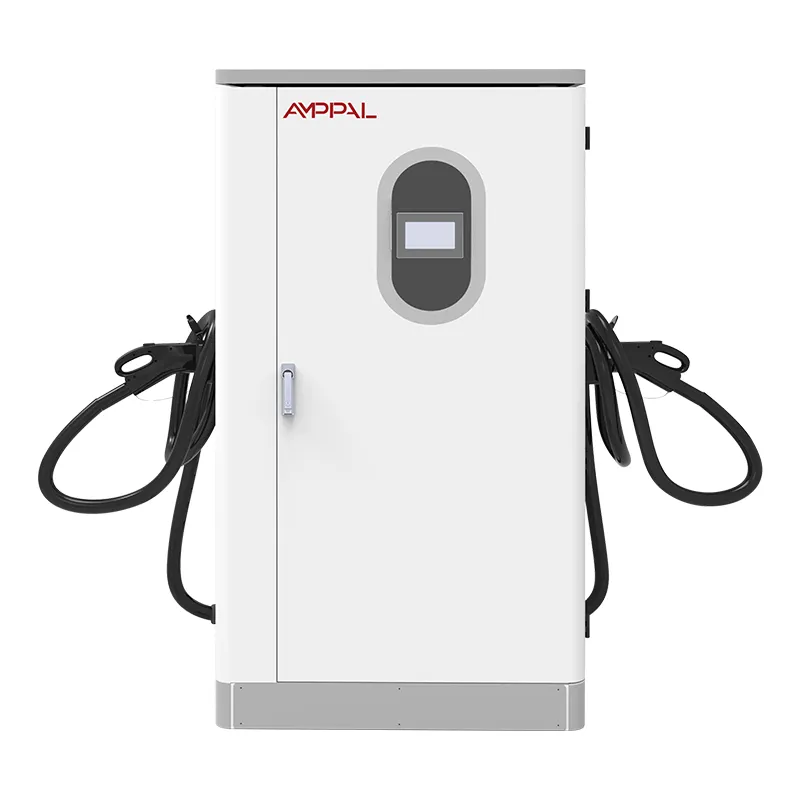
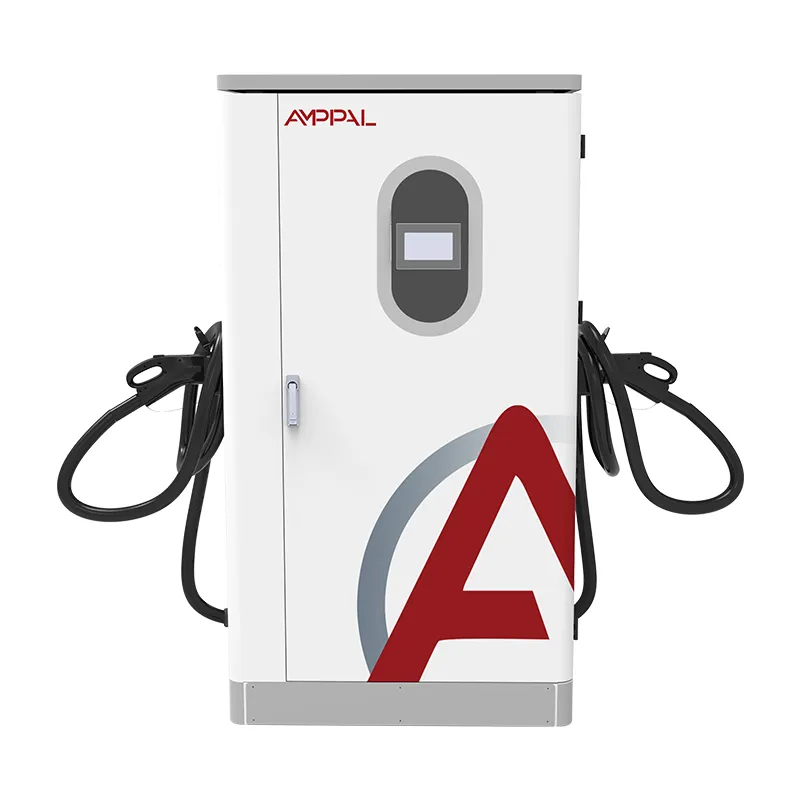
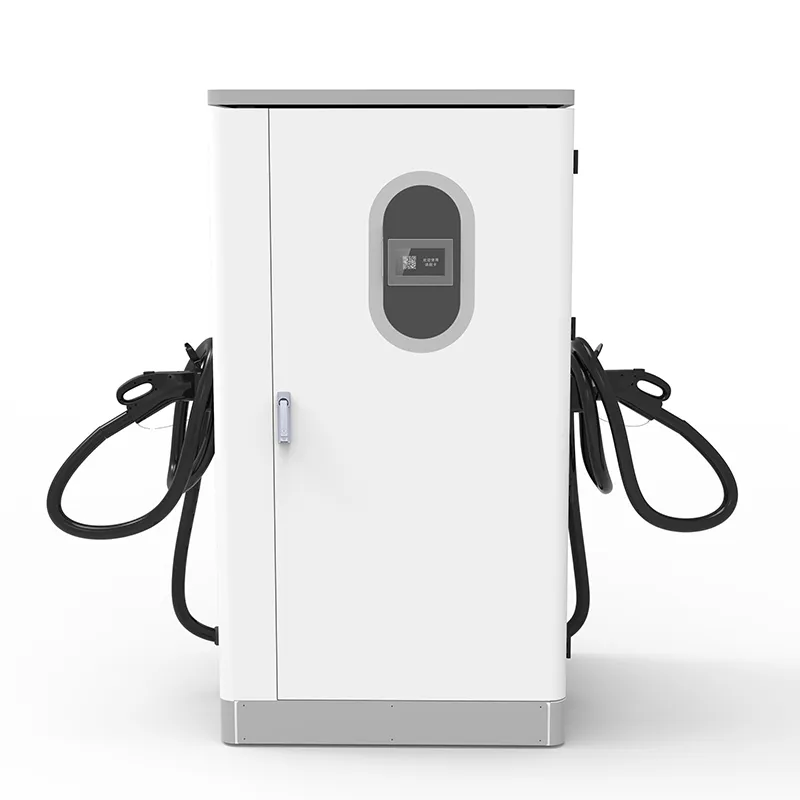
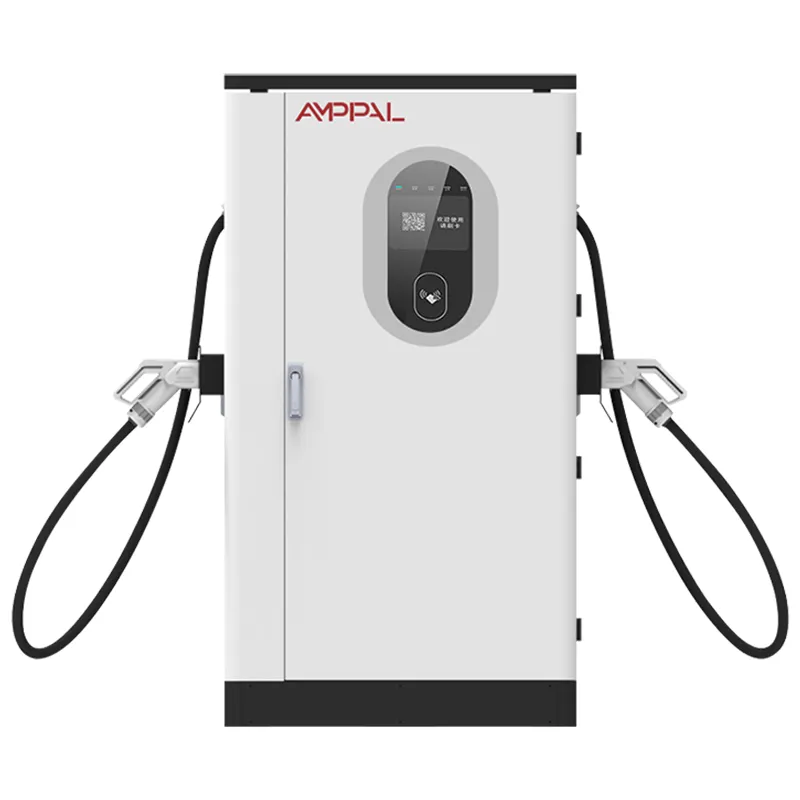
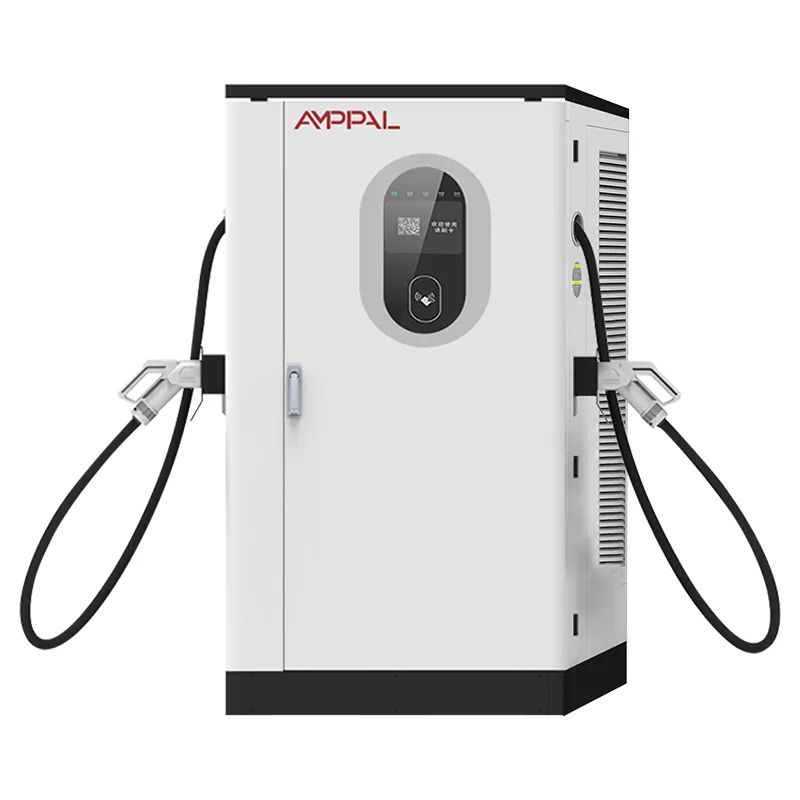
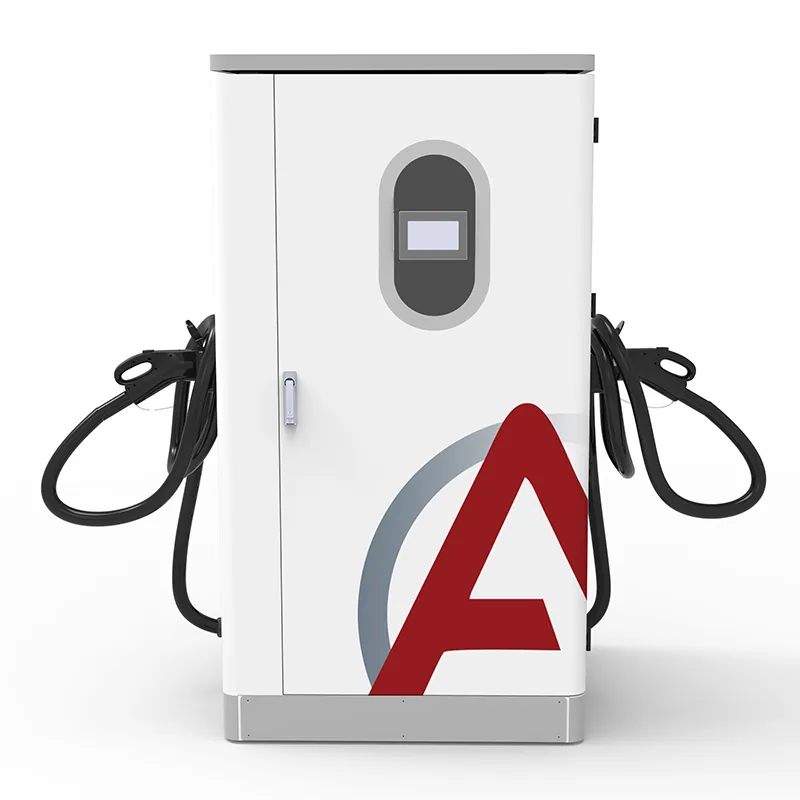
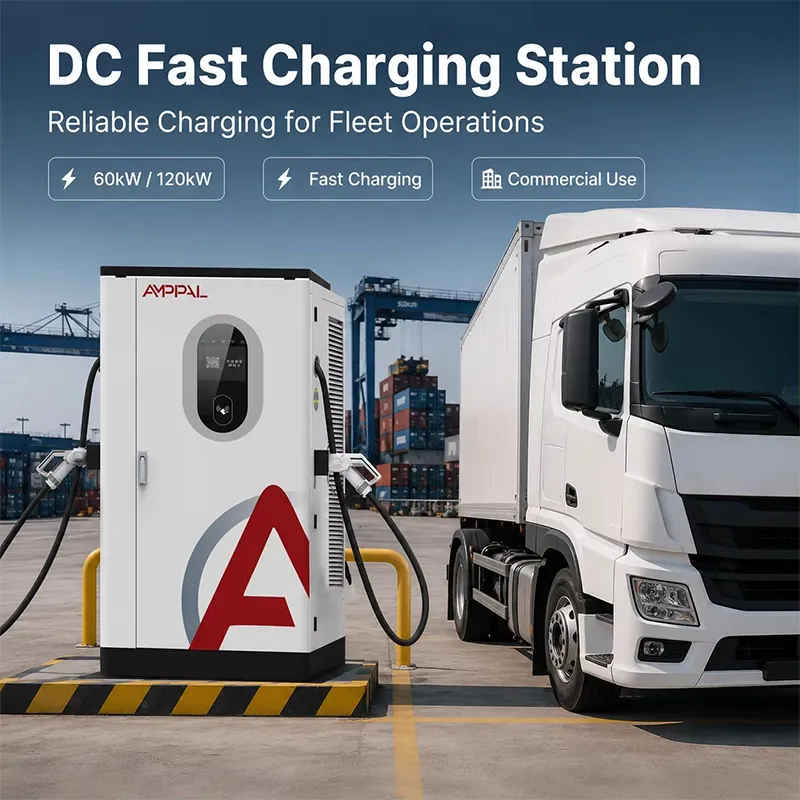
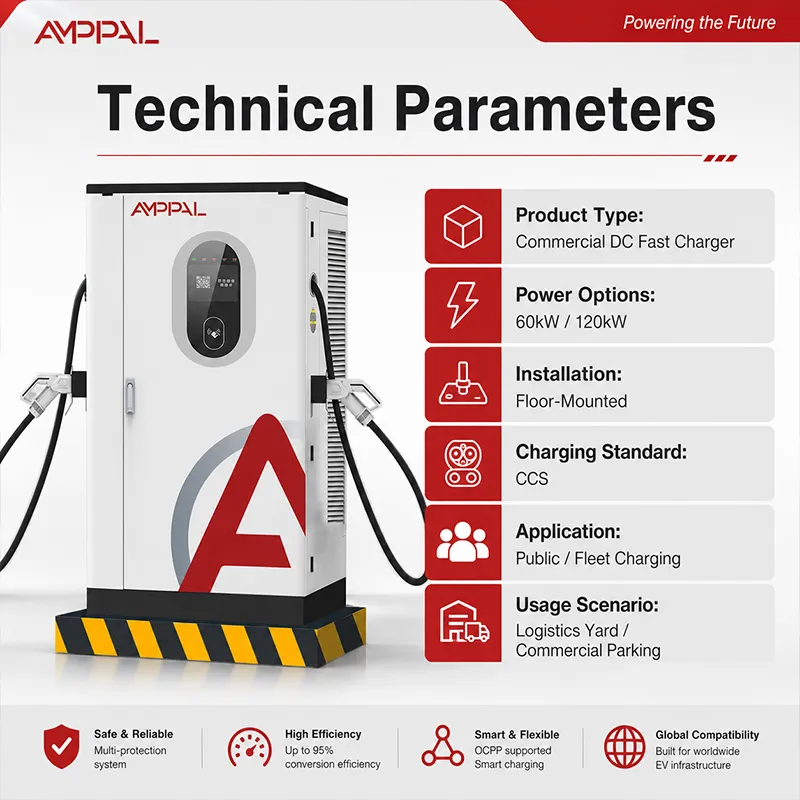
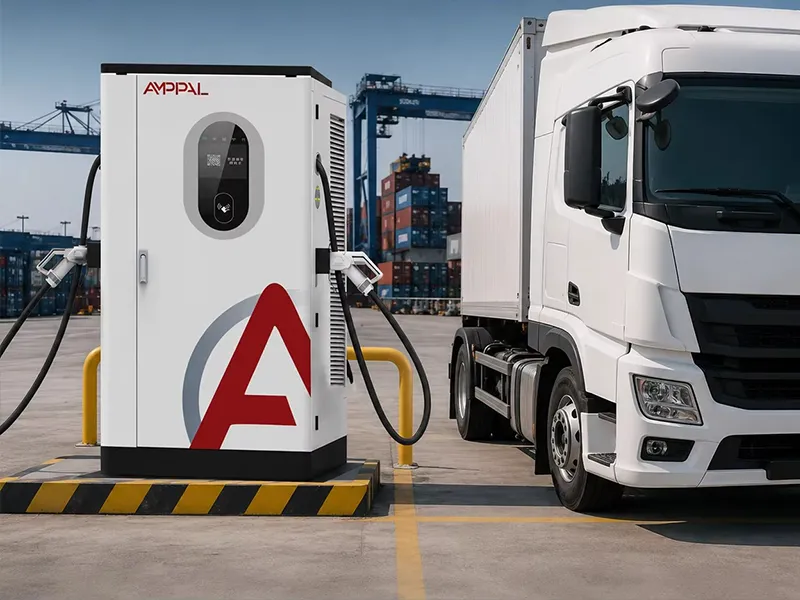
AMPPAL 360kW High-Power DC EV Charging Station for Large Fleet Depots (AF-DC-360-Y-B-O-4-H) is AMPPAL's 360kW integrated DC fast charger for markets where the grid is the problem. It accepts AC380V with ±15% voltage swing and a 45-65Hz frequency window, so one cabinet runs on 50Hz mains in Europe and the Middle East, 60Hz systems in the Americas, and diesel or island power that drifts. 95% peak efficiency, IP54, DC200-1000V, CCS1/CCS2/GB/T/CHADeMO/NACS.

Why a Charger That Tolerates Bad Grids Sells Better Overseas

Ask an installer in Lagos, a site engineer in Almaty, or a hotel owner in Bali what kills DC chargers, and you get the same answer before you finish the question: the grid. Voltage that sags at midday, frequency that wanders when a diesel genset shares the bus, brownouts with no warning — most fast chargers built for tidy European mains fold inside six months.

The AF-DC-360 was engineered for those conditions. Its input stage accepts AC380V ±15% and the full 45-65Hz band, so the same cabinet that runs on 50Hz mains in Riyadh runs on 60Hz grid in São Paulo and on a 52Hz genset at a construction camp — no firmware change, no regional variant.
360kW High-Power DC EV Charging Station for Large Fleet Depots360kW High-Power DC EV Charging Station for Large Fleet Depots

Five Engineering Choices That Make It Grid-Tolerant

45-65Hz input band: no reconfiguration when you move between 50Hz and 60Hz regions; the front end tracks whatever frequency arrives.

±15% voltage tolerance: input down to about 323V and up to about 437V keeps the DC bus alive where rural grids sag under evening load.

Rated output across the band: many “wide-range” chargers quietly derate outside exact 50/60Hz; this unit holds its curve from 45Hz to 65Hz.

IP54 cabinet rated -25°C to +50°C: places with weak grids usually have harsh climate too, and the enclosure handles both complaints at once.

OCPP 1.6/2.0 with separated fault logging: input events are recorded apart from charger faults, so your technician stops blaming the wrong side of the connection.

95% peak efficiency: on genset power, where every wasted kilowatt-hour costs more than grid power, the difference shows up in the fuel bill.

360kW High-Power DC EV Charging Station for Large Fleet Depots360kW High-Power DC EV Charging Station for Large Fleet Depots

Technical Specifications

Parameter

Specification

Model

AF-DC-360-Y-B-O-4-H

Rated Output Power

360kW

Overall Dimensions (mm)

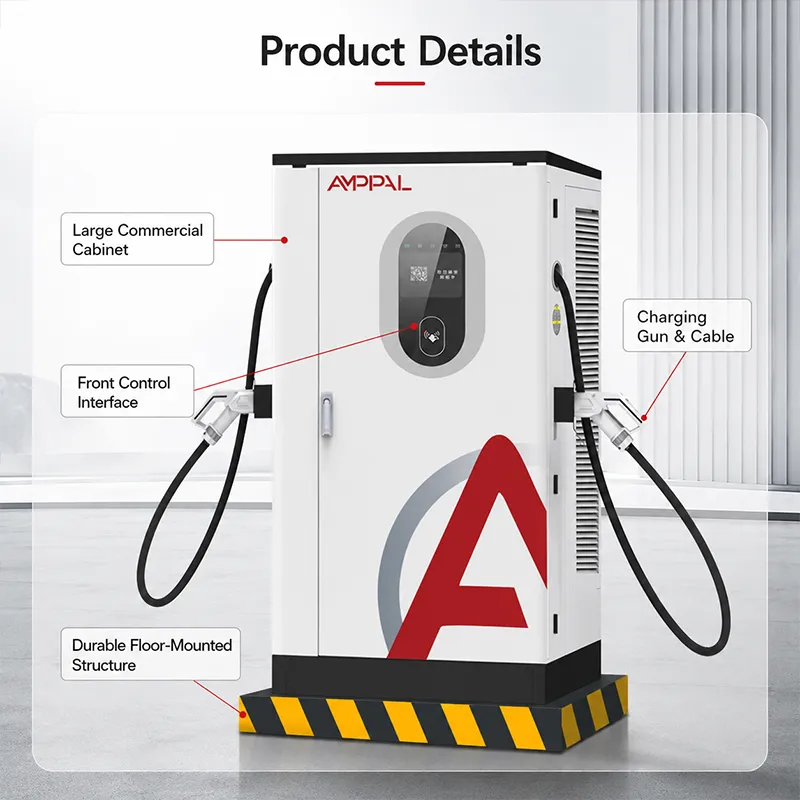
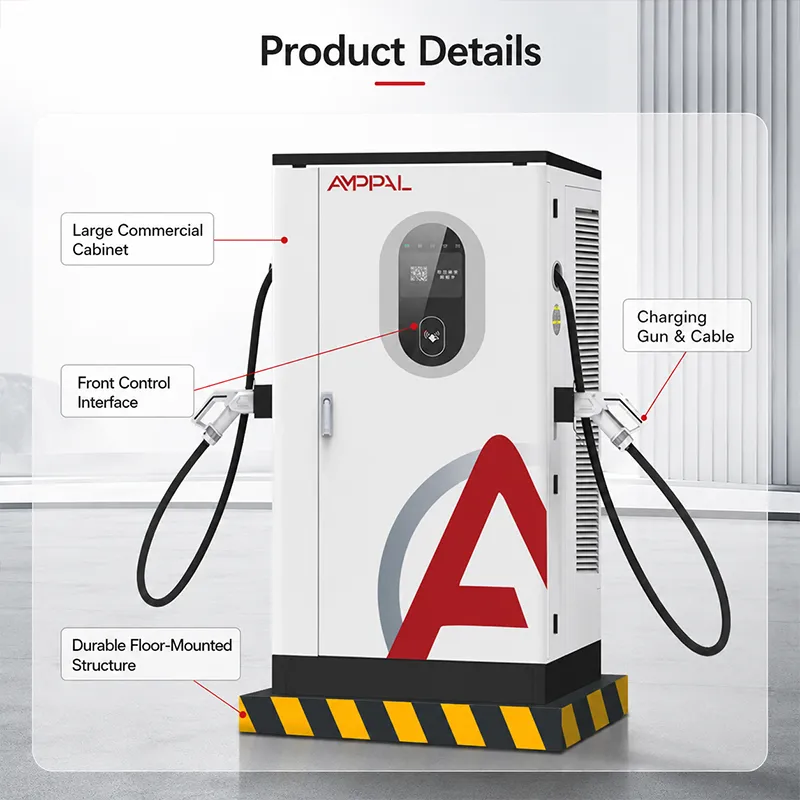
1000 × 900 × 1850

Input Voltage

AC380V±15%, 45-65Hz

Output Voltage Range

DC200-1000V

Output Current

0-200A

HMI

7" touch screen

Peak Efficiency

95%

Protection Grade

IP54

Compatible Connectors

CCS1/CHAdeMO/CCS2/GB/T/NACS

Operating Temperature

-25°C ~ +50°C

Warranty

2 Years Standard

Grids This Cabinet Handles: 50Hz, 60Hz, and Everything Between

50Hz mains — Europe, the Middle East, most of Asia and Africa: a standard three-phase connection, no modification.

60Hz mains — North and South America, parts of Japan and Korea: the same unit, the same firmware, no converter box.

Islands and microgrids — the Caribbean, Maldives, Philippines: frequency drifts when load steps, and the 45-65Hz window absorbs it.

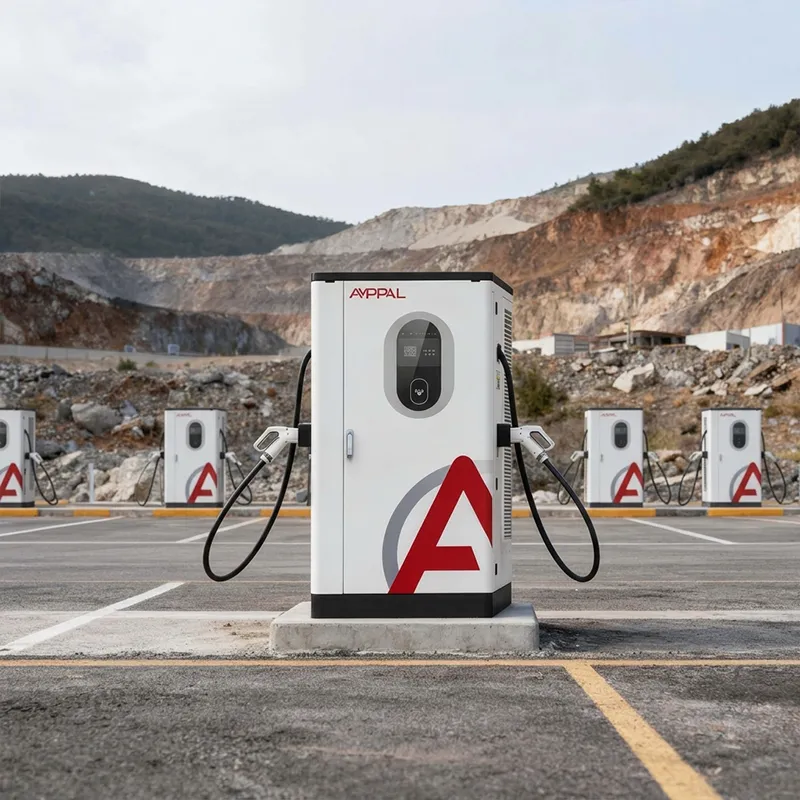
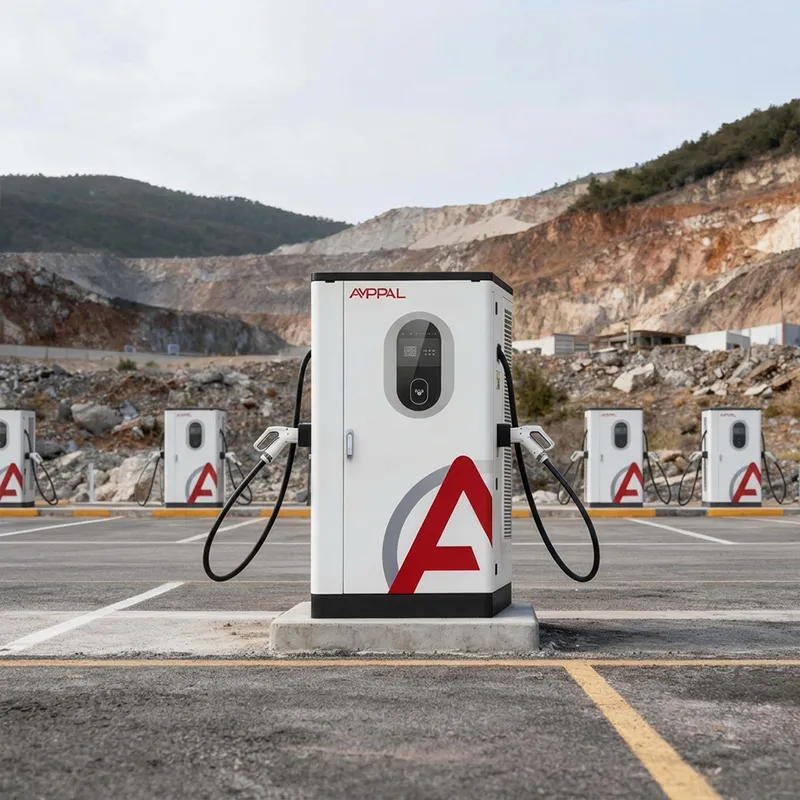
Diesel and gas genset sites — construction camps, remote mines, stations built ahead of grid extension: gensets hold 48-55Hz under load swings; this cabinet does not trip.

Voltage-sag regions — sub-Saharan Africa, Central Asia, parts of Indonesia and Vietnam: the ±15% tolerance carries sessions through evening peak.

360kW High-Power DC EV Charging Station for Large Fleet Depots360kW High-Power DC EV Charging Station for Large Fleet Depots

Inside the Conversion Chain: AC In, Clean DC Out

Three-phase AC enters the input stage, where an active-front-end rectifier converts it to a stable DC bus. The control board compares line frequency and voltage against the vehicle's request hundreds of times per second and adjusts the DC/DC stage so the vehicle sees clean, regulated DC whatever the grid is doing that minute.

The wide-frequency capability is not a filter tweak; it lives in the rectifier's control firmware. On a drifting genset supply, a fixed-50Hz charger loses synchronization and drops output. The AF-DC-360 keeps the DC bus at setpoint because the front end re-locks to whatever frequency arrives — 45Hz, 60Hz, 52.4Hz, all the same to it.

Output then follows the BMS handshake: DC200-1000V, up to 200A, with the 7-inch touch screen showing session data locally. Peak efficiency of 95% is measured at the DC bus — a number that matters when every kilowatt-hour costs more on diesel than on the national grid.

Certificates That Open Customs Doors

CE and CB mark the unit for the EU and most of Asia; TÜV line inspection covers the production process, not just a show sample.

UL certification supports North American projects and simplifies insurance requirements in several markets.

CCC for domestic Chinese sales; the export folder includes all three declaration documents.

The 45-65Hz claim is tested, not assumed: every unit's input stage is swept across the full band on a variable-frequency supply before sign-off.

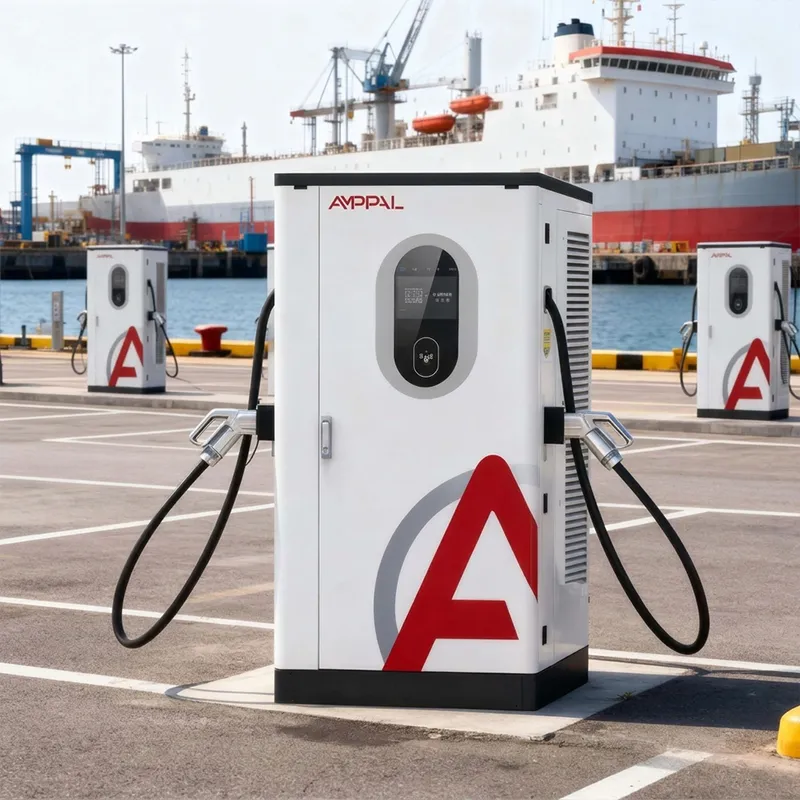
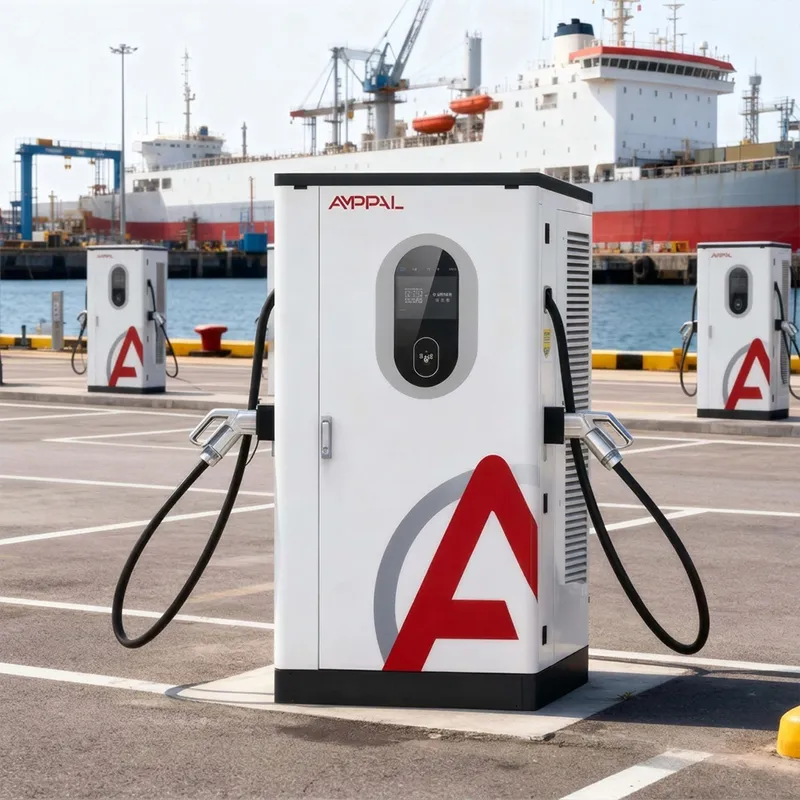
Enclosure and fasteners pass 96-hour salt spray — relevant for coastal sites in Africa and the Caribbean.

Modules rated -30°C to +55°C are cycled on the line, giving the cabinet's -25°C to +50°C rating real margin in highland and desert markets.

Eight Production Gates Between Component and Finished Charger

Gate 1: steel frames are laser-cut and robot-welded on the FANUC and TRUMPF lines shared with our AC and DC product ranges.

Gate 2: enclosures pass through pretreatment and powder coating before any electronics go near them.

Gate 3: rectifier and DC/DC modules are built on the DC assembly line, kept separate from AC production for ESD and cleanliness control.

Gate 4: every module is load-tested alone — output accuracy, ripple, efficiency at 20%, 50% and 100%.

Gate 5: the variable-frequency bench sweeps 45-65Hz and steps the input voltage through the ±15% window on every unit.

360kW High-Power DC EV Charging Station for Large Fleet Depots360kW High-Power DC EV Charging Station for Large Fleet Depots

Buying for a Weak Grid? Check These Three Things First

Measure before you buy: log your site voltage for a week. If it routinely sits below 340V at evening peak, plan a shorter feeder run or a transformer tap change, because even ±15% tolerance has a floor.

Second, check the genset. If you plan to run on diesel, size it at 1.5-2x the charger's draw. A genset that is too small hunts frequency and voltage together, and no input stage can fix a supply that collapses.

And the honest no: if your site has no realistic path to stable three-phase power at all — no grid, no genset, only single-phase — this product is not for you. You need a battery-backed or solar-hybrid system, and we will tell you so rather than take the order.

What Export Customers Get That Local Suppliers Can't Match

40+ countries of delivery history — UAE, Saudi Arabia, Russia, Kazakhstan, Uzbekistan, Croatia, Germany, France, Malaysia, Thailand, Vietnam, Indonesia, Rwanda, Kenya, South Africa, Mexico, Brazil, Chile, Turkey — and that list informs every build.

Lead time of 15-20 working days with the date in the PO; MOQ is one unit for first validation orders.

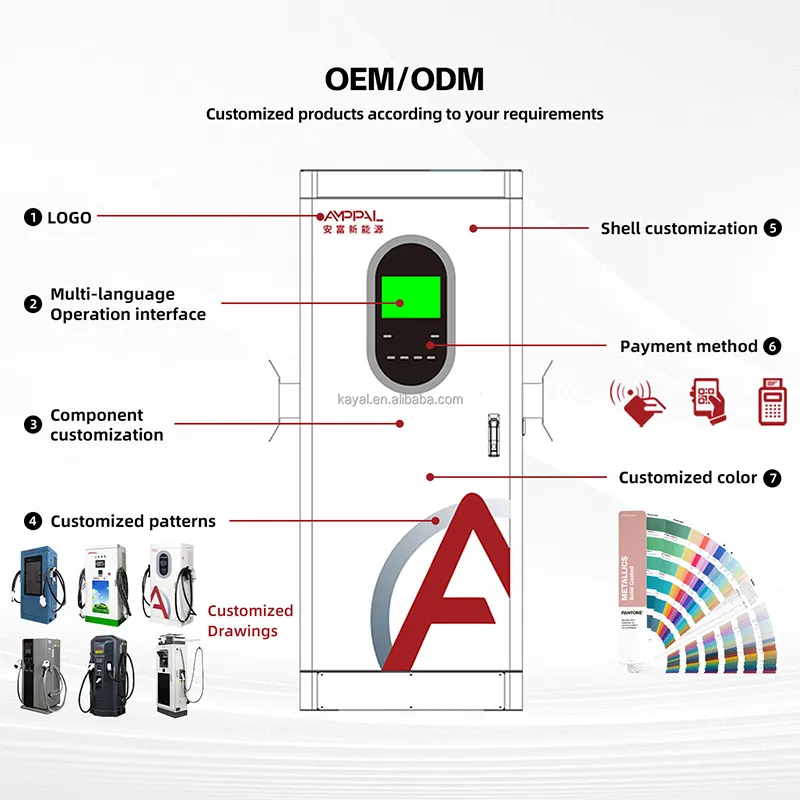
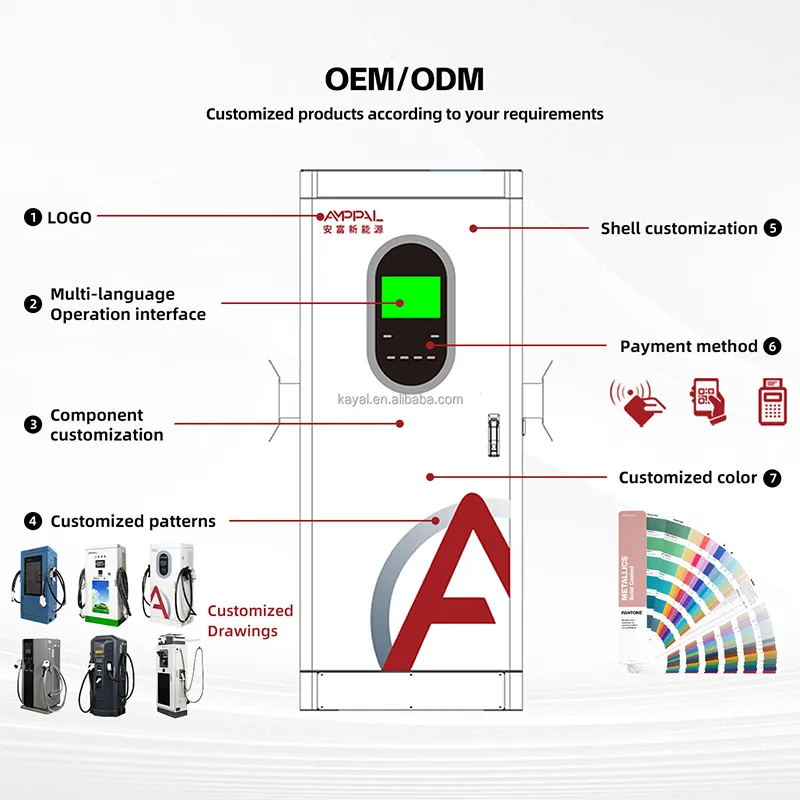
Cable length, connector standard, paint and logo customized at order time; the wide-frequency firmware is already standard, not a special request.

Certificates shipped in the export folder — CE, TÜV, UL, CB, CCC — plus full OCPP documentation for your software team.

References: the NEOM project with 500 liquid-cooled units, Sime Darby in Malaysia, RHG Enerturk in Turkey — sites that test chargers on grids that do not forgive.

How We Crate and Ship to 40+ Countries

The cabinet leaves the factory on a pallet with forklift channels, then goes into a plywood crate with foam corner protection and a waterproof shroud. For sea freight we add desiccant and a humidity indicator card — a month in a container crossing the equator is a climate of its own.

We ship FOB Ningbo or CIF to your port. The export pack holds the commercial invoice, packing list, bill of lading support and the CE/TÜV declarations, so your customs broker can pre-file while the ship is still at sea.

Mixed loads are routine: a 20ft container takes several cabinets plus spare modules and cables. We coordinate the pallet plan with your forwarder so nothing sits on the dock waiting for paperwork.

360kW High-Power DC EV Charging Station for Large Fleet Depots360kW High-Power DC EV Charging Station for Large Fleet Depots

Field Service When You're a 14-Hour Flight Away

Two-year term. Where grid quality is poor, the front-end rectifier takes the abuse; our warranty covers it without an argument about supply conditions.

Spare modules and boards stocked and shipped within 3-5 working days; a spare rectifier module kept on site keeps downtime under a shift.

Remote fault reading over OCPP: our engineers pull the log, separate input events from charger faults, and guide your technician by video call.

A commissioning guide written for local electricians — we learned that “assume a trained installer” fails in markets where this is the first DC charger on the grid.

Annual review for larger sites: frequency thresholds, derating curves and OCPP endpoints checked and updated remotely.

Five Operating Habits That Kill Chargers on Weak Grids

Wrong: sharing the feeder with a large motor that starts hard and watching a brownout at every start. Right: give the charger its own feeder or a soft-start companion; input tolerance survives dips, not continuous abuse.

Wrong: running a diesel genset at minimum load “to save fuel” and expecting stable frequency. Right: load the genset properly or add a battery buffer; frequency below 45Hz is outside any tolerance.

Wrong: putting the cabinet in a steel shed with no airflow and blaming the grid when derating kicks in at noon. Right: follow the ventilation layout; 95% efficiency still rejects 5% as heat.

Wrong: assuming 50Hz and 60Hz need different products. Right: order one part number — the firmware tracks 45-65Hz automatically — but tell us your region so the factory bench tests at that frequency.

Wrong: stopping the input-voltage log after installation. Right: keep logging; when the grid drifts worse over time — a new factory upstream, an aging transformer — the log tells you before the charger does.

Voices From Three Markets With Challenging Power

Hotel and mall owner in Bali, Indonesia: “Our island grid dips every evening when air conditioning load switches on. The 360 ran through sessions the old charger would have aborted. The OCPP dashboard is English-only — our staff learned it, but a Bahasa guide would have saved a week.”

Highway station operator in Kazakhstan: “We run on mains with diesel backup. When the genset takes over, frequency sits around 52Hz and used to trip our previous units. This cabinet did not even blink. The irritation: screen glare in summer; we fitted a simple hood.”

Logistics company in Kenya: “Nairobi mains are usable but sag hard at 6pm. We bought two units after testing one for three months. The only fault was a fan bearing noise in week 30; the spare shipped in five working days.

360kW High-Power DC EV Charging Station for Large Fleet Depots360kW High-Power DC EV Charging Station for Large Fleet Depots

Grid and Compatibility Questions Buyers Ask Us

Q: Will the same cabinet work on 50Hz and 60Hz grids?

A: Yes. The input stage covers 45-65Hz, and the factory bench sweeps the full band before dispatch.

Q: How bad can the voltage get?

A: AC380V ±15%, so roughly 323V to 437V at the input terminals; below that, the cabinet protects itself rather than damaging itself.

Q: Can it run on a diesel generator?

A: Yes, if the genset is sized at 1.5-2x the charger's draw and holds frequency within 45-65Hz under load.

Q: What is the output range?

A: DC200-1000V at 0-200A, 95% peak efficiency; it serves both 400V and 800V vehicles.

Q: Which connectors are available?

A: CCS1, CCS2, GB/T, CHAdeMO and NACS — state your mix when ordering; cable length is a line item.

Q: What certification comes with export units?

A: CE, TÜV, UL, CB and CCC documentation ships in the export folder.

Q: What is the lead time and minimum order?

A: 15-20 working days, MOQ one unit.

Q: Does poor grid quality void the warranty?

A: No. Two years standard, including the input stage; we log input events so the diagnosis stays honest.


Send Inquiry
Contact Info

Talk Directly to Our EV Charger Factory

Get factory-direct pricing, custom solutions, and expert support.

- Fast Response – Reply within 24 hours.

- OEM/ODM – Flexible customization and sample orders.

- Certified Quality – CE, TÜV, CB, and CCC options.

- Custom Quotes – Tailored to your specifications.

- Technical Support – Expert help with OCPP, DLB, and system integration.

X
We use cookies to offer you a better browsing experience, analyze site traffic and personalize content. By using this site, you agree to our use of cookies. Privacy Policy
RejectAccept