" "
Products
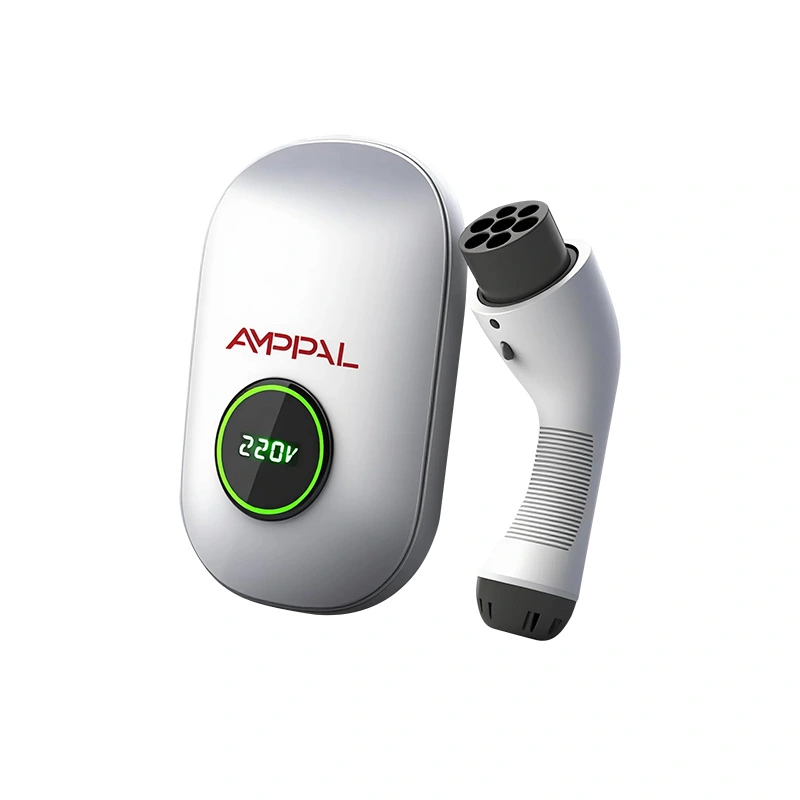
11kW Portable AC EV Charger for Residential and Commercial Use
  • 11kW Portable AC EV Charger for Residential and Commercial Use11kW Portable AC EV Charger for Residential and Commercial Use
  • 11kW Portable AC EV Charger for Residential and Commercial Use11kW Portable AC EV Charger for Residential and Commercial Use
  • 11kW Portable AC EV Charger for Residential and Commercial Use11kW Portable AC EV Charger for Residential and Commercial Use
  • 11kW Portable AC EV Charger for Residential and Commercial Use11kW Portable AC EV Charger for Residential and Commercial Use
  • 11kW Portable AC EV Charger for Residential and Commercial Use11kW Portable AC EV Charger for Residential and Commercial Use
  • 11kW Portable AC EV Charger for Residential and Commercial Use11kW Portable AC EV Charger for Residential and Commercial Use
  • 11kW Portable AC EV Charger for Residential and Commercial Use11kW Portable AC EV Charger for Residential and Commercial Use
  • 11kW Portable AC EV Charger for Residential and Commercial Use11kW Portable AC EV Charger for Residential and Commercial Use
  • 11kW Portable AC EV Charger for Residential and Commercial Use11kW Portable AC EV Charger for Residential and Commercial Use

11kW Portable AC EV Charger for Residential and Commercial Use

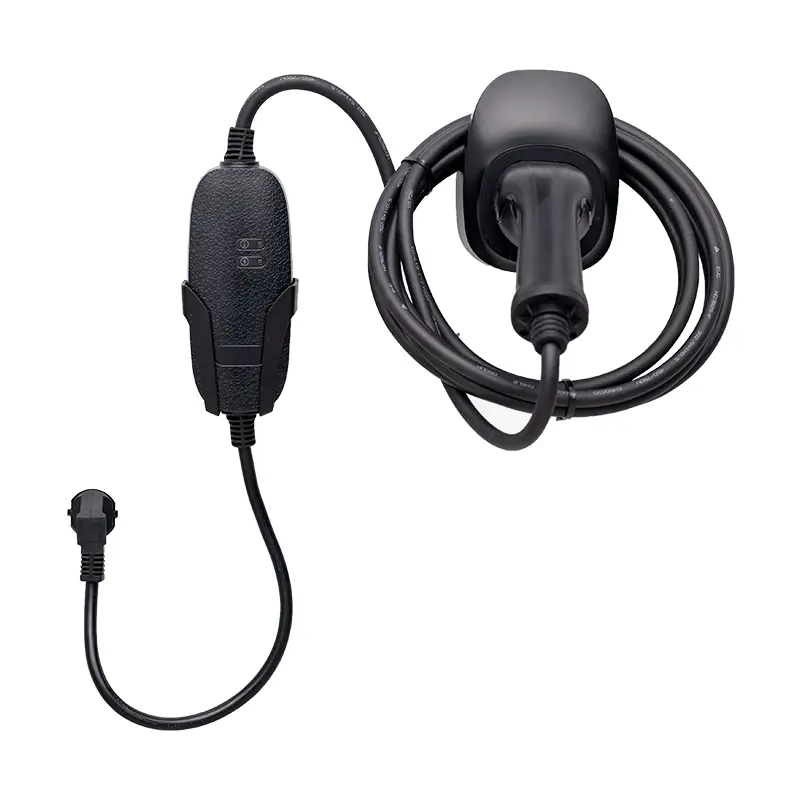
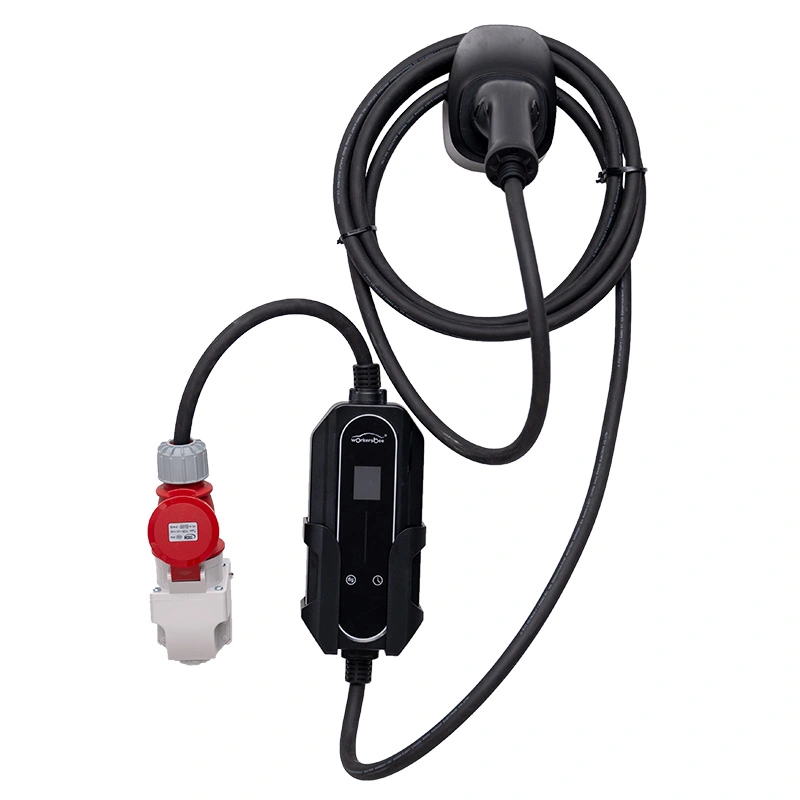
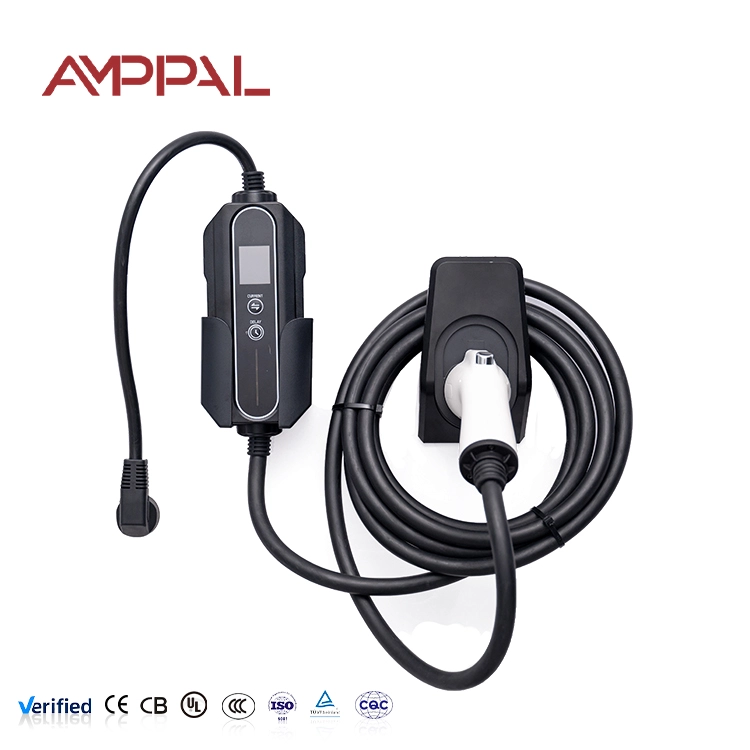
AMPPAL 11kW Portable AC EV Charger for Residential and Commercial Use features a three-phase wallbox drawing 16A per phase on a 380V supply — the standard home configuration across most of continental Europe. IP65 sealed, rated to -30°C, Bluetooth and WiFi control, CE compliant.

Why 11kW Became the European Default

Housing stock decides charger power. Across Germany, Austria, the Nordics, the Benelux countries and much of central Europe, homes are wired with a three-phase 400V supply as standard. Feed a wallbox 16A on each of three phases and you get 11kW — no supply upgrade, no special application.

The 11kW Portable AC EV Charger for Residential and Commercial Use exists at 11kW rather than some rounder-sounding number for a practical reason. The AF-AC-11-B-A-O-1/2-SF is sized to what a European domestic distribution board can already deliver.

It is worth being clear about the physics. Eleven kilowatts is not fast charging. It returns roughly 50-60km of range per hour, which fills almost any car overnight. If you need a battery filled in twenty minutes, you need DC, and no AC wallbox at any price will do it.

11kW Portable Wall-Mounted AC EV Charging Unit for Residential & Commercial Use11kW Portable Wall-Mounted AC EV Charging Unit for Residential & Commercial Use11kW Portable Wall-Mounted AC EV Charging Unit for Residential & Commercial Use

What Three-Phase Buys You Over a Single-Phase Box

Roughly 1.6x the charging rate of a 7.4kW single-phase unit, with no increase in per-phase current — still just 16A on each leg.

Balanced draw across L1, L2 and L3. Your distribution board sees an even load rather than one phase carrying everything, which matters if neighbours are also charging.

Lower current per conductor means less heat in the cable and terminals over a long charging session.

Compatible with the 11kW onboard chargers fitted to most European-market EVs — you use the car's full AC capability rather than throttling it.

IP65 sealing and a -30°C to +50°C range, so a Nordic winter or an unsheltered wall in the Alps is within spec.

304 × 191 × 95mm and light enough for one person to mount, despite being a three-phase unit.

Technical Specifications

Parameter

Specification

Model

AF-AC-11-B-A-O-1/2-SF

Rated Power

11kW

Input Voltage

380VAC

Rated Current

16A

Connectivity

Bluetooth, WiFi, APP

Dimensions

304 × 191 × 95 mm

Protection Grade

IP65

Operating Temp

-30°C to +50°C

Certification

CE Compliance

Warranty

2 Years Standard

Homes and Buildings This Suits

German, Austrian and Swiss single-family homes: three-phase is standard in the consumer unit, so 11kW usually needs no utility involvement at all.

Nordic properties with outdoor parking: the -30°C rating and IP65 body handle unsheltered installation through winter.

Dutch and Belgian terraced housing: compact enough for a narrow side wall or a shared entry passage.

Small apartment buildings fitting two or three units: balanced three-phase loading keeps the building supply within limits.

Company car parked at an employee's home: 11kW overnight covers a full working day of driving, and the APP log gives a clean record for expense reimbursement.

How the Unit Handles Three-Phase Supply

The wallbox switches AC through to the vehicle; the conversion to DC happens inside the car's onboard charger. What the unit actually controls is the pilot signal — it tells the car how much current the installation can safely provide, and the car limits itself accordingly.

Before the contactor closes, the unit checks earth continuity and confirms the vehicle is correctly connected and locked. During the session a residual current detection stage watches for DC leakage as well as AC, which is the requirement that catches out cheaper imports sold into Europe.

If one phase drops out — not unusual on rural supplies — the unit detects the imbalance and stops rather than continuing on two legs. That protection is why a phase failure becomes a logged event on your phone instead of a damaged onboard charger.

11kW Portable Wall-Mounted AC EV Charging Unit for Residential & Commercial Use11kW Portable Wall-Mounted AC EV Charging Unit for Residential & Commercial Use11kW Portable Wall-Mounted AC EV Charging Unit for Residential & Commercial Use

Compliance for the European Market

CE conformity covering the Low Voltage and EMC directives, with the technical file held per model series.

Every unit undergoes dielectric withstand and earth continuity testing before it is packed — this is 100% testing, not batch sampling.

IP65 verification by water jet, not just spray. The second digit is what separates this from the IP54 units that dominate the budget end of the market.

Thermal cycling between -30°C and +70°C on production samples, reflecting the storage and operating extremes of northern European installations.

Residual current protection tested for both AC and 6mA DC fault detection, matching what European installers are required to verify at commissioning.

Serial-numbered test record accompanies each unit, which simplifies matters if a building inspector asks for evidence.

Manufacturing Route

1. Component intake — contactors, RCD modules, controllers and enclosures checked against specification before they enter stock.

2. Enclosure moulding and inspection — the polycarbonate housing is checked for seal-face flatness, since IP65 depends on it.

3. Gasket fitting — seals are seated and verified rather than simply dropped in place.

4. Electronics assembly — controller, contactor and RCD stage fitted on our AC line; terminal torque is recorded.

5. Firmware loading and pilot-signal calibration against a reference vehicle simulator.

6. Electrical safety testing — dielectric strength, insulation resistance, earth continuity, RCD trip verification.

7. IP65 water-jet test on sampled units from every batch, with the enclosure opened afterwards to confirm a dry interior.

8. Functional soak, packing in retail-ready cartons, and palletising for export.

Should You Buy 11kW or 7.4kW?

Check two things before deciding: your supply and your car. If your consumer unit is single-phase, this model is not the right purchase and upgrading a domestic supply to three-phase is rarely worth it purely for charging — buy the 7kW single-phase version instead.

Then check the car. A vehicle with a 7.4kW onboard charger will draw 7.4kW from this unit and no more. You would be paying for capacity the car cannot use. Plenty of popular models fall into this category, so it is worth confirming rather than assuming.

Where both boxes are ticked — three-phase supply and an 11kW-capable car — this is the correct choice, and it will fill the battery in roughly two-thirds the time of a single-phase unit.

Points to Raise With Other Suppliers

Ask for the IP rating's second digit specifically. IP65 withstands water jets; IP54 handles splashing. On an exposed European wall that difference shows up within two winters.

Ask whether 6mA DC residual current detection is built in or requires an external device. Ours is integrated.

Ask about behaviour on phase loss. A unit that keeps running on two phases can damage the vehicle's onboard charger.

Ask what happens without internet. This unit is controlled over Bluetooth directly from a phone, so it works with no network at all.

Commercial terms here: MOQ 1 unit for standard builds, 15-20 working days production, 2-year warranty, custom branding available from 100 units.

Packing and Freight to Europe

11kW Portable Wall-Mounted AC EV Charging Unit for Residential & Commercial Use is shipped in a retail-ready printed carton around 380 × 260 × 150mm at roughly 4.5kg gross including the cable, with moulded foam inserts and a desiccant sachet.

Cartons pack 20 to a pallet on heat-treated fumigation-free timber, stretch-wrapped and strapped. A 20-foot container takes approximately 1,800 units; smaller quantities move well as LCL or by air given the low weight.

We ship EXW, FOB Ningbo or Shanghai, CIF and DDP into most EU destinations. Documentation includes the commercial invoice, packing list, CE declaration of conformity, serial-numbered test report and certificate of origin. For distributors, we can print retail packaging in your own branding and language.

Warranty and Ongoing Support

Two years standard on the complete unit, covering the contactor, RCD stage, controller and enclosure.

Faults are usually diagnosed from the APP event log — installers send us a screenshot and we identify the cause without a site visit.

Replacement units or parts dispatch within 48 hours of a confirmed fault, typically 3-5 working days into Europe by courier.

Installation manual, wiring schematic and a commissioning checklist in English are supplied; German, French and Dutch versions are available for volume orders.

No routine servicing is required beyond an annual visual check of the cable, gasket and terminals.

Installation Errors Worth Avoiding

Wrong: assuming the house is three-phase because the street is. Right: open the consumer unit and confirm three live conductors before ordering.

Wrong: connecting through an existing shared circuit. Right: run a dedicated three-phase circuit with its own breaker and RCD sized to the installation.

Wrong: relying on IP65 to survive a jet wash at close range. Right: it is sealed against water jets in the standard test, but do not aim a pressure washer directly at the enclosure seams.

Wrong: mounting with the cable entry facing upward. Right: follow the orientation in the manual. Water tracks down a cable and pools at whatever entry point faces the sky.

Wrong: skipping the phase rotation check. Right: verify it at commissioning — the unit reports a fault instead of charging, and that avoidable call-out costs an installer's day rate.

Feedback From European Installations

An installer in Lower Saxony has fitted around forty of these across new-build houses since early 2025. His practical comment: the compact body matters more than the spec sheet suggests, because German utility rooms are crowded and a large wallbox often ends up outside by default.

A homeowner in Tromsø, well inside the Arctic Circle, reported that the unit has run through two winters without a fault, though he did note the phone app is slow to connect in deep cold before the electronics warm up. We passed that to the firmware team; it is a Bluetooth wake behaviour, not a charging issue.

A property manager in Rotterdam running six units across three buildings said the balanced three-phase draw was the deciding factor — the building supply could not have taken six single-phase chargers all loading the same leg.

11kW Portable Wall-Mounted AC EV Charging Unit for Residential & Commercial Use11kW Portable Wall-Mounted AC EV Charging Unit for Residential & Commercial Use11kW Portable Wall-Mounted AC EV Charging Unit for Residential & Commercial Use

Common Questions

Q: How do I know if I have three-phase at home?

A: Check the consumer unit for three live conductors, or look at your meter — three-phase meters show separate readings per phase. Your electrician can confirm in minutes.

Q: What if my car only takes 7.4kW AC?

A: It will charge at 7.4kW. Nothing is damaged, but you are paying for capacity you cannot use — buy the single-phase model instead.

Q: How long for a full charge?

A: Around 50-60km of range per hour. A 60kWh battery from 20% to full takes roughly five hours.

Q: Does it need internet?

A: No. Bluetooth control works phone-to-charger with no network. WiFi is optional if you want remote visibility.

Q: Is it suitable for outdoor mounting in Scandinavia?

A: Yes — IP65 and rated to -30°C. Follow the mounting orientation in the manual so water cannot collect at the cable entry.

Q: Which connector is fitted?

A: Type 2, the European standard. Cable length is 5 metres as standard.

Q: Do I need an extra RCD?

A: The unit integrates AC and 6mA DC residual current detection. Your installer should still confirm the upstream protection meets local wiring regulations.

Q: Can I have it branded?

A: Yes — logo, housing colour and printed retail packaging from 100 units, with 25-30 working days lead time.


Send Inquiry
Contact Info

Talk Directly to Our EV Charger Factory

Get factory-direct pricing, custom solutions, and expert support.

- Fast Response – Reply within 24 hours.

- OEM/ODM – Flexible customization and sample orders.

- Certified Quality – CE, TÜV, CB, and CCC options.

- Custom Quotes – Tailored to your specifications.

- Technical Support – Expert help with OCPP, DLB, and system integration.

X
We use cookies to offer you a better browsing experience, analyze site traffic and personalize content. By using this site, you agree to our use of cookies. Privacy Policy
RejectAccept