" "
Whatsapp
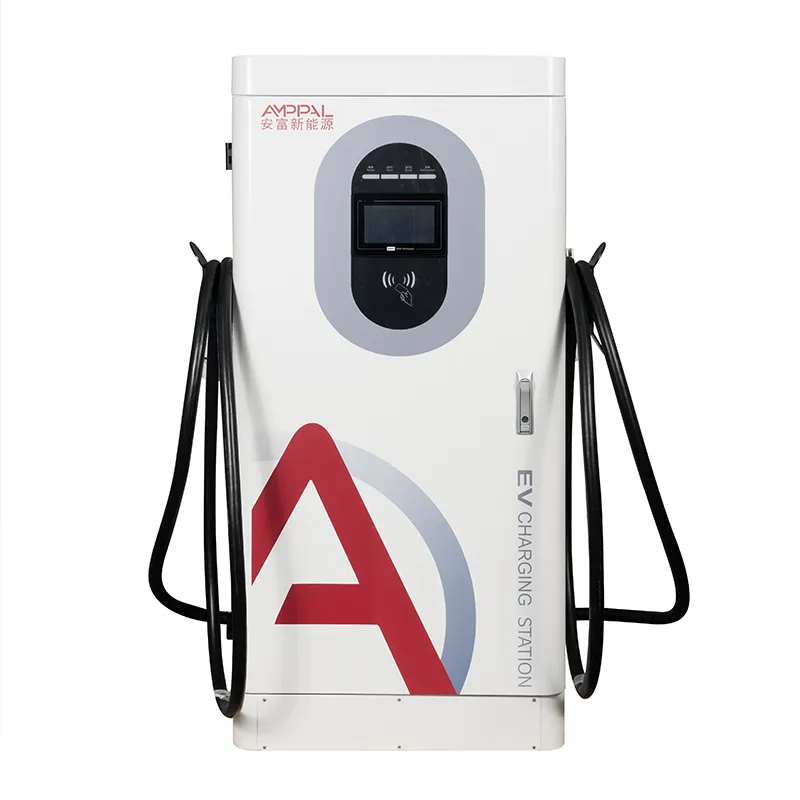
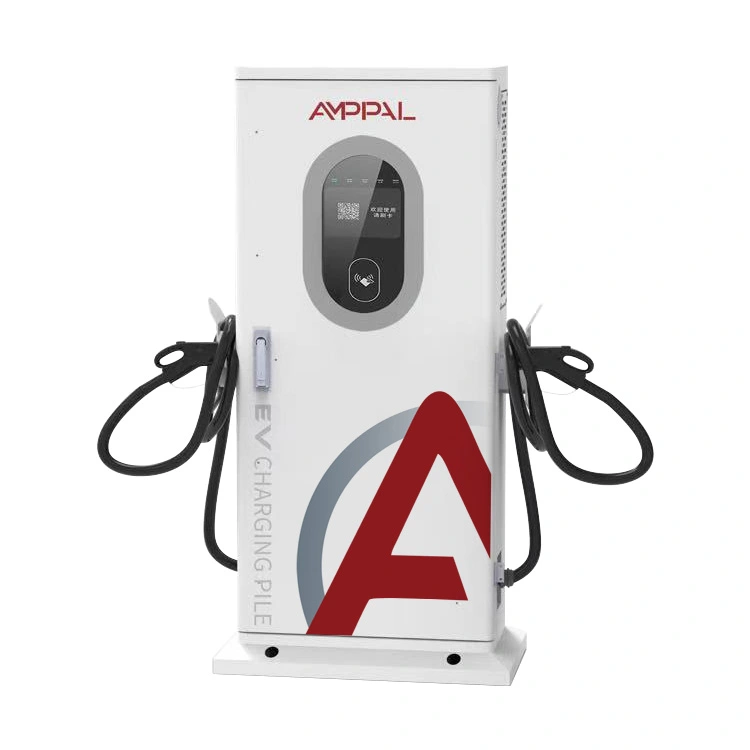
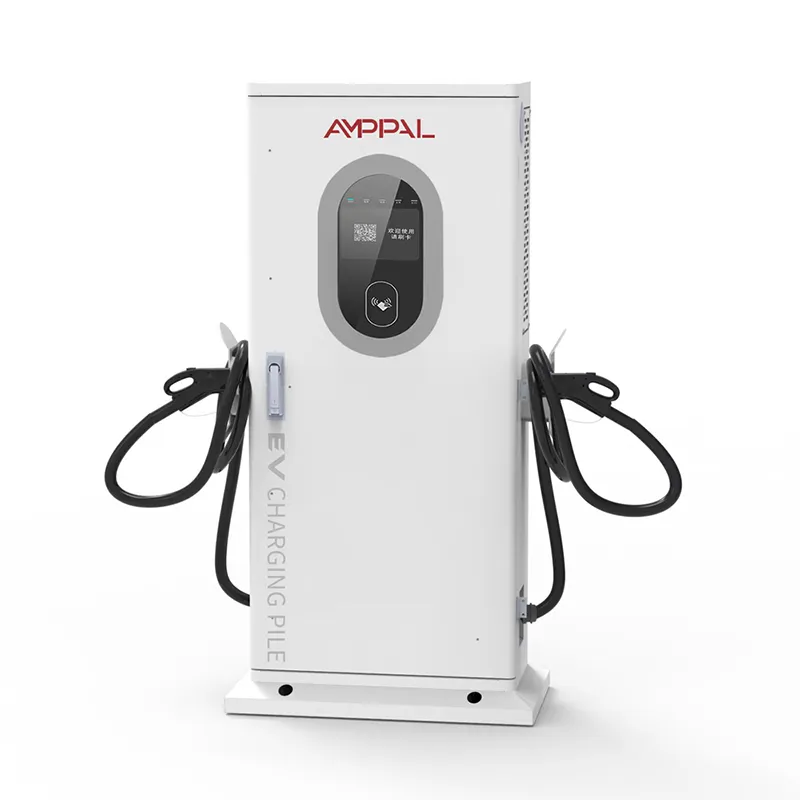
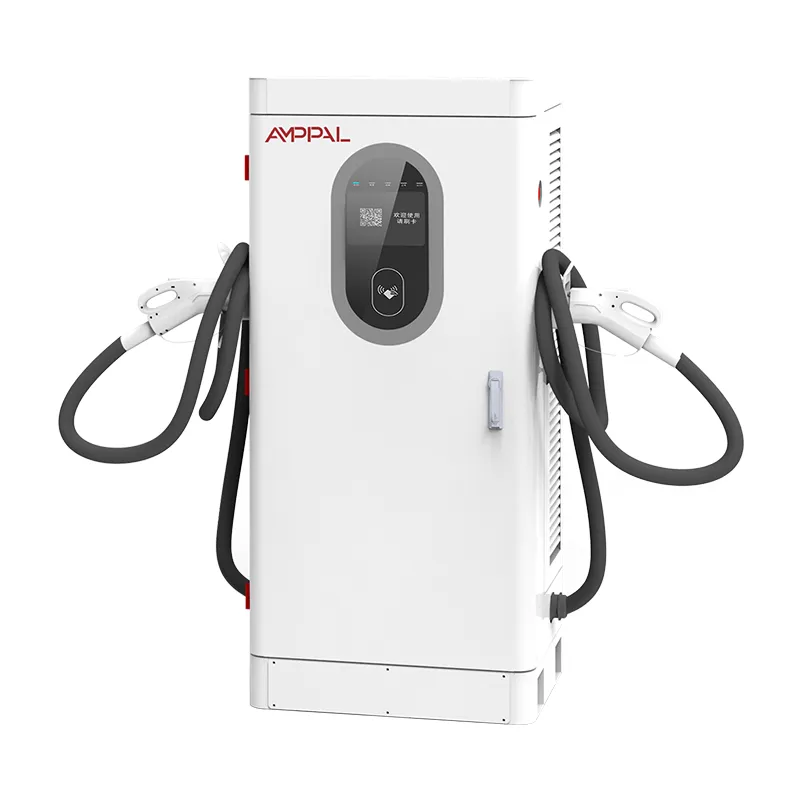
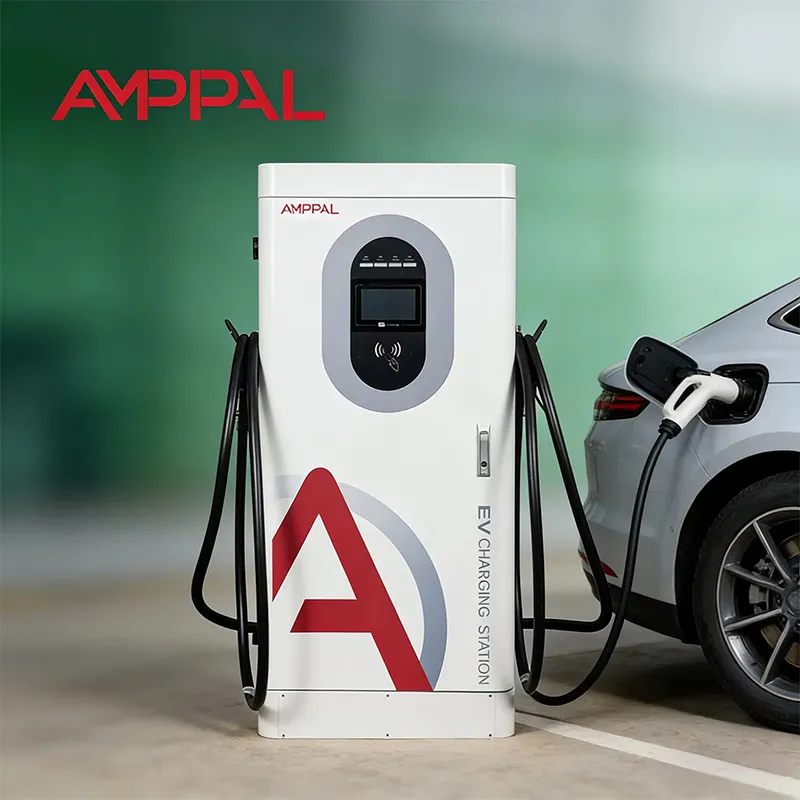
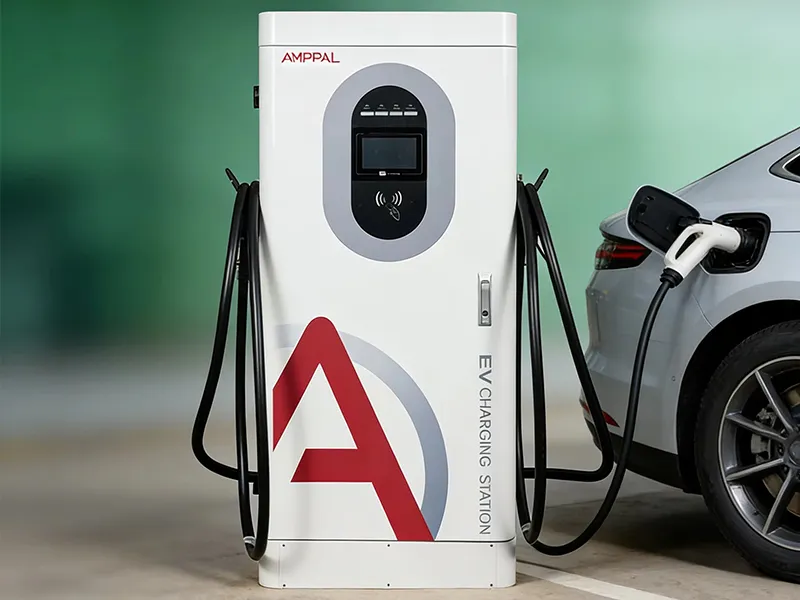
Before you buy a 60kW charger, the question is rarely whether it can charge a car - it is what it will do to your transformer, your phase balance and your demand charge. The AF-DC-060-Y-B-O-3/4/5-H is a floor-standing integrated DC fast charger sized 1517 x 650 x 300 mm including the base, delivering 60kW across 200-1000VDC at up to 133A from one AC380V +/- 15% three-phase input.
At full load it draws roughly 90A per phase - the exact figure depends on your local voltage and power factor. That number, times how many units run at once, is the real specification of your project.

A manageable appetite: about 90A per phase means one unit often fits an existing 100A service, keeping civil works small.
133A maximum output current reaches vans and light trucks, not just cars - the current range is what makes 60kW feel fast for bigger vehicles.
OCPP 1.6/2.0 with load management hooks: a site controller caps total site power and sequences units - how you squeeze six chargers onto a transformer sized for four.
95% peak efficiency means less purchased energy turns into cabinet heat and more reaches the battery.
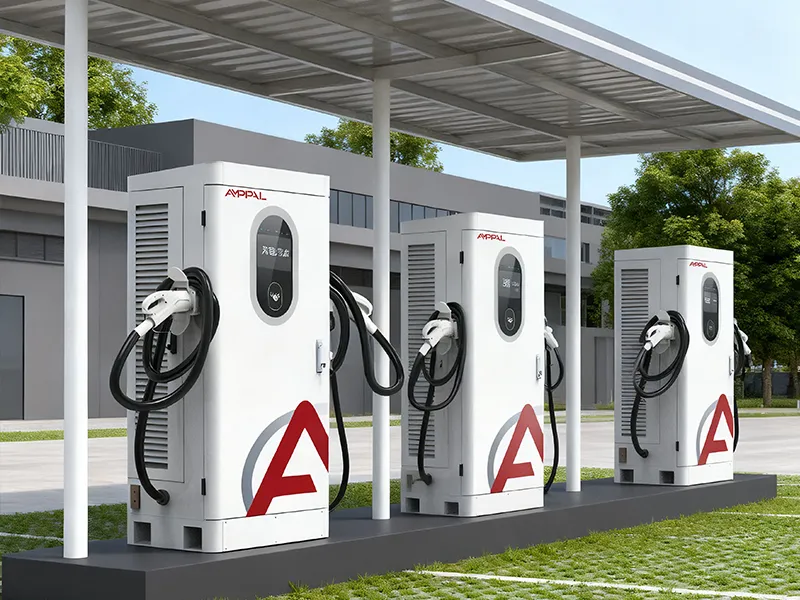
A slim 1517 x 650 x 300 mm pillar - six units line a forecourt wall without dominating the site.

|
Parameter |
Specification |
|
Model |
AF-DC-060-Y-B-O-3/4/5-H |
|
Rated Output Power |
60kW |
|
Overall Dimensions (mm) |
1517 x 650 x 300 (with base) |
|
Input Voltage |
AC380V +/- 15% |
|
Output Voltage Range |
200-1000VDC |
|
HMI |
7" color touch screen |
|
Charging Modes |
Auto/Fixed power/Fixed amount/Fixed time |
|
Rated Output Current |
0-133A |
|
Access Control |
Swipe card/Scan code/Password |
|
Protection Grade |
IP54 |
|
Peak Efficiency |
95% |
|
Compatible Connectors |
CCS1/CHAdeMO/CCS2/GB/T/NACS |
|
Operating Temperature |
-25 C ~ +50 C |
|
Warranty |
2 Years Standard |
Highway service areas: 20-40 minute sessions suit 60kW, and two units per direction keep queues moving without a 120kW grid commitment.
Taxi and ride-hail hubs: 60kW turns a taxi around in about a coffee break, and 133A helps bigger e-hailing vans.
Logistics depots with delivery vans: between-shift top-ups at 60kW handle 30-60 kWh batteries.
Multi-unit forecourts scaling from pilot to full build: start with two, add pairs as utilization grows - the same model, the same grid math.
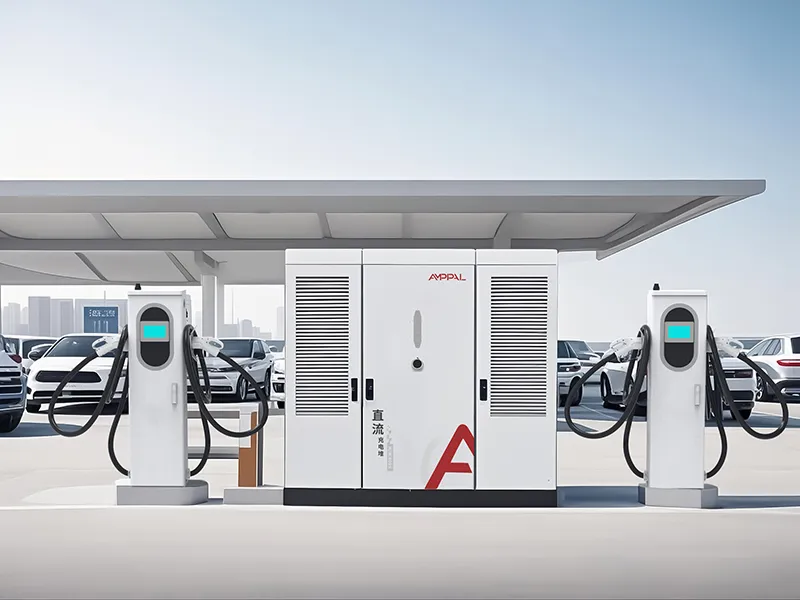
Solar-plus-storage hybrid sites: the charger takes 60kW during the solar window and throttles at night via load management.
The input stage is a three-phase rectifier with active power factor correction, so current draw stays close to the ideal line: 60,000 W divided by 380 V, root three, efficiency and power factor - roughly 90A per phase in practice. Keep that figure for the utility application and the breaker check.
Output is controlled per vehicle: the unit negotiates voltage with the BMS and regulates current up to 133A as the battery accepts it. Charge curves flatten near the top, so two cars finishing together pull less than 60kW each - real demand is usually below the nameplate sum, which makes simultaneity factors legitimate.
For multi-unit sites, the OCPP link matters more than the hardware: a controller sets a site cap - say 240kW across six units - and the units share it dynamically. That can cut your transformer by one size step and your demand charge with it.

Compliance set: CE and TUV for Europe, CB for international tenders, CCC at home, UL on request for US projects.
IP54 dust and splash testing happens in our chamber; the rating is tested, not guessed.
A 96-hour salt spray sample from each production batch protects coastal and industrial sites from coating failures.
Every unit completes a 24-hour full-load burn-in at 40 C; efficiency below 94% means rework, not shipment.
The DC meter is calibrated against a traceable reference; the certificate ships with the unit.

Sheet steel is punched, cut and folded by CNC machines and laser cutters, then powder-coated.
Salt spray samples are pulled from the batch and tested 96 hours before assembly starts.
The AC input section and the 60kW DC stack are built on separate lines with torque-controlled tools.
Control board, DC meter and OCPP 1.6/2.0 communication module are wired to a documented schedule.
Firmware is flashed; the full 133A output path is verified against an electronic load, not a battery.
Cold and heat chamber runs precede the 24-hour full-load burn-in at 40 C.
IP54 gaskets, glands and door seals are inspected; six-direction water spray follows.
Calibration certificate issued, unit crated.
Start with the transformer. Two units at full load need about 180A per phase combined - usually a 100 kVA transformer with headroom, or an existing service if your site already has three-phase capacity. Four units: roughly 360A per phase, which pushes you to a 160-200 kVA transformer.
Do not size for nameplate arithmetic. A simultaneity factor of 0.6-0.8 is realistic because sessions stagger naturally; load management lets you design closer to the real peak. Phase balance matters too: add units one at a time and alternate phases so the site stays balanced - an unbalanced site pays higher losses and trips nuisance faults.
Finally, the demand charge: utilities bill the highest 15-minute peak of the month separately. Six units pulling 360kW for one window costs real money monthly, not once. Solar during the charging window and a modest battery buffer shave that peak; the OCPP link is what lets the controller do it automatically.
Sample orders ship within 3-5 working days; container shipments leave 15-20 working days after order confirmation.
No minimums beyond one sample unit; volume pricing begins at 10, and 30/40/60kW models can travel in one container.
Customization: your logo, your paint color, your payment app, your labels.
We provide the invoice, packing list, CE/TUV certificates, test reports and a certificate of origin with every shipment.
Track record you can check: 1 million+ units since 2014, 200+ stations run by AMPPAL itself, and 500 liquid-cooled units at the NEOM green hydrogen project in Saudi Arabia.
Each crate occupies one pallet position: a wooden frame on a four-way base, foam-blocked to the footprint and humidity-wrapped for the ocean leg. The charging cable is coiled and strapped so the connector rests protected.
Roughly ten crates fit a 20-foot container, about 24 a 40-foot high-cube mixed with wall-mounted models. Each shipment is photographed during loading.
We quote EXW Yueqing, FOB Ningbo and CIF-to-port options; freight forwarders in Ningbo know AMPPAL crates well.
Each unit carries a two-year warranty. On a six-unit site we recommend holding one spare module locally rather than relying on air freight every time something fails.
Spares stocked 8+ years: screens, gun assemblies, fans, filters, control boards - most arrive within a week.
Remote firmware updates and OCPP 1.6/2.0 configuration support via email or WhatsApp with a same-day reply.
Site-planning help included: our engineers review your transformer size, cable schedule and phase plan before you order multiples.
Annual service checklist: filter cleaning every 1-3 months, torque connections yearly, quarterly review of load management settings.
Wrong: assuming phase rotation does not matter because the unit corrects itself. Right: verify L1-L2-L3 rotation before energizing; reverse rotation faults the unit and can damage the input stage.
Wrong: connecting all new units to the same phase to keep the wiring simple. Right: distribute units across phases; a balanced site avoids nuisance trips and pays lower losses.
Wrong: sizing the supply cable at exactly the breaker rating. Right: allow for voltage drop over the run length - below AC380V +/- 15% at the terminals, the unit derates or faults.
Wrong: running the charger from a portable generator during grid work. Right: use a stable three-phase supply; generator frequency drift confuses the input protections.
Wrong: enabling all six units without a site cap. Right: set the OCPP load management cap to the transformer's real capacity - that is the difference between a 200 kVA and a 400 kVA transformer.
A logistics operator in Selangor, Malaysia (July 2025) started with two units on a 100 kVA service for his delivery vans. He says the 133A output charges his 60 kWh vans in about an hour between routes - and the load management cap meant no transformer upgrade. His complaint: the initial OCPP setup with his third-party backend took two support sessions to smooth out; we now pre-configure the backend at the factory on request.
A service-area operator in Zaragoza, Spain (October 2025) runs four units at a highway stop and watched his demand charge drop 23% after our engineers set a 240kW site cap. His gripe: in month one he left all four on Auto and two units finished in the same 15-minute window, spiking the peak - the stagger settings fixed it.
A site developer in Monterrey, Mexico (February 2026) planned a six-unit forecourt with a 300 kVA transformer and solar. His feedback after three months: the phase-balance worksheet saved a rework - his first electrician had put three units on one phase. His note: the touch screen boot time of about 20 seconds feels long in a queue; a firmware update cuts it to under 10.
A: Roughly 90A per phase at full load, depending on your local voltage and power factor; the exact figure is on the nameplate and in the installation manual.
A: Often yes, if nothing heavy shares that service and the run is short enough to avoid voltage drop; have an electrician verify spare capacity first.
A: About four at full simultaneous load, or five to six with a load management cap around 240-260kW and realistic session staggering.
A: Utilities bill the highest 15-minute average demand of the month separately; six units pulling 360kW for one window costs you monthly. Site caps, staggering and solar/battery shave it.
A: Via OCPP 1.6/2.0 the units listen to a site controller; mixed-brand fleets work if the controller speaks OCPP to all.
A: Plan the transformer and cable schedule for the final count from day one; adding units later is a mechanical install plus a controller change.
A: Yes - it charges from whatever the site supplies, and OCPP lets the controller prioritize solar and cap grid draw in peak tariff windows.
A: Because output voltage varies 200-1000VDC; at 450V a 60kW charger needs about 133A. That current rating is what makes it fast for 400V-class vehicles.
Address
No. 237, Weisan Road, Yueqing, Zhejiang, China
Tel
Talk Directly to Our EV Charger Factory
Get factory-direct pricing, custom solutions, and expert support.
- Fast Response – Reply within 24 hours.
- OEM/ODM – Flexible customization and sample orders.
- Certified Quality – CE, TÜV, CB, and CCC options.
- Custom Quotes – Tailored to your specifications.
- Technical Support – Expert help with OCPP, DLB, and system integration.