" "
Products
20kW Wall-Mounted DC Fast EV Charging Station for Commercial Parking
  • 20kW Wall-Mounted DC Fast EV Charging Station for Commercial Parking20kW Wall-Mounted DC Fast EV Charging Station for Commercial Parking
  • 20kW Wall-Mounted DC Fast EV Charging Station for Commercial Parking20kW Wall-Mounted DC Fast EV Charging Station for Commercial Parking
  • 20kW Wall-Mounted DC Fast EV Charging Station for Commercial Parking20kW Wall-Mounted DC Fast EV Charging Station for Commercial Parking
  • 20kW Wall-Mounted DC Fast EV Charging Station for Commercial Parking20kW Wall-Mounted DC Fast EV Charging Station for Commercial Parking
  • 20kW Wall-Mounted DC Fast EV Charging Station for Commercial Parking20kW Wall-Mounted DC Fast EV Charging Station for Commercial Parking
  • 20kW Wall-Mounted DC Fast EV Charging Station for Commercial Parking20kW Wall-Mounted DC Fast EV Charging Station for Commercial Parking
  • 20kW Wall-Mounted DC Fast EV Charging Station for Commercial Parking20kW Wall-Mounted DC Fast EV Charging Station for Commercial Parking
  • 20kW Wall-Mounted DC Fast EV Charging Station for Commercial Parking20kW Wall-Mounted DC Fast EV Charging Station for Commercial Parking

20kW Wall-Mounted DC Fast EV Charging Station for Commercial Parking

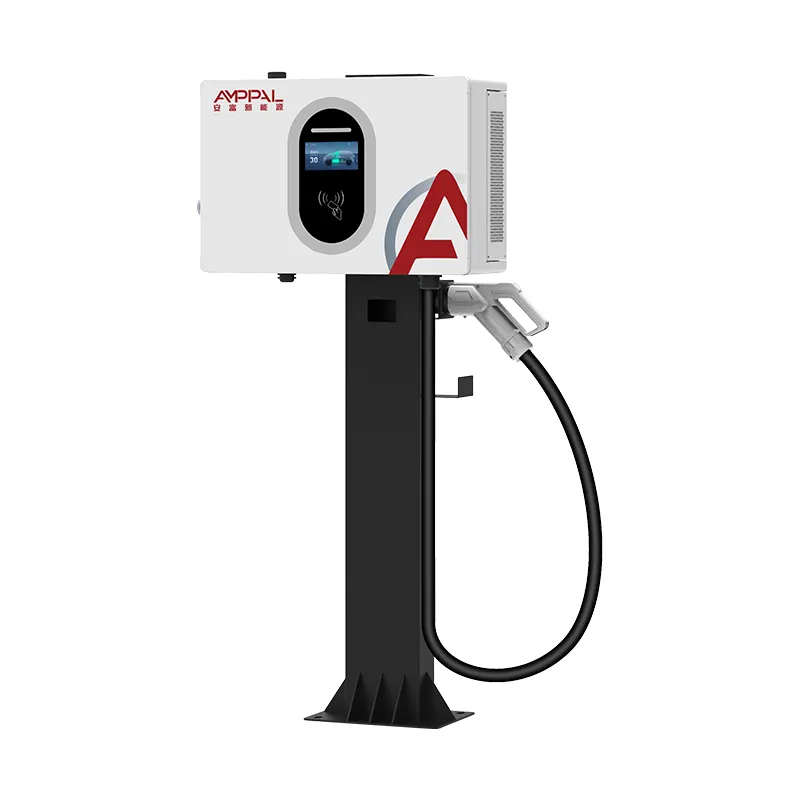
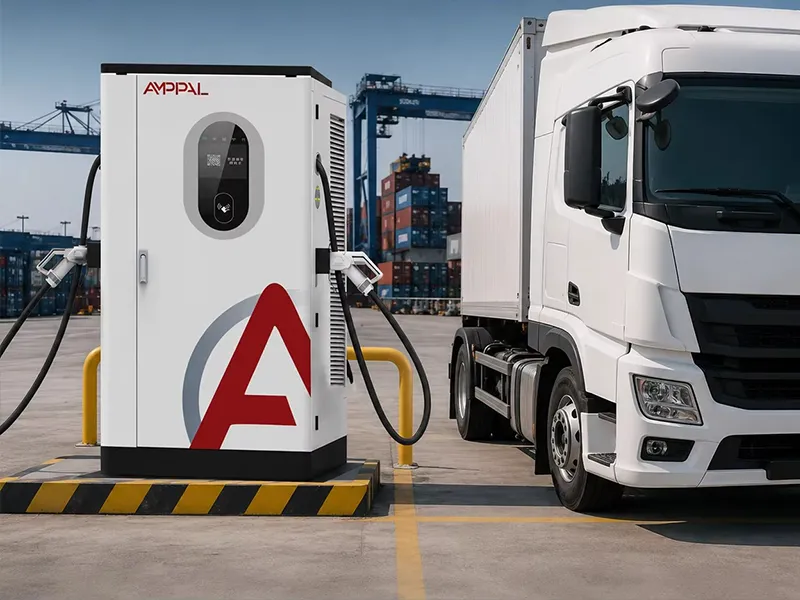
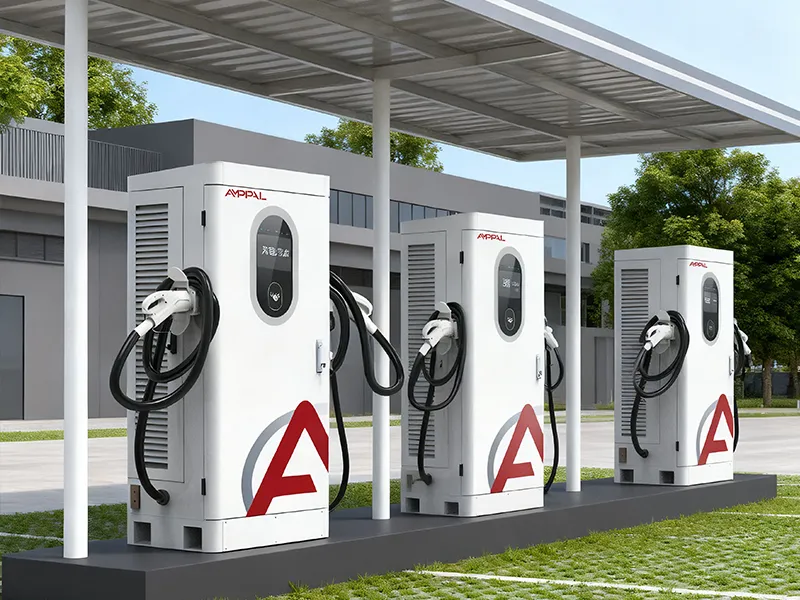
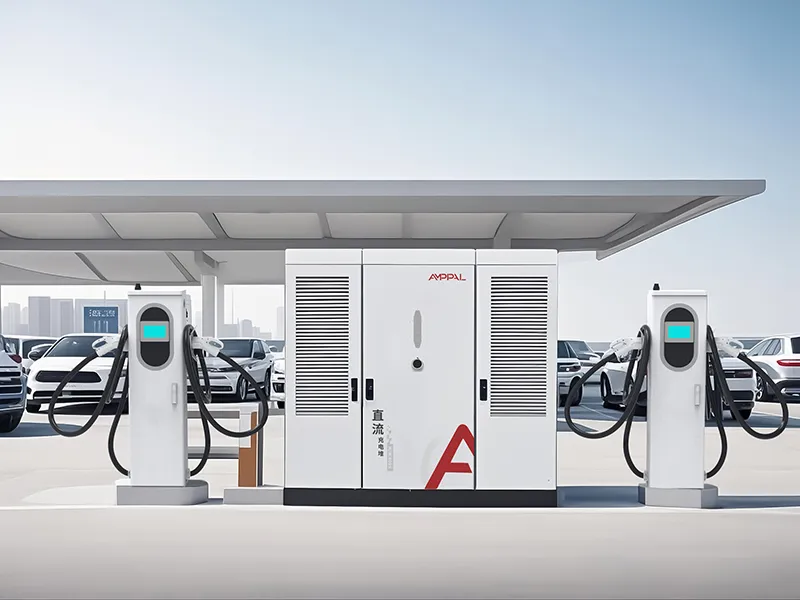
20kW Wall-Mounted DC Fast EV Charging Station for Commercial Parking is a compact DC charger on a 380V three-phase supply, delivering 0-67A output across a 200-1000VDC window. The lowest-cost way into genuine three-phase DC charging for depots, hotels and small commercial car parks.

The Entry Point Into Three-Phase DC Charging

The AF-DC-020-B-A-O-2-H is where our three-phase DC range starts. It draws AC380V, converts internally, and delivers 0-67A anywhere between 200V and 1000VDC. That voltage ceiling is the detail worth noticing — 1000V is normally reserved for far larger cabinets, and it means this small unit can still talk to 800V vehicle platforms that a cheaper 500V-limited charger would refuse outright.

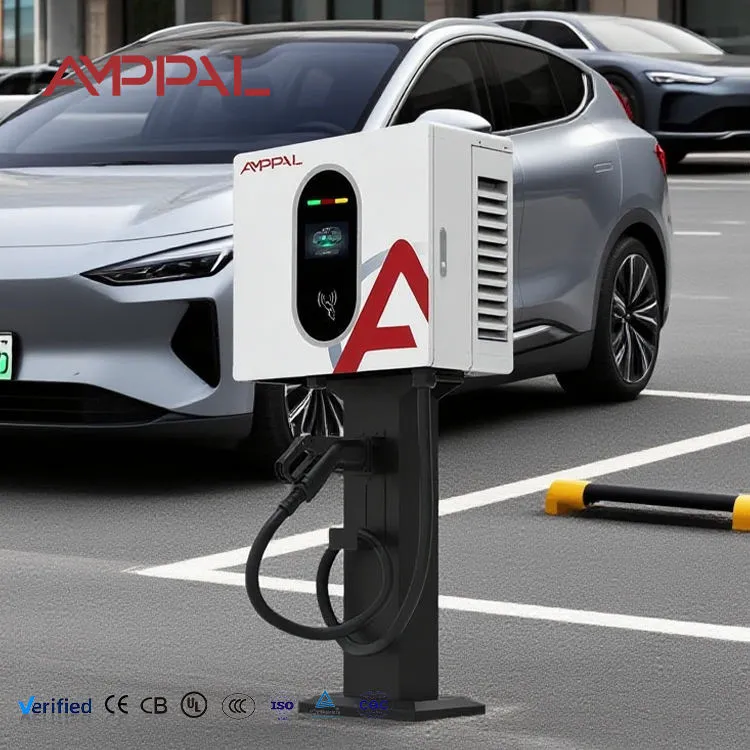
Physically it is a 450 × 660 × 240mm box on a wall bracket. No plinth, no foundation pour, no cable trench across a car park. For a site that already has three-phase power at the wall, installation is usually a half-day job for two electricians.

We built this model for buyers who need DC speed but cannot justify a 60kW cabinet — small hotels, workshops, dealership service bays, and anyone testing paid charging before scaling up.

20kW Wall-Mounted DC Fast EV Charging Station for Commercial Parking20kW Wall-Mounted DC Fast EV Charging Station for Commercial Parking

Design Choices Behind the 20kW Platform

1000V output ceiling on a 20kW unit: rare at this power class. It future-proofs the purchase against 800V-architecture vehicles arriving in your market.

0-67A continuous rating: current is held steady across the whole voltage band rather than derated at the top end, which is where budget units quietly lose performance.

Level 1.0 metering accuracy: billing-grade measurement, so revenue figures stand up if a customer disputes a charge.

Shared 450 × 660 × 240 enclosure with our 30kW and 40kW models: one spare-parts inventory, one mounting template, three power levels. Useful if you expand the site later.

4.3-inch touch screen: smaller than the 7-inch panel on our floor units, chosen deliberately — less glass to crack, lower replacement cost, and enough area for status and tariff.

Card, QR and password access built in: no separate access controller to buy or wire.

20kW Wall-Mounted DC Fast EV Charging Station for Commercial Parking20kW Wall-Mounted DC Fast EV Charging Station for Commercial Parking

Technical Specifications

Parameter

Specification

Model

AF-DC-020-B-A-O-2-H

Rated Output Power

20kW

Overall Dimensions (mm)

450 × 660 × 240

Input Voltage

AC380V±15%

Output Voltage Range

200-1000VDC

HMI

4.3" touch screen

Peak Efficiency

95%

Rated Output Current

0-67A

Access Control

Swipe card/Scan code/Password

Protection Grade

IP54

Accuracy Class

Level 1.0

Compatible Connectors

CCS1/CHAdeMO/CCS2/GB/T/NACS

Operating Temperature

-25°C ~ +50°C

Warranty

2 Years Standard

Sites That Suit a 20kW DC Wall Box

Hotel and serviced-apartment car parks: guests park for hours; 20kW returns roughly 20kWh per hour, enough for a full charge overnight and a useful top-up over dinner.

Dealership service bays: bring a customer car from 30% to 80% during a service appointment without tying up a high-power bay.

Light commercial depots: three or four units on one three-phase board suit a small van fleet returning at staggered times.

Office buildings offering staff charging: predictable dwell time of eight hours makes high power unnecessary and wasteful.

Municipal and utility yards: robust IP54 enclosure, -25°C to +50°C operating range, no moving parts to service beyond the fans.

Inside the Power Chain

Three-phase input passes through an EMI filter and surge arrester into an active rectifier, which is what keeps the power factor high and harmonic distortion low. A poor rectifier design shows up on your electricity bill as reactive-power penalties long before it shows up as a fault.

From the DC bus, an isolated DC/DC converter tracks the voltage the battery management system requests. Because output is regulated to Level 1.0 accuracy, the energy figure on the screen matches what actually entered the pack closely enough for commercial billing.

Protection is layered rather than singular: insulation monitoring before contactor closure, continuous residual-current detection during the session, over-temperature rollback at the module, and a mechanical emergency stop that cuts the contactor coil directly rather than asking the firmware to do it.

20kW Wall-Mounted DC Fast EV Charging Station for Commercial Parking20kW Wall-Mounted DC Fast EV Charging Station for Commercial Parking

What We Test Before It Leaves the Line

Dielectric withstand and insulation resistance on 100% of units — not a sampling plan.

Metering verification against a calibrated reference meter to confirm the Level 1.0 accuracy claim.

Full-load soak at 20kW with thermal imaging of the module and busbar joints; loose torque shows up here as a hot spot.

Emergency stop response timing, checked physically on every unit.

IP54 spray and dust verification on production samples from each batch, plus 96-hour salt spray on the enclosure finish.

Compliance with EN IEC 61851-1 and 61851-23; CE documentation ships with the goods.

The Eight Stages of Building This Charger

Stage 1 — Component intake: rectifier modules, contactors, meters and connectors verified against datasheet before stock entry.

Stage 2 — Sheet metal: CNC punch and press brake form the enclosure; consistent flange geometry is what makes the door gasket seal.

Stage 3 — Welding: robotic seam welding on structural joints for repeatability.

Stage 4 — Surface finish: degrease, phosphate, electrostatic powder coat, oven cure.

Stage 5 — Electrical assembly: modules, busbars and harness fitted; every power terminal torqued to spec and marked.

Stage 6 — Firmware and calibration: software loaded, voltage and current sensors calibrated, meter verified.

Stage 7 — Run-in and safety test: full-load operation with thermal monitoring, then the safety battery.

Stage 8 — Pack and palletise: foam-protected carton, moisture barrier, export pallet.

20kW, 30kW or 40kW — Reading the Current Rating

These three models share one enclosure and differ mainly in output current: 67A, 100A and 133A respectively. Since charging time depends on current at a given pack voltage, the practical difference is straightforward — a 60kWh car takes about three hours on the 20kW, two on the 30kW, ninety minutes on the 40kW.

Pick 20kW when dwell time is four hours or more and your grid connection is modest. It draws roughly 30A per phase, which most small commercial supplies absorb without an upgrade.

Move up to 30kW or 40kW when parking turns over faster, or when you are charging vans with larger packs. Bear in mind the supply side: 40kW pulls about double the input current of the 20kW, and that is often what decides the answer rather than the charger price.

Where We Differ From Cheaper 20kW Units

Voltage range: many 20kW units stop at 500V or 750V. Ours reaches 1000V, so it still works when 800V vehicles arrive.

Metering: Level 1.0 accuracy as standard rather than a cost-added option.

Connector flexibility: CCS1, CCS2, CHAdeMO, GB/T and NACS all available on the same platform — you are not locked to one export market.

Parts commonality across 20/30/40kW: fewer spares to stock if you run a mixed site.

Lead time 15-20 working days standard; 25-30 with custom branding. MOQ is 1 unit standard, 50 units for custom colour or logo.

20kW Wall-Mounted DC Fast EV Charging Station for Commercial Parking20kW Wall-Mounted DC Fast EV Charging Station for Commercial Parking

Export Packing and Freight

Units ship individually in five-layer cartons with EPE foam and a desiccant-sealed poly liner. Carton dimensions run about 540 × 750 × 330mm with a gross weight near 42kg, so a single unit is a two-person lift.

Twelve units fit a standard export pallet, strapped and stretch-wrapped on heat-treated fumigation-free timber. A 20-foot container takes roughly 96 units palletised.

Trade terms: EXW, FOB Ningbo or Shanghai, CIF, and DDP for most European and Gulf destinations. Sample orders usually go by air or express courier in 5-7 days; container shipments follow normal sailing schedules. Export documents include invoice, packing list, CE DoC and the unit test report.

Service Terms

Two-year warranty on the complete unit including power modules, meter, contactors and screen.

OCPP-based remote diagnostics where the site has connectivity; we read the fault log rather than guessing from a description.

Spares dispatched within 48 hours of fault confirmation, 3-5 working days in transit by courier.

Optional pre-shipment spares kit — a spare module and contactor set — which distributors serving remote regions usually take.

Installation manual, wiring schematic and commissioning checklist in English; other languages on request for volume orders.

Five Commissioning Errors Worth Avoiding

Wrong: sizing the upstream breaker to the charger's output kW. Right: size to input current — roughly 30A per phase at full load, plus margin.

Wrong: fitting the unit on a hollow partition wall. Right: mount to masonry or a steel frame. It weighs around 38kg before the cable.

Wrong: leaving the phase rotation unchecked. Right: verify sequence at commissioning; the active rectifier reports a fault rather than running, and that call-out is avoidable.

Wrong: blocking the vent path with a cable tray directly above. Right: keep 300mm clear top and bottom for airflow.

Wrong: setting the tariff before verifying the meter reading against a known load. Right: check once at commissioning — Level 1.0 accuracy only helps if the tariff is configured correctly.

Notes From Site Installations

A 32-room hotel outside Kraków installed four units in a rear car park in 2025. Their maintenance lead said the deciding factor was not price but the wall mount — the car park surface is leased and they were not permitted to pour foundations for floor-standing cabinets.

A van rental operator in Malaysia runs six units across two branches. They reported one genuine issue in the first year: condensation on the screen during monsoon mornings, resolved by relocating two units under the existing canopy rather than any change to the hardware.

An electrical contractor in the UAE who has installed more than thirty of these commented that the shared enclosure across 20/30/40kW simplifies his work — same bracket, same cable entry, same commissioning steps regardless of which power level the client ordered.

Questions Buyers Ask Before Ordering

Q: What supply capacity do I need?

A: About 30A per phase on a 380V three-phase feed at full output. Confirm your board has the headroom before ordering.

Q: Does the 1000V range mean it charges 800V cars fast?

A: It means it charges them at all, at 20kW. High-voltage platforms need our 120kW+ range for genuinely fast sessions.

Q: Is the meter accurate enough to bill customers?

A: Yes, Level 1.0. Verify against a reference load at commissioning and configure your tariff accordingly.

Q: Can I mount it outdoors without a canopy?

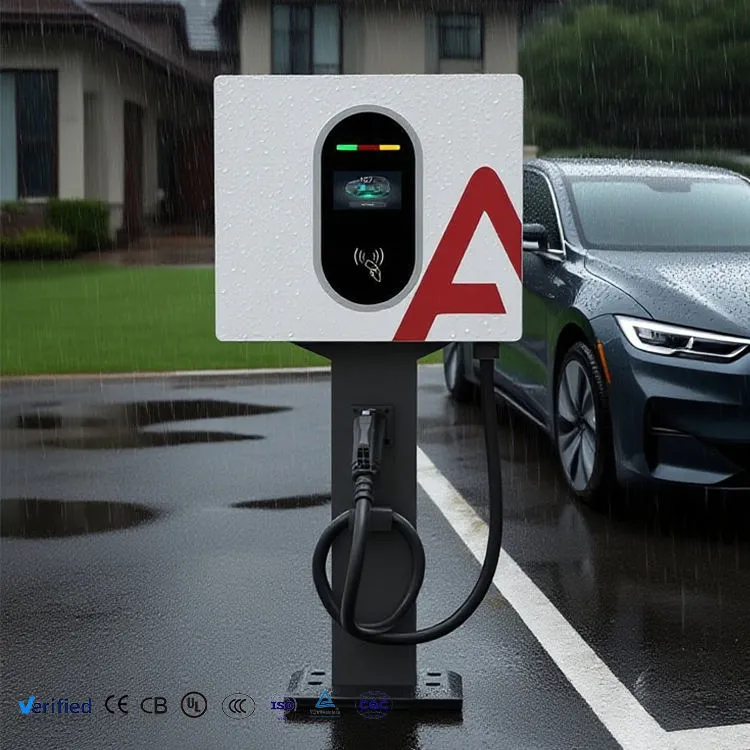
A: IP54 permits it. A canopy still extends screen and gasket life, particularly in high-UV or monsoon climates.

Q: Which connector should I specify?

A: CCS2 for Europe and most of the Middle East, CCS1 or NACS for North America, GB/T for China, CHAdeMO where older Japanese models are common.

Q: Can I upgrade a 20kW unit to 30kW later?

A: No — the power modules differ. Order the rating you need; the enclosure being identical does not make the electronics interchangeable.

Q: How noisy is it in a residential setting?

A: Fan-cooled and speed-controlled. At part load it is quiet; at sustained full load expect audible fan noise similar to an outdoor air-conditioning unit.

Q: What is included in the box?

A: Charger, wall bracket, charging cable and gun, installation manual, and test certificate. Cable length is 5 metres as standard.


Send Inquiry
Contact Info

Talk Directly to Our EV Charger Factory

Get factory-direct pricing, custom solutions, and expert support.

- Fast Response – Reply within 24 hours.

- OEM/ODM – Flexible customization and sample orders.

- Certified Quality – CE, TÜV, CB, and CCC options.

- Custom Quotes – Tailored to your specifications.

- Technical Support – Expert help with OCPP, DLB, and system integration.

X
We use cookies to offer you a better browsing experience, analyze site traffic and personalize content. By using this site, you agree to our use of cookies. Privacy Policy
RejectAccept