" "
Products
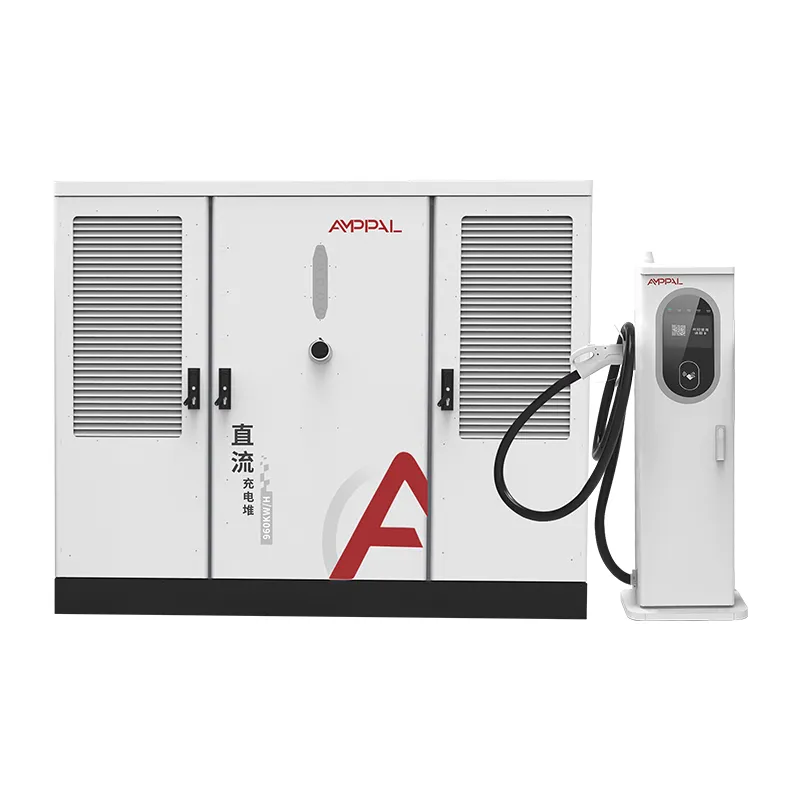
360kW Liquid-Cooled High-Power EV Charging Stack for Fleet Charging Hubs
  • 360kW Liquid-Cooled High-Power EV Charging Stack for Fleet Charging Hubs360kW Liquid-Cooled High-Power EV Charging Stack for Fleet Charging Hubs

360kW Liquid-Cooled High-Power EV Charging Stack for Fleet Charging Hubs

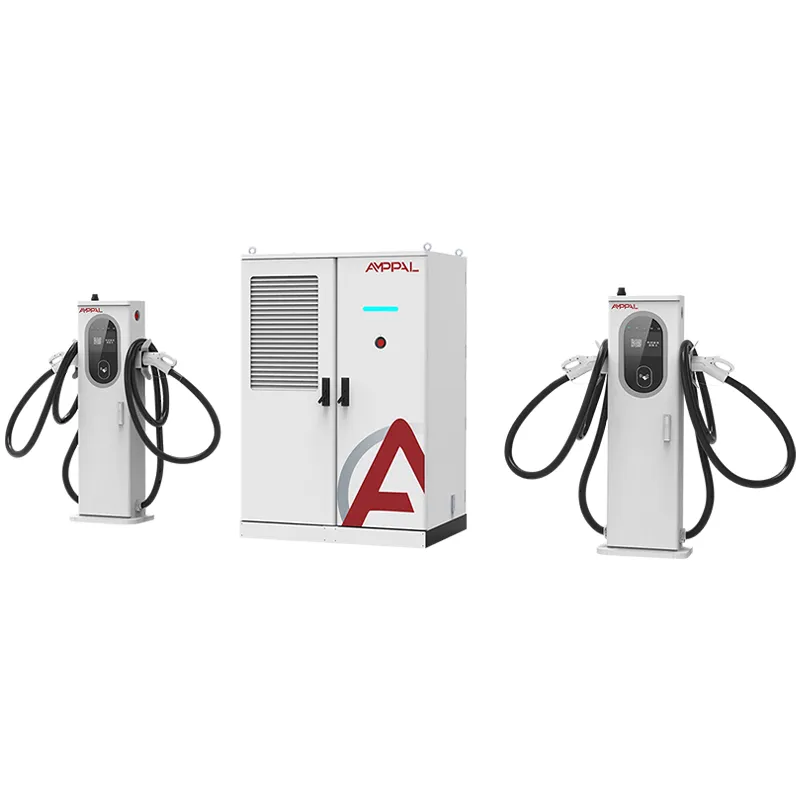
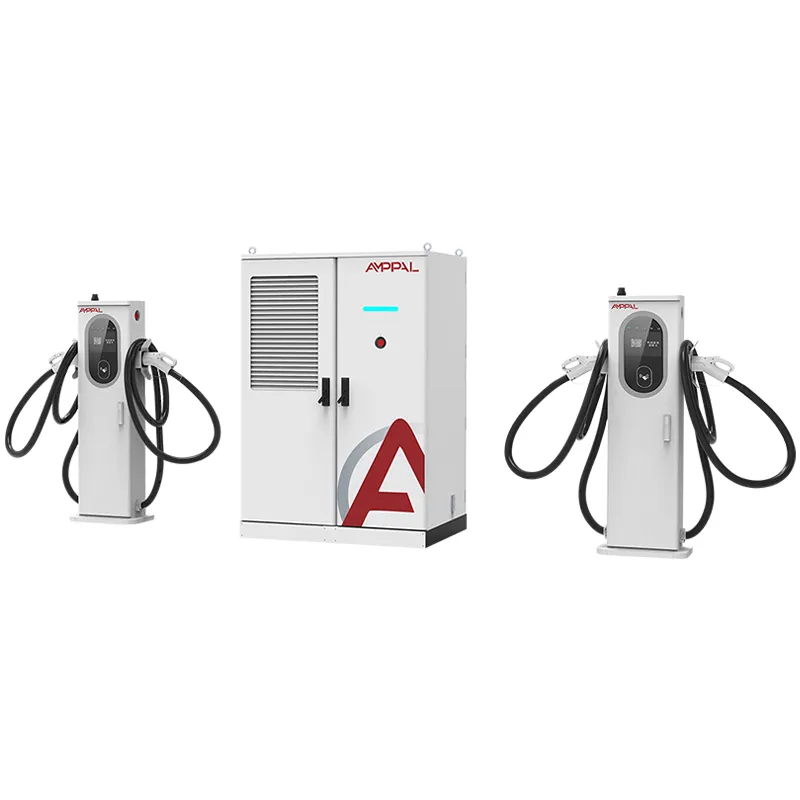
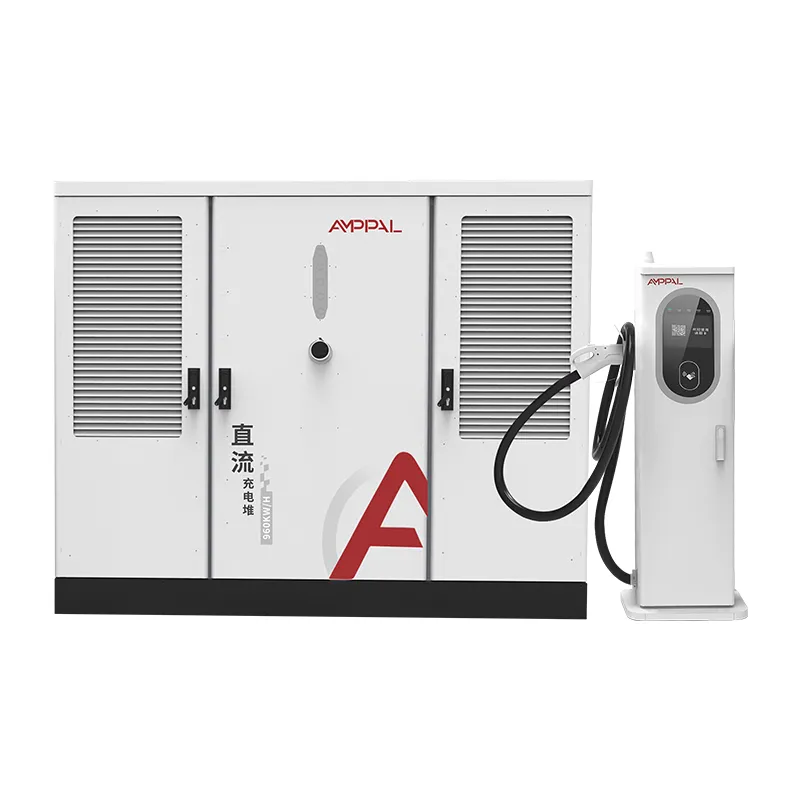
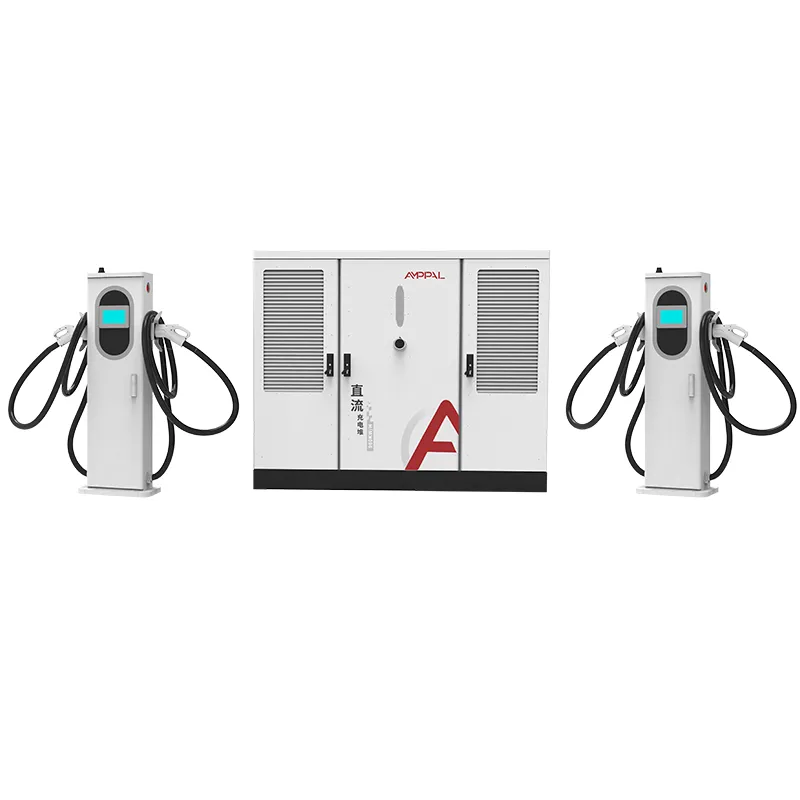
AMPPAL 360kW Liquid-Cooled High-Power EV Charging Stack for Fleet Charging Hubs (AF-DC-360-LC-S1) is a 360kW liquid-cooled DC EV charging stack with a shared power pool instead of fixed per-bay output. One cabinet serves up to 8 mixed terminals: 250A air-cooled and 600A/800A liquid-cooled. A single 800V car can draw the full 360kW when the site is quiet, and the scheduler splits power fairly at peak. 94.5% efficiency, DC200-1000V, IP54, OCPP 1.6/2.0, CE/TUV/CB/CCC/UL. 15-20 working days from the Yueqing factory, 2-year warranty.

Introducing the AF-DC-360 Power Pool

The AF-DC-360-LC-S1 is a charging stack with a power pool instead of fixed sockets. Its 360kW of DC output sits behind a scheduler that hands current to whichever terminals need it, second by second, rather than locking a fixed share to each bay.

That is the whole difference between a stack and a row of fixed-output piles. Four 90kW piles waste capacity whenever one bay sits empty; a 360kW pool reroutes that idle power to the busy bay, so the same site delivers more sessions per day. That single sentence is why pooled stacks now dominate new corridor builds across Europe and the Gulf.

The cabinet carries the same mixed terminal family as our 240kW model: 250A air-cooled guns for everyday cars and 600A/800A liquid-cooled guns for 800V platforms. The pool does not care which cable type draws from it.

360kW Liquid-Cooled High-Power EV Charging Stack for Fleet Charging Hubs

Five Reasons a 360kW Pool Beats Fixed-Output Charging Piles

One bay can absorb all 360kW: a single 800V sedan or truck charges at the stack's full capability when it is the only active vehicle, which roughly halves peak session time versus a fixed 120kW-per-bay layout.

Idle capacity is never idle: the scheduler reallocates power from empty bays to active ones, so average utilization over a 16-hour day typically lands 25-40% higher than fixed-allocation chargers on the same traffic.

Priority logic you can tune: the stack reserves a minimum current for every connected car, so a long-range sedan and a taxi both finish, just at different speeds.

Efficiency holds at 94.5% peak whether one bay or six bays are pulling, because the power modules stay inside their most efficient operating band.

OCPP 1.6/2.0 exposes real-time per-bay power data, so you can bill per kWh honestly and publish live bay status in your app.

The mixed terminal family (250A air / 600A/800A liquid) means the pool serves 400V taxis and 800V flagships from one cabinet.

Technical Specifications

Parameter

Specification

Model

AF-DC-360

Rated Output Power

360kW

Main Cabinet (mm)

1750 × 1200 × 900

Terminals

Air-cooled (250A) & Liquid-cooled (600A/800A)

Input Voltage

AC380V±15%

Output Voltage Range

DC200-1000V

HMI

7" touch screen + LED

Peak Efficiency

94.5%

Protection Grade

IP54

Access Control

Swipe card/Scan code

Compatible Connectors

CCS1/CHAdeMO/CCS2/GB/T/NACS

Operating Temperature

-25°C ~ +50°C

Warranty

2 Years Standard

High-Turnover Locations That Reward Shared Power

Highway corridors where session queues form at midday while bays sit idle overnight.

Airport and transit-hub parking with dwell times from 40 minutes to 6 hours.

Ride-hailing fleet hubs mixing 30-minute top-ups with overnight slow charging.

Petrol-to-EV conversion sites where the transformer is fixed but the vehicle mix keeps changing.

Tourist-route corridors with strong seasonal peaks, where pooled power absorbs weekend surges.

How Power Moves Between Terminals in Real Time

The 360kW pool is built from paralleled power modules feeding one DC bus. A controller reads the current request from every connected terminal every few hundred milliseconds, then allocates the pool in priority order: active liquid-cooled lanes first, then air-cooled lanes, with a configurable minimum for each.

When one 800V car requests 600A and nothing else is connected, the stack dedicates its entire capacity to that car; the car's own BMS sets the ceiling. When six cars plug in, the same power is sliced dynamically, and a car that arrived first keeps its share until its battery tapers. Transfers are soft-switched, so a vehicle already charging never sees a dip when a new session starts.

The result is measured in utilization, not peak output. Operators running 360kW stacks report 40-55% average utilization over the day versus 20-30% for fixed-allocation piles on similar traffic, which changes the payback math on the transformer and the land.

Compliance Evidence: CE, TUV, CB, CCC, UL

CE, TUV, CB, CCC and UL certificates ship with the unit; the AF-DC-360 shares its certification family with the 240kW and 480kW stacks.

Every cabinet passes a 1000VDC insulation resistance test and an earth continuity check before commissioning.

A 48-hour load bank burn-in runs the pool at full 360kW, cycling power between virtual bays to exercise the scheduler.

Grid-side tests cover surge immunity per IEC 61000-4-5 and harmonic behavior on the AC380V input.

IP54 ingress is verified per IEC 60529 with a controlled water spray on door seals and cable entries.

Per-batch test reports ride with the shipment file for customs and grid paperwork.

Eight Steps Inside the Yueqing Factory

TRUMPF laser cutting and CNC punching shape the enclosure panels to tolerance.

Panels move through the powder coating line for the outdoor-rated finish.

Power modules are built on the dedicated DC assembly line.

Busbars and cable harnesses are installed with torque-controlled tools.

FANUC robots handle module placement, reducing handling damage.

Firmware and the OCPP profile are flashed to match your backend.

The full stack runs a 48-hour load bank burn-in with scheduler cycling.

A 14-point final inspection clears the unit for crating.

Sizing a Power Pool: One Big Stack or Several Small Ones?

Buy the AF-DC-360 when sessions arrive unevenly. A site where 60% of cars show up in a four-hour window will always waste fixed power; the pool converts that unevenness into usable capacity.

Do not buy it if your site is a private depot charging the same eight trucks overnight at 40-60kW each. A simpler fixed charger costs less, and the pool's flexibility is never used. Do not buy it if your grid connection is capped below 360kW; the stack cannot create power that the feed cannot supply.

If you are choosing between 240kW and 360kW on a transformer budget, model both: a 240kW stack covers most sedan traffic, while 360kW adds the margin that stops queue complaints during peaks. AMPPAL will run the utilization estimate with your traffic data before you commit.

Why Importers Reorder from AMPPAL

15-20 working days lead time for stock configurations, with a one-unit MOQ.

Custom terminal mix and OCPP parameters configured at order time, not after delivery.

Full CE/TUV/CB/CCC/UL documentation travels with the goods.

Over one million charging units delivered by 2024, plus 200+ stations in AMPPAL's own operating network.

EXW, FOB Ningbo or CIF pricing with a dedicated account engineer.

Spare power modules are quoted at factory cost for repeat buyers, so uptime planning stays cheap.

Shipping a 360kW Stack: Dimensions and Terms

The 1750 x 1200 x 900mm cabinet travels in a plywood export crate, with the mixed terminal set in separate foam-lined cartons. The complete shipment weighs roughly 950-1150kg depending on the gun mix.

Two stacks per 40-foot container is the standard plan; crates are bolted to the floor rails and strapped against shifting. One forklift clears the set at your port.

Documents: commercial invoice, packing list, bill of lading, certificate of origin, batch test reports. Quote basis is EXW, FOB Ningbo or CIF as you prefer.

Service That Keeps the Pool Running

2-year warranty covering the stack, terminals and modules, including coolant circuit faults.

Spares such as liquid connectors and coolant hoses dispatched within 3-5 working days.

Quarterly remote OCPP health checks flag module drift before it costs a session.

6-month coolant level and hose clamp checks for liquid terminals, with a multilingual checklist supplied.

A direct WhatsApp line to the engineer who knows your unit's serial numbers.

Operating a Shared-Power Stack: Wrong vs Right

Wrong: Assuming every bay gets 90kW just because the stack is 360kW. Right: Minimum per-bay current is a setting you control, so configure it before launch.

Wrong: Giving all liquid terminals priority and starving the air bays. Right: Balance the priority table so taxis still finish in a reasonable window.

Wrong: Sizing the input cable for 240kW because the pool shares. Right: The AC feed is still 360kW; size the breaker and cable for full output.

Wrong: Polling the backend every 30 seconds and calling it real-time. Right: Use OCPP 2.0 eventing or a 5-second poll for live bay status.

Wrong: Skipping the quarterly remote health check. Right: A 15-minute check catches a failing module before it takes a bay down at peak.

What Buyers in Three Countries Say

A UAE operator near Dubai airport ran one AF-DC-360 from September 2025 on an 8-bay pad. They measured 47% average utilization on weekdays, up from 26% on their old fixed 120kW units, and the lunchtime queue shrank from 25 minutes to about 8. Their gripe: the cabinet hum is noticeable at night, so they moved it 12 meters from the hotel wall. Downtime in the first five months: zero.

A Thai ride-hailing operator in Bangkok uses the stack for 40 drivers; the minimum-current setting kept taxis at 60kW while flagship sedans took the rest. They asked for a second OCPP meter per terminal for driver payouts, which AMPPAL added in firmware at no charge.

A Croatian corridor site with one 360kW stack and six bays absorbed the summer surge well; the owner's only complaint is that three simultaneous 800V cars can outrun the pool, and they plan a second stack in 2027.

Power-Sharing FAQ for Site Operators

Q: What does dynamic power sharing actually change for drivers?

A: They see higher power when the site is quiet and fair sharing during peaks, instead of a hard per-bay cap.

Q: Can the pool give all 360kW to one car?

A: Yes, when it is the only active terminal, up to the car's own charging limit; the car's BMS, not the stack, decides the final rate.

Q: How do I bill per session fairly?

A: OCPP reports per-terminal kWh data, so your backend bills exactly what each bay drew.

Q: How many terminals fit on the pool?

A: Up to 8, in any mix of 250A air and 600A/800A liquid guns.

Q: Is a bigger transformer mandatory?

A: The stack needs the full 360kW feed to deliver it; with a smaller transformer it limits itself automatically.

Q: How long from order to shipment?

A: 15-20 working days for stock configurations.

Q: Does the warranty cover the scheduler software?

A: Yes, firmware is covered for 2 years with free updates.

Q: Can I start at 240kW and upgrade the cabinet later?

A: No, the cabinet is rated at order time; choose 360kW now if the transformer supports it.


Send Inquiry
Contact Info

Talk Directly to Our EV Charger Factory

Get factory-direct pricing, custom solutions, and expert support.

- Fast Response – Reply within 24 hours.

- OEM/ODM – Flexible customization and sample orders.

- Certified Quality – CE, TÜV, CB, and CCC options.

- Custom Quotes – Tailored to your specifications.

- Technical Support – Expert help with OCPP, DLB, and system integration.

X
We use cookies to offer you a better browsing experience, analyze site traffic and personalize content. By using this site, you agree to our use of cookies. Privacy Policy
RejectAccept