" "
Whatsapp
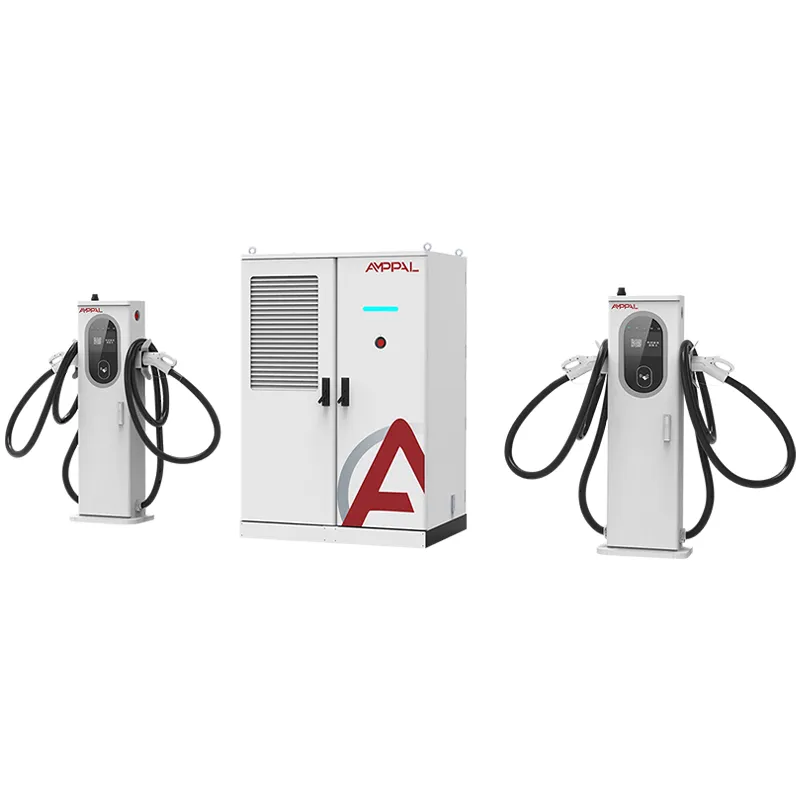
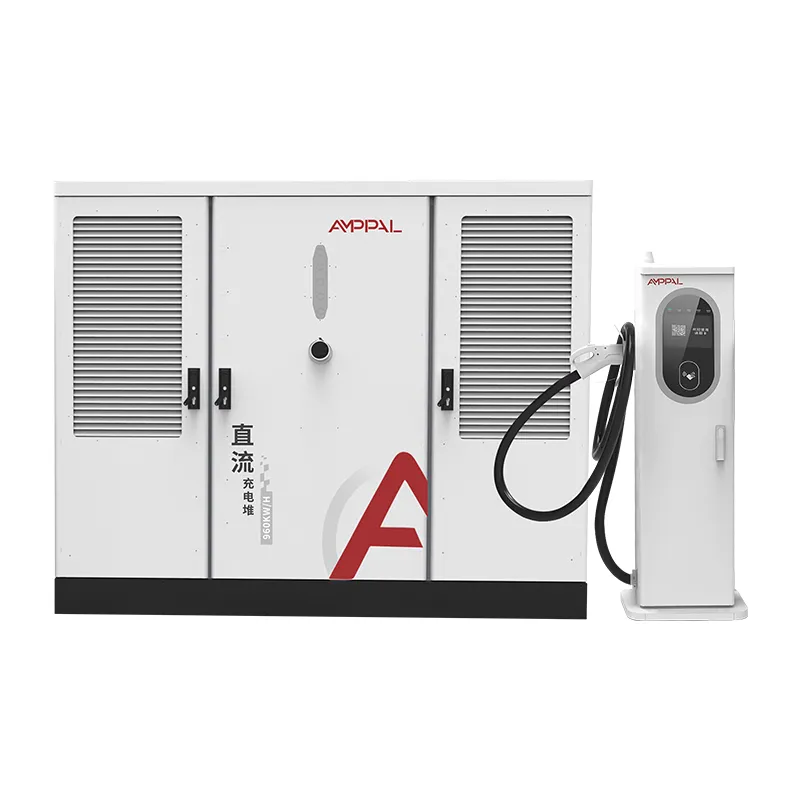
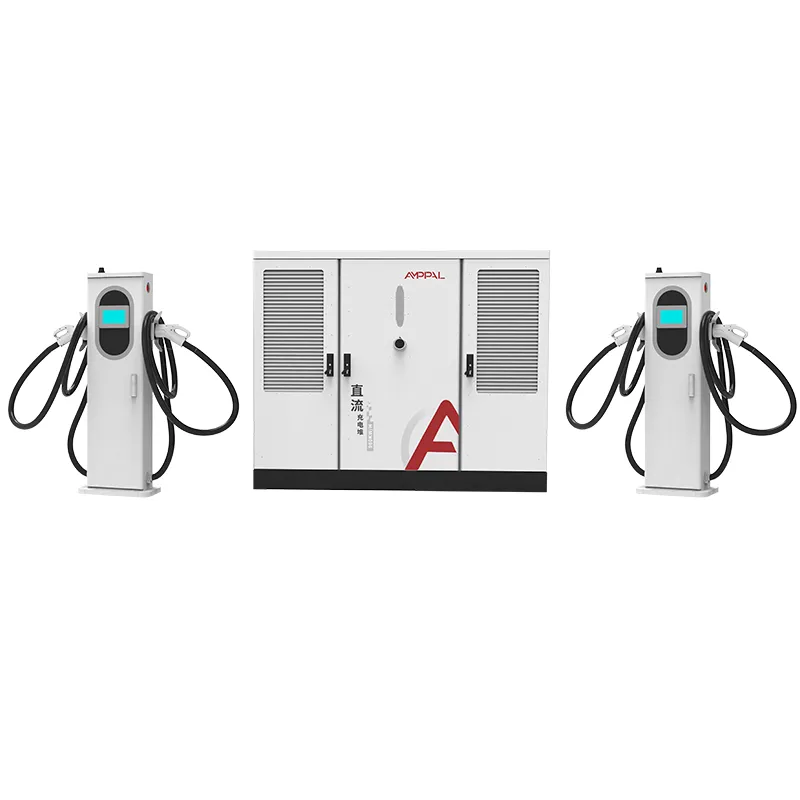
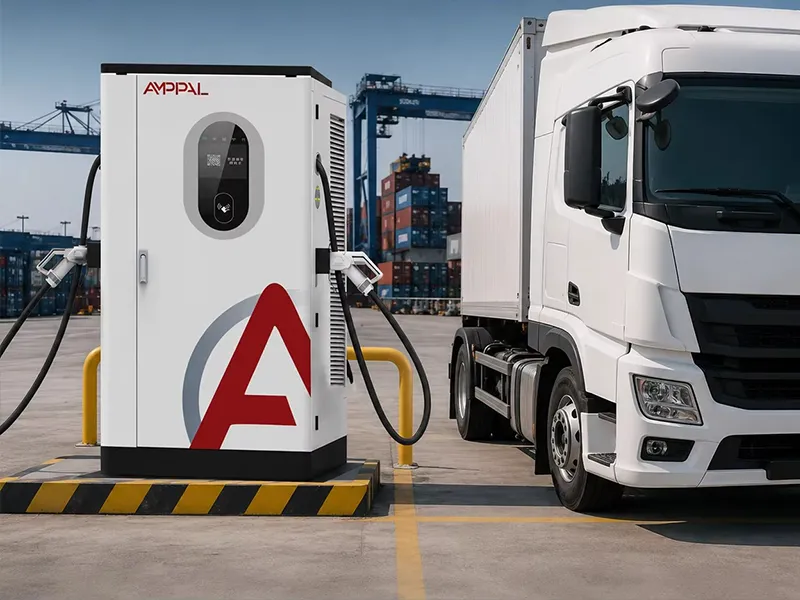
The AF-DC-960 is a 960kW liquid-cooled charging stack aimed at one kind of site: the megawatt-class hub where trucks, buses and high-power fleets must refill fast. Its 2200 x 1800 x 1000mm cabinet holds a 960kW power pool that feeds 600A liquid-cooled terminals, each capable of full-current sessions. That scale is not about speed for its own sake; it is about keeping 40-tonne vehicles on schedule.
Megawatt charging is not a scaled-up car charger. It changes the civil work, the grid connection, the cooling plant and the maintenance plan. This stack is built with that reality in mind, and AMPPAL's own megawatt-adjacent experience — 500 liquid-cooled units for the NEOM green hydrogen project in Saudi Arabia — shaped how it is delivered.
Sites that need this class of power today are early, but the direction is settled. The AF-DC-960 is the hardware for that direction.

A 960kW pool lets one terminal serve a truck at 600A while three cars charge at 120kW each, all from the same cabinet.
600A liquid-cooled terminals hold full current for 40-90 minute truck sessions without derating, thanks to the sealed coolant loop.
Efficiency at this scale is money: at 960kW the gap between 94.5% and 92% is roughly 24kW of continuous loss — a heating bill, not a footnote.
DC200-1000V output spans 400V vans and 800V trucks, so the hub is not locked to one vehicle generation.
IP54 enclosure and -25°C to +50°C operation, with the cabinet engineered for outdoor installation at remote corridor sites.
OCPP 1.6/2.0 with per-terminal telemetry, which project operators need for energy accounting and uptime contracts.
|
Parameter |
Specification |
|
Model |
AF-DC-960 |
|
Rated Output Power |
960kW |
|
Main Cabinet (mm) |
2200 × 1800 × 1000 |
|
Terminal |
600A liquid-cooled |
|
Input Voltage |
AC380V±15% |
|
Output Voltage Range |
DC200-1000V |
|
HMI |
7" touch screen |
|
Peak Efficiency |
94.5% |
|
Protection Grade |
IP54 |
|
Compatible Connectors |
CCS1/CHAdeMO/CCS2/GB/T/NACS |
|
Operating Temperature |
-25°C ~ +50°C |
|
Warranty |
2 Years Standard |
Electric truck depots where 40-90 minute turnaround windows are the operating constraint.
Port logistics yards moving container tractors and terminal trucks on fixed schedules.
Highway super-hubs planned for megawatt charging in 2027-2030 corridor programs.
Mining and quarry sites with electric haulage where megawatt-class induction is available.
Green hydrogen and industrial projects that need a central high-power charging block, following the NEOM pattern.
Power flows AC380V±15% into the cabinet, through paralleled modules onto one DC bus, and out to up to 8 terminals. The 960kW pool splits dynamically: a single truck can take everything it asks, while four cars share the remainder without dropping below their minimum.
The grid side is the part most projects underestimate. At full output the input draws roughly 1,460A per phase, so the AF-DC-960 is normally fed from a dedicated transformer, with the site's MV switchgear and protection coordination designed before the pad is poured. A 960kW site without a transformer study is the most common failure mode we see in megawatt projects.
On the vehicle side, the 600A liquid terminals negotiate with the truck's BMS and hold current until the battery tapers, which is what turns a 40-minute lunch break into a usable range window.
CE, TUV, CB, CCC and UL certificates cover the AF-DC-960 family.
Every cabinet passes 1000VDC insulation resistance and ground continuity tests, plus a 48-hour full-load burn-in at 960kW.
Connector endurance is sampled at 20,000 cycles, and the coolant loop is pressure-tested at 2x operating pressure.
IP54 per IEC 60529 and surge immunity per IEC 61000-4-5 are in the batch test record.
For project contracts, AMPPAL issues per-batch test reports and, on request, witnessed inspection at the Yueqing factory.
The same QA line that delivered the NEOM liquid-cooled units produces the AF-DC-960, so the inspection standard is already field-proven.
The 2200 x 1800 x 1000mm enclosure is laser-cut on TRUMPF machines and CNC-formed.
The cabinet runs through the powder coating line for outdoor durability.
Power modules are assembled in matched sets on the dedicated DC line.
600A liquid guns are built on the clean bench with sealed coolant filling.
Busbars and high-current harnesses are torque-controlled; the loop is pressure-tested.
FANUC robots place the heavy modules.
Firmware and OCPP profiles are flashed to the project's backend.
A 48-hour burn-in and a 14-point inspection precede crating, with photos logged for the handover file.
A megawatt site is a project, not a purchase. Before the AF-DC-960 makes sense you need three things: a confirmed 1MVA-class grid connection, a fleet that will actually draw megawatt-class power within 24 months, and a civil plan that carries the 2200mm cabinet and its transformer.
Do not buy it for a car-only site. A 480kW stack serves passenger traffic at a fraction of the civil cost, and the 960kW cabinet will idle below its rating for years. Do not buy it if your power purchase agreement cannot absorb the demand charges of megawatt sessions. Both mistakes show up in the first year of operation, not the first week.
If the fleet plan is real, the AF-DC-960 is the right scale: it avoids the common mistake of building a 480kW hub and re-civiling it 18 months later. AMPPAL's project team reviews the grid study and fleet forecast before quoting — and will say no if the numbers do not support 960kW.
AMPPAL supplied 500 liquid-cooled charging units for the NEOM green hydrogen project in Saudi Arabia, a scale few suppliers have delivered.
AMPPAL operates 200+ charging stations itself, including 480kW full-liquid flagship sites, so operations experience feeds the design.
Over one million charging units delivered by 2024, exported to 40+ countries.
Project support: grid study review, pad layout, commissioning plan and witnessed factory inspection.
EXW, FOB Ningbo or CIF terms with a named project engineer through commissioning.
The 2200 x 1800 x 1000mm cabinet is the largest in the liquid-cooled family and ships in a heavy-duty crate with spreader-bar lifting points; the terminal set travels in foam-lined, coolant-sealed boxes.
One AF-DC-960 loads per 40-foot container, with the crate bolted to the floor rails; gross weight runs roughly 2000-2400kg per set, and unloading needs a crane or a high-capacity forklift.
Documents: commercial invoice, packing list, bill of lading, certificate of origin, batch test reports. Quote basis EXW, FOB Ningbo or CIF, with project milestones written into the contract.
The 2-year warranty covers the stack, terminals, modules and coolant circuit, with uptime targets available in the project contract and on-site coolant-loop training included in the first year.
A spare-module and spare-gun kit is recommended per hub, and kits ship within 3-5 working days.
Quarterly remote checks cover coolant trends, module health and connector cycles.
The 6-month service checklist covers coolant level, hose clamps and gun wear, in five languages.
A named project engineer stays on the account through commissioning and the first year of operation.
Wrong: Pouring the pad before the transformer and switchgear are designed. Right: Sequence the civil work behind the grid study; the 960kW input demand defines the pad layout.
Wrong: Topping the coolant loop with water like a car radiator. Right: Use only the dielectric fluid AMPPAL specifies; water breaks the pump seals.
Wrong: Expecting the site to run on a 400A service. Right: Size the feed for roughly 1,460A per phase at full output, and set the HMI input limit below the actual connection.
Wrong: Installing the cabinet in a low shed with no lifting access. Right: Leave a crane corridor; the 2200mm cabinet needs crane or high-capacity forklift access for service.
Wrong: Ignoring demand charges when scheduling truck sessions. Right: Use the OCPP scheduling window to stagger megawatt sessions off the grid peak.
A project manager for a Xinjiang mining corridor said the megawatt-class induction at their site made the 960kW stack the only option that fit the haul schedule; their main complaint was lead-time pressure, because the civil contractor finished three weeks early.
A Saudi infrastructure contractor familiar with the NEOM program reviewed the AF-DC-960 against the fleet plan for a logistics city. They valued the per-terminal telemetry for energy accounting; the gap they flagged was that local electricians needed a week of training on the coolant loop, which AMPPAL now delivers on-site.
A Dutch port operator ran a three-month trial with one stack serving container tractors. Uptime was 99.2% and connector wear stayed within forecast; the operations lead said the only disappointment was the 7-inch screen being small for a megawatt-scale asset, though the project dashboard does the real monitoring anyway. The trial data now feeds their 2027 hub tender.
A: Yes, but it is engineered for trucks and hubs; for car-only sites a 480kW stack costs a fraction of the civil work.
A: Up to 8, in any mix, with the 600A liquid lanes prioritized by the scheduler.
A: A dedicated 1MVA-class transformer; at full output the input draws roughly 1, 460A per phase at AC380V.
A: 15-20 working days for stock configurations; project orders follow a contract milestone calendar.
A: No, the loop is the same sealed design; six-month level checks and two-year fluid changes apply.
A: Yes, DC200-1000V covers both; each terminal negotiates its own voltage and current, so mixed fleets share the pool cleanly.
A: AMPPAL quotes uptime targets in project contracts, backed by spare kits and remote diagnostics.
A: Yes — 500 liquid-cooled units for the NEOM green hydrogen project and 200+ stations in operation.
Address
No. 237, Weisan Road, Yueqing, Zhejiang, China
Tel
Talk Directly to Our EV Charger Factory
Get factory-direct pricing, custom solutions, and expert support.
- Fast Response – Reply within 24 hours.
- OEM/ODM – Flexible customization and sample orders.
- Certified Quality – CE, TÜV, CB, and CCC options.
- Custom Quotes – Tailored to your specifications.
- Technical Support – Expert help with OCPP, DLB, and system integration.