" "
Products
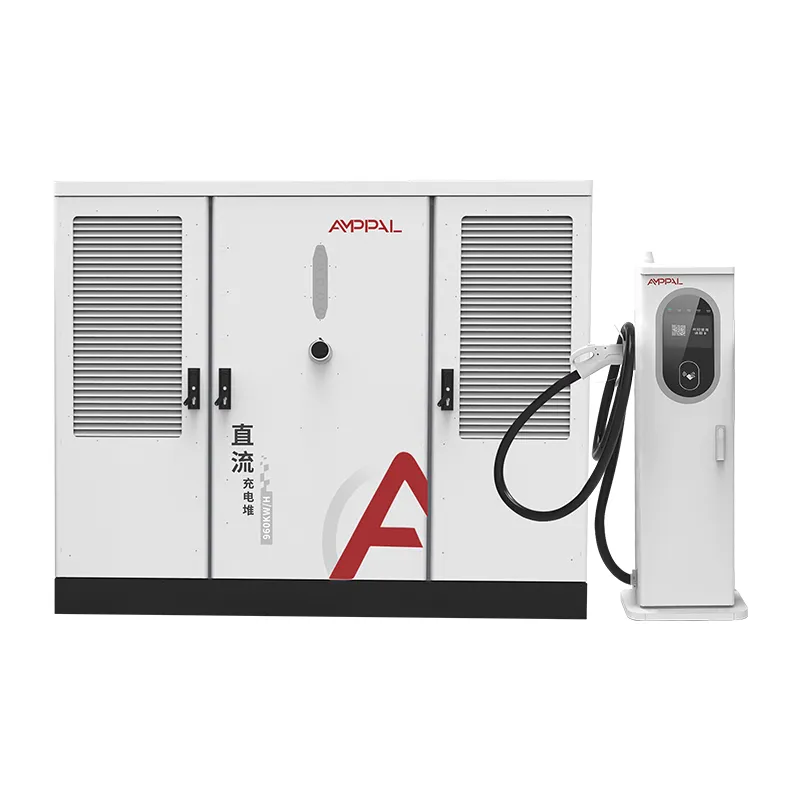
240kW Liquid-Cooled DC EV Charging Power Stack for High-Power Charging Stations
  • 240kW Liquid-Cooled DC EV Charging Power Stack for High-Power Charging Stations240kW Liquid-Cooled DC EV Charging Power Stack for High-Power Charging Stations

240kW Liquid-Cooled DC EV Charging Power Stack for High-Power Charging Stations

AMPPAL 240kW Liquid-Cooled DC EV Charging Power Stack for High-Power Charging Stations (AF-DC-240-LC-S1) is a 240kW liquid-cooled DC EV charging stack that runs 250A air-cooled and 600A/800A liquid-cooled terminals from one power cabinet. Peak efficiency 94.5%, output DC200-1000V, IP54 enclosure, CCS1/CCS2/GB/T/CHADeMO/NACS support. Buy direct from the Zhejiang factory: CE/TUV/CB/CCC/UL certified, 15-20 working days lead time, 2-year warranty. Request the AF-DC-240 price list and a free terminal mix plan for your site.

What the AF-DC-240 Actually Is

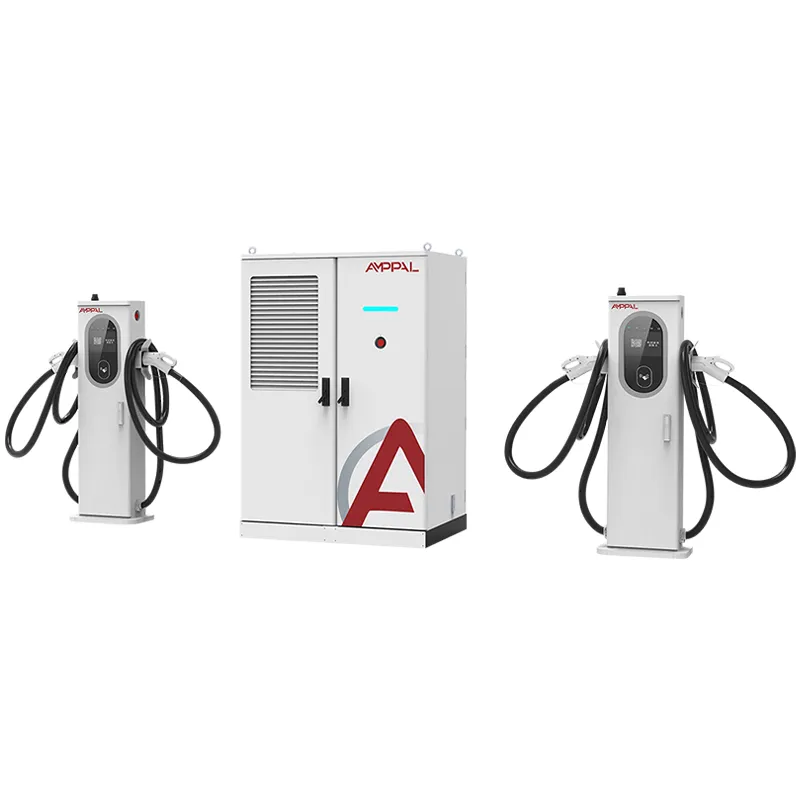
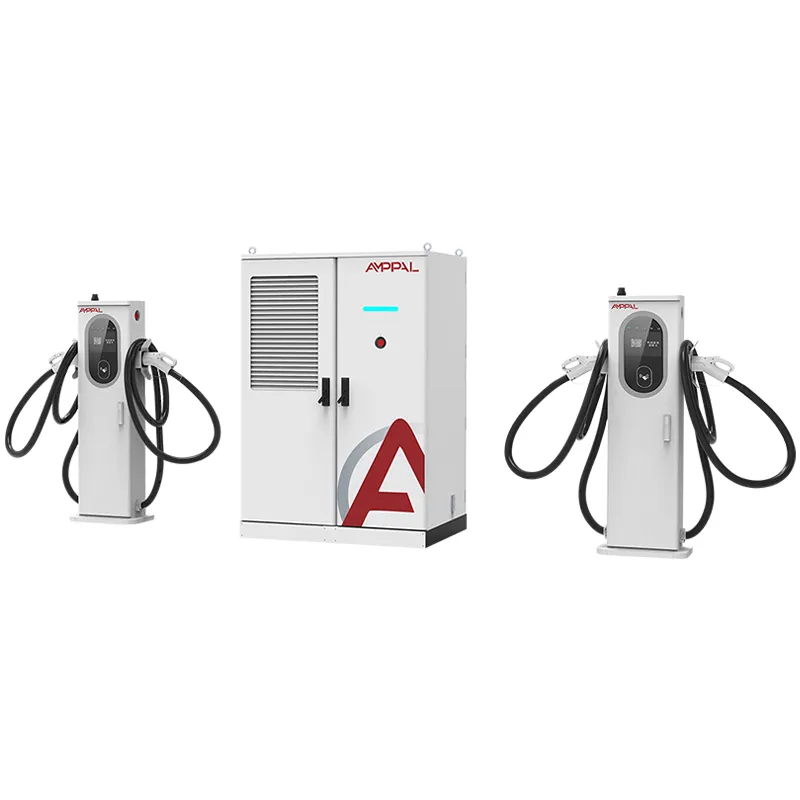
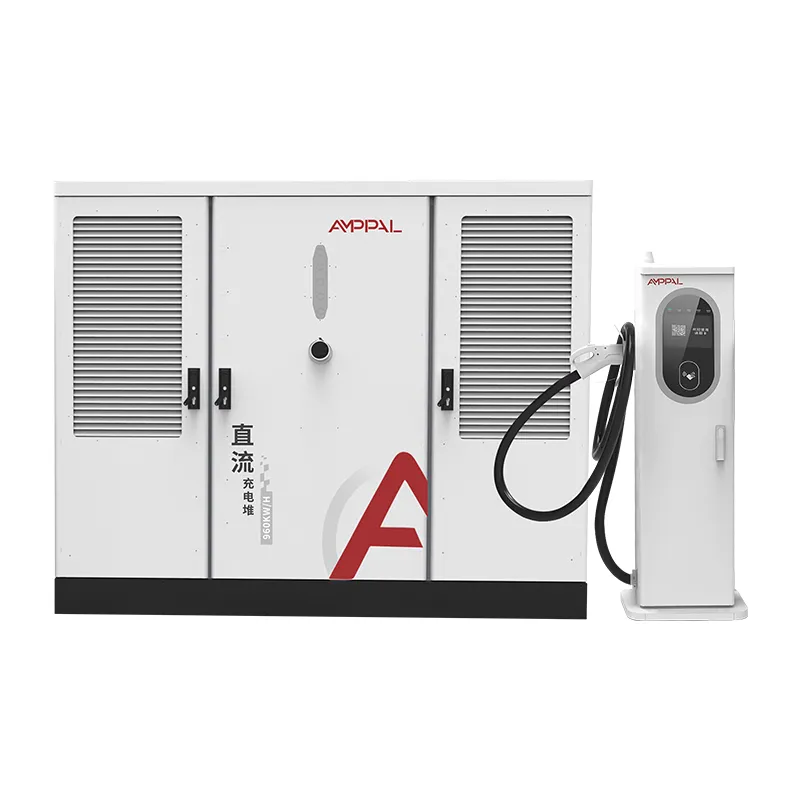
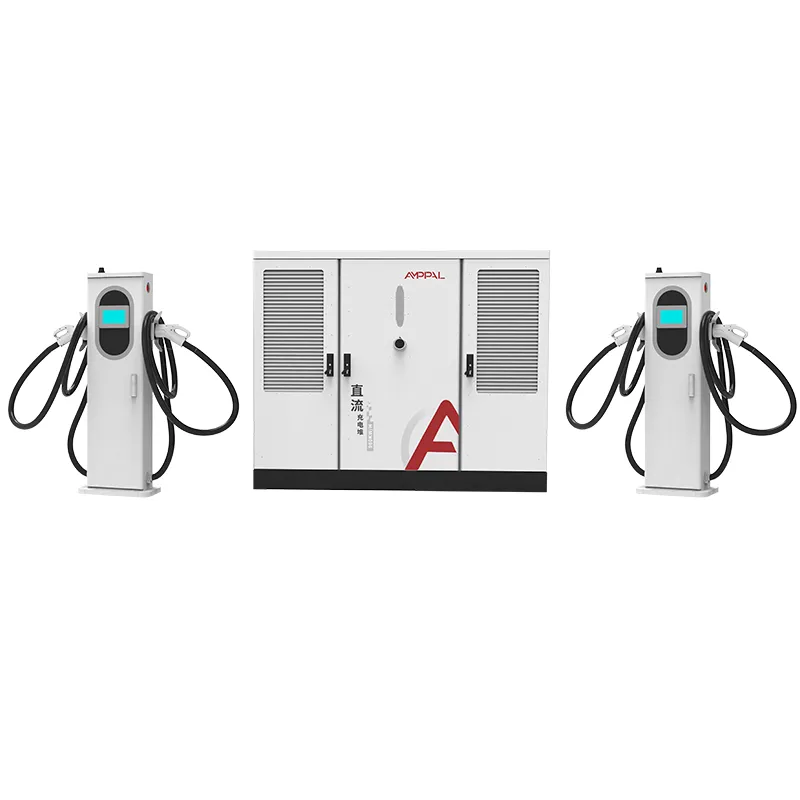
The AF-DC-240-LC-S1 is a 240kW charging stack built around a simple idea: one main cabinet should not force you into a single cable technology. The same power pool feeds 250A air-cooled terminals and 600A/800A liquid-cooled terminals, mounted side by side at the bay.

This solves a mismatch that shows up at almost every real site. A 400V taxi pulls about 150-250A; a new 800V platform sedan can hold 600A for minutes. Air-cooled guns alone cap the new cars, while an all-liquid setup spends 600A hardware on bays that will never use it.

Mixed terminals mean you buy the 240kW cabinet once and then choose each bay's current class to match the traffic that actually parks there.

240kW Liquid-Cooled DC EV Charging Power Stack for High-Power Charging Stations

Why Site Owners Mix 250A and 600A Terminals on One Cabinet

Pay for current, not for hype: 250A air-cooled guns cover taxis and older EVs while 600A/800A liquid guns serve the premium lane, which typically cuts terminal hardware spend 25-35% versus an all-liquid build.

One cabinet, two cable systems: a single AC380V input, one DC bus and one OCPP dashboard manage the whole pool, so the mix adds flexibility without adding control complexity.

94.5% peak efficiency means roughly 13kW less waste heat to reject at full load than an 88%-efficient unit, and the main cabinet stays cool with forced air.

Full protocol coverage from the same stack: CCS1, CCS2, GB/T, CHAdeMO and NACS, plus OCPP 1.6/2.0 for any backend you already run.

IP54 enclosure and -25°C to +50°C operating range, so the cabinet stands outdoors without a shelter in most climates.

Swipe card and QR code access control built in, so one stack handles walk-in public charging and a closed fleet account at the same time.

Technical Specifications

Parameter

Specification

Model

AF-DC-240

Rated Output Power

240kW

Main Cabinet (mm)

1750 × 1200 × 900

Terminals

Air-cooled (250A) & Liquid-cooled (600A/800A)

Input Voltage

AC380V±15%

Output Voltage Range

DC200-1000V

HMI

7" touch screen + LED

Peak Efficiency

94.5%

Protection Grade

IP54

Access Control

Swipe card/Scan code

Compatible Connectors

CCS1/CHAdeMO/CCS2/GB/T/NACS

Operating Temperature

-25°C ~ +50°C

Warranty

2 Years Standard

Where a 240kW Stack Fits Better Than Bigger Ones

Highway service areas where drivers need 10-15 minute top-ups from a mixed stream of sedans, SUVs and light commercial vans.

Urban fast-charge hubs on existing 380V three-phase supply, where a 480kW+ stack would force a transformer upgrade.

Hotels and shopping malls running 6-8 bays from one cabinet, with air-cooled terminals covering slow daytime sessions.

Fleet depots with mixed vehicle ages: older units take 250A, new 800V models pull the liquid lanes.

Island or remote grids where total site load has to stay under roughly 260kW.

How the Mixed-Terminal Architecture Works

AC380V±15% enters the main cabinet, power modules rectify and buck it to DC200-1000V, and a common DC bus distributes current to whichever terminals are active. Each terminal negotiates its own voltage and current limit with the vehicle, so a 400V GB/T taxi and an 800V CCS2 sedan can charge at the same time without interfering.

The stack scheduler grants power by priority: liquid-cooled lanes get their full 600A/800A request first, then remaining power flows to air-cooled bays. If three cars pull at once, the pool rebalances every few seconds so nobody drops to zero.

Cooling is split as well. The main cabinet uses forced air; the liquid-cooled terminals circulate coolant through the cable and gun, keeping handle temperature below 45°C even at 600A. The air-cooled guns simply shed heat to the atmosphere, which is fine at 250A and far cheaper to maintain.

Certificates and the Testing Behind Them

CE, TUV, CB, CCC and UL certificates cover the AF-DC-240 family, so the same unit ships to EU, Middle East, ASEAN and North America projects.

Every production unit runs a 1000VDC insulation resistance test and a ground continuity check before it leaves the bench.

A 48-hour full-load burn-in on the factory load bank at 240kW catches weak modules before shipping, not after installation.

IP54 verification follows IEC 60529 with a timed water spray; surge immunity is tested per IEC 61000-4-5 on the AC input.

Connector wear is sampled on a 10,000-cycle plug test, covering the liquid gun contactors that see daily abuse.

Test reports are issued per batch and attached to the shipment file, which speeds up customs clearance and grid connection paperwork.

From Coil to Cabinet: Eight Production Steps

Enclosure panels are laser-cut on TRUMPF machines, then CNC-punched and bent to tolerance.

Cabinets run through the powder coating line for the IP54-rated, anti-corrosion finish.

Power modules are assembled on the dedicated DC line, separate from the AC product lines.

Busbars and wiring harnesses are installed with torque-controlled fastening.

FANUC robots assist module placement and heavy lifting, keeping assembly consistent.

Each unit is flashed with firmware and an OCPP profile matched to your backend.

A 48-hour full-load burn-in runs on the factory load bank before packing.

Final inspection covers the 14-point checklist, then the unit is crated.

Terminal Mix Planning: Who Needs 250A, Who Needs 600A/800A

If every vehicle on your site is a 2024 or newer 800V platform, this is not the cheapest way to buy 600A capacity; the all-liquid AF-DC-480-LC-S2 in the same family gives more current per square meter and per dollar.

If your traffic is older 400V cars drawing under 200A, a plain air-cooled 240kW unit costs less and needs zero coolant training. Do not buy liquid hardware you will never load.

If the fleet is genuinely mixed, plan the ratio: count the 800V-capable vehicles in your forecast, dedicate one liquid bay per 15-20 of them, and cover the rest with 250A guns. AMPPAL's engineers will sanity-check your counts before you order.

What You Get Buying from AMPPAL Instead of a Trading Company

The factory in Yueqing, Zhejiang ships stock configurations in 15-20 working days, and the MOQ is one unit for the AF-DC-240.

Customization is real: cabinet color, terminal mix, cable lengths and OCPP parameters are set at order time, not patched later.

The full certificate pack ships with every order, so customs clearance and grid application go faster.

By 2024 AMPPAL had delivered over one million charging units and operates 200+ stations itself, so the engineering team also knows what breaks in the field.

Direct factory pricing with EXW, FOB Ningbo or CIF quotes, plus a named engineer on your account for the life of the project.

Packing, Lifting and Customs Documents

The main cabinet ships in an export plywood crate with terminals packed in separate foam-lined boxes. The full set weighs roughly 900-1100kg depending on the terminal mix, and the crate footprint is sized for a standard pallet jack.

Loading is planned per 40-foot container: two 240kW stacks per container is the standard layout, with crates bolted to the floor rails to survive rough seas. Local pickup crews can unload with one forklift.

Standard documents are commercial invoice, packing list, bill of lading, certificate of origin and the batch test reports. We quote EXW, FOB Ningbo or CIF, and the packing list doubles as the customs inventory, so border discrepancies are rare.

Two Years of Support, Including Coolant Care

The standard warranty covers 2 years on the stack, terminals and power modules, with coolant-related failures handled under the same terms.

Consumable spares such as liquid connectors and coolant hoses ship within 3-5 working days from the Yueqing warehouse.

Quarterly remote health checks over OCPP flag failing modules before they take a bay offline.

Liquid-cooled terminals need a coolant level and hose clamp check every 6 months; AMPPAL supplies the service checklist in English, Russian, Spanish and Arabic.

A dedicated WhatsApp channel connects you to the after-sales engineer who knows your serial numbers, not a ticket queue.

Installation and Daily Use: Wrong vs Right

Wrong: Running a 250A air-cooled gun at full current in 45°C ambient all afternoon. Right: The stack derates air-cooled lanes automatically; schedule heavy sessions for cooler hours or move them to liquid bays.

Wrong: Skipping coolant checks because liquid cooling never fails. Right: Check coolant level and hose clamps every 6 months; a 10-minute check avoids a $400 connector replacement.

Wrong: Replacing the liquid gun cable with a generic part from another brand. Right: Use AMPPAL matched cables; the coolant flow path and contactor ratings are tuned together.

Wrong: Mounting the cabinet against a wall with no rear clearance. Right: Leave 500mm rear and 800mm front clearance for airflow and service access.

Wrong: Letting firmware versions drift across the pool. Right: Set a monthly OCPP update window so all terminals run the same build.

Site Operator Feedback from the Field

A Saudi fuel-retail operator ran two AF-DC-240s at a Riyadh service station from July 2025. The liquid lanes handled a daily stream of 800V SUVs while the 250A guns served taxis; their only complaint was 7-inch screen glare in direct sun, solved with a small awning.

A Malaysian mall owner in Kuala Lumpur started with four 250A terminals and added one 600A liquid bay in December 2025 after new EV models appeared in the tenant mix. Their accountant liked that the upgrade reused the same cabinet and OCPP account.

A German fleet operator running 30 e-vans in Hamburg warned us the mixed setup needs discipline: drivers kept parking 800V vans at 250A bays. A floor sticker and a sign fixed it in a week, and charging throughput rose about 18%.

Mixed-Terminal FAQ: Eight Questions Buyers Ask

Q: Can the AF-DC-240 mix terminals from different brands?

A: No. Use AMPPAL matched terminals; the scheduler and the coolant loop are calibrated for them.

Q: How many bays can one cabinet run?

A: Up to 8 terminals depending on the mix; the DC bus shares 240kW among whatever is active.

Q: Does the liquid terminal need an external chiller?

A: No. The coolant loop is sealed and air-exchanged inside the terminal, with no cooling tower.

Q: What is the lead time?

A: 15-20 working days for stock configurations after order confirmation and deposit.

Q: Can it charge a CHAdeMO car and a CCS2 car at the same time?

A: Yes. Each terminal negotiates independently and power is shared in priority order.

Q: Is the 2-year warranty valid for overseas sites?

A: Yes, worldwide; spare parts ship from Yueqing and remote diagnostics are free.

Q: What grid feed does it need?

A: AC380V±15% three-phase; at full load the input draws roughly 365A per phase.

Q: Does it work with our existing OCPP backend?

A: OCPP 1.6 and 2.0 are supported and we configure the endpoints at the factory.


Send Inquiry
Contact Info

Talk Directly to Our EV Charger Factory

Get factory-direct pricing, custom solutions, and expert support.

- Fast Response – Reply within 24 hours.

- OEM/ODM – Flexible customization and sample orders.

- Certified Quality – CE, TÜV, CB, and CCC options.

- Custom Quotes – Tailored to your specifications.

- Technical Support – Expert help with OCPP, DLB, and system integration.

X
We use cookies to offer you a better browsing experience, analyze site traffic and personalize content. By using this site, you agree to our use of cookies. Privacy Policy
RejectAccept