" "
Whatsapp
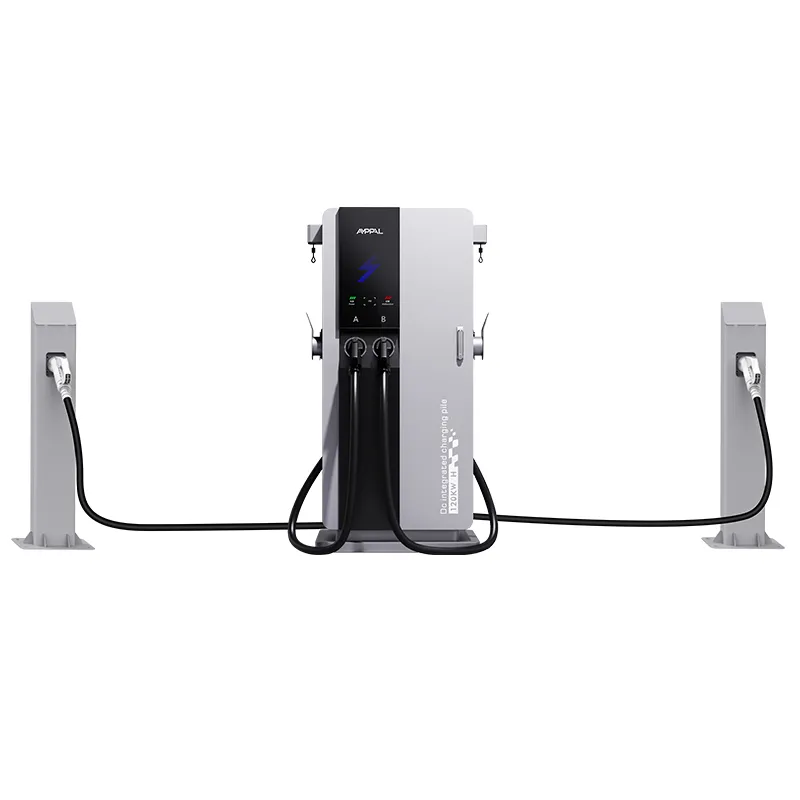
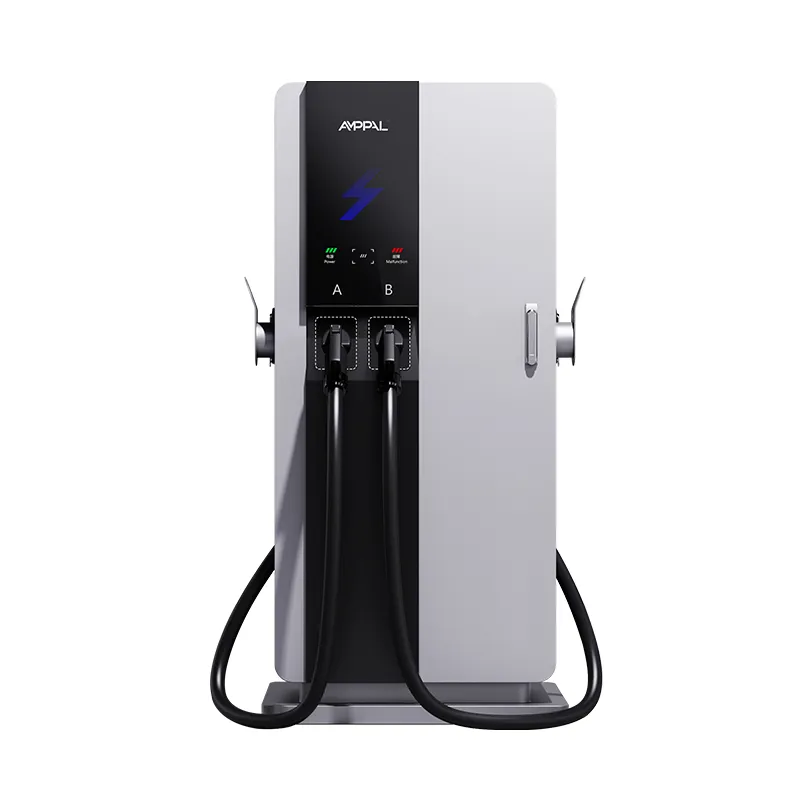
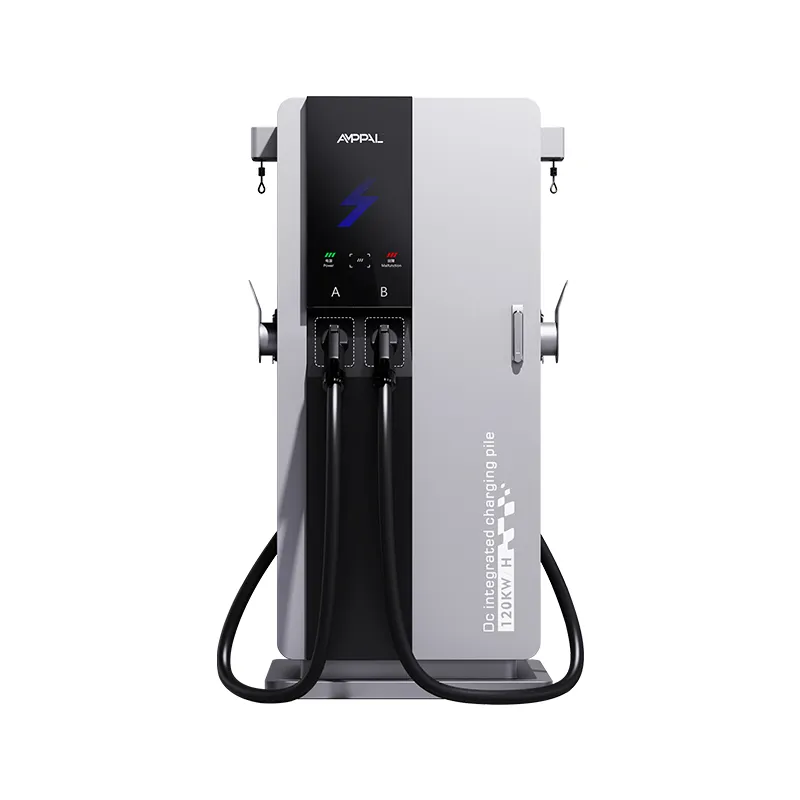
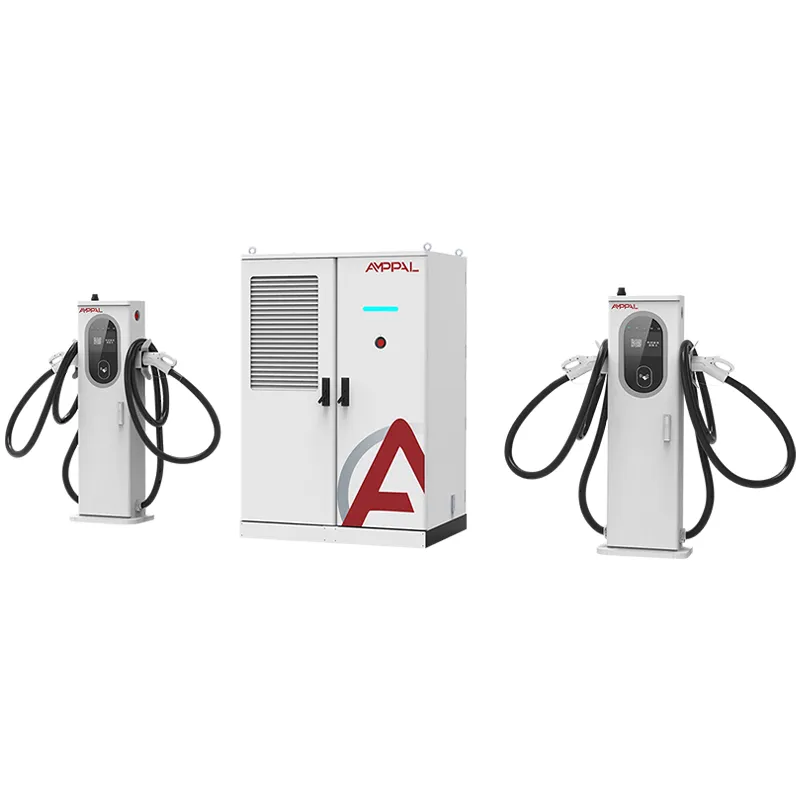
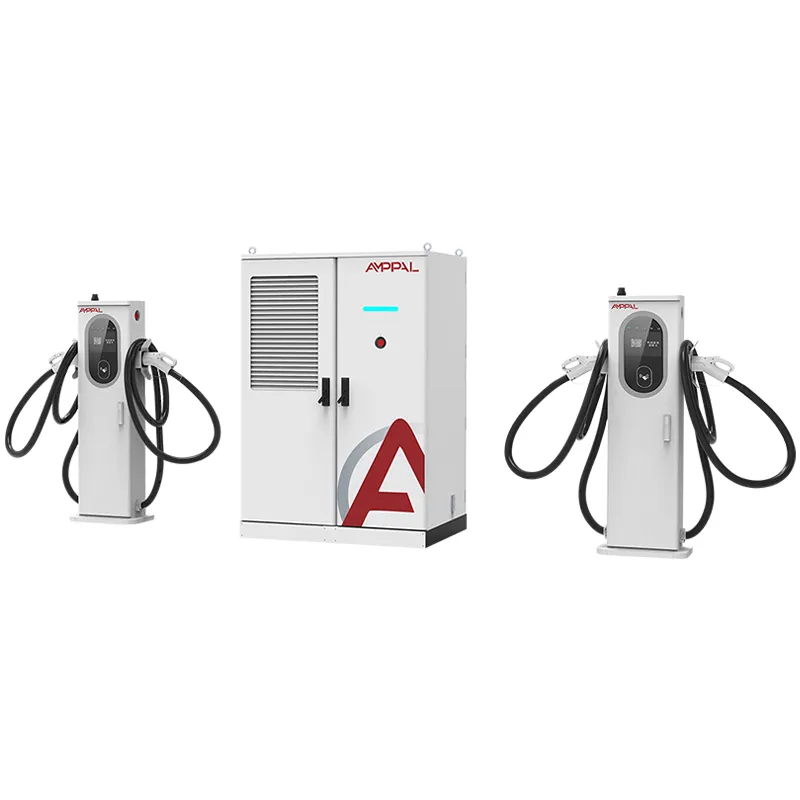
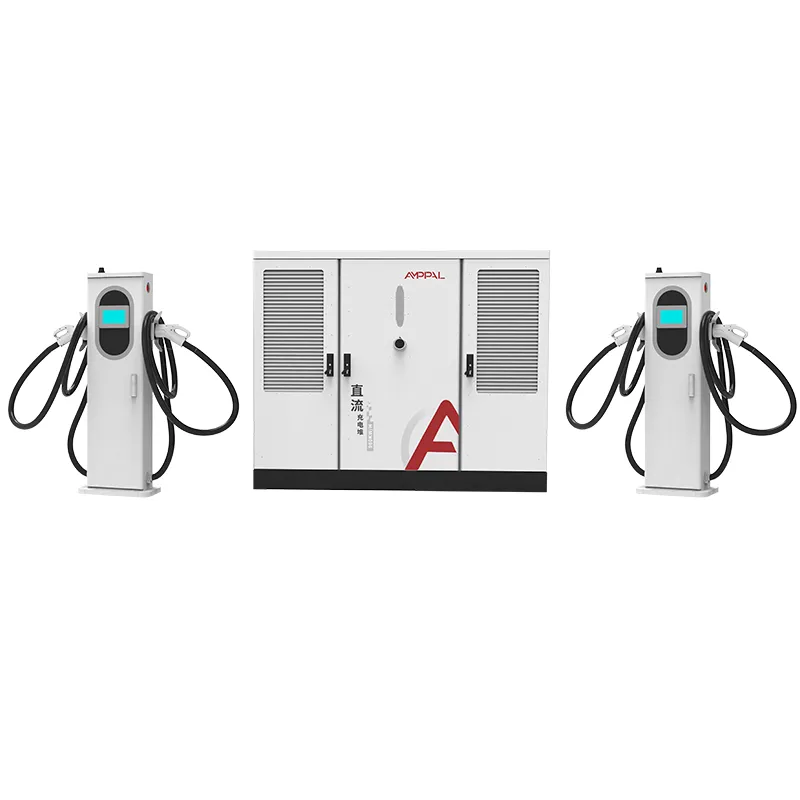
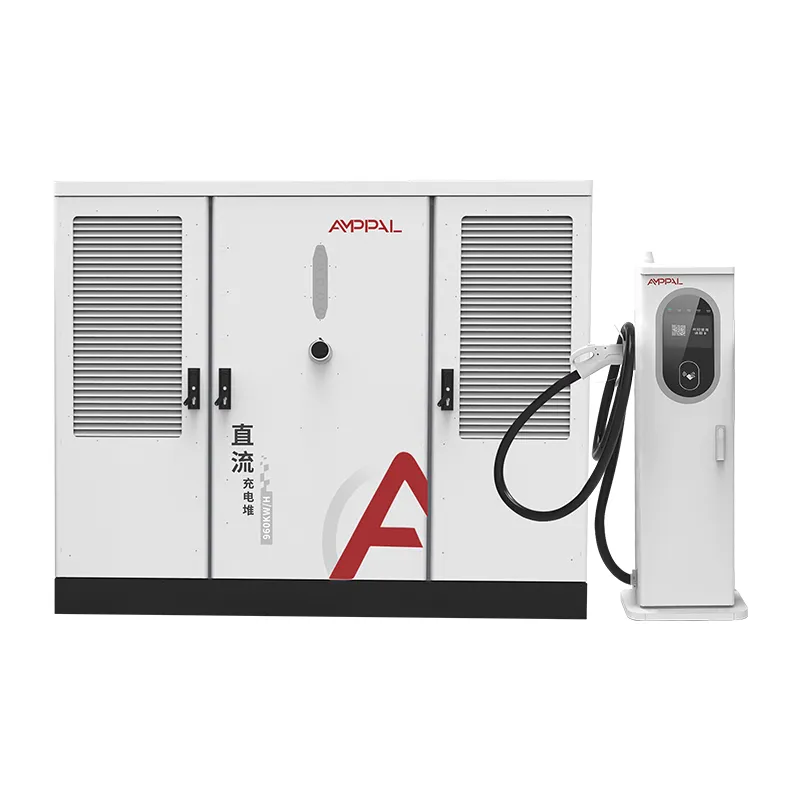
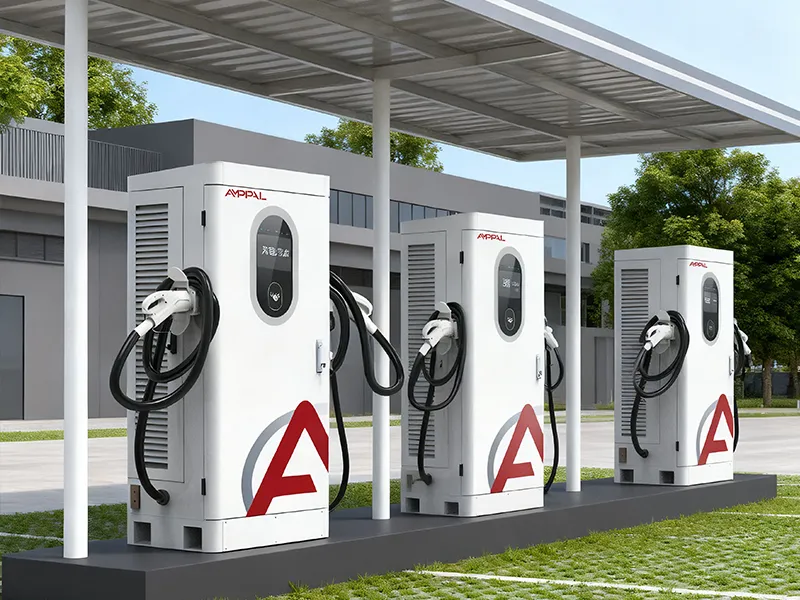
Both 480kW models from AMPPAL put the same 480kW power pool into different cabinets with different terminal strategies. The S1 keeps the compact 1750 x 1200 x 900mm cabinet, runs a mixed set of 250A air-cooled and 600A/800A liquid-cooled terminals, and includes swipe-card and QR access control with an LED-augmented 7-inch screen.
The S2 uses the larger 1850 x 1850 x 1000mm cabinet and ships only 600A liquid-cooled terminals, with no access-control row in the spec sheet because it targets managed, app-driven corridors. Same power, same efficiency, same certificates — different jobs. Both models have shipped to operators in the Middle East, Europe and Southeast Asia since the family launched in 2025.
This page is not a sales pitch for one of them. It walks through what each architecture is better at, and the cases where you should pick the other one.

Same 480kW pool, smaller footprint: the S1 cabinet is roughly 40% smaller by volume than the S2, which matters on expensive urban land.
Mixed terminals match mixed traffic: 250A air-cooled bays handle taxis and older EVs while 600A/800A liquid lanes serve 800V flagships, so you buy current only where you need it.
Built-in access control: swipe-card and QR readers are part of the S1 spec, ideal for closed stations, fleet accounts and prepaid networks without a phone app.
LED status on the HMI: the 7-inch screen with LED indicators is visible from a distance, useful on busy pads where drivers scan for free bays.
Cheaper to deploy: the compact cabinet fits through standard doorways, needs a smaller concrete pad, and carries a lower freight bill than the S2 — a difference that shows up again on customs and crane hire.
The same 94.5% peak efficiency and IP54 protection as the S2, because the power stage is identical.
|
Parameter |
Specification |
|
Model |
AF-DC-480 |
|
Rated Output Power |
480kW |
|
Main Cabinet (mm) |
1750 × 1200 × 900 |
|
Terminals |
Air-cooled (250A) & Liquid-cooled (600A/800A) |
|
Input Voltage |
AC380V±15% |
|
Output Voltage Range |
DC200-1000V |
|
HMI |
7" touch screen + LED |
|
Peak Efficiency |
94.5% |
|
Protection Grade |
IP54 |
|
Access Control |
Swipe card/Scan code |
|
Compatible Connectors |
CCS1/CHAdeMO/CCS2/GB/T/NACS |
|
Operating Temperature |
-25°C ~ +50°C |
|
Warranty |
2 Years Standard |
Mixed-traffic urban sites with a known share of 400V and 800V vehicles.
Closed or semi-private stations that need card-based billing, such as hotel and apartment garages.
Multi-bay pads where land cost makes the smaller cabinet footprint decisive.
Sites planning gradual upgrades: start with 250A bays, add liquid lanes as 800V vehicles appear.
Fleet yards charging mixed-age vehicles that want local access control without cloud dependency.
The S1 architecture mirrors the 240kW and 360kW stacks: AC380V±15% in, one DC bus, and a scheduler that grants power per terminal request. The 480kW pool lets two 600A liquid lanes run at full current while 250A air bays draw the remainder. Voltage stays inside the DC200-1000V window every major platform accepts.
The access-control layer sits between the HMI and the scheduler: a card swipe or QR scan unlocks a session, and the LED strip changes color when a bay is live. The same controller talks OCPP 1.6/2.0 to your backend, so prepaid balances and fleet accounts work without extra hardware.
Terminal choice is physical, not virtual. The air-cooled bays are wired for 250A connectors and the liquid bays carry the coolant loop; the scheduler simply sees eight sockets and distributes power fairly.
The S1 shares the CE, TUV, CB, CCC and UL certificate family with the S2, so one document set covers both cabinets.
Every unit passes a 1000VDC insulation resistance test and a ground continuity check.
A 48-hour load bank burn-in at 480kW cycles the scheduler across all terminal types.
The access-control reader and LED board undergo a 5,000-cycle card-tap endurance test.
IP54 per IEC 60529 and surge immunity per IEC 61000-4-5 are verified per batch.
Per-batch test reports accompany the shipment file for customs and grid connection.
TRUMPF laser cutting and CNC forming shape the compact S1 enclosure.
The cabinet runs through the powder coating line for the outdoor finish.
Power modules assemble on the dedicated DC line.
Air-cooled and liquid-cooled terminal bays are wired on separate fixtures.
The access-control reader and LED board are fitted and bench-tested.
FANUC robots place heavy modules; busbars are torque-controlled.
Firmware and the OCPP profile are flashed to your backend settings.
A 48-hour burn-in and a 14-point final inspection precede crating.
Pick the S1 when your traffic is mixed and your site is urban. The smaller cabinet, the card reader, and the option to start with cheap 250A bays and add liquid lanes later all reward exactly that profile.
Pick the S2 when the site is already all-premium: a corridor with 800V trucks and sedans where every bay will see 600A, and where app-based access is the norm. Forcing card readers and air-cooled bays into that site wastes money.
The honest rule: if more than 30% of your sessions will never exceed 250A, the S1's mixed terminals save hardware spend; if fewer than 10% will stay below 250A, the S2 is simpler. Between those bands either works, so decide on the pad and the access method. Write the ratio down before the meeting; it settles most arguments.
Both cabinets are built on the same line, so certificates and spare parts are identical for either choice.
15-20 working days lead time and a one-unit MOQ for stock configurations of both models.
Site engineers run a session-mix forecast and recommend S1 or S2 with the numbers on paper.
Over one million charging units delivered by 2024, plus 200+ stations in AMPPAL's own network.
EXW, FOB Ningbo or CIF pricing; the S1 terminal mix is configurable at order time.
The S1 cabinet at 1750 x 1200 x 900mm uses the same crate footprint as the 240kW and 360kW stacks, so sites already running AMPPAL gear can reuse their lifting plan.
A complete S1 set (cabinet plus two liquid and two air terminals) weighs roughly 1000-1200kg and loads at two sets per 40-foot container. Air-cooled guns travel in cartons; liquid guns in foam-lined boxes.
Documents: commercial invoice, packing list, bill of lading, certificate of origin, batch test reports. Quote basis EXW, FOB Ningbo or CIF.
The 2-year warranty covers the cabinet, both terminal families and the access-control hardware.
Spares for air and liquid terminals ship within 3-5 working days from Yueqing.
Quarterly remote OCPP checks cover the scheduler and reader diagnostics.
Liquid terminals follow the same 6-month coolant check; air terminals need only connector inspection.
A dedicated WhatsApp channel connects you to the after-sales engineer with your serial numbers on file.
Wrong: Treating the S1 as a smaller S2 and assuming the same bay layout. Right: The S1 footprint and terminal mix are configurable; define the bay plan before the pad is poured.
Wrong: Skipping the card-reader test before going live. Right: Run a 50-card pilot; the reader firmware and backend need a day of alignment.
Wrong: Putting two 600A liquid bays on the same bus and expecting 960kW. Right: The pool is 480kW; two full-current 600A sessions share it.
Wrong: Forgetting the LED board when ordering spares. Right: Order one spare LED board per four stacks; it is the part most likely to be hit by a vehicle.
Wrong: Assuming air bays can be converted to liquid later. Right: Bays are wired by type at the factory; choose the final mix at order time.
A hotel group in Dubai runs an S1 in an underground garage, where the compact cabinet fit beside the ramp and the card reader integrates with their room-key system. The facilities manager complained the LED board is bright at night; they now dim it after midnight via the HMI settings.
A Kenyan fleet operator with 25 electric buses and a mixed pool of older minivans chose the S1 for the air-cooled bays, which their local technician can service without coolant training. The liquid lanes get used about 12% of the time, exactly as forecast.
A Spanish supermarket chain compared the S1 and S2 for three parking lots and picked the S1 for two urban garages plus the S2 for one highway store. Their procurement lead said the comparison sheet AMPPAL provided made internal sign-off easy. The garages went live in March 2026 with no retrofits.
A: The S1 pairs a compact cabinet with mixed air/liquid terminals and card access; the S2 pairs a larger cabinet with pure 600A liquid terminals for app-managed sites.
A: No. Terminal bays are wired at the factory, so choose the mix you forecast at order time.
A: The S1 costs less to buy and ship, but if every bay will run 600A the S2 wastes less capacity.
A: Yes, CCS1, CCS2, GB/T, CHAdeMO and NACS on both models.
A: No. Swipe card and QR code work offline; OCPP is used for billing and telemetry.
A: Roughly similar; both cabinets are forced-air cooled. Liquid terminals run quieter than air guns at full load.
A: 15-20 working days for stock configurations after deposit.
A: The 500 liquid-cooled units came from this same factory line that builds the 480kW S2.
Address
No. 237, Weisan Road, Yueqing, Zhejiang, China
Tel
Talk Directly to Our EV Charger Factory
Get factory-direct pricing, custom solutions, and expert support.
- Fast Response – Reply within 24 hours.
- OEM/ODM – Flexible customization and sample orders.
- Certified Quality – CE, TÜV, CB, and CCC options.
- Custom Quotes – Tailored to your specifications.
- Technical Support – Expert help with OCPP, DLB, and system integration.