" "
Whatsapp
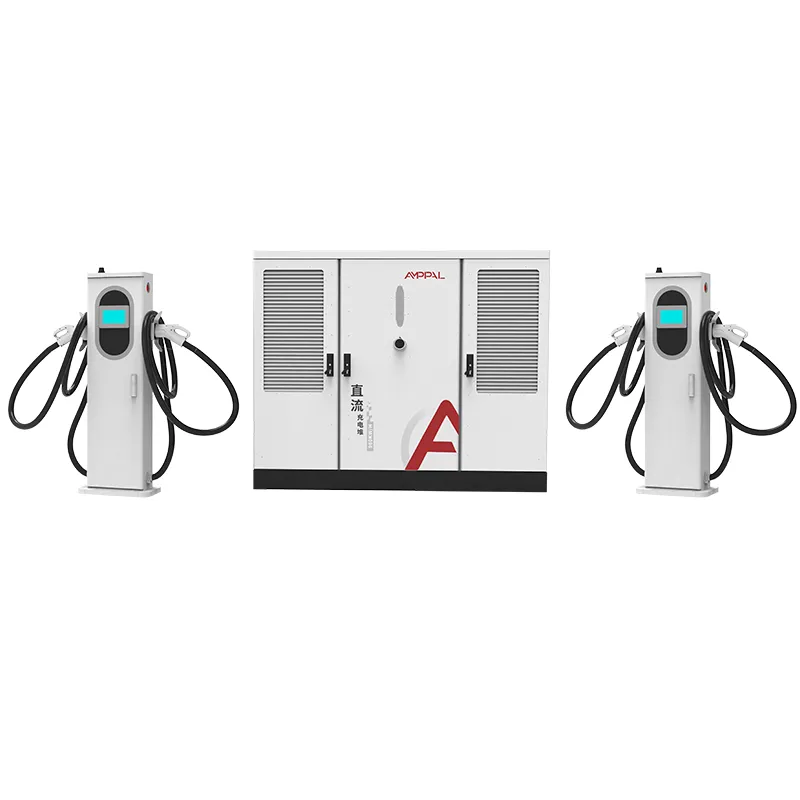
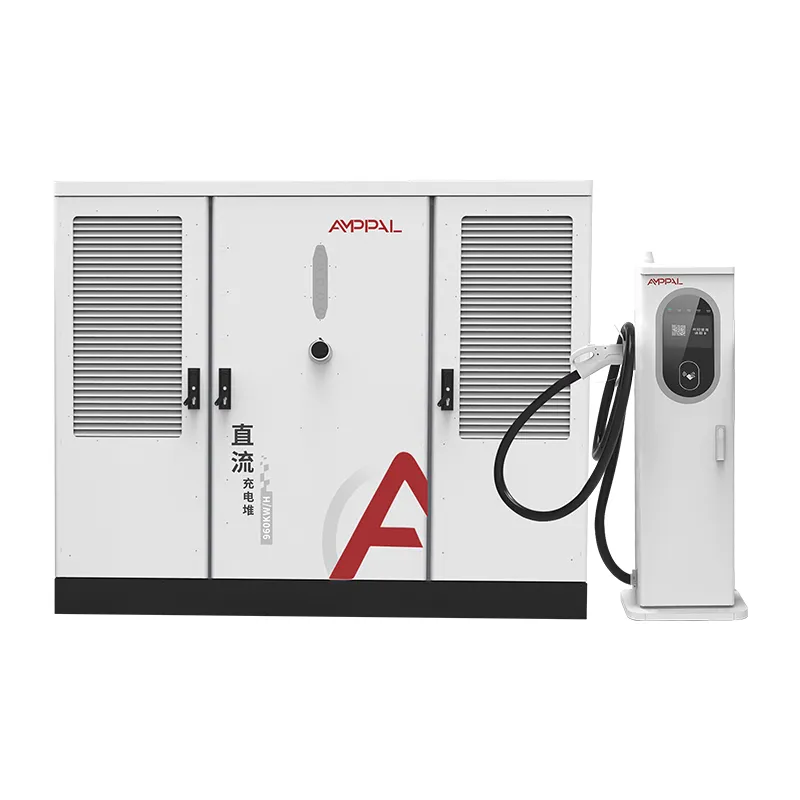
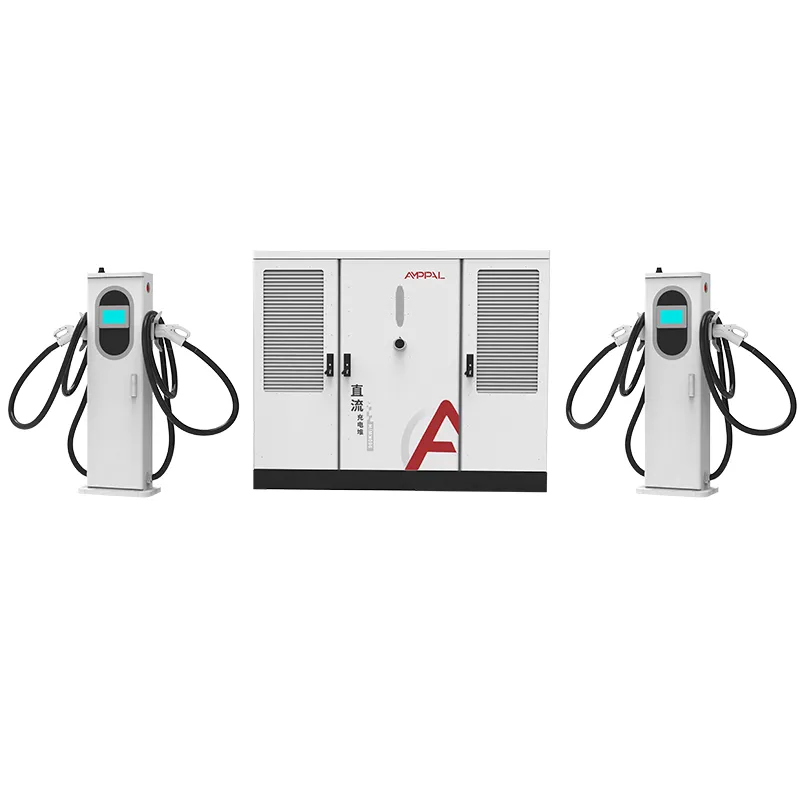
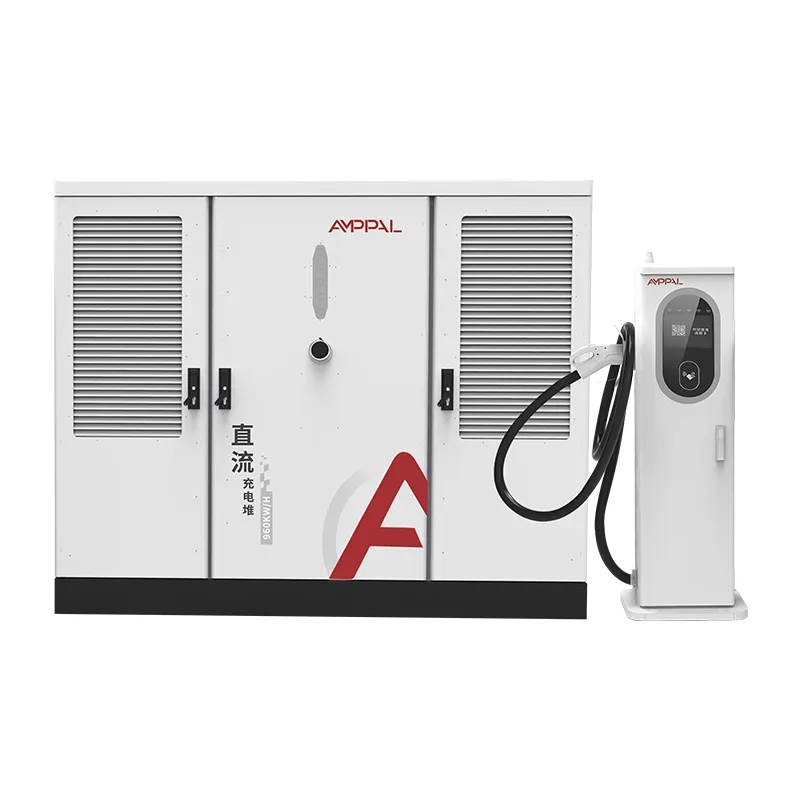
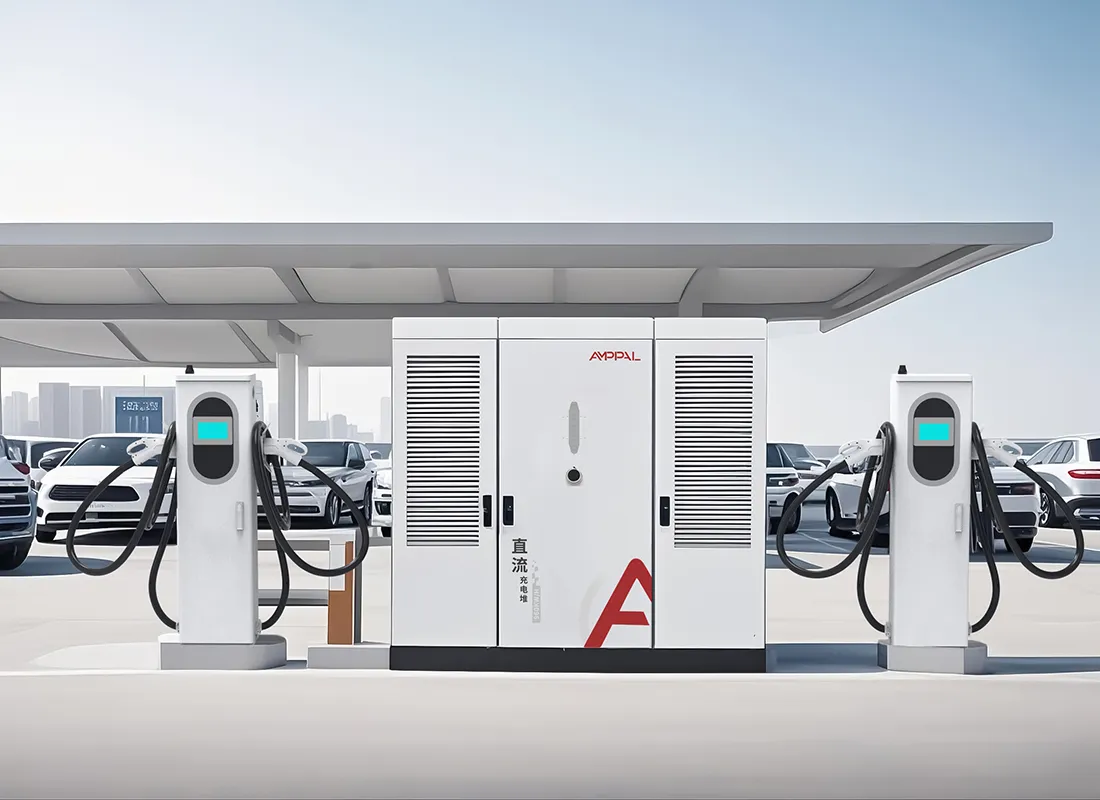
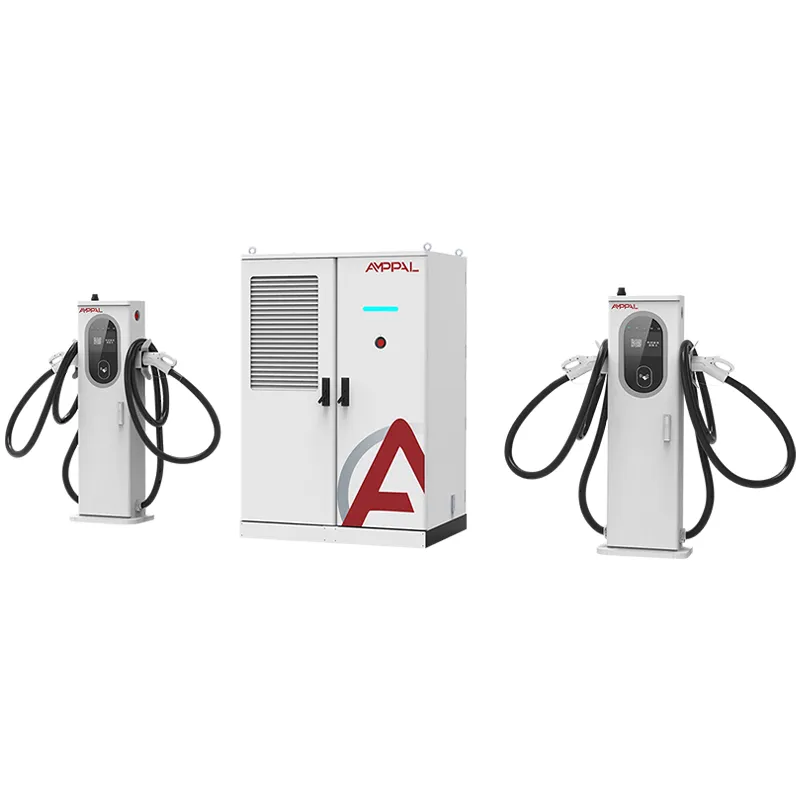
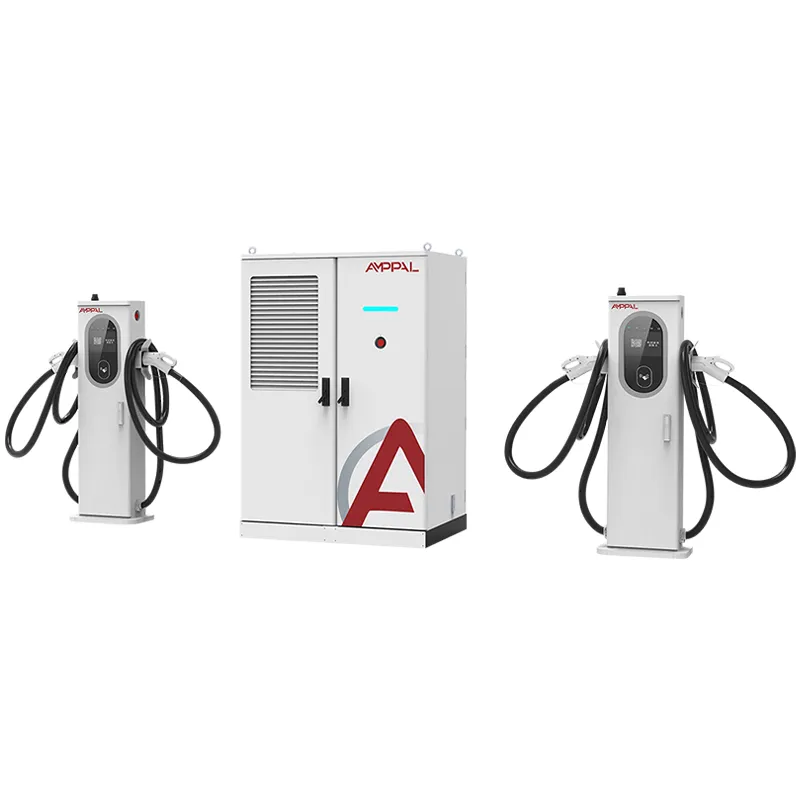
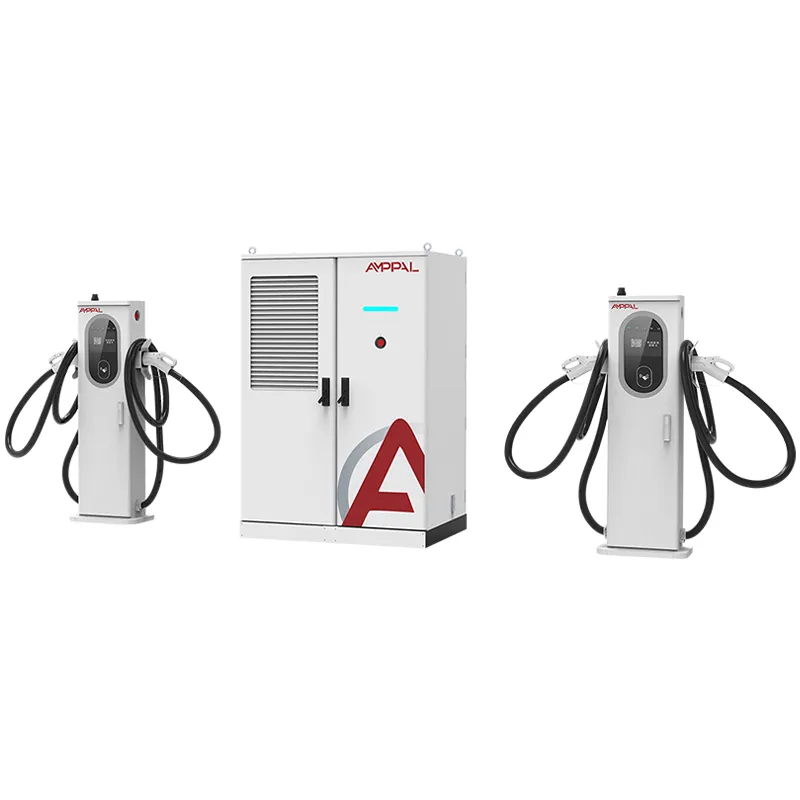
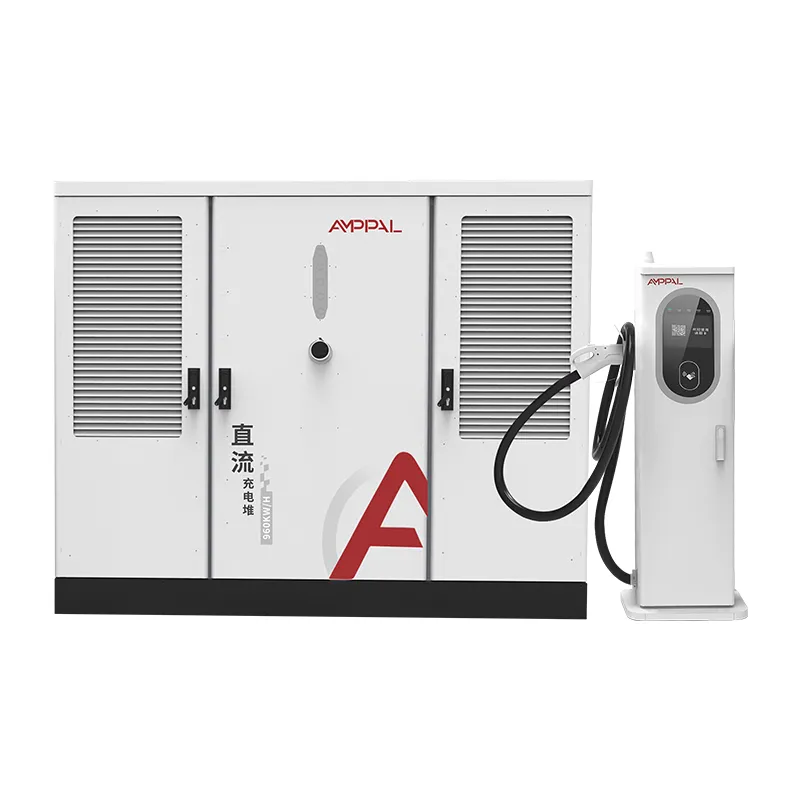
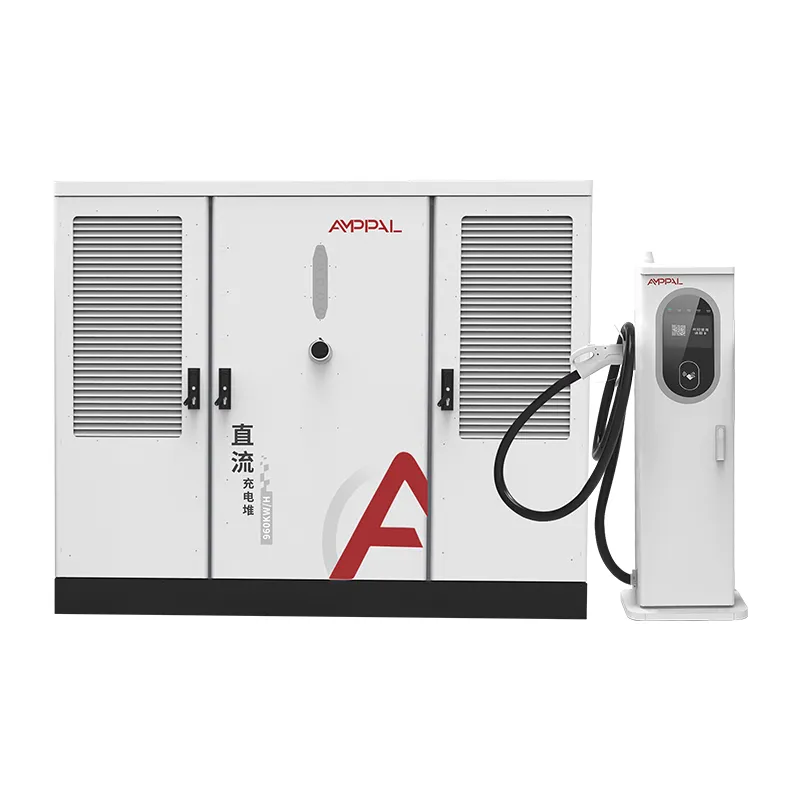
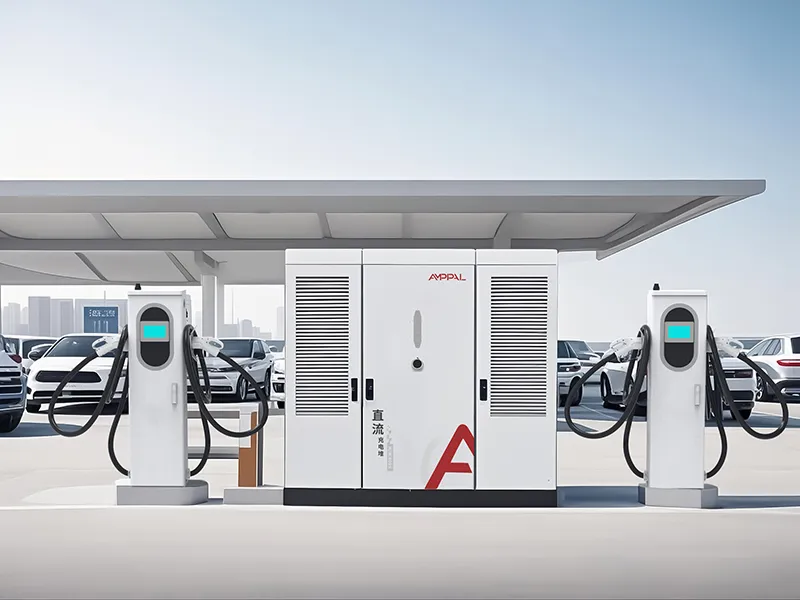
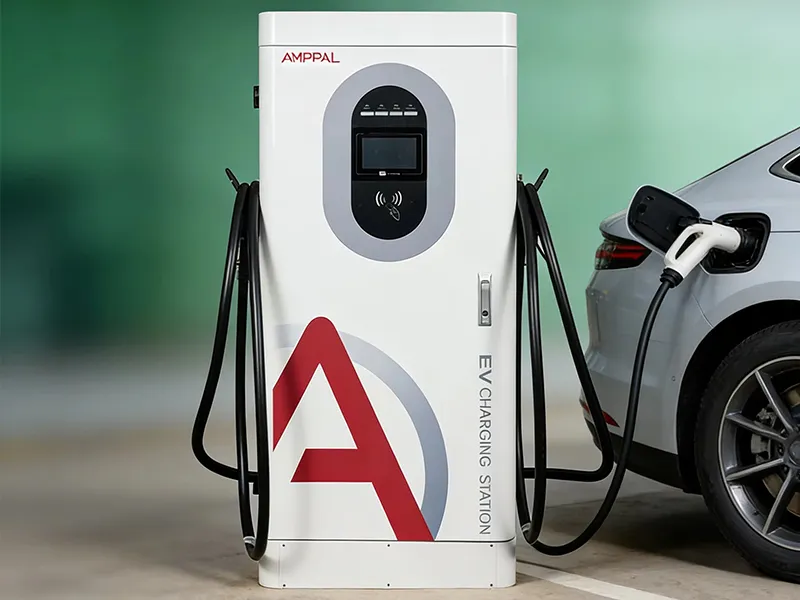
The AF-DC-600 is a 600kW liquid-cooled charging stack built to match where the industry is heading, not just where it is today. Its 600A liquid-cooled terminals follow the connector geometry that AMPPAL itself proposed in April 2025 at the Canton Fair, a proposal that drew attention from International Electrotechnical Commission (IEC) experts.
A standard matters more at 600kW than at 60kW. Any manufacturer can build a large power module; the real question is whether the plug in a driver's hand today will still fit the station your successor builds in 2030. AMPPAL chose to put its engineering weight behind exactly that interface question.
This stack is the concrete result: a 600kW power pool, 600A liquid guns, OCPP 1.6/2.0 telemetry, and an interface designed to survive a decade of connector evolution.
The proposal covers the physical layer most vendors skip: the coolant fittings and contact layout that decide whether a gun from manufacturer A mates with a station from manufacturer B. Without that layer, every 600A deployment risks becoming an island that only its own brand can serve.

Interface longevity: the liquid-cooled connector follows the AMPPAL standard proposal, so hardware bought now stays compatible as the standard matures.
600A sustained output from every terminal, with the sealed coolant loop holding cable and gun below 45°C.
600kW of pool capacity serves four 150kW-class sessions or one full-current truck charge; the scheduler balances both.
94.5% peak efficiency and IP54 protection in the same S2-class cabinet as the 480kW model, simplifying spares and training.
Full protocol coverage on every terminal — CCS1, CCS2, GB/T, CHAdeMO, NACS — so one stack covers a mixed market.
OCPP 1.6/2.0 with remote diagnostics, made simpler because the data model is already interoperable.
Lower retrofit risk: when the standard finalizes, stations built to the proposal need firmware updates, not new guns or pad rework.
|
Parameter |
Specification |
|
Model |
AF-DC-600 |
|
Rated Output Power |
600kW |
|
Main Cabinet (mm) |
1850 × 1850 × 1000 |
|
Terminal |
600A liquid-cooled |
|
Input Voltage |
AC380V±15% |
|
Output Voltage Range |
DC200-1000V |
|
HMI |
7" touch screen |
|
Peak Efficiency |
94.5% |
|
Protection Grade |
IP54 |
|
Compatible Connectors |
CCS1/CHAdeMO/CCS2/GB/T/NACS |
|
Operating Temperature |
-25°C ~ +50°C |
|
Warranty |
2 Years Standard |
Heavy-duty corridor stations where 800V trucks and buses arrive at unpredictable intervals.
Regional hubs that must serve four cars at 150kW average without adding a second transformer.
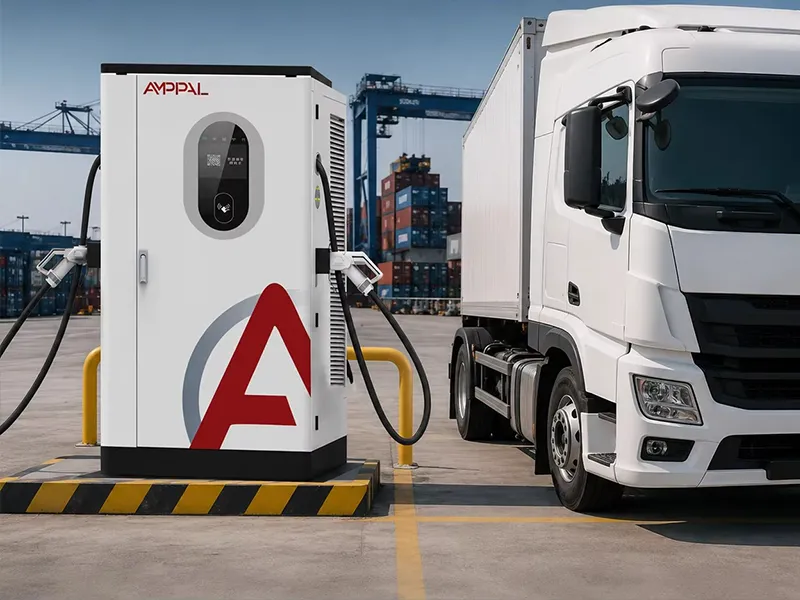
Depots for electric long-haul trucks doing 40-90 minute lunchtime charges.
Port and logistics yards standardizing on 600A liquid connectors for their fleet.
National corridor pilots in countries adopting the IEC-aligned liquid-cooling interface.
The AF-DC-600 runs the same architecture as the rest of the S2 family: AC380V±15% input, a 600kW power module pool on one DC bus, and 600A liquid-cooled terminals with sealed coolant loops. The scheduler grants each terminal its requested current up to the pool limit.
The interface work matters at the connector, where the standard proposal defines contact layout, coolant fitting geometry and the handshake sequence between gun and vehicle. That is the part that lets a 2026 truck plug into a 2031 station and still negotiate cleanly. Every terminal ships with the current handshake revision, and the gun firmware updates over OCPP like the rest of the stack.
Telemetry rides the same OCPP channel as power control, so the backend sees coolant temperature, connector cycles and module health per terminal — the data the IEC workgroup is using to refine the standard.
The AF-DC-600 ships with the complete CE/TUV/CB/CCC/UL certificate set, and the liquid connector is certified separately under the proposed interface.
Each cabinet clears an insulation resistance test at 1000VDC plus a ground continuity check.
Module balance across the 600kW pool is validated in a two-day full-load burn-in on the factory load bank.
Gun endurance follows a 20,000-cycle sampling test sized to corridor duty forecasts.
Ingress protection to IP54 (IEC 60529) and surge immunity (IEC 61000-4-5) are confirmed for every batch.
Batch test reports ship with the unit, including the connector log from burn-in.
Sheet steel for the S2-class enclosure is cut on TRUMPF lasers, then CNC-formed.
The cabinet gets the powder-coated outdoor finish.
Matched module sets come off the dedicated DC assembly line.
600A liquid guns are assembled on the clean bench, and the coolant is sealed in at that station.
Busbars and harnesses are torque-controlled; the coolant loop is pressure-tested.
FANUC robots handle module placement.
The unit is loaded with firmware, and the OCPP profile is set for your backend.
Only after the two-day burn-in and the 14-point check does the cabinet get crated.
Buy the AF-DC-600 if you are building for a decade: corridors, truck fleets, or a national network that will standardize on 600A liquid interfaces. Early-standard hardware will not need a retrofit when the IEC recommendation firms up, and corridor networks that commit early also lock in connector supply before the mainstream demand arrives.
Skip it when your sessions are mostly 250A-class: the 600kW pool and 600A guns cost more than the job needs, and a 240kW or 360kW stack earns the same revenue. Skip it too when the grid connection cannot sustain 600kW, because the stack would idle below its rating.
If you are the fast-follower type, waiting for the finalized IEC documents is defensible — but the AF-DC-600 already ships the geometry AMPPAL proposed, so the wait mainly buys paper, not hardware changes.
AMPPAL presented the liquid-cooled interface proposal at the Canton Fair in April 2025 and is a core contributor to the global liquid-cooling standard conversation.
NEOM's green hydrogen project in Saudi Arabia took 500 liquid-cooled units from this same production line.
Stock builds leave the plant in 15-20 working days, and the minimum order is one stack.
200+ stations in AMPPAL's own network give the engineering team field data on connector wear.
EXW, FOB Ningbo or CIF pricing with a named engineer who stays through commissioning.
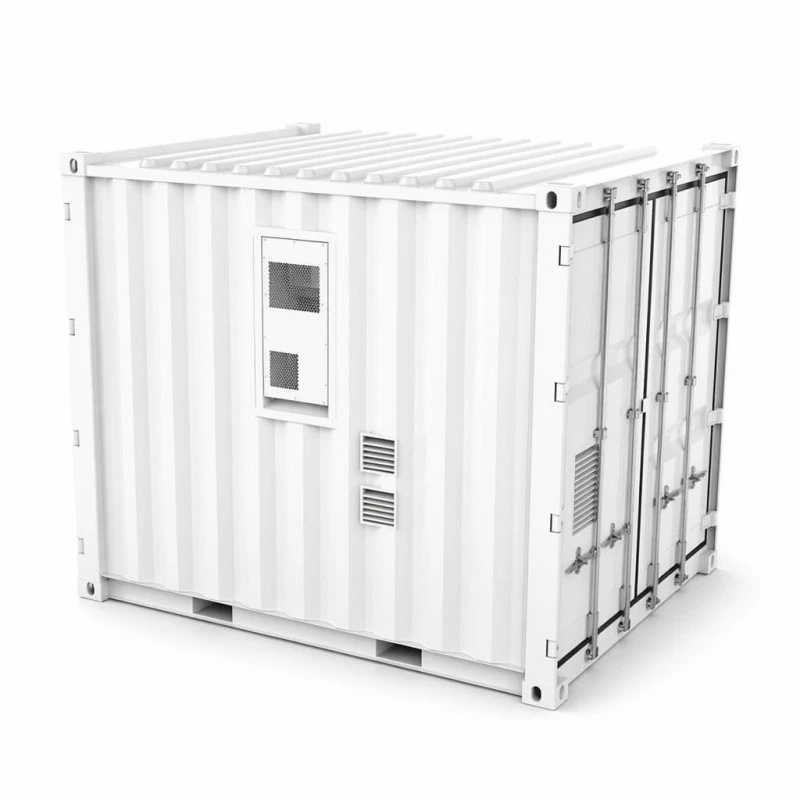
The AF-DC-600 cabinet at 1850 x 1850 x 1000mm ships in a reinforced plywood crate, with each 600A liquid terminal in a foam-lined, coolant-sealed box.
One stack with two terminals loads per 40-foot container; the crate bolts to the floor rails and gross weight runs 1400-1600kg per set.
The export bundle carries the commercial invoice, packing list, B/L, certificate of origin and per-batch test reports, on EXW, FOB Ningbo or CIF terms; sea freight from Ningbo to Rotterdam runs 32-38 days, and air freight is an option for urgent single units.
Warranty runs for 2 years over the cabinet, terminals, modules and coolant circuit, with interface-geometry re-validation against the evolving standard included.
Coolant refill kits and spare liquid guns ship within 3-5 working days.
Quarterly remote checks watch coolant temperature trends and connector cycle counts.
A six-month inspection sheet — coolant level, clamps, gun wear — is supplied in five languages.
A dedicated WhatsApp line connects you to the after-sales engineer, with your serial numbers on file.
Wrong: Assuming any 600A connector from another brand mates with the AF-DC-600 gun. Right: Use the matched AMPPAL connector; the handshake and coolant fitting follow the proposed standard, not a proprietary shortcut.
Wrong: Running the stack at full 600kW on a 400A-rated grid feed. Right: Set the input limit in the HMI to match the connection; the scheduler respects it.
Wrong: Treating the liquid gun like an air gun and coiling it tight. Right: Hang it on the dock hook; tight coils kink the coolant hose.
Wrong: Skipping connector cycle logging. Right: Review the per-terminal cycle count quarterly; it predicts gun replacement within about 10% accuracy.
Wrong: Updating firmware without checking the OCPP version on site. Right: Match the backend profile first; the stack supports 1.6 and 2.0 but they switch in config.
A Turkish motorway operator installed one AF-DC-600 in September 2025 on a trial corridor. Their engineering manager said the IEC-aligned connector was the deciding factor, because an earlier 350kW trial had used a proprietary plug that stranded them. The complaint: commissioning took a week longer than the 480kW S2 because the grid operator wanted extra protection studies. They are now planning a second unit for the opposite direction.
A Norwegian depot charging electric semis uses the stack for lunchtime charging of three trucks. The four-lane scheduler balance worked as specced, and the trucks went from 20% to 80% state of charge in about 40 minutes each; the site manager noted the sealed coolant loop needed one level check in six months, not the weekly water top-ups they had expected.
A Kazakhstan corridor developer bought two units right after the Canton Fair meeting where AMPPAL presented the proposal. Their CEO said buying from a standards contributor felt safer than buying from a follower, and they ordered a third unit before the first shipped.
A: A liquid-cooled charging interface standard covering connector geometry, coolant fittings and the handshake protocol; IEC experts showed interest in the proposal.
A: Yes, every terminal supports CCS1, CCS2, GB/T, CHAdeMO and NACS, so today's fleet charges normally.
A: Likely firmware and test updates; the hardware geometry AMPPAL proposed is already in the product, so the physical connector does not change.
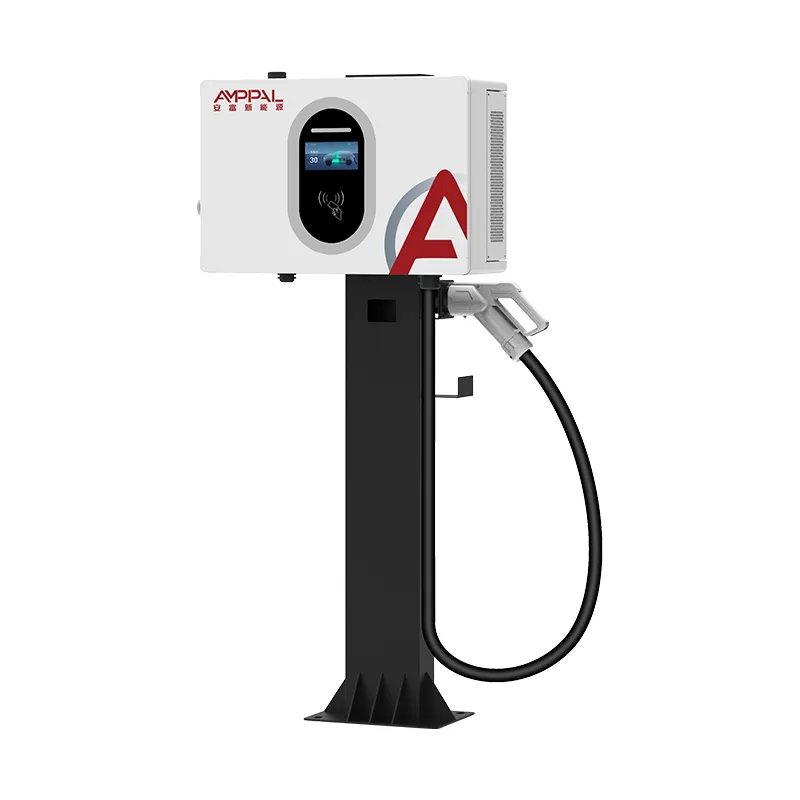
A: Yes, the 600kW pool splits across up to 8 terminals, with the 600A liquid lanes prioritized.
A: AC380V±15% three-phase; full output pulls about 910A per phase, so most sites plan a transformer.
A: The fluid is dielectric and non-toxic at the volumes used, and the loop is sealed and pressure-tested.
A: About three to four weeks (15-20 working days) after the deposit lands for stock builds.
A: Firmware updates are free for 2 years, and the hardware geometry already matches the proposed standard.
Address
No. 237, Weisan Road, Yueqing, Zhejiang, China
Tel
Talk Directly to Our EV Charger Factory
Get factory-direct pricing, custom solutions, and expert support.
- Fast Response – Reply within 24 hours.
- OEM/ODM – Flexible customization and sample orders.
- Certified Quality – CE, TÜV, CB, and CCC options.
- Custom Quotes – Tailored to your specifications.
- Technical Support – Expert help with OCPP, DLB, and system integration.