" "
Products
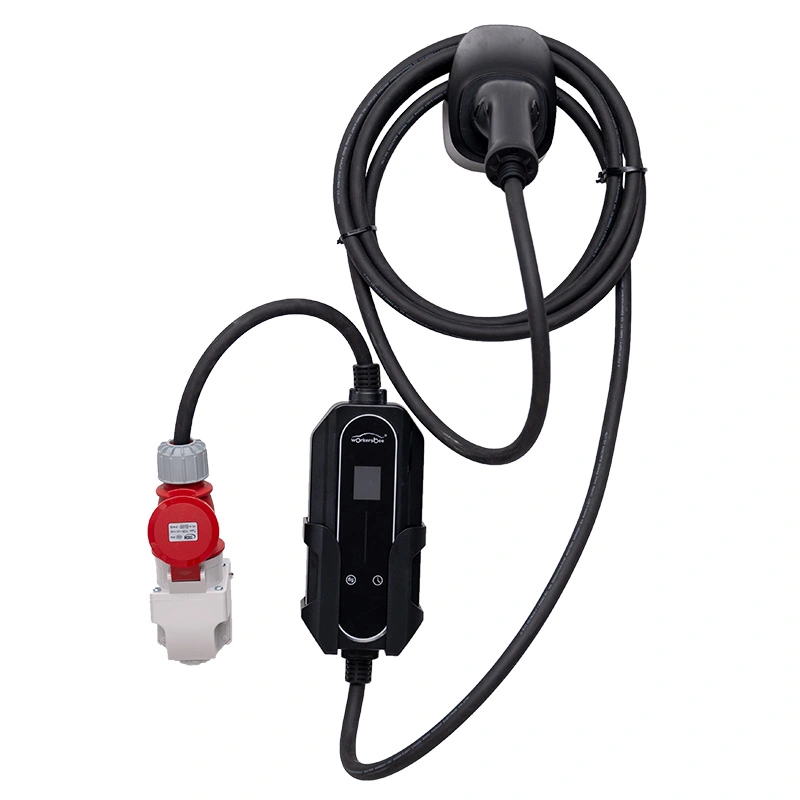
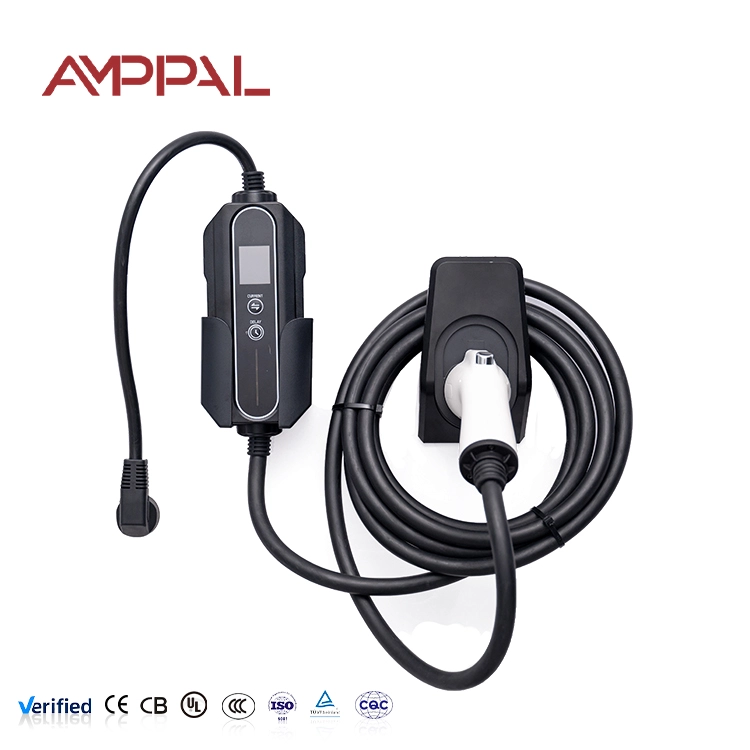
3.5kW Portable AC EV Charger with Acrylic Housing for Home and Travel
  • 3.5kW Portable AC EV Charger with Acrylic Housing for Home and Travel3.5kW Portable AC EV Charger with Acrylic Housing for Home and Travel
  • 3.5kW Portable AC EV Charger with Acrylic Housing for Home and Travel3.5kW Portable AC EV Charger with Acrylic Housing for Home and Travel
  • 3.5kW Portable AC EV Charger with Acrylic Housing for Home and Travel3.5kW Portable AC EV Charger with Acrylic Housing for Home and Travel
  • 3.5kW Portable AC EV Charger with Acrylic Housing for Home and Travel3.5kW Portable AC EV Charger with Acrylic Housing for Home and Travel
  • 3.5kW Portable AC EV Charger with Acrylic Housing for Home and Travel3.5kW Portable AC EV Charger with Acrylic Housing for Home and Travel
  • 3.5kW Portable AC EV Charger with Acrylic Housing for Home and Travel3.5kW Portable AC EV Charger with Acrylic Housing for Home and Travel

3.5kW Portable AC EV Charger with Acrylic Housing for Home and Travel

AMPPAL 3.5kW Portable AC EV Charger with Acrylic Housing for Home and Travel is a portable AC charging box with an acrylic front panel and LCD display, built to live in your trunk. Rated 220VAC 16A, IP55, -30℃ to +50℃, CQC/CE/TUV certified. Plug into any standard wall socket for overnight or workday top-ups. China portable EV charger from AMPPAL factory, OEM welcome.

What This Charger Actually Is

Most EV owners only meet a charger when it is bolted to a wall. This one is different: the AMPPAL 3.5kW Portable AC EV Charger with Acrylic Housing for Home and Travel (Acrylic Panel Type, model AF-AC-3.5kW) is a charger you carry, not a charger you install.

Inside is the same PC/ABS enclosure AMPPAL uses for its fixed wallboxes, but the front face is a polished acrylic panel with an LCD readout, and the whole unit weighs little enough to sit in a trunk corner behind the spare tire.

It draws 16A from a regular 220VAC socket and delivers up to 3.5kW to the vehicle. That is slow by modern standards, and we will be honest: this is a backup tool, not a daily-driver charger.

When your main wallbox is offline, your destination has no charger, or you are driving where public charging is a rumor, this box turns any wall socket into a charge point. That is the job it does best.

3.5kW Portable AC EV Charger with Acrylic Housing for Home & Travel3.5kW Portable AC EV Charger with Acrylic Housing for Home & Travel

Why a Trunk Charger Earns Its Space

Emergency range insurance: a flat battery at a highway rest stop costs a tow truck; a trunk charger costs a wall socket and a few hours.

Charges from ordinary household outlets, so you are not dependent on charging infrastructure to exist where you are.

16A input is gentle on domestic wiring and works with Schuko, UK, CN and US sockets through certified adapters.

The acrylic panel plus LCD gives clear status at a glance — charging current, temperature, and fault codes without needing a phone.

IP55 rating shrugs off dust and rain spray that would worry a lesser unit left at a campsite or construction yard.

Five-meter cable is long enough to reach from a socket around a corner to the car port without a second extension lead.

Technical Specifications

Parameter

Specification

Product Name

Portable AC Charging Box (Acrylic Panel Type)

Model

AF-AC-3.5kW

Rated Output Power

3.5kW

AC Power Supply

220VAC ±20%

Rated Input/Output Current

16A

Human-Computer Interaction

LCD display, APP Mini Program Control (optional)

Operating Temperature

-30℃ ~ +50℃

Networking

APP Mini Program Control (optional)

Operation Mode

Plug and charge / APP control

Executive Standard

CQC, CE, TUV

Charging Cable Length

5 meters (standard)

Protection Grade

IP55

Protection Functions

Overvoltage, undervoltage, overload, short circuit, grounding, over temperature, emergency stop, leakage protection

Where This Backup Unit Earns Its Keep

Road trips across regions with patchy charging networks, where a hotel or guesthouse wall socket is your only option overnight.

Weekend camping and glamping sites that have electricity hookups but no EVSE equipment on site.

Visiting relatives whose home has no charger and whose street has no public column within walking distance.

Second cars and fleet pool cars that park in locations where installing a fixed wallbox makes no economic sense.

Trade shows, exhibitions and temporary offices where the demo vehicle needs topping up but the venue forbids permanent installations.

3.5kW Portable AC EV Charger with Acrylic Housing for Home & Travel3.5kW Portable AC EV Charger with Acrylic Housing for Home & Travel

How a Portable AC Box Charges Your Car

The charger negotiates with the vehicle over the Type 2 / GB/T signal line before closing the contactor. Only when the car confirms it can accept 16A does power flow — the box never just dumps current into the port.

A Type A RCD inside monitors residual current, and the electronics watch voltage and frequency continuously. If the grid dips below 176V (220V minus 20%), the unit pauses and retries rather than stressing the onboard charger.

Plug the box into the wall, plug the gun into the car, and the LCD walks through ready, connected, charging, complete. No app setup, no account, no RFID card. Optional APP Mini Program control adds remote monitoring and scheduled starts.

A full recharge takes most of a day, so the realistic pattern is: plug in overnight or during a work shift and drive away with 150–200 km restored.

Certification & Quality Assurance

CQC, CE and TUV certified, with each production batch holding the corresponding test reports on file for customer inspection.

Every unit gets a 30-minute full-load burn-in at the factory before packaging, not a random sample check.

IP55 verification includes dust chamber and water spray testing on the assembled unit, including the acrylic panel seams.

Contactors are cycled 10,000 times in endurance testing; the LCD and control board pass a 96-hour salt spray exposure test.

Thermal testing covers the full -30℃ to +50℃ operating window in a climate chamber before the design is frozen.

Traceability: each charger carries a serial number linking to its production and test records for the full warranty period.

How AMPPAL Builds This Charger

The enclosure starts as PC/ABS compound injection-molded on robotic lines AMPPAL operates together with FANUC and TRUMPF automation, at the company's factory in Yueqing, Zhejiang — the 'capital of electrical appliances in China'.

From there the sequence runs: CNC cutting and bending of internal brackets, wave soldering of the control board, conformal coating, manual assembly of the contactor and RCD, acrylic panel fitting, and a two-stage test station covering electrical safety and communication handshake.

AC and DC chargers run on separate assembly lines, and the plant's annual capacity exceeds one million units. AMPPAL was founded in 2014 and has delivered over one million charging units cumulatively since.

Each box is then burned in, serialized, and packed. For a product whose whole point is being carried, the final step matters: QC checks latch, handle feel, and cable strain relief before sign-off.

Is 3.5kW Right for You? (And When It Is Not)

Choose this charger if you already own a fixed wallbox at home and want a second, portable layer of security for travel; if you rent and cannot install anything permanent; or if you sell or distribute to customers in regions where public charging is thin.

Do not choose it if your only charging will happen on a strict schedule — if the car must gain 300 km overnight every night, this unit physically cannot deliver that, and no firmware will change it.

Do not choose it if you need three-phase capability for a European commercial site; this is a single-phase unit by design.

For most private owners the honest math is: 3.5kW means roughly 14-16 km of range per hour of charging. If that number does not fit your life, step up to the 7kW or 11kW portable models from the same family.

Why Buyers Pick AMPPAL Over a Generic Box

Real factory, real people: AMPPAL is a national-level 'little giant' specialist company with 260+ staff and its own production plant in Yueqing.

Delivery in 15-20 working days for standard models, with OEM branding and packaging handled in the same cycle.

Low minimum orders for a product like this — you can validate the market with a small first batch instead of a container.

Custom options: your logo on the acrylic panel, custom cable lengths, different plug standards for your destination market.

Documents in order: CE/TUV/CQC certificates, test reports and commercial paperwork prepared for customs clearance in 40+ export countries.

Packaging & Shipping

The unit ships in a retail-ready box — most 3.5kW portables sell online, so the packaging must survive a courier network and still look decent on a shelf. Individual box weight is about 6-8 kg including the 5-meter cable, which keeps courier costs down.

For larger orders the retail boxes go into export cartons and then onto pallets, 80-120 units per 20-foot container depending on carton size, with pallets stretch-wrapped and marked per your instructions.

Because the charger is light and compact, air freight is a realistic option for urgent or small orders; sea freight applies for full containers. We provide commercial invoice, packing list, and the certificates needed for destination customs.

After-Sales & Warranty

2-year warranty covering manufacturing defects in the charging electronics, enclosure and cable assembly.

Spare parts stocked for control boards, LCD modules and cables; replacement parts ship within 5 working days of confirmation.

Free remote diagnosis: send us the LCD fault code and our engineers walk you through the fix before any return.

Firmware and APP Mini Program updates issued through the factory portal for the life of the product.

Maintenance advice: keep the acrylic panel free of abrasive cleaners, wipe with a soft cloth, and store the unit dry when not in use.

3.5kW Portable AC EV Charger with Acrylic Housing for Home & Travel3.5kW Portable AC EV Charger with Acrylic Housing for Home & Travel

Usage Notes: Wrong vs Right

Wrong: daisy-chaining extension leads to reach a socket 20 meters away. Right: use a single heavy-duty 16A extension rated for outdoor use, fully uncoiled.

Wrong: leaving the charger coiled in a damp trunk for months and assuming it still works. Right: run a quick test charge every two months and keep it in a dry bag.

Wrong: plugging into an outlet that feeds multiple air conditioners and expecting stable 16A. Right: use a dedicated circuit or charge when the load is low.

Wrong: forcing the plug into an incompatible socket with an improvised adapter. Right: order the correct plug version or certified adapter for your country.

Wrong: letting the cable drag across sharp edges or closing the trunk on it. Right: coil the cable loosely and use the included strap.

What Customers Say After Months of Use

A Norwegian outdoor-equipment importer who stocks these for winter cabins reported that the -30℃ rating was the deciding factor: 'Customers charge at ski cabins with diesel generators off, and the box starts at -20℃ every time. The acrylic face gets condensation inside if you bring it straight from cold into a warm car, so we tell buyers to wait ten minutes before plugging in.'

A French EV owner used the box as his only charger for a year while living in an apartment with a balcony socket. His honest verdict: 'It is slow, but it charges every night without fail. The LCD is the part I like — I can see the temperature and current instead of trusting a phone app. The cable is stiff in winter, that is my only complaint.'

A used-car dealer in the UAE keeps one in each delivery car: 'When I sell a used EV, the new owner often has no charger yet. I hand over the car with a full battery charged from this box and the customer buys the same unit from me. It solved a logistics problem I had for years.'

FAQ

Q: Can this charger work with any EV?

A: It works with Type 2 and GB/T vehicles; the vehicle-side connector can be configured at order time for your market.

Q: How long to charge a typical 60 kWh battery?

A: About 17 hours from empty; plan it as an overnight or workday charge, not a quick stop.

Q: Does it need professional installation?

A: No. It plugs into a wall socket rated for 16A; that is the entire installation.

Q: What happens if the socket voltage is low?

A: The unit pauses below 176V and resumes automatically when the grid recovers.

Q: Is the optional APP Mini Program worth it?

A: It adds remote monitoring and scheduled charging; skip it if you only want plug-and-charge simplicity.

Q: Can it charge during rain?

A: The unit is IP55 rated for water spray, but keep the socket and plug connections dry.

Q: What plugs are available?

A: Schuko, UK, CN, US and other standards can be fitted at the factory.

Q: How is it different from the 7kW model?

A: 7kW needs a 32A circuit and charges about twice as fast; 3.5kW runs on any standard 16A socket.


Send Inquiry
Contact Info

Talk Directly to Our EV Charger Factory

Get factory-direct pricing, custom solutions, and expert support.

- Fast Response – Reply within 24 hours.

- OEM/ODM – Flexible customization and sample orders.

- Certified Quality – CE, TÜV, CB, and CCC options.

- Custom Quotes – Tailored to your specifications.

- Technical Support – Expert help with OCPP, DLB, and system integration.

X
We use cookies to offer you a better browsing experience, analyze site traffic and personalize content. By using this site, you agree to our use of cookies. Privacy Policy
RejectAccept