" "
Products
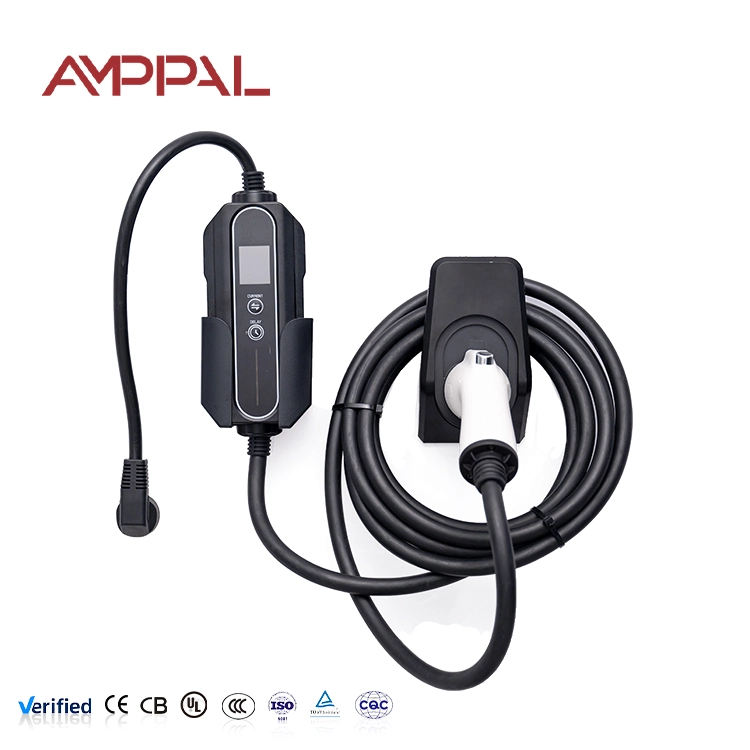
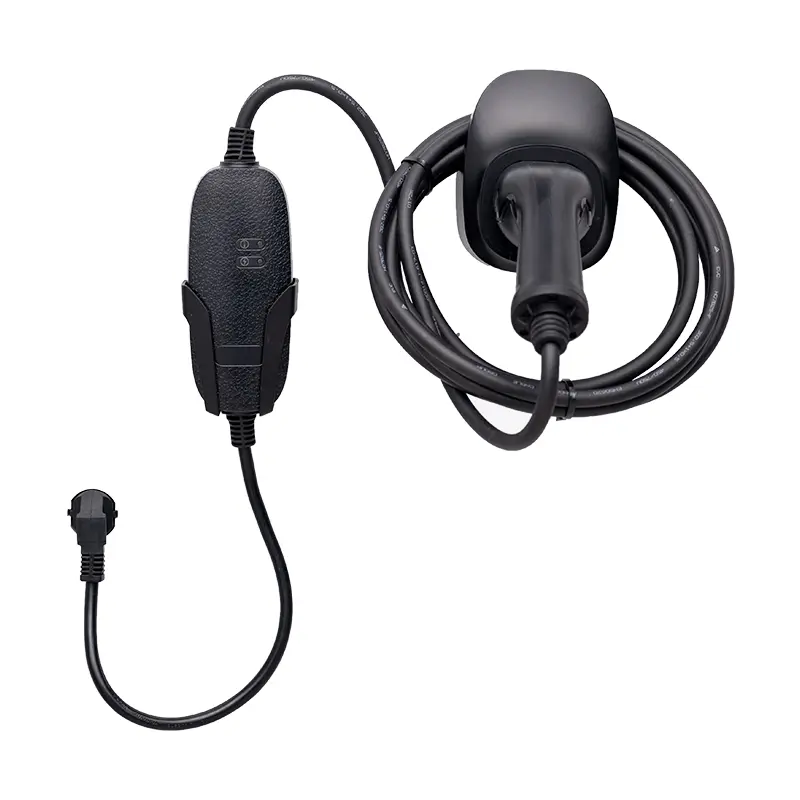
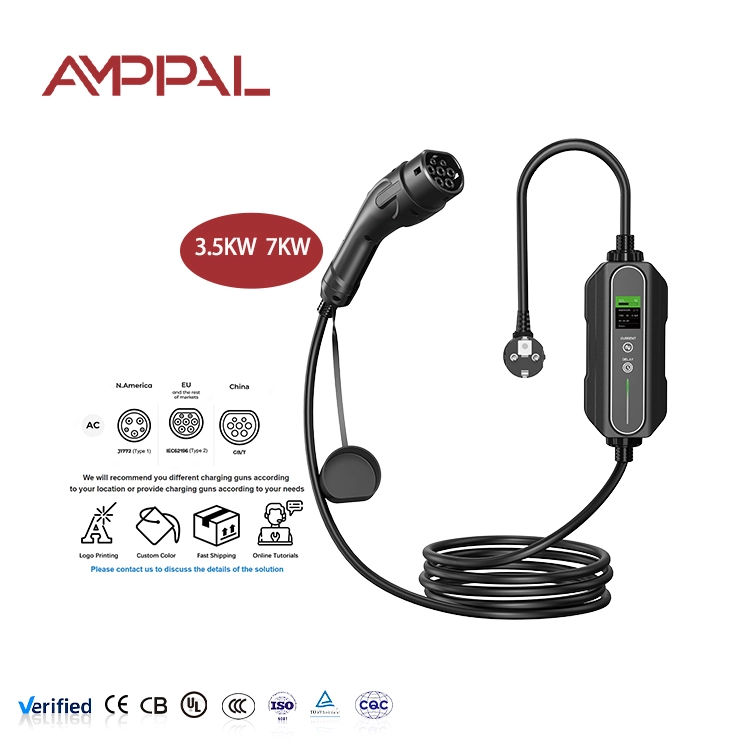
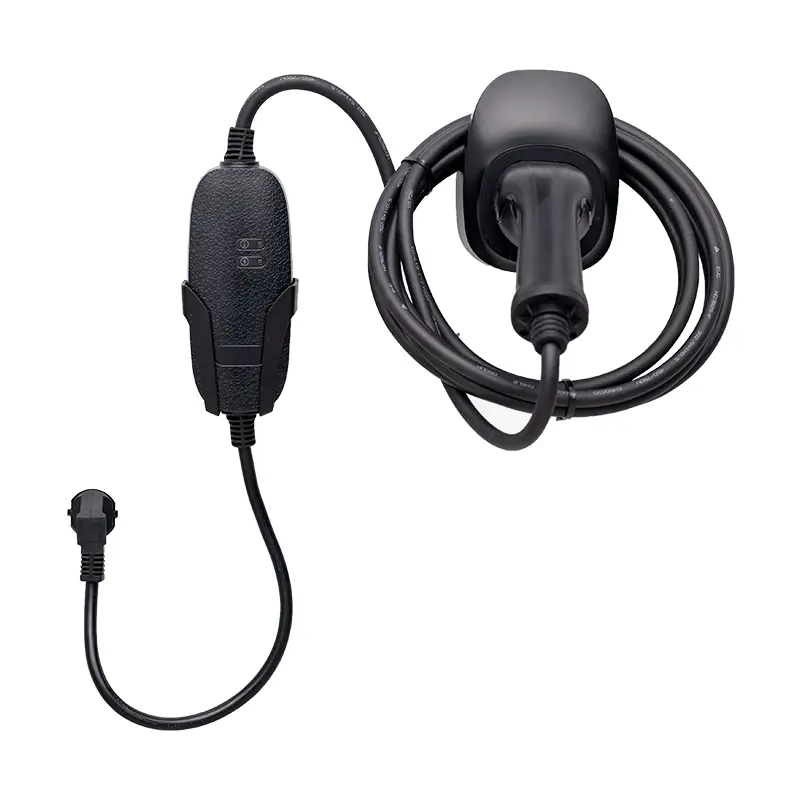
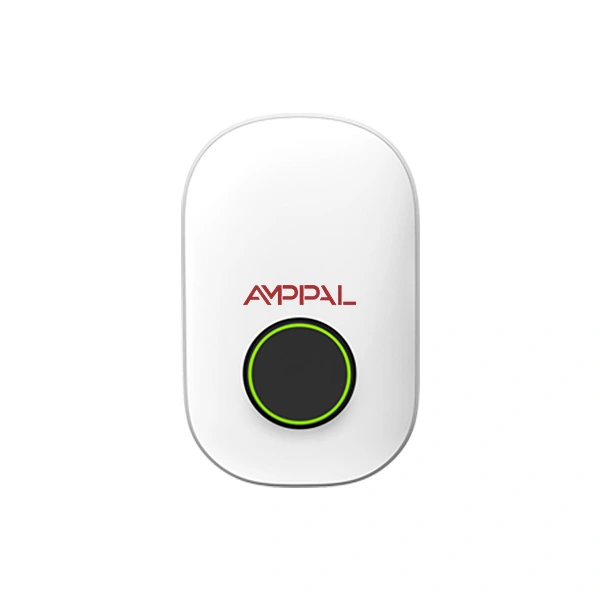
11kW Portable AC EV Charger with Acrylic Design for Travel and Home Charging
  • 11kW Portable AC EV Charger with Acrylic Design for Travel and Home Charging11kW Portable AC EV Charger with Acrylic Design for Travel and Home Charging
  • 11kW Portable AC EV Charger with Acrylic Design for Travel and Home Charging11kW Portable AC EV Charger with Acrylic Design for Travel and Home Charging
  • 11kW Portable AC EV Charger with Acrylic Design for Travel and Home Charging11kW Portable AC EV Charger with Acrylic Design for Travel and Home Charging
  • 11kW Portable AC EV Charger with Acrylic Design for Travel and Home Charging11kW Portable AC EV Charger with Acrylic Design for Travel and Home Charging
  • 11kW Portable AC EV Charger with Acrylic Design for Travel and Home Charging11kW Portable AC EV Charger with Acrylic Design for Travel and Home Charging
  • 11kW Portable AC EV Charger with Acrylic Design for Travel and Home Charging11kW Portable AC EV Charger with Acrylic Design for Travel and Home Charging

11kW Portable AC EV Charger with Acrylic Design for Travel and Home Charging

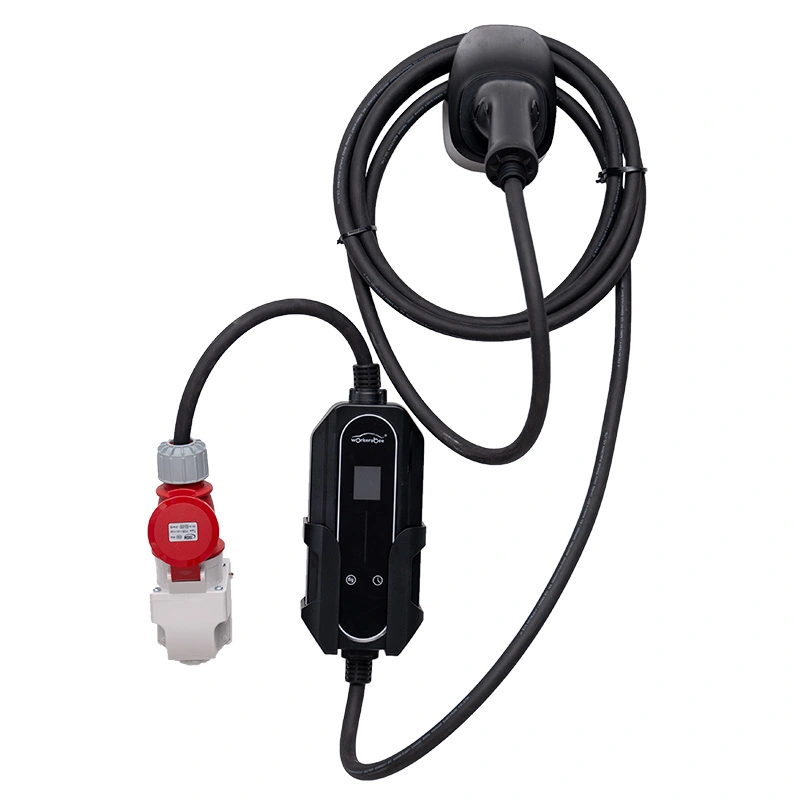
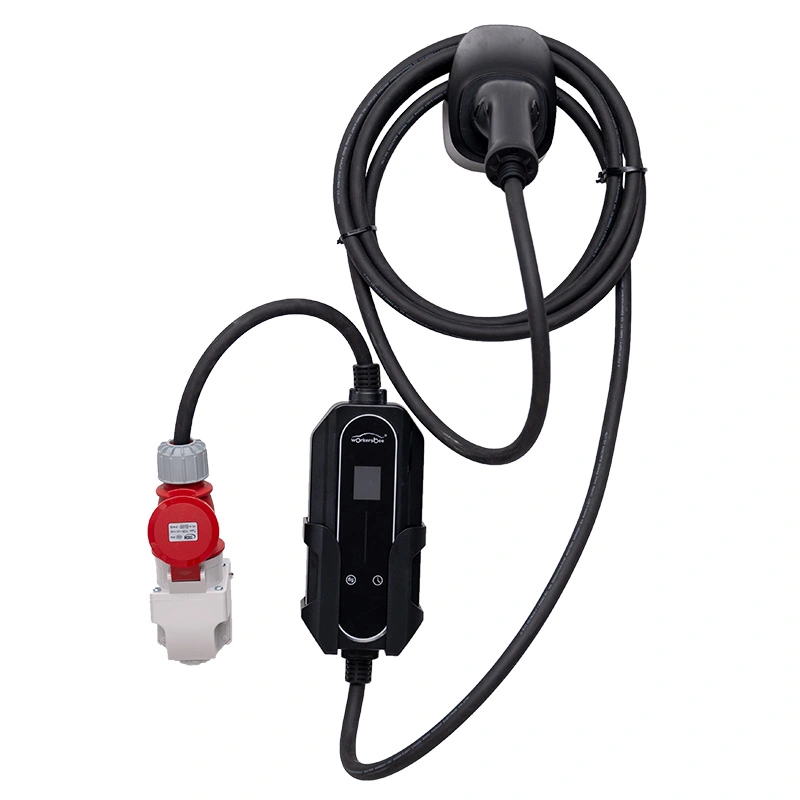
AMPPAL 11kW Portable AC EV Charger with Acrylic Design for Travel and Home Charging is a three-phase portable AC charging box built around the CEE red 16A industrial plug found across European industry and campsites. It supports 380VAC input, IP55 protection, -30℃ to +50℃ operation, LCD and acrylic panel design, with CQC/CE/TUV certification. For commercial fleets and multi-country drivers. Three-phase portable EV charger, China manufacturer AMPPAL, OEM available.

Not a Wallbox, a Traveling Power Tool

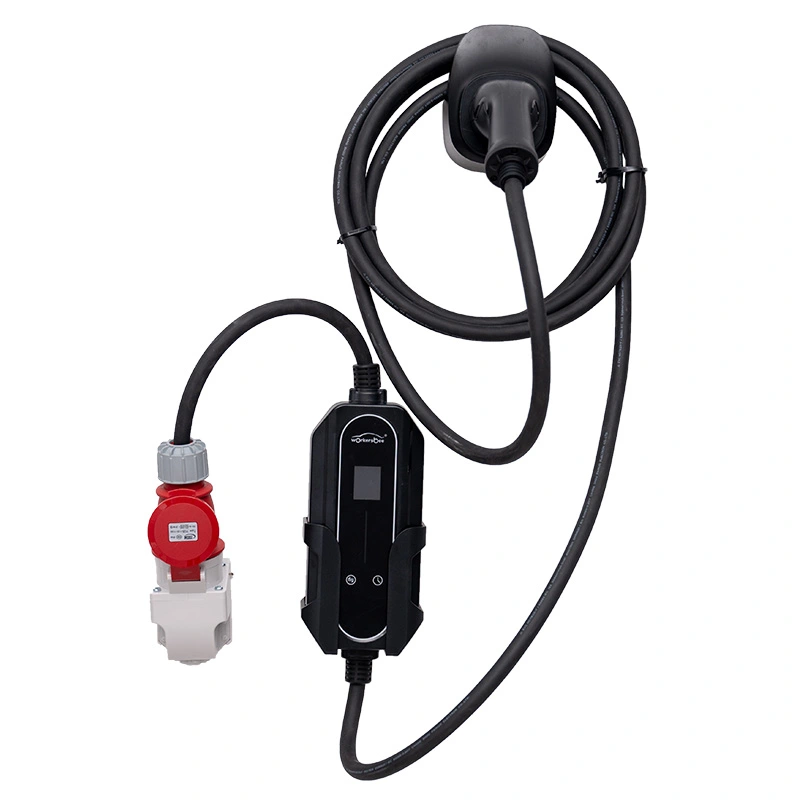
The red five-pin CEE plug is the reason this charger exists.

Across most of Europe, that red 400V industrial socket is the closest thing to a universal charging standard: it sits on campsite pillars, industrial yards, construction sites and farm buildings from Portugal to Finland.

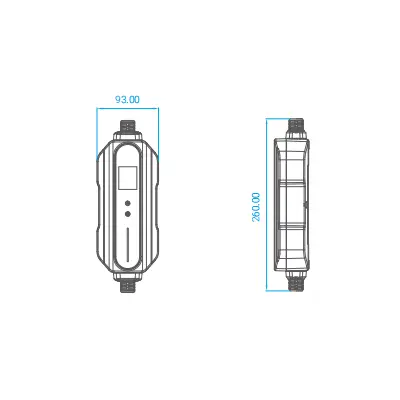
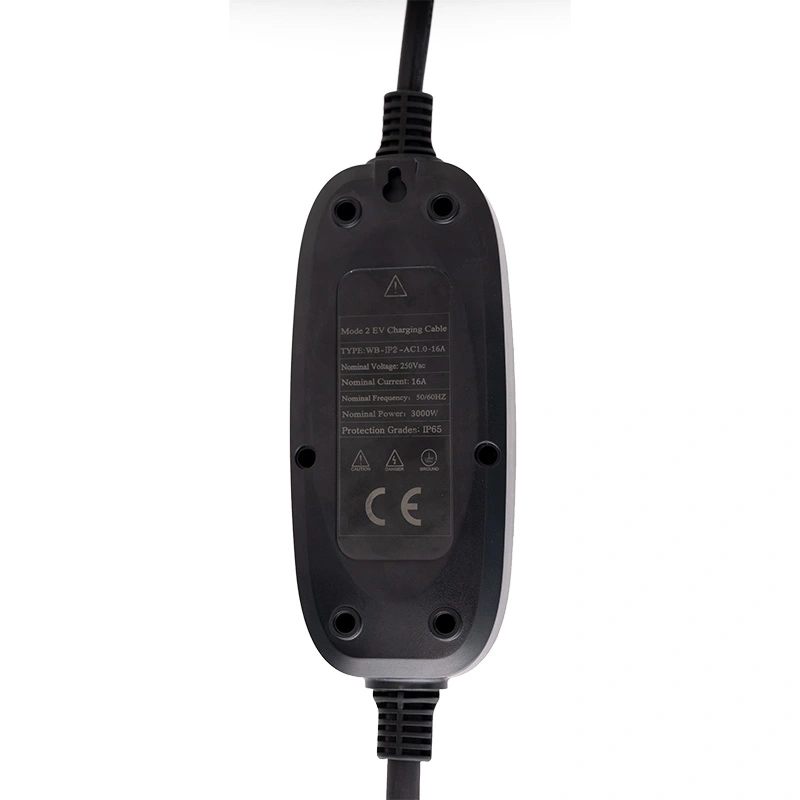
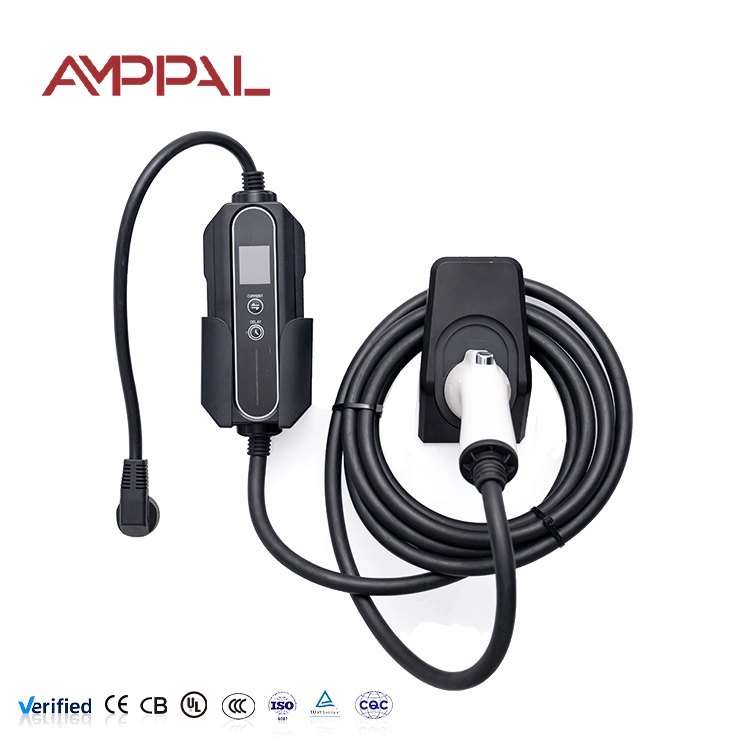
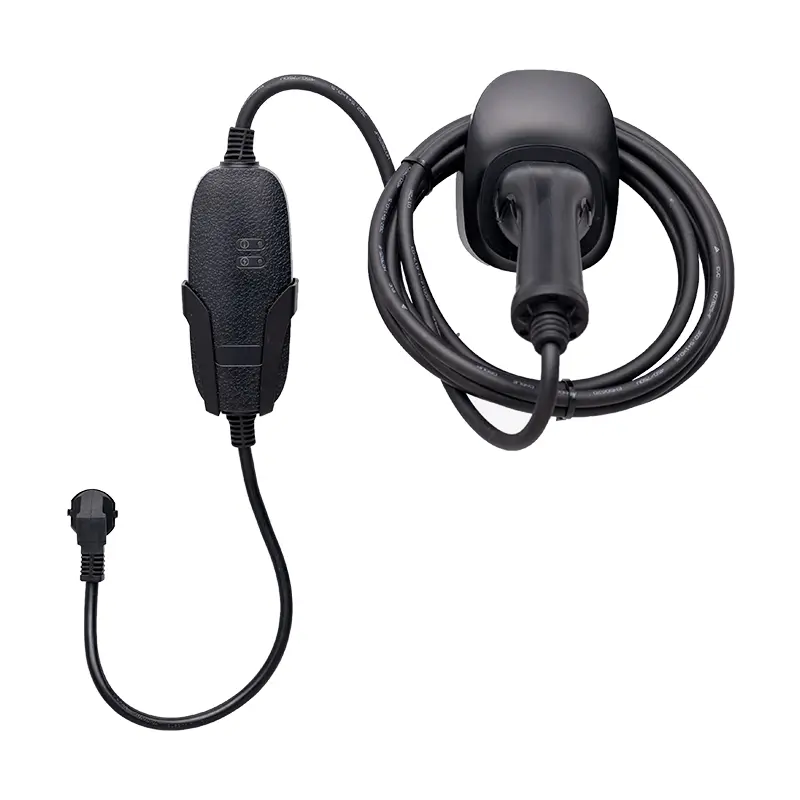
The 11kW Portable AC EV Charger with Acrylic Design for Travel and Home Charging(Acrylic Panel Type, AF-AC-11kW) is a PC/ABS box with a polished acrylic face and an LCD, engineered to draw 16A per phase from exactly that socket and deliver 11kW to the vehicle.

Where a fixed three-phase wallbox commits you to one building, this unit rides in the vehicle and turns any red socket on the continent into a charge point. It is not a replacement for a home wallbox — it is a different tool for a different kind of driving.

11kW Portable AC EV Charger with Acrylic Design for Travel & Home Charging11kW Portable AC EV Charger with Acrylic Design for Travel & Home Charging

Why Three-Phase Portability Matters

11kW from a 16A three-phase input means no 32A circuit hunt; the CEE red 16A socket is far more common at campsites and workshops than its blue 32A single-phase cousin.

About twice the throughput of a 7kW single-phase unit — a 50 kWh battery refills in around four and a half hours.

The acrylic panel and LCD survive the handling of commercial use: scratches, fuel-fingered touches and rough storage don't dull the readout.

IP55 rated enclosure stands up to open-air sites, coastal salt air and construction dust that would clog a lesser unit.

The -30℃ to +50℃ operating window is verified in a climate chamber — relevant for Nordic winters and Central Asian steppe seasons.

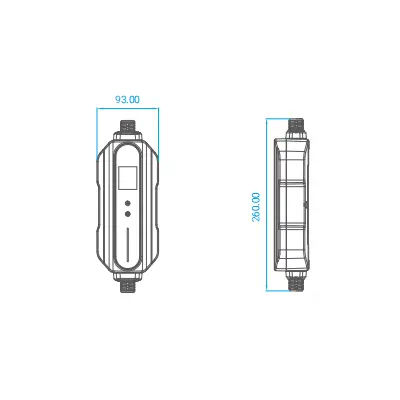
Five-meter cable and a compact body let you reach the socket without parking gymnastics, and the unit packs flat in a carry case.

Technical Specifications

Parameter

Specification

Product Name

Portable AC Charging Box (Acrylic Panel Type)

Model

AF-AC-11kW

Rated Output Power

11kW

AC Power Supply

380VAC±15%

Rated Input/Output Current

16A (3-phase)

Human-Computer Interaction

LCD display, APP Mini Program Control (optional)

Operating Temperature

-30℃ ~ +50℃

Networking

APP Mini Program Control (optional)

Operation Mode

Plug and charge / APP control

Executive Standard

CQC, CE, TUV

Charging Cable Length

5 meters (standard)

Protection Grade

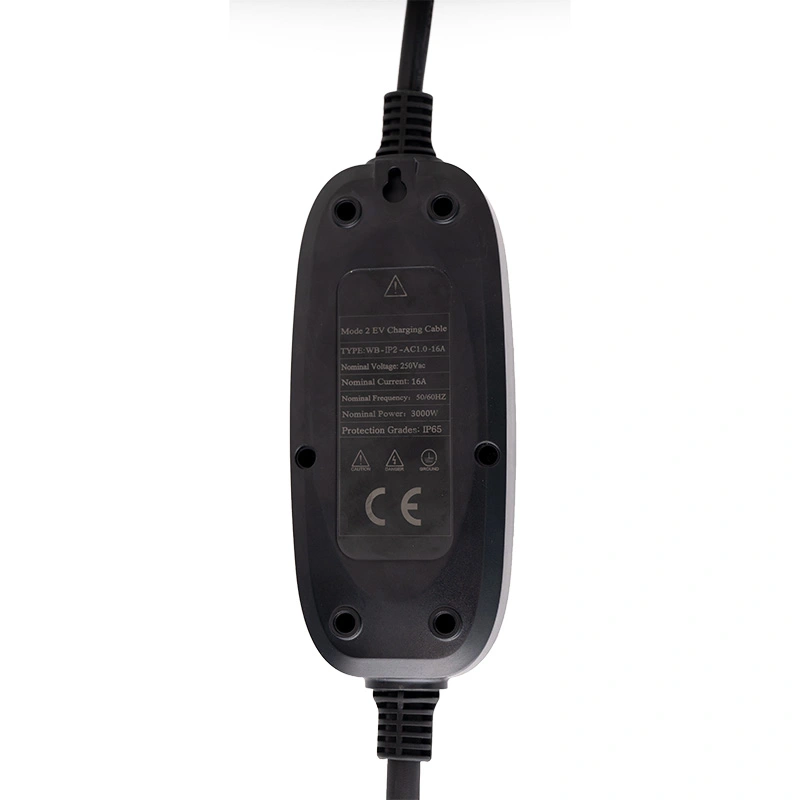
IP55

Protection Functions

Overvoltage, undervoltage, overload, short circuit, grounding, over temperature, emergency stop, leakage protection

Markets and Roads This Unit Was Built For

Cross-border European touring: one charger, one red plug, and the same connector works in France, Germany, the Nordics and the Balkans.

Industrial and construction sites where three-phase hookups already exist and a permanent charge point would need building permits.

Fleet depots and rental companies that move vehicles between sites and refuse to install wallboxes at every yard.

Nordic and Russian/Central Asian markets where sub-zero charging is a winter fact, not a corner case.

Events and exhibitions: charging demo vehicles from a 380V event power supply instead of running extension leads across the hall.

11kW Portable AC EV Charger with Acrylic Design for Travel & Home Charging11kW Portable AC EV Charger with Acrylic Design for Travel & Home Charging

What Happens Electrically at 11kW

Three-phase 380/400V arrives through the CEE red plug and is converted, phase by phase, into the single charging circuit the vehicle accepts. The box draws 16A per phase, which is modest enough for most commercial-grade supplies yet adds up to 11kW of real throughput.

Before energizing, the unit handshakes with the car over the Type 2 control pilot and verifies the vehicle's onboard charger can take three-phase current. Some EVs only charge single-phase even with three-phase available; the box reports this on the LCD rather than failing silently.

Protection runs deeper than a household breaker: overvoltage, undervoltage, overload, short circuit, grounding faults, over temperature, emergency stop and residual current are all watched independently, with the unit tripping itself offline and showing a code.

Because the input is 380VAC ±15%, the unit tolerates weak rural grids better than single-phase chargers of similar power — voltage sags that would stall a 32A single-phase load are absorbed within that window.

Certificates a Border Official Will Recognize

CQC, CE and TUV certificates are issued per model and batch, with report numbers ready to hand to customs brokers or certification authorities.

Every unit is 100% tested — dielectric strength, insulation resistance and ground continuity — before the enclosure closes, not sampled.

A 30-minute full-load burn-in follows assembly; the unit must hold 11kW without thermal drift before it is allowed into packaging.

IP55 dust and spray testing covers the complete assembled box, including the acrylic panel joint and cable glands.

Batch-level endurance: contactor cycling to 10,000 operations and 96-hour salt spray on the control board and LCD.

Climate chamber validation across -30℃ to +50℃, with start-up behavior documented at the cold extreme.

From Board to Box: The Build Route

The route starts with the control board: pick-and-place assembly, wave soldering, then conformal coating to protect the electronics from condensation — a real risk in cold-climate markets where the unit moves between -20℃ air and a warm cabin.

The PC/ABS housing is molded on robotic cells developed with FANUC and TRUMPF at the AMPPAL plant in Yueqing, Zhejiang; the acrylic panel is CNC-cut and polished in the same facility, and AC and DC products never share an assembly line.

Assembly progresses through power-stage mounting, RCD and contactor fit, cable gland sealing, panel installation and the two-stage test bench; each operator logs the step against the unit's serial number.

AMPPAL, founded in 2014, now runs annual capacity above one million charging units and has delivered more than one million in total. The final QC on every portable unit is manual: latch feel, cable strain relief, panel finish — the details a user touches every day.

Three-Phase Reality Check: Where This Unit Fits (and Where It Does Not)

Take the 11kW unit if your driving regularly crosses borders or works from sites with three-phase supplies, and if your vehicle's onboard charger actually accepts three-phase — check the car's spec sheet first, because a single-phase-only car will charge at roughly one third of the box's capability.

Leave it in the catalogue if your only power source is a household single-phase socket: the unit is three-phase by design, and no adapter converts 220V single-phase into 11kW. For pure single-phase homes, the 7kW portable model is the correct fit.

Leave it if you charge the same vehicle every night in a fixed garage — a mounted wallbox with load management beats a portable unit on price and tidiness.

And if you need 22kW or DC fast charging, this box is the wrong tool entirely; those require AC three-phase at 32A or a DC charger altogether.

Why Distributors Stock the 11kW Line

A product with a clear, underserved buyer: commercial operators and long-distance EV travelers who cannot use household charging.

15-20 working days lead time on standard configs; OEM branding on the acrylic panel and packaging runs in the same schedule.

Modest MOQ lets importers validate the three-phase niche before committing container space.

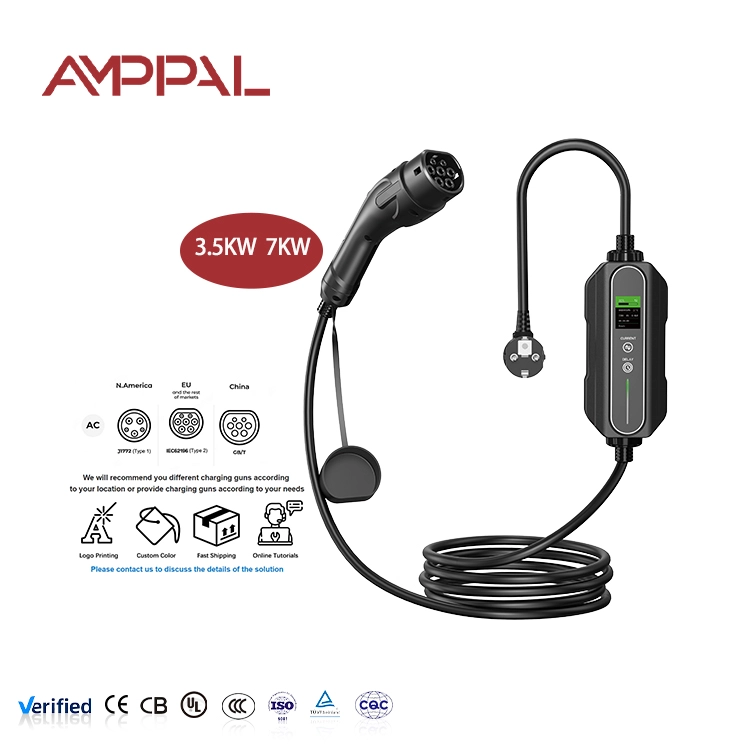
Factory-configured CEE red 16A plug, Type 2 gun (GB/T on request) and certificates — CE/TUV/CQC — prepared for the destination market.

AMPPAL exports to 40+ countries, operates 200+ charging stations itself, and supplies projects like the NEOM green-hydrogen site; your partner is not a trading company but the manufacturer.

Boxed, Palleted, and Out the Door

Each 11kW unit ships in a retail-ready carton designed for courier networks and shelf display alike, since this category sells heavily online. Total carton weight lands around 8-10 kg including the 5-meter cable — light enough for air freight when a distributor needs stock fast.

Container orders pack 80-120 cartons per 20-foot load depending on carton size, palletized, stretch-wrapped and labeled to the buyer's mark.

Documentation travels with the goods: commercial invoice, packing list, CE/TUV/CQC certificates and test reports, which is what keeps three-phase electrical imports moving through customs in 40+ countries.

Service Across Borders

2-year warranty tied to the serial number, honored through AMPPAL's export network even when the unit changes country.

Spare boards, LCD modules and cable sets stocked and shipped within 5 working days of confirmation.

Diagnosis by LCD fault code over email or WhatsApp — most cases are resolved without returning hardware.

Firmware and APP Mini Program updates distributed through the factory portal for the product's service life.

Cold-climate care guidance included: let the unit warm to above -10℃ before full-load charging in extreme cold.

Five Field Mistakes We Keep Seeing

Wrong: assuming every campsite red socket is rated 16A — some are 32A, some are unlabeled. Right: check the socket rating plate; the unit draws 16A per phase and is safe on either, but the cable and plug must match.

Wrong: parking the vehicle with the cable stretched across a pedestrian walkway. Right: route the cable overhead or under a mat and secure the gun after unplugging.

Wrong: using a blue 16A single-phase socket through a homemade adapter. Right: use only the genuine CEE red five-pin connection the unit was built for.

Wrong: closing the case while the unit is hot from a full charging session. Right: let it idle a few minutes and store dry and coiled loosely.

Wrong: ignoring the LCD warning and continuing to drive. Right: read the code, clear the fault cause, and contact us with the code if it repeats.

Voices From the Long-Distance Lane

A Finnish logistics firm runs four delivery EVs between Helsinki and Lapland. Their fleet manager: 'At -25℃ the unit starts and holds 11kW where two single-phase chargers we tried simply stopped. We do wish the cable were six meters instead of five — one of our yards forces a tight parking angle.'

A Kazakhstan-based importer sells the 11kW model to mining-service contractors: 'Sites have three-phase diesel generators, not charging stations. This box turns a generator hookup into a charge point in minutes. The acrylic panel has taken a beating and still looks new, which surprised us.'

A German couple touring Scandinavia for two months wrote to us mid-trip: 'Every campsite with a CEE red socket became a full overnight charge. We planned around blue sockets before and wasted mornings hunting. The only frustration was one French campsite whose red socket sat behind a locked gate — no charger solves that.'

11kW Portable AC EV Charger with Acrylic Design for Travel & Home Charging11kW Portable AC EV Charger with Acrylic Design for Travel & Home Charging

Border-Crossing FAQ

Q: Which plug does the 11kW unit use?

A: A CEE red five-pin, 16A, 400V three-phase industrial plug — the standard found across European campsites, farms and workshops.

Q: Can it charge from a household single-phase socket?

A: No. It requires three-phase 380/400V; on single-phase supply the unit will not energize, by design.

Q: My car's onboard charger — will it accept 11kW?

A: Only if it supports three-phase AC charging; check the vehicle spec, as many compact EVs are single-phase limited.

Q: How fast does it really charge?

A: About 50 kWh in roughly 4.5 hours at full output — an overnight stop adds a full day of driving range.

Q: Is the -30℃ rating trustworthy?

A: It is climate-chamber verified, with start-up tested at the cold extreme; we still advise warming the unit before full-load sessions in deep cold.

Q: Does it work in countries with 230V three-phase networks?

A: The 380VAC ±15% input window covers most 400V European networks; for non-standard grids confirm your phase-to-phase voltage with us at order time.

Q: What documents do I get for customs?

A: CE, TUV and CQC certificates, test reports, commercial invoice and packing list, prepared for export to 40+ countries.

Q: Is it actually portable?

A: Around 8-10 kg packaged, with a carry case option — heavy enough to feel industrial, light enough for one person to move.


Send Inquiry
Contact Info

Talk Directly to Our EV Charger Factory

Get factory-direct pricing, custom solutions, and expert support.

- Fast Response – Reply within 24 hours.

- OEM/ODM – Flexible customization and sample orders.

- Certified Quality – CE, TÜV, CB, and CCC options.

- Custom Quotes – Tailored to your specifications.

- Technical Support – Expert help with OCPP, DLB, and system integration.

X
We use cookies to offer you a better browsing experience, analyze site traffic and personalize content. By using this site, you agree to our use of cookies. Privacy Policy
RejectAccept