" "
Whatsapp
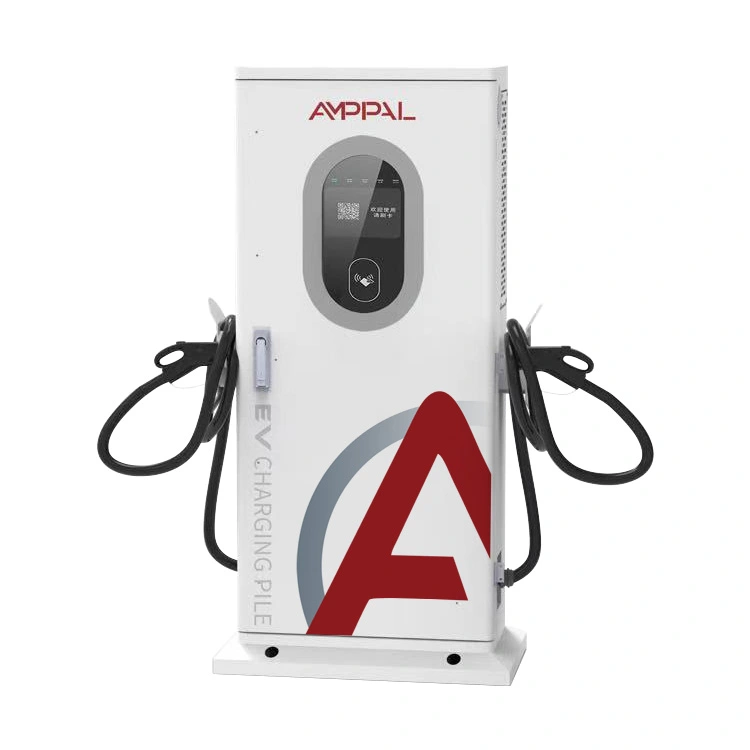
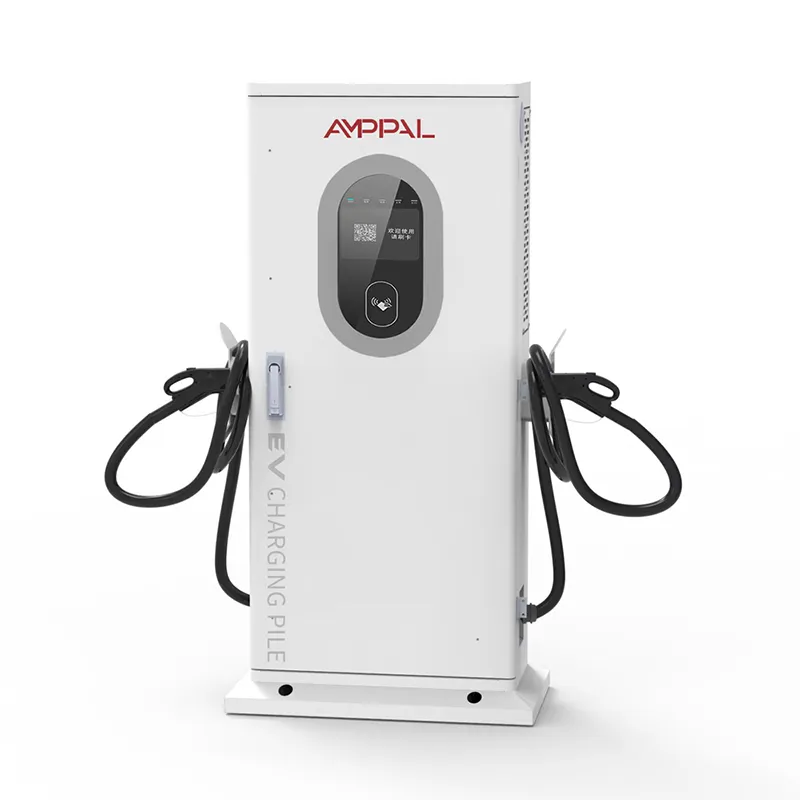
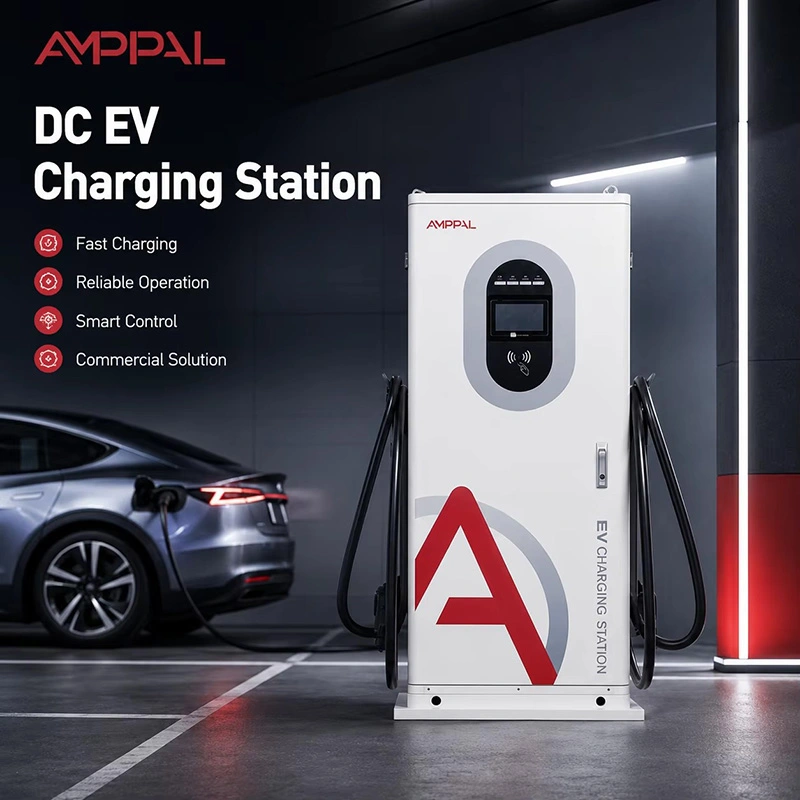
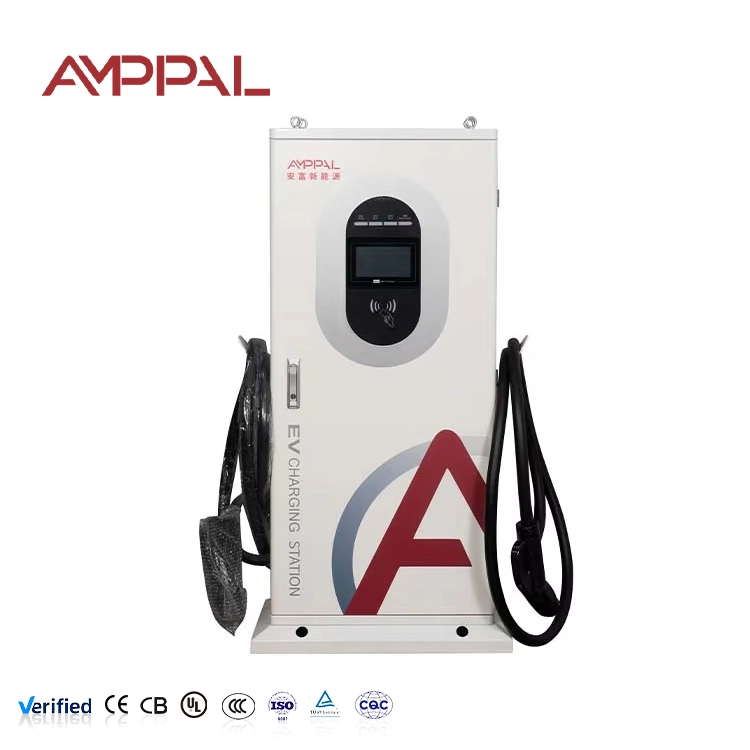
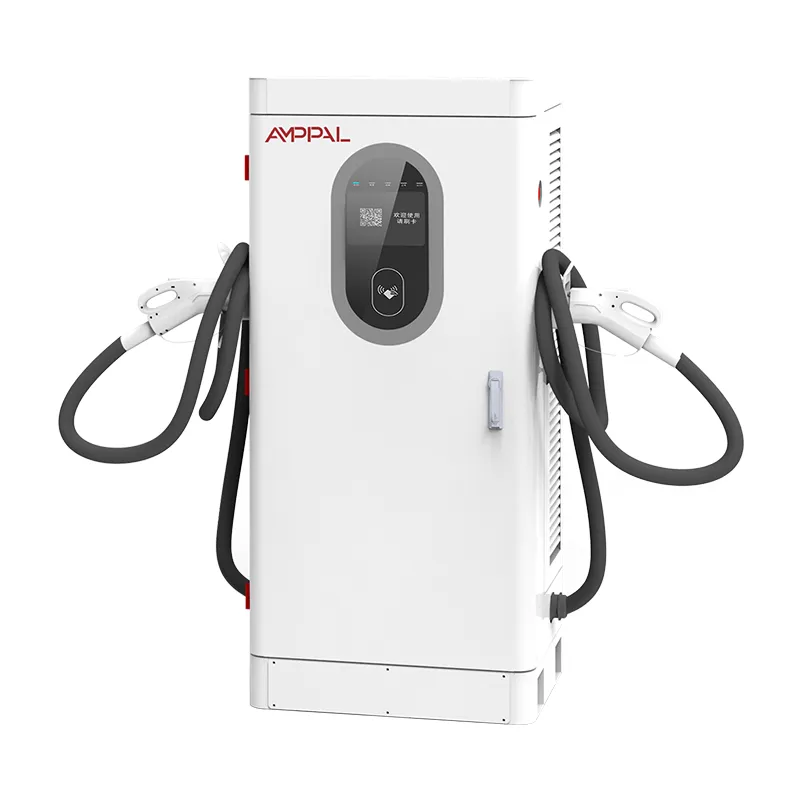
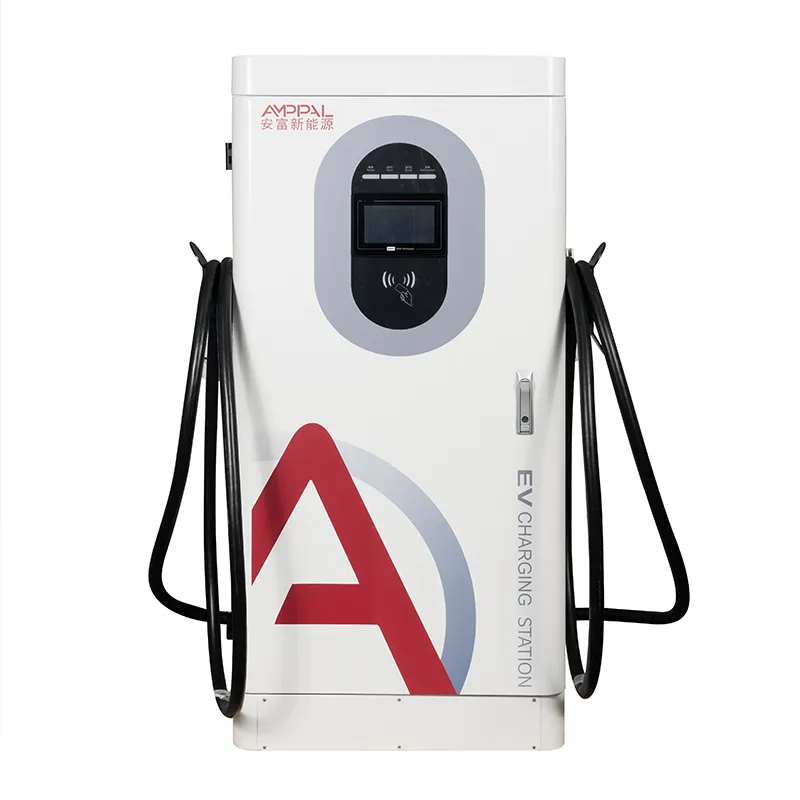
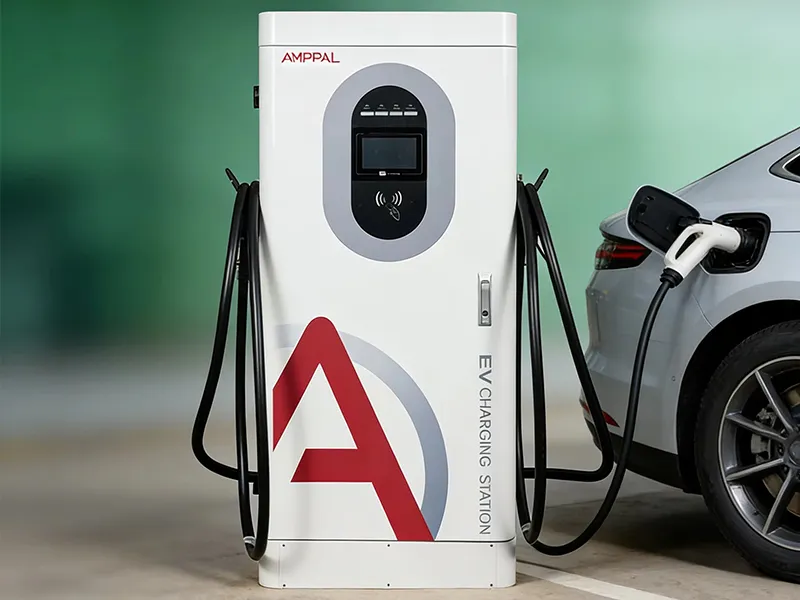
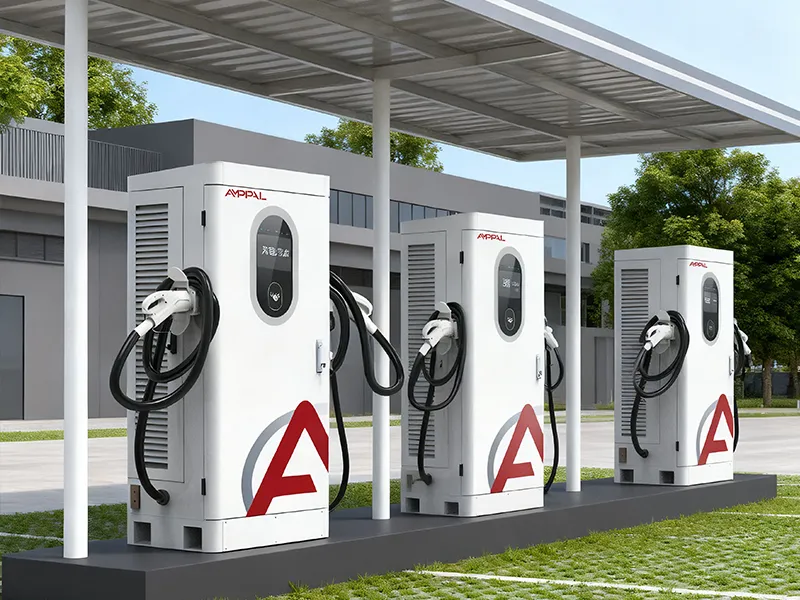
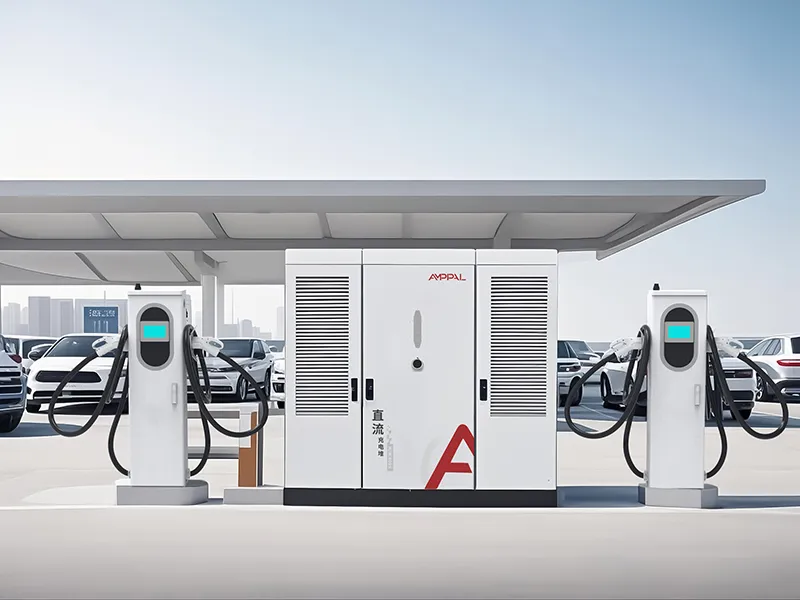
Drive past a charging hub at 9 p.m. and the station that gets your attention is the one with a lit screen, not the one with a dark cabinet. That is the logic behind the AF-DC-160-Y-B-M-4-H, a 160kW commercial DC charger with a 32-inch 1920×1080 display built into the fascia. The panel works as a brand asset first — your colours, your logo, your service messages visible from the street — and it is also a serious fast charger underneath: 160kW output, CCS1, IP54, and 95% peak efficiency.
For a chain operator the screen turns every charger into a billboard that also happens to sell energy. For a single-site owner it makes the station findable at night, when most competitors simply disappear into the dark.
Either way, the display does not change how the machine charges: the same 160kW DC output, the same connector behaviour, and the same OCPP reporting as our plain-cabinet model.

Night visibility: a lit 32-inch panel is readable from 50 metres away on a dark forecourt, which shortens the driver's decision to pull in.
One visual identity across sites: the same template, the same colours, the same logo position on every unit in your network.
Screen as wayfinding: show live stall status, connector type, and queue hints instead of bolting on a static sign.
Fault communication: when a gun is out of service, the panel tells the driver before they get out of the car.
Anti-glare and auto-brightness: the display stays legible in midday sun and dims at night so it never blinds approaching traffic.
Cold-rated panel: the screen keeps running at -25°C, where consumer-grade monitors frost up and go dark.
Factory specification of the AF-DC-160-Y-B-M-4-H exactly as shipped.
|
Parameter |
Specification |
|
Model |
AF-DC-160-Y-B-M-4-H |
|
Rated Output Power |
160kW |
|
Overall Dimensions (mm) |
1800 × 750 × 690 |
|
Input Voltage |
AC480V±10%, 45-65Hz |
|
Digital Display |
32" 1920×1080 display |
|
Peak Efficiency |
95% |
|
Power Factor |
≥0.99 |
|
Noise Level |
≤60dB |
|
CSS1 Current |
0-250A |
|
Operating Temperature |
-25°C ~ +50°C |
|
Compatible Connectors |
CCS1 (Customizable) |
|
Protection Grade |
IP54 |
|
Warranty |
2 Years Standard |
Highway corridor stations: the lit panel doubles as a beacon that pulls traffic off the motorway after dark.
Gas-station conversions: a fuel brand keeps its visual identity while adding fast charging to the forecourt.
Shopping malls and urban hubs: the screen advertises the mall's own events to drivers parked for 20–30 minutes.
Hotel and airport parking: welcome guests with the property's brand, check-in instructions, and rates.
Dealer networks: one display template carries the brand campaign across every city the group operates in.
A light sensor on the fascia reads ambient brightness and drives the backlight up or down continuously. In direct sun the panel lifts to full output; after dusk it steps down in stages, so it stays legible without glowing like a lighthouse.
The screen controller runs an independent system from the charger controller. It pulls content from the cloud — images, clips, or template feeds — while the charger publishes status events to it over the internal bus. If the panel reboots, charging continues untouched.
Brand templates are managed centrally: change a campaign once, and every unit in the fleet pulls the new version at its next sync window. Rolling out to a 40-unit network takes a day, not a month. Offline units simply keep the last good template until the connection returns.
CE and TUV type approval include the display subsystem, not just the power electronics.
UL and CB electrical test reports are available for the export documentation file.
The panel design passes a 1,000-hour on-off and thermal cycling test before the model is released, covering the worst real duty cycle a forecourt can throw at it.
96-hour salt-spray testing on the enclosure and the display bezel seals.
Backlight life is rated for continuous daily operation, and a spare panel kit is offered with fleet orders.
The power stage still gets its own 48-hour full-load burn-in with serial-bound logs.
Step 1. Cabinets start as steel coils cut on CNC laser lines and welded on FANUC robot arms.
Step 2. Panels are formed on TRUMPF press brakes and powder-coated in-house.
Step 3. The display sub-assembly — panel, backlight driver, and light sensor — is built and calibrated on a dedicated bench.
Step 4. AC distribution and surge protection are wired on the AC line.
Step 5. High-density rectifier modules for 160kW are mounted on the DC line.
Step 6. Load testing runs the cabinet at full 160kW with thermal readings recorded per unit.
Step 7. A 48-hour burn-in cycles charge sessions and screen campaigns together.
Step 8. Final visual inspection, serial binding, and crating; one million cumulative units shipped through 2024.

Choose it when your station is a brand statement: a corridor hub, a converted fuel site, or a city-centre flagship. You get 160kW of real throughput and a screen that keeps the site visible after dark, when most competing stations look like grey boxes.
Choose the plain version instead if your goal is bare-minimum cost per gun and nobody manages the site's look. The screen earns its price only when there is someone to own the content and the brand standards behind it.
Check the service before you commit: 160kW needs a feeder that can actually supply it. The input is AC480V±10%, so confirm your transformer and breaker rating first — we send a site-data checklist with every quotation. If the site cannot deliver the power, no amount of screen brightness will make the station viable.
One template engine: brand colours, fonts, and logo rules applied consistently across every unit you deploy, in every country you operate in.
15–20 working days delivery after drawing approval, with MOQ from one container and payment terms we walk you through at the quotation stage.
OEM/ODM with custom fascia, boot screen, and connector options; CCS1 is standard, others on request.
CE, TUV, UL, and CB certification, with report copies included in the quotation.
Support from a team that operates 200+ stations of its own, so field problems are familiar, not theoretical.
The 1800 × 750 × 690 mm cabinet ships upright in a steel-framed wooden crate. The display gets a foam cover and a plywood cap; the connector and cable ride in a separate padded box inside the same crate. The crate is sized so the unit never lies on its back, which protects the panel and the internal power bus.
Every crate has fork pockets and four lifting points, and the crate plan is sent with the quotation so the container loading matches your order exactly.
Terms are FOB Ningbo or CIF to destination. Invoice, packing list, bill of lading, certificate of origin, and test reports are issued within 3 working days of loading.
The display, backlight driver, and light sensor are covered by the standard 2-year warranty.
Spare panel kits are held in stock, and warranty failures cross-ship within 5 working days.
Remote diagnostics read both the charger log and the screen controller log from one interface.
Firmware and display templates update over the air without a site visit.
We supply a quarterly inspection checklist for the panel, its seal, and backlight behaviour.
Wrong: mounting the unit so the panel faces the afternoon sun with no shading. Right: orient the fascia away from direct glare where possible; the auto-brightness handles the rest.
Wrong: using harsh solvents on the panel. Right: wipe with a soft, damp cloth, because aggressive cleaners damage the anti-glare coating.
Wrong: blocking the cabinet's side intakes with a sandwich-board sign. Right: keep a full metre of clearance around the airflow path.
Wrong: leaving the panel at full brightness all night in a residential zone. Right: set the night dim schedule in the content portal.
Wrong: ignoring a backlight warning in the logs. Right: order the spare panel kit and schedule the swap before the screen goes dark.
A fuel retailer in Riyadh, Saudi Arabia converted two forecourts in late 2024 and runs the screen with its own loyalty campaign. The site manager says evening pull-in traffic rose noticeably, but the panel runs hot to the touch in summer sun, and they asked for a shade option.
A shopping-mall operator in Munich, Germany uses one 160kW unit with the tenant directory on screen. After nine months the display has been the most reliable component of the station; their complaint is that the template editor lacks a few layout options they wanted. They now run the directory as a rotating image set instead.
A car-dealer group in Santiago, Chile plays the brand film on the panel outside its flagship showroom. The screen handles coastal humidity without trouble, though the IT lead wishes the sync interval were configurable per site.

A: Yes. Auto-brightness adapts to direct sun and dims at night, and legibility is verified in our outdoor test bay at full noon sunlight.
A: Yes. The panel is rated for the unit's full -25°C to +50°C operating range.
A: Yes. Content is managed centrally and synced to each unit on the schedule you set.
A: No. The screen has its own power feed and never shares the vehicle output.
A: The charger keeps working. The panel swaps out with the spare kit while the unit stays online.
A: Yes. The charger publishes status events to the display over the internal bus, so drivers see real information, not a canned animation.
A: Yes, 2 years standard, including the backlight driver and the light sensor.
A: Yes, under the OEM program, with your logo applied to the cabinet and the boot screen.
Address
No. 237, Weisan Road, Yueqing, Zhejiang, China
Tel
Talk Directly to Our EV Charger Factory
Get factory-direct pricing, custom solutions, and expert support.
- Fast Response – Reply within 24 hours.
- OEM/ODM – Flexible customization and sample orders.
- Certified Quality – CE, TÜV, CB, and CCC options.
- Custom Quotes – Tailored to your specifications.
- Technical Support – Expert help with OCPP, DLB, and system integration.