" "
Products
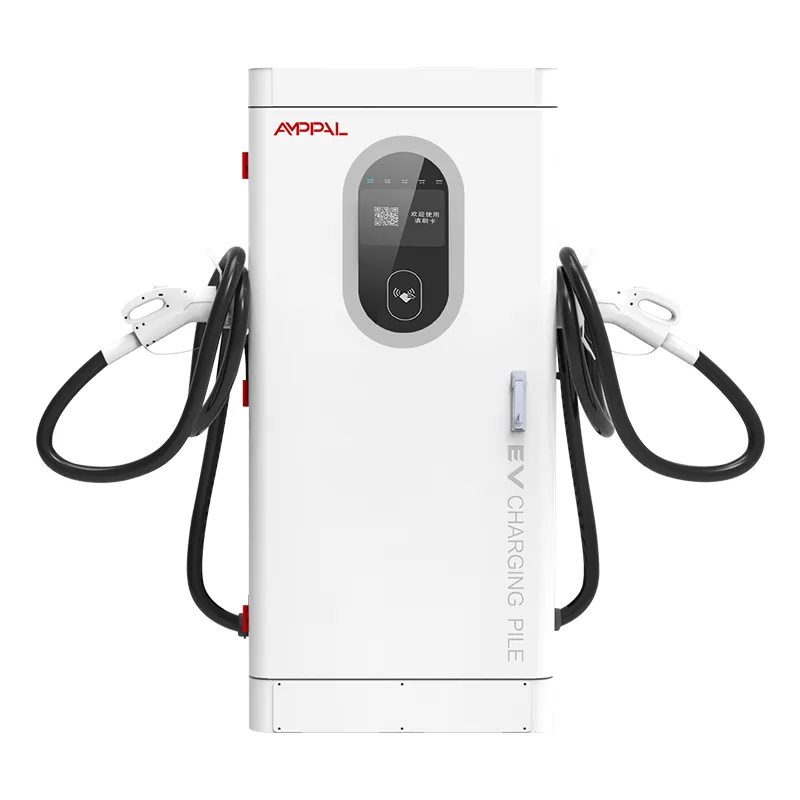
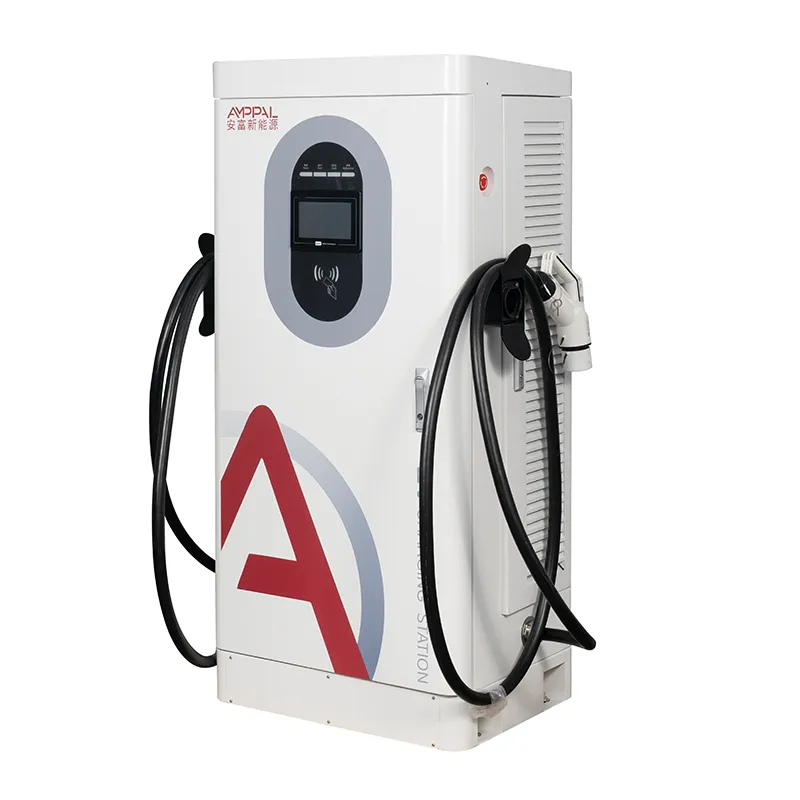
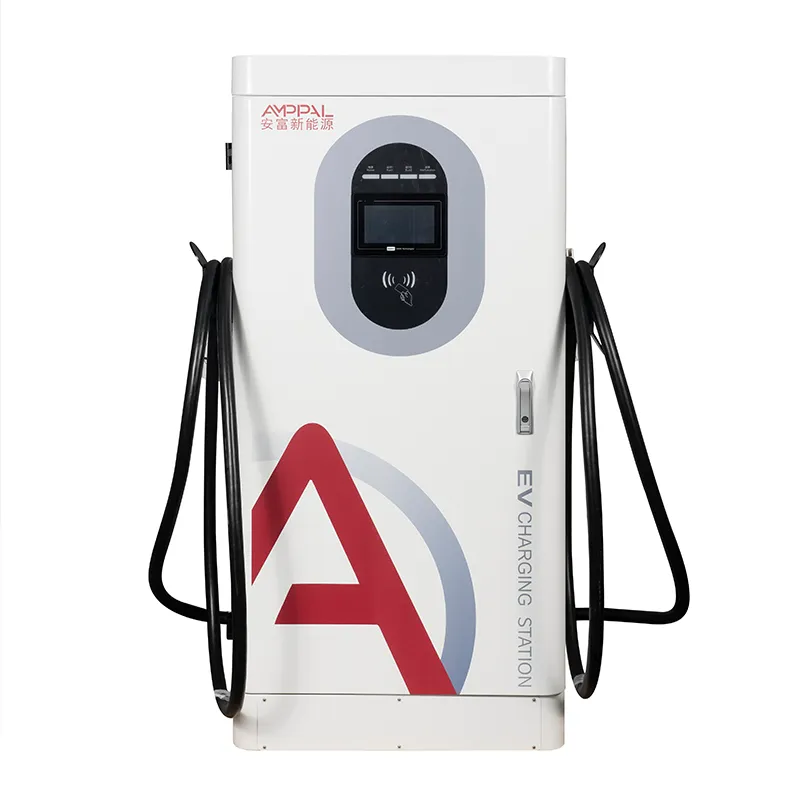
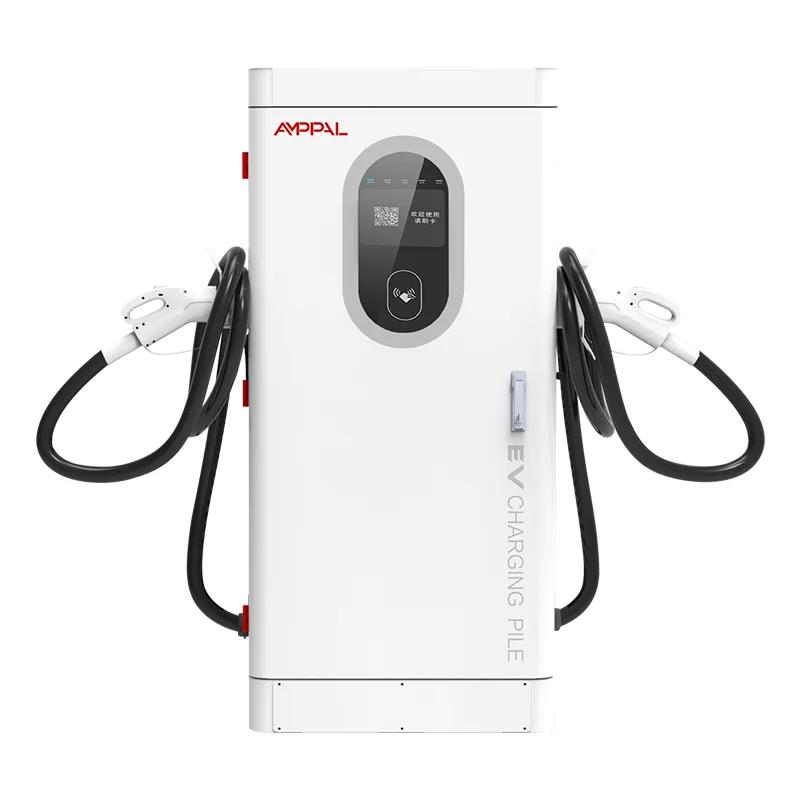
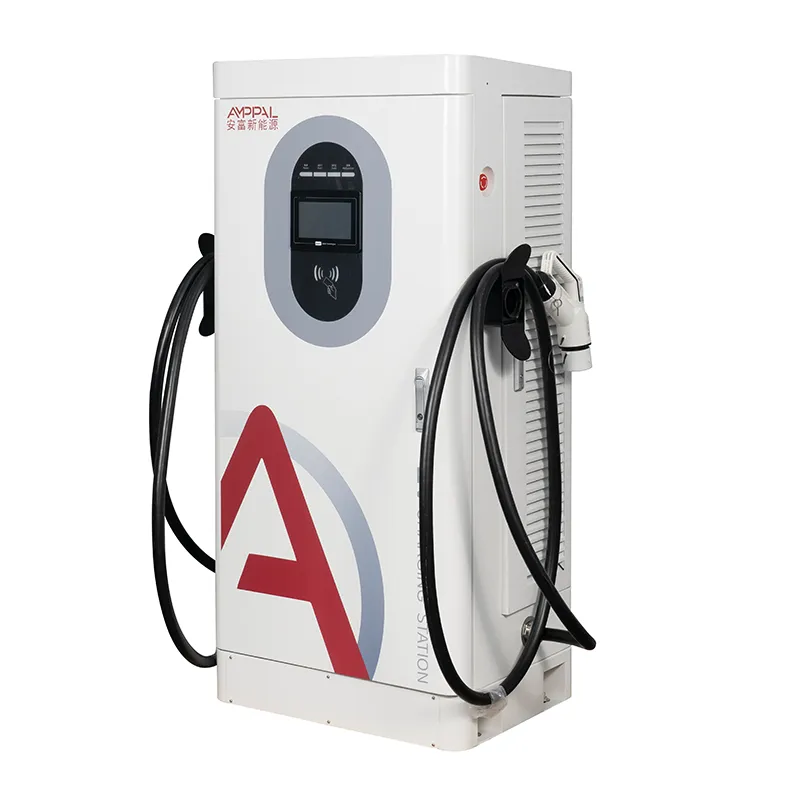
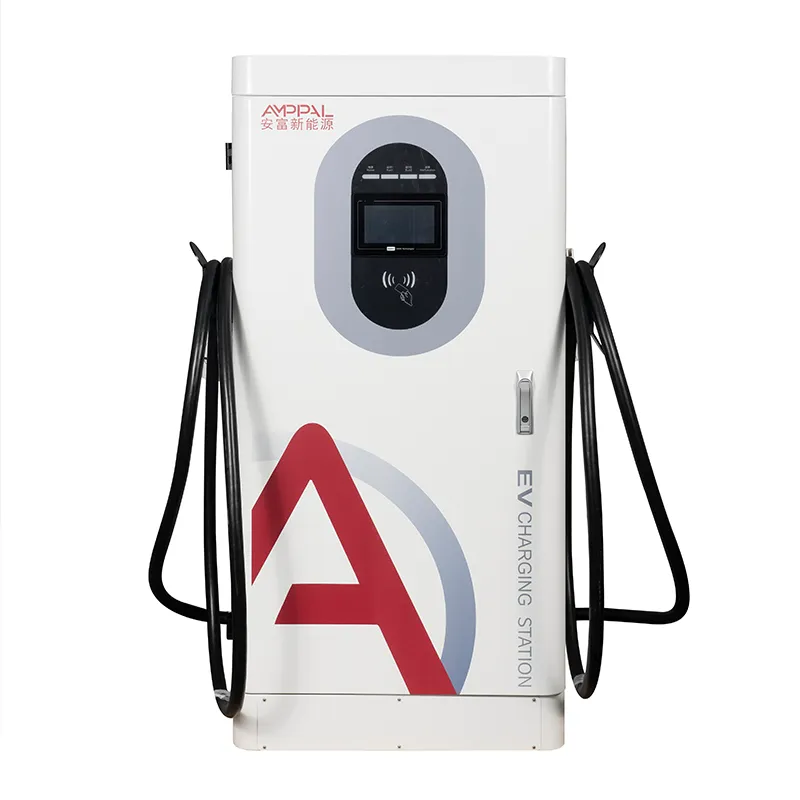
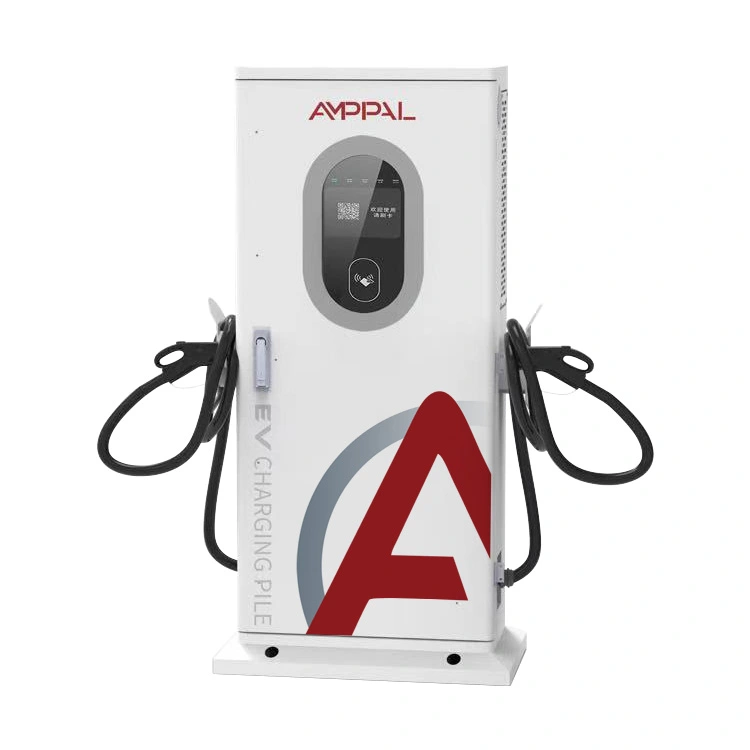
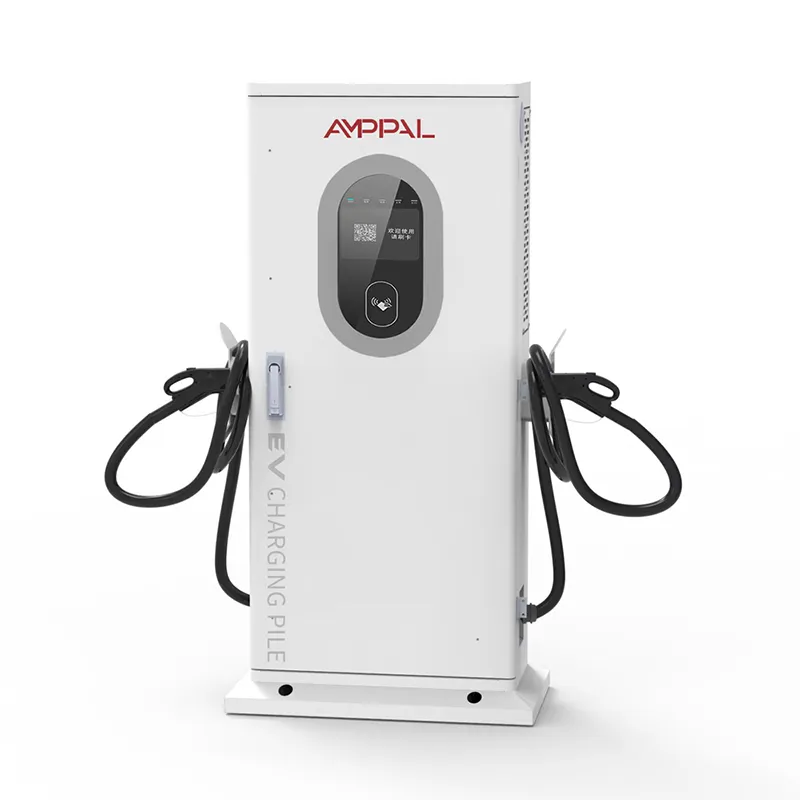
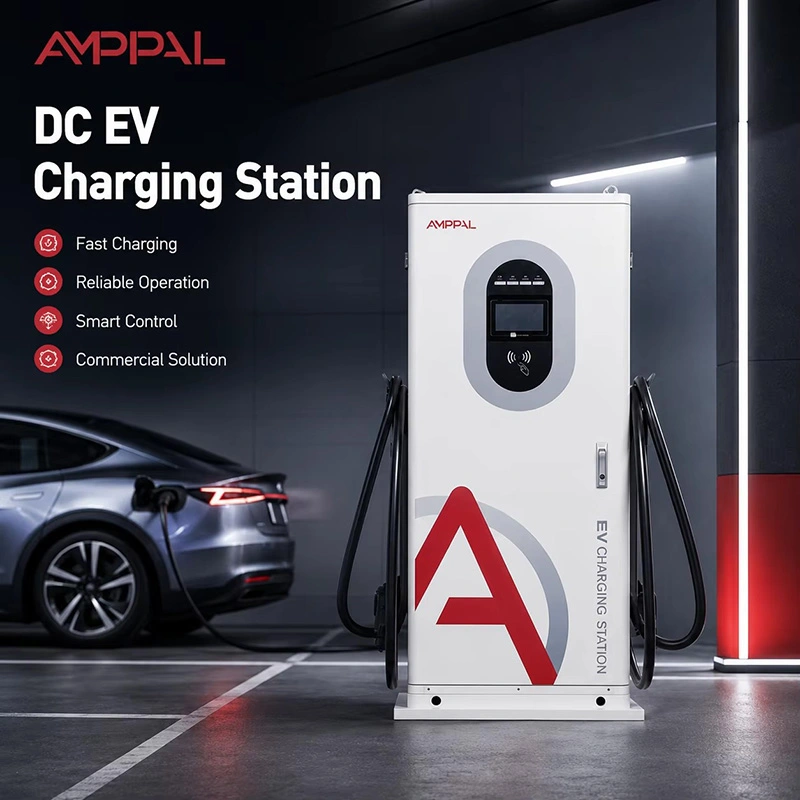
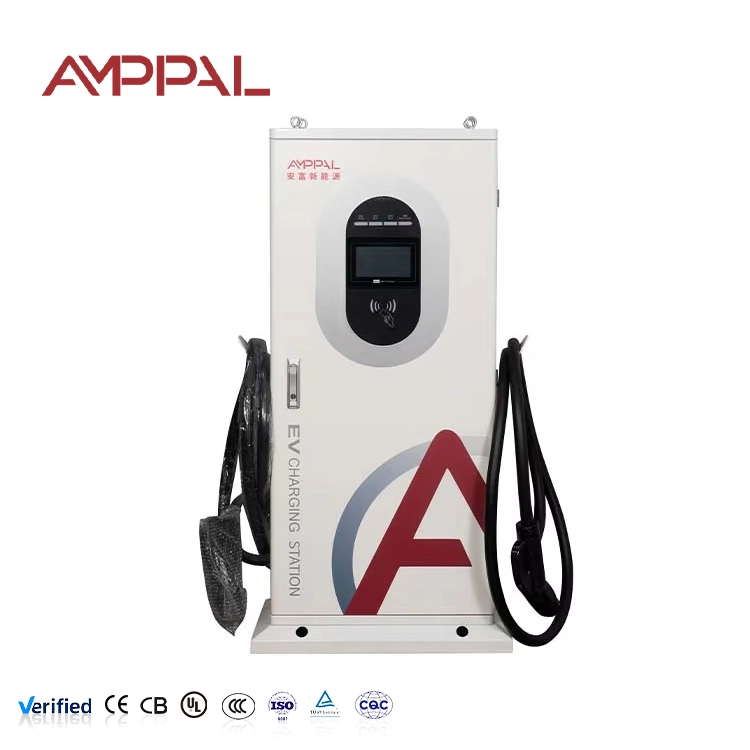
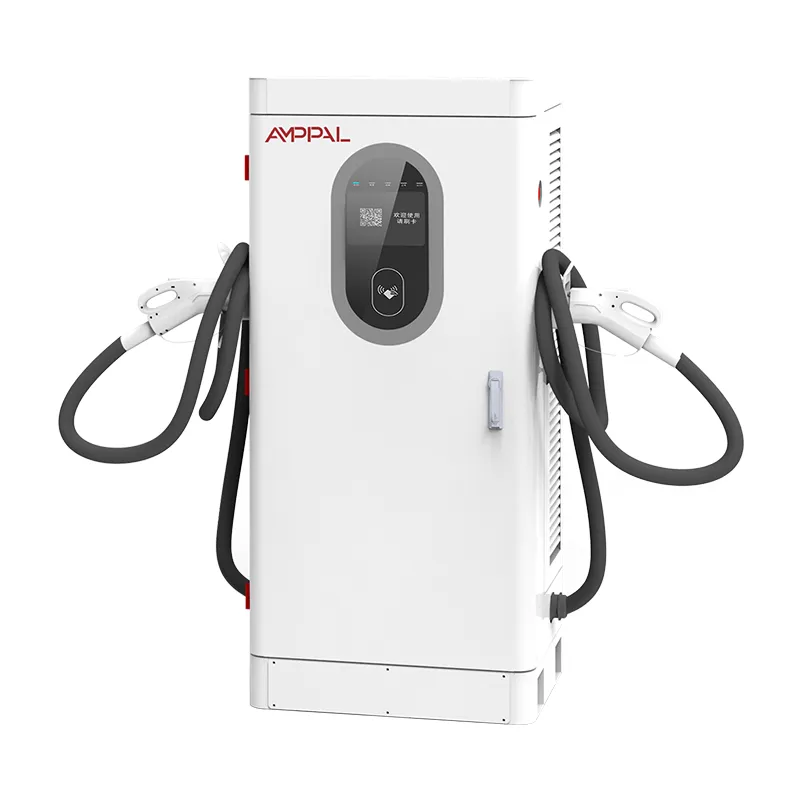
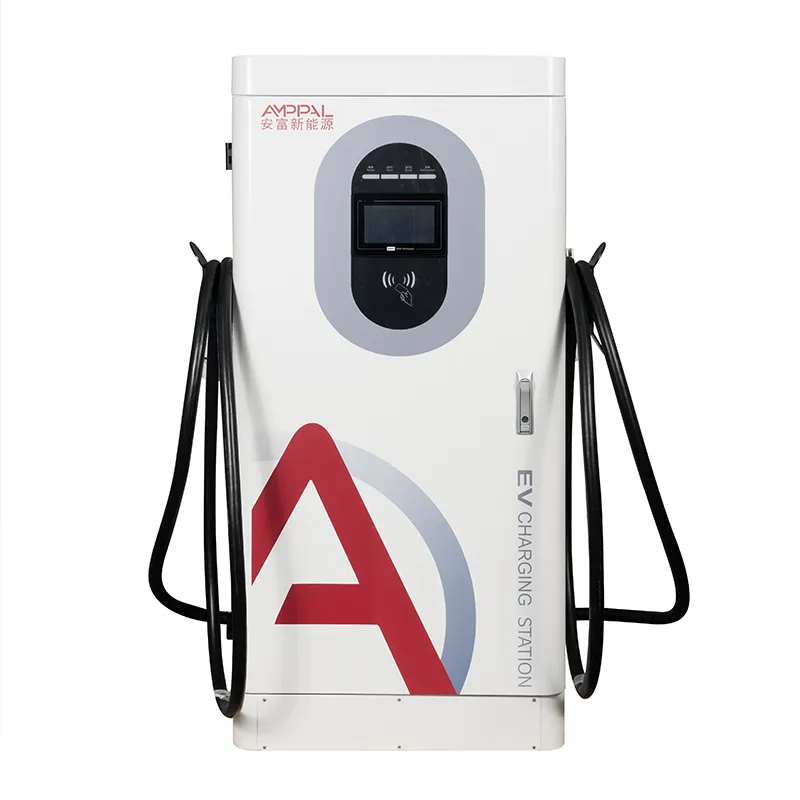
180kW Heavy-Duty Integrated DC Fast EV Charger for Commercial Fleets
  • 180kW Heavy-Duty Integrated DC Fast EV Charger for Commercial Fleets180kW Heavy-Duty Integrated DC Fast EV Charger for Commercial Fleets
  • 180kW Heavy-Duty Integrated DC Fast EV Charger for Commercial Fleets180kW Heavy-Duty Integrated DC Fast EV Charger for Commercial Fleets
  • 180kW Heavy-Duty Integrated DC Fast EV Charger for Commercial Fleets180kW Heavy-Duty Integrated DC Fast EV Charger for Commercial Fleets
  • 180kW Heavy-Duty Integrated DC Fast EV Charger for Commercial Fleets180kW Heavy-Duty Integrated DC Fast EV Charger for Commercial Fleets
  • 180kW Heavy-Duty Integrated DC Fast EV Charger for Commercial Fleets180kW Heavy-Duty Integrated DC Fast EV Charger for Commercial Fleets
  • 180kW Heavy-Duty Integrated DC Fast EV Charger for Commercial Fleets180kW Heavy-Duty Integrated DC Fast EV Charger for Commercial Fleets
  • 180kW Heavy-Duty Integrated DC Fast EV Charger for Commercial Fleets180kW Heavy-Duty Integrated DC Fast EV Charger for Commercial Fleets
  • 180kW Heavy-Duty Integrated DC Fast EV Charger for Commercial Fleets180kW Heavy-Duty Integrated DC Fast EV Charger for Commercial Fleets

180kW Heavy-Duty Integrated DC Fast EV Charger for Commercial Fleets

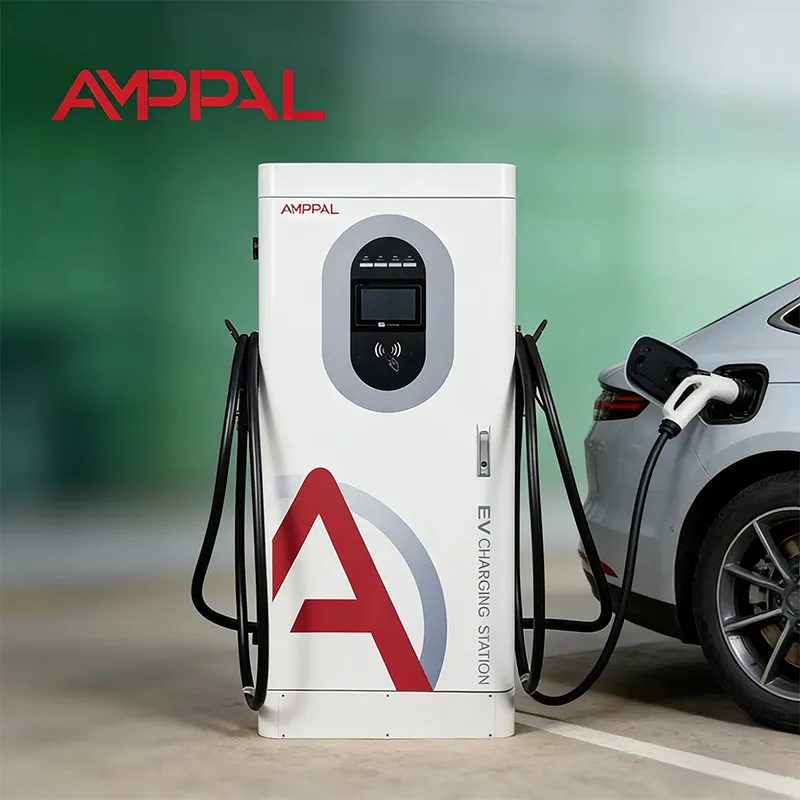
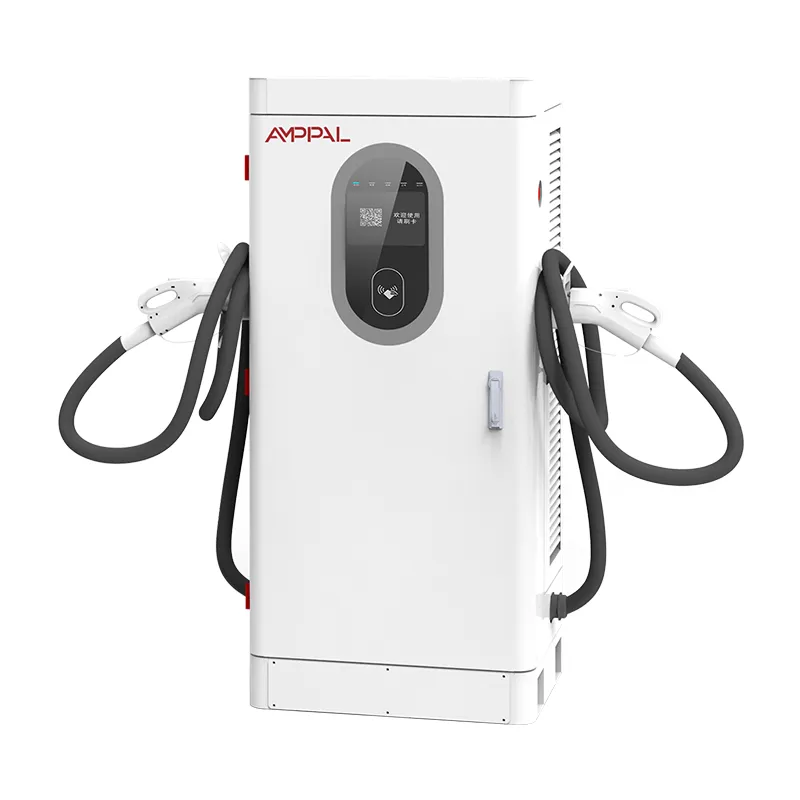
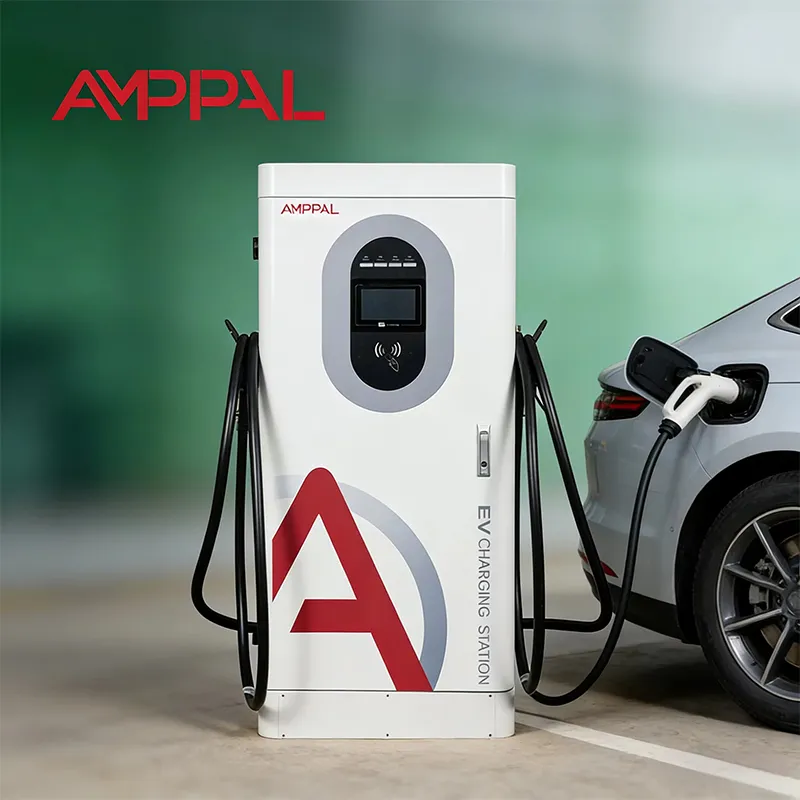
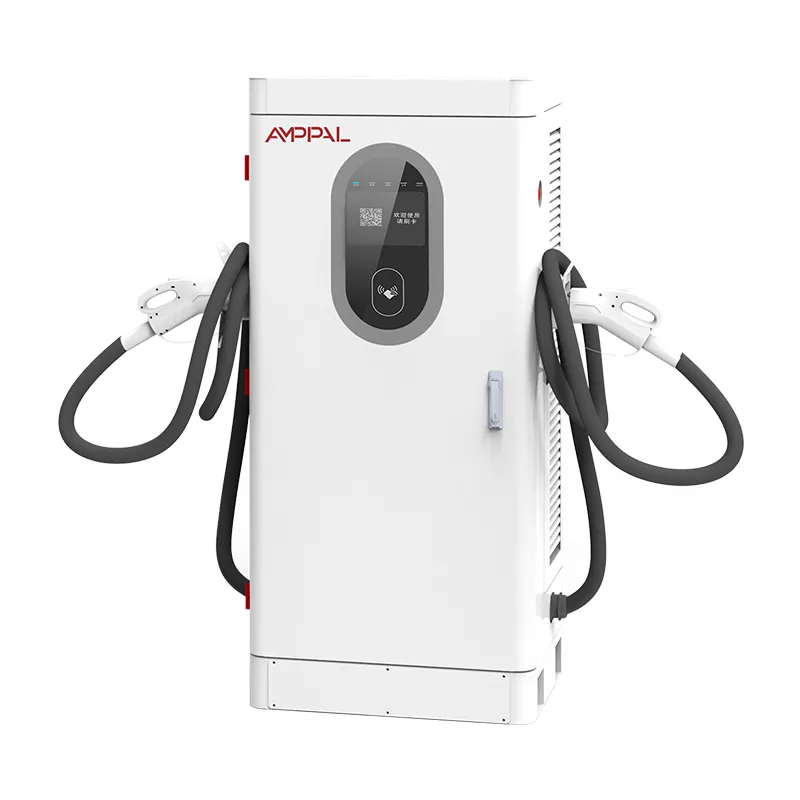
AMPPAL 180kW Heavy-Duty Integrated DC Fast EV Charger for Commercial Fleets is a 180kW integrated DC fast charger built around that problem: 13 safety functions, each mapped to a specific failure, plus OCPP 1.6j fault reporting and a remote diagnosis flow that clears most alarms before a technician leaves the depot. This page lists all 13 protections, shows how to read a fault code, walks through the three most common on-site faults, and spells out the spare-part and MTTR plan behind the 2-year warranty.

What This 180kW Cabinet Is, and Why O&M Decides Its Lifetime Cost

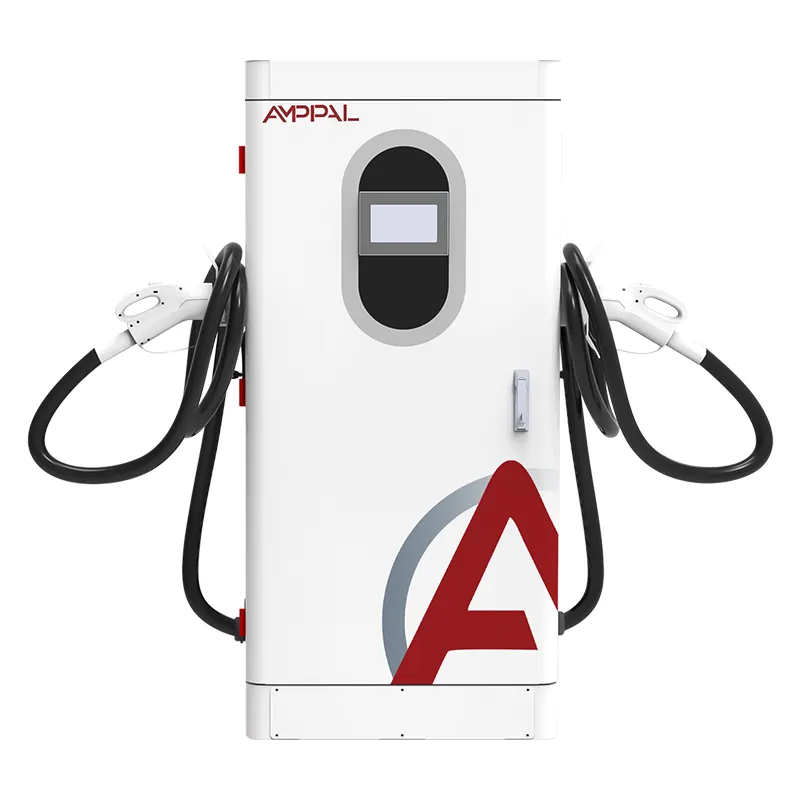
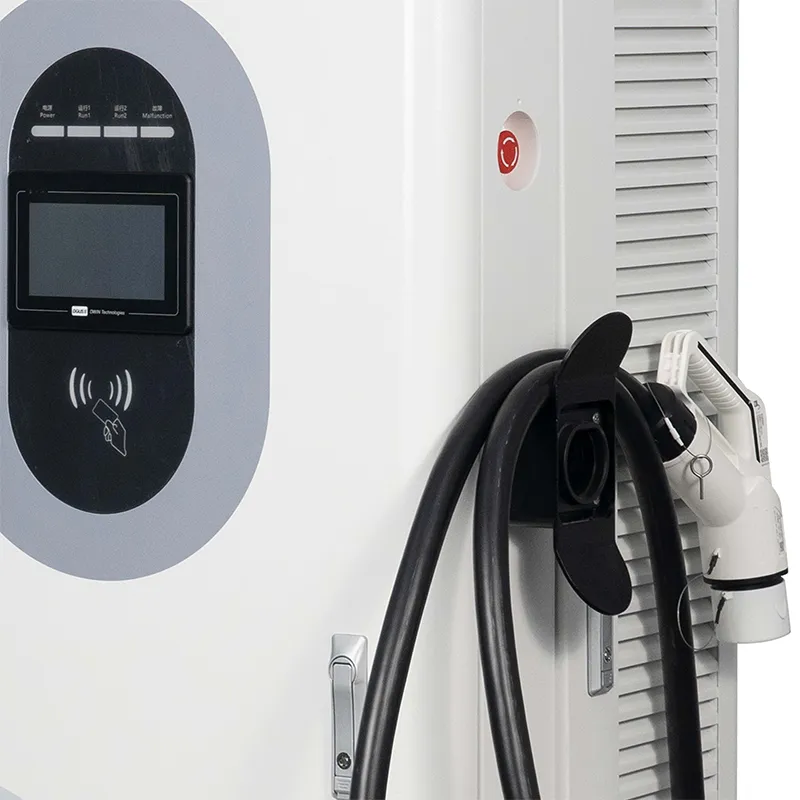
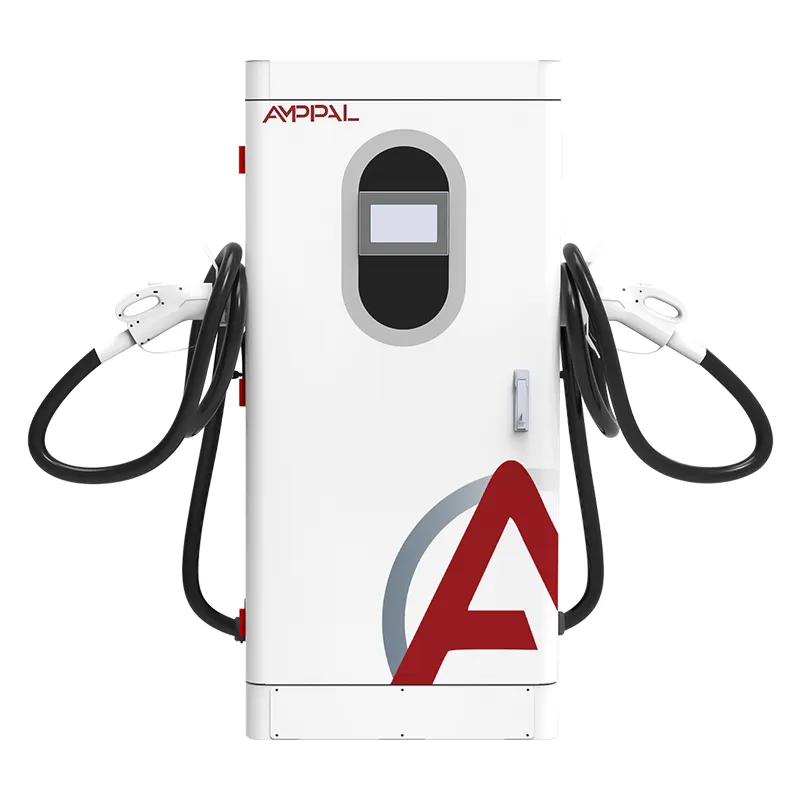
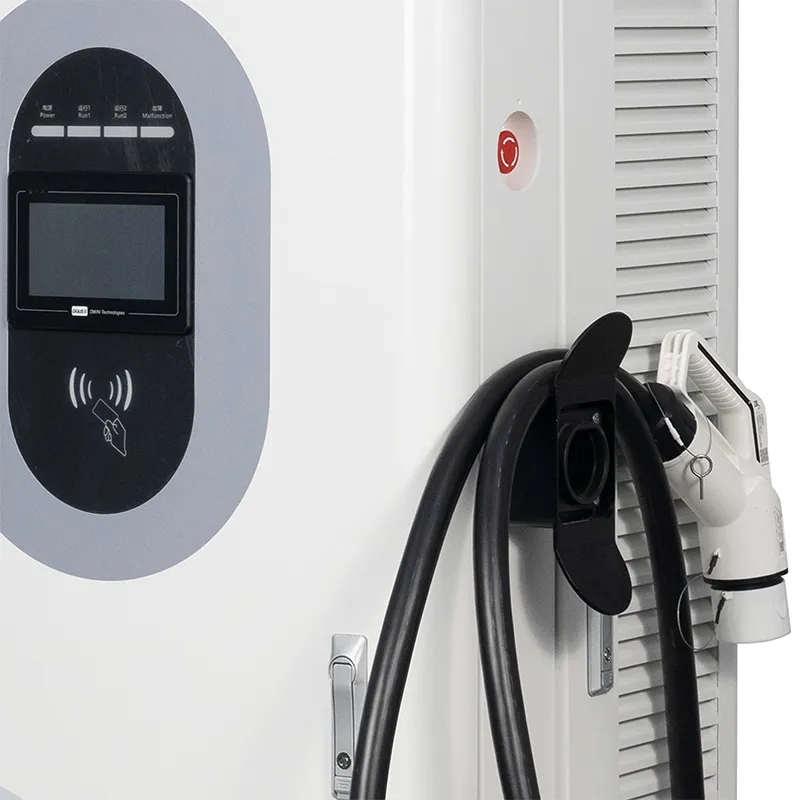
A 180kW DC fast charger is usually the most expensive machine on a small site and the least supervised one. The AF-DC-180-Y-B-O-4-H is a floor-standing integrated cabinet: power modules, controller, 7-inch touch screen, RFID reader, card terminal and two charging guns inside one 1620 × 750 × 560 mm body. Bolt it to a pad, feed it AC380V, and it runs with nobody watching.

Purchase price is maybe a third of what this machine costs over eight years. The rest is losses, downtime and service visits, which is why this model spends its engineering budget on fault detection and remote recovery. Thirteen safety functions, OCPP alarm reporting and a service model built around mean time to repair. The buyers are usually fleet operators and site owners without an engineer on the payroll, so the machine has to explain its own problems.

180kW Heavy-Duty Integrated DC Fast EV Charger for Commercial Fleets180kW Heavy-Duty Integrated DC Fast EV Charger for Commercial Fleets

The 13 Safety Functions, and the Failure Each One Catches

Every protection is mapped to a specific failure mode, not bolted on as a checkbox. In the order a fault would hit the machine:

Insulation monitoring watches the DC side for a slow leak to ground, the classic aging-cable fault. It alarms at a set threshold instead of waiting for a hard short.

Polarity reverse protection blocks output if a gun meets reversed pins, protecting the vehicle's electronics from a careless connection.

Lightning protection shunts induced spikes on both the AC input and the DC output, a real issue on exposed rural pads.

AC over-voltage, under-voltage and phase-loss cut the unit outside 380V ±15%, so brownouts and grid swells never reach the power modules.

DC over-current, short-circuit and output over-voltage are three separate trips, because a damaged gun, a failed module and a misbehaving vehicle each need a different reaction.

Over-temperature shutdown, gun temperature monitoring, residual leakage detection, the emergency stop and the locked enclosure complete the thermal and human-safety layer.

180kW Heavy-Duty Integrated DC Fast EV Charger for Commercial Fleets180kW Heavy-Duty Integrated DC Fast EV Charger for Commercial Fleets

Technical Specifications

Parameter

Specification

Model

AF-DC-180-Y-B-O-4-H

Rated Output Power

180kW

Overall Dimensions (mm)

1620 × 750 × 560

Input Voltage

AC380V±15%

Output Voltage Range

200-1000VDC (Constant power 300-1000V)

HMI

7" touch screen

User Authentication

RFID/APP/Plug & Charge

Payment Methods

Credit card/QR/Payment terminal

Connectivity

OCPP 1.6j, Ethernet/4G/WiFi

Compatible Connectors

CCS1/CHAdeMO/CCS2/GB/T/NACS

Power Factor

≥0.99

THD

≤5%

Peak Efficiency

95%

Protection Grade

IP54

Noise Level

≤65dB

Safety Functions

13 functions including insulation monitoring, polarity reverse, lightning protection

Operating Temperature

-25°C ~ +50°C

Warranty

2 Years Standard

Sites Where the 180kW Cabinet Earns Its Keep

Unattended overnight depots where a failure at 2 a.m. means a dead fleet at 6 a.m.

Retail and restaurant lots that close at night but still need the machines to stay online.

Rural or corridor locations where one service visit costs a full day of travel.

Small commercial fleets running delivery vans on a tight daily schedule.

Markets with thin local support networks, where remote resolution is the only fast option.

From Fault to Fix: The Remote Diagnosis Workflow

When a protection trips, the cabinet writes a fault record with a timestamp, module serial number and measured values, then pushes it to your platform over OCPP 1.6j. You see the error code on the dashboard - insulation alarm, connector over-temperature, grid dip - before the next driver arrives.

Two of every three alarms we see in the field are self-healing or false: a dusty connector reports high temperature once, a grid dip trips under-voltage for two seconds. The workflow is therefore: read the code, check the live voltage and temperature values in the portal, then decide between remote reset and a site visit.

If a remote reset clears the event, it stays logged for warranty and insurance records. If not, the code tells the technician which drawer to open; most mechanical fixes are a connector swap or a module replacement, both doable with a 13mm spanner and a spare module.

Alarm severity is tiered in the platform: informational events log quietly, while insulation alarms and gun over-temperature trigger an SMS or email to the duty engineer. That way a night-shift problem gets a morning decision instead of an afternoon discovery.

Certifications on File and the Tests Behind Them

CE, CB, TÜV, UL and CCC certificates for this model are available as copies on request.

The 13 safety functions sit within EN IEC 61851-1:2019 and 61851-23:2014 conformance.

Every batch runs a 48-hour burn-in at 40°C ambient with output, efficiency and comms logged.

A sample cabinet from each batch goes through the 96-hour salt spray chamber.

Each protection trip is function-tested at the factory, not just documented.

High-potential (hipot) and grounding continuity checks are repeated on finished units, and the results are attached to the serial record.

Inside the Build: Eight Steps from Sheet Metal to Crate

CNC punching, bending and laser cutting of the enclosure, then welding and powder coating.

A batch sample enters the 96-hour salt spray chamber while production continues.

AC input stages and DC power modules are built on separate lines and never mixed.

Incoming inspection on SiC modules, connectors, RFID boards and the card terminal.

Wiring with torque-controlled terminals and a visual QC pass on every joint.

48-hour burn-in at 40°C logging output, efficiency and communications stability.

Function test of every protection trip, including a forced insulation alarm.

Packing, palletizing and the pre-shipment photo report with serial numbers.

180kW Heavy-Duty Integrated DC Fast EV Charger for Commercial Fleets180kW Heavy-Duty Integrated DC Fast EV Charger for Commercial Fleets

Sizing Guide: When This 180kW Cabinet Is Not for You

If your site only serves 400V cars in 30-minute sessions, 180kW is more machine than the traffic justifies; a 120kW unit at lower capex clears the same queue. And if you need sub-30-minute top-ups for 800V trucks, this is the wrong pick too - that workload wants liquid cooling.

The AF-DC-180-Y-B-O-4-H suits sites with a 160-250 kVA transformer available and economics driven by uptime rather than headline power. If grid compliance or payment methods are your main worry, our 80kW and 60kW models share the same cabinet platform.

Buy the machine your transformer can actually feed. A 180kW unit on a weak grid that never delivers more than 100kW is a badge, not a business.

Why Operators Order Direct from the Factory

Trial orders accepted from 1 unit for new markets; container pricing for 10+ units.

Stock builds leave in 15-20 working days; OEM variants add about 7-10 days.

Warranty claims go to the maker, not through a reseller chain.

Spare module pricing is agreed at purchase, so repair costs are known in advance.

English-speaking remote support with access to your OCPP platform during commissioning.

Packing, Loading and Shipping Documents

The cabinet ships upright in a plywood crate of about 1720 × 850 × 660 mm, with foam corner blocks and a humidity bag. Lifting eyes on the frame let a forklift or crane move the whole unit without tilting it.

Loading plans are calculated from the crate dimensions per order; four cabinets per 40-foot container is a typical standard plan, braced at the tie-down rails.

Export packing list, commercial invoice and certificates accompany the shipment; original certificate copies are couriered separately.

After-Sales: MTTR, Spare Kits and the 2-Year Term

Two-year standard warranty covers power modules, controller, HMI, connectors and the card terminal; consumables like cables are covered against manufacturing defects.

Recommended spares for an unattended site: one power module and one control board per four cabinets, shipped with the order.

Typical resolution times: remote reset about 15 minutes, connector swap about 30, module replacement about 45.

Technicians can join a live OCPP session with your platform during diagnosis.

Firmware updates are pushed over the network, so fixes arrive without a visit.

A semi-annual preventive check - filters, torque re-check, connector wear - is part of the recommended maintenance plan.

Installation and Maintenance: Wrong vs Right

Wrong: standing the cabinet on bare ground. Right: a 150 mm concrete pad, anchor bolts, and drainage sloping away from the door.

Wrong: burying power and comms cables loose. Right: separate conduits with a pull rope for later replacement.

Wrong: ignoring the quarterly air-filter check. Right: cleaning or swapping filters before the hot season, not after a trip.

Wrong: treating an insulation alarm as a soft warning. Right: isolating the gun, logging the reading, and checking connector moisture first.

Wrong: swapping a module while the cabinet is live. Right: lockout, confirm the standby LED, then slide the spare in.

Three Operators Talk About Keeping 180kW Units Online

A logistics operator in the UAE runs four units at an unattended desert depot. Dust was the real enemy: insulation alarms appeared twice a month in summer, and remote reset handled most of them before the 6 a.m. shift. His complaint is honest - the touch screen glares in direct sun, so the HMI is hard to read at noon.

A fuel-station chain in Kazakhstan saw phase-loss alarms every few weeks during winter. The local grid dipped briefly, the cabinet logged it, and the dashboard trend made the grid operator's fault visible within a week. No site visit was needed.

A retail mall in Mexico had connector temperature alarms on 40°C days. Cleaning the contacts and swapping one worn gun solved it; the spare gun had arrived with the original order, so the fix took one hour.

180kW Heavy-Duty Integrated DC Fast EV Charger for Commercial Fleets180kW Heavy-Duty Integrated DC Fast EV Charger for Commercial Fleets

FAQ: Running an Unattended 180kW Site

Q: What happens when the unit trips at 2 a.m.?

A: The fault is logged and pushed to your platform over OCPP; a remote reset from the portal recovers most events.

Q: How do I read a fault code?

A: On the 7-inch screen event log or in your platform; each code maps to a section of the service manual, and live values show next to the code.

Q: What MTTR should I plan for?

A: Around 15 minutes for remote resets and 45 minutes for a module swap on site.

Q: Do insulation alarms always need a technician?

A: No. Check connector moisture and dirt first; most clear after cleaning and a reset. Only persistent or repeating alarms need a visit.

Q: Can one person replace a power module?

A: Yes. The drawer-style module slides out after power-down; the manual covers it in about two pages.

Q: Which spares should I hold?

A: One power module and one control board per four cabinets is our usual recommendation.

Q: Does the warranty cover lightning damage?

A: Surge events are inspected case by case; the replaceable surge arresters are standard field parts.

Q: Can the 180kW keep charging without internet?

A: Yes. Charging continues offline and transactions are stored and pushed when the link returns.


Send Inquiry
Contact Info

Talk Directly to Our EV Charger Factory

Get factory-direct pricing, custom solutions, and expert support.

- Fast Response – Reply within 24 hours.

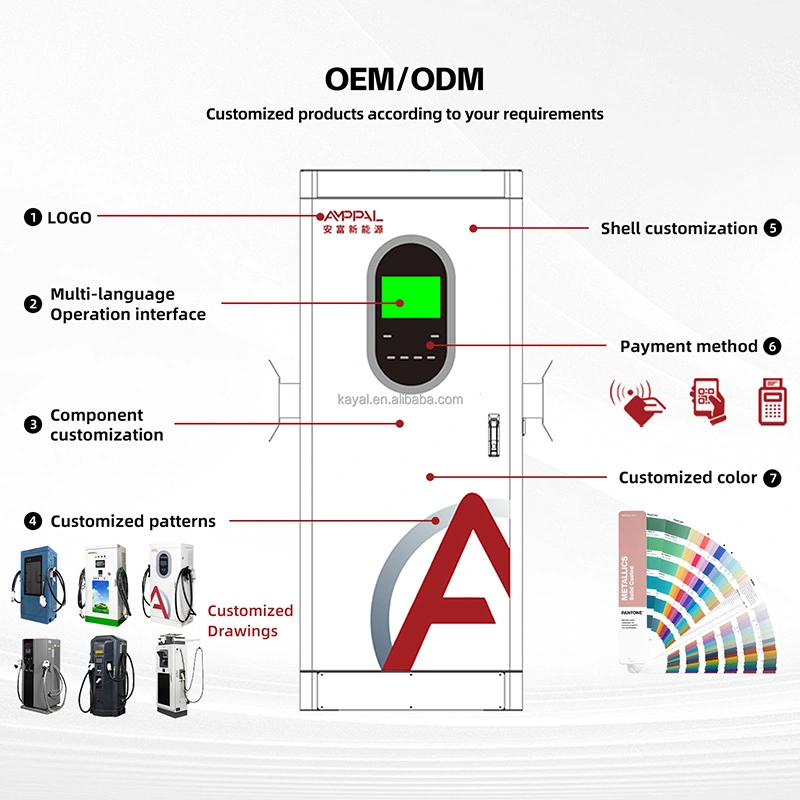
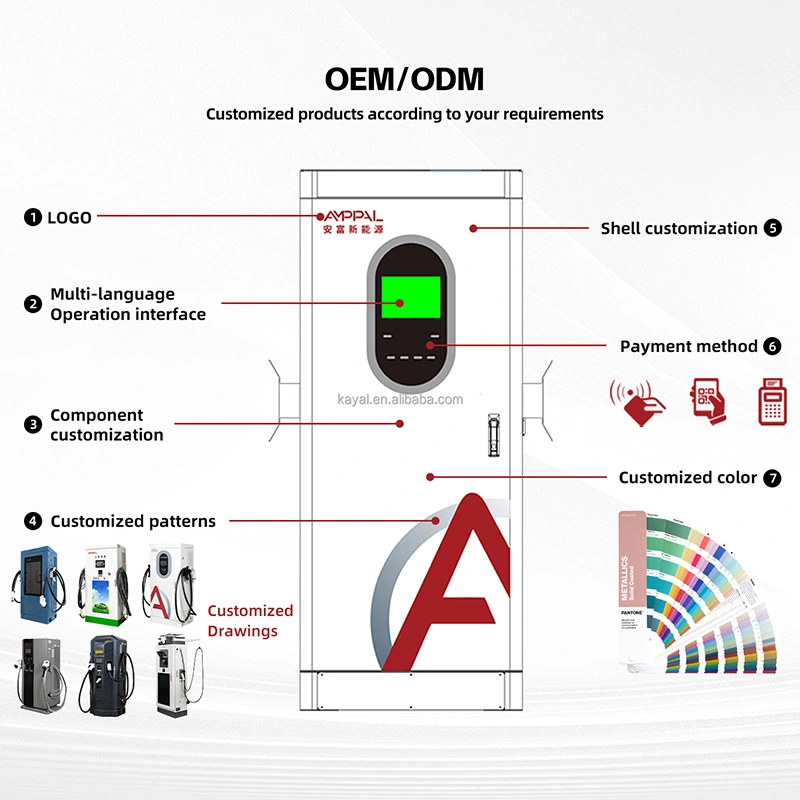
- OEM/ODM – Flexible customization and sample orders.

- Certified Quality – CE, TÜV, CB, and CCC options.

- Custom Quotes – Tailored to your specifications.

- Technical Support – Expert help with OCPP, DLB, and system integration.

X
We use cookies to offer you a better browsing experience, analyze site traffic and personalize content. By using this site, you agree to our use of cookies. Privacy Policy
RejectAccept