" "
Products
High-Power V2G Bidirectional EV Charger for Commercial Fleet Operations
  • High-Power V2G Bidirectional EV Charger for Commercial Fleet OperationsHigh-Power V2G Bidirectional EV Charger for Commercial Fleet Operations

High-Power V2G Bidirectional EV Charger for Commercial Fleet Operations

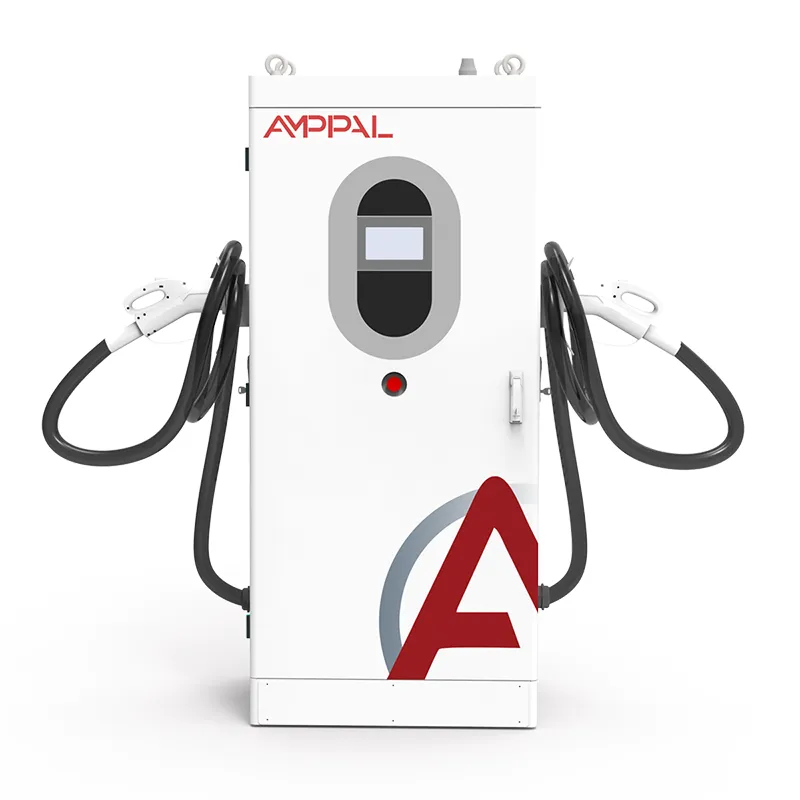
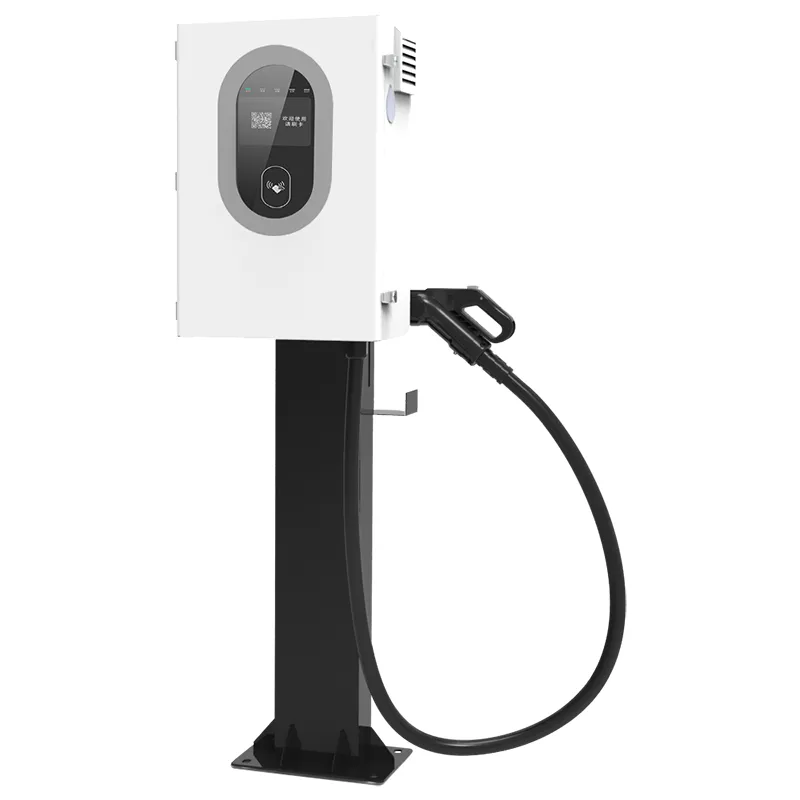
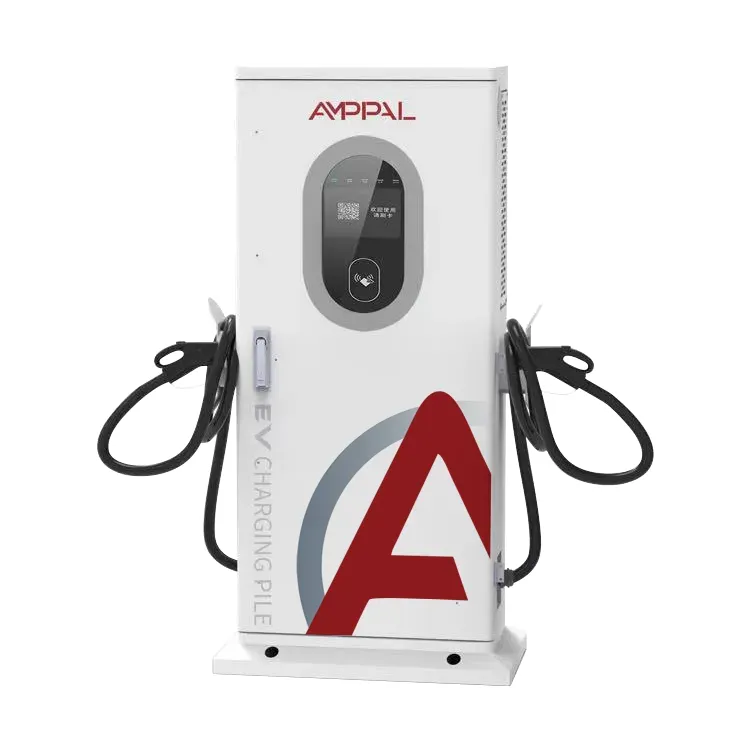
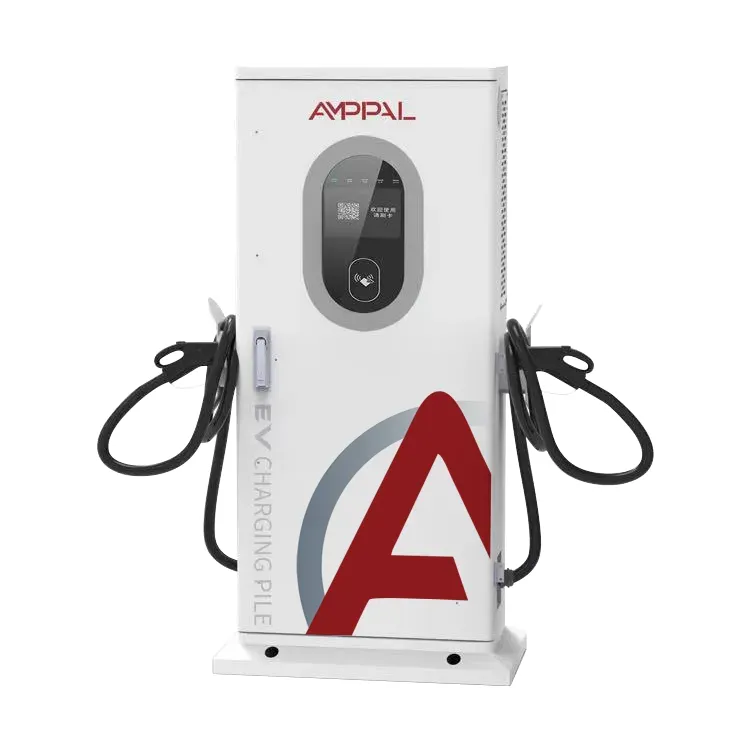
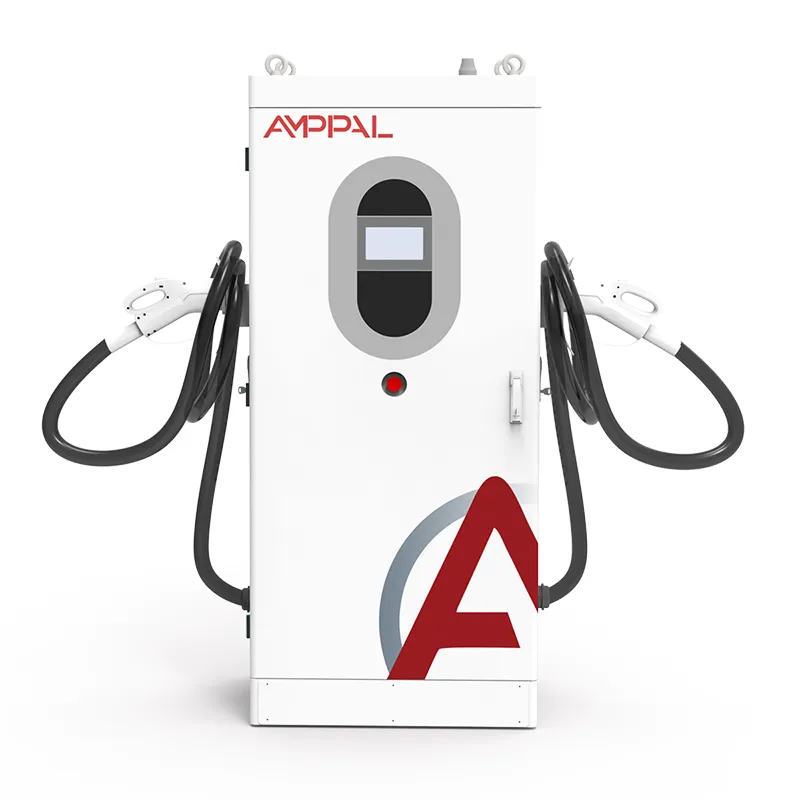
AMPPAL High-Power V2G Bidirectional EV Charger for Commercial Fleet Operations (Model AF-DC-180-Y-B-Z-3/4/5-H) is a 180kW bidirectional DC charger built for grid participation: frequency regulation, peak shaving, and virtual power plant aggregation. Platform control lets an aggregator or system operator send dispatch setpoints the unit executes automatically. 95% efficiency in both directions, IP54, 13 protections, wired plus cellular networking. AMPPAL is a China V2G charger manufacturer with CE, TUV, IEC 61851, and ISO 15118 certification.

From Charging Pile to Power Plant: the 180kW V2G Idea

One 180kW charger is a rounding error on a national grid; ten thousand of them are a power station. The AF-DC-180 is the single asset that makes that arithmetic possible: a bidirectional DC charger that fills a bus or truck battery at 180kW and, when the grid asks, pours power back at the same rate. It tops AMPPAL's V2G range, and it is the model grid-side buyers spec first.

The name tells the story. V2G (vehicle-to-grid) means the vehicle becomes a grid resource while parked. The AF-DC-180 turns one depot into a dispatchable block of 180kW - enough to cover the average draw of roughly 150-200 households for an hour, or to hold frequency for a substation during a disturbance.

What Makes a Charger Grid-Grade

What qualifies as 'grid-grade' in practice:

180kW of dispatchable power from a single connection: frequency response, peak shaving, or emergency reserve without building a battery shed.

Platform control as a first-class startup method: the unit receives dispatch setpoints and executes them - no driver action required.

95% efficiency in both directions, so the energy you sell back is not eaten by the round trip.

ISO 15118 signed sessions: the aggregator knows exactly which vehicle, how much energy, and at what price.

13 protection functions, IP54, and -30C to +50C operation for exposed yards in harsh climates.

Wired and cellular dual networking with OCPP 1.6/2.0, so dispatch commands arrive over whichever link is alive.

180kW High-Power V2G Bidirectional EV Charger for Commercial Fleet Operations

Technical Specifications

Parameter

Specification

Model

AF-DC-180-Y-B-Z-3/4/5-H

Rated Power

180kW

Input Voltage

260~530VAC (Three-phase)

System Efficiency

95% efficiency

Dimensions (H×W×D)

1620×750×560mm

Protection Rating

IP54

Power Factor

≥0.97 PF @20-50% load, ≥0.99 PF @50-100% load

Noise Level

≤65dB

Startup Methods

QR Code Scan, Card Swipe, VIN Code Recognition, Platform Control, Offline Forced Start

Network Interface

Wired + Cellular

Connector Types

CCS1/CHAdeMO/CCS2/GB/T/NACS

Protections

13 protection functions

Operating Environment

-30°C to +50°C, 5% to 95% RH

Certifications

CE, TUV, IEC 61851, ISO 15118 (V2G)

Warranty

24-Month standard manufacturer warranty

Sites Where 180kW Pays Off

Where a 180kW unit earns its keep:

Depot fleets enrolled in frequency regulation programs: parked buses discharge for 15-30 minute windows when grid frequency dips.

Virtual power plant aggregators pooling hundreds of chargers into a single MW-scale bid.

Transmission and distribution utilities running their own V2G pilots.

Large commercial campuses with peak-shaving contracts and a bus or truck fleet on site.

Ports and logistics hubs where vehicles idle for predictable hours - ideal dispatch windows.

How One Unit Talks to the Grid Operator

The dispatch loop is fast and mostly automatic. The aggregator's system - or the grid operator's - sends a setpoint over the network: 'discharge 150kW for the next 15 minutes'. The unit checks the connected vehicle's state of charge, confirms the session is authorised under ISO 15118, and ramps inverter output to match. When the window ends, it stops cleanly and re-arms for the next command.

Frequency regulation is the classic V2G revenue stream. A grid at 50.00Hz stays balanced by resources that respond within seconds to minutes. A fleet of 180kW units, each able to switch between charge and discharge, acts as a fast, granular response block - the aggregator's software slices the response across units so no single vehicle drains fully.

Peak shaving is the simpler cousin: at a pre-set hour the units discharge to cap the site's import, which cuts demand charges and, in some markets, earns capacity payments. Platform control handles both schedules - time-based and event-based - and logs every dispatch for settlement.

Standards, Type Tests, and the Paper Trail

Grid projects run on paperwork. The AF-DC-180 ships with:

CE and TUV type examination reports, including EMC at the 180kW power class.

IEC 61851 conformity covering DC charging behaviour and connector safety.

ISO 15118 conformance for signed bidirectional sessions.

Factory routine tests: a full bidirectional run at 180kW plus insulation, ground continuity, and leakage.

IP54 verification per IEC 60529 and wide-temperature testing at -30C and +55C.

Utility-grade type test records included for grid-connection filings in the EU, GCC, and CIS.

Building 180kW Cabinets at Scale

The 180kW cabinet is built on the same Yueqing line as the 120kW, with heavier module racks and busbars. The flow:

Panels are laser-cut and folded, then welded into the 1620 x 750 x 560mm frame.

Power racks with eighteen 10kW modules are installed and torqued to the thermal plate.

Busbars are bolted with calibrated torque and marked for inspection.

Firmware load and communication bring-up happen on a dedicated test bench.

A full-power soak: six hours charging at 180kW, four hours inverting at 180kW.

Efficiency, power factor, and response speed go on the unit's serial record at 20, 50, and 100 percent load.

Every unit is inspected, branded, and sealed; fasteners are torque-checked.

Crating follows test sign-off; standard builds ship within 15-20 working days.

Is a 180kW Unit the Right Grid Play for You?

Ask what the asset will actually do before sizing. If your play is frequency regulation or VPP aggregation, the dispatch window and the market rules decide the value, not just the kilowatts - check your aggregator's minimum bid size and response requirements, then match the unit to the program.

For a site that only shaves its own peak, 180kW is generous; 120kW units may cover the same demand at lower cost. For a site with a truck or bus fleet that must also fast-charge during the day, 180kW earns its keep on both sides of the meter.

Not for you if your transformer cannot accept 180kW of additional load, if your grid code has no V2G or export framework, or if the vehicles on site cannot sustain a 180kW draw. Also not for you if you want a hands-off charger with no interest in dispatch - you would be paying for platform control you never use.

Why Grid-Side Buyers Stick with AMPPAL

15-20 working days on standard 180kW builds; the model code locks connector, cable length, and options at order confirmation.

One unit for evaluation, and engineering support for aggregator integration - the dispatch API ships alongside the manual.

Certificates and type test records sent before shipment for grid approval and customs.

OCPP 1.6/2.0 plus the AMPPAL platform, with load management and fleet scheduling included.

AMPPAL has shipped more than a million units since 2014 and operates 200+ stations; grid buyers deal with engineers, not just sales.

Crating, Containers, and Customs for 180kW

The AF-DC-180 cabinet is 1620 x 750 x 560mm, shipped upright in a heavy wooden crate of about 320kg with guns and cables. Built for side loading with a rigging diagram, it uses four lifting eyes and a spreader bar.

A 20-foot container holds five units; a 40-foot high-cube ten. Grid orders typically ship as full containers, guns in separate cartons.

FOB Ningbo or Shanghai standard; CIF, CFR, DAP on request. Documents: invoice, packing list, bill of lading, CE declaration, and test certificates, plus an ISO 15118 conformance statement for grid filings.

Service and Support for Grid Projects

24 months standard. On VPP-connected sites we agree an uptime SLA separately, since aggregator penalties are the real exposure.

Hot-swappable power modules with regional stock; common spares reach you within 3-5 working days.

Our engineers dial into the unit over its own link; dispatch faults get priority routing.

Commissioning includes a live dispatch test with your aggregator's platform.

Firmware stays current at no charge for as long as you own the unit - OCPP and ISO 15118 patches included.

Mistakes That Cost VPP Revenue

Wrong: Signing an aggregator contract before checking the unit's local metering. Right: confirm the meter and the settlement data path during commissioning, not after the first invoice dispute.

Wrong: Letting the dispatch schedule drain every vehicle to empty. Right: set an aggregator floor (for example 20% SOC) and make it non-negotiable in the platform rules.

Wrong: Assuming response is instant. Right: the unit responds in seconds to minutes depending on the program; design your bid around the real ramp time.

Wrong: Running V2G and fast charging simultaneously on one transformer. Right: use load management so charge and discharge windows never overlap.

Wrong: Ignoring battery degradation clauses in vehicle warranties. Right: document V2G usage and confirm the OEM's position before enrolling the fleet.

Feedback from Grid and Aggregator Partners

An aggregator in Germany pools 180kW units across 40 depot sites into a 7.2MW frequency regulation bid. The operator says the units hold setpoint within a couple of percent and settle correctly; the real pain was the first month of meter-data reconciliation, which their team solved by pulling the unit's own logs.

A bus depot in Dubai enrolled four AF-DC-180s in a peak-shaving program for the emirate's summer air-conditioning peak. The 720kW block shaved the depot's import by about 30% during the noon window, and the operator noted the cabinets handled 48C ambient without derating. Their gripe: the display is English-only, which their maintenance crew would prefer in Arabic.

A logistics hub in Kazakhstan uses the units both to fast-charge long-haul trucks and to provide reserve in a weak regional grid. Battery degradation was the board's first question; after a year of scheduled 30-40% discharges, the fleet's diagnostic data shows capacity loss inside the OEM's normal driving range. Their comment: the platform's dispatch log is what convinced the finance committee to renew.

Grid Services FAQ

Q: How much grid value does one 180kW unit have?

A: Roughly 180kW of dispatchable power - enough for 15-30 minute regulation windows or a 90-180kWh energy block per session.

Q: What is a virtual power plant?

A: An aggregator pools many small assets like V2G chargers into one MW-scale bid that the grid operator can dispatch.

Q: Does V2G wreck the vehicle battery?

A: Real-world studies and our customers' logs show modest, manageable degradation when depth and frequency are capped - the car's own warranty terms still set the limits.

Q: How does platform control receive dispatch?

A: Over Ethernet or cellular via OCPP or the AMPPAL platform - the unit executes setpoints automatically, no driver action.

Q: Can the AF-DC-180 charge and discharge in the same day?

A: Yes - that double duty is the whole business case: charge in the morning, dispatch in the evening peak.

Q: Which markets pay for V2G?

A: Frequency regulation, capacity, and peak-shaving programs exist in Germany, the UK, parts of the US, and Australia; check your aggregator's active programs.

Q: What if the grid operator dispatches while the fleet needs to leave?

A: The platform can hold back vehicles below a user-set SOC floor; drivers' needs outrank revenue in the rules.

Q: Is a 180kW unit overkill for a normal depot?

A: If you only shave your own peak, 120kW often suffices. 180kW pays when fast fleet charging and dispatch revenue both matter.


Send Inquiry
Contact Info

Talk Directly to Our EV Charger Factory

Get factory-direct pricing, custom solutions, and expert support.

- Fast Response – Reply within 24 hours.

- OEM/ODM – Flexible customization and sample orders.

- Certified Quality – CE, TÜV, CB, and CCC options.

- Custom Quotes – Tailored to your specifications.

- Technical Support – Expert help with OCPP, DLB, and system integration.

X
We use cookies to offer you a better browsing experience, analyze site traffic and personalize content. By using this site, you agree to our use of cookies. Privacy Policy
RejectAccept