" "
Products
V2G Bidirectional DC Fast Charging System for Smart Grid and Fleet Energy Management
  • V2G Bidirectional DC Fast Charging System for Smart Grid and Fleet Energy ManagementV2G Bidirectional DC Fast Charging System for Smart Grid and Fleet Energy Management

V2G Bidirectional DC Fast Charging System for Smart Grid and Fleet Energy Management

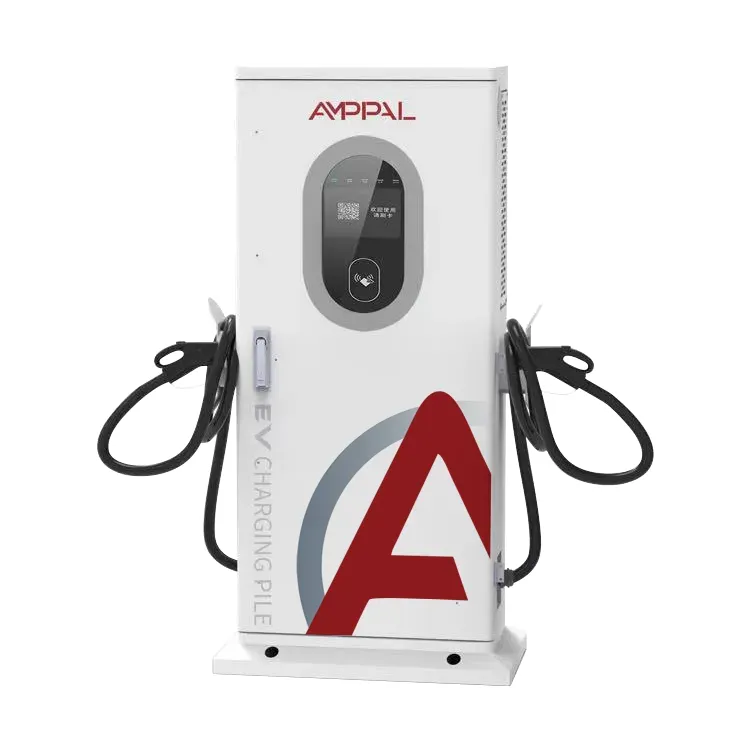
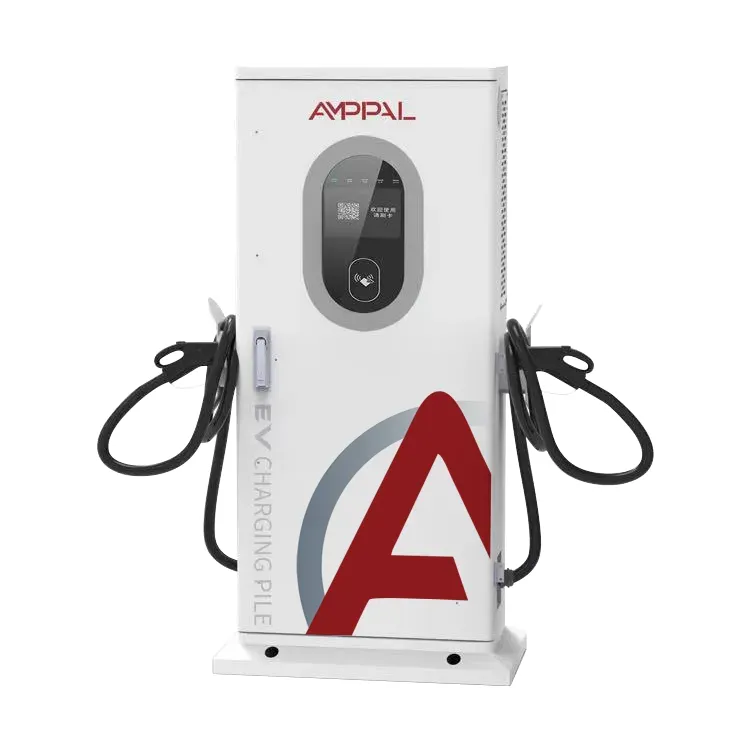
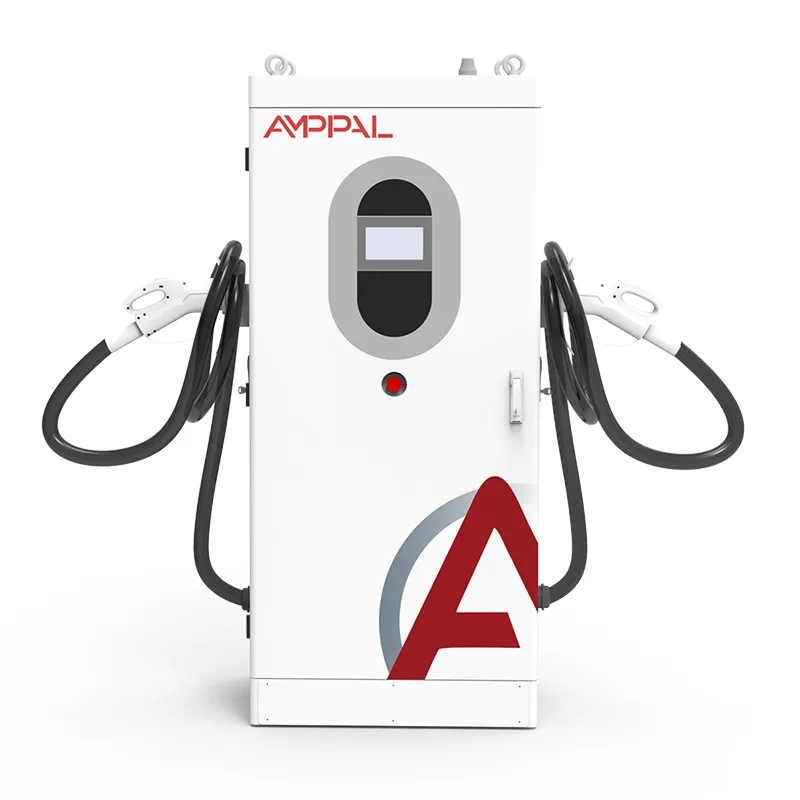
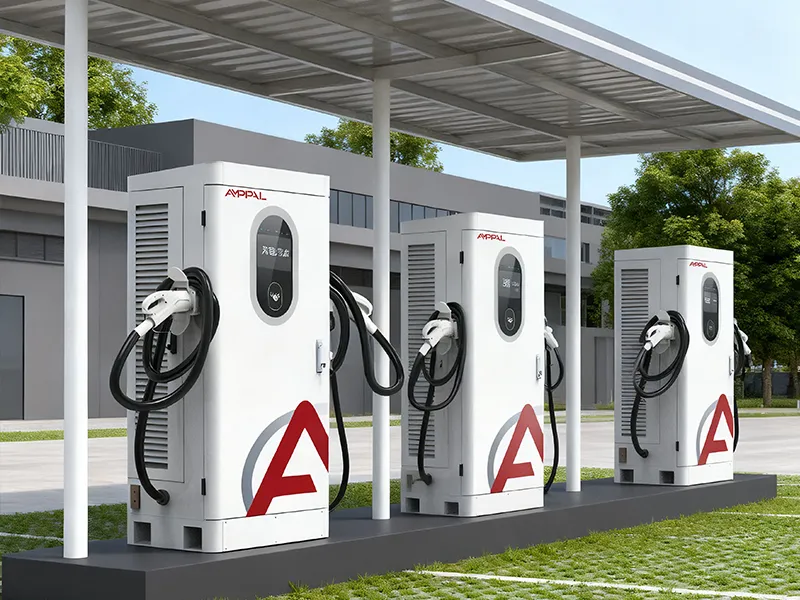
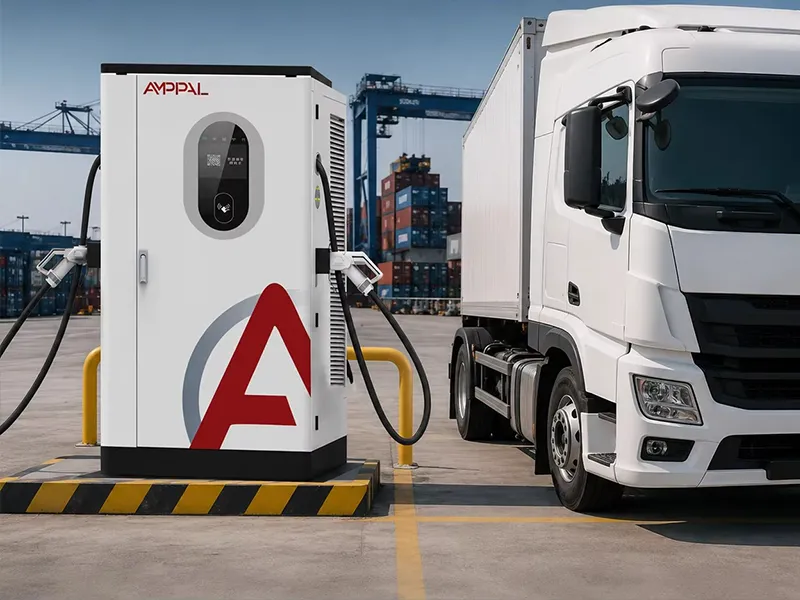
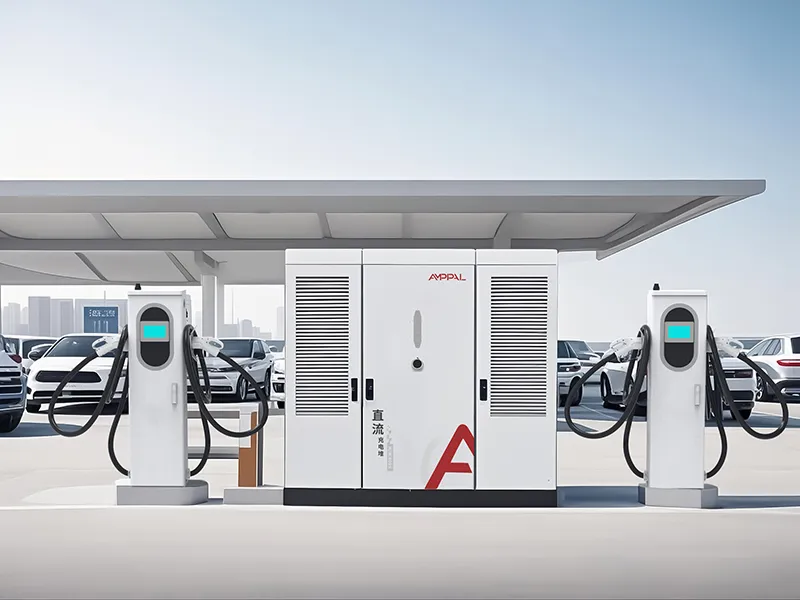
AMPPAL V2G Bidirectional DC Fast Charging System for Smart Grid and Fleet Energy Management (Model AF-DC-120-Y-B-Z-3/4/5-H) is a 120kW bidirectional DC charger aimed at commercial fleets and buildings: it charges vehicles overnight or mid-morning, then inverts power from those batteries to shave the site's evening demand peak. 95% system efficiency, IP54, 13 protections, wired plus cellular networking, modules rated to -30C. AMPPAL is a China V2G charger manufacturer with CE, TUV, IEC 61851, ISO 15118 certification.

What a 120kW Bidirectional Charger Does for a Depot

Fleet electrification usually stalls on one number: the demand charge. The V2G Bidirectional DC Fast Charging System for Smart Grid and Fleet Energy Management (Model AF-DC-120-Y-B-Z-3/4/5-H) a 120kW bidirectional DC charger built to attack it - it fills batteries overnight or mid-morning, then inverts power from those same batteries back into the depot during the afternoon peak, when the tariff bites hardest.

At 120kW it is depot-class: two to four vans per hour, one heavy truck in reasonable time, or a building-scale asset. The model code AF-DC-120-Y-B-Z-3/4/5-H encodes connector, cable length, and options - which is why tenders list it with a code rather than a simple suffix.

Why Depots Pick the AF-DC-120

The buyers' shortlist, in the order finance teams usually ask:

Demand reduction: a 120kW discharge for two hours each weekday shaves the monthly peak - at USD 8-15 per kW per month, USD 1,000-2,000 saved monthly on that slice.

One unit, two revenue streams: energy arbitrage plus demand reduction; at current EU and US spreads, payback lands in 2-4 years.

Peak shaving at building scale: 120kW flattens a site's evening spike, not just trims it.

13 protection functions and IP54, sized for exposed yards.

Wide-temperature design: the -30C rating keeps Scandinavian and Canadian winter fleets operational.

Wired plus cellular networking with OCPP 1.6/2.0, so it joins the fleet's existing backend.

120kW V2G DC Fast Charging System for Smart Grid & Fleet Energy Management

Technical Specifications

Parameter

Specification

Model

AF-DC-120-Y-B-Z-3/4/5-H

Rated Power

120kW

Input Voltage

260~530VAC (Three-phase)

System Efficiency

95% efficiency

Dimensions (H×W×D)

1620×750×560mm

Protection Rating

IP54

Power Factor

≥0.97 PF @20-50% load, ≥0.99 PF @50-100% load

Noise Level

≤65dB

Startup Methods

QR Code Scan, Card Swipe, VIN Code Recognition, Platform Control, Offline Forced Start

Network Interface

Wired + Cellular

Connector Types

CCS1/CHAdeMO/CCS2/GB/T/NACS

Protections

13 protection functions

Operating Environment

-30°C to +50°C, 5% to 95% RH

Certifications

CE, TUV, IEC 61851, ISO 15118 (V2G)

Warranty

24-Month standard manufacturer warranty

Five Fleet and Building Scenarios for 120kW

Where a 120kW bidirectional unit earns its keep:

Delivery and courier depots: vans charge overnight at off-peak and discharge during the evening building peak.

Bus depots needing faster turnarounds than 60kW can give.

Warehouses with large cold stores: the discharge window aligns with the compressor surge after 16:00.

Office towers with staff EV fleets: the garage becomes a 120kW-per-bay asset for the evening peak.

Utilities trialling V2G on their own fleets before rolling out customer programs.

How the 120kW Unit Balances the Depot's Load

The operating loop is simple to describe, demanding to execute. At night the unit rectifies grid AC into DC at up to 120kW, filling the fleet. Between 16:00 and 21:00 - or whenever the site tariff peaks - the same converter inverts DC back to AC, synchronised to the building's supply. The control board arbitrates direction every cycle; a van at 40% state of charge simply sits out the discharge window.

Peak shaving works at the meter, not the charger. The demand charge is set by the highest 15-minute average in the month. A site peaking at 400kW at 18:00, with 120kW discharged across those 90 minutes, records a peak closer to 280kW - and that number follows the site for the whole billing month. Operators watch the curve, set the schedule in the AMPPAL platform, and let the unit chase the setpoint.

Cold weather is the hidden killer of fleet economics. Below about 0C, batteries accept charge more slowly unless the vehicle's BMS preconditions them. The modules are rated to -30C and communication stays alive in the cold, so morning sessions start on schedule; the vehicle's thermal management still decides how fast cells take energy.

Certification and Factory Test Evidence for 120kW

The evidence file that travels with a 120kW unit:

CE and TUV reports covering safety and EMC at the 120kW power class.

IEC 61851 conformity for DC charging behaviour, cable, and connector control.

ISO 15118 conformance for bidirectional communication with the vehicle.

A factory routine test on every unit: a full bidirectional run at 120kW plus insulation, ground, and leakage checks.

IP54 verified per IEC 60529; wide-temperature modules tested at -30C and +55C.

Type test records available for grid-connection applications in most EU and GCC markets.

From Sheet Metal to Shipment: 120kW Manufacturing

The 120kW cabinet starts as sheet steel and leaves tested about two weeks later. The Yueqing sequence:

The frame and panels are fabricated on CNC punches and press brakes, then welded by jig to hold the 1620 x 750 x 560mm envelope.

A pre-assembled power rack - twelve 10kW modules in the standard build - is installed and bolted to the thermal plate.

Control wiring is loomed and routed on a dedicated board, labelled per the wiring diagram.

First power-on: firmware load, display check, and communication bring-up.

A two-part load test runs: six hours at 120kW charging, then four hours at 120kW inverting back to the test bus.

Efficiency and power factor are recorded at 20%, 50%, and 100% load on the serial record.

The cabinet is sealed, branded, and inspected; every fastener is torque-checked.

Crating happens within a week of test sign-off; lead time for standard builds is 15-20 working days.

Right-Sizing a Fleet: When 120kW Fits, When It Doesn't

Start with the demand curve, not the vehicle count. Pull twelve months of 15-minute interval data. Peak in the evening with the fleet parked? 120kW of discharge is directly useful. Peak at 11:00 while the fleet is on the road? The unit can still charge - but the demand story collapses and a one-way charger looks better.

Match the unit to the fleet's connector mix. The AF-DC-120 supports CCS1, CCS2, GB/T, CHAdeMO, and NACS, locked by the model code at order time. Mixed depot? Plan one gun per bay and keep a spare cable assembly in stock.

Not for you if your transformer cannot take 120kW of extra load even with load management, or if your grid code has no export framework - discharge-to-load-only still helps, but full arbitrage needs a V2G tariff. Three vans? 30kW units serve you better; 120kW buys capacity you will not use.

Working with AMPPAL on 120kW Fleet Projects

Standard builds ship in 15-20 working days; the model-code customisation - connector, cable length, colour - is frozen at order confirmation.

One unit for evaluation, two to five for pilot depots, and volume pricing for multi-depot rollouts.

Certificates and type test records provided before shipment for grid-connection approval.

OCPP 1.6/2.0 and the AMPPAL platform both supported; load management coordinates several units on one connection.

AMPPAL operates 200+ stations of its own and has shipped 1M+ units since 2014 - fleet buyers deal with operators, not paper.

Logistics for 120kW Depot Chargers

The AF-DC-120 measures 1620 x 750 x 560mm and ships upright in a reinforced wooden crate, roughly 300kg with guns and cables, engineered for side loading with a rigging diagram - two fork tines and a spreader bar handle it.

A 20-foot container takes six units; a 40-foot high-cube twelve. Fleet orders arrive as full container loads, guns packed separately to protect the connectors.

Terms are FOB Ningbo or Shanghai as standard; CIF, CFR, and DAP on request. Documentation: invoice, packing list, bill of lading, CE declaration, and test certificates; the ISO 15118 conformance statement is prepared for grid dossiers.

After-Sales Coverage for Fleet Sites

Two years per unit. Fleet operators usually add an extended contract - downtime on a depot charger costs more than the cover.

Power modules are hot-swappable in the field; regional stock ships spares within 3-5 working days.

Remote diagnostics over the unit's own connection; most faults are resolved without a site visit.

Commissioning support includes a load test with your vehicles and a demand-curve review after the first billing month.

Free firmware updates for the product's life, including OCPP revisions and ISO 15118 fixes.

Operational Mistakes on Fleet Sites

Wrong: Sizing the transformer for charging plus discharge at the same time. Right: schedule discharge against the site's net load so charging and inverting never stack into one spike.

Wrong: Treating the demand charge as fixed. Right: track the monthly 15-minute peak - one bad evening sets the whole month's bill.

Wrong: Discharging every van to the same depth. Right: set a fleet floor (say 30% SOC) so morning operations never start short.

Wrong: Ignoring the cold window. Right: enable preconditioning schedules in winter and derate expectations on the coldest mornings.

Wrong: Letting the fleet management system and the charger disagree about session control. Right: make the OCPP backend the single source of truth for scheduling.

Fleet Operator Feedback After Six Months

A courier company in the UK Midlands runs six AF-DC-120s across two depots. Evening discharge from the 40-van fleet cut the combined demand charge by about 22% in the first quarter; payback moved from 4.2 to 3.1 years. Complaint: the rigging diagram assumes a loading dock - the second site needed a crane call.

A cold-store operator in Poland uses three units where the compressor surge peaks after 16:00. Discharge aligned to that window held the recorded peak flat across two summer months. The manager noted the units hum at a consistent pitch rather than cycling loudly - the night staff appreciates it.

A municipal depot in Norway ran one unit through a -25C week in January. Morning sessions started on schedule daily; vehicle preconditioning capped charge power on the coldest mornings, exactly as the manual warns. Their one wish: a longer gun cable for snow-bank clearance - they ordered the extension later.

Fleet V2G FAQ

Q: What is a demand charge, exactly?

A: The part of a commercial bill based on your highest 15-minute average draw in the month, often USD 8-15 per kW - one bad evening sets the whole month.

Q: Can the AF-DC-120 run a whole building?

A: It offsets up to 120kW of the site's load, enough to flatten a depot or office peak; it is not a whole-building supply.

Q: How is payback calculated?

A: Demand reduction plus energy arbitrage minus unit and installation cost; at current EU and US spreads, fleet sites break even in 2-4 years.

Q: Does cold weather stop V2G discharge?

A: No - modules are rated to -30C. Charging in deep cold is limited by the vehicle's battery preconditioning, not the charger.

Q: Which connectors fit the fleet?

A: CCS1, CCS2, GB/T, CHAdeMO, or NACS - the model code fixes the config at order, and cable assemblies are field-swappable.

Q: Can several units share one transformer?

A: Yes - load management in the AMPPAL platform or your OCPP backend coordinates them.

Q: What if the grid goes down mid-discharge?

A: The unit stops inverting and re-synchronises when the supply returns; it is a grid-tied device, not an islanding supply.

Q: Does discharging hurt fleet batteries?

A: Moderate depth discharge cycles are inside EV warranties; keeping the fleet floor at 30% SOC limits the stress.


Send Inquiry
Contact Info

Talk Directly to Our EV Charger Factory

Get factory-direct pricing, custom solutions, and expert support.

- Fast Response – Reply within 24 hours.

- OEM/ODM – Flexible customization and sample orders.

- Certified Quality – CE, TÜV, CB, and CCC options.

- Custom Quotes – Tailored to your specifications.

- Technical Support – Expert help with OCPP, DLB, and system integration.

X
We use cookies to offer you a better browsing experience, analyze site traffic and personalize content. By using this site, you agree to our use of cookies. Privacy Policy
RejectAccept