" "
Products
7kW Bidirectional V2G DC EV Charger for Home Energy and Smart Grid Applications
  • 7kW Bidirectional V2G DC EV Charger for Home Energy and Smart Grid Applications7kW Bidirectional V2G DC EV Charger for Home Energy and Smart Grid Applications

7kW Bidirectional V2G DC EV Charger for Home Energy and Smart Grid Applications

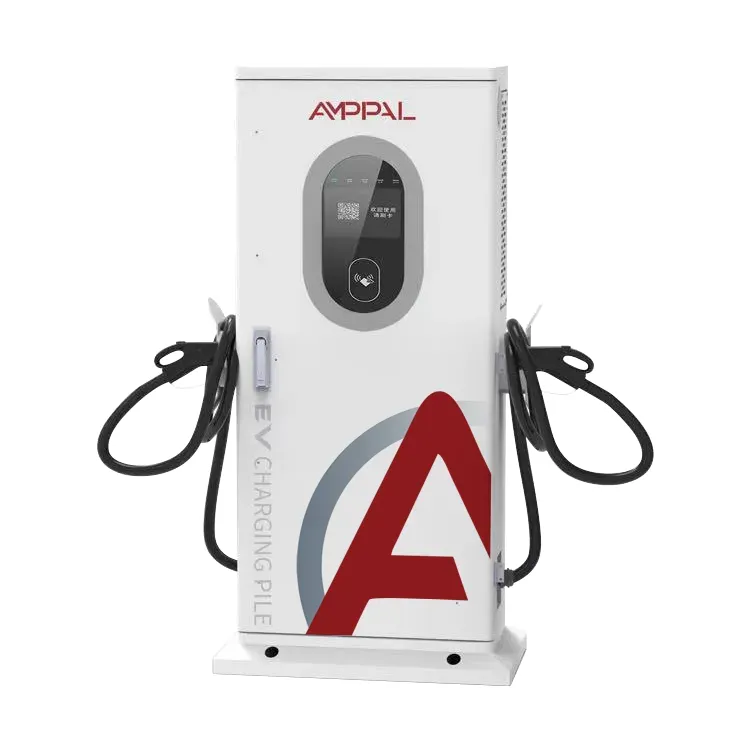
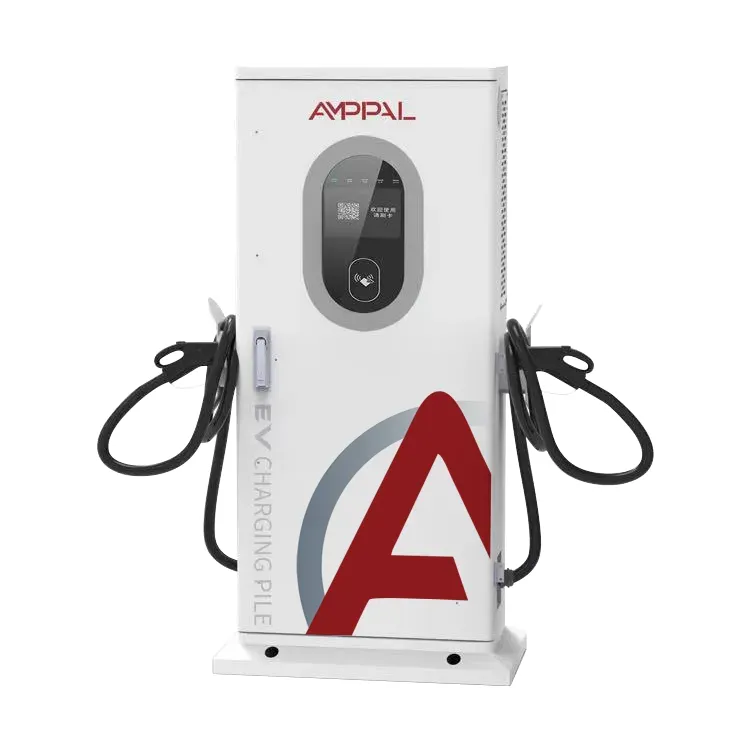
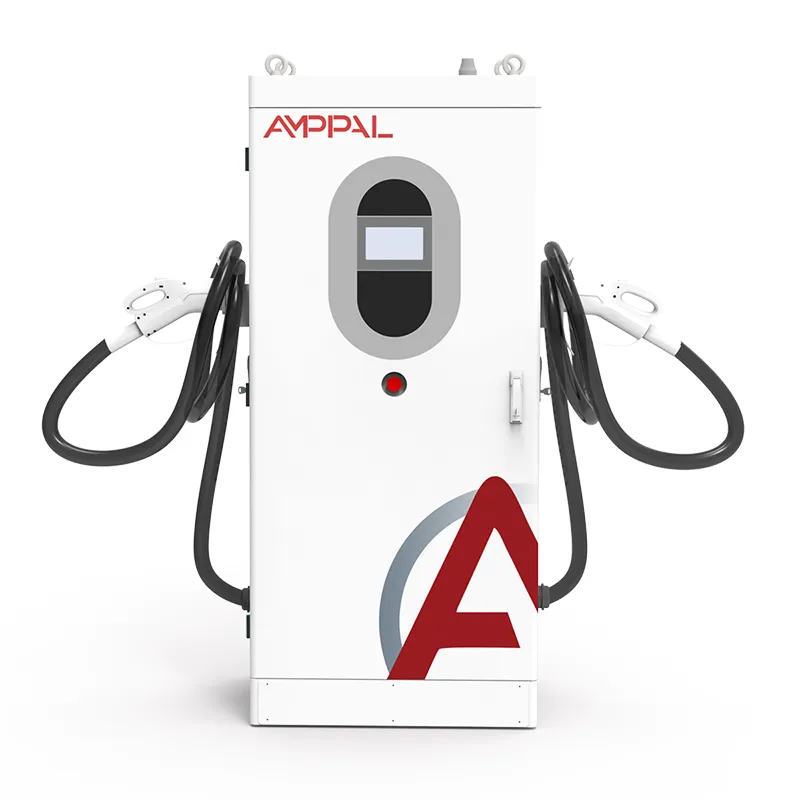
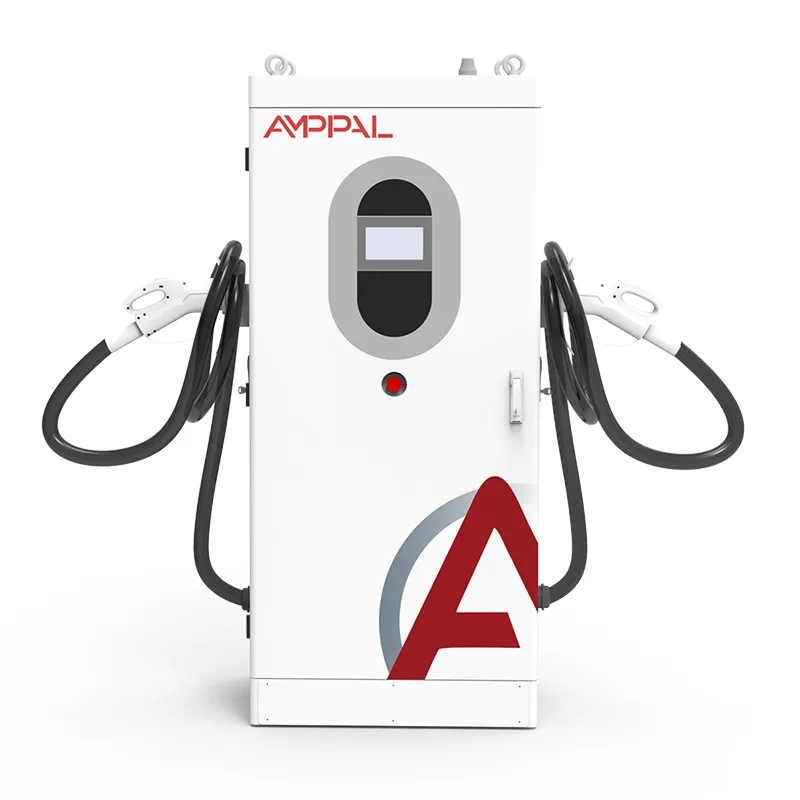
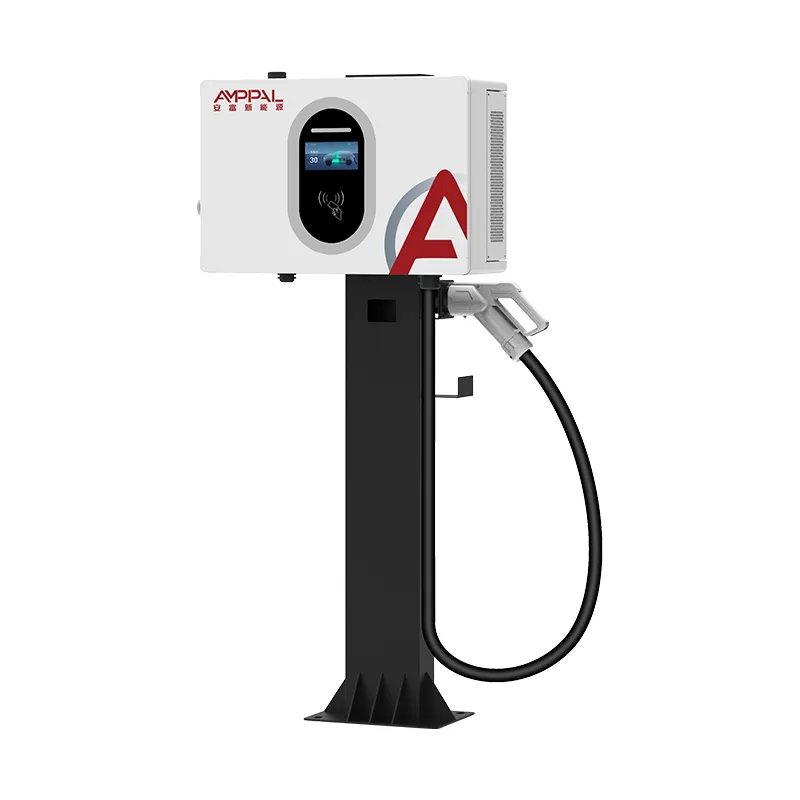
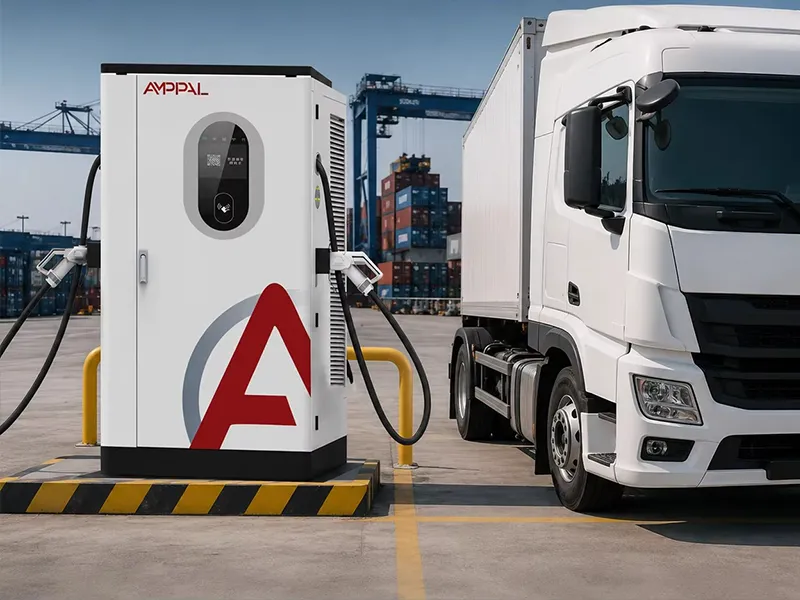
AMPPAL 7kW Bidirectional V2G DC EV Charger for Home Energy and Smart Grid Applications (AF-DC-07) is a 7kW bidirectional DC charger that charges an EV and sends power back to the house. It covers V2H backup during outages, peak-valley arbitrage, and daily charging from one 600 x 450 x 230mm cabinet rated IP55. Five startup methods, ISO 15118 communication, and 95% or better efficiency both ways. Made by AMPPAL, a China V2G charger manufacturer with CE, TUV, and UL certificates. Column or pole mounting suits homes and small shops.

What a 7kW Bidirectional Unit Does for a Home

The 7kW Bidirectional V2G DC EV Charger for Home Energy and Smart Grid Applications (AF-DC-07) is a small bidirectional DC charger. It does the obvious job - charging an EV at 7kW - and a second job most chargers cannot do: it draws power back out of the car and feeds the house. That second direction is what V2H (vehicle-to-home) and V2G (vehicle-to-grid) mean in practice.

For a typical home with a 40-60kWh battery EV, 7kW of reverse flow covers the base load: fridge, router, lighting, heating circulation pumps. It will not run an electric oven and a heat pump at once. It buys hours of outage survival, not a week of grid independence.

Six Reasons a 7kW Unit Changes a House

The argument is not charging speed; it is the second direction of flow. Six points buyers repeat after installation:

Backup power without a second battery: the EV you already own becomes the reserve. A 60kWh car holds enough for two days of a home evening load.

Peak-valley arbitrage: charge at night tariffs, discharge during the expensive evening window, and let the meter do the math.

IP55 against weather: rain, dust, and coastal salt air are handled better than the IP54 cabinets on the bigger siblings.

Column or pole mounting: the 600 x 450 x 230mm cabinet fits a wall, a steel column, or a roadside pole.

95% or better efficiency in both directions, so the grid-to-battery-to-grid round trip loses less than a tenth of the energy.

Five ways to start a session: QR scan, card, VIN auto-start, platform control, or offline forced start when the network is down.

7kW Bidirectional V2G DC EV Charger for Home Energy & Smart Grid Applications

Technical Specifications

Specification

Details

Product

7kW V2G Electric Vehicle Charger

Model

AF-DC-07

Rated Power

7kW

Input Voltage

260 ~ 530VAC (Three-phase)

Efficiency

≥95% (Rectification/Inverter Mode)

Dimensions

600 × 450 × 230mm

Startup Methods

QR Code Scan / Card Swipe / VIN Recognition Auto-start / Platform Control / Offline Forced Start

Communication

Ethernet, CAN, Cellular Network

Installation

Column Mount / Pole Mount

Noise Level

<65dB

Protection Rating

IP55

Safety Protection

Over Voltage, Under Voltage, Overload, Short Circuit, Ground Fault, Over Temperature, Low Temperature, Insulation Monitoring, Reverse Polarity, Lightning Protection, Emergency Stop, Leakage Protection

Where a 7kW V2G Unit Earns Its Place

Not a fleet product. Sized for single parking spots; these are the scenarios where owners report real payback:

Detached homes in Germany, the Netherlands, and the Nordics with time-of-use electricity tariffs.

Holiday cabins and rural properties where grid outages are routine rather than rare.

Small shops and home offices running 500-1500W of continuous load.

Homes with solar PV: midday excess charges the car, evening discharge covers the dinner peak.

Landlords installing V2G-ready parking spots as a tenant-facing selling point.

How Charging and Discharging Switch in One Cabinet

Inside the AF-DC-07 sits one bidirectional power stage. In charge mode it rectifies three-phase AC into DC for the battery. In discharge mode the same modules invert DC back to AC at 230/400V. There is no separate inverter bolted on - that topology keeps the cabinet at 600 x 450 x 230mm and efficiency at 95% or better both ways.

ISO 15118 handles the V2G handshake. The car and charger exchange a signed message on how much energy may be drawn back, and reverse flow starts only when authorised. This is not a hacked inverter feeding the house; it is a metered, standard-compliant exchange.

Startup is deliberately layered. Online, sessions begin by QR code, card, VIN recognition, or the AMPPAL cloud platform. If the network drops, offline forced start keeps the charger usable with local authentication - useful when the router dies mid-outage.

Certificates a Homeowner's Insurer Wants to See

Home V2G sits in a grey zone in several markets, so the paperwork matters. These are the documents that ship with every AF-DC-07:

CE and TUV marks for the EU market; UL and CB available for North America and other regions.

IEC 61851 compliance for DC charging behaviour and connector safety.

ISO 15118 certification for the V2G communication stack - the part that makes bidirectional sessions metered and legal.

IP55 tested per IEC 60529: survives hose-down and blowing dust.

A factory test record with every unit: insulation, ground bond, and a full bidirectional run at rated power.

Wide-temperature modules rated -30C to +55C for exposed winter mounting.

How the 7kW Units Are Built in Yueqing

The plant sits in Yueqing, Zhejiang - the city people call China's capital of electrical appliances. AMPPAL has run it since 2014 with 260+ staff. The build sequence for a 7kW unit:

Sheet steel is cut on TRUMPF laser machines and bent on CNC press brakes.

FANUC robot arms position the power modules; DC products run on their own line, separate from AC.

Power-stage boards are wave-soldered and pass automated optical inspection.

Every unit gets a full-load bidirectional burn-in: four hours charging, then discharge at 7kW.

The enclosure is powder-coated first; IP55 gaskets are fitted by hand and torque-checked.

Firmware is flashed with the ISO 15118 stack and all five startup methods enabled.

A final visual and electrical inspection happens before the serial number is registered.

Units are packed into individual crates; lead time is 15-20 working days.

Is 7kW Enough? Sizing a Home V2G Unit

Start with the load you need to cover in an outage: fridge, router, lighting, a heating circulation pump, usually 400-800W. At that level 7kW of reverse power covers the house for hours while the car keeps enough charge for morning driving.

If your home runs an electric heat pump, an induction cooker, and a sauna at once, 7kW will not carry that peak. A 30kW or 60kW unit could, but that changes price and installation. For most households, 7kW is plenty.

Not for you if you need a full-home UPS that switches in under a second, or a unit that runs the house through a multi-day blackout. The AF-DC-07 is a metered bidirectional charger, not an off-grid inverter. No peak-valley spread in your tariff? The arbitrage argument disappears too.

Why Buyers Choose AMPPAL for Home V2G

15-20 working days lead time on standard units; OEM branding and custom paint on request.

MOQ of one unit for evaluation - we ship singles to engineers and small importers, not just pallets.

CE, TUV, UL, CB, and CCC certificates on file; documentation ships with every order.

260+ employees and 1 million+ units delivered since 2014; AMPPAL also operates 200+ charging stations.

European spare-parts stock: charge guns, control boards, and displays ship in 3-5 working days.

Packaging and Delivery for the 7kW Model

Each AF-DC-07 ships in a wooden or heavy carton crate around 750 x 600 x 350mm, roughly 40kg with the gun and mount bracket. Foam inserts hold the cabinet; the gun and cable travel in a moisture bag.

A 20-foot container holds around 60 units; a 40-foot high-cube around 130. Pallets are strapped and the load photographed before sealing.

Standard terms are FOB Ningbo or Shanghai, with CIF and CFR quotes on request. Documents include invoice, packing list, bill of lading, and the CE declaration; certificates go out in advance.

Support After the 7kW Unit Lands

24 months on the unit. For home V2G the part that matters is the inverter stage - it works both directions and it is covered.

Firmware updates for the ISO 15118 stack are free for the product's life, via cloud or USB.

Spare parts for common failures ship within 3-5 working days; the charge gun is the most-ordered spare.

One year of free remote diagnosis - send a photo or a log export and get a same-day answer.

A licensed electrician can complete installation in one day; the manual includes wiring diagrams and torque values.

Common Mistakes with Home V2G Installations

Wrong: Mounting the unit where roof runoff drips onto the connector. Right: pick a spot with a drip edge or slight overhang - IP55 handles weather, not water channeled into the socket.

Wrong: Assuming discharge starts the moment the car plugs in. Right: the ISO 15118 handshake must complete and the discharge schedule must be enabled in the app first.

Wrong: Sizing house loads above 7kW and hoping the charger manages it. Right: keep discharge loads under 6kW to leave headroom for losses.

Wrong: Feeding the AC output through a random extension lead. Right: hard-wire the output side to a dedicated circuit with its own breaker.

Wrong: Skipping a surge protector because the charger has lightning protection. Right: the unit protects itself; the house panel still needs its own Type 2 SPD.

What Homeowners and Small Business Owners Report

A homeowner in Bavaria, Germany runs the AF-DC-07 with a 58kWh EV on a time-of-use tariff. He charges overnight at the low rate and discharges 18:00-21:00; the meter shows about EUR 14 saved per month in the first quarter. His one gripe: the bracket holes needed a second drilling pass on his brick wall.

The owner of a small bakery in the Netherlands uses the unit as both charger and outage buffer for his fridges. A 40-minute blackout in January cost him nothing - the car kept the coolers running. The QR sticker collects dust and needs an occasional wipe.

A rural property manager in New Zealand fitted the unit on a pole beside a rental cottage. Guests scan to start charging; he enables V2H discharge remotely during storms. His verdict: the first charger he installed that did not need a return visit within a month.

Home V2G Questions, Answered

Q: Can the AF-DC-07 power the whole house during an outage?

A: It feeds up to 7kW - fridges, lights, router, pumps. Heavy simultaneous loads like ovens will exceed it.

Q: Does V2G discharge hurt the car battery?

A: Depth and frequency matter more than direction. A nightly two-hour 7kW discharge is a mild cycle; most EVs handle it inside warranty.

Q: Which cars work with this charger?

A: Any EV supporting ISO 15118 bidirectional charging over CCS or GB/T - check your car's V2G support list first.

Q: Is it legal to connect to the grid?

A: In EU and UK markets, yes, with CE and TUV marks and a licensed electrician's install.

Q: How much can I save on tariffs?

A: With a 20-30 cent peak-valley spread, an evening discharge saves EUR 1-2 per session, EUR 30-60 a month.

Q: What happens if my internet goes down?

A: Offline forced start keeps charging and discharging working with local authentication; billing catches up later.

Q: Do I need a separate inverter for the house?

A: No - the bidirectional stage inverts DC to AC. You need a transfer switch or AC coupling to the panel.

Q: Can I expand to 22kW later?

A: No, the AF-DC-07 is fixed at 7kW. Step up to the 30kW or 60kW AMPPAL models for more.


Send Inquiry
Contact Info

Talk Directly to Our EV Charger Factory

Get factory-direct pricing, custom solutions, and expert support.

- Fast Response – Reply within 24 hours.

- OEM/ODM – Flexible customization and sample orders.

- Certified Quality – CE, TÜV, CB, and CCC options.

- Custom Quotes – Tailored to your specifications.

- Technical Support – Expert help with OCPP, DLB, and system integration.

X
We use cookies to offer you a better browsing experience, analyze site traffic and personalize content. By using this site, you agree to our use of cookies. Privacy Policy
RejectAccept