" "
Whatsapp
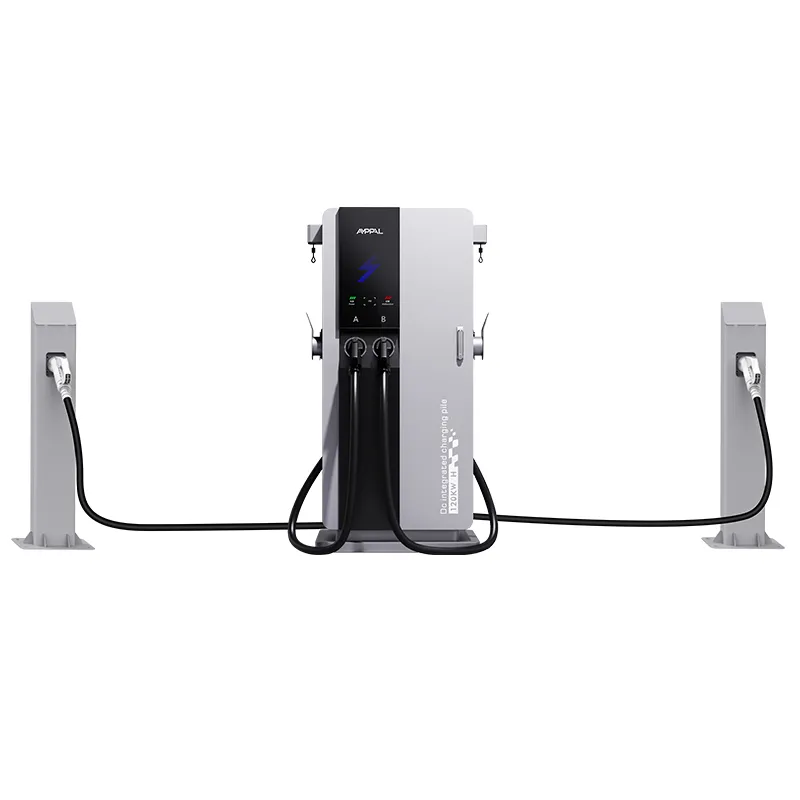
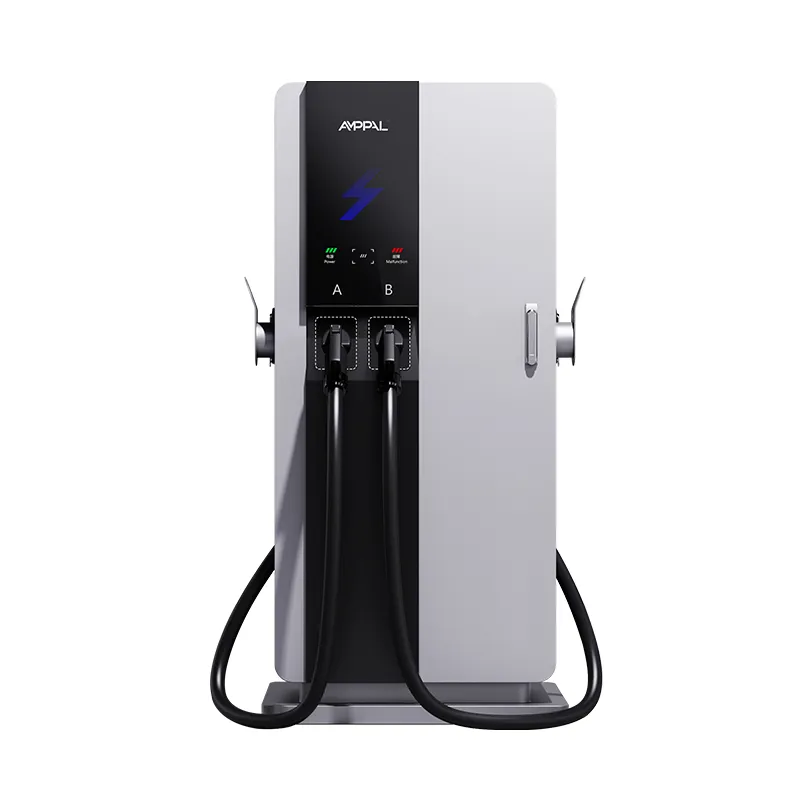
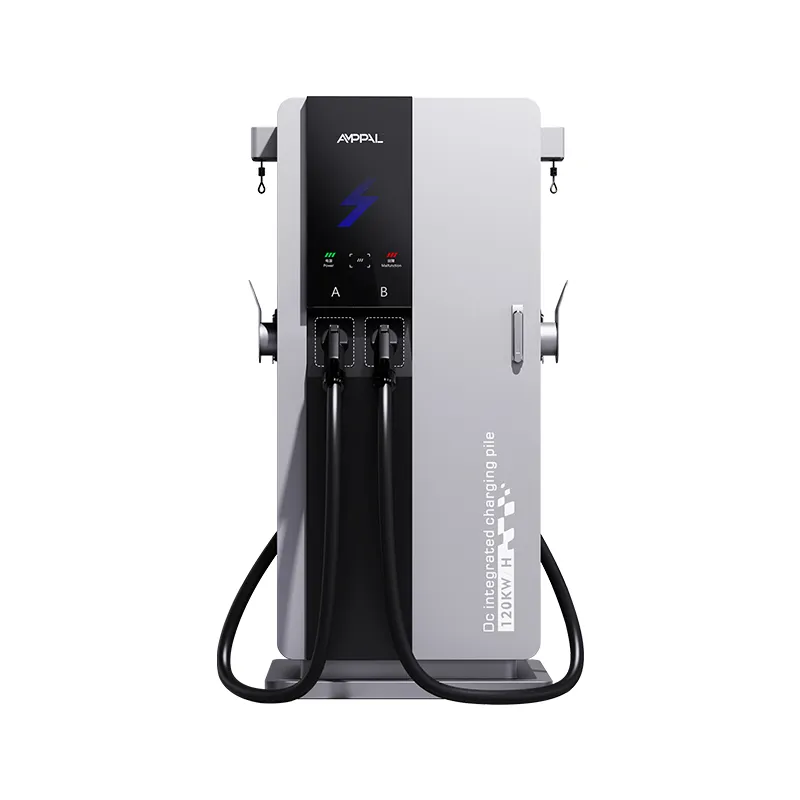
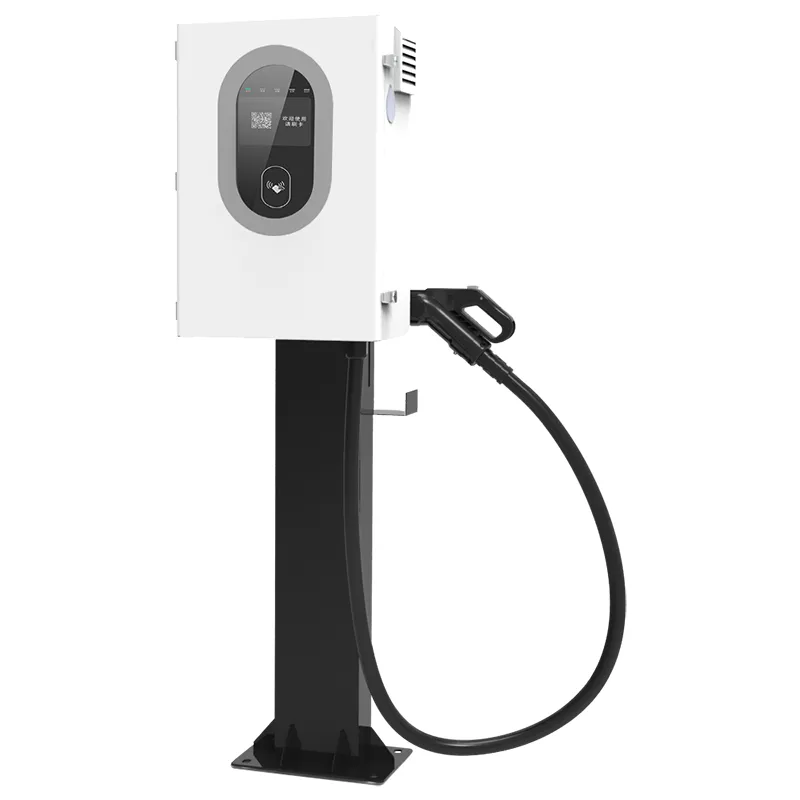
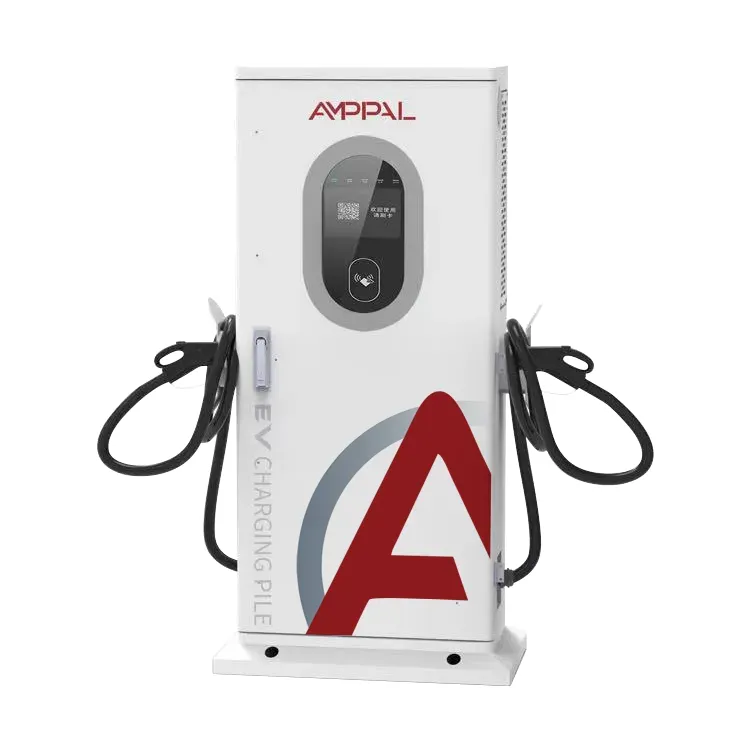
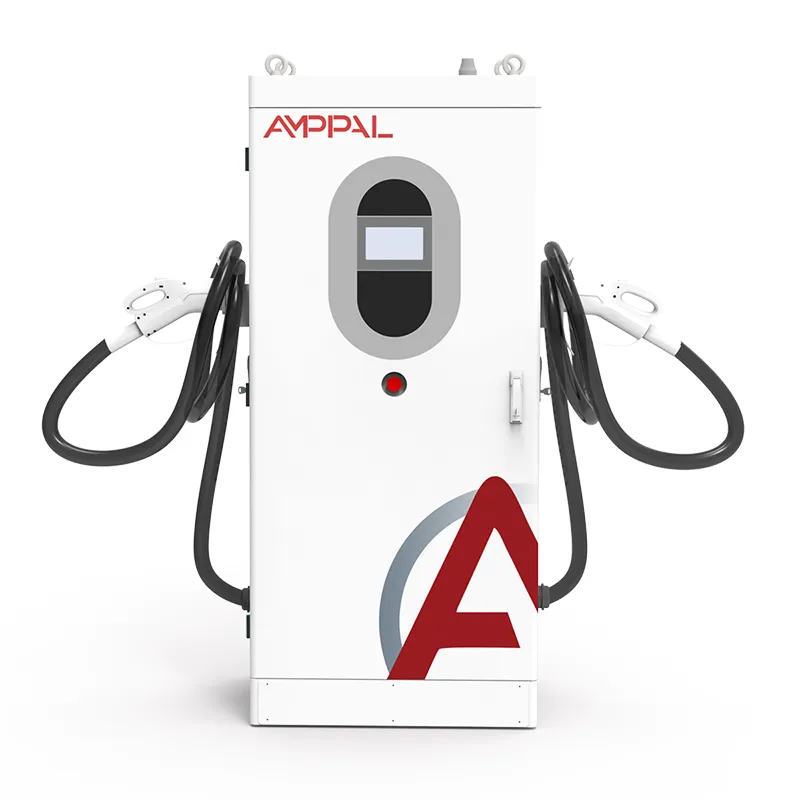
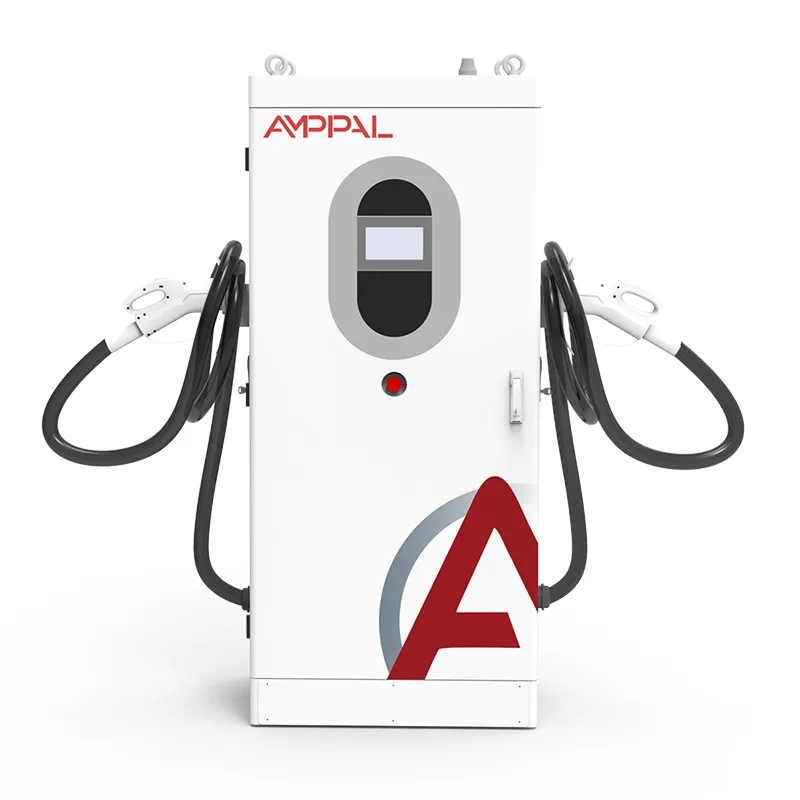
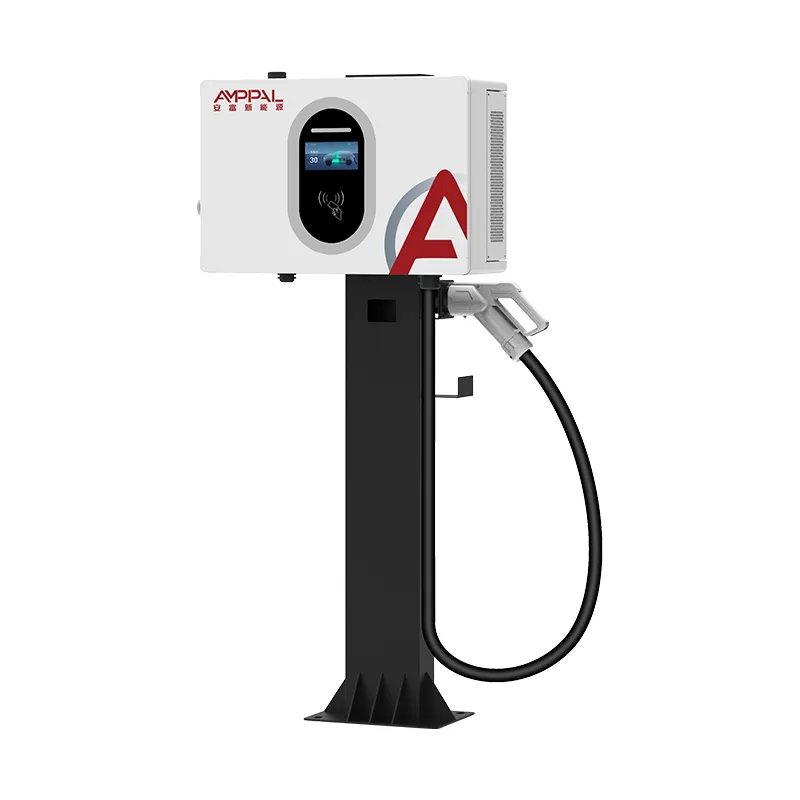
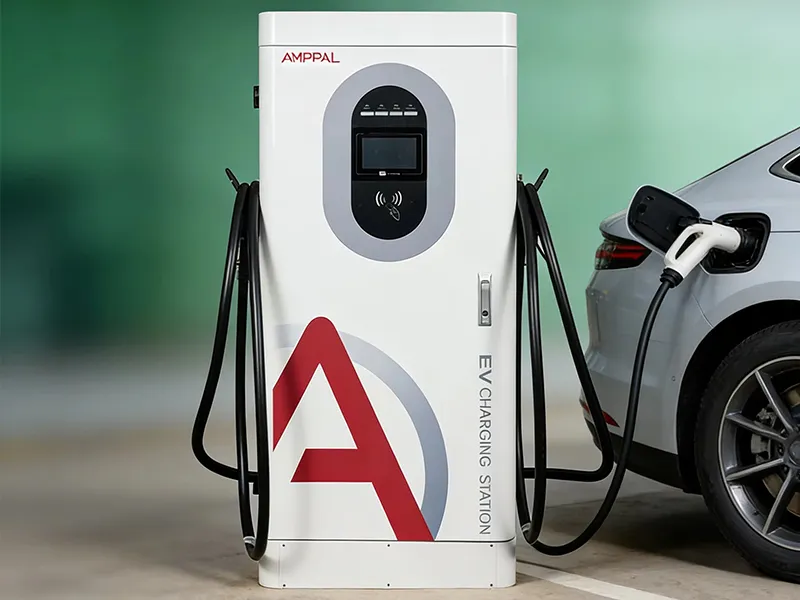
The grid connection decides how well a 60kW V2G charger performs, and that is why the AF-DC-60 specification reads the way it does. This Bidirectional V2G DC Fast EV Charger for Fleet and Grid Applications is a 60kW bidirectional DC charger: it rectifies three-phase AC to charge a vehicle, and it inverts DC from the vehicle back to the AC network for a building, a depot, or export. The cabinet measures 1517 x 640 x 300mm.
What separates it in a tender is the input specification. L1/L2/L3/N/PE means three phases, a neutral, and a separate protective earth - five conductors, the full industrial standard. Sites wired that way get balanced phase loading, a defined neutral reference, and a clean fault path. Installers read this line first.


Design points that matter to electrical engineers and grid operators:
Three-phase five-wire input, so phase currents balance instead of drifting: 60kW across L1/L2/L3 is roughly 87A per phase at 400V.
Honest power factor curve: 0.97 or better from 20-50% load, 0.99 or better from 50-100% - stated with the load range, not as one best-case number.
Inverter mode with harmonic control, so discharging a car does not smear distortion onto the bus feeding your other equipment.
Ethernet and CAN as native interfaces, plus cellular - the unit talks to site controllers, the AMPPAL cloud, or an OCPP backend without protocol converters.
Thirteen protection functions, IP54 enclosure, and noise at or under 65dB even during peak output.
|
Parameter |
Specification |
|
Product Name |
60kW V2G DC Charger |
|
Model |
AF-DC-60 |
|
Rated output power |
60kW |
|
Equipment size |
1517*640*300mm |
|
Input Voltage |
260 ~ 530VAC (Three-phase) |
|
AC Input Type |
L1/L2/L3/N/PE (Three-phase five-wire) |
|
Startup Mode |
1. QR Code Scan; 2. Card Swipe; 3. VIN Code Recognition Auto-start; 4. Platform Control Start; 5. Offline Forced Start |
|
Power Factor |
≥0.97 @20%~50% output power; ≥0.99 @50%~100% output power |
|
Networking Mode |
Wired network (Ethernet, CAN communication), Cellular network |
|
Noise Control |
≤65dB |
|
Protection Level |
IP54 |
|
Maximum System Efficiency |
≥95% (Rectification/Inversion mode) |
60kW is the sweet spot for a single DC bay serving taxis, vans, and small trucks. Recurring deployments:
Taxi and ride-hail yards where vehicles cycle through a 40-80% charge in under an hour.
Commercial buildings on a tight supply: the unit charges at reduced current or discharges to cap the site peak.
Workshops and dealerships charging vans by day and exporting to the building in the evening.
Microgrid and island sites where the charger doubles as a backup source during outages.
Municipal depots running mixed connector types - CCS1, CCS2, GB/T, CHAdeMO, NACS all available.
The power path is one bidirectional converter. Charging: AC in, rectified, DC out at up to 60kW. Discharging: DC in from the vehicle, inverted to AC, synchronised to the local bus frequency and phase. Direction changes in milliseconds, arbitrated by the control board, not a mechanical switch.
Power factor is where the design shows discipline. At light load - 20-50% of rated output - the converter keeps PF at 0.97 or better; above 50% it holds 0.99 or better. Why quote it in segments? Because every converter's power factor sags at low load, and a single headline number hides that. Utility connection agreements increasingly ask for the curve, not the peak.
Harmonics matter in inverter mode. When the car discharges, the converter shapes its current waveform to hold distortion inside the limits your transformer and neighbours tolerate. Ethernet and CAN carry control traffic - charger, building controller, and billing platform exchange status without a cellular round trip.
The compliance file with each AF-DC-60:
CE and TUV reports covering safety and EMC, including harmonic and flicker testing.
IEC 61851 conformity for DC charging behaviour, cable, and connector control.
ISO 15118 conformance for bidirectional communication with the vehicle.
Factory routine tests on every unit: insulation, ground continuity, leakage, and a full 60kW bidirectional run.
Power-factor and efficiency measurements at 20%, 50%, and 100% load recorded on the unit's test sheet.
Wide-temperature modules rated -30C to +55C, sealed in an IP54 enclosure.
The 60kW line at AMPPAL's Yueqing plant shares the FANUC and TRUMPF equipment with the rest of the DC family. The build:
Enclosure panels are punched and folded, then welded on the frame line before powder coating.
Power modules arrive pre-tested and are mounted with torque-controlled fasteners.
The DC bus and cable harness are laid by the same team that builds the 120kW units, keeping workmanship consistent.
Each unit soaks for six hours at 60kW in charge direction, then two hours in inverter direction at full output.
Power factor and distortion are measured at 20%, 50%, and 100% load and logged to the unit's serial record.
Ethernet, CAN, and cellular links are exercised, including a simulated network failover.
The cabinet is sealed, labelled, and visually inspected.
Crating follows within two days; the standard run is 15-20 working days.
Audit the supply before you sign. The AF-DC-60 wants a three-phase five-wire feed sized for 60kW plus headroom - roughly 100A per phase at 400V with margin. Transformer at capacity? Load management caps charging while discharge shaves peaks. Single-phase site? Wrong product.
Match the connector to the fleet: CCS2 for Europe, CCS1 for North America, GB/T for China, CHAdeMO for older Japanese vehicles, NACS in the US. The unit ships with the gun you specify; swapping the cable assembly later is a field job.
Not for you if there is no bidirectional use case and no V2G tariff in sight - a one-way 60kW charger costs less. Also not for you if the grid code forbids export: discharge-to-load only works, but if your utility allows neither, buy one-way and keep the money.
Standard units leave Yueqing in 15-20 working days; connector choice, cable length, and paint colour are configured at order time.
One-unit MOQ for evaluation, and test units held in stock for urgent replacements.
The full certificate pack - CE, TUV, IEC 61851, ISO 15118 - is sent before shipment for grid approval and customs.
OCPP 1.6/2.0 plus direct Ethernet and CAN integration, so the unit fits Schneider, Siemens, and AMPPAL platforms alike.
Since 2014 AMPPAL has shipped more than a million chargers and runs 200+ stations itself; support answers in UTC+8 working hours, spares in 3-5 days.
The 60kW cabinet is 1517 x 640 x 300mm and travels upright in a wooden crate, around 170kg with gun and cables. Fork pockets allow forklift handling; the lid is strapped, not screwed, so customs inspection does not damage the unit.
A 20-foot container holds about 14 units, a 40-foot high-cube about 30. Mixed loads with other AMPPAL products are common; chargers forward as general cargo with proper marks.
FOB Ningbo or Shanghai as standard; CIF, CFR, and DAP on request. Shipping documents: invoice, packing list, bill of lading, CE declaration, and test certificates; the ISO 15118 conformance statement is available for grid-connection dossiers.
24-month term. Grid-side faults from poor supply quality are covered; we do not argue about who caused the surge.
Regional spare stock: power modules, control boards, and fans ship in 3-5 working days.
Remote diagnosis via Ethernet or cellular, with an engineer on the line during commissioning.
Free firmware updates, including OCPP and ISO 15118 revisions, for the life of the product.
Annual maintenance kit available: filter, gaskets, and contact grease for the connector.
Wrong: Tapping the three phases from different distribution boards. Right: feed all three from one board so phase angles and impedance match.
Wrong: Running the PE through a shared cable tray without bonding. Right: use a dedicated protective earth to the unit's terminal and verify continuity before energising.
Wrong: Judging performance by the datasheet's single efficiency number. Right: ask for the unit's own test sheet - ours records PF at 20%, 50%, and 100% load.
Wrong: Assuming discharge is always clean because the unit is certified. Right: keep supply impedance low and the upstream breaker coordinated; harmonics behave better on a stiff feed.
Wrong: Wiring the neutral loosely because 'the load is balanced anyway'. Right: torque the neutral terminal like any other - a floating neutral is the classic V2G site failure.
A taxi cooperative in Prague runs four AF-DC-60s in a yard where 40 EVs rotate day and night. Discharge runs 17:00-20:00 to cut evening demand; the first month trimmed the demand charge by about 18%. Grumble: the CAN manual assumes a controls engineer, and their electrician needed two calls on register addresses.
A transformer manufacturer in Ningbo uses the unit to test its own inverters against a real bidirectional load. Distortion readings stayed inside what the site transformer tolerated; fan noise rises noticeably above 45kW output, so heavy discharge runs outside office hours.
A microgrid operator in Indonesia paired the AF-DC-60 with solar and a small battery bank on an island resort. Inverter mode carried the resort through three outages this year, each under two hours. Their comment: the unit matches the datasheet, but the cellular module needs a local SIM with roaming disabled, or the data plan drains.
A: L1/L2/L3 plus a neutral and a separate protective earth - five conductors, the standard for industrial and commercial connections at this power.
A: Because PF sags at light load on every converter; stating 0.97 from 20-50% and 0.99 from 50-100% is the honest version of a single headline number.
A: The inverter shapes the current waveform to hold harmonic distortion inside the limits your transformer and neighbours tolerate.
A: Control and telemetry ride the wired links with low latency; cellular is the backup and the remote-access path.
A: It suits passenger EVs, vans, and small trucks; a 300kWh bus takes all night - step to the 120kW or 180kW for buses.
A: The gun you specify - CCS1, CCS2, GB/T, CHAdeMO, or NACS - and the cable assembly is swappable in the field later.
A: Load management can cap charging current; discharge still works and can shave the site peak.
A: Thirteen protection functions including over and under voltage, short circuit, ground fault, insulation monitoring, and gun temperature detection.
Address
No. 237, Weisan Road, Yueqing, Zhejiang, China
Tel
Talk Directly to Our EV Charger Factory
Get factory-direct pricing, custom solutions, and expert support.
- Fast Response – Reply within 24 hours.
- OEM/ODM – Flexible customization and sample orders.
- Certified Quality – CE, TÜV, CB, and CCC options.
- Custom Quotes – Tailored to your specifications.
- Technical Support – Expert help with OCPP, DLB, and system integration.