" "
Products
V2G Bidirectional DC EV Charging Station for Commercial Energy Management
  • V2G Bidirectional DC EV Charging Station for Commercial Energy ManagementV2G Bidirectional DC EV Charging Station for Commercial Energy Management
  • V2G Bidirectional DC EV Charging Station for Commercial Energy ManagementV2G Bidirectional DC EV Charging Station for Commercial Energy Management
  • V2G Bidirectional DC EV Charging Station for Commercial Energy ManagementV2G Bidirectional DC EV Charging Station for Commercial Energy Management

V2G Bidirectional DC EV Charging Station for Commercial Energy Management

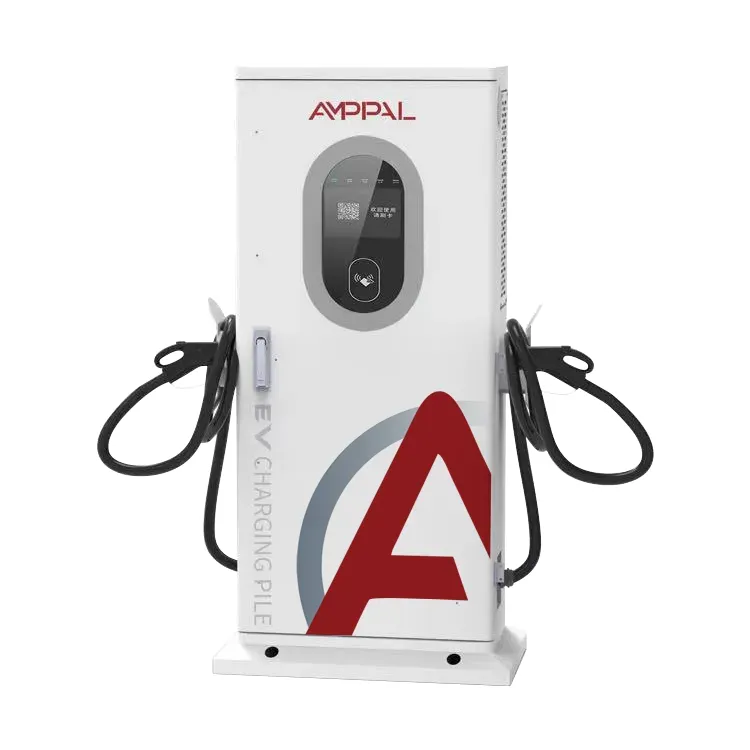
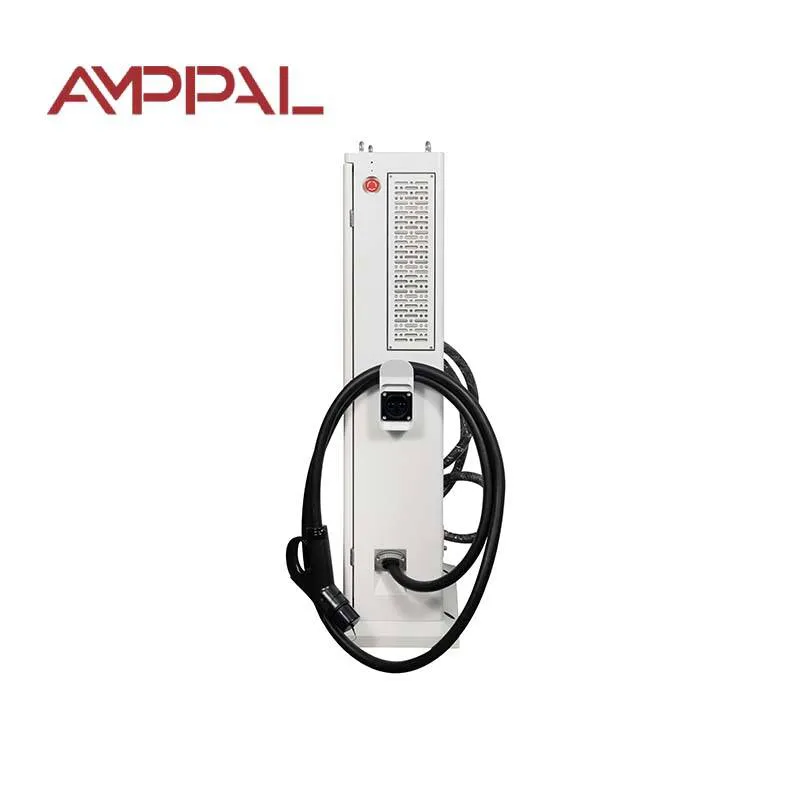
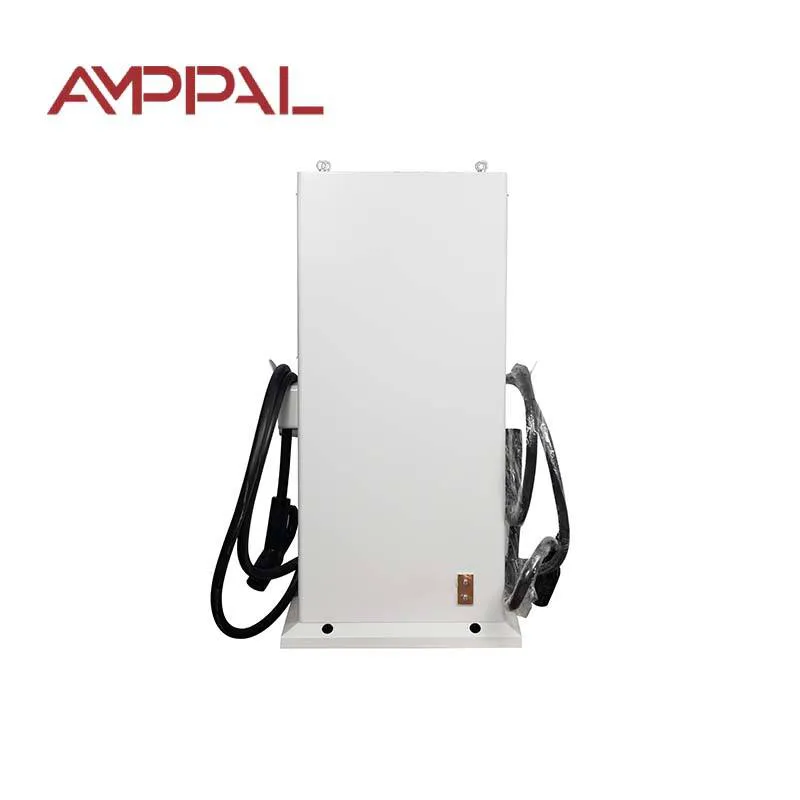
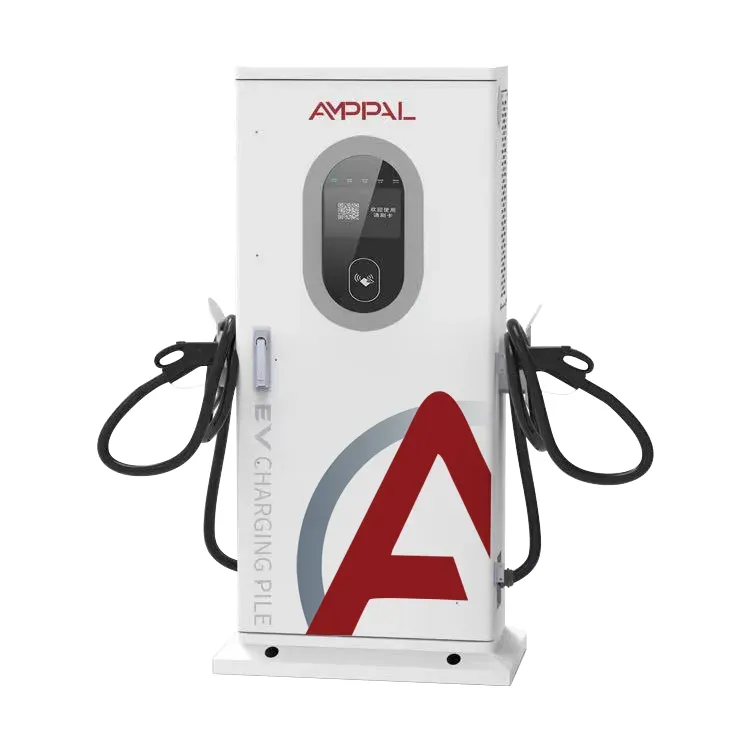
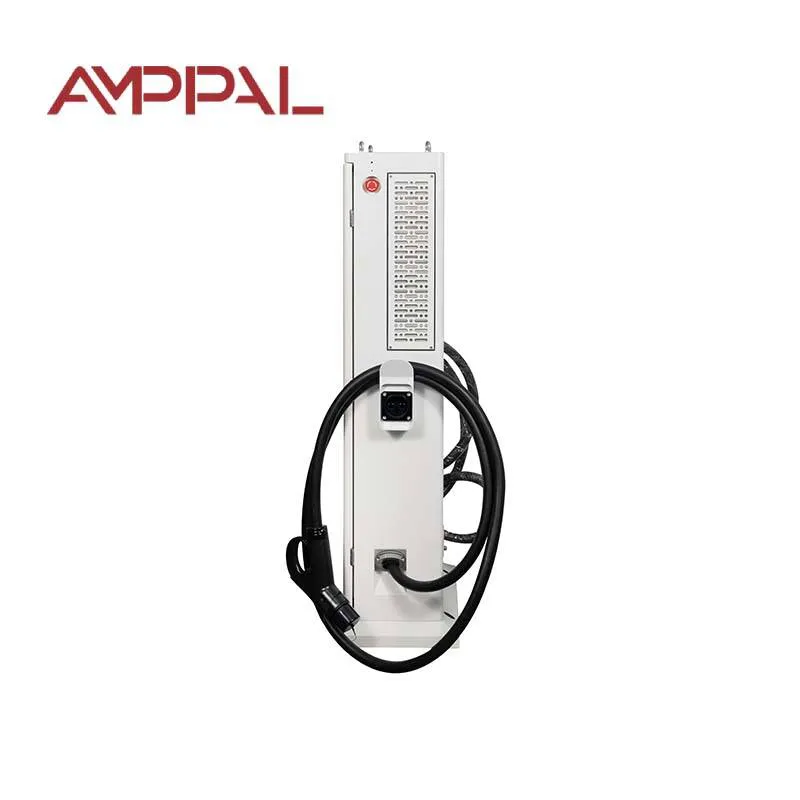
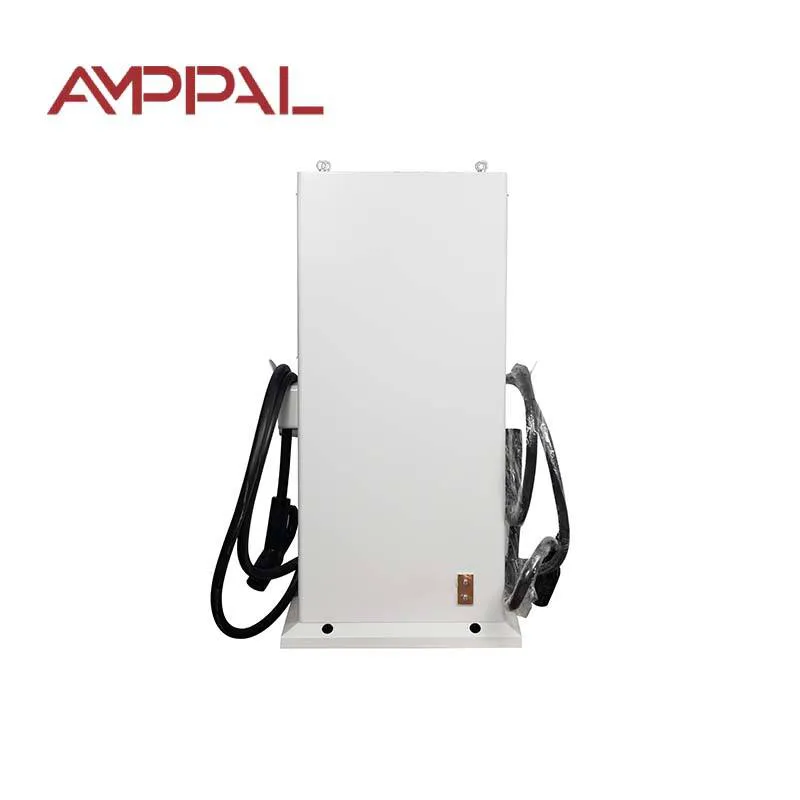
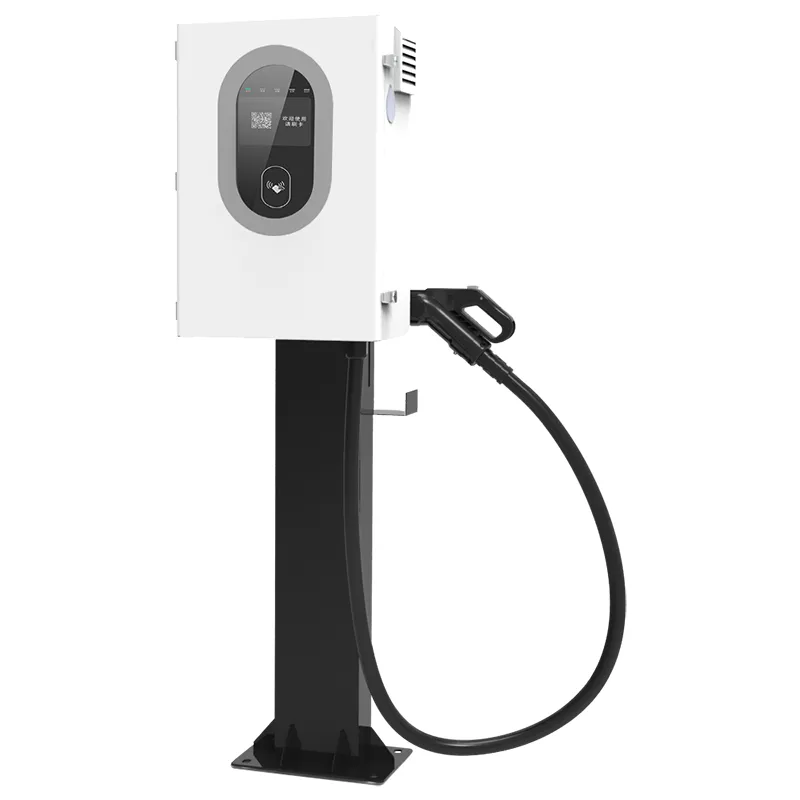
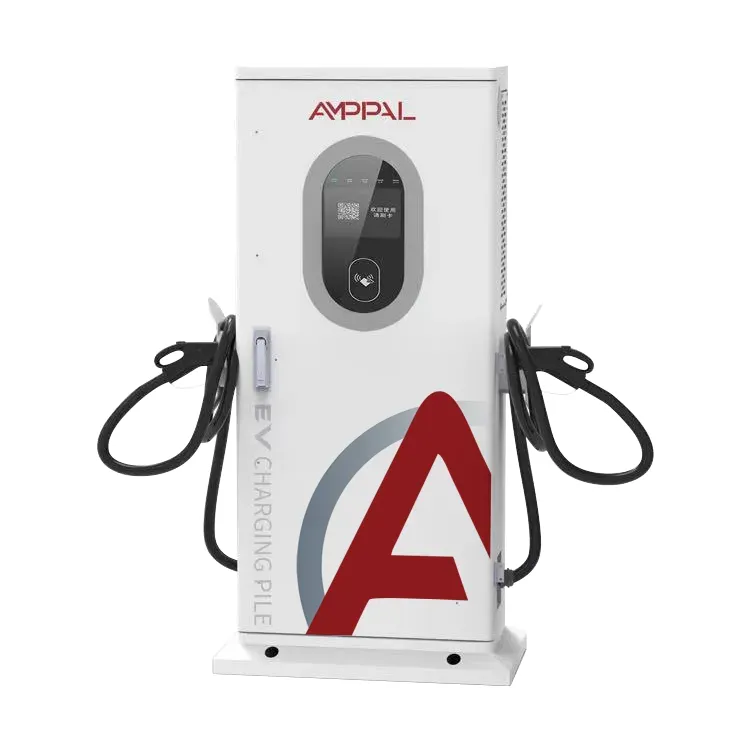
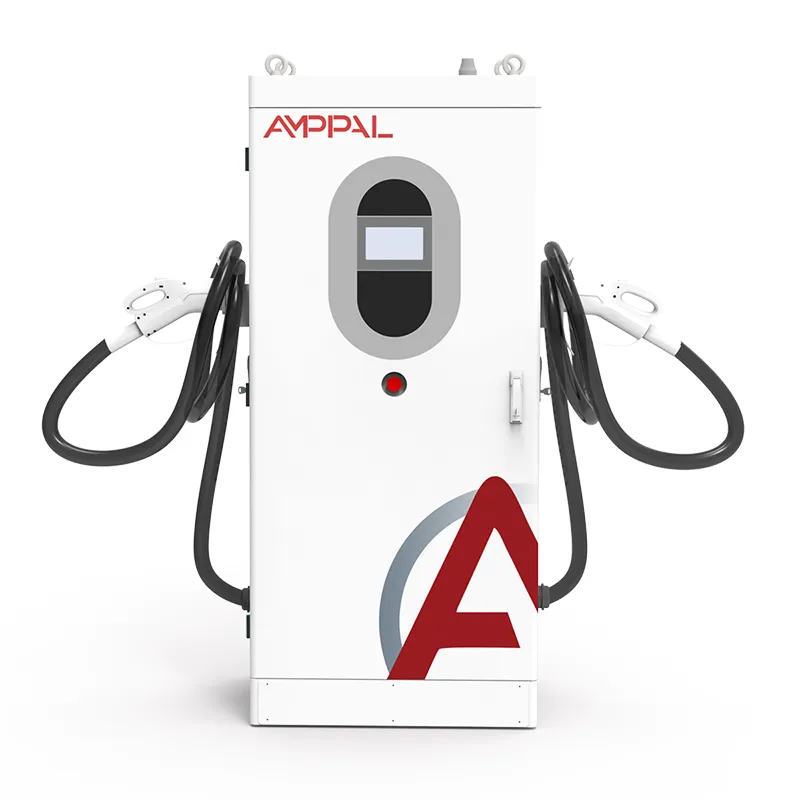
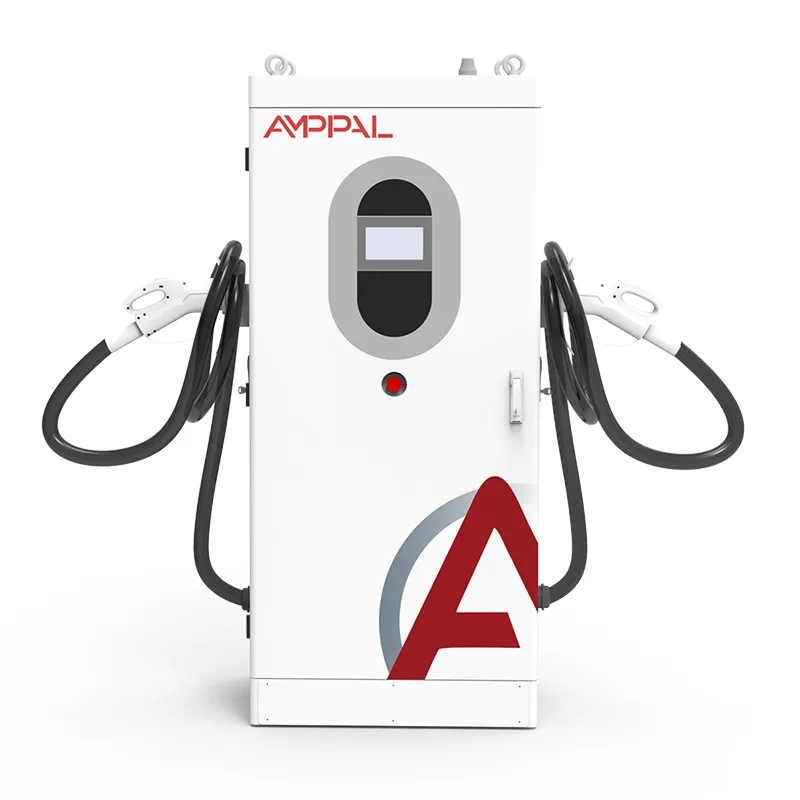
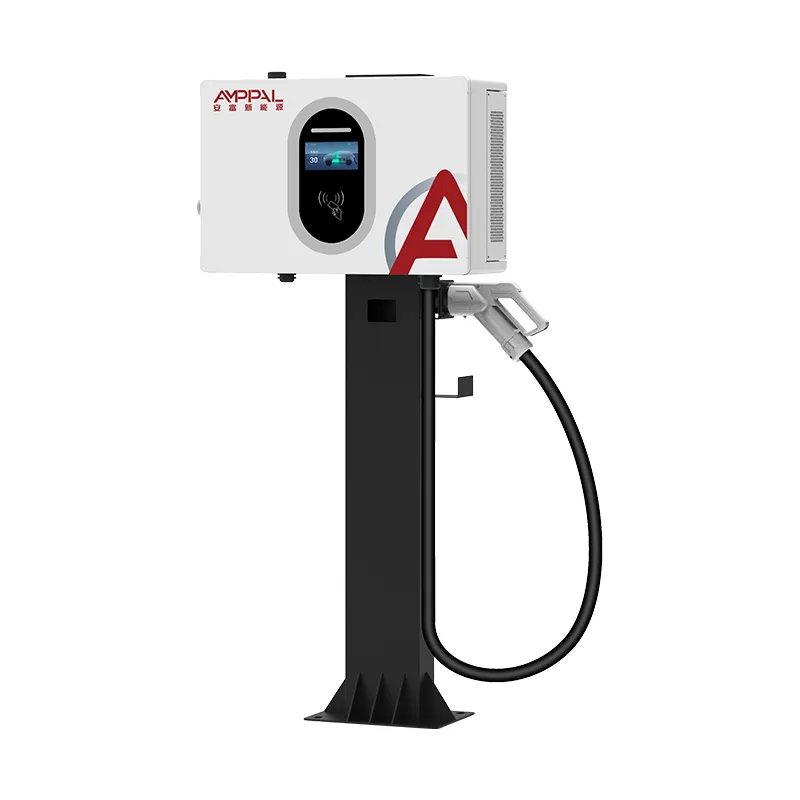
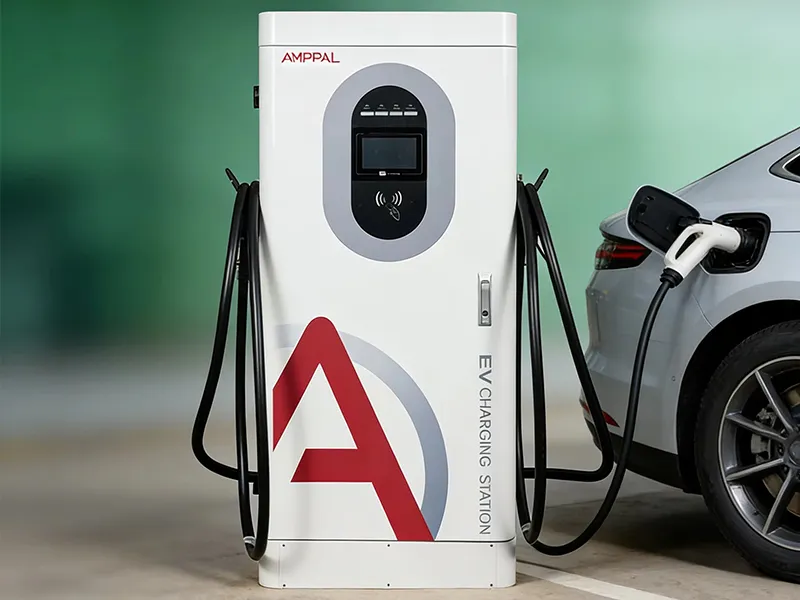
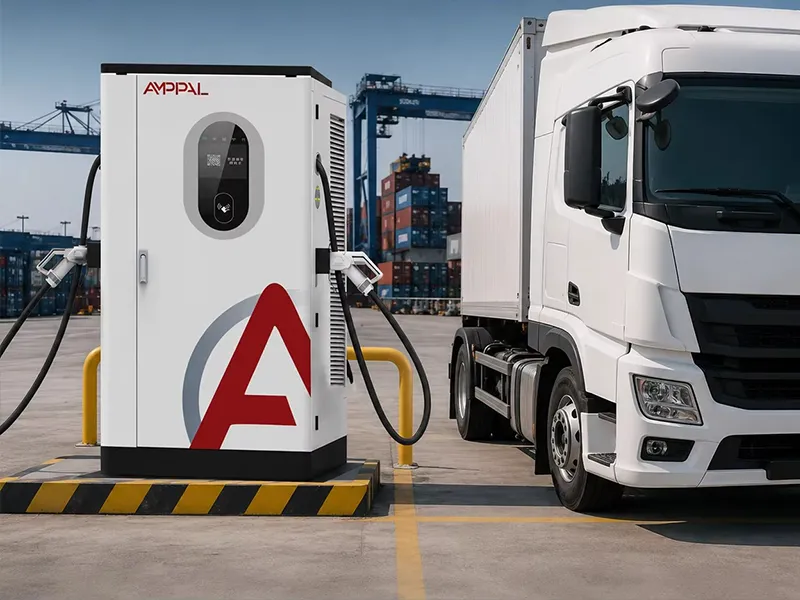
AMPPAL V2G Bidirectional DC EV Charging Station for Commercial Energy Management (Model AF-DC-30) is a 30kW bidirectional DC charger built around ISO 15118. The car identifies itself by VIN, the session authorises itself, and charging or discharge starts without an app or a card. Five startup paths cover every site: QR code, card swipe, VIN recognition, platform control, and offline forced start. 95% efficiency, IP54, 13 protections, wired plus cellular networking. CE, TUV, IEC 61851, ISO 15118 certified; made by AMPPAL, a Chinese V2G charger manufacturer.

The 30kW Model, and Why ISO 15118 Matters to You

Most V2G chargers sold today talk to the car; the difference is how well. The AMPPAL V2G Bidirectional DC EV Charging Station for Commercial Energy Management (AF-DC-30) is built around ISO 15118, the standard that lets an EV and charger negotiate a session like two computers shaking hands - signed, metered, no human in the middle.

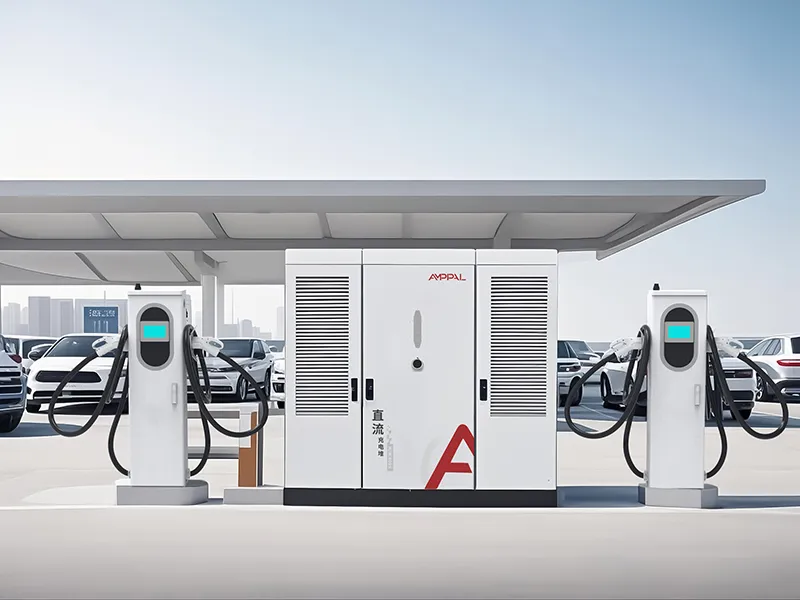
At 30kW it sits above home units and below depot chargers: small fleets, office car parks, hotel forecourts. What buyers notice is how sessions start - that is where this unit differs from anything with a card reader bolted on.

What the AF-DC-30 Does Better Than a One-Way Charger

Five behaviours separate this unit from a plain DC fast charger, and most of them are about identity and control rather than kilowatts:

Plug & Charge: the car presents its certificate over the cable, billing is assigned to the vehicle, and the driver never touches a screen.

VIN auto-start: the charger reads the vehicle identification number from the car, so a depot authorises specific vehicles and blocks others.

Bidirectional flow at 30kW with 95% system efficiency - discharge to the building or grid is a business case, not a science project.

Offline forced start: when the network or the platform is unreachable, the unit still opens sessions using local rules - the difference between 'fleet stranded' and 'fleet running'.

Thirteen protection functions plus IP54, sized for outdoor forecourts and car parks.

Wired and cellular networking, so a drop in one link does not kill billing data.

30kW V2G Bidirectional DC EV Charging Station for Commercial Energy Management30kW V2G Bidirectional DC EV Charging Station for Commercial Energy Management30kW V2G Bidirectional DC EV Charging Station for Commercial Energy Management

Technical Specifications

Parameter

Specification

Model

AF-DC-30

Rated Power

30kW

Input Voltage

260~530VAC (Three-phase, L1/L2/L3/N/PE)

System Efficiency

95% efficiency

Dimensions (H×W×D)

1517×640×300mm

Protection Rating

IP54

Power Factor

≥0.97 PF @20-50% load, ≥0.99 PF @50-100% load

Noise Level

≤65dB

Startup Methods

QR Code Scan, Card Swipe, VIN Code Recognition, Platform Control, Offline Forced Start

Network Interface

Wired + Cellular

Connector Types

CCS1/CHAdeMO/CCS2/GB/T/NACS

Protections

13 protection functions

Operating Environment

-30°C to +50°C, 5% to 95% RH

Certifications

CE, TUV, IEC 61851, ISO 15118 (V2G)

Warranty

24-Month standard manufacturer warranty

Sites Where the 30kW Unit Fits

30kW disappears into a site - enough for real work, small enough for a standard commercial connection. These placements keep recurring in orders:

Office and business-park car parks where staff EVs charge by day and discharge at the evening tariff peak.

Hotel and restaurant forecourts wanting guest charging without a front-desk operator.

Small van delivery fleets: VIN rules let the depot charge only its own vehicles.

Car dealerships demonstrating V2G to customers, with ISO 15118 as the talking point.

Rural EV charging points on a weak grid: 30kW of bidirectional power can also steady a local feeder.

From Cable Plug to Session Start: the Startup Chain

Plug in and watch. The connector locks, the charger and car exchange an ISO 15118 handshake, and the car presents its identity - a certificate chain, not a serial number. The charger validates it against the site's allowlist, and the session opens with tariff and limits already agreed. That is Plug & Charge, about ten seconds of the driver's time.

VIN recognition works one layer down. The control board parses the vehicle identification number from the car, matches it against the fleet manager's list, and starts or refuses the session. No card to lose, no app to install. A depot with forty vans can set rules like 'delivery vans only, 07:00-19:00, charge to 80%'.

The fifth path exists for the bad days. Router dead, cellular down, platform unreachable - offline forced start takes over with locally stored rules: authorised VINs still charge, metering still records, data synchronises when the link returns. Some operators buy this unit for exactly that behaviour; their previous charger turned into a brick whenever the network sneezed.

The Test Reports Behind the 30kW Model

Bidirectional hardware is where cheap certification shortcuts show up, so here is what ships in the file with each AF-DC-30:

CE and TUV type examination reports covering safety and EMC for the EU market.

IEC 61851 conformity for DC charging behaviour, cable, and connector control.

ISO 15118 conformance covering the V2G stack - the layer that makes Plug & Charge possible.

Factory routine tests on every unit: insulation resistance, ground continuity, leakage, and a full 30kW bidirectional run.

Wide-temperature modules rated -30C to +55C for northern winter fleets.

IP54 enclosure verified per IEC 60529 for outdoor installation.

Eight Steps from Coil to Painted Enclosure

AMPPAL's Yueqing plant has run since 2014 with 260+ employees, and DC products like the AF-DC-30 get their own assembly line. The sequence:

Steel enclosures are laser-cut on TRUMPF machines and folded on CNC press brakes.

FANUC robots place power modules and busbars on the frame.

Control boards are programmed with the ISO 15118 stack and the five startup paths.

The power stage is tested first: rectifier mode, then inverter mode, at full 30kW.

Enclosures are powder-coated and sealed to IP54 before final fitting.

Every unit runs a 24-hour burn-in cycling charge and discharge at rated power.

Communication tests verify Ethernet, CAN, and cellular links plus the failover.

A final inspection signs off, then crating; the whole run takes 15-20 working days.

Matching the 30kW Model to Your Site

Check your grid connection before the price. 30kW needs three-phase at 260-530VAC with L1/L2/L3/N/PE, which most commercial premises have. Single-phase only? The 7kW AF-DC-07 is the honest alternative.

Think about who will use it. Regular drivers? VIN and Plug & Charge - they stop carrying cards. Anonymous public users? QR codes and platform control, which work fine here too.

Not for you if you need to charge a bus or heavy truck - 30kW takes a 300kWh bus all night. Also not for you if your cars lack ISO 15118 bidirectional support; VIN auto-start depends on the car talking the standard, so check the vehicle list first.

The AMPPAL Difference on a 30kW Order

15-20 working days from order to crate on standard configurations; custom connector layouts and OEM branding on request.

MOQ of one unit for evaluation, two to five for trial sites, and container pricing beyond that.

Certificates and test reports provided in advance of shipment for customs and grid-connection approval.

OCPP 1.6 and 2.0 support, so the unit joins existing charging management systems without a proprietary lock-in.

AMPPAL runs 200+ of its own stations and has shipped over a million units since 2014 - the support desk knows field faults, not just datasheets.

Shipping the 30kW Cabinet: Crates, LCL, and Documents

The AF-DC-30 measures 1517 x 640 x 300mm and ships upright in a wooden crate with internal bracing, roughly 150kg with gun and cables - forklift-friendly, riggable by two people.

A 20-foot container takes about 18 units; a 40-foot high-cube about 38. Smaller orders go LCL from Ningbo or Shanghai, dimensions and weight declared for an accurate forwarder quote.

Standard documents: invoice, packing list, bill of lading or air waybill, CE declaration, and test certificates. Some markets need the ISO 15118 conformance statement for grid approval - we supply it on request.

Warranty and Spares for the 30kW Model

Two years, and that includes the ISO 15118 communication module. Firmware updates stay free for the life of the product.

Spare power modules and control boards held in regional stock; common parts ship within 3-5 working days.

Remote diagnosis by our engineers via the charger's own connection - most faults are found without a site visit.

Commissioning support: we walk your installer through the first session over video call, including the VIN allowlist setup.

A maintenance checklist in the manual: quarterly connector inspection, annual torque check, and filter cleaning where fitted.

Installation and Operation Pitfalls to Skip

Wrong: Mounting the unit where the connector hangs at knee height against a busy walkway. Right: position the socket 1.0-1.2m off the ground, clear of trolleys and tailgates.

Wrong: Relying on VIN auto-start without testing it on every vehicle model you own. Right: run one test session per model during commissioning and log the result.

Wrong: Letting the cloud platform be the only billing record. Right: keep the unit's local metering enabled so data survives a network outage.

Wrong: Setting discharge limits above what the building's main breaker can absorb. Right: coordinate the discharge schedule with the site's load profile.

Wrong: Skipping a surge protector at the supply because the unit has lightning protection inside. Right: protect the feed too - surges arrive through the cable.

Field Notes from 30kW Installations

A logistics firm near Rotterdam runs three AF-DC-30s for a 26-van delivery fleet. VIN rules charge only depot vans 07:00-19:00; the evening window discharges to offset the office load. One genuine annoyance: when a driver swaps vans, the session follows the vehicle, not the driver, so personal mileage needs separate tracking.

A hotel group in Croatia put two units in the guest car park with QR-code start and platform billing. EV bays became a booking perk, and the front desk stopped fielding 'how do I pay?' questions. Complaint: the status LEDs are hard to read from 20 metres in daylight.

An EV dealership in the UAE uses one unit for Plug & Charge demos. Sales staff plug in a test car, the session opens on the vehicle's identity, and the tariff appears on the car's screen. The demo sells itself; 30kW suits a showroom but not a full customer charge, so they keep a faster unit behind the building.

Questions Buyers Ask About the 30kW Model

Q: What exactly does ISO 15118 give me?

A: Signed, automated sessions - the car identifies itself, billing is assigned automatically, and Plug & Charge becomes possible.

Q: Do all EVs support VIN auto-start?

A: No. It needs a car that exposes the VIN over the charging protocol; most modern CCS and GB/T EVs do, older ones may not.

Q: Can it join my existing management software?

A: Yes - OCPP 1.6 and 2.0 are supported, plus the AMPPAL cloud if you prefer.

Q: What happens if the SIM card runs out of data?

A: Wired Ethernet takes over as the primary link; offline forced start keeps sessions running either way.

Q: Can I sell power back to the grid?

A: In markets with export metering and a V2G tariff, yes. Elsewhere it offsets on-site load - check local rules.

Q: How loud is it in a hotel forecourt?

A: At or under 65dB, roughly a quiet conversation; nighttime schedules can cap discharge power to cut fan speed.

Q: What is the warranty again?

A: 24 months on the unit including the communication module, with free firmware updates for the product's life.

Q: Can two units share one connection?

A: Yes, with load management in the AMPPAL platform or your OCPP backend.


Send Inquiry
Contact Info

Talk Directly to Our EV Charger Factory

Get factory-direct pricing, custom solutions, and expert support.

- Fast Response – Reply within 24 hours.

- OEM/ODM – Flexible customization and sample orders.

- Certified Quality – CE, TÜV, CB, and CCC options.

- Custom Quotes – Tailored to your specifications.

- Technical Support – Expert help with OCPP, DLB, and system integration.

X
We use cookies to offer you a better browsing experience, analyze site traffic and personalize content. By using this site, you agree to our use of cookies. Privacy Policy
RejectAccept