" "
Products
200kW Ultra-High-Power Integrated DC EV Charger for Electric Bus Fleets
  • 200kW Ultra-High-Power Integrated DC EV Charger for Electric Bus Fleets200kW Ultra-High-Power Integrated DC EV Charger for Electric Bus Fleets
  • 200kW Ultra-High-Power Integrated DC EV Charger for Electric Bus Fleets200kW Ultra-High-Power Integrated DC EV Charger for Electric Bus Fleets
  • 200kW Ultra-High-Power Integrated DC EV Charger for Electric Bus Fleets200kW Ultra-High-Power Integrated DC EV Charger for Electric Bus Fleets
  • 200kW Ultra-High-Power Integrated DC EV Charger for Electric Bus Fleets200kW Ultra-High-Power Integrated DC EV Charger for Electric Bus Fleets
  • 200kW Ultra-High-Power Integrated DC EV Charger for Electric Bus Fleets200kW Ultra-High-Power Integrated DC EV Charger for Electric Bus Fleets
  • 200kW Ultra-High-Power Integrated DC EV Charger for Electric Bus Fleets200kW Ultra-High-Power Integrated DC EV Charger for Electric Bus Fleets
  • 200kW Ultra-High-Power Integrated DC EV Charger for Electric Bus Fleets200kW Ultra-High-Power Integrated DC EV Charger for Electric Bus Fleets
  • 200kW Ultra-High-Power Integrated DC EV Charger for Electric Bus Fleets200kW Ultra-High-Power Integrated DC EV Charger for Electric Bus Fleets

200kW Ultra-High-Power Integrated DC EV Charger for Electric Bus Fleets

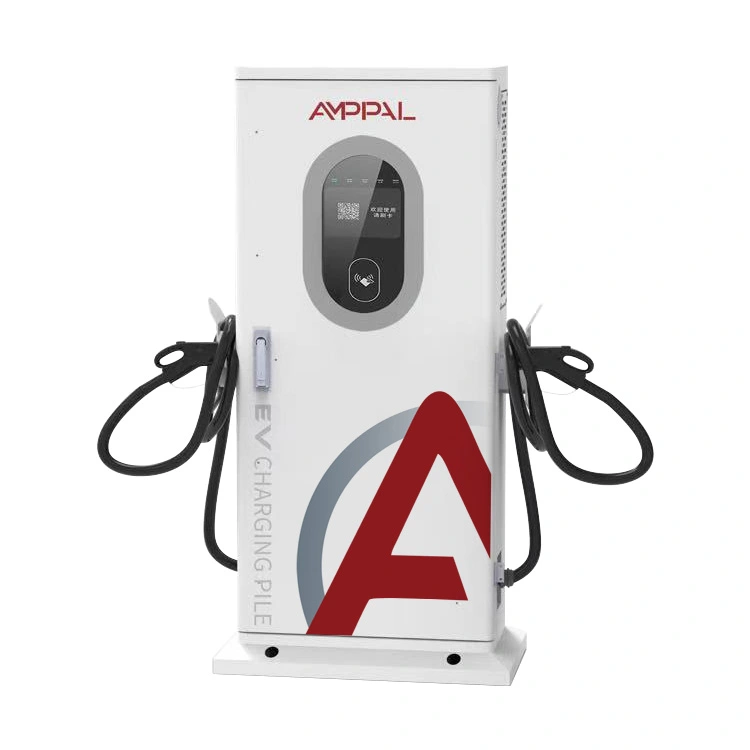
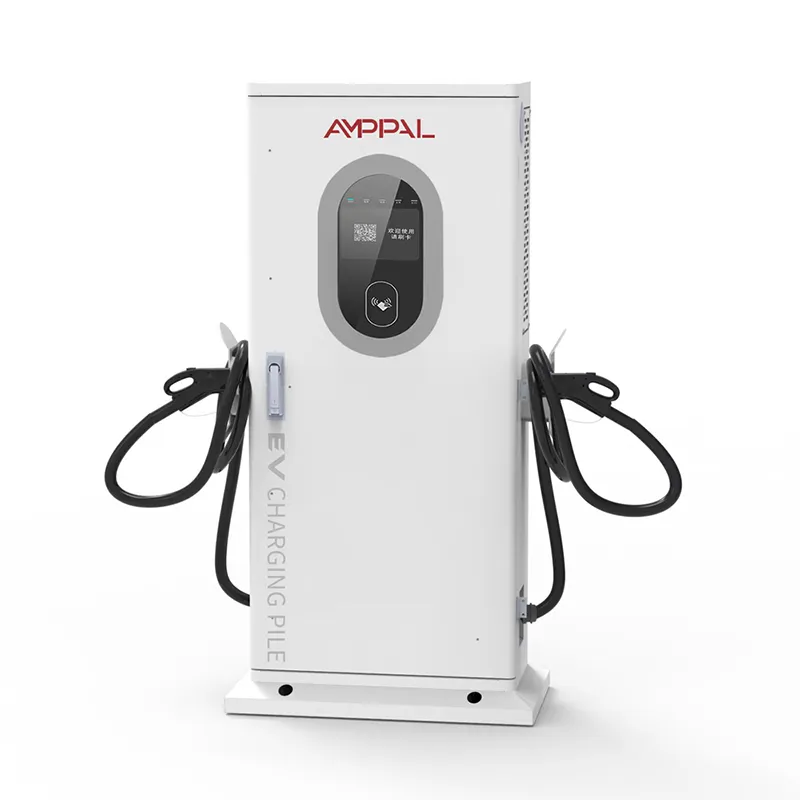
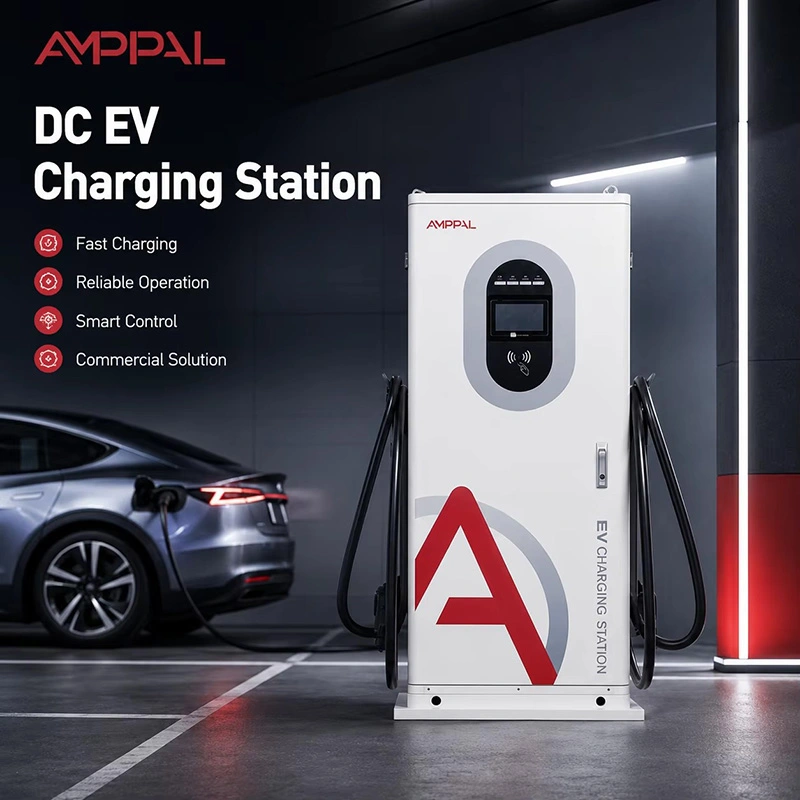
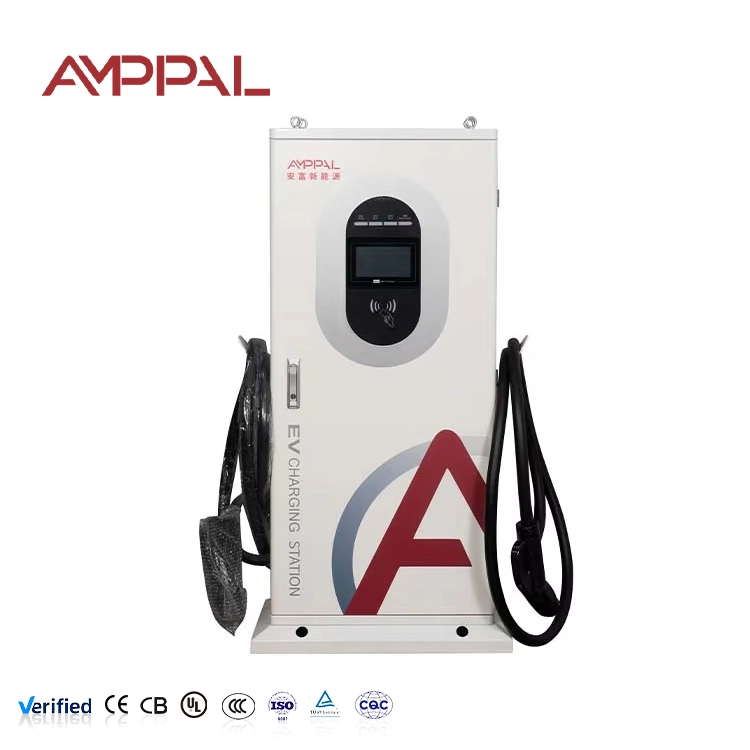
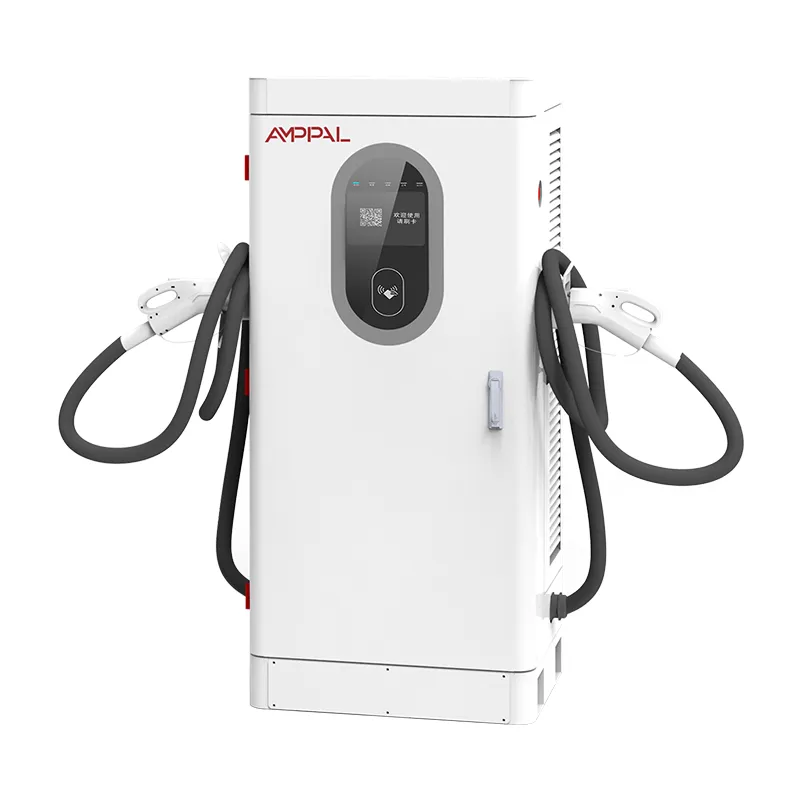
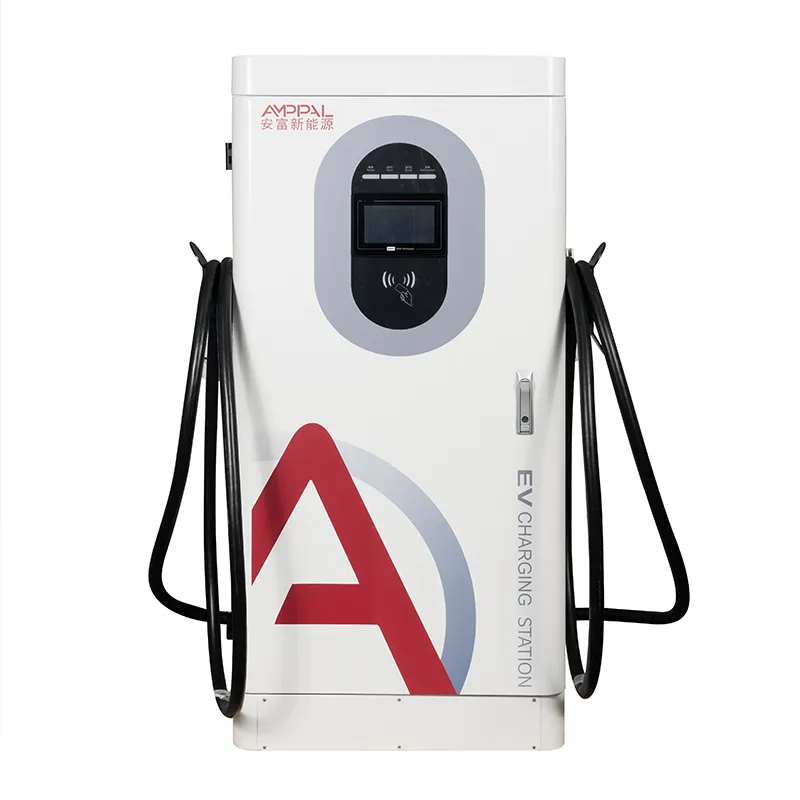
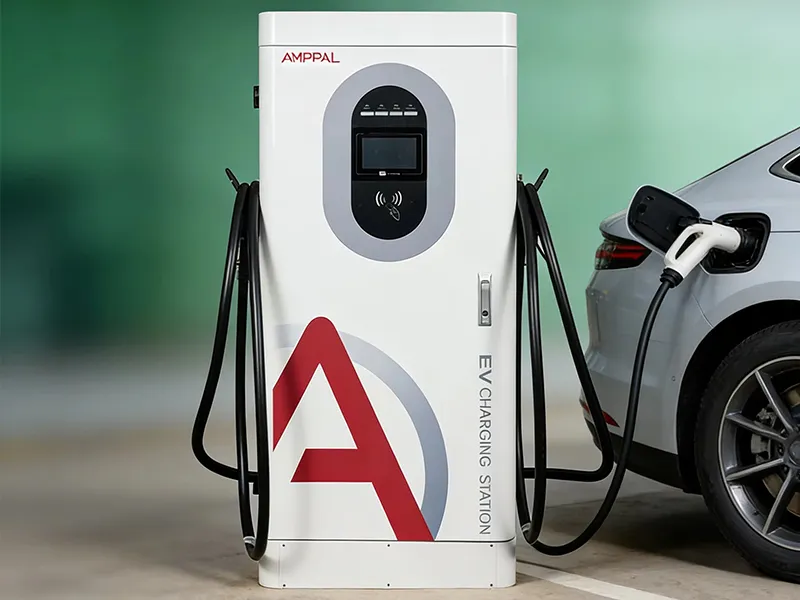
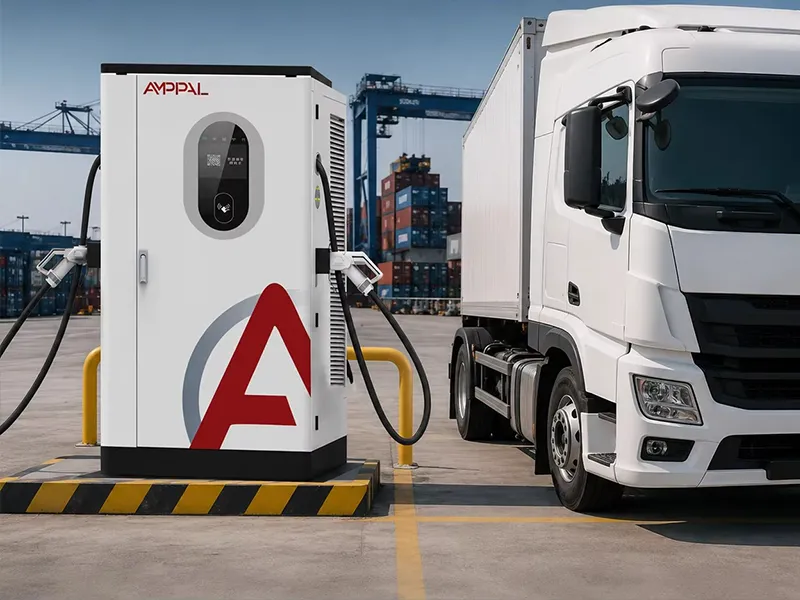
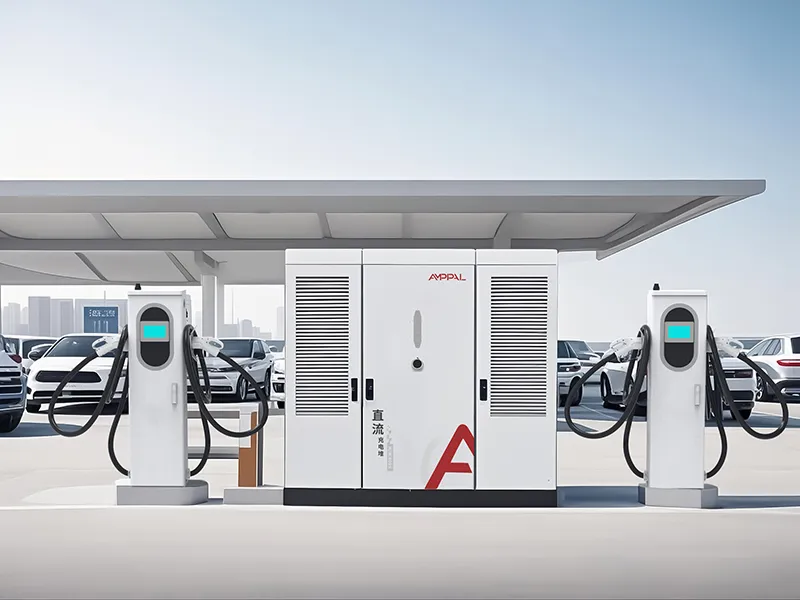
The AMPPAL 200kW Ultra-High-Power Integrated DC EV Charger for Electric Bus Fleets(AF-DC-200-Y-B-O-4-H) is a 200kW integrated DC fast charger built to behave on your platform: OCPP 1.6j onboarding, Ethernet/4G/WiFi with automatic failover, Plug & Charge (ISO 15118), RFID and APP identification, and an offline mode that keeps selling and reconciles later. This page walks through connection setup, the differences between authentication methods, and how the factory keeps firmware and configuration current for the 2-year warranty term.

The 200kW Cabinet That Treats Software as Part of the Hardware

Most charging failures are not power failures. They are platform failures - a charger that will not talk, a tariff that will not update, a transaction that will not reconcile - and they cost money without a blown fuse in sight. The AF-DC-200-Y-B-O-4-H is a 200kW integrated DC fast charger designed so the software layer is as serviceable as the power stage.

OCPP 1.6j is the language this cabinet speaks with your backend; Ethernet, 4G and WiFi are the pipes; RFID, APP and Plug & Charge are how a driver proves who they are. Each choice maps to a different operating model, and this page walks through all of them in the order you will meet them. We also publish the list of platforms we have validated against, so a buyer can check compatibility before signing, not after delivery.

200kW Ultra-High-Power Integrated DC EV Charger for Electric Bus Fleets200kW Ultra-High-Power Integrated DC EV Charger for Electric Bus Fleets

Three Ways to Connect, and When Each One Wins

Ethernet is the default for permanent stations: lowest latency, no signal issues, and the most stable carrier for a full OCPP session.

4G fits remote and unattended sites where cabling is expensive; a local SIM plus APN settings get the unit online in minutes.

WiFi suits temporary or indoor installations that share an existing network, though crowded bands can cause heartbeat delays.

Failover is automatic: the cabinet watches the OCPP heartbeat, and if the primary link drops it moves to the backup without a manual step.

Whatever the pipe, transactions and meter values are buffered locally during outages, so a gap in connectivity never means a gap in revenue records.

200kW Ultra-High-Power Integrated DC EV Charger for Electric Bus Fleets200kW Ultra-High-Power Integrated DC EV Charger for Electric Bus Fleets

Technical Specifications

Parameter

Specification

Model

AF-DC-200-Y-B-O-4-H

Rated Output Power

200kW

Overall Dimensions (mm)

1620 × 750 × 560

Input Voltage

AC380V±15%

Output Voltage Range

200-1000VDC (Constant power 300-1000V)

HMI

7" touch screen

User Authentication

RFID/APP/Plug & Charge

Payment Methods

Credit card/QR/Payment terminal

Connectivity

OCPP 1.6j, Ethernet/4G/WiFi

Compatible Connectors

CCS1/CHAdeMO/CCS2/GB/T/NACS

Power Factor

≥0.99

THD

≤5%

Peak Efficiency

95%

Protection Grade

IP54

Noise Level

≤65dB

Safety Functions

13 functions including insulation monitoring, polarity reverse, lightning protection

Operating Temperature

-25°C ~ +50°C

Warranty

2 Years Standard

Deployments Where Backend Integration Matters Most

Multi-brand stations where one platform must manage chargers from several makers without special cases.

Sites on time-of-use tariffs that change daily and are pushed remotely by the operator.

Roaming networks where a driver's home app must authorize a foreign charger.

Corporate and fleet depots that need per-driver cost allocation and usage reports.

Subsidized or audited projects where every kWh must be traceable to a transaction record.

200kW Ultra-High-Power Integrated DC EV Charger for Electric Bus Fleets200kW Ultra-High-Power Integrated DC EV Charger for Electric Bus Fleets

How OCPP 1.6j Onboarding Actually Works

Commissioning starts with identity: we set the charger serial, OCPP version and credentials in the factory, and you enter the server URL plus authorization key in the HMI. On first power-up the cabinet sends BootNotification; the platform replies with Accepted and a heartbeat interval, usually 60 seconds.

Next comes configuration: tariffs, connector types, offline transaction settings and display language arrive as ChangeConfiguration messages from the platform. We then run the standard test sequence - StartTransaction, MeterValues, StopTransaction and a DataTransfer check - with your team before the unit goes live.

The same flow repeats when you change platforms later, which is common when operators consolidate backends. Nothing about the 200kW unit locks you to one vendor's cloud, and our engineers can join the migration call to keep the handover under an hour.

Security is part of the same setup: TLS encryption on the OCPP channel, an authorization key rather than a shared password, and the option to rotate keys without a site visit. Certificates and keys live in the controller, not on the public network.

Plug & Charge, RFID and APP: What Changes for the Backend

RFID is the workhorse: a card or fob taps the reader, the cabinet checks the whitelist with the platform, and charging starts in seconds. Cheap and familiar, but cards must be issued and replaced when lost.

APP charging moves the check to the phone: scan the QR or pick the charger in the app, authorize, and the session is tied to the account. No card to lose, but the driver's data connection must be alive.

Plug & Charge (ISO 15118) lets the car identify itself over the cable using its certificate, so the driver plugs in and walks away. It is the smoothest flow and the one that needs a certificate management system on the backend; we ship the cabinet ready, and your platform enables it. The backend also holds the contract certificates that decide which vehicles are accepted - without them, the car simply falls back to RFID or APP.

Certificates and the Tests That Back Them

CE, CB, TÜV, UL and CCC certificates are held for this model and shared on request.

The 13 safety functions fall within EN IEC 61851-1:2019 and 61851-23:2014 conformance.

Every unit is flashed with its final firmware at the factory, so the version on the crate matches the certificate.

48-hour burn-in at 40°C logs output, efficiency and OCPP heartbeat stability.

A sample from each batch runs 96 hours in the salt spray chamber.

Network handshakes with a test OCPP server are part of final QC, not a customer surprise.

The Eight-Station Assembly Trail

Enclosure: CNC punching, laser cutting, bending and welding, then powder coating.

Separate lines for the AC input stage and DC power modules - they never share a bench.

Incoming inspection of SiC modules, connectors, RFID boards and the card terminal.

Torque-controlled wiring with a visual QC pass on every joint.

Firmware flash and network configuration, including APN and server settings.

48-hour burn-in at 40°C with communications logged continuously.

Function test of all 13 protections plus a simulated OCPP session.

Packing, palletizing and the pre-shipment photo report.

Sizing Guide: Is 200kW the Power Class You Actually Need?

If you have no platform yet and no one to run one, this cabinet is the wrong first purchase; a simpler RFID-only model will go live faster. And if the site needs 20-30 minute sessions for 400V cars, 120kW clears the same queue at lower capex.

The 200kW class earns its keep when vehicles are newer and faster - 800V cars at full rate across the 300-1000V constant-power band - and when the business depends on platform features: dynamic tariffs, roaming, fleet reporting.

Also be honest about the network. If the site has no reliable Ethernet or 4G signal, offline mode covers charging but not remote diagnosis, and that changes your service plan.

Why Buyers Contract the Factory, Not a Reseller

Trial orders from 1 unit for new markets; container pricing from 10 units.

Stock builds ship in 15-20 working days; OEM branding adds 7-10 days.

OCPP configuration support with your platform team during commissioning.

Firmware updates and release notes direct from the maker for the warranty term.

Certificate copies, test reports and serial-matched documentation for audits.

Packing, Loading and Export Documents

Each cabinet ships upright in a plywood crate of about 1720 × 850 × 660 mm, padded with foam corners and sealed against humidity. Lifting eyes keep the unit level during a forklift or crane move.

Loading plans are calculated from the crate dimensions per order; four cabinets per 40-foot container is a typical plan, braced at the tie-down rails.

Commercial invoice, packing list and certificates travel with the shipment; original certificate copies go by courier.

After-Sales: Remote Operations and the 2-Year Term

Two-year standard warranty on modules, controller, HMI and connectors, with firmware support for the whole term.

Remote configuration and parameter changes are done with you over a live session - no site visit for tariff or language updates.

Firmware updates are pushed over the network with a rollback path if a release misbehaves.

We analyse OCPP logs with you when a transaction or heartbeat issue shows up in your platform.

Spare control boards and modules are stocked; a module swap takes about 45 minutes on site.

Installation and Network Setup: Wrong vs Right

Wrong: relying on public WiFi for a permanent station. Right: Ethernet or 4G as primary, WiFi only as backup.

Wrong: skipping the APN test before commissioning. Right: a field SIM check with a data-count test on day one.

Wrong: leaving factory default passwords in place. Right: setting HMI and remote access credentials at first power-up.

Wrong: assuming offline charging means offline revenue. Right: configuring the offline tariff and checking the reconcile report weekly.

Wrong: upgrading firmware during peak hours. Right: scheduling updates to a low-traffic window with a rollback plan.

Wrong: overwriting a working configuration during an update. Right: exporting the parameter set first, so the rollback restores the exact previous state.

Three Field Reports on Backend Integration

A Malaysian fleet operator runs 200kW units for electric delivery trucks and needed per-driver reporting. OCPP onboarding took an afternoon with our engineer on the call; the complaint that surfaced later was real - the first firmware build logged meter values at odd intervals, fixed by a network push within a week.

A fuel retailer in Turkey joined a roaming aggregator to serve foreign drivers. Plug & Charge was switched on platform-side without touching the cabinets, and RFID stayed active as fallback for rental cars without certificates.

A site in southern Chile has patchy 4G and no Ethernet option. Offline mode kept sessions running through a two-day outage, and the queued transactions reconciled cleanly when the link returned. The operator's one gripe: tariff changes only arrive when connectivity allows, so they check the dashboard daily.

200kW Ultra-High-Power Integrated DC EV Charger for Electric Bus Fleets200kW Ultra-High-Power Integrated DC EV Charger for Electric Bus Fleets

FAQ: Integration and Backend Questions

Q: Which OCPP versions does the cabinet support?

A: OCPP 1.6j is standard, with 2.0 available on request for new projects.

Q: Can I connect it to my own server instead of a commercial platform?

A: Yes, any OCPP 1.6j server works; we provide the configuration steps.

Q: What happens to transactions if the network drops?

A: Sessions continue locally, transactions are stored, and they reconcile to the platform when the link returns; the pending queue stays visible in the HMI until then.

Q: How is Plug & Charge enabled?

A: The cabinet ships ready; your platform issues and manages the ISO 15118 certificates.

Q: Do I need a new SIM for each charger?

A: One data SIM per cabinet is typical, though a shared APN also works with proper settings.

Q: How do firmware updates work?

A: They are pushed over the network, with a rollback path and release notes from the factory.

Q: My charger does not appear in the platform - where do I start?

A: Check the heartbeat log, the server URL and the authorization key; that trio solves most cases.

Q: Can the 200kW unit roam with other networks?

A: Yes, through your platform's roaming agreements; the cabinet needs no extra hardware beyond its standard OCPP connection.


Send Inquiry
Contact Info

Talk Directly to Our EV Charger Factory

Get factory-direct pricing, custom solutions, and expert support.

- Fast Response – Reply within 24 hours.

- OEM/ODM – Flexible customization and sample orders.

- Certified Quality – CE, TÜV, CB, and CCC options.

- Custom Quotes – Tailored to your specifications.

- Technical Support – Expert help with OCPP, DLB, and system integration.

X
We use cookies to offer you a better browsing experience, analyze site traffic and personalize content. By using this site, you agree to our use of cookies. Privacy Policy
RejectAccept