" "
Products
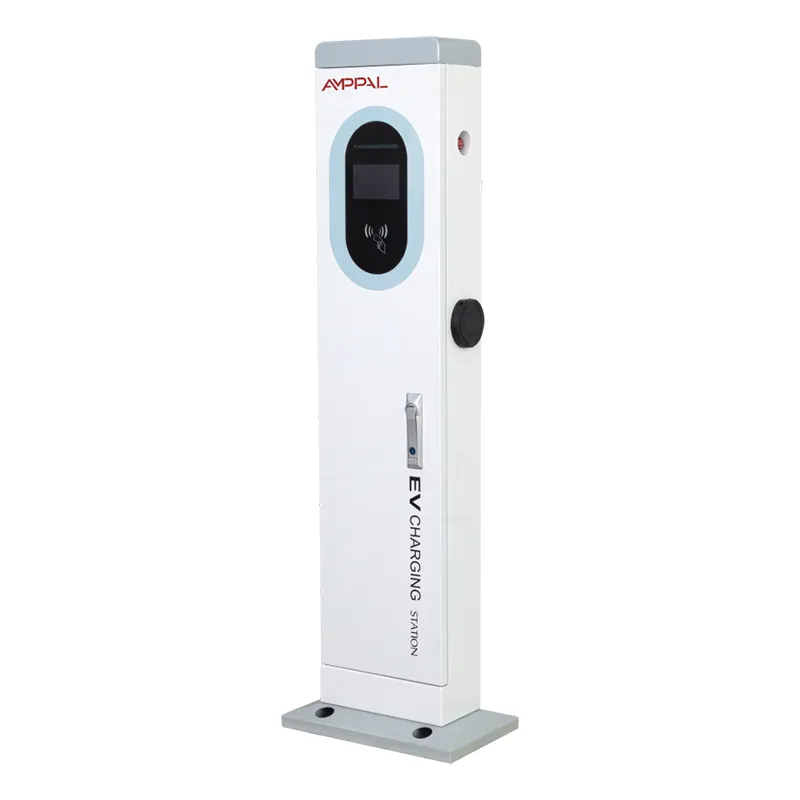
44kW Slim Tower Dual-Port AC EV Charger for Commercial Parking Facilities
  • 44kW Slim Tower Dual-Port AC EV Charger for Commercial Parking Facilities44kW Slim Tower Dual-Port AC EV Charger for Commercial Parking Facilities
  • 44kW Slim Tower Dual-Port AC EV Charger for Commercial Parking Facilities44kW Slim Tower Dual-Port AC EV Charger for Commercial Parking Facilities
  • 44kW Slim Tower Dual-Port AC EV Charger for Commercial Parking Facilities44kW Slim Tower Dual-Port AC EV Charger for Commercial Parking Facilities
  • 44kW Slim Tower Dual-Port AC EV Charger for Commercial Parking Facilities44kW Slim Tower Dual-Port AC EV Charger for Commercial Parking Facilities
  • 44kW Slim Tower Dual-Port AC EV Charger for Commercial Parking Facilities44kW Slim Tower Dual-Port AC EV Charger for Commercial Parking Facilities
  • 44kW Slim Tower Dual-Port AC EV Charger for Commercial Parking Facilities44kW Slim Tower Dual-Port AC EV Charger for Commercial Parking Facilities

44kW Slim Tower Dual-Port AC EV Charger for Commercial Parking Facilities

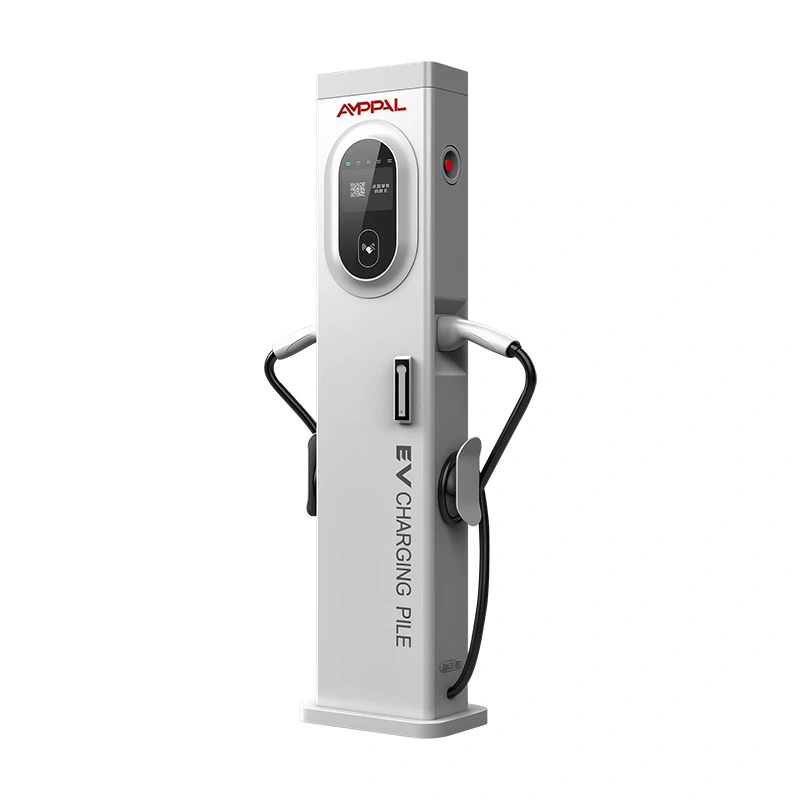
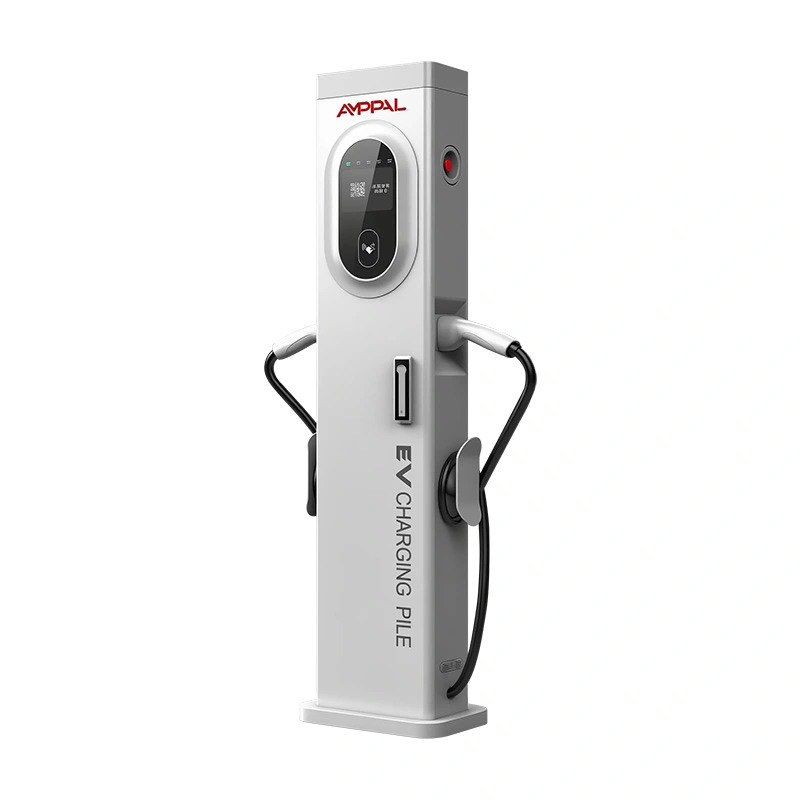
44kW Slim Tower Dual-Port AC EV Charger for Commercial Parking Facilities is only real when the panel can feed it. The AMPPAL SlimTower (AF-AC-044-Y-A-0-4-JA-P) carries two Type 2 guns at 32A+32A on 380VAC three-phase, with per-socket metering, OCPP 1.6J, and a 5-inch touch screen in a 300 x 150 x 1400mm column. Feeder math, transformer sizing, and load management are covered below in plain numbers. IP54, CE, 2-year warranty, 15-20 working days lead time, OEM/ODM from our Zhejiang factory.

The 44kW Question Is a Panel Question

Most dual-gun AC chargers fail on paper before they fail in the field. The failure is not the charger; it is the electrician's first question: what does the panel have to give?

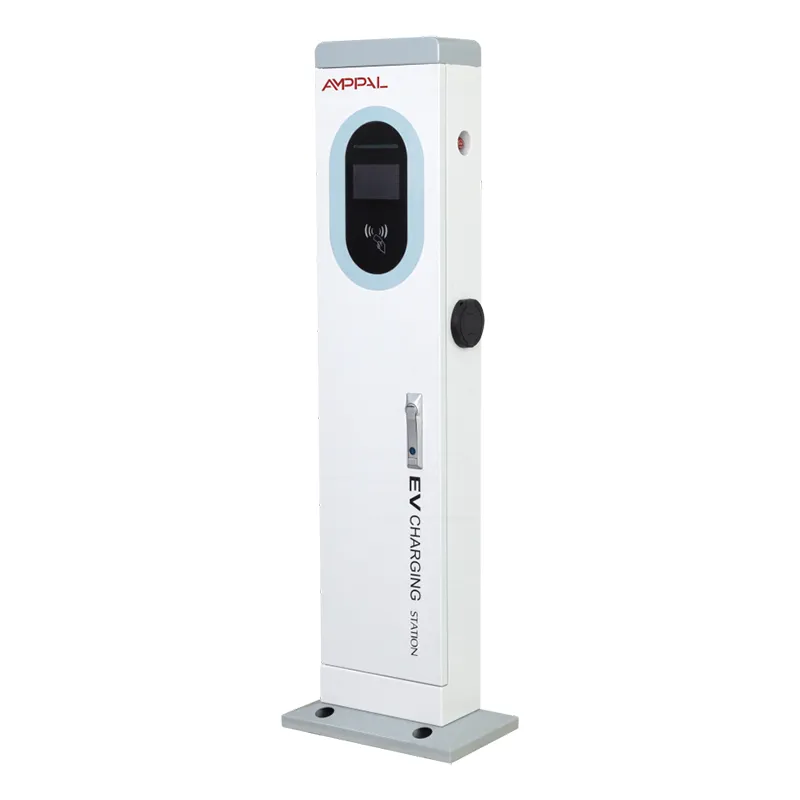
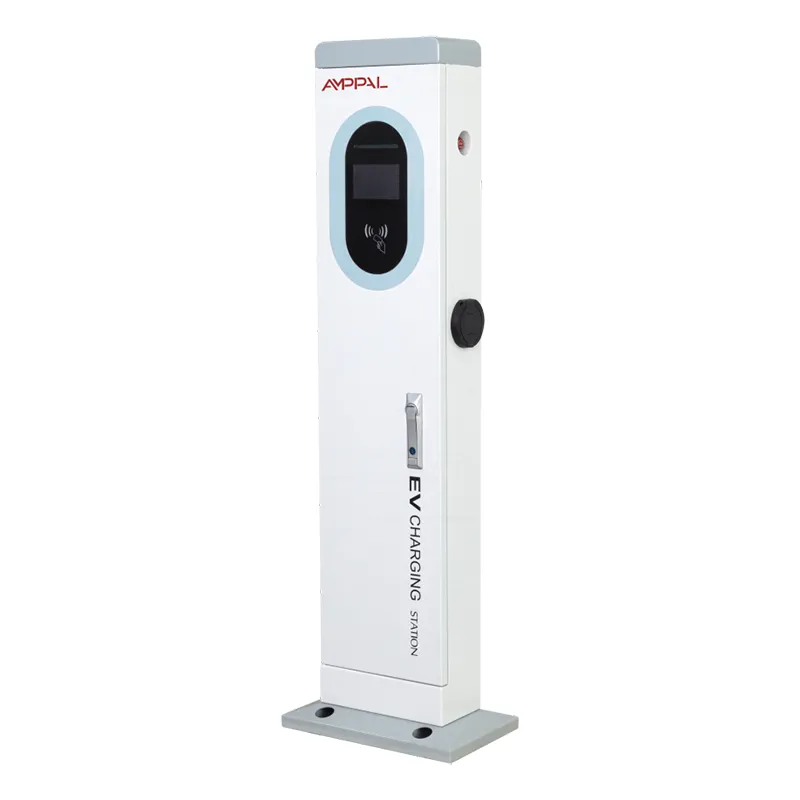
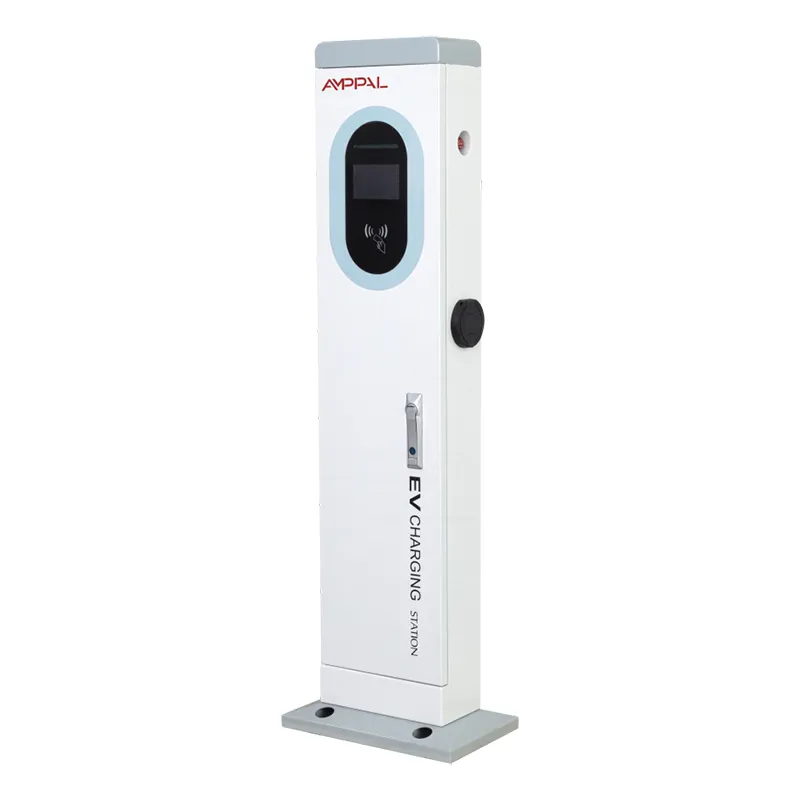
The AMPPAL 44kW SlimTower (AF-AC-044-Y-A-0-4-JA-P) carries two Type 2 guns at 32A+32A on a 380VAC three-phase feed, from a 300 x 150 x 1400mm column with a 5-inch touch screen. Each socket can draw roughly 21kW; the pair together approach the 44kW nameplate.

This page is written for the person who signs the electrical drawings. If that is you, read the feeder math below before you fall in love with the spec sheet.

The good news is the math is simple and public: volts, amps, and a square root. The bad news is nobody does it on the day the chargers arrive. Do it now, on paper, before the container is booked.

44kW Slim Tower Dual-Port AC EV Charger for Commercial Parking Facilities44kW Slim Tower Dual-Port AC EV Charger for Commercial Parking Facilities

What Full-Load 32A+32A Means for Your Site

Two cars, both at 32A per phase: your feeder must carry about 64A per phase at the same moment, or the upstream breaker trips at the worst possible time.

Plan the transformer: each tower adds up to 44kW of connected load; ten towers mean 440kW before you count lighting and HVAC.

Cable sizing starts at 16mm2 copper per phase for a short run and grows with distance; 25mm2 or 35mm2 is common for runs beyond 50 metres.

Breaker duty: an 80A three-phase breaker, or two 40A units with one per gun, gives the pair headroom without nuisance trips.

Phase balance is a side benefit: a 32A+32A three-phase load is kinder to the grid than three single-phase 7kW chargers stacked on one phase.

If the site cannot feed full load, OCPP 1.6J load management can cap the tower at a lower budget while you keep the headroom for later.

Heat is part of the budget: 44kW running for hours warms the panel room, so plan ventilation before the first summer.

Technical Specifications

Parameter

Specification

Model

AF-AC-044-Y-A-0-4-JA-P

Rated Power

44kW

Input Voltage

380VAC ±15%

Rated Current

32A+32A

Dimensions

300 × 150 × 1400 mm

User Interface

5" Color Touch Screen

Network Protocol

OCPP 1.6J

Communication

Ethernet, 4G, WiFi

Protection Grade

IP54

Operating Temp

-20°C to +50°C

Certification

CE Compliance

Warranty

2 Years

Use Cases That Justify 44kW Capacity

Depot yards where vans park for one to three hours between shifts; 44kW per bay turns downtime into usable range.

Taxi ranks and ride-hail hubs where drivers rotate quickly and dwell time sits under two hours.

Truck-stop forecourts serving delivery vans and light commercial vehicles up to 3.5 tonnes.

Warehouse docks where a row of towers shares one transformer room.

EV rental fleets that must turn cars around between rentals without overnight waiting.

Residential blocks with three-phase service where 44kW is the highest AC power the distributor allows on the feeder.

Airport and station car parks where a morning rush of plug-in hybrids needs fast top-ups before departure.

Reading the Power Flow: From Panel to Plug

Power leaves the distribution board on a three-phase feeder and enters the tower through the base gland. Inside, the station meters each gun independently, so the 44kW nameplate is not one giant outlet but two 32A circuits sharing one enclosure.

When a single car plugs in, it can use the full 32A of its own gun. When the second car arrives, both draw up to 32A; the tower keeps the two sessions separate for billing, and OCPP 1.6J reports each connector's energy separately.

Per-socket metering matters for split billing: tenant A pays for gun 1, tenant B for gun 2, and the server never mixes the two kWh totals.

One trap worth naming: derating. If the feed is weak, the breaker trips instead of the tower slowing down. The firmware cap is the controlled alternative, so decide the budget before wiring, not after the first trip.

44kW Slim Tower Dual-Port AC EV Charger for Commercial Parking Facilities44kW Slim Tower Dual-Port AC EV Charger for Commercial Parking Facilities

Quality Records a Facilities Engineer Can Trust

Conformity is held against the Low Voltage and EMC directives, and the file is re-checked whenever the power stage changes.

Every station is hi-pot tested and earth-bonded before it leaves the line — at 32A per gun there is no margin for a doubtful ground path.

Full-load heat run: the 44kW tower is burn-tested for 48 hours continuous at nameplate current, with cabinet temperatures logged.

Sampled columns run IEC 60068 thermal cycles between -30°C and +70°C, plus 96 hours of salt spray on the finish.

Torque-tested busbar and connector joints; loose terminations are the classic cause of heat failures in high-current AC gear.

Component sourcing follows RoHS and REACH inside an ISO 9001:2015 system; CCC, TÜV, UL and CB scope exists at plant level.

The Eight-Station Assembly Sequence

Laser-cut shell, 0.1mm tolerance, on the CNC line.

Press-brake folding and seam welding of the tower body.

FANUC robot welding of the base plate and gland brackets.

Three-stage surface cleaning and finishing.

High-current section: busbars, contactors, and 32A-rated switching gear fitted and torqued.

Metering and electronics: per-socket kWh meters, comms board, and 5-inch touch screen.

Firmware load and OCPP conformance run against the test server.

Sampled load testing, hi-pot, a visual pass, then packing. Production runs 15-20 working days.

Sizing Guide: When 44kW Fits (and When It Does Not)

Buy the 44kW tower when the transformer and panel already have the headroom, or when you are designing the electrical system from scratch and can size it correctly. The extra capacity versus the 14kW model is only real if the feed can deliver it.

Skip it if your site is on a 32A single-phase supply; you would run the tower at a fraction of its rating, paying for capacity you cannot use. Skip it too when cars park overnight for eight-plus hours; 7-11kW AC costs less and is gentler on battery life. And if yours is steady fleet parking with strict schedules, confirm the distributor's allowed connection capacity first; some regions cap AC charging per site.

If the panel is tight but demand is real, the honest answer is load management: let OCPP cap the towers now and raise the cap as the site grows. That plan works with this tower because the firmware accepts a remote current limit.

AMPPAL Versus Budget Dual-Gun Rivals

Real 32A+32A capability: some budget towers advertise 44kW but ship with 16A contactors; we print the per-gun rating on the nameplate.

Independent per-socket metering for split billing, not a single summed meter.

OCPP 1.6J over Ethernet, 4G, and WiFi, so the tower joins load-management and roaming systems.

Test evidence: full-load heat run, torque logs, and salt spray results available per batch.

Commercial terms: MOQ 1 unit, 15-20 working days lead time, 2-year warranty, DHL/FedEx spares.

OEM options for logo, screen, and cable branding; exports to 40+ countries since 2014.

Logistics and Packing Details

Every tower ships fully assembled in a 5-ply export carton of about 350 x 220 x 1460mm with foam corner blocks, anchor kit and cable glands inside; gross weight is roughly 45kg.

Four cartons go to a pallet with edge protectors and shrink wrap; a 40-foot container holds about 60 towers palletized, or up to 80 floor-loaded, and LCL re-packing is arranged on request.

Pricing is normally FOB Ningbo or Shanghai, with EXW on request. Each shipment carries invoice, packing list, bill of lading, origin certificate and CE declaration of conformity. Consolidated shipments to the Middle East and CIS are arranged weekly, which shortens transit for smaller orders.

Service That Starts with the Panel

2-year warranty from shipment date, covering manufacturing defects including the high-current section.

24-hour technical response; our engineers regularly join commissioning calls to review panel setup with your electrician.

Spare parts via DHL/FedEx; contactors, meters, and touch screens leave within 2 working days.

RMA by photos and serial number: replacement or repair is confirmed before anything is returned.

Free support pack: feeder calculation sheet, torque values, and a commissioning checklist.

Wiring and Operation Warnings

Wrong: assuming a 32A breaker covers both guns. Right: size the feed for 64A per phase total, or protect each gun separately.

Wrong: reusing thin cable from an old installation. Right: 16mm2 minimum per phase, upsized for long runs; check voltage drop at full load.

Wrong: letting the tower sit at a firmware cap forever because the panel was never upgraded. Right: record the cap in the maintenance log and raise it only after the feed is proven.

Wrong: mixing gun 1 and gun 2 tenants on one invoice. Right: keep per-socket metering enabled; OCPP reports each connector separately.

Wrong: ignoring torque after a service visit. Right: re-torque busbar and lug connections annually; heat failures in AC gear are almost always loose joints.

Wrong: skipping the residual current device. Right: fit a 30mA RCD per local rules; the tower works with standard RCD protection.

Facilities Engineers in Their Own Words

A depot manager in Almaty fitted six towers for a 40-van municipal fleet. The 64A-per-phase feeder math was the whole conversation with his distributor; once the transformer headroom was confirmed, commissioning took one day. He noted that the torque markings on the busbar cover kept his electricians from guessing.

A logistics operator in Guadalajara paired the towers with a 250kVA transformer for twenty planned bays. They admit they overspec'd the transformer by one step; the extra cost was small and the growth path is now free. Their complaint: the 5-inch menu is deep, and drivers mostly use the app anyway.

A warehouse operator near Moscow runs the towers at an 11kW firmware cap until a second feeder is energized next year. That is exactly the staged plan we suggested, and it is why they did not buy a cheaper single-rate charger.

44kW Slim Tower Dual-Port AC EV Charger for Commercial Parking Facilities44kW Slim Tower Dual-Port AC EV Charger for Commercial Parking Facilities

FAQ: Power, Panels, and Dual Guns

Q: What feeder does one 44kW tower need?

A: A three-phase feed sized for about 64A per phase at full load, with 16-25mm2 conductors depending on run length.

Q: Can both guns really deliver 32A at once?

A: Yes, each gun is rated 32A per phase; together they approach the 44kW nameplate.

Q: How many towers can a 250kVA transformer support?

A: Around five at full load; with OCPP load management you can install more and cap the total.

Q: Does the tower support load management?

A: Yes, OCPP 1.6J remote current limits let the platform cap each connector.

Q: Is this tower single-phase compatible?

A: No, it needs 380VAC three-phase; for single-phase sites see our wall-mounted 3.5-7kW stations.

Q: What cable size for a 60-metre run?

A: Calculate voltage drop at 64A per phase; most 60m runs land on 25mm2, but verify with your electrician.

Q: Why is per-gun metering important?

A: Two tenants on one tower need separate kWh totals for fair billing; the tower meters each socket independently.

Q: What is the lead time?

A: 15-20 working days for standard models after deposit, the same as our other AC towers; bulk orders are scheduled at quotation.


Send Inquiry
Contact Info

Talk Directly to Our EV Charger Factory

Get factory-direct pricing, custom solutions, and expert support.

- Fast Response – Reply within 24 hours.

- OEM/ODM – Flexible customization and sample orders.

- Certified Quality – CE, TÜV, CB, and CCC options.

- Custom Quotes – Tailored to your specifications.

- Technical Support – Expert help with OCPP, DLB, and system integration.

X
We use cookies to offer you a better browsing experience, analyze site traffic and personalize content. By using this site, you agree to our use of cookies. Privacy Policy
RejectAccept