" "
Products
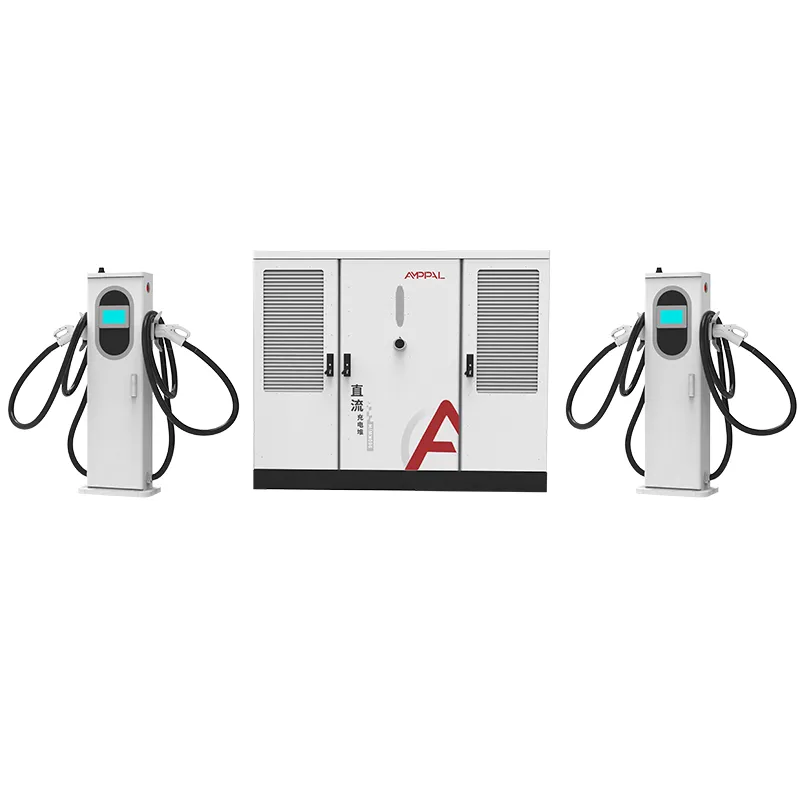
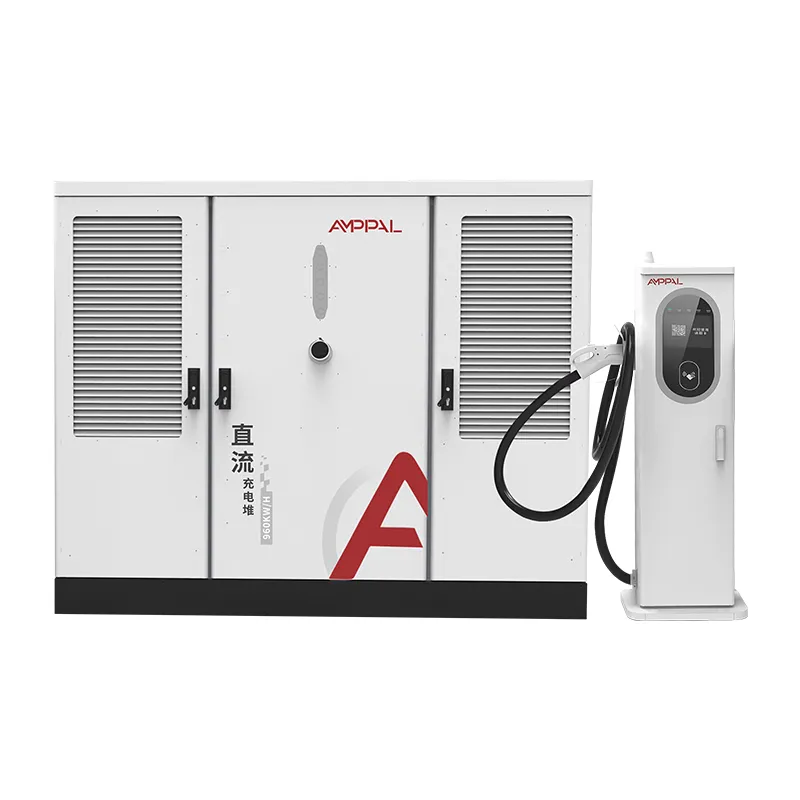
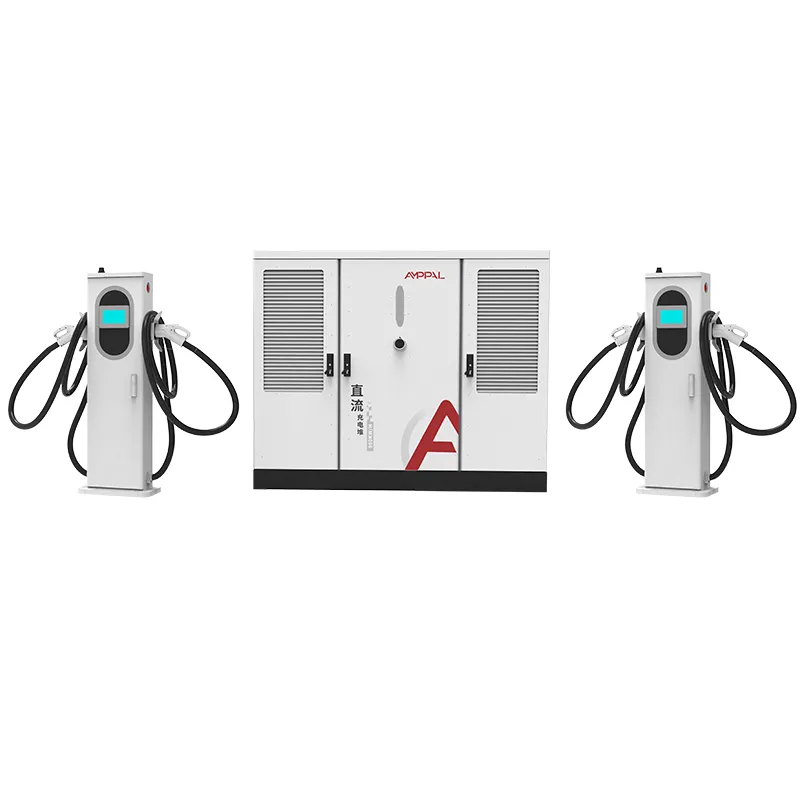
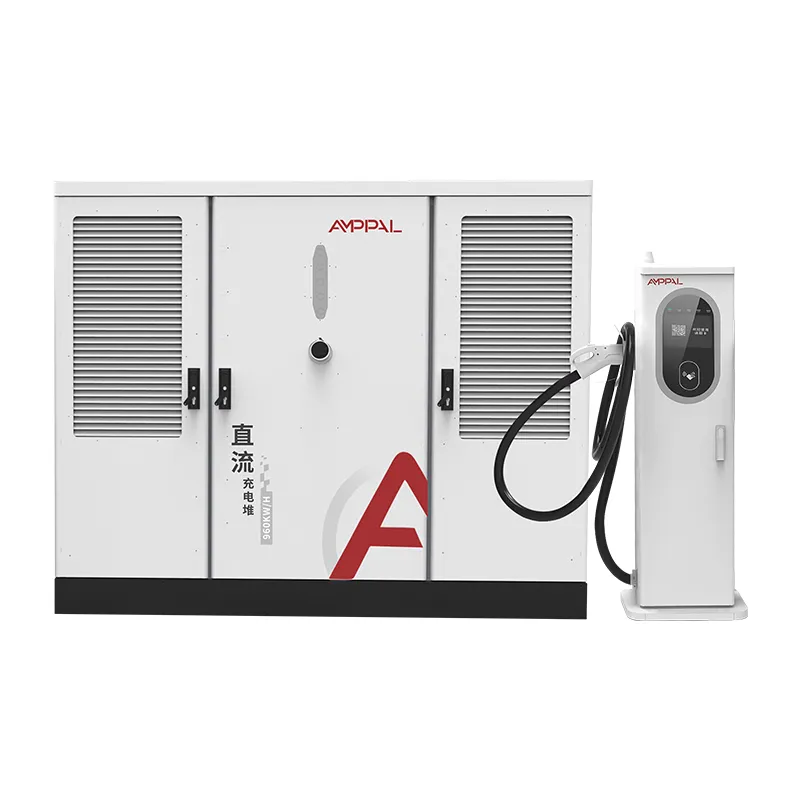
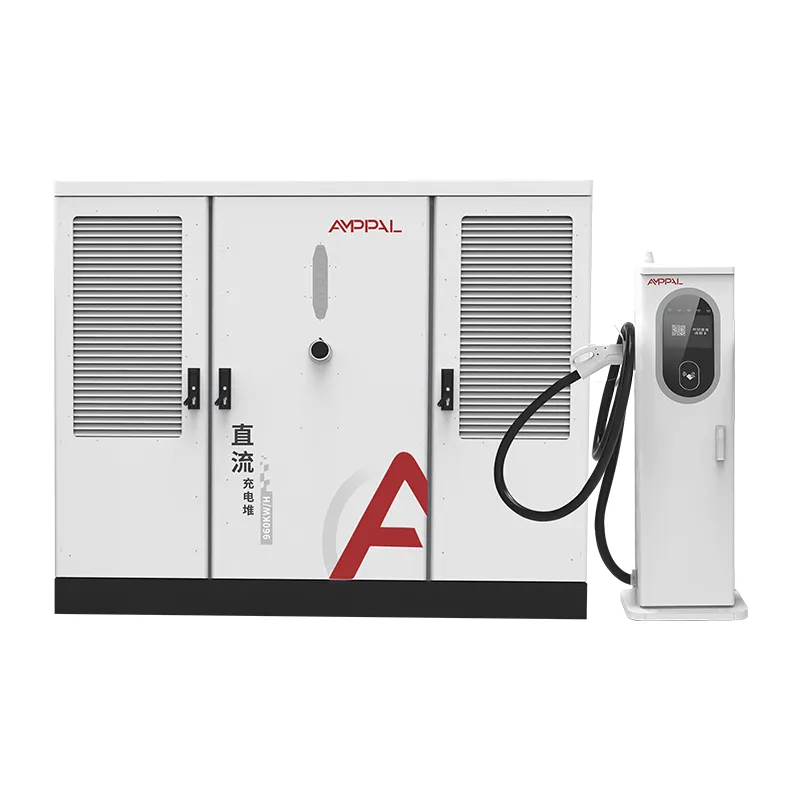
Split DC High-Power EV Charging Station for Highway Charging Networks
  • Split DC High-Power EV Charging Station for Highway Charging NetworksSplit DC High-Power EV Charging Station for Highway Charging Networks
  • Split DC High-Power EV Charging Station for Highway Charging NetworksSplit DC High-Power EV Charging Station for Highway Charging Networks

Split DC High-Power EV Charging Station for Highway Charging Networks

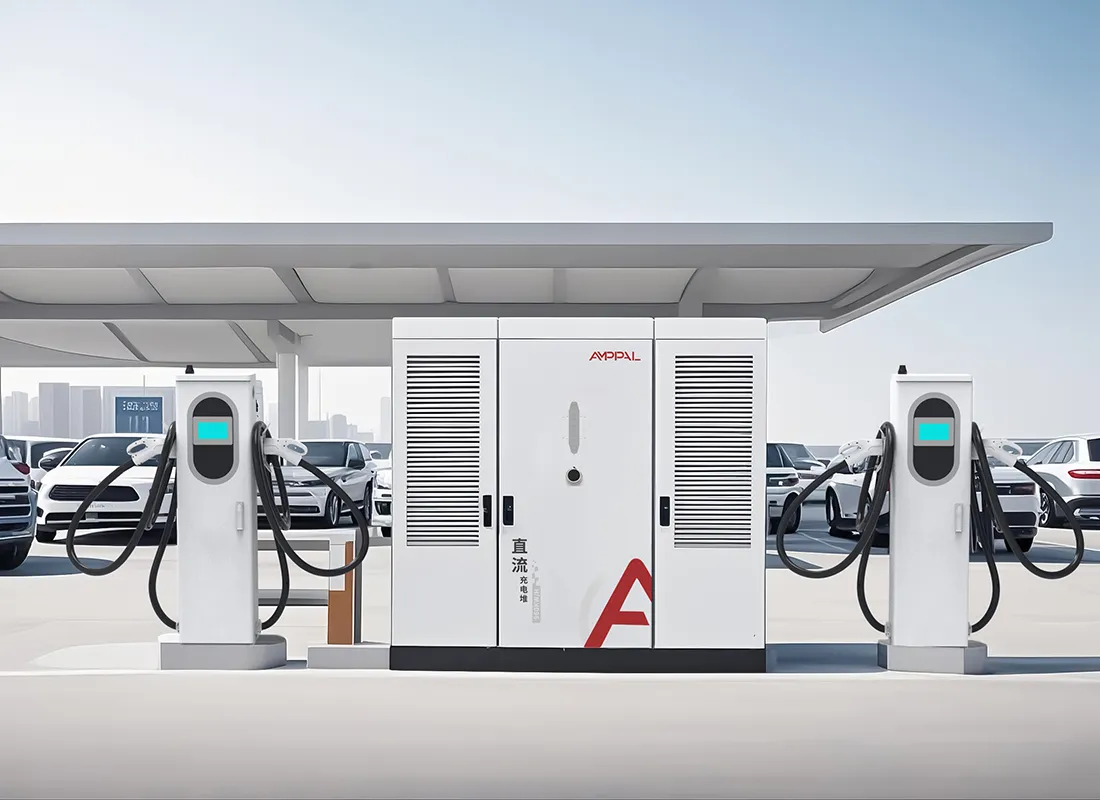
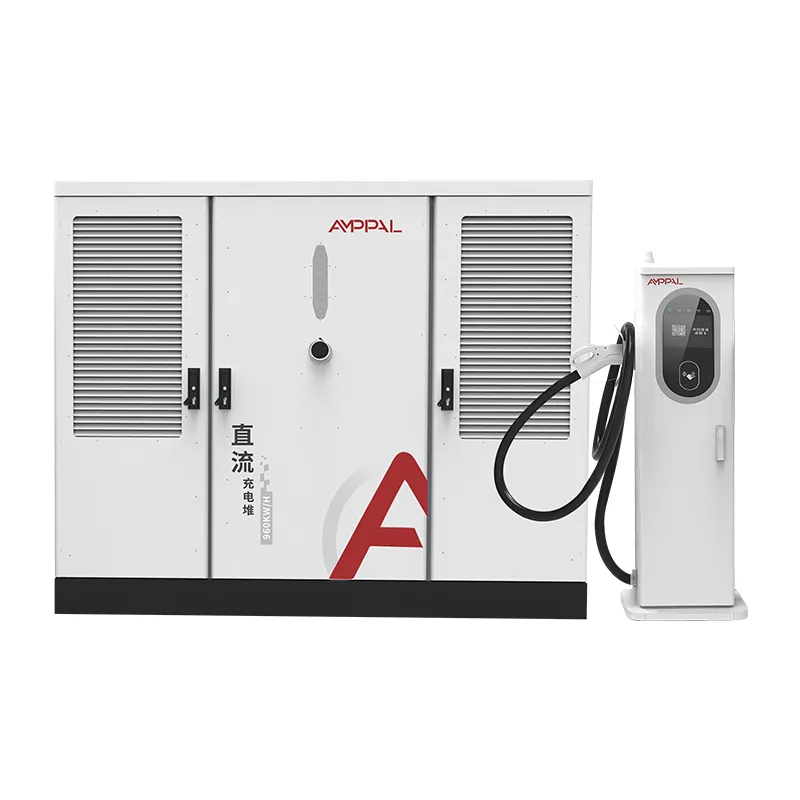
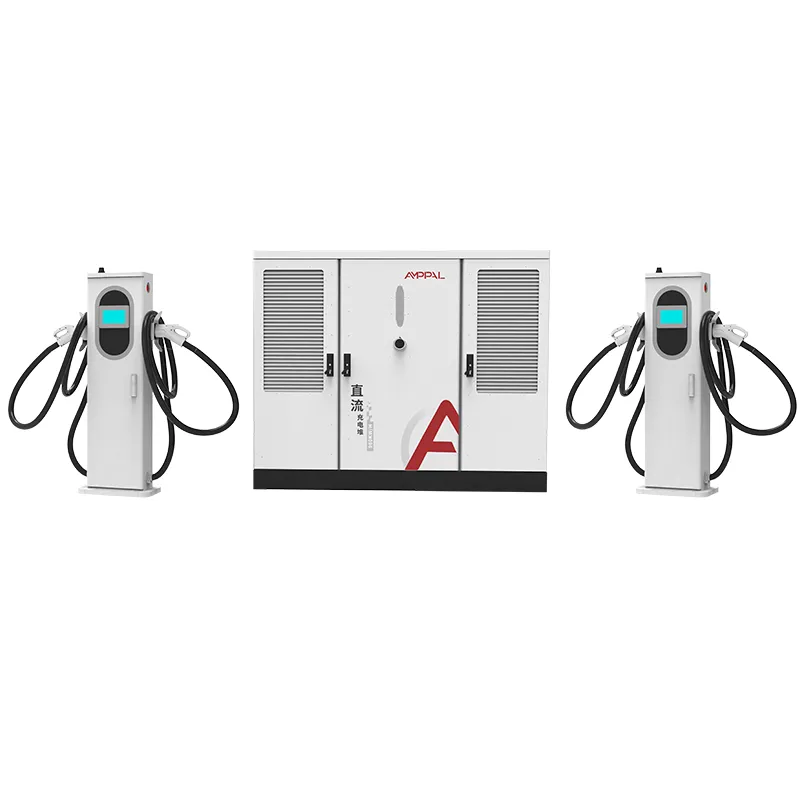
AMPPAL 640kW Split DC High-Power EV Charging Station for Highway Charging Networks lets you mix 250A air-cooled terminals with 600A liquid-cooled ones on a single power cabinet. Match the terminal to the vehicle class, keep investment precise, and avoid paying for cooling you do not need. 300-1000VDC, UL 2202-2022 and UL 2231-2, factory-direct China supplier, OEM/ODM available.

640kW Split Charging: Air-Cooled or Liquid-Cooled Terminals?

Every fleet manager asks us the same question once the power number is settled: which terminal should stand next to the car? With the AF-DC-640-Series the honest answer is both, on the same site, from the same cabinet.

The cabinet feeds up to 16 outlets, and each outlet is ordered independently. A 250A air-cooled terminal costs less and suits cars and vans; a 600A liquid-cooled terminal carries a thicker cable, dispenses more current, and earns its price on trucks and buses. Mixing them lets the 640kW pool follow the traffic instead of the other way around.

This page compares the two terminals honestly, including the cost difference, so you can spec the blend that fits your fleet and your budget.

One warning before the details: the terminal is what your drivers touch every day, while the cabinet is what your accountant sees once a year. Spending correctly on the first, and carefully on the second, is the whole game.

640kW Split DC High-Power EV Charging Station for Highway Charging Networks640kW Split DC High-Power EV Charging Station for Highway Charging Networks

Terminal Mixing Strategies and Their Cost Impact

Three configurations cover most 640kW projects. Your choice changes both capex and which vehicles can charge at full speed.

All air-cooled: the lowest cost per stall, 250A per gun, perfect for a passenger-car plaza where no vehicle asks for more.

All liquid-cooled: every stall handles 600A, so the fastest trucks and buses get full power, at a higher price per terminal.

Mixed: passenger bays on air-cooled units, two to four heavy-duty bays on liquid-cooled units, which is what most 640kW orders actually look like.

The price gap is roughly one-third more for the liquid-cooled terminal, before the extra cabling and cooling maintenance.

Cable weight differs too: a 250A air-cooled cable is noticeably lighter and easier for drivers to handle than a 600A liquid-cooled hose.

You can convert later. Both terminals plug into the same cabinet ports, so a site can swap units as its fleet mix changes.

Technical Specifications

Parameter

Specification

Model

AF-DC-640-Series

Rated Output Power

640kW

Cabinet Dimensions (mm)

2200 × 1800 × 1000

Standard Terminal (mm)

1517 × 650 × 300 (250A)

Liquid-Cooled Terminal (mm)

1630 × 600 × 500 (600A)

Input Voltage

AC480V±10%, 50/60Hz

Output Voltage Range

300-1000VDC constant power

Charging Outlets

2-16 guns

Standards

UL 2202-2022, UL 2231-2

Power Factor

≥0.99

Noise Level

≤65dB

Protection Grade

IP54

Operating Temperature

-25°C ~ +50°C

Warranty

2 Years Standard

Typical Sites for a Mixed-Terminal 640kW System

Logistics hubs where vans charge on air-cooled stalls and 40-tonne trucks use the liquid-cooled bays.

Highway service areas with a predictable split between cars and heavy vehicles.

City depots that run electric buses by day and passenger cars at night on the same cabinet.

Port and terminal yards where container trucks need 600A every 90 minutes, all day long.

Mixed commercial lots where a landlord wants one power room serving both retail customers and a delivery fleet.

Truck stop expansions where two liquid-cooled bays replace four diesel lanes and the rest of the site stays air-cooled.

How 250A and 600A Terminals Share the 640kW Pool

The cabinet holds the 640kW of rectifier capacity and one allocation controller. Each terminal announces its current capability, 250A or 600A, when it connects, and the controller distributes power in real time across active sessions.

A 600A liquid-cooled terminal does not consume 600A unless the vehicle asks for it. Park a sedan there and it draws like a sedan; park an electric truck there and the cabinet opens the full 640kW if the truck is the only session running.

Liquid cooling matters above roughly 350A sustained output, where copper and connector heat become the limiting factor. That is why the liquid-cooled terminal exists: to move heat away from the connector into the station's own cooling loop, keeping the 600A rating available all year, including summer.

Third-Party Testing and Factory Quality Checks

Certification is identical across terminal types, which simplifies your approval process: one UL listing covers the cabinet and both terminal variants.

UL 2202-2022 and UL 2231-2 cover the whole system, cabinet plus terminals, air-cooled and liquid-cooled alike.

Liquid-cooled terminals undergo a 96-hour salt spray test and a leak test on every unit before packing.

The 600A connector is endurance-tested for repeated plug-unplug cycles; test reports are available on request.

IP54 applies to both terminal types, so rain does not force a site to choose the pricier unit.

Each terminal is load-tested at its rated current before shipping; the test record travels with the serial number.

Production Line Walkthrough: AC and DC Assembly

Step 1. Enclosure steel is punched and laser-cut on CNC lines, then robot-welded with FANUC arms.

Step 2. Panels are folded on TRUMPF presses and powder-coated; liquid-cooled terminal bodies get an extra sealing pass.

Step 3. The cabinet's AC distribution is wired on the AC line: breakers, contactors, surge protection, and metering.

Step 4. Rectifier modules and the allocation controller are mounted on the separate DC line.

Step 5. Liquid-cooled terminals are assembled in a clean bay: pump, radiator, hoses, and connector fitted and torqued to spec.

Step 6. The full system is load-tested to 640kW against a resistive bank, with power factor verified at ≥0.99.

Step 7. A 48-hour burn-in cycles the cabinet through partial and full load; any fault stops the batch, not just the unit.

Step 8. Cosmetic and dimensional inspection, label check, and packing; annual capacity across the plant exceeds one million units.

Sizing Guide: Which Terminal Mix Fits Your Fleet?

Count the vehicle classes that will use the site. If everything is a car or a delivery van, buy all air-cooled terminals and bank the difference. If more than one in five sessions will be an electric truck or bus, give those bays liquid-cooled units.

Do not buy 600A stalls for vehicles that cannot accept them. Most passenger EVs on the market today request 250A or less, so a liquid-cooled terminal at a car bay is money sitting idle.

Also consider cable handling. If elderly drivers or couriers will plug in all day, the lighter 250A cable is a real usability feature, not a spec-sheet footnote.

One more rule of thumb from our own station data: order spare capacity in the cabinet, not in the terminals. A 640kW cabinet can serve a growing fleet for years; the terminal mix can change in an afternoon.

What AMPPAL Offers That Generic Suppliers Do Not

One manufacturer for cabinet, air-cooled terminal, and liquid-cooled terminal, so spare parts and support do not involve three vendors.

15-20 working days delivery from drawing approval, with MOQ of one container.

OEM/ODM branding on both terminal types, including custom cable lengths and connector sets.

UL 2202-2022 and UL 2231-2 listed, plus CE, CB, and TUV for other markets.

Operating data from 200+ stations we run ourselves, which shapes how we size liquid-cooled ratios in the factory.

Export Packaging and Shipping Terms

The 2200 x 1800 x 1000 mm cabinet travels in a steel-framed crate; each terminal is palletized with its cable coil protected and the connector in a foam pocket. A 40ft high-cube container fits one cabinet plus up to eight terminals.

Liquid-cooled terminals ship dry, with coolant added on site by our commissioning guide, which avoids transit-temperature issues.

We quote FOB Ningbo or CIF. Documentation, invoice, packing list, bill of lading, and UL certificates, is issued within 3 working days of loading.

Warranty Coverage and Support Response

Two-year standard warranty covers the cabinet, both terminal types, power modules, and the controller.

Liquid-cooled terminal pumps and radiators are covered as part of the terminal, not as consumables, for the warranty term.

Spare terminals ship from stock within 5 working days; a cross-ship exchange is available for warranty claims.

Remote OCPP diagnostics let our engineers read error codes and cooling-loop logs without a site visit.

We recommend flushing the liquid-cooled loop every 12 months and replacing the coolant every 24, and we supply the spec sheet for the fluid.

Operating Notes for Mixed Terminal Setups

Wrong: assigning all liquid-cooled terminals to the spots furthest from the cabinet. Right: put high-current bays closest to the cabinet to keep the heavy DC cable short.

Wrong: topping up the coolant loop with tap water. Right: use the specified coolant mix and check the level quarterly.

Wrong: letting the 250A air-cooled cable drag on the ground between sessions. Right: coil it on the hanger so the jacket lasts.

Wrong: assuming the controller needs a manual setting when you add a terminal. Right: the new outlet is detected automatically and joins the 640kW pool.

Wrong: placing both terminal types under one canopy without airflow. Right: give liquid-cooled terminals ventilation around the radiator even in covered bays.

Buyer Reports from 640kW Installations

A logistics operator near Kuala Lumpur, Malaysia runs one cabinet with six air-cooled and two liquid-cooled terminals for its mixed van-and-truck fleet. His note: the vans never use the 600A bays, and he told us he would order the same ratio again, but would add one more liquid-cooled unit as his truck count grows.

A highway service station in Croatia chose four liquid-cooled terminals for a 640kW cabinet serving buses. The station manager complains the liquid-cooled hose is heavier for drivers to lift, though the bus operators themselves are fine with it.

A distributor in Chile bought the all-air-cooled version for a 24-stall car plaza. After a year, module uptime is above 99%, and his only real gripe is that the air-cooled terminal's fan grille collects dust faster than he expected in the dry season.

640kW Split DC High-Power EV Charging Station for Highway Charging Networks

FAQ: Terminal Selection and Beyond

Q: Can I mix 250A and 600A terminals on one 640kW cabinet?

A: Yes, in any proportion up to 16 outlets; each terminal negotiates its own current with the controller.

Q: Which vehicles actually need 600A?

A: Heavy electric trucks and some buses drawing above 350A sustained; most passenger EVs cap well below 250A.

Q: Does a liquid-cooled terminal cost more to maintain?

A: Slightly, mainly the annual coolant check; the air-cooled terminal only needs filter cleaning.

Q: Can I upgrade an air-cooled bay to liquid-cooled later?

A: Yes, the cabinet port is identical; you swap the terminal and run the cooling lines.

Q: How much power does one liquid-cooled stall get?

A: Up to the full 640kW if it is the only active session and the vehicle accepts it.

Q: Is the 600A rating continuous?

A: Yes, the cooling loop holds the rating at 40C ambient; derating only appears near the 50C top of the operating range.

Q: What is the cable length on each terminal?

A: Standard is 5m, with longer lengths available through OEM configuration.

Q: Which connector standards fit the terminals?

A: CCS1, CCS2, GB/T, CHAdeMO, and NACS can be fitted to either terminal type.


Send Inquiry
Contact Info

Talk Directly to Our EV Charger Factory

Get factory-direct pricing, custom solutions, and expert support.

- Fast Response – Reply within 24 hours.

- OEM/ODM – Flexible customization and sample orders.

- Certified Quality – CE, TÜV, CB, and CCC options.

- Custom Quotes – Tailored to your specifications.

- Technical Support – Expert help with OCPP, DLB, and system integration.

X
We use cookies to offer you a better browsing experience, analyze site traffic and personalize content. By using this site, you agree to our use of cookies. Privacy Policy
RejectAccept