" "
Whatsapp
A restaurant with two EV chargers out front is not selling electricity; it is selling an hour of dinner. The AMPPAL 7kW Wall-Mounted AC EV Charger for Homes and Offices (RZ series) is built around that premise - we designed it for owners running one to four stations who want them to pay for themselves, not utility-scale operators with 200 sites.
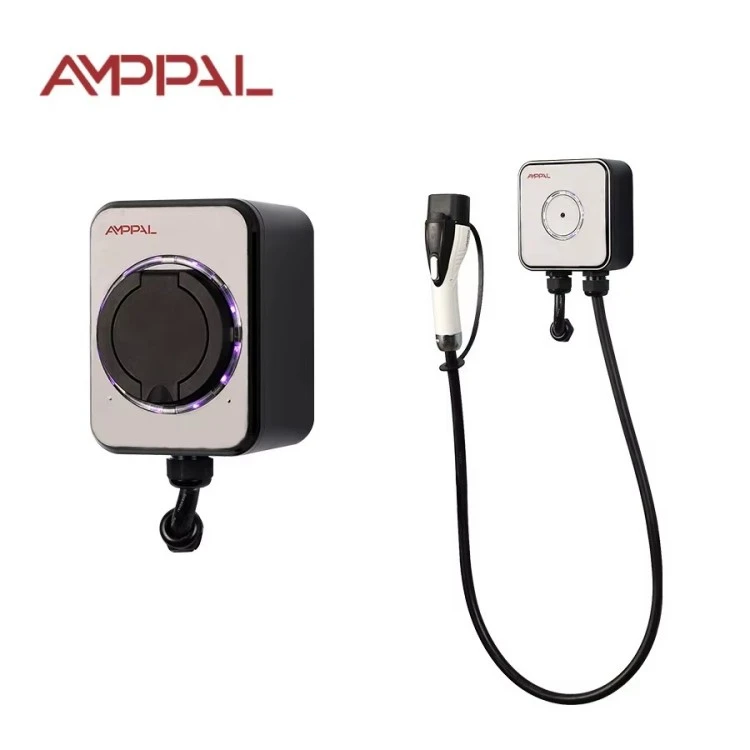
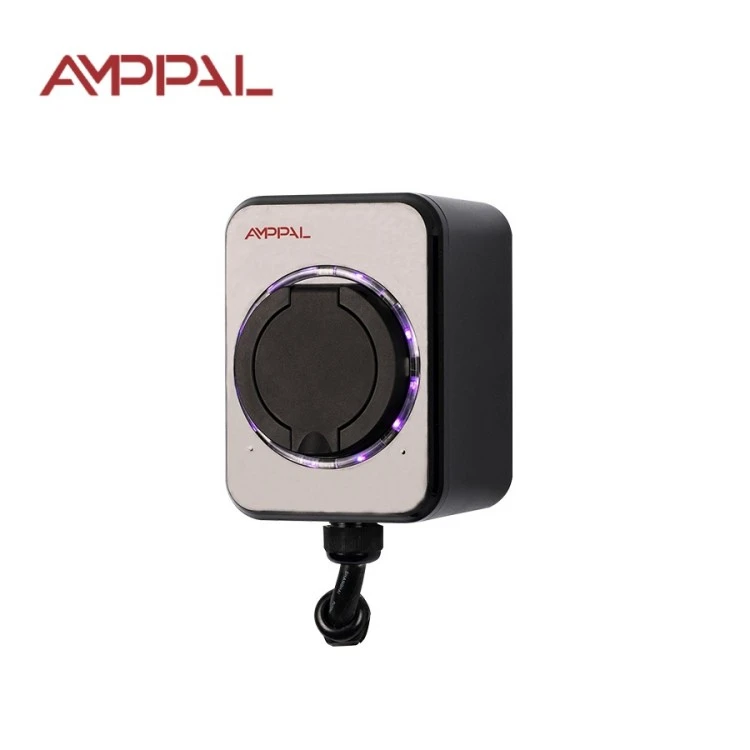
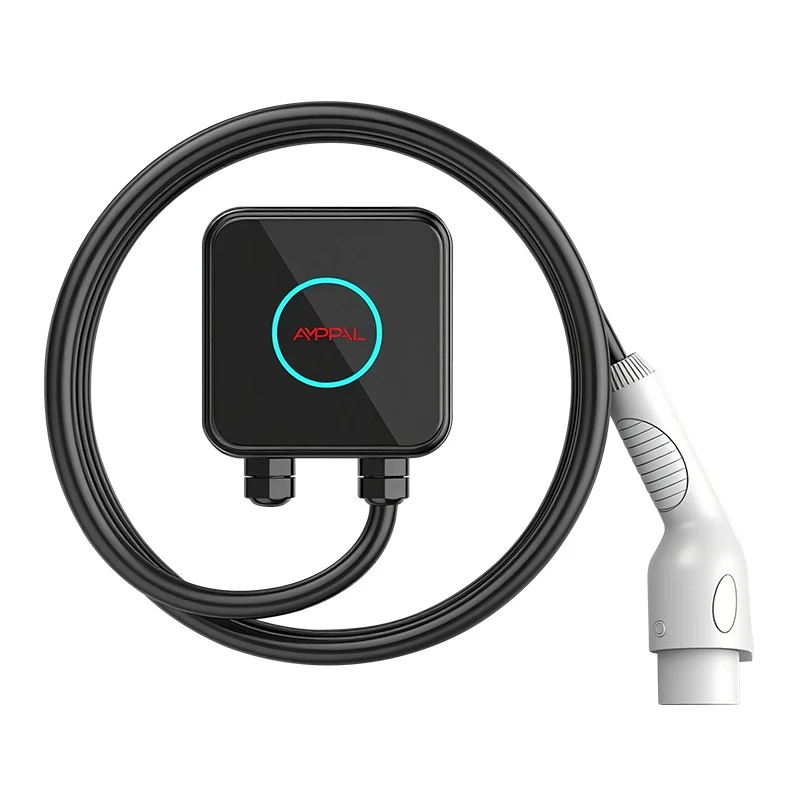
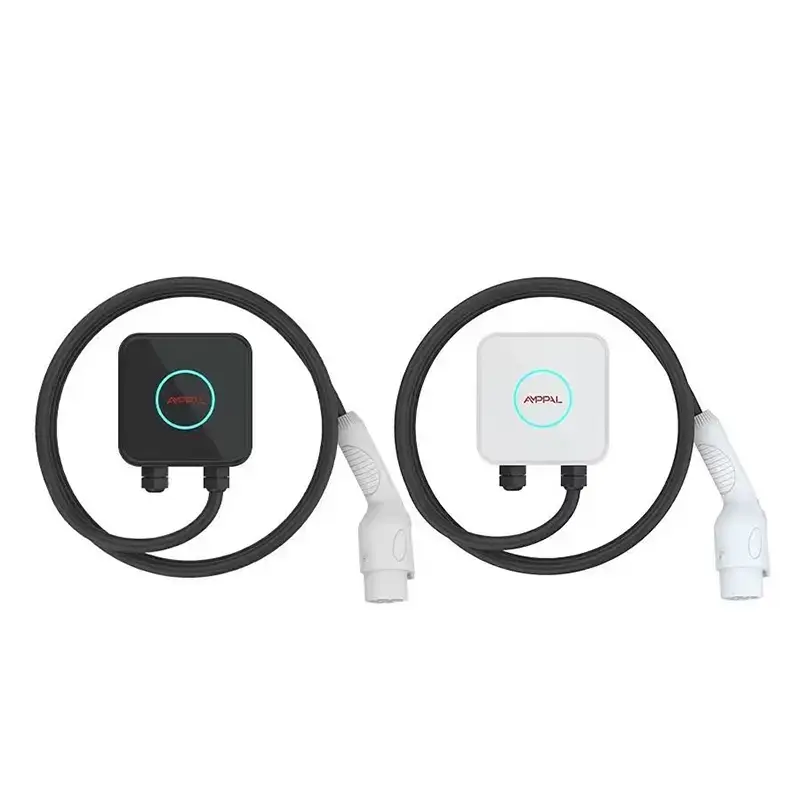
The unit is a 400 by 280 by 120 mm wall station, single-phase 7kW, with OCPP 1.6J built in. Connect it to a cloud backend, set a price per kWh, and the box runs itself while you cook, fix cars or clean rooms.
You need no electrician training to read the numbers: the backend shows kWh sold per session, and your bank account shows the difference.

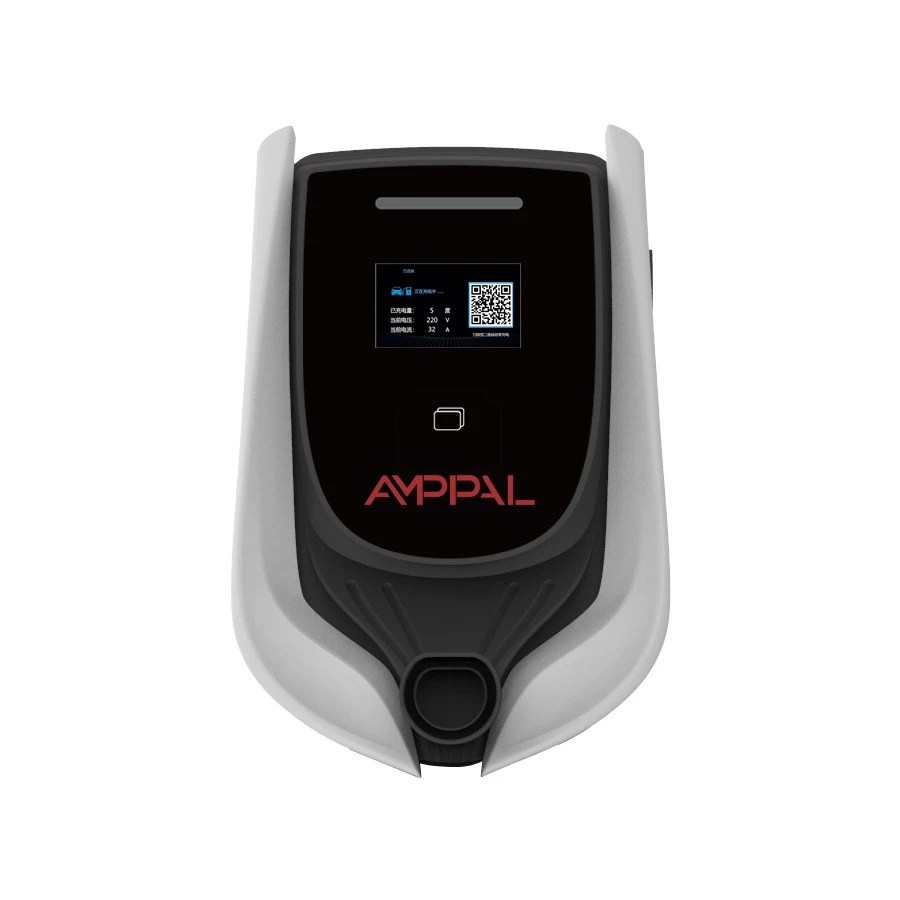
Physically, it is a compact full-size commercial station - metal-reinforced thermoplastic housing, IP54, -20C to +50C operating range, and a fixed 5m Type 2 cable (Type 1 or GB/T on request).
Commercially, it is a networked device. Every RZ unit speaks OCPP 1.6J to a backend over Ethernet, Wi-Fi or 4G (dongle), so you can start and stop sessions, set tariffs, and pull reports from a phone.
The 7kW single-phase rating is deliberate: it fits standard small-commercial supplies, which keeps installation costs low for a cafe or workshop.
It is not a DC fast charger - nobody should expect a 20-minute top-up here. The model is 'plug in, eat, sleep, shop,' sessions of two to four hours.
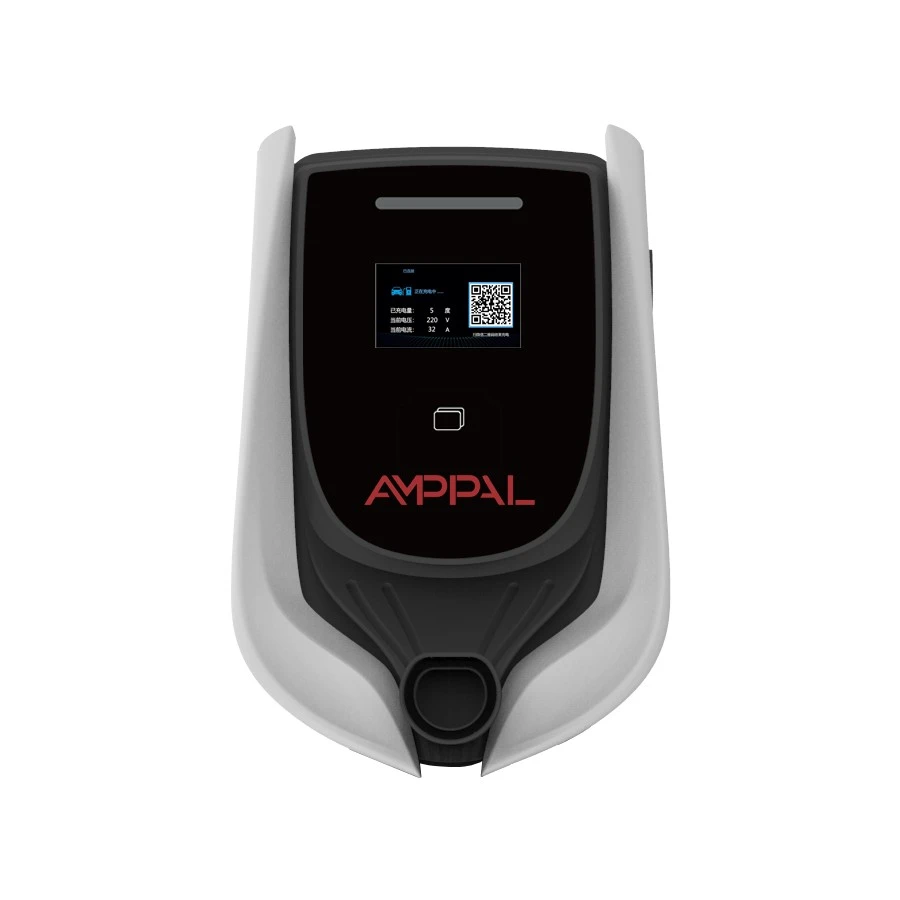
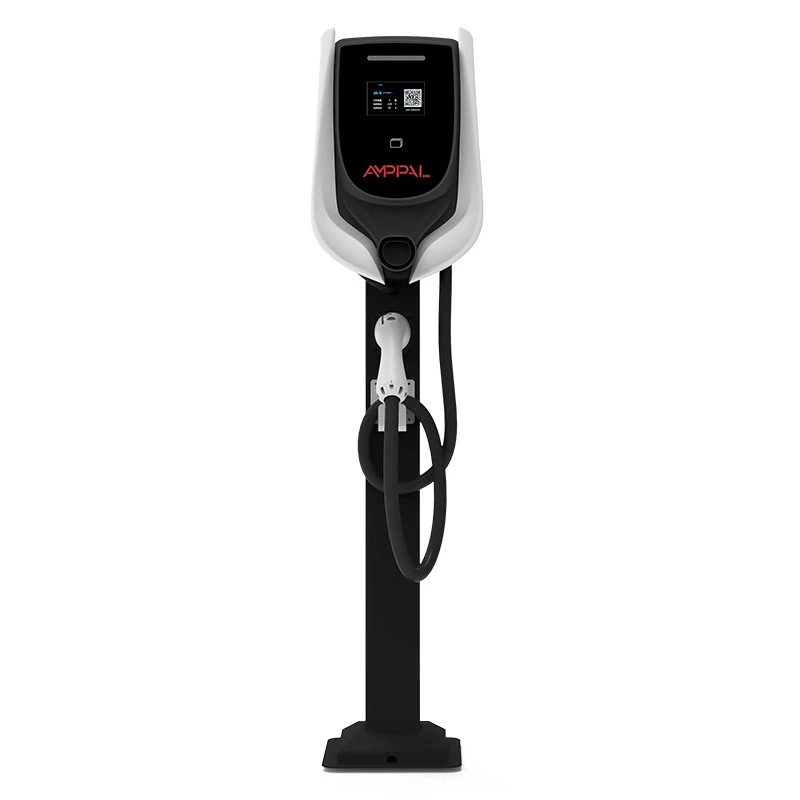
The RZ ships without a screen by default; the 5-inch display is a paid option. Here is the decision in plain terms.
Buy the screen if your customers are walk-ins who will not touch an app - a mountain B&B, a rural garage, an older crowd. Seeing 'charging started, 4.2 kW, EUR 0.35/kWh' on the glass removes the trust question instantly.
Skip it if your customers are regulars or app-literate, or if the station mounts behind a fence where nobody would read it anyway. The screen adds cost and one more part that can fail; the backend records everything either way.
Our honest rule: buy the screen on the first unit and learn what customers ask about; by the second you will know whether you need it again.
|
Parameter |
Specification |
|
Model |
AF-AC-07-B-A-O-RZ-P |
|
Rated Power |
7kW |
|
Input Voltage |
220VAC |
|
Rated Current |
32A |
|
Screen |
Optional 5" Screen |
|
Network Protocol |
OCPP 1.6J |
|
Dimensions |
400 × 280 × 120 mm |
|
Protection Grade |
IP54 |
|
Operating Temp |
-20°C to +50°C |
|
Certification |
CE, IEC Standard |
|
Warranty |
2 Years |
1) Restaurants and cafes on main roads - a charger is a concrete reason to stop for a meal while the car fills. 2) B&Bs and guesthouses - EV owners actively filter for places that can charge overnight. 3) Auto repair shops and tire centers - customers drop the car, charge, and return for pickup. 4) Small convenience stores - a 30-minute shopping trip becomes a slow top-up. 5) Co-working spaces and small offices - employees with EVs value a guaranteed charging spot.
All five share one trait: the customer is already there one to four hours. AC 7kW fits that window exactly; the operator's only job is setting a price.
We recommend two units rather than one where foot traffic is steady - a driver who finds the bay occupied usually leaves, while a free second bay converts almost everyone.
OCPP 1.6J is the language between charger and backend, and it is the most widely supported version in the industry. That means you are not locked into our cloud - any OCPP-compatible platform works with the station.
Day to day: remote start and stop, per-kWh or per-session pricing, user groups (free for staff, paid for the public), session reports, and fault alerts on your phone.
Billing is simple by design: the backend stores each session's kWh and price, and at month end you export one report for accounting. No card readers or QR gateways are needed on an AC unit - that is DC-level complexity you do not want.
The station also works offline: if the network drops mid-session, it finishes charging, records the data locally, and uploads it when the connection returns.
Mode 3 AC charging is verified against IEC 61851-1:2017, and the unit carries CE marking on that basis.
IP54 ingress protection verified by independent test; operation from -20C to +50C.
100% production test: earth continuity, 500V DC insulation, 1.5kV dielectric withstand.
96-hour salt spray and 500,000-cycle relay endurance runs on type samples.
OCPP 1.6J conformance tested against several major backends before shipment.
Our Yueqing plant is audited by external notified bodies and carries CE, TUV, CB and UL scope.
The RZ line runs in the plant's commercial assembly area: 1) SMT boards with automated inspection and conformal coating. 2) Power section - contactor, meter interface and OCPP controller - stacked and wired. 3) Housing assembly with the screen pocket (if ordered). 4) 5m cable fitted through torque-controlled glands. 5) Full functional test including a live OCPP handshake with our test backend. 6) High-pot safety test. 7) Serial marking and configuration upload.
The plant runs AC and DC lines separately, with robot-assisted sheet-metal cells supplied with FANUC (Shanghai) and TRUMPF (Germany) partners; annual capacity exceeds one million units.
Each serial number is tied in our records to its firmware version, so a remote update or a recall - rare but possible - is traceable unit by unit.
Run the numbers with your local tariff first. Typical European figures: electricity at EUR 0.25/kWh, you charge EUR 0.45/kWh, average session 15 kWh. Gross margin per session: EUR 3.00.
At three paid sessions a day that is EUR 9 a day, about EUR 270 a month. Against a station price of a few hundred euros plus a simple install, the first unit pays for itself in 3-5 months.
The second unit's math is better: the electrician visit costs the same, and two bays convert more visitors. Our operators report that a waiting driver leaves, while a free second bay converts nearly everyone.
The honest warning: if the location averages fewer than one session a day, this is an amenity, not a business. Run it for goodwill and customer loyalty instead of profit.
You buy from the factory, not a trading desk: Zhejiang Anfu New Energy Technology has built this equipment in Yueqing since 2014.
Standard lead time 15-20 working days; samples air-shipped in 3-5 working days.
OEM/ODM from 100 units: logo, cable type and length, screen option, color.
Export pack: CE declaration, IEC test report, manual, factory inspection certificate.
40+ countries served; references include NEOM and Sime Darby; 200+ stations operated by the group.
MOQ of 1 unit to trial; volume tiers from 20 and 100 units.
Each RZ station ships in a 460 x 340 x 200 mm carton, gross weight about 8 kg including the mounting kit. Small orders go by air; a pallet of 24 units is a standard courier pallet service, 5-7 days to Europe.
A 20-foot container takes around 500 units. Cartons are stacked 24 to a pallet, shrink-wrapped, and printed with fragile and orientation marks.
We quote FOB Ningbo or Shanghai, and EXW or CIF where you prefer to control freight. Every shipment carries invoice, packing list, CE declaration and origin certificate; L/C and D/P both accepted.
2-year warranty on manufacturing defects; commercial customers get priority handling.
Spares - OCPP controller, screen module, contactor, cable - dispatched within 7 working days.
Remote firmware updates and config support included during warranty.
Preventive checks: inspect the glands, clean the vents, verify the network connection monthly.
Where a cafe or workshop cannot spare staff time, our partners in Germany, France and the UAE attend site directly.
Wrong: mounting the station in full sun with the screen facing west. Right: mount under an eave at 1.5 m height - screen readable but shaded, cable off the ground.
Wrong: feeding the station from the same circuit as the kitchen fridge bank. Right: give it a dedicated 32A breaker with RCD; a stable feed keeps the OCPP connection alive.
Wrong: never touching the backend after setup. Right: check the monthly report; if sessions drop, check the network before blaming the charger.
Wrong: pricing above the nearby DC fast charger. Right: price under it - your slow AC session sells time, not speed.
Wrong: routing the cable across a driveway. Right: run it overhead or along the wall so vehicles never drive over it.
A kebab restaurant owner in Izmir, Turkey installed two RZ units in May. Four months of data: 341 paid sessions, averaging 2.8 a day, revenue after electricity cost around TRY 31,000 - about half his monthly rent.
A B&B host in Split, Croatia runs one station with the screen. 'Guests trust the display more than my word,' she says, and EV guests now book specifically for the charger. The complaint: the 4G dongle needs a decent signal in her stone house - the first weekend it dropped, sessions stopped showing online, and the report arrived only on Monday. The charger itself never failed.
A tire shop owner in Johor Bahru, Malaysia charges a flat MYR 10 per session through the backend. The station paid for itself in about four months, and the real win was customers waiting for tires: 'they charge, then they wait with a coffee.' His note: he wishes the screen were standard, because customers ask about it.
A: A standard commercial 32A single-phase supply works; check for cheaper night tariffs to improve your margin.
A: Yes - the optional screen shows the session live, and the backend can issue QR payment codes if your platform supports it.
A: Any OCPP 1.6J-compatible platform; we test against the major ones before shipping.
A: The session ends safely; on restart the station reconnects to the backend and reports the interrupted session.
A: Yes - current can be capped locally or from the backend, useful when the station shares a circuit.
A: One connector per unit; two units side by side cover most small businesses.
A: For a 2-4 hour stay it adds roughly 60-120 km - the right fit for dining, lodging and shopping stops.
A: Add a second unit or step up to DC; the RZ mounts on a simple backplate, so relocating it is easy.
Address
No. 237, Weisan Road, Yueqing, Zhejiang, China
Tel
Talk Directly to Our EV Charger Factory
Get factory-direct pricing, custom solutions, and expert support.
- Fast Response – Reply within 24 hours.
- OEM/ODM – Flexible customization and sample orders.
- Certified Quality – CE, TÜV, CB, and CCC options.
- Custom Quotes – Tailored to your specifications.
- Technical Support – Expert help with OCPP, DLB, and system integration.