" "
Whatsapp
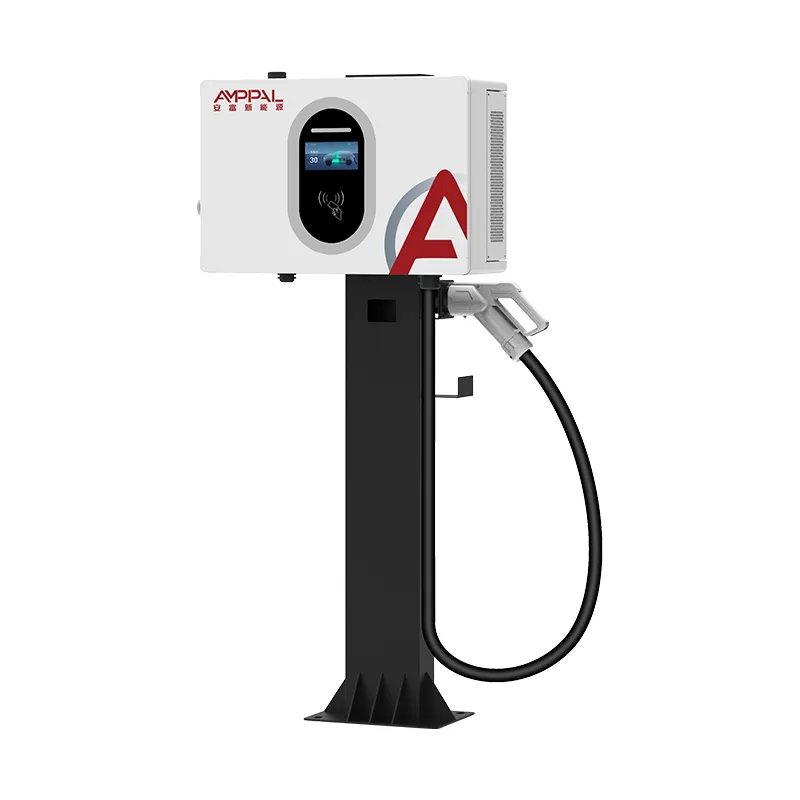
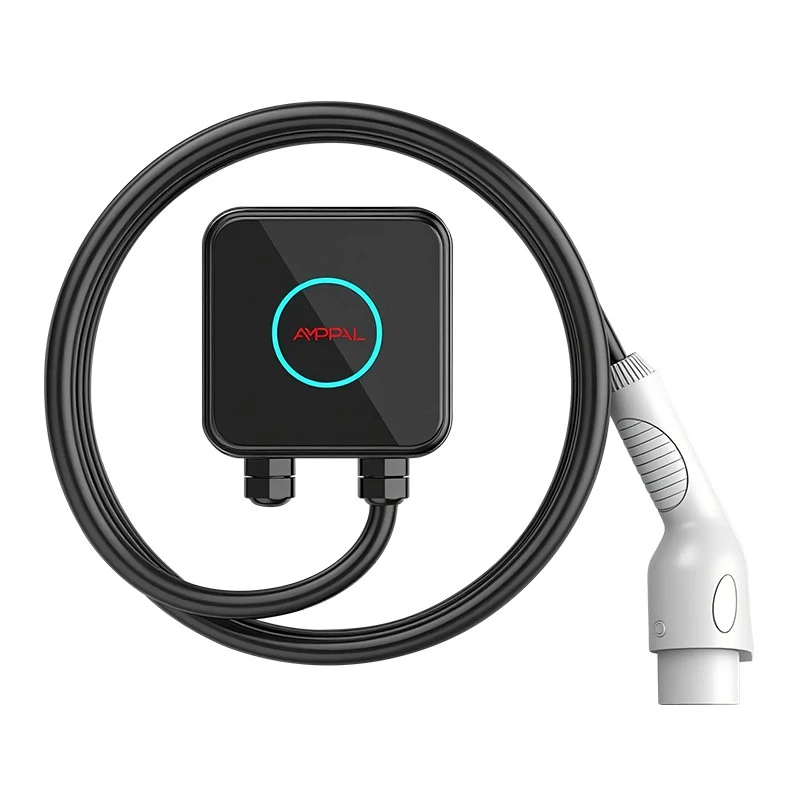
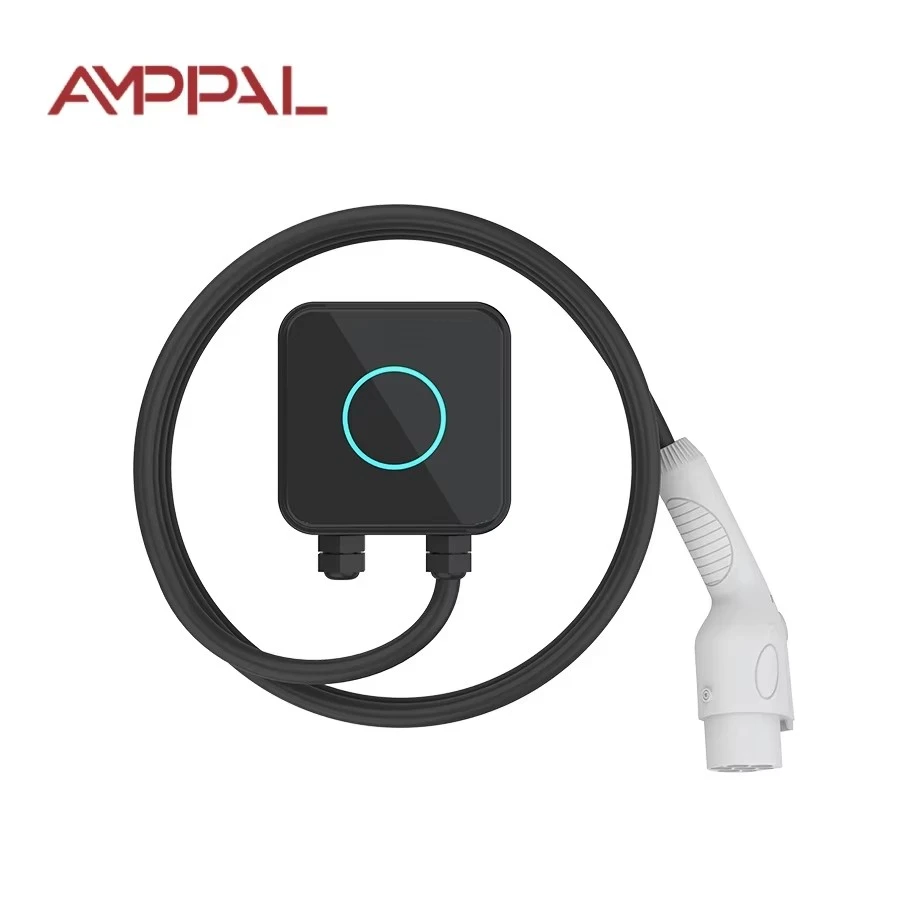
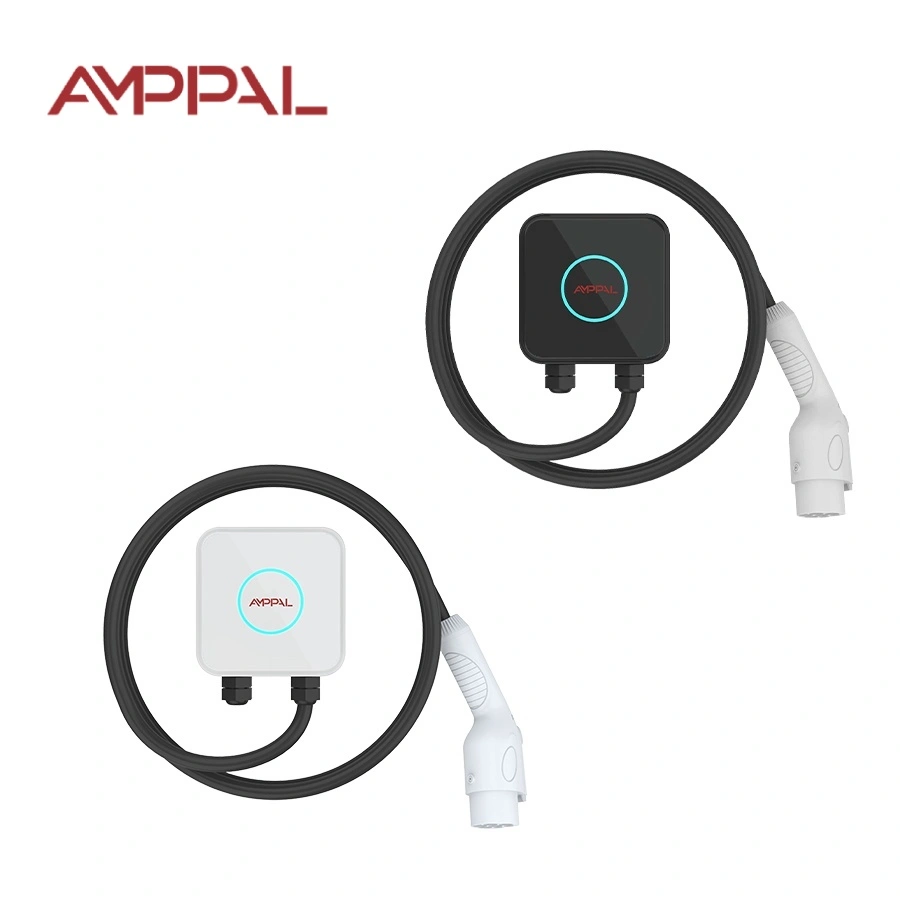
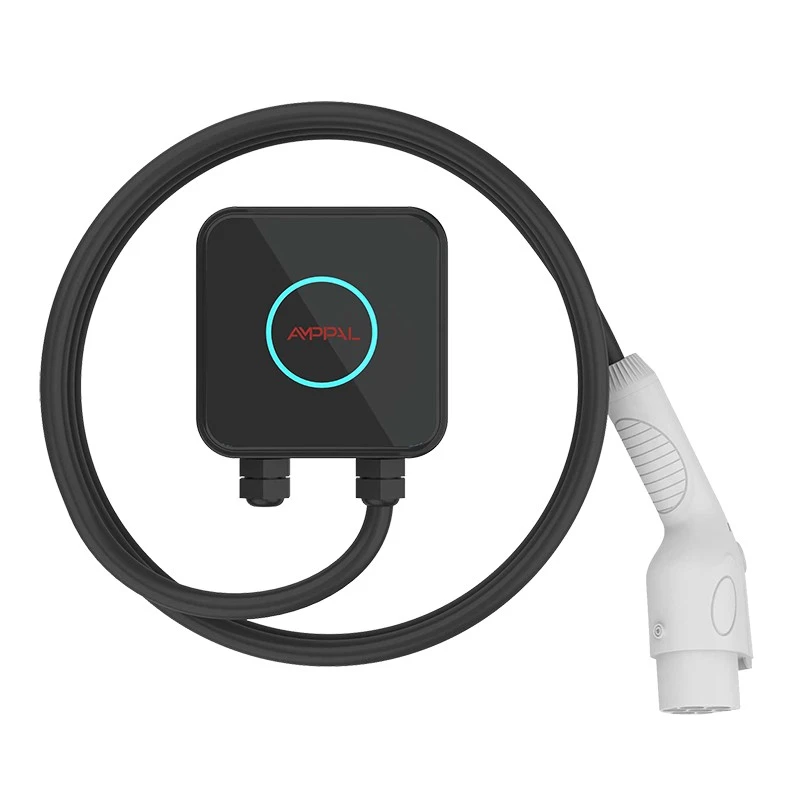
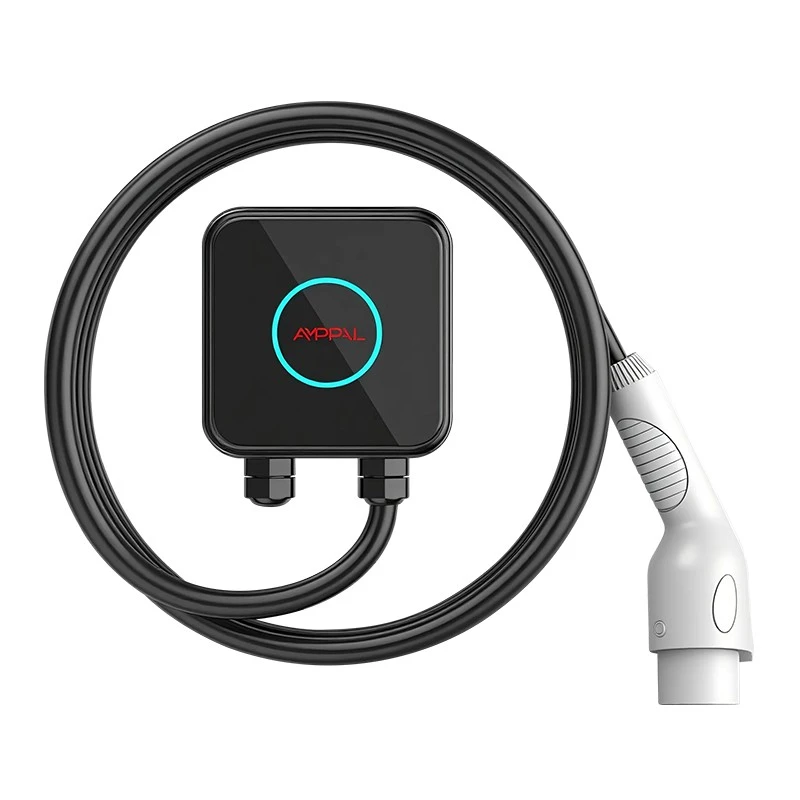
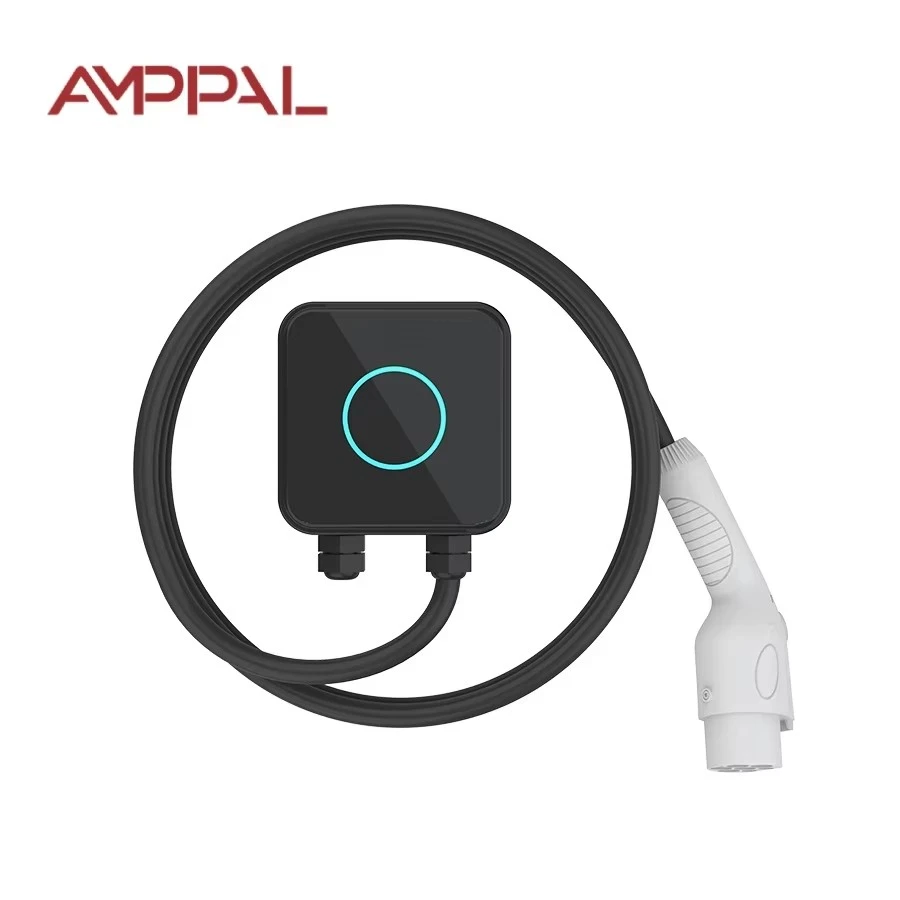
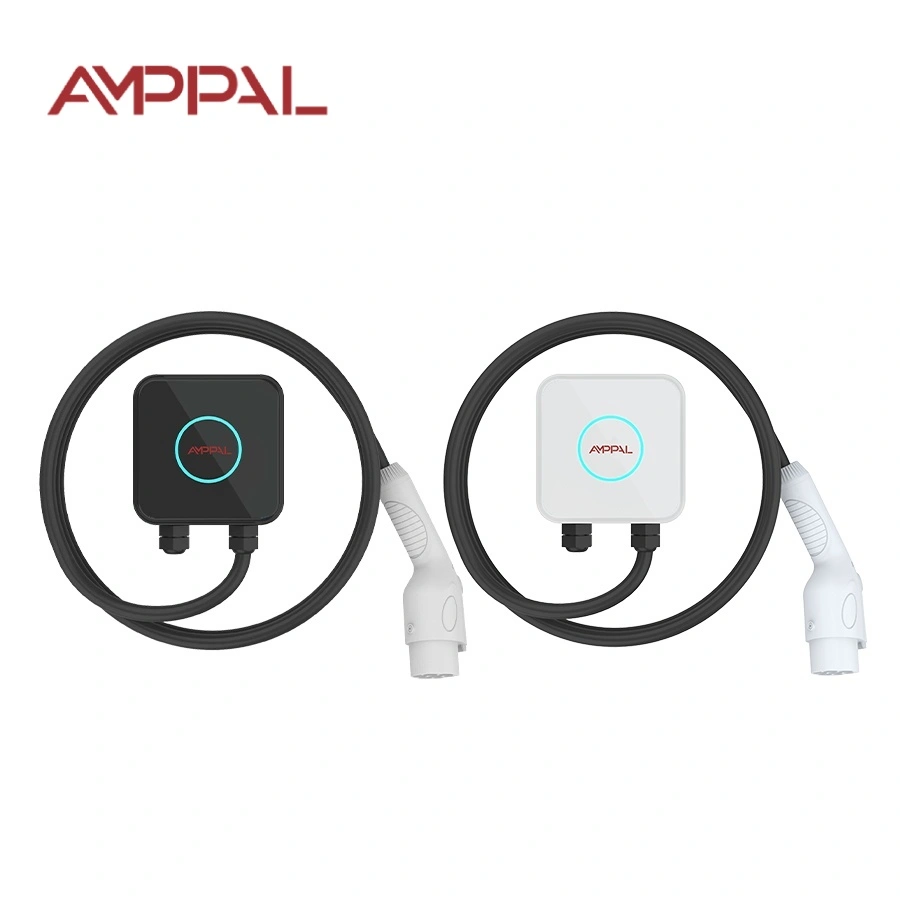
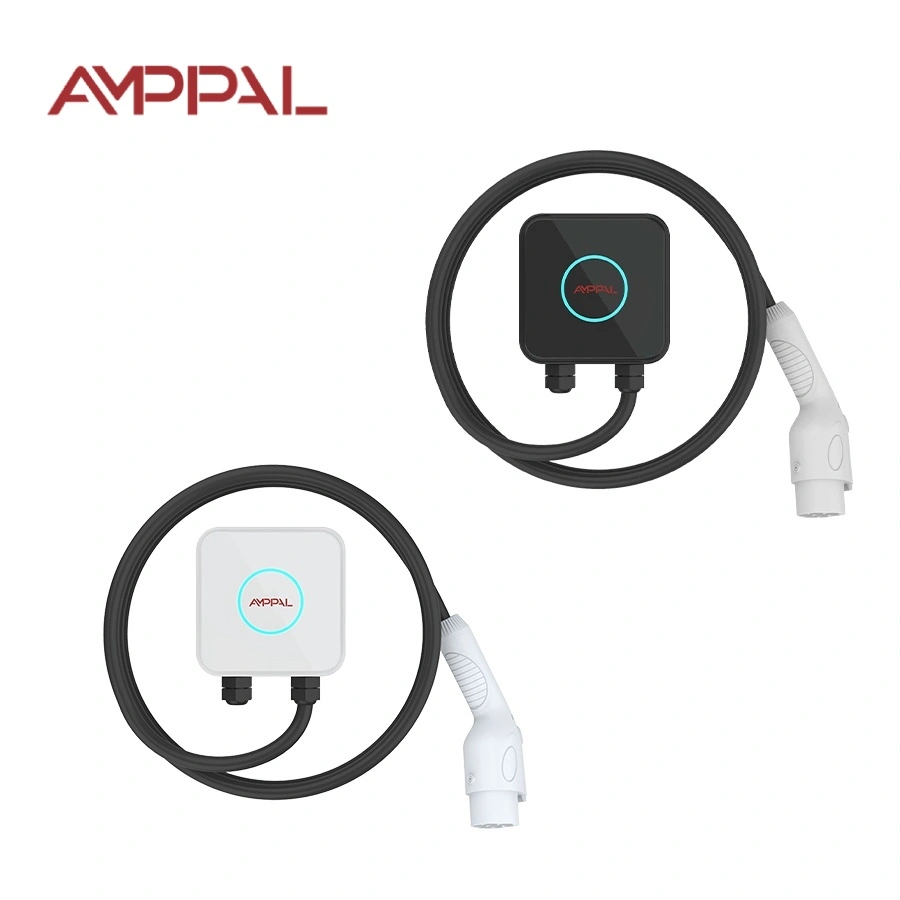
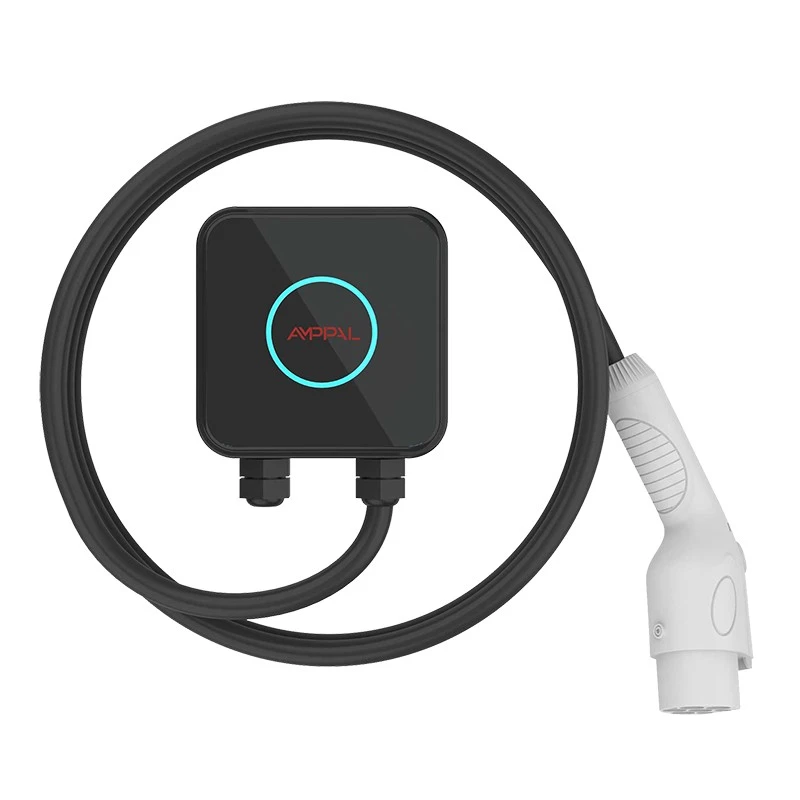
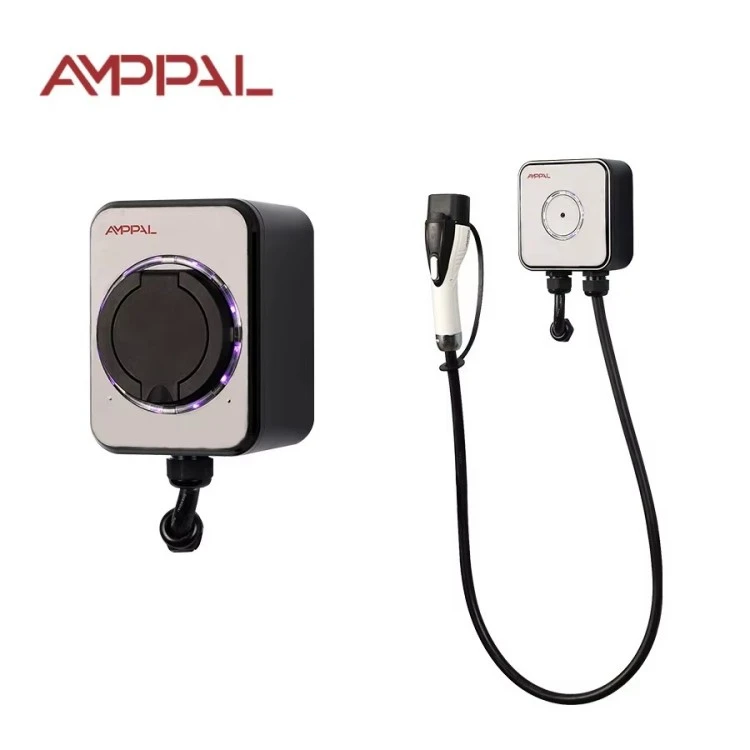
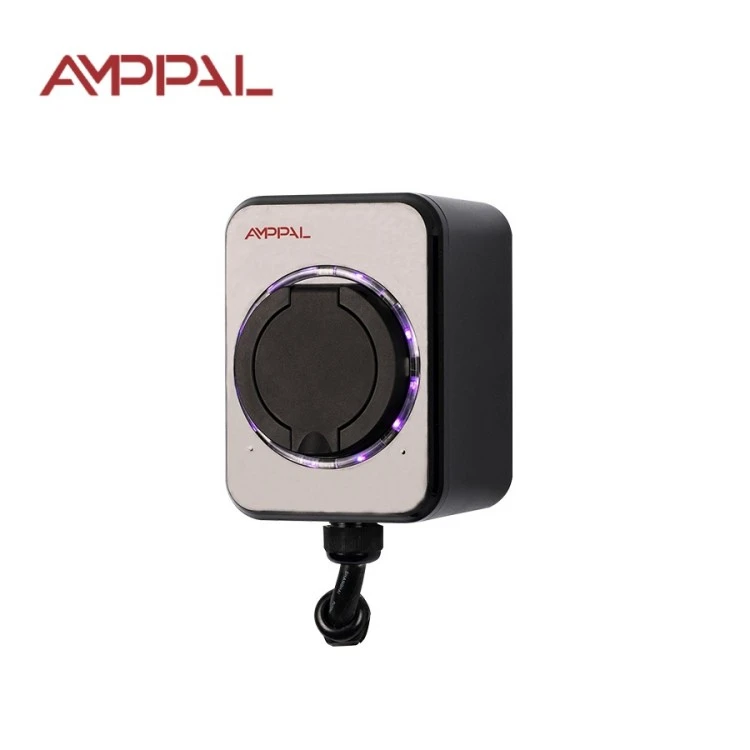
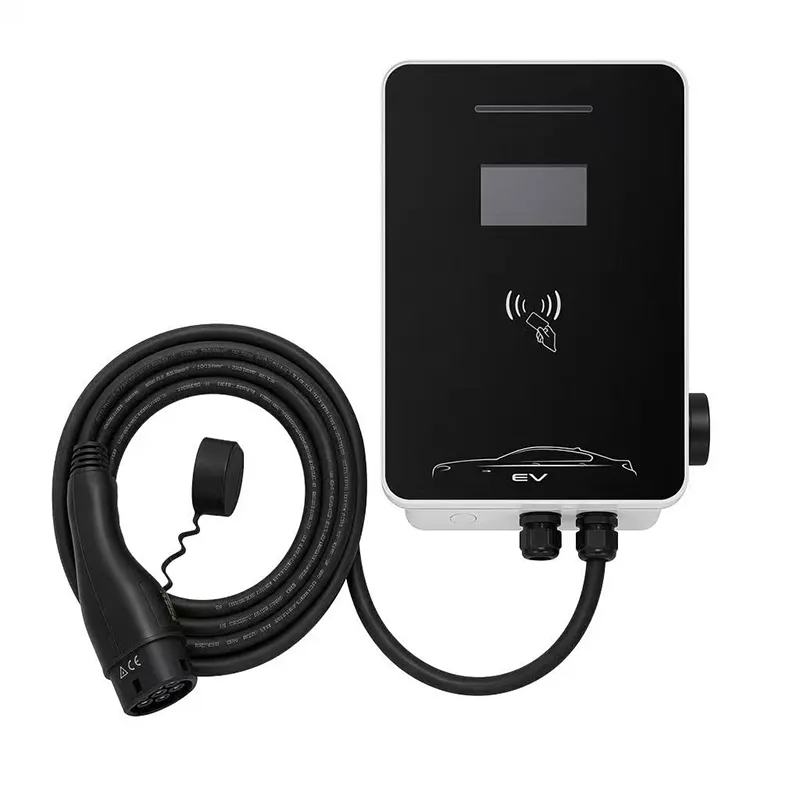
The AMPPAL 7kW Compact is the charger you can unscrew from the wall on a Friday afternoon and have running in a new city by Monday.
Most EV owners treat the wall box as furniture - bolted down, cabled in, part of the house. If you rent, change jobs, or spend summers at a second property, that permanence becomes a liability.
This unit weighs about 1 kg and fixes with four screws. Uninstall, wrap the 5m cable, and it rides in the trunk next to the spare tire.

Seven kilowatts at 230V means 32A - roughly 30 km of range per hour on a typical EV, or a 40 kWh battery refilled in about six hours.
The body is still 150 by 150 by 65 mm. The trick: AC charging has no transformer inside the box; the conversion lives in the car. So the station stays small while the power rating grows.
Thermal management differs from our 3.5kW version - the 7kW runs a sealed aluminum heatsink core inside the thermoplastic UL94 V-0 shell, and load testing keeps the surface below 60C at 35C ambient.
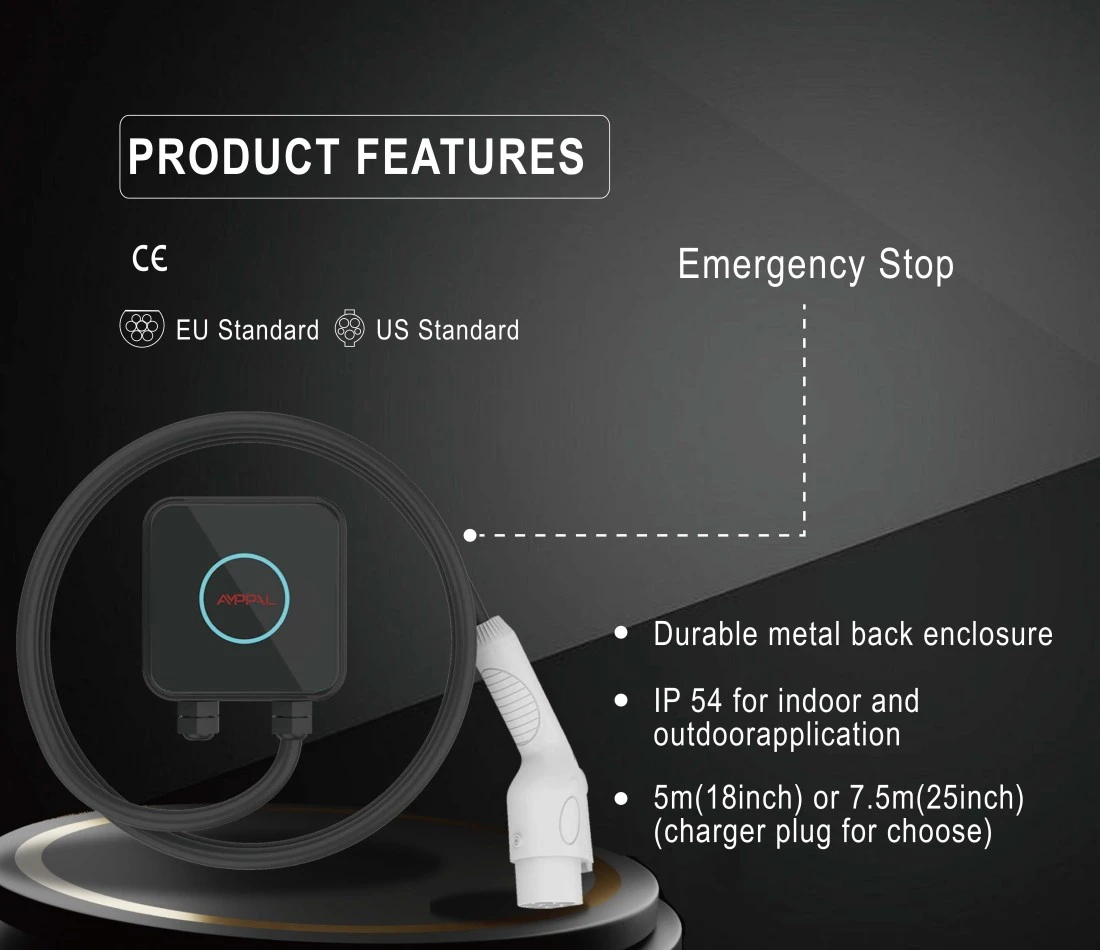
IP54 keeps rain splash and dust out, and the conformal-coated control board survives condensation in an unheated garage.
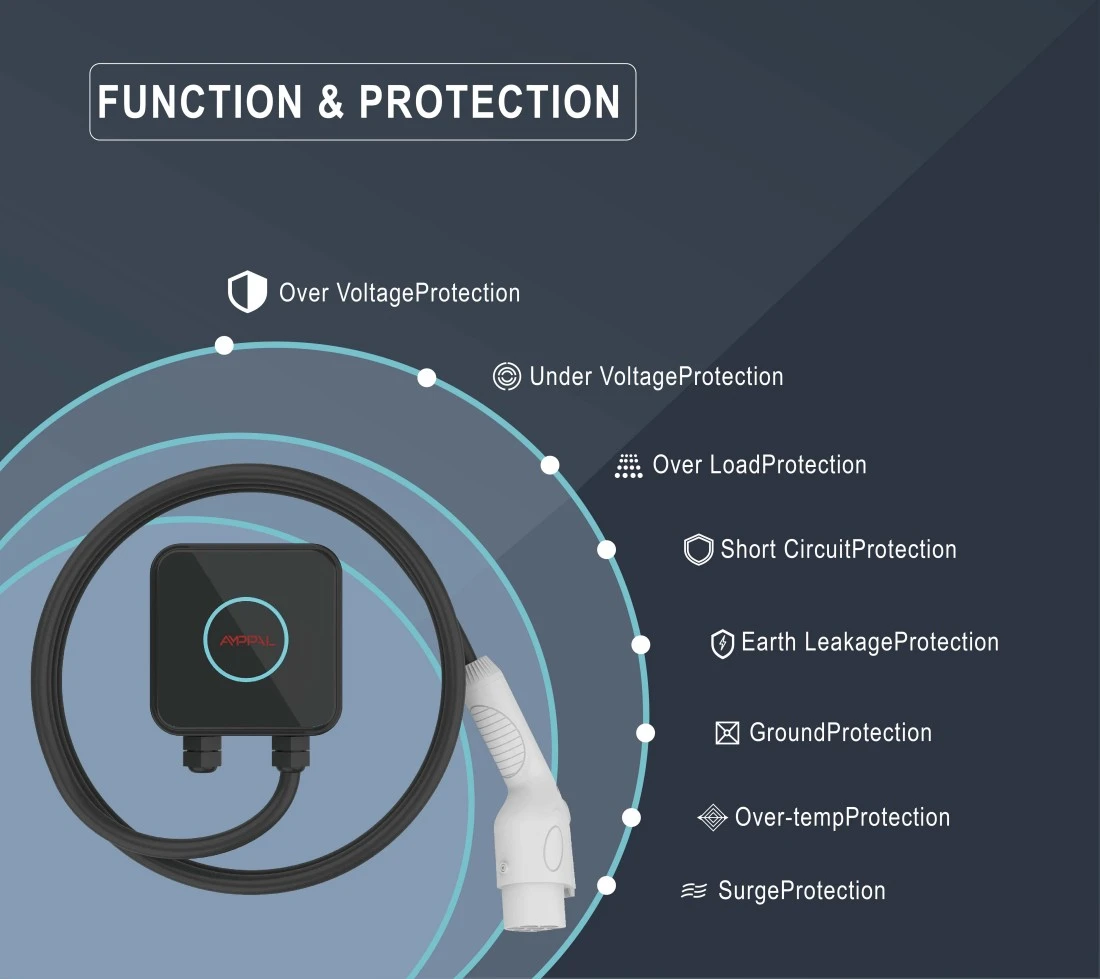
The 32A relay and fused supply path are rated for continuous duty, so the box runs eight-hour overnight sessions without nuisance trips.
The rear plate bolts to the wall once; the charger body slides onto it and locks with two captive screws. Unlocking takes a standard hex key, about three minutes total.
Electrically, you need a dedicated 32A circuit with a type A or B RCD. We ship cable glands sized for the supply cable, so the same enclosure handles hard-wired installs.
For truly temporary setups - a rented house for a season, a workshop - an electrician can wire the wall side to a 32A socket and the unit plugs in via its own supply lead. Confirm local rules; some countries restrict this.
The charging side is a fixed 5m cable. The car port is what varies, so pick Type 2, Type 1 or GB/T to match your vehicle when ordering.
|
Parameter |
Specification |
|
Model |
AF-AC-07-B-A-O-1-SA |
|
Rated Power |
7kW |
|
Input Voltage |
220VAC ±20% |
|
Rated Current |
32A |
|
Frequency |
50/60Hz |
|
Dimensions |
150 × 150 × 65 mm |
|
Housing Material |
Thermoplastic, UL94 V-0 |
|
Protection Grade |
IP54 |
|
Operating Temp |
-20°C to +50°C |
|
Certification |
CE, IEC 61851-1:2017 |
|
Warranty |
2 Years Standard |
1) Renters who move every 1-3 years - the charger moves with the lease, not the landlord's wall. 2) Owners of a summer cottage or ski chalet who refuse to buy two chargers. 3) EV drivers who spend weeks at a relative's house and want real overnight charging. 4) Overlanders and campers towing an EV, charging at campsite hookups. 5) Dealers and resellers who demo chargers at trade shows and customer sites.
Every one of these users faces the same problem: a fixed charger is wasted the moment you leave. The Compact converts that fixed cost into a portable one.
For context, two units plus cables fit in a standard 60-liter duffel - a detail that matters when a reseller flies to a trade show with demo stock.

We sell both fixed-only stations and this removable one, so let us be honest about the compromise.
A permanent charger is neater: no visible screws, no re-wiring at the next place, usually a longer cable. If you own your home and will stay five years, a fixed unit is the better buy.
The Compact trades a little neatness for portability. Its real downsides: you must arrange a 32A circuit at each new site, and the 5m cable is shorter than the 7-8m found on bigger units.
If you never plan to move, you are paying a small premium for a quick-release feature you will not use. That is the honest math.
CE marked; tested to IEC 61851-1:2017 for Mode 3 AC charging.
UL94 V-0 flame-retardant housing; the same case family is used in our fleet units.
100% production testing: earth continuity, 500V DC insulation, 1.5kV dielectric withstand.
Type testing includes a 96-hour salt spray and a 500,000-cycle relay endurance run.
Batch certificates for contactors, current sensors and MCU from approved suppliers.
Factory certifications: CE, TUV, CB, UL - audited by external notified bodies on a rolling schedule.
The build sequence at our Yueqing plant (Zhejiang) runs:
1) SMT assembly with automated optical inspection.
2) Conformal coating applied and cured.
3) Heatsink core and relay stack assembled into the shell.
4) 5m cable fitted through torque-controlled glands.
5) Simulated-vehicle functional test at 32A.
6) High-pot and earth-continuity testing.
7) Serial laser marking and final visual check.
8) Carton pack with mounting plate, hex key and manual, plus a 24-hour burn-in sample per batch.
AC and DC lines run separately in the plant; sheet metal for the larger stations comes from robot lines built with FANUC (Shanghai) and TRUMPF (Germany) partners. Annual capacity exceeds one million units.

Seven kilowatts covers the classic overnight pattern: 30 km of range per hour, eight hours parked equals 240 km added. That satisfies most commuters and even long-distance rental trips.
It is not the right product if you drive more than 250 km daily with no other charging, or if your car accepts 3-phase 11kW and your home has 3-phase wiring - then an 11kW station serves you better.
And it is overkill for a plug-in hybrid with a 10 kWh battery; the 3.5kW Compact would fill that overnight and cost less to buy.
Direct manufacturer: Zhejiang Anfu New Energy Technology Co., Ltd., founded 2014, national-level specialized enterprise with 260+ staff.
Standard lead time 15-20 working days; air-shipped samples in 3-5 working days.
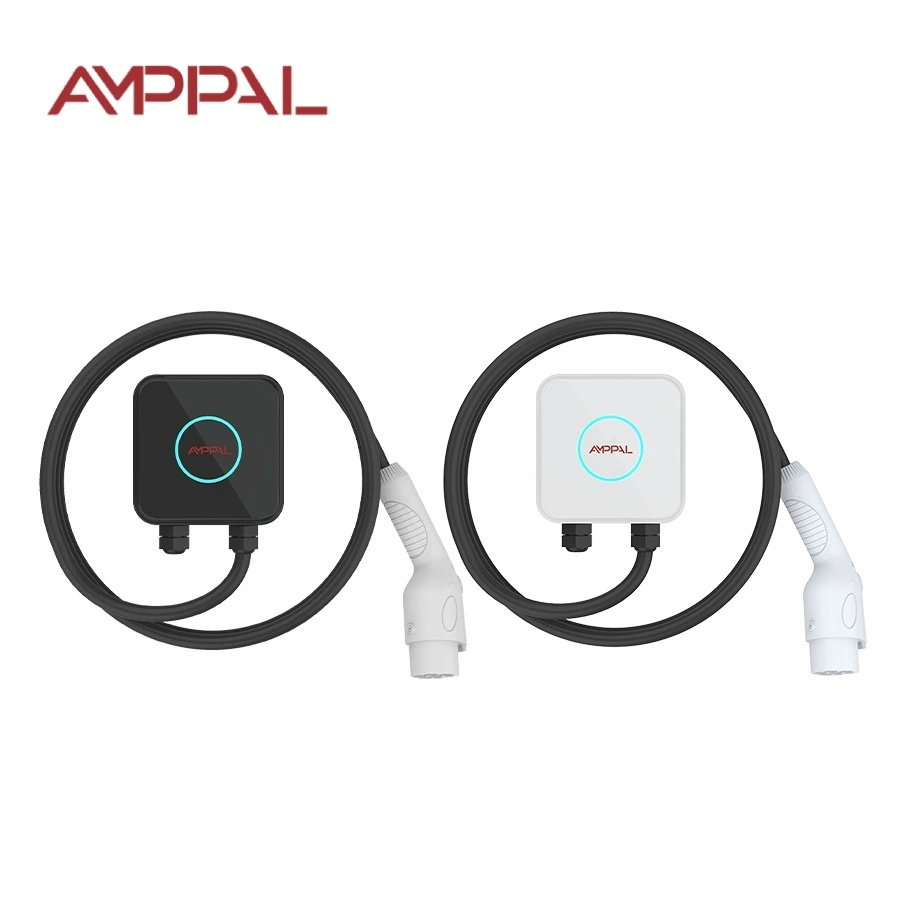
OEM options from 100 units: logo, cable length, plug standard (Type 1/Type 2/GB/T), case color.
Export paperwork complete: CE declaration, IEC 61851-1 test report, factory inspection certificate.
Track record in 40+ countries; reference partners include NEOM (Saudi Arabia) and Sime Darby (Malaysia).
Trial MOQ of 1 unit; pricing tiers at 50 and 500 units.
The shipping carton is 210 x 210 x 120 mm at about 1.7 kg with the mounting plate and tools. A pallet of 50 units weighs under 90 kg, which is why air freight is the default for small orders - typically 5-7 days door to door to Europe.
Sea freight: about 1,200 units per 20-foot container on 24 shrink-wrapped pallets of 50 cartons.
Terms: FOB Ningbo or Shanghai, EXW or CIF. Paperwork includes commercial invoice, packing list, CE declaration and certificate of origin; L/C and D/P accepted.
2-year warranty on manufacturing defects; labor and return-shipping agreed per case.
Spares - relay, control board, cable, mounting plate - dispatched within 7 working days.
Photo or video fault diagnosis with engineer response within one business day.
User upkeep: wipe the vents, check the cable sheath, re-tighten screws one month after install.
Dealer service contracts with local partners in Germany, France and the UAE.
Wrong: yanking the supply cable out and packing the unit wet. Right: switch off the breaker, dry the glands, coil the cable loosely, store the box upright in the trunk.
Wrong: reinstalling at the new address without an electrician checking the circuit. Right: have a local electrician verify 32A capacity and RCD type before you screw the plate on.
Wrong: carrying the unit by the charging cable. Right: lift it by the body - the cable is rated for current, not luggage handling.
Wrong: leaving the Type 2 gun dangling on the ground at the temporary site. Right: use the wall holster, or bag the gun if no holster exists.
Wrong: assuming any 230V socket at the destination will do. Right: check for a real 32A-capable circuit; a 13A socket will trip or throttle the session.
A software engineer renting in Dublin moves every 18 months on average. He keeps the mounting kit in a pouch and says a move now takes 'one lunch break': breaker off, four screws, box in the car, reinstall at the new flat. His gripe: the 5m cable is tight for the far side of a double bay, so he parks nose-in.
A couple in Vancouver keeps one Compact for their apartment and a lakeside cabin four hours away, buying a second rear plate so the wall hardware stays at both sites. The catch they found: at the cabin, 7kW maxes the 32A circuit, so the water heater and charger cannot run together - they schedule charging overnight.
An overlander in Australia charges from campsite 32A hookups and reports the unit survived 4,000 km of gravel roads in the trunk. Small note: the quick-start card is English only, and he wants a French/Spanish version in the box.
A: The rear plate leaves four small screw holes, so ask first; most landlords accept it because removal is clean.
A: Uninstall is DIY-safe, but each reinstall needs an electrician to verify the circuit.
A: Yes - about three times faster than an 8A household cable charge.
A: The unit adapts and charges at 3.7kW there.
A: Type 2 for European cars, Type 1 for most Japanese and US models, GB/T for Chinese-market vehicles.
A: The UL94 V-0 shell with sealed heatsink core is fleet-proven; pack it in the original carton if possible.
A: It is a standard size sold anywhere; we also include a spare in the box.
A: A 40 kWh battery goes from 10% to 100% in about 5.5-6 hours at 7kW.
A: No - a single connector per unit; add a second Compact if you need two bays.
Address
No. 237, Weisan Road, Yueqing, Zhejiang, China
Tel
Talk Directly to Our EV Charger Factory
Get factory-direct pricing, custom solutions, and expert support.
- Fast Response – Reply within 24 hours.
- OEM/ODM – Flexible customization and sample orders.
- Certified Quality – CE, TÜV, CB, and CCC options.
- Custom Quotes – Tailored to your specifications.
- Technical Support – Expert help with OCPP, DLB, and system integration.