" "
Whatsapp
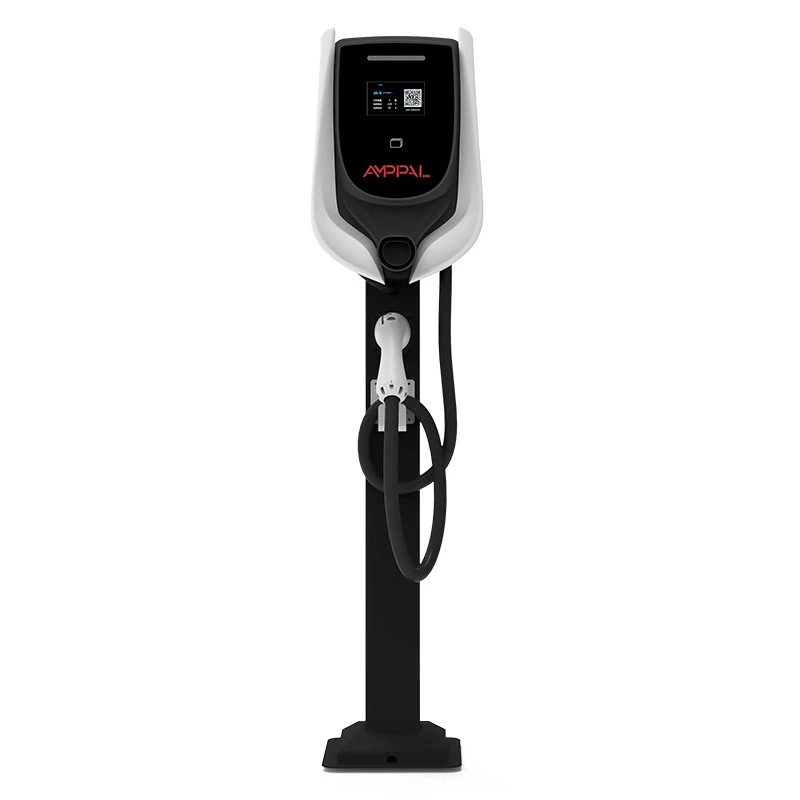
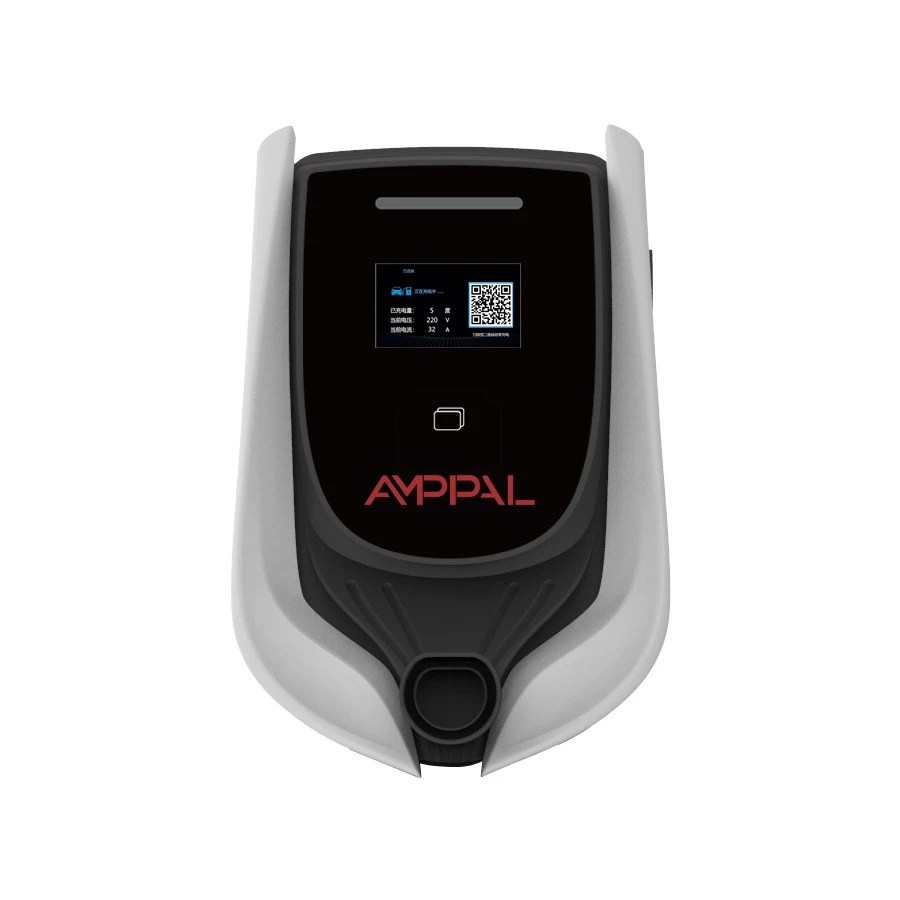
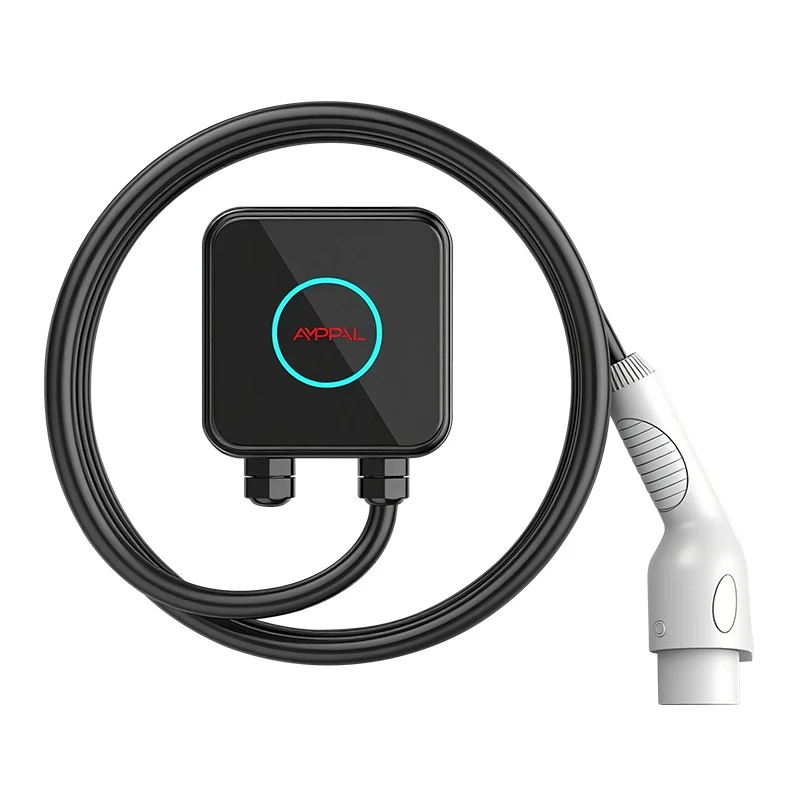
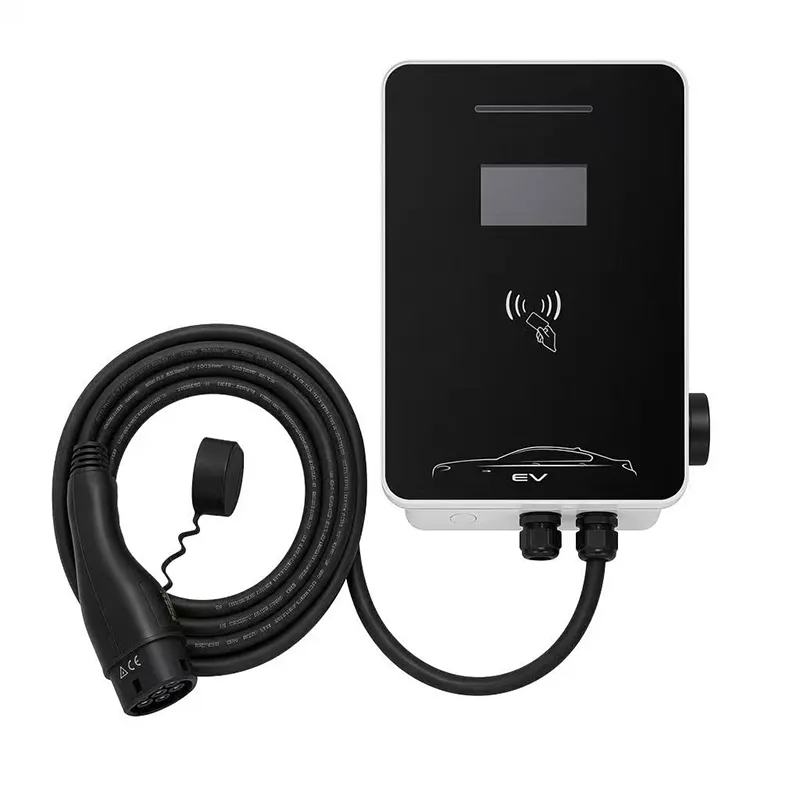
A charging point that cannot tell you who charged what is a cost centre, not a service. The AMPPAL 3.5kW OCPP Smart AC EV Charging Station for Apartments and Workplaces (Model AF-AC-3.5-L/B-A-M-4-SD-P) exists for one reason: to let a building, a company, or a community run charging for many users without standing over the cable.
RFID is the front door. Issue a card per resident or employee, and the station only energises for cards the backend, or its local list, recognises. Behind that sits OCPP 1.6j, the open protocol that connects the station to the charging management system of your choice, so transactions, tariffs, and fault reports flow to one dashboard.
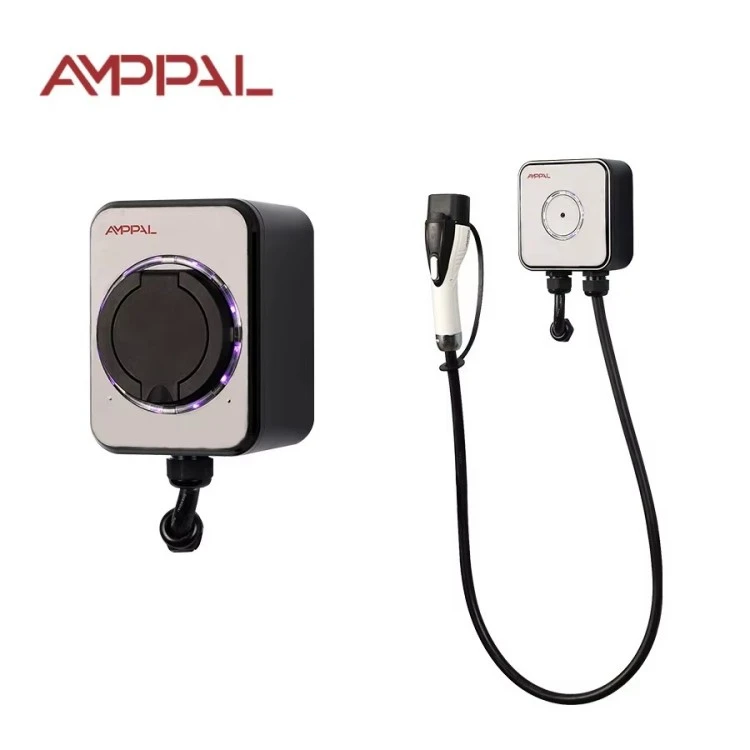
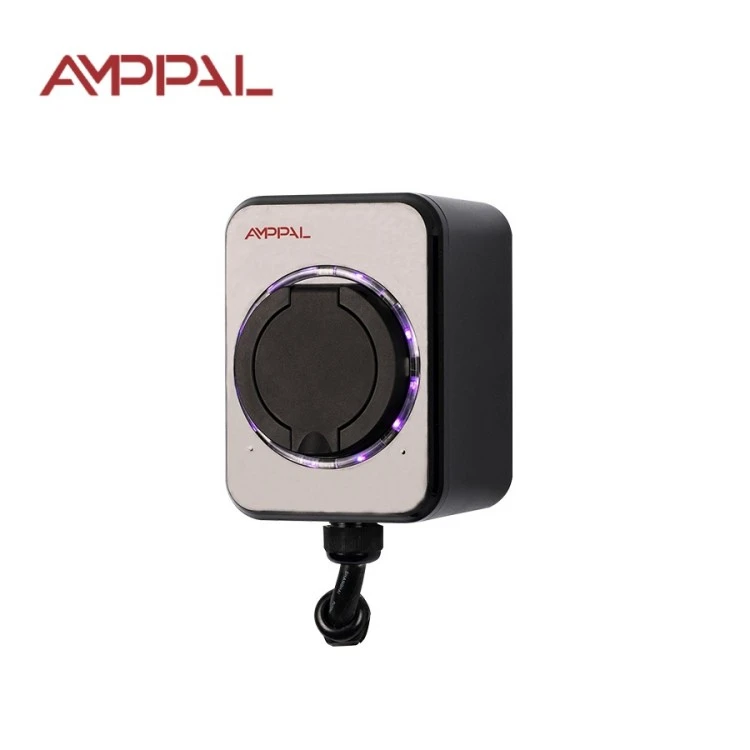
This is not a home gadget that happened to gain a SIM slot. It is a 454 × 306 × 147 mm commercial-grade unit with a 4.3-inch LCD, an LED status strip, and four connectivity options, built to sit in a shared car park and be administered remotely.

Per-user accountability: every session is recorded with card ID, start time, end time, and kWh, so the monthly allocation report writes itself.
Tariff flexibility: the backend sets different rates for residents, visitors, and staff — or charges nothing for the first two hours.
Remote control: lock out a lost card, pause a station, or push new prices without touching the hardware.
Fairness in shared parking: no more arguments about who plugged in first; the system timestamps everything.
Future-proofing: because it speaks OCPP 1.6j, you can switch management platforms later without replacing the hardware.
|
Parameter |
Specification |
|
Model |
AF-AC-3.5-L/B-A-M-4-SD-P |
|
Rated Power |
3.5kW |
|
Input Voltage |
240V |
|
Rated Current |
16A |
|
Communication |
Ethernet, 4G, WiFi, RS485 |
|
Network Protocol |
OCPP 1.6j |
|
User Interface |
4.3" LCD + LED Strip + RFID |
|
Dimensions |
454 × 306 × 147 mm |
|
Protection Grade |
IP54 |
|
Noise Level |
≤40dB |
|
Certification |
UL 2202, UL 2231-2 |
|
Warranty |
2 Years |
Apartment blocks where 10-30 residents share a parking basement and each wants their own bill.
Office buildings offering employee charging as a benefit, with cost recovery for the employer.
Small hotels and guesthouses that advertise EV parking and add the charge to the room bill.
Gated communities where the management board wants controlled access for owners and visitors.
Light commercial yards where a few vans charge overnight and the fleet manager needs consumption data per van.
Tap a card, and the station asks the backend for authorisation. Online, the reply comes back in a second or two; the LCD shows the card name and the LED strip turns blue, then the connector energises. When the session ends, the station records the transaction and uploads it over OCPP 1.6j, where the backend converts it into a bill line.
Four links are available because no two sites are alike. Ethernet suits fixed installations with a structured network; 4G covers basements and remote lots with no cabling; WiFi makes retrofits cheap; RS485 connects to external meters or a site controller. All four share one OCPP stack, so the dashboard looks identical whatever the link.
The honest part about networking: connections fail. So the station keeps a local authorisation list, accepts known cards offline, stores transactions locally, and pushes them to the backend when the link returns. A dead router never means a dead charging session — it means delayed paperwork.
UL 2202 covers the charging system itself: construction, electrical safety, and fire risk of the complete EV supply equipment.
UL 2231-2 covers the personnel protection system, the circuitry that guards the user against electric shock during plug-in and charging.
Both certificates are listed on the unit and verifiable at the UL online directory, which is how US project engineers check claims.
OCPP 1.6j conformance is validated in our factory against a test backend before every firmware release ships.
IP54 and the 40dB noise limit are measured on production samples, and the results are kept with the unit's test record.
Each station additionally passes hipot and insulation resistance tests on the line, with serial-numbered records.
These stations are built on the Zhejiang campus that delivered over one million charging units in 2024, alongside the AC and DC lines that supply projects like the NEOM green hydrogen site.
1. Sheet steel is cut on TRUMPF laser equipment and formed on CNC press brakes.
2. Enclosures are powder-coated and the IP54 gaskets fitted.
3. Main and communication boards are SMT-assembled and reflow-soldered.
4. The LCD, LED strip, and RFID reader are mounted and calibrated.
5. Firmware goes on, then the unit is made to check in with our test backend before it can pass.
6. Ethernet, 4G, WiFi, and RS485 ports are exercised one by one.
7. Hipots, insulation checks, and a several-hour powered burn-in follow.
8. Final visual inspection and carton packing close the line.
Start with the parking pattern, not the power number. If vehicles park for six hours or more — overnight residents, all-day employees, hotel guests — 3.5kW is enough and keeps the site's total load low. A 40 kWh car gains about 14 kWh in four hours; for most commutes, that is the whole day's driving.
This station is the wrong tool for three situations. Highway-style turnover charging needs DC, not AC. Sites where every stall must deliver 7kW or 11kW should step up to the bigger units in this OCPP family. And a site that will never bill anyone, ever, is better served by a dumb wallbox — why pay for a dashboard you will not open?
Connectivity choice matters more than people expect. If the parking area has no network drop and basement signal is weak, plan for Ethernet or a 4G antenna position before you order, not after. Tell our engineers your site layout and we will recommend the link.
Orders dispatch in 15-20 working days. Operators adding units each quarter can reserve recurring production slots.
OEM branding on the enclosure, the LCD boot screen, and even the RFID card artwork.
OCPP 1.6j is open and documented; we provide the integration checklist for your chosen management platform.
UL 2202 and UL 2231-2 certificates are on file and shared with your project consultants.
We run 200+ charging stations ourselves, so the people answering your support tickets also operate chargers.
Each station ships in a foam-cradled carton near 58 × 42 × 30 cm with a gross weight around 12 kg, including the wall bracket, RFID starter cards, and manual. The carton is corner-drop rated and labelled for the UL-listed model number.
Sea freight palletises 24-30 stations per pallet; a 40HQ container carries roughly 300 units. Mixed loads with the 7kW and 11kW variants are routine for distributors building a range.
We quote EXW, FOB Ningbo, or CIF and provide commercial invoice, packing list, certificate of origin, and the UL certificate copies your customs broker or buyer will request.
Two-year warranty on the station and its internal modules against manufacturing defects.
Firmware updates are pushed remotely through the backend; no site visit needed for most changes.
Spare parts — RFID readers, LCD panels, power boards — ship within 3-5 working days for warranty cases.
Remote diagnostics read the station's OCPP status and logs with you on a call, which resolves most issues without a truck roll.
Spares for this family stay available for five years after the model leaves production — relevant if you are wiring a building for the long term.
Wrong: mounting the station where direct sun hits the LCD all afternoon. Right: a shaded or north-facing position keeps the screen readable and the box cooler.
Wrong: letting the 4G SIM run out of data mid-month. Right: a low-data alert in the backend, with Ethernet as the fallback link.
Wrong: handing one shared card to a whole floor and splitting the bill by hand. Right: one card per user so the transaction record is the bill.
Wrong: assuming a network outage stops charging. Right: known cards still work from the local list; transactions upload when the link returns.
Wrong: letting the connector cable drag across the bay floor. Right: a cable hook or holder, and enough slack so drivers never stretch the cable.
The management committee of a 240-unit apartment in Kuala Lumpur installed six stations in 2025 after two years of resident complaints about ad-hoc charging. The treasurer now exports a per-resident kWh report each month; her one gripe is that the basement WiFi signal was weak at first, and the committee had to run one Ethernet drop before all six units settled down.
An office landlord in Dubai fitted stations for 120 employees and set different tariffs for staff and visitors. Facilities staff like that a lost card can be killed from the dashboard in seconds; they note that the LCD interface is English-only, which they accept but would like localised.
A hotel owner in Warsaw runs two units for guests and bills charging through the room folio. He appreciated the offline behaviour when the building's internet provider had a two-day outage — guests still charged, and the transactions appeared in the backend afterwards. He only wishes the RFID starter set included more cards.

A: No. Known cards charge from the local list, and transactions are stored and uploaded when the connection returns.
A: Any platform speaking OCPP 1.6j; we give you the integration checklist and help with the first connection.
A: Each card maps to an account in the backend, which turns sessions into invoices or allocation reports.
A: Yes. Tariffs are configured per card group in the backend, not per station.
A: Block it in the backend; the block synchronises to the station's local list on the next connection.
A: The local authorisation list stores hundreds of card IDs, which covers any realistic building.
A: For overnight resident charging, yes; daytime visitors may need to wait, so many sites mix in one or two higher-power units.
A: OCPP 1.6j integration, transaction records, remote configuration, and multi-platform freedom — a simple box has none of these.
Address
No. 237, Weisan Road, Yueqing, Zhejiang, China
Tel
Talk Directly to Our EV Charger Factory
Get factory-direct pricing, custom solutions, and expert support.
- Fast Response – Reply within 24 hours.
- OEM/ODM – Flexible customization and sample orders.
- Certified Quality – CE, TÜV, CB, and CCC options.
- Custom Quotes – Tailored to your specifications.
- Technical Support – Expert help with OCPP, DLB, and system integration.