" "
Whatsapp
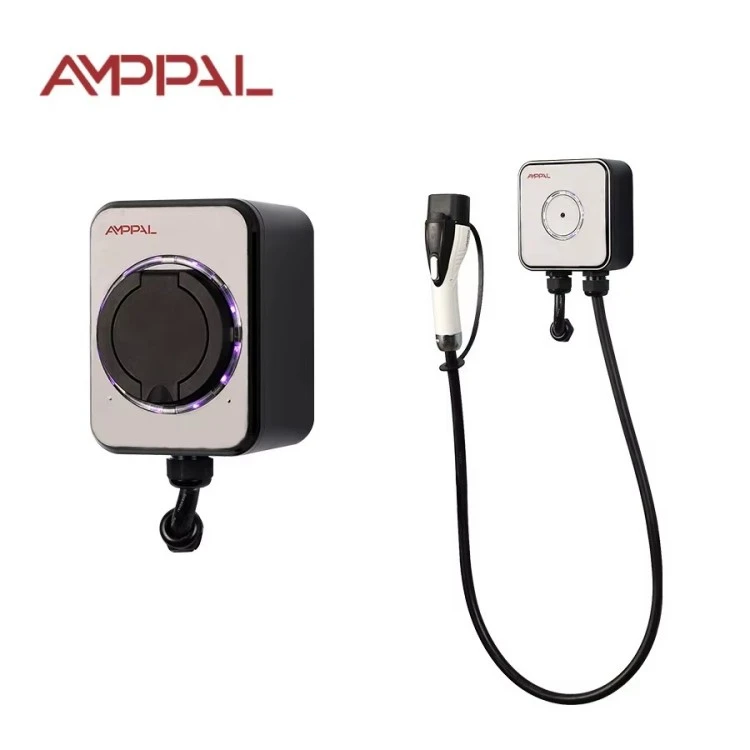
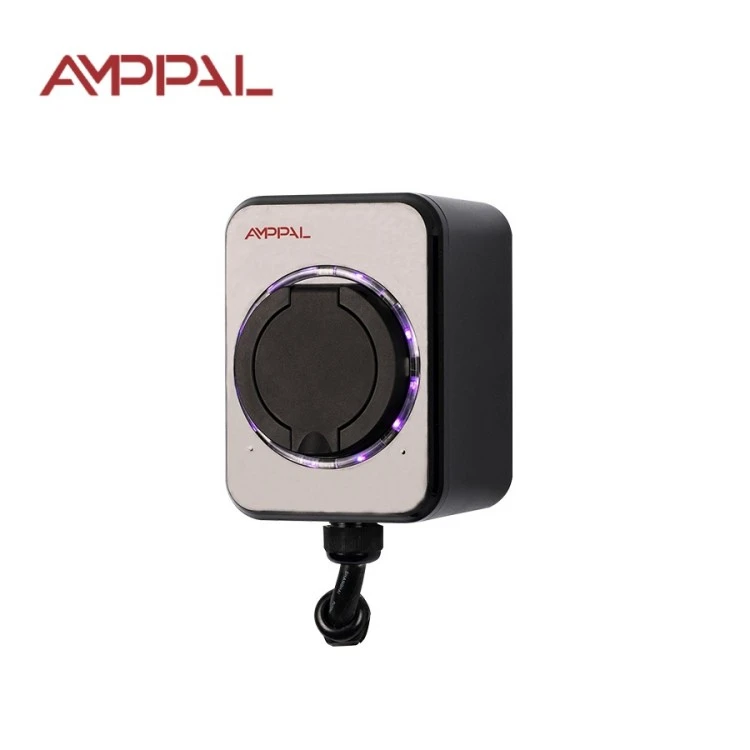
In the United States, the certificate matters more than the kilowatts — and the certificate is UL. This 7kW station (Model AF-AC-7-L/B-A-M-4-SD-P) is not a European product sold to Americans; it is an EV supply unit built, tested, and documented to the two UL standards that US authorities actually inspect: UL 2202 and UL 2231-2.
The difference between selling into the EU and selling into the US is the difference between a self-declaration and a third-party listing. CE is a manufacturer's declaration for the European market; US building inspectors, insurers, and utilities look for UL, and many utility rebate programmes simply refuse equipment without it.
NEC Article 625 is the code that governs EV charging equipment installations, and inspectors apply it through the local authority having jurisdiction. A UL-listed station with a clear nameplate makes the permit conversation short. That is the real product here: paperwork that closes, permits that pass, and insurance that stays calm.

UL 2202 listing covers the complete charging system, which is what US project engineers put in the spec sheet.
UL 2231-2 covers the personnel protection circuitry, the shock-safety layer inspectors check before energising.
240V single phase at 32A matches standard North American residential and light-commercial service.
RFID plus OCPP 1.6j turns the station into a billable asset, not a free outlet for non-residents.
IP54 sealing and a ≤40dB noise rating keep it viable for garages, carports, and indoor parking structures.
The UL mark on the nameplate is verifiable in UL's online directory, which is how buyers check before they order.
|
Parameter |
Specification |
|
Model |
AF-AC-7-L/B-A-M-4-SD-P |
|
Rated Power |
7kW |
|
Input Voltage |
240V |
|
Rated Current |
32A |
|
Communication |
Ethernet, 4G, WiFi, RS485 |
|
Network Protocol |
OCPP 1.6j |
|
User Interface |
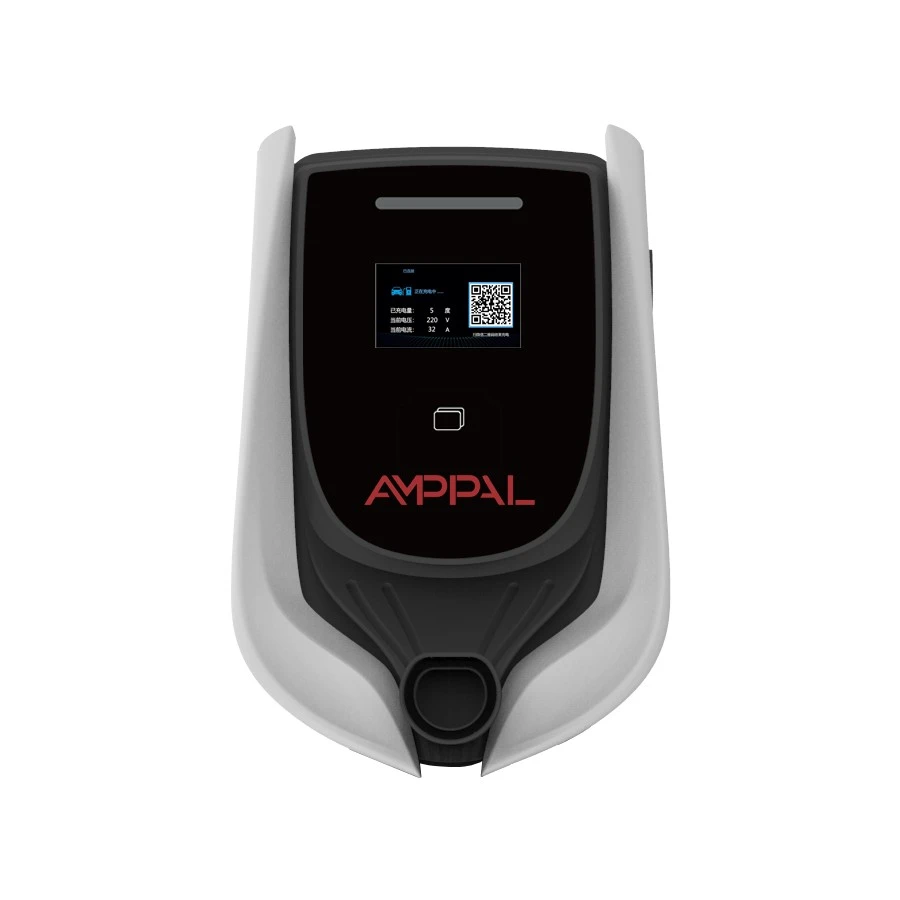
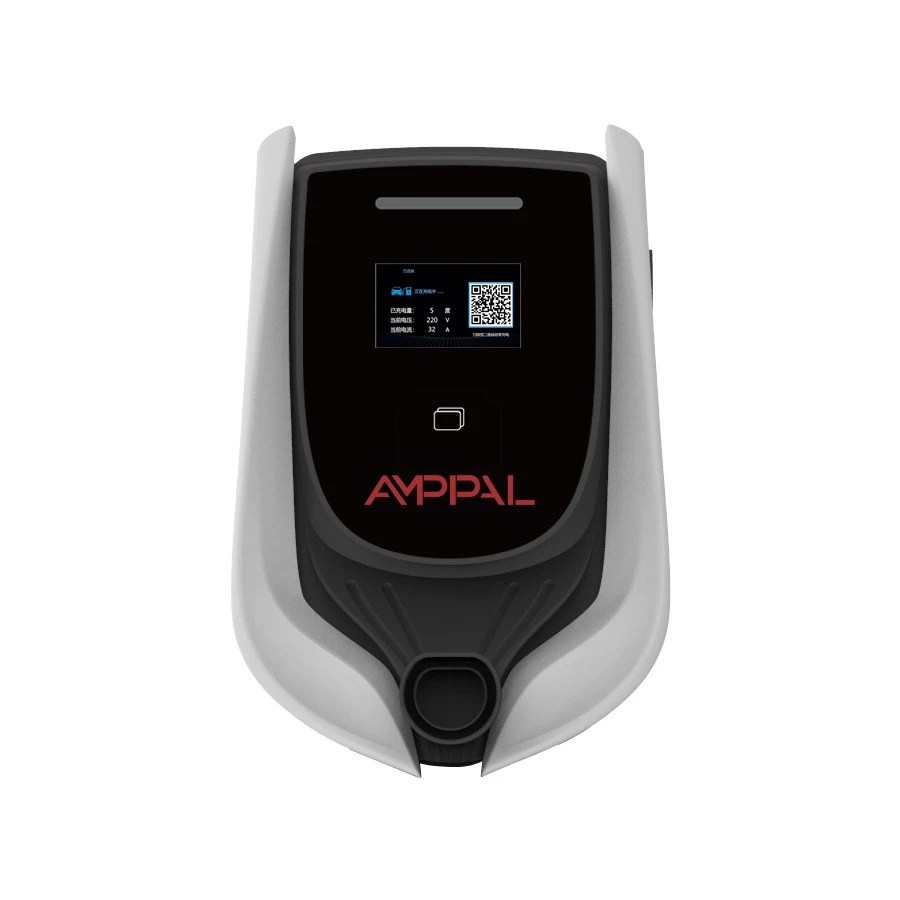
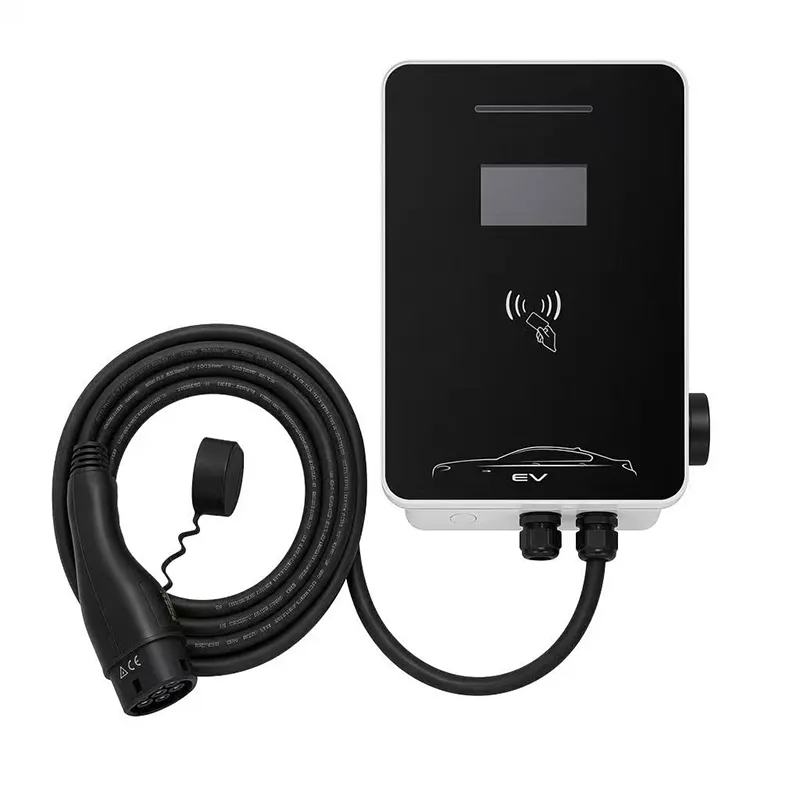
4.3" LCD + LED Strip + RFID |
|
Dimensions |
454 × 306 × 147 mm |
|
Protection Grade |
IP54 |
|
Noise Level |
≤40dB |
|
Certification |
UL 2202, UL 2231-2 |
|
Warranty |
2 Years |
Multifamily housing in states with EV-ready building codes, where each parking space is pre-wired at 240V.
Workplace charging for employee lots, with cost recovery through the OCPP backend.
Condominium garages in Canada where the board needs per-owner metering and access control.
Hotel and retail parking where guests charge overnight and the folio carries the cost.
Light fleet yards running vans and pickups that park 8-10 hours and need reliable 32A sessions.
UL 2202 is the safety standard for electric vehicle charging system equipment: construction, wiring, insulation, and fire behaviour of the complete station under normal and fault conditions. Passing it means the enclosure, the contactor, the PCB layout, and the thermal design have been reviewed by UL engineers against the published requirements.
UL 2231-2 is the personnel protection standard. It governs the circuitry that prevents electric shock when a user plugs in, unplugs, or touches a wet connector: ground continuity checks, leakage current monitoring, and the mechanisms that de-energise the output before contact with a live part is possible.
Both listings sit in UL's public directory under the model number, so an electrical inspector in Texas and a condo engineer in Toronto see exactly the same certificate we send you. No photocopy games, no 'equivalent to UL' language — the listing is the proof.
Every production batch is traced by serial number to its test records, which we keep for ten years.
Each station runs a full hipot and insulation test before packing; the pass values are logged.
Every firmware build is run against a reference backend before release, so an update cannot quietly break your billing integration.
RFID reader range, LCD contrast, and LED strip function are checked on every unit, not sampled.
IP54 and acoustic (≤40dB) results are verified on production samples and filed with the batch record.
The factory's own quality system is audited under the UL surveillance programme, so the listing stays live.
The line shares the Zhejiang campus that delivered over one million charging units in 2024, with FANUC robots on assembly and TRUMPF laser cutters on the enclosures.
1. Enclosure steel is laser-cut, press-braked, and powder-coated.
2. Gaskets and the IP54 sealing surfaces are fitted and inspected.
3. Power and communication boards are SMT-built and reflow-soldered.
4. The LCD, LED strip, and RFID module are mounted and calibrated.
5. Software is loaded, and no unit passes this station until it has completed a live handshake with our reference backend.
6. Ethernet, 4G, WiFi, and RS485 paths are exercised in sequence.
7. Hipot, insulation, and burn-in tests run on every station.
8. Nameplates, UL marks, and cartons go on before the QC stamp.
This station suits US and Canadian sites with 240V single-phase service, a 32A circuit per stall, and a need for access control or billing. Municipalities with EV-ready codes, landlords claiming utility rebates, and contractors building spec'd projects will find the UL paperwork does half the sales job for them.
It is the wrong product in three cases. Sites with three-phase service and 11kW-per-stall requirements should take the 11kW OCPP station instead. Locations needing sub-30-minute turnover need DC, not this AC unit. And a site with no intent to manage users or bills can save money on a simpler model — the RFID and OCPP stack are only worth their cost when someone administers them.
Before ordering, confirm three things with your electrician: the service is 240V, the stall circuit is rated for 32A continuous, and the parking area has a network path (Ethernet, cellular signal, or WiFi) or an approved offline operating plan. Our engineers will map the connectivity with you either way.

15-20 working days from order to dispatch, which fits construction schedules better than typical OEM lead times.
OEM options: your brand on the enclosure, boot screen, and RFID cards, plus English manuals as standard.
UL 2202 and UL 2231-2 certificates, plus the factory's CE, TÜV, and CB files, are shared with your spec team.
MOQ is negotiated per order; contractors and distributors commonly start with 20-50 units.
We operate 200+ charging stations ourselves, so US buyers talk to a team that also runs chargers, not just sells them.
Each station ships in a foam-cradled carton near 58 × 42 × 30 cm, gross weight about 12 kg, with the wall bracket, starter RFID cards, and a manual. Cartons carry the model nameplate and UL listing mark for easy inspection at the port.
Palletised sea freight takes 24-30 stations per pallet and roughly 300 per 40HQ container; mixed loads with the 3.5kW and 11kW OCPP stations are routine for distributors building a range.
Documents are prepared for US customs brokers: commercial invoice, packing list, certificate of origin, and copies of the UL certificates. We quote EXW, FOB Ningbo, or CIF and ship via Ningbo or Shanghai.
Two-year warranty against manufacturing defects on the station and internal modules.
Support hours overlap US time zones, and remote diagnostics read OCPP logs with you on a call.
Readers, LCD panels and power modules ship from stock in 3-5 working days.
Firmware updates push remotely through the backend; UL-listed components are never swapped for substitutes.
Five years of spare-part cover continues after this model is discontinued.
Wrong: energising the station before the local authority has signed the permit. Right: pulling the permit, showing the UL listing, and energising after inspection.
Wrong: landing the station on a shared 50A circuit with other loads. Right: a dedicated 32A continuous-rated circuit per stall, per NEC 625.
Wrong: skipping the ground check because 'it worked at the last site'. Right: verify grounding and ground continuity on site; UL 2231-2 protection depends on it.
Wrong: giving one RFID card to the whole building. Right: per-user cards so the OCPP transaction log stays meaningful for billing.
Wrong: assuming a network failure bricks the station. Right: known cards charge from the local list, and transactions upload when the link returns.
An electrical contractor in the Dallas-Fort Worth metro installed 30 stations across three multifamily projects in 2025. He says the UL file shortened his permit conversations from weeks to days, and his only complaint is the 12 kg unit is a two-person lift on a ladder — his crew now uses a helper on every mount.
A condo board in Toronto runs four stations in an underground garage. The property manager exports per-owner kWh reports each month; the one gripe is the LCD's English-only menus, which a francophone owner flagged during the first month.
A fleet supervisor in Chicago charges 12 work vans overnight on eight stations. Sessions have been reliable through one Illinois winter; his note to us was that the LED strip is bright enough to read a clipboard in a dark lot, which he counts as a feature, though his night-shift driver calls it 'a beacon'.
A: UL engineers reviewed and tested the complete unit to UL 2202 and UL 2231-2, and the listing stays live under factory surveillance.
A: No. CE is an EU-market declaration; US authorities having jurisdiction look for third-party listings such as UL, and many utilities require them for rebates.
A: The National Electrical Code article covering EV charging equipment installation — circuit sizing, grounding, and disconnect requirements.
A: In most US and Canadian jurisdictions, yes, and the UL listing is exactly what the inspector wants to see on the nameplate.
A: Yes, it delivers 240V single phase at up to 32A with the connector variant configured for your market.
A: Many US utilities condition rebates on UL-listed equipment; check your local utility's programme list.
A: The station keeps a local authorisation list and stores transactions, uploading them when a link is available.
A: RFID cards map to accounts in the OCPP backend, which turns sessions into invoices or allocation reports.
Address
No. 237, Weisan Road, Yueqing, Zhejiang, China
Tel
Talk Directly to Our EV Charger Factory
Get factory-direct pricing, custom solutions, and expert support.
- Fast Response – Reply within 24 hours.
- OEM/ODM – Flexible customization and sample orders.
- Certified Quality – CE, TÜV, CB, and CCC options.
- Custom Quotes – Tailored to your specifications.
- Technical Support – Expert help with OCPP, DLB, and system integration.